

If you have ever stood at a trailhead at dawn with cold ears or felt the chill creep in as you climbed toward a summit, you know how much a good beanie matters. The best hiking beanie does more than keep your head warm – it fits comfortably under a helmet or hood without bunching, sits flat against your skin without itching, and breathes well enough that you do not overheat once you start moving uphill.
But not all beanies are built for the trail. Some are too bulky to layer under other gear, others feel scratchy after an hour of wear, and plenty trap so much heat that you are pulling them off within the first mile. We tested merino wool and synthetic options specifically for hiking conditions – cold morning starts, windy ridgelines, and the need to layer easily – and found five that actually deliver on warmth, comfort, and packability without the hassle.
What to Look For
Material Matters More Than You Think
The fabric your beanie is made from directly affects how it performs on the trail. Merino wool is the gold standard for hiking beanies because it regulates temperature naturally, wicks moisture away from your scalp, and resists odor even after multiple wears. Unlike cotton, which gets damp and stays damp, merino continues to insulate when wet and dries relatively quickly. Most merino beanies feel soft against the skin without the scratchiness associated with traditional wool.
Synthetic options and merino-synthetic blends can also work well, especially if you generate a lot of heat while hiking. These materials dry faster than pure wool and often cost less, though they may not control odor as effectively over multiple days. If you have sensitive skin, look for beanies labeled as next-to-skin or fine-gauge merino – these use thinner, softer fibers that reduce irritation. Avoid anything labeled as “coarse wool” or “rustic knit” if comfort is your priority.
Fit and Profile for Layering
The best hiking beanie fits close to your head without feeling tight or leaving a bulky profile. A low-profile fit is essential if you plan to wear the beanie under a helmet for scrambling or climbing, or under a hood when weather turns. Beanies with a cuffed design let you adjust how much coverage you want – fold the cuff down for extra warmth over your ears, or roll it up for a slimmer fit.
Some beanies are designed to be reversible, giving you two color options and often a seamless construction that eliminates pressure points. Check the interior seams if you are prone to irritation – flat-lock seams or fully seamless construction will be more comfortable during long days. Avoid beanies with thick decorative stitching on the inside, as these can dig into your forehead or cause hotspots under a helmet.
Weight and Packability
A hiking beanie should be light enough that you forget it is in your pack when you are not wearing it. Most quality beanies weigh between one and three ounces, and they should compress down to roughly the size of a fist or smaller. This makes them easy to stuff into a jacket pocket or the top of your pack for quick access when temperatures drop.
Lightweight does not mean less warm – merino wool provides excellent insulation relative to its weight. If you are hiking in shoulder seasons or at elevation where you might start cold and warm up quickly, a packable beanie lets you adjust on the fly without carrying bulk. Look for beanies without heavy embellishments, thick linings, or excess material that add weight without improving performance.
Breathability for Active Use
Unlike a beanie you wear around town, a hiking beanie needs to breathe. When you are moving uphill with a pack on, your body generates heat, and a beanie that traps too much warmth will leave you sweating and uncomfortable. Merino wool naturally wicks moisture and allows air circulation, which is why it remains the preferred material for active outdoor use.
Some beanies include mesh panels or thinner knit zones at the crown to improve ventilation without sacrificing warmth at the ears and forehead. If you tend to overheat easily, look for lightweight or midweight options rather than expedition-weight beanies designed for extreme cold. A beanie that breathes well will keep you comfortable across a wider range of conditions and activity levels.
Durability and Care
A good hiking beanie should last multiple seasons with proper care. Merino wool is naturally durable, but it does require some attention – most beanies should be hand-washed or machine-washed on a gentle cycle in cold water, then laid flat to dry. Avoid putting wool beanies in the dryer, as heat can cause shrinking and damage the fibers.
Look for reinforced stitching at stress points, especially around the cuff if the beanie has one. Some beanies come with a small logo patch or label on the exterior – check that these are securely attached, as loose patches can snag on branches or pack straps. A well-made beanie will maintain its shape and elasticity even after dozens of wears and washes.
Price and Value
Hiking beanies range from around ten dollars for basic synthetic options to fifty dollars or more for premium merino wool designs. Most quality merino beanies fall between twenty and thirty-five dollars, which is a reasonable investment for a piece of gear you will use year-round. Higher prices often reflect finer merino fibers, better construction, or added features like reversible designs or seamless knitting.
That said, you do not need the most expensive option to get a great beanie. Focus on fit, material quality, and how the beanie will work with your other gear. A twenty-dollar beanie that fits well under your hood and does not itch will serve you better than a fifty-dollar option that bunches up or feels scratchy against your forehead.
Our Top Picks
1. Minus33 Merino Wool 100% Merino Wool Cuff Beanie
Best for cold morning starts and all-day comfort without breaking the budget

The Minus33 Merino Wool Cuff Beanie is one of the most reliable options for hikers who need warmth, comfort, and versatility without spending a lot. Made from 100% merino wool, this beanie regulates temperature naturally and wicks moisture away from your scalp during active climbing or fast-paced trail sections. The fabric is soft enough to wear directly against your skin without the scratchiness that puts many people off traditional wool, and it maintains that softness even after multiple washes.
The cuff design gives you flexibility in how you wear it – fold it down for extra coverage over your ears on cold summits, or roll it up for a slimmer profile that fits easily under a helmet or hood. The fit is snug without being tight, and the beanie stays in place during movement without constant adjusting. It compresses down small enough to stuff into a jacket pocket, making it easy to carry as a just-in-case layer.
With over nine thousand reviews and a 4.6-star rating, this beanie has proven itself across a wide range of conditions and users. Hikers consistently mention the value – at under twenty dollars, it performs as well as options that cost significantly more. The construction is solid with flat seams that do not dig into your forehead, and the beanie holds its shape well over time. Minus33 offers this in multiple colors, so you can choose something that matches your other gear or stands out on the trail.
The one-size-fits-most design works for most head sizes, though if you have a particularly large or small head, you may want to check the fit. The beanie is climate pledge friendly, which is a nice bonus if sustainability matters to you. For the price and performance, this is the best hiking beanie for most people – it handles cold weather without overheating you on the climb, fits under other gear without bulk, and lasts season after season.
Pros
- 100% merino wool that wicks moisture and regulates temperature naturally
- Soft against skin without itchiness even during long wear
- Cuff design allows adjustable coverage and slim fit under helmets
- Compresses small for easy packing in jacket pockets
- Over 9,000 reviews confirm durability and value at under $20
Cons
- One-size-fits-most may not work for very large or small heads
- Requires hand washing or gentle machine cycle to maintain shape
View Minus33 Merino Wool 100% Merino Wool Cuff Beanie on Amazon →
2. Smartwool Unisex Adult Thermal Merino Reversible Cuffed Beanie
Best for hikers who want premium construction and a reversible design for versatility

The Smartwool Thermal Merino Reversible Cuffed Beanie is a step up in quality and design for hikers who want a beanie that performs at a higher level. This is a fully reversible beanie, meaning you get two color options in one piece of gear – useful if you want to match different jackets or simply prefer having options. The reversible construction also means there are no interior seams to cause pressure points or irritation, which makes this beanie exceptionally comfortable under helmets or during all-day wear.
SmartWool uses thermal merino wool that provides excellent insulation without excess bulk. The fabric is soft and fine-gauge, so it sits comfortably against your skin without any scratchiness. It breathes well during active movement, which means you can wear it on the climb without overheating, and it keeps you warm during rest breaks or at the summit when your body cools down. The cuffed design allows you to adjust coverage over your ears, and the low-profile fit works seamlessly under hoods or climbing helmets.
With nearly 1,800 reviews and a 4.7-star rating, this beanie has a strong track record among hikers and outdoor athletes. Users mention the quality of construction – this is a beanie that holds up to regular use and washing without losing its shape or elasticity. It compresses down easily for packing and weighs just a couple of ounces, so it does not take up space or add noticeable weight to your kit.
The price is higher than budget options, but you are paying for SmartWool engineering, better merino fibers, and the reversible feature. If you hike frequently or in varied conditions where you need reliable warmth and comfort, this beanie is worth the investment. It is also a good choice if you have sensitive skin or have been disappointed by scratchier wool beanies in the past.
Pros
- Reversible design provides two color options and eliminates interior seams
- Thermal merino wool offers excellent warmth without bulk
- Soft fine-gauge fabric is comfortable against skin with no itchiness
- Low-profile cuffed fit works well under helmets and hoods
- Nearly 1,800 reviews confirm durability and comfort
Cons
- Higher price point than basic merino beanies
- Requires gentle washing to maintain reversible construction
View Smartwool Unisex Adult Thermal Merino Reversible Cuffed Beanie on Amazon →
3. Icebreaker Merino Unisex Adult Pocket Hat Winter Wool Beanie
Best for minimalist hikers who want a simple, functional beanie that packs down small

The Icebreaker Merino Pocket Hat is designed for hikers who value simplicity and packability. Made from Icebreaker merino wool, this beanie is lightweight, breathable, and soft enough to wear comfortably for hours without irritation. The name comes from its ability to compress down small enough to fit in a jacket pocket, making it an ideal layer to carry just in case temperatures drop unexpectedly on the trail.
The fit is streamlined and low-profile, which means it layers easily under hoods or helmets without creating bulk. There is no cuff on this beanie, so it sits close to your head and provides consistent coverage without the option to adjust. This makes it a good choice if you prefer a clean, simple design without extra material. The merino fabric wicks moisture effectively, so even if you are sweating on the way up, the beanie does not feel damp or clammy against your scalp.
With 373 reviews and a 4.2-star rating, this beanie has solid performance feedback from users who appreciate its packability and Icebreaker quality. While the review count is lower than some mass-market options, the feedback is consistent about the beanie holding up well to regular use. Some users mention that the fit runs slightly small, so if you have a larger head or prefer a looser fit, you may want to size up or try a different model. The construction is straightforward with minimal seams, which contributes to the lightweight feel.
Icebreaker is known for quality merino products, and this beanie reflects that reputation. It holds up well to regular use and washing, and the fabric maintains its softness over time. At just under twenty-seven dollars, it sits in the middle of the price range for merino beanies. If you want a no-frills beanie that does its job without extra features, this is a reliable choice that will not let you down on the trail.
Pros
- Lightweight and compresses down small enough for jacket pockets
- Merino wool is soft and breathable for active use
- Low-profile fit layers easily under helmets and hoods
- Minimal seam construction reduces irritation
- Icebreaker brand quality with solid durability
Cons
- Fit runs slightly small for some users
- No cuff means you cannot adjust coverage over ears
View Icebreaker Merino Unisex Adult Pocket Hat Winter Wool Beanie on Amazon →
4. Smartwool Unisex Adult The Lid
Best for active hikers who need breathability and moisture management during high-output climbs

The Smartwool The Lid is designed specifically for active use where breathability is just as important as warmth. This beanie uses a merino wool blend that emphasizes moisture wicking and temperature regulation, making it ideal for hikers who generate a lot of heat on steep climbs or fast-paced trails. The fabric is lighter weight than expedition-style beanies, so it provides enough warmth for cold starts without causing you to overheat once you are moving.
The fit is snug and low-profile, which makes it easy to wear under a hood or helmet without any bunching or excess material. The Lid sits close to your head and stays in place during movement, so you are not constantly adjusting it on the trail. The merino blend is soft against your skin and does not cause the itchiness that can be a problem with lower-quality wool. It also resists odor naturally, which is useful if you are out for multiple days or tend to sweat heavily.
With 366 reviews and a 4.6-star rating, this beanie has strong feedback from hikers who appreciate its balance of warmth and breathability. Users mention that it works well across a range of temperatures – cold enough for early morning starts, but not so warm that you have to take it off halfway through the hike. The beanie packs down small and weighs very little, so it is easy to carry as an extra layer without adding bulk to your pack.
At twenty-eight dollars, this is a mid-priced option that delivers solid performance. SmartWool construction quality is reliable, and the beanie holds up well to regular use and washing. If you tend to run warm or hike at a fast pace, The Lid is one of the best options for keeping your head protected without overheating.
Pros
- Lightweight merino blend emphasizes breathability for active use
- Snug low-profile fit works well under hoods and helmets
- Soft fabric does not cause itchiness during long wear
- Naturally resists odor for multi-day trips
- Packs down small and weighs very little
Cons
- Lighter weight may not be warm enough for extreme cold
- Snug fit may feel too tight for some users
5. Icebreaker Merino 200 Oasis Beanie
Best for hikers who need midweight warmth and a comfortable fit for varied conditions
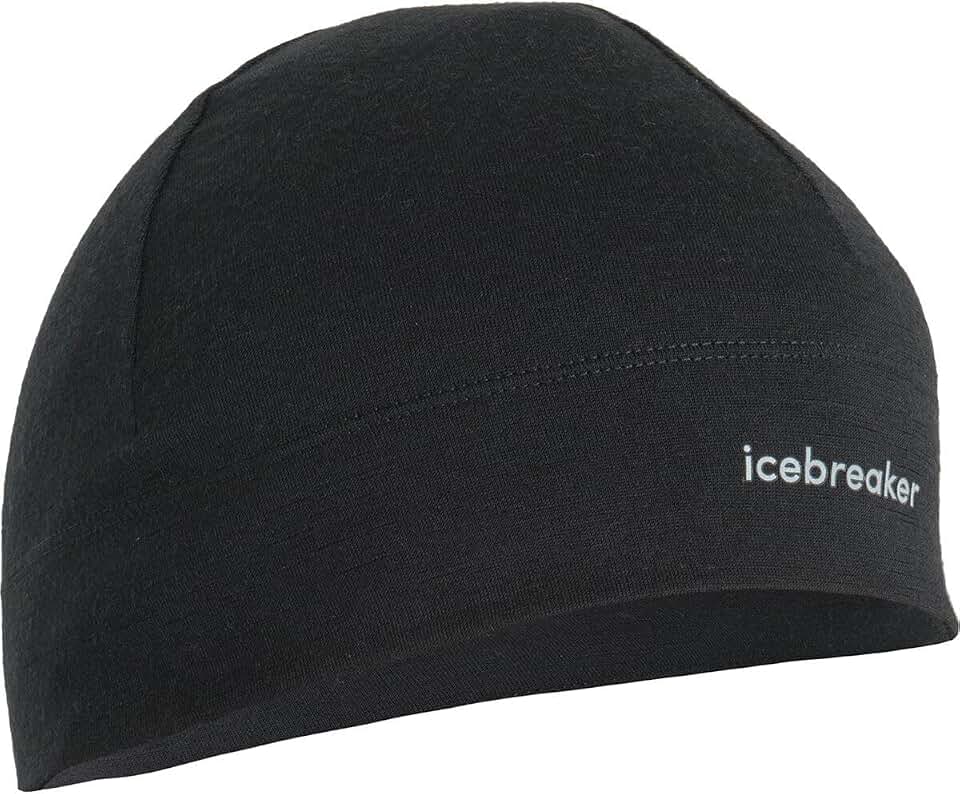
The Icebreaker Merino 200 Oasis Beanie is a midweight option that provides more insulation than lightweight beanies without crossing into expedition-weight territory. The 200-weight merino fabric is thicker and warmer, making this a good choice for hikers who spend time at higher elevations or in colder climates. It still breathes well enough for active use, but it provides noticeably more warmth than lighter options when you stop to rest or face wind on exposed ridges.
The fit is comfortable and slightly relaxed compared to ultra-low-profile beanies, so it does not feel constricting even during all-day wear. The fabric is soft and next-to-skin comfortable, and the construction uses flat seams that do not dig into your forehead or cause pressure points under a helmet. The beanie packs down reasonably well, though it takes up slightly more space than lighter options due to the thicker fabric.
With 74 reviews and a 4.2-star rating, this beanie has a smaller user base than mass-market options, which is typical for newer Icebreaker releases. The feedback from users who have purchased it is consistent – they appreciate the warmth and comfort, though a few mention that the fit is not quite as snug as they expected. If you prefer a beanie that sits a bit looser on your head rather than clinging tightly, this could work in your favor. The midweight fabric makes it versatile for shoulder seasons and cold-weather hiking.
At thirty dollars, this is at the higher end of the price range for merino beanies. Icebreaker products are known for quality and durability, and this beanie reflects that with solid construction and long-lasting merino fibers. If you need more warmth than a lightweight beanie provides but do not want the bulk of an expedition-weight option, the 200 Oasis Beanie is a reliable middle ground.
Pros
- Midweight 200 merino fabric provides more warmth than lightweight options
- Soft next-to-skin fabric is comfortable during all-day wear
- Flat seams reduce pressure points under helmets
- Breathes well enough for active use despite thicker fabric
- Icebreaker quality and durability
Cons
- Slightly relaxed fit may not be snug enough for some users
- Packs down larger than lightweight beanies due to thicker fabric
How These Compare
Choosing the best hiking beanie comes down to how you plan to use it and what conditions you face most often. If you are looking for an affordable, all-around option that handles cold mornings and windy summits without breaking the budget, the Minus33 Merino Wool Cuff Beanie is your best bet. It provides solid warmth, fits comfortably under hoods and helmets, and has the reviews to back up its performance. At under twenty dollars, it delivers exceptional value for hikers who want quality merino wool without paying premium prices.
For hikers who prioritize premium construction and want a beanie that offers versatility, the Smartwool Thermal Merino Reversible Cuffed Beanie is worth the extra investment. The reversible design gives you two color options and eliminates interior seams that can cause irritation during long wear. It is one of the most comfortable beanies for extended use under helmets, and the thermal merino fabric provides excellent warmth without bulk. If you hike frequently or in varied conditions, this beanie justifies its higher price with superior comfort and durability.
Minimalist hikers who value packability will appreciate the Icebreaker Merino Pocket Hat. It compresses down smaller than any other beanie on this list and weighs next to nothing, making it ideal for carrying as an emergency layer or stuffing into a jacket pocket. The trade-off is a slightly snugger fit and no cuff for adjusting coverage, but if you want a simple, functional beanie that does its job without extra features, this is a strong choice.
If you tend to run warm or hike at a fast pace, the Smartwool The Lid is designed specifically for active use where breathability matters as much as warmth. The lighter-weight merino blend wicks moisture effectively and prevents overheating during steep climbs, while still providing enough insulation for cold starts and rest breaks. It is one of the best options for hikers who generate a lot of heat and need a beanie that can keep up.
For those who need more warmth without going to extreme-cold options, the Icebreaker Merino 200 Oasis Beanie provides midweight insulation that works well in colder climates or at higher elevations. The thicker fabric means it packs down slightly larger and weighs a bit more, but it delivers noticeably more warmth when temperatures drop. This is the beanie to choose if lightweight options leave you cold on summit pushes or morning starts.
All five of these beanies are made from merino wool, which means they share core benefits – natural temperature regulation, moisture wicking, odor resistance, and softness against your skin. The differences come down to weight, fit, features like reversibility or cuffs, and how much warmth you need for your typical hiking conditions. Any of these options will serve you well on the trail, so focus on which features matter most for the way you hike.
Frequently Asked Questions
What makes a beanie good for hiking?
A good hiking beanie needs to balance warmth, breathability, and packability for active outdoor use. The best options use merino wool or moisture-wicking synthetic fabrics that regulate temperature naturally and do not trap sweat against your scalp. Unlike casual beanies designed for walking around town, hiking beanies should fit low-profile enough to layer easily under hoods or helmets without bunching up or creating pressure points. They also need to be lightweight and compressible so you can stuff them into a pocket when you warm up during the climb. Look for beanies with flat seams or seamless construction to avoid irritation during long wear, and avoid cotton entirely since it absorbs moisture and loses insulating properties when wet. A hiking beanie should be soft enough to wear directly against your skin without itchiness, even after hours on the trail.
How should a hiking beanie fit?
A hiking beanie should fit snugly enough to stay in place during movement without feeling tight or constricting. It should cover your ears fully for warmth but sit low enough on your forehead that it does not slide down over your eyes or bunch up under a helmet. The best fit allows you to wear the beanie under other layers like a hood or climbing helmet without creating bulk or pressure points that become uncomfortable over time. If your beanie has a cuff, you should be able to fold it up or down to adjust coverage depending on conditions. Many quality beanies use stretchy merino wool that conforms to your head shape without losing elasticity, which means they fit a range of head sizes comfortably. Avoid beanies that are so tight they leave marks on your forehead or so loose they slide around when you bend over or look up on steep sections.
Can you wear a beanie under a hiking helmet?
Yes, you can wear a beanie under a hiking or climbing helmet, but you need the right style for it to work comfortably. Look for low-profile beanies without thick cuffs, bulky seams, or excess material that will bunch up inside the helmet. The beanie should be thin enough that it does not compromise the helmet fit or push the helmet too high on your head, which could affect safety. Merino wool beanies are ideal for this because they compress well and conform to your head shape without creating pressure points. Avoid beanies with pom-poms, thick folded brims, or decorative stitching that adds bulk. Test the fit by putting on the beanie first, then adjusting your helmet as you normally would – the helmet should still sit securely and feel stable, and the beanie should not cause any hot spots or discomfort even after wearing both for extended periods.
Is merino wool better than synthetic for hiking beanies?
Merino wool is generally better than synthetic materials for hiking beanies because it regulates temperature naturally, wicks moisture away from your skin, and resists odor even after multiple wears. Merino continues to insulate when wet, which is a significant advantage if you sweat heavily or get caught in unexpected weather. The fabric is also softer and more comfortable against your skin compared to many synthetics, which can feel scratchy or clingy. That said, synthetic beanies and merino-synthetic blends can work well for hikers who prioritize fast drying times or need a lower-cost option. Synthetics dry faster than pure merino and are often more durable in terms of abrasion resistance. The best choice depends on your priorities – if comfort, temperature regulation, and odor control matter most, choose merino wool. If you need a beanie that dries quickly or you are on a tight budget, a quality synthetic or blend can still perform well on the trail.
How do you wash a merino wool beanie?
Merino wool beanies should be washed gently to maintain their shape and softness over time. Hand washing is the safest method – fill a sink or basin with cold water and a small amount of wool-safe detergent, then gently agitate the beanie and let it soak for about ten minutes. Rinse thoroughly with cold water until no soap remains, then gently press out excess water without wringing or twisting the fabric. Lay the beanie flat on a clean towel to air dry, reshaping it to its original dimensions. If you prefer machine washing, use a gentle or delicate cycle with cold water and place the beanie in a mesh laundry bag to protect it. Never put a merino wool beanie in the dryer, as heat causes shrinking and can damage the fibers permanently. Most merino beanies do not need to be washed after every use – the natural odor-resistance of merino means you can wear them multiple times between washes, which also helps extend their lifespan.
The Bottom Line
The best hiking beanie is one that keeps your head warm without making you overheat, fits comfortably under your other gear, and does not irritate your skin even after hours on the trail. For most hikers, the Minus33 Merino Wool Cuff Beanie offers the best combination of performance and value – it is affordable, comfortable, and proven across thousands of real-world uses. If you want premium construction and a reversible design that eliminates interior seams, the Smartwool Thermal Merino Reversible Cuffed Beanie is worth the investment. Minimalist hikers will appreciate how the Icebreaker Merino Pocket Hat compresses down small enough for a jacket pocket, while active hikers who generate a lot of heat should look at the Smartwool The Lid for its breathability. If you need more warmth for high-elevation or cold-climate hiking, the Icebreaker Merino 200 Oasis Beanie provides midweight insulation without going to extreme-cold territory.
No matter which beanie you choose, focus on merino wool for the best combination of warmth, moisture management, and comfort. A good beanie becomes one of those pieces of gear you reach for on every hike – it takes up almost no space, weighs next to nothing, and makes a noticeable difference in your comfort when temperatures drop. Whether you are heading out for a cold morning start or pushing for a windy summit, the right beanie keeps you focused on the trail ahead instead of wishing you had brought better head protection.
Disclosure: As an Amazon Associate, we earn from qualifying purchases. This does not affect our editorial recommendations.