
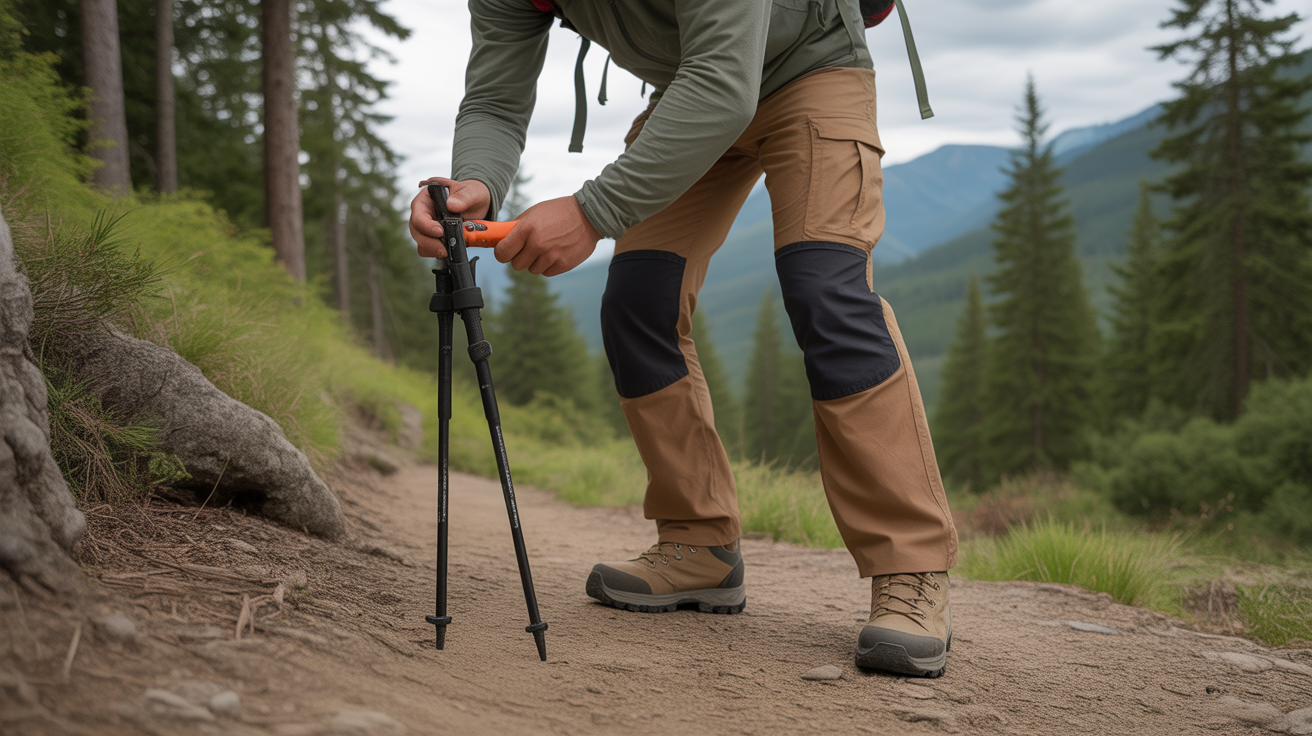
You are staring at dozens of multitools online, each claiming to have 15, 20, or even 30 functions. But which tools do you actually need on a hike? The truth is, most hikers use the same three or four features repeatedly-a knife, pliers, and screwdrivers-while the rest sit unused. Choosing the best multi tool for hiking means finding the right balance between useful features and packable size, without paying for gadgets that add weight but never leave their folded position.
This guide breaks down what multitool features you will genuinely use on trail, from quick gear adjustments to emergency repairs. We have tested and compared options across different sizes, weights, and price points to help you find a tool that earns its place in your pack without becoming dead weight.
What to Look For
Pliers vs. Knife-Only Tools
The first decision is whether you need pliers at all. Full-size multitools with pliers handle tent stake adjustments, broken zipper repairs, and removing stubborn splinters. They weigh 6-9 ounces and take up significant pocket or pack space. Knife-focused multitools like traditional Swiss Army designs weigh 2-4 ounces and slip into any pocket but lack the gripping power for repairs. For day hikers who rarely do trail-side repairs, a compact knife tool often suffices. For overnight trips or hikers who maintain their own gear, pliers become genuinely useful.
Locking Blades and One-Hand Operation
Safety matters when you are using a blade on uneven ground or with cold hands. Locking blades prevent accidental closure during use-a critical feature when cutting cord, preparing food, or doing anything that requires pressure. One-handed opening lets you deploy tools without setting down trekking poles or your pack. Spring-loaded pliers operate with one hand as well, making quick adjustments faster. These features add weight and cost, so consider whether you will use tools frequently enough to justify them.
Weight and Carry Options
Multitools range from 2-ounce keychain models to 10-ounce full-size workhorses. Anything over 8 ounces belongs in your pack, not on your belt. Tools between 5-8 ounces work clipped to a pack strap or in a hip belt pocket for quick access. Under 5 ounces can ride in a pants pocket all day without notice. Most tools include a nylon sheath or belt clip. Sheath carry prevents scratches and protects other gear from sharp edges. Think about where you will actually carry this tool-if it stays buried in your pack, those extra features will not help you.
Essential vs. Rarely-Used Features
The most-used multitool features on trail are: a 2.5-3 inch blade, needle-nose pliers, wire cutters, flathead and Phillips screwdrivers, and a can/bottle opener. Tools you will rarely or never use: saws (unless you are doing serious bushcraft), files, scissors (debatable-some hikers love them), and specialty bits. Extra tools add weight, bulk, and failure points. A 14-function tool with the right 14 functions beats a 31-function tool where half go unused. Match the tool to your actual hiking style, not to every possible scenario.
Build Quality and Warranty
Stainless steel construction prevents rust from rain and sweat but adds weight compared to aluminum or composite handles. Self-locking mechanisms on pliers prevent unwanted closure but can jam with dirt or sand. Spring-action pliers open automatically but have more moving parts to maintain. Premium brands like Leatherman and Victorinox offer extended warranty coverage and replacement programs. Budget tools under thirty dollars rarely include warranty coverage and may fail after a season of regular use. For a tool you plan to use for years, the warranty matters.
TSA and Carry Restrictions
No multitool with a blade longer than 2.5 inches will pass through airport security in carry-on luggage. Some hikers keep a small TSA-compliant tool for air travel and a full-size tool for driving trips. Check local regulations if you hike in areas with knife restrictions. National parks allow multitools but some urban trail systems restrict blade length. If you frequently travel to trailheads by air, a bladeless multitool or separate small knife might better suit your needs.
Our Top Picks
1. LEATHERMAN Wingman Multitool with Spring-Action Pliers and Scissors
Best for hikers who want reliable pliers and scissors without carrying a heavy tool

The Wingman strikes the balance most day hikers need-14 tools including spring-action pliers, scissors, and outside-accessible blades, all in a package light enough for daily carry. The spring-action needlenose pliers open automatically and lock securely, making one-handed adjustments to pack straps or tent stakes genuinely easy. The 2.6-inch knife blade locks open for safety and includes a combination straight and serrated edge that handles rope, webbing, and food prep equally well.
What sets the Wingman apart from heavier Leatherman models is the inclusion of scissors-a feature many hikers use more than they expect for trimming moleskin, cutting medical tape, or dealing with loose threads on gear. The outside-accessible package opener and bottle opener work without opening the main tool body, keeping your hands cleaner. At 7 ounces, it rides comfortably in a hip belt pocket or clipped to a pack strap.
The wire cutters handle thin gauge wire and twist-ties but are not designed for heavy-duty jobs. The Phillips and flathead screwdrivers fit most pack adjustment screws and trekking pole mechanisms. The tool includes a lanyard ring for attachment options. Stainless steel construction prevents rust even after multiple rain-soaked hikes. Users report these tools lasting through years of regular trail use without blade dulling or mechanism failure.
See current pricing for the LEATHERMAN Wingman on Amazon.
Pros
- Spring-action pliers open with one hand for quick adjustments
- Scissors handle precision tasks most knife blades cannot manage
- Outside-accessible blades work without opening full tool
- 7-ounce weight comfortable for all-day pocket or belt carry
Cons
- Wire cutters suitable only for light-gauge material
- No file or saw for more specialized tasks
View LEATHERMAN Wingman Multitool with Spring-Action Pliers and Scissors on Amazon →
2. LEATHERMAN Signal 19-in-1 Multi-tool for Outdoors, Camping, Hiking
Best for overnight hikers who need emergency tools and fire-starting capability

The Signal is purpose-built for backcountry use with 19 tools that emphasize survival and emergency preparedness over everyday carry. The integrated fire starter (ferro rod) and emergency whistle provide backup safety tools that weight-conscious backpackers appreciate having without carrying separate items. The combination blade includes both straight and serrated edges, and the saw actually functions for small branch work-unlike decorative saws on budget tools.
The diamond-coated sharpener keeps your blade functional over multi-day trips, a feature absent from most multitools. The hammer functions as a tent stake driver and emergency glass breaker, though its weight (9.3 ounces) makes it overkill for day hikes. The carabiner clip/box opener provides quick attachment to pack loops. All locking blades open with one hand and lock securely-critical when you are working in unstable positions on trail.
The tool includes standard needlenose pliers with wire cutters, multiple screwdriver options, and a can opener. The topographic print on the handles is purely decorative. Build quality matches other Leatherman products with manufacturer support coverage. The higher price reflects specialized outdoor features rather than general-purpose tools. If you are doing serious backcountry travel where fire starting and emergency signaling matter, the Signal justifies its cost and weight. For most day hikers, it provides more tool than necessary.
Read verified buyer reviews for the LEATHERMAN Signal on Amazon.
Pros
- Integrated ferro rod fire starter eliminates carrying separate emergency tool
- Diamond sharpener maintains blade edge on multi-day trips
- Emergency whistle provides 100+ decibel signal without batteries
- Functional saw handles small branch cutting for tent stakes or splints
Cons
- 9.3-ounce weight excessive for day hiking needs
- Price point nearly triple basic multitools with similar core functions
View LEATHERMAN Signal 19-in-1 Multi-tool for Outdoors on Amazon →
3. Victorinox Hiker Swiss Army Knife 13 Function
Best for minimalist hikers who prioritize low weight over pliers functionality

The Hiker represents classic Swiss Army design optimized for trail use-13 functions in a 3-ounce package that disappears in any pocket. The two blades (large and small) handle most cutting tasks, while the wood saw proves surprisingly capable for branch trimming and notching tent stakes. The can opener doubles as a small flathead screwdriver, and the dedicated Phillips screwdriver fits most pack adjustment points. The reamer/awl punches holes in leather or fabric for emergency repairs.
What you lose compared to plier-based tools is gripping power-there are no pliers, no wire cutters, and no way to grab and twist stuck hardware. For hikers who do not do frequent gear maintenance on trail, this trade-off buys massive weight savings. The tool slips into a watch pocket and remains unnoticed until needed. The toothpick and tweezers (stored in the handle) get used far more than expected for splinters and tick removal.
The bottle opener sees regular use at trailheads and campsites. The corkscrew is absent on this model (the Climber adds one if you need it). Non-locking blades require careful handling but allow thinner, lighter construction. Victorinox quality means these tools function smoothly for decades with minimal maintenance. For three-season day hiking where you will not do repairs, the Hiker provides everything necessary and nothing extra.
Check current stock for the Victorinox Hiker on Amazon.
Pros
- 3-ounce weight ideal for ultralight and minimalist approaches
- Wood saw functional for branch work and stake preparation
- Toothpick and tweezers stored in handle surprisingly useful for trail first aid
- Swiss precision engineering for long-term durability
Cons
- No pliers or wire cutters limit repair capabilities
- Non-locking blades require more careful handling than locking designs
View Victorinox Hiker Swiss Army Knife 13 Function on Amazon →
4. LEATHERMAN Wave+ 18-in-1 Full-Size Versatile Multi-tool
Best for gear-focused hikers who maintain and repair equipment on trail

The Wave+ delivers full workshop functionality in an 8.5-ounce package-overkill for casual day hikes but invaluable for hikers who do their own pack adjustments, pole repairs, and gear maintenance in the field. Four outside-accessible blades (two knives, a serrated blade, and a saw) deploy without opening the main tool, keeping your hands cleaner during quick tasks. The needlenose pliers with replaceable wire cutters provide serious gripping power for stuck bolts and damaged hardware.
All 18 tools lock when deployed, providing stable working platforms for tasks requiring force or precision. The file includes a diamond-coated section for sharpening, though it works slowly compared to dedicated sharpeners. Multiple screwdriver options (large and small flathead, Phillips, Torx) fit nearly every fastener on modern packs and poles. The scissors cut precisely but add bulk compared to knife-only designs.
The rulers (metric and imperial) on the closed tool provide occasional utility for measuring cord or assessing blister coverage. The tool rides best in a pack pocket or attached to hip belt due to weight and bulk. The included nylon sheath protects other gear from sharp edges. For hikers who adjust trekking poles mid-hike, tighten pack straps regularly, or do field repairs on multi-day trips, the Wave+ earns its weight. For those who hike more and tinker less, lighter options suffice.
Compare the LEATHERMAN Wave+ specs and pricing on Amazon.
Pros
- Four outside-accessible blades deploy without opening main tool body
- Replaceable wire cutters extend tool life for frequent users
- All 18 tools lock open for secure handling during precision work
- Genuine workshop-level functionality for field repairs
Cons
- 8.5-ounce weight excessive for hikers who rarely do gear maintenance
- Bulk requires pack storage rather than comfortable pocket carry
View LEATHERMAN Wave+ 18-in-1 Full-Size Versatile Multi-tool on Amazon →
5. SOG PowerPint Mini Compact 18-in-1 Multi-Tool
Best for hikers who want pliers functionality in a pocket-sized package

The PowerPint compresses 18 tools into a 5-ounce design small enough for daily pocket carry-an impressive feat of engineering that delivers pliers capability without the bulk of full-size tools. The compound leverage pliers provide surprising gripping power for the size, handling pack buckle adjustments and tent stake pulls with ease. Spring-loaded opening makes one-handed deployment smooth, though the lighter spring tension feels less solid than larger Leatherman models.
The 2-inch knife blade locks open and includes both straight and serrated cutting edges. The wire cutters handle typical trail needs-cutting fishing line, trimming cord, or dealing with twist-ties-but avoid heavy-gauge wire. Multiple screwdrivers (flathead, Phillips) fit most common fasteners. The file removes burrs and smooths rough edges. The bottle opener gets regular use at campsites and trailheads.
At 5 ounces, the PowerPint rides comfortably in a pants pocket all day without creating the bulge or weight fatigue of larger tools. The included pocket clip provides quick-draw access. Stainless steel construction handles weather exposure without rust. The tool is wide rather than long, fitting pocket dimensions better than traditional needle-nose designs. For hikers who want pliers without committing to a full-size tool, the PowerPint represents the best size-to-functionality ratio available.
See if the SOG PowerPint is right for your first hike on Amazon.
Pros
- Compound leverage pliers deliver strong grip despite compact 5-ounce size
- Wide profile fits pocket dimensions better than long needle-nose designs
- Spring-loaded opening allows one-handed deployment
- 18 tools include all essential functions for trail repairs
Cons
- 2-inch blade length limiting for some cutting tasks
- Wire cutters suitable only for light-gauge materials
View SOG PowerPint Mini Compact 18-in-1 Multi-Tool on Amazon →
How These Compare
Choosing the best multi tool for hiking depends on whether you prioritize repair capability or weight savings. The LEATHERMAN Wingman offers the most balanced package for day hikers-full pliers functionality plus scissors in a 7-ounce tool that rides comfortably all day. Its spring-action pliers and outside-accessible blades provide quick access to the tools you will actually use without forcing you to unfold the entire device.
For overnight trips or hikers who venture into genuine backcountry, the LEATHERMAN Signal adds emergency-specific tools (ferro rod fire starter, emergency whistle, functional saw) that justify the 9.3-ounce weight and higher price. These features make sense for multi-day adventures where self-sufficiency matters more than shaving ounces.
Minimalists should consider the Victorinox Hiker, which eliminates pliers entirely to achieve a remarkable 3-ounce carry weight. You lose gripping power and wire-cutting ability, but gain a pocketable tool with functional saw, dual knife blades, and Swiss precision engineering. This works best for three-season day hiking where serious repairs are unlikely.
The LEATHERMAN Wave+ targets gear-focused hikers who maintain equipment on trail-its 18 locking tools, replaceable wire cutters, and workshop-level functionality justify 8.5 ounces only if you regularly perform field repairs. For those who adjust poles, tighten pack hardware, or fix broken zippers mid-trip, it is the most capable option.
The SOG PowerPint bridges the gap between knife-only designs and full-size tools-real pliers in a 5-ounce package that remains pocket-friendly. Its 2-inch blade and lighter-duty construction limit heavy-use applications, but for hikers who want occasional pliers without bulk, it delivers surprising functionality for the size. Most weekend hikers who do light maintenance will find the Wingman the best balance of features, weight, and cost.
Frequently Asked Questions
Do I really need a multitool for hiking?
For day hikes on maintained trails, a multitool is optional-most hikers complete trips without needing tools at all. However, having a knife, screwdriver, and pliers available solves unexpected problems that otherwise end your day early. Common uses include tightening loose pack straps, adjusting trekking pole mechanisms, removing splinters, cutting broken bootlaces, trimming loose threads on clothing, and opening stubborn snack packaging. Overnight hikers benefit more because multi-day trips increase the likelihood of needing gear adjustments or minor repairs. A small multitool also serves during car camping or at trailheads where you might need to adjust bike racks, tighten roof boxes, or deal with vehicle issues. The question is not whether you need one every hike, but whether carrying 3-7 ounces provides enough utility over a season to justify the weight. Most regular hikers find the answer is yes, even if they only deploy the tool every fifth or sixth outing.
What is the difference between a multitool and a pocket knife?
A pocket knife focuses primarily on blade functionality with minimal additional tools, while a multitool centers on pliers with various tools including blades folding into the handle. Pocket knives excel at cutting tasks-food prep, rope work, whittling-and typically weigh less (2-4 ounces versus 5-9 ounces for multitools). They offer simpler mechanisms with fewer moving parts to maintain. Multitools sacrifice some cutting efficiency to gain gripping, twisting, and fastener-driving capabilities through needlenose pliers, wire cutters, and multiple screwdriver options. For hiking, the choice depends on what breaks or needs adjustment most often. If you primarily need a blade for cutting cord, preparing food, or trail-side tasks, a quality pocket knife serves better. If you frequently adjust pack hardware, tighten pole mechanisms, or deal with stuck fasteners, pliers become essential. Some hikers carry both-a 3-ounce knife for daily cutting and a compact multitool for repairs. This redundancy adds weight but ensures the right tool for every job without forcing a single implement to do everything adequately rather than anything excellently.
Can I bring a multitool through airport security?
No multitool with a blade longer than 2.5 inches will pass through TSA checkpoint screening in carry-on luggage. Even tools meeting the length requirement typically get flagged because agents consider pliers, wire cutters, and screwdrivers potential weapons. The only reliable way to fly with a multitool is packing it in checked baggage where sharp objects and tools are permitted. Many hikers who frequently travel to trailheads by air keep two setups-a small TSA-compliant bladeless multitool or basic knife for air travel, and a full-featured tool stored at home or mailed to destinations. Shipping your multitool to yourself at a hotel near your trailhead or having someone drive it to you avoids the checked baggage hassle. Alternative solutions include purchasing an inexpensive basic tool at your destination and donating it before flying home, or using outfitter rental programs where available. For road-trip accessible trails, this issue disappears. If most of your hiking involves air travel, consider whether you actually need a multitool versus a small fixed-blade knife that packs more securely in checked luggage.
How do I maintain a multitool?
Basic multitool maintenance requires only occasional cleaning and lubrication to prevent corrosion and keep mechanisms moving smoothly. After hikes in dusty or sandy conditions, rinse the tool with clean water and dry thoroughly before storing-grit in pivot points causes premature wear. Every few months, apply a small amount of light machine oil to each pivot point and work the tool through its full range of motion to distribute the lubricant. Avoid heavy oils that attract dirt. If you use the tool in saltwater environments or heavy rain, rinse and oil more frequently. Check locking mechanisms regularly to ensure they engage fully and disengage easily. Sharpen blades with a standard sharpening stone, maintaining the original blade angle. Do not attempt to disassemble the tool for deep cleaning unless you are experienced with reassembly-most problems stem from failed home repair attempts. For stuck or damaged tools, contact the manufacturer rather than forcing mechanisms. Quality brands offer service and replacement programs that often prove easier than self-repair. Store multitools dry and lightly oiled in a sheath or protective case to prevent scratches and corrosion during off-season storage.
The Bottom Line
The best multi tool for hiking depends on whether you prioritize repair functionality or ultralight principles. The LEATHERMAN Wingman delivers the features most day hikers actually use-reliable pliers, scissors, and outside-accessible blades-in a 7-ounce package that remains comfortable for all-day carry. Its spring-action pliers handle quick adjustments without the bulk of full-workshop tools, making it the best choice for weekend warriors who want capability without excessive weight.
Overnight backpackers and backcountry travelers should consider the LEATHERMAN Signal for its emergency-specific additions like ferro rod fire starter and functional saw, though the 9.3-ounce weight and higher price demand regular use to justify the investment. Minimalists focused on shaving pack weight will appreciate the Victorinox Hiker, which eliminates pliers entirely to achieve remarkable 3-ounce carry while maintaining functional blade, saw, and screwdriver tools.
First-time gear buyers often overthink multitool selection-start with a mid-range option like the Wingman or SOG PowerPint, use it for a season, and let actual trail experience reveal what features you genuinely need versus what sounded useful in product descriptions. You will quickly learn whether you are a tinkerer who adjusts gear constantly or a hiker who rarely deploys tools at all. That knowledge guides whether your next tool moves toward the full-featured Wave+ or the stripped-down Victorinox approach. The best tool is the one that matches your actual hiking style rather than an idealized version of the hiker you imagine becoming.
Disclosure: As an Amazon Associate, we earn from qualifying purchases. This does not affect our editorial recommendations.