
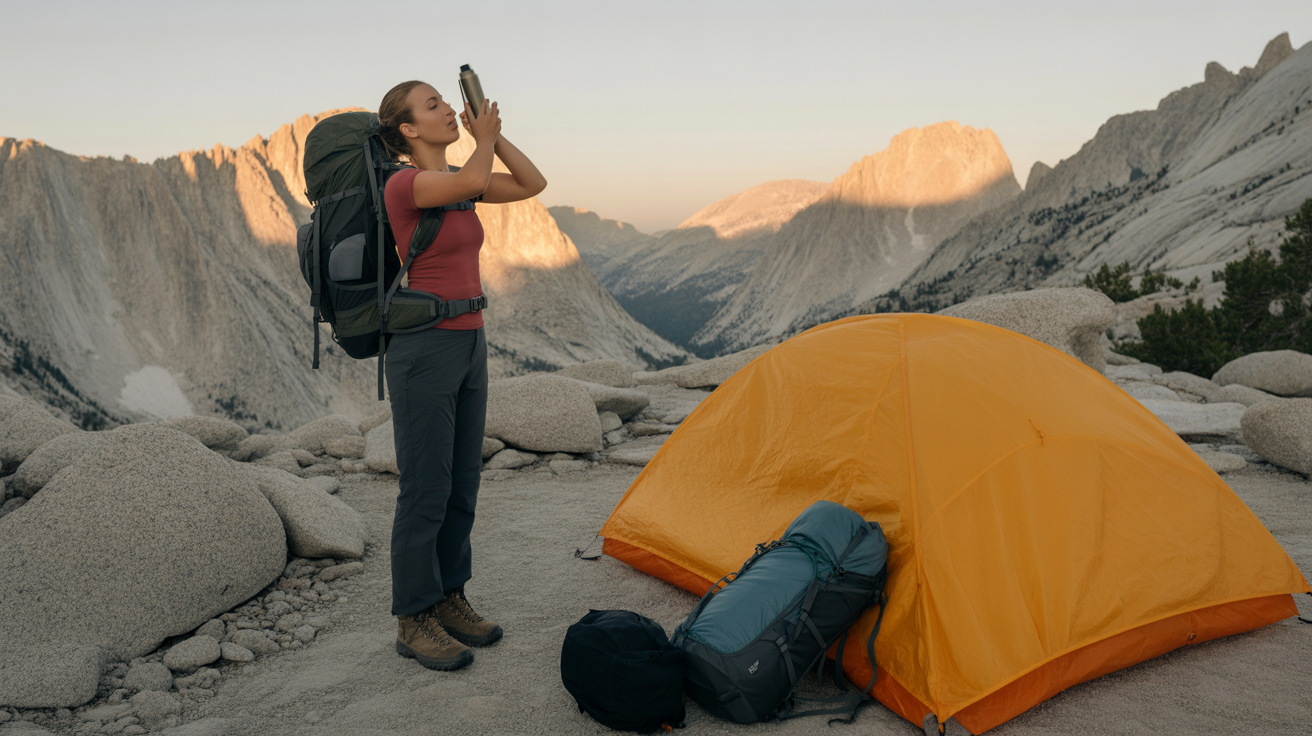
After three days on the trail, your hair is a greasy mess under your hat, and the next water source is miles away. You need the best dry shampoo for backpacking – something that actually works when real washing is not an option, weighs almost nothing, and fits in the corner of your pack without taking up precious space.
Most dry shampoos are designed for gym sessions or quick touch-ups between regular showers, not for multi-day treks where sweat, dirt, and hat hair compound every day. The best dry shampoo for backpacking needs to absorb serious oil, blend into your hair without white residue, and come in a travel-friendly size that passes TSA rules (the 3.4-ounce liquid limit for carry-on bags enforced by airport security) and does not add bulk to your load. Here are the options that experienced backpackers actually carry.
What to Look For
Powder vs Aerosol vs Mist Formulas
For backpacking, powder formulas win on weight and pack size every time. A 1-ounce powder bottle delivers more applications than a 3-ounce aerosol can because you are not carrying propellant weight. Non-aerosol mist sprays sit in the middle – lighter than aerosol but heavier than powder. Powders also eliminate the risk of altitude-related can explosions or leakage from pressure changes. If you prefer aerosol convenience, choose the smallest travel size available and consider decanting into a lighter container for longer trips.
Oil Absorption Performance After Multiple Days
Not all dry shampoos handle multi-day grease buildup equally. Rice starch and tapioca starch are the most effective oil absorbers for backpacking because they work on already-saturated hair, not just day-two grease. Avoid talc-based formulas for extended trips – they create buildup that makes hair feel worse by day three or four. Look for products with biotin or activated charcoal listed in the ingredients, as these help refresh hair that has gone several days without washing rather than just masking surface oil.
Residue and Blending on the Trail
White residue is annoying at home but a real problem on the trail when you have no mirror and limited time. The best dry shampoo for backpacking disappears into your hair with minimal effort. Tinted formulas (labeled for light or dark tones) blend faster and look more natural under a hat. Translucent powders work for all hair colors but require more vigorous massaging to prevent visible streaks. Test your dry shampoo at home before your trip – if it leaves visible powder after 30 seconds of rubbing, it will be worse when you are tired and rushed at camp.
Travel Size and TSA Compliance
Most backpackers fly to trailheads (the starting points where trails begin), which means TSA liquid rules apply. Dry shampoo counts as an aerosol or liquid, so you need containers under 3.4 ounces (100ml) if you are carrying on. Powder formulas are exempt from liquid limits but still need to fit in your toiletry bag. For longer trips or multi-week adventures, calculate how many applications you need – most 1-ounce powders provide 15-20 uses, while 1.5-ounce aerosols give 8-12 applications. Buy the smallest size that covers your trip to save weight.
Scent Considerations in Shared Spaces
What smells pleasant in your bathroom can be overpowering in a tent. Strong floral or vanilla scents mix unpleasantly with camp smells and can bother trail mates in shelters. Lightly scented or fragrance-free formulas are better for backpacking, especially on popular trails where you will be camping near others. If you are sensitive to scents yourself, test the product at home first – some unscented formulas still have a noticeable base smell from ingredients like arrowroot or rice starch.
Container Durability and Leak Prevention
Flimsy plastic containers crack under pack pressure, and twist-cap designs open in your bag. The best dry shampoo for backpacking comes in sturdy bottles with secure closures – look for screw caps rather than flip tops, and containers with thicker walls that will not collapse when compressed. Powder shakers need small dispensing holes to prevent dumps of product when you tip the bottle. Store dry shampoo in a sealed plastic bag inside your toiletry kit as backup leak protection, especially for longer trips where a spill could ruin other gear.
Our Top Picks
1. Moroccanoil Dry Shampoo Light Tones
Best for backpackers with lighter hair who want premium oil absorption in a compact travel size

This 1.7-ounce aerosol can is the go-to dry shampoo for experienced backpackers who prioritize performance over weight. The UV-protecting argan oil formula actually refreshes hair that has gone three or four days without washing, not just surface grease. The product absorbs oil quickly and disappears into light to medium hair tones without the chalky residue that plagues cheaper options on the trail.
The aerosol delivery gives even coverage with minimal effort, which matters when you are applying product in a tent vestibule or behind a tree with no mirror. The scent is noticeable but not overpowering – a clean, slightly floral smell that fades within an hour and does not clash with camp odors. At 1.7 ounces, this is small enough to pass TSA rules and light enough for weekend or week-long trips, though multi-week hikers will need multiple cans for longer sections.
The can itself is sturdy aluminum that handles pack compression well, and the cap stays secure even when the can bounces around loose in your toiletry bag. One full spray from six inches away covers your roots thoroughly, and most backpackers report getting 10 to 12 applications from a single can. The formula works on sweaty, hat-compressed hair – the exact conditions you face after a long day hiking with a loaded pack.
The main limitation is the aerosol format. While convenient to use, you are carrying propellant weight, and the can takes up more space than an equivalent powder. For backpackers who want the absolute lightest option, powder is better. But for those willing to trade a fraction of an ounce for easier application and better results on truly dirty hair, this is the best dry shampoo for backpacking.
Pros
- Absorbs heavy oil buildup after multiple days without washing
- Light tones formula blends quickly into blonde and light brown hair
- Sturdy aluminum can survives pack compression
- Delivers 10-12 applications in TSA-friendly 1.7-ounce size
- Clean scent fades fast and does not overpower in shared spaces
Cons
- Aerosol format is heavier than powder alternatives
- Not ideal for dark hair – leaves slight lightening effect
- More expensive per application than budget powder options
2. amika perk up talc-free dry shampoo
Best for backpackers who want a talc-free formula that handles serious sweat and works on all hair colors

The 2.5-ounce aerosol size is larger than most travel options but still TSA-compliant and worth the extra space for longer backpacking trips. The talc-free formula uses rice starch instead, which absorbs oil more effectively on hair that has gone days without washing. This is the dry shampoo to reach for when your hair is genuinely greasy and dirty, not just slightly oily.
The translucent formula blends into all hair colors without tinting, which makes application faster when you are tired at camp and do not want to spend five minutes massaging out white streaks. The product also adds noticeable volume at the roots – helpful when your hair is flat from being under a hat all day. The sea buckthorn berry scent is light and citrus-forward, pleasant without being perfume-heavy.
At 2.5 ounces, you get roughly 15 applications from one can, which covers most week-long trips with daily use. The can is standard aerosol construction – not as bombproof as heavier aluminum but still durable enough for normal pack wear. The nozzle delivers a fine mist that spreads evenly, and the cap clicks on securely to prevent accidental spraying.
The larger size is both advantage and limitation. You get more product for longer trips, but strict weight-counters or multi-week hikers will find the extra ounces add up. The aerosol format also means you are still carrying propellant weight. However, for backpackers who prioritize hair that actually feels clean over minimal weight, this performs better than most powder alternatives.
Pros
- Talc-free rice starch formula handles multi-day grease effectively
- Translucent application blends into all hair colors equally
- Adds volume to flat, hat-compressed hair
- 2.5-ounce size provides 15 applications for week-long trips
- Light citrus scent is not overpowering in close quarters
Cons
- Heavier than 1.7-ounce alternatives for strict weight-counters
- Aerosol format takes up more pack space than powder
- Higher price point than budget backpacking options
3. Bumble and bumble Prêt-à-powder Dry Shampoo Powder
Best for weight-conscious hikers and minimalists who want the lightest possible dry shampoo option

This 0.5-ounce powder bottle is the lightest dry shampoo you will find that actually works on backpacking trips. The non-aerosol shaker format means you are carrying pure product with no propellant, and at half an ounce, it is barely noticeable in your pack. For weekend trips or fast-and-light missions, this is the best dry shampoo for backpacking when weight matters most.
The zeolite powder formula absorbs oil effectively and adds texture and volume to limp, dirty hair. You shake a small amount into your palm, rub your hands together, and massage it through your roots – more hands-on than aerosol but still quick when you get the technique down. The product blends invisibly into all hair colors with thorough rubbing, though it takes slightly more effort than tinted formulas.
The tiny size is both the main appeal and the limitation. You get approximately 8 to 10 applications from the 0.5-ounce bottle, which is fine for a three or four-day trip but not enough for a full week without rationing. The shaker bottle is sturdy plastic with a secure screw cap, and the small dispensing holes prevent product dumps. It fits easily in the smallest toiletry kit or even a hipbelt pocket.
The powder format requires slightly more work to apply evenly compared to aerosol spray, especially without a mirror. You need to distribute it manually through your roots and massage thoroughly to avoid visible streaks. However, for backpackers who count every ounce and want the most efficient dry shampoo by weight, this delivers the most applications per ounce carried.
Pros
- 0.5-ounce weight is the lightest option for weight-conscious hikers
- Non-aerosol powder is pure product with no propellant weight
- Adds noticeable volume and texture to flat hair
- Blends into all hair colors with thorough application
- Secure cap and sturdy bottle prevent leaks
Cons
- Only 8-10 applications means you need multiple bottles for longer trips
- Requires more manual effort to apply evenly than aerosol
- Visible white streaks if not massaged thoroughly
View Bumble and bumble Prêt-à-powder Dry Shampoo Powder on Amazon →
4. Moroccanoil Dry Shampoo Dark Tones
Best for backpackers with dark hair who need tinted formula that blends without white residue

This is the dark-toned version of the top-ranked Moroccanoil formula, designed specifically for brunettes and darker hair colors. The 1.7-ounce aerosol contains a subtle brown tint that eliminates the white cast problem that plagues regular dry shampoos on dark hair. For backpackers with brown or black hair, this is the best dry shampoo for backpacking because it blends instantly with minimal effort.
The argan oil formula performs identically to the light tones version – excellent oil absorption even on hair that has gone three or four days without washing, and it actually refreshes rather than just masking grease. The tinted formula is the key difference. You can spray it into your roots and work it through quickly without worrying about visible white streaks, which is crucial when you are applying product in dim light at camp or in a hurry before breaking down your tent.
The 1.7-ounce size is TSA-compliant and delivers 10 to 12 applications, enough for most week-long trips with daily use. The sturdy aluminum can handles pack compression, and the cap stays secure even when loose in your toiletry bag. The scent is the same clean, slightly floral fragrance as the light tones version – noticeable when applied but fades within an hour.
The main limitation is that tinted formulas are hair-color specific. If you have lighter hair, this will darken your roots slightly. The aerosol format also means more weight and bulk than powder alternatives, though the convenience and performance justify the tradeoff for many backpackers.
Pros
- Brown tint blends instantly into dark hair without white residue
- Same excellent oil absorption as light tones formula
- 1.7-ounce size delivers 10-12 applications
- Sturdy aluminum can survives pack compression
- Clean scent fades quickly after application
Cons
- Not suitable for blonde or light brown hair
- Aerosol format is heavier than powder options
- Higher price than budget alternatives
5. Dry Shampoo Volume Powder Natural & Organic Ingredients
Best budget option for backpackers who want natural ingredients in a travel-sized powder

This 1-ounce powder bottle is the budget pick that still performs well on multi-day backpacking trips. The natural formula uses arrowroot powder and kaolin clay instead of talc or synthetic starches, which appeals to backpackers who prefer cleaner ingredients. At under ten dollars, it is significantly cheaper than salon brands while still delivering solid oil absorption and volume.
The lavender oil scent is pleasant and not overpowering – a natural smell that works better in outdoor settings than heavy synthetic fragrances. The powder itself is finely milled and blends into both blonde and dark hair with thorough rubbing, though brunettes may see slight lightening if they do not massage it through completely. The shaker bottle dispenses controlled amounts through small holes, preventing the product dumps that plague some powder designs.
The 1-ounce size provides approximately 12 to 15 applications depending on hair length and thickness, which covers most week-long trips. The plastic bottle is lightweight and durable enough for normal backpacking use, and the screw cap seals securely to prevent spills. The corn-free and talc-free formula means less buildup on hair that goes days without washing, which makes it more effective than cheaper drugstore powders on longer trips.
The natural formula does take slightly more work to blend than synthetic options, and the oil absorption is good but not quite as powerful as salon brands on extremely greasy hair. However, for backpackers who want a budget-friendly, natural option that works well enough for the trail, this delivers excellent value.
Pros
- Natural arrowroot and kaolin clay formula is talc-free and corn-free
- Budget-friendly price under ten dollars
- Lavender scent is pleasant and not artificial
- 1-ounce size provides 12-15 applications for week-long trips
- Lightweight powder format saves weight over aerosols
Cons
- Requires more thorough rubbing to blend completely than salon brands
- Oil absorption is good but not as powerful on extremely greasy hair
- May leave slight white cast on very dark hair if under-blended
View Dry Shampoo Volume Powder Natural & Organic Ingredients on Amazon →
How These Compare
Choosing the best dry shampoo for backpacking comes down to balancing weight, performance, and your specific hair needs. If you have light to medium hair and want the most effective oil absorption for multi-day grease, the Moroccanoil Light Tones delivers salon-quality results in a compact 1.7-ounce can. The aerosol format is heavier than powder but applies more evenly and works better on truly dirty hair.
For backpackers with dark hair, the Moroccanoil Dark Tones is worth choosing specifically for the tinted formula that eliminates white residue. You pay the same price and get the same performance, but the brown tint makes application much faster when you cannot see a mirror and do not want visible streaks. Both Moroccanoil options cost more but deliver better results than budget alternatives when your hair has gone three or four days without washing.
The amika perk up talc-free option sits in the middle – slightly larger at 2.5 ounces but with more applications per can. This is the best choice for longer trips where you need 15 uses instead of 10, and the talc-free rice starch formula handles sweat and oil better than standard drugstore dry shampoos. The translucent application works on all hair colors, which makes it versatile if multiple people are sharing.
Weight-conscious hikers and gram counters should look at the Bumble and bumble powder. At 0.5 ounces, it is the lightest option by far, and the non-aerosol format means every gram is actual product. The tradeoff is fewer applications per container and more manual effort to blend, but for fast-and-light missions or weekend trips, the weight savings are significant.
The budget pick is the natural arrowroot powder for backpackers who want to spend under ten dollars and prefer natural ingredients. It performs well enough for most trips, though the oil absorption is not quite as powerful as the Moroccanoil formulas. This is the right choice if you are doing shorter trips, watching your budget, or prefer lavender scent over synthetic fragrances. For serious multi-day oil buildup, you will get better results spending a few dollars more on one of the salon brands.
Frequently Asked Questions
How long does dry shampoo last on a backpacking trip?
Most 1.7-ounce aerosol dry shampoos provide 10 to 12 applications, which covers a week-long backpacking trip with daily use. Powder formulas in 1-ounce bottles deliver 12 to 15 applications because you are not carrying propellant weight. Calculate your needs based on how often you will use it – most backpackers apply dry shampoo every morning after waking up and sometimes again in the evening at camp if hair feels particularly greasy. For multi-week trips or longer adventures, you will need multiple containers or plan to resupply in trail towns. The product itself does not expire or lose effectiveness when stored in your pack, so you can carry backup bottles without worrying about degradation.
Can you use regular dry shampoo for backpacking?
Regular drugstore dry shampoo works for short backpacking trips but often fails on multi-day grease buildup. Most standard formulas are designed for day-two hair after sleeping, not for hair that has gone three or four days without washing while sweating under a pack and hat. The key difference is oil absorption power – backpacking-specific formulas use rice starch, arrowroot, or activated charcoal that handle heavier oil loads, while drugstore options often rely on talc that creates buildup over multiple applications. Regular dry shampoos also tend to have stronger artificial fragrances that smell pleasant at home but become overpowering in a tent or shelter. If you already own regular dry shampoo, test it on a weekend trip before committing to it for a longer trek. You may find it works well enough, or you may discover it leaves your hair feeling worse by day three.
Should I bring powder or aerosol dry shampoo backpacking?
Powder dry shampoo is lighter and more compact, making it better for weight-conscious hikers and long multi-week trips where every ounce matters. You carry pure product with no propellant, and a 1-ounce powder bottle weighs less than half what a 1.7-ounce aerosol can weighs. Aerosol is easier to apply evenly and works better on truly greasy hair, which makes it better for backpackers who prioritize effectiveness over weight. The spray delivery covers your roots evenly with minimal effort, while powder requires more manual distribution and thorough massaging to prevent white streaks. For weekend trips or week-long treks, the weight difference is minimal and most backpackers choose based on preference. For trips longer than two weeks or gram-counting missions where weight is critical, powder is the smarter choice. Also consider that aerosol cans can leak or malfunction at high altitude, while powder containers have no pressure issues.
How do you apply dry shampoo on the trail without a mirror?
The easiest method is to part your hair with your fingers in sections and apply product directly to your scalp where you feel the most oil – usually along the hairline, crown, and part line. With aerosol, hold the can six inches from your head and spray in short bursts while moving the can back and forth. With powder, shake a small amount into your palm, rub your hands together, and massage it through your roots with your fingertips. Work in sections from front to back, and use your sense of touch to find the greasiest areas. After applying, massage the product thoroughly with your fingertips for at least 30 seconds – this is crucial for blending and oil absorption. Then brush or finger-comb through your hair to distribute the product and remove any visible residue. The process is easier if you use a tinted formula matched to your hair color or a translucent powder that blends more forgivingly than stark white formulas.
Does dry shampoo work on sweaty hiking hair?
Quality dry shampoo works on sweaty hair if you let it dry first. After reaching camp, take your hat off and let your hair air-dry for 15 to 20 minutes before applying dry shampoo. The product absorbs oil, not water, so applying it to damp or wet hair creates a paste that is harder to blend and less effective. Once your hair is dry, the starches in dry shampoo absorb the oils your scalp produced during the day along with any residual sweat salts. Rice starch and arrowroot formulas work better on heavily sweated hair than talc-based products. For extremely sweaty conditions – long climbs in hot weather, high-humidity environments – dry shampoo buys you another day or two but will not make your hair feel truly clean. It is maintenance between real washes, not a complete replacement. If your hair is soaked with sweat at the end of every day, consider bringing a small amount of biodegradable soap and washing your hair every few days at least 200 feet away from water sources (the Leave No Trace recommended distance to protect streams and lakes from soap contamination).
The Bottom Line
The best dry shampoo for backpacking depends on your priorities, but most experienced hikers land on either the Moroccanoil formulas for performance or powder options for weight savings. If you have light hair and want the most effective oil absorption for multi-day grease, the Moroccanoil Light Tones is worth the investment. Backpackers with dark hair should choose the Dark Tones version specifically – the tinted formula makes trail application much faster and eliminates white residue problems.
For longer trips or those who need more applications, the amika perk up talc-free formula in the 2.5-ounce size delivers 15 uses and handles serious sweat better than budget options. The translucent application works on all hair colors, which makes it a good choice for couples or groups sharing gear. Weight-conscious hikers counting grams should go with the Bumble and bumble 0.5-ounce powder – it requires more effort to apply but saves significant weight.
Budget-conscious backpackers will do fine with the natural arrowroot powder under ten dollars. It performs well on most trips and uses cleaner ingredients, though the oil absorption is not quite as powerful as salon brands on extremely greasy hair. Test your choice on a weekend trip before committing to a longer trek – what works in your bathroom may need more thorough blending on the trail when you cannot see a mirror. The right dry shampoo makes multi-day trips more comfortable without adding much weight, and if you are hiking with friends or camping in popular areas with shelters, others will appreciate the effort you take to stay fresh.
Disclosure: As an Amazon Associate, we earn from qualifying purchases. This does not affect our editorial recommendations.