
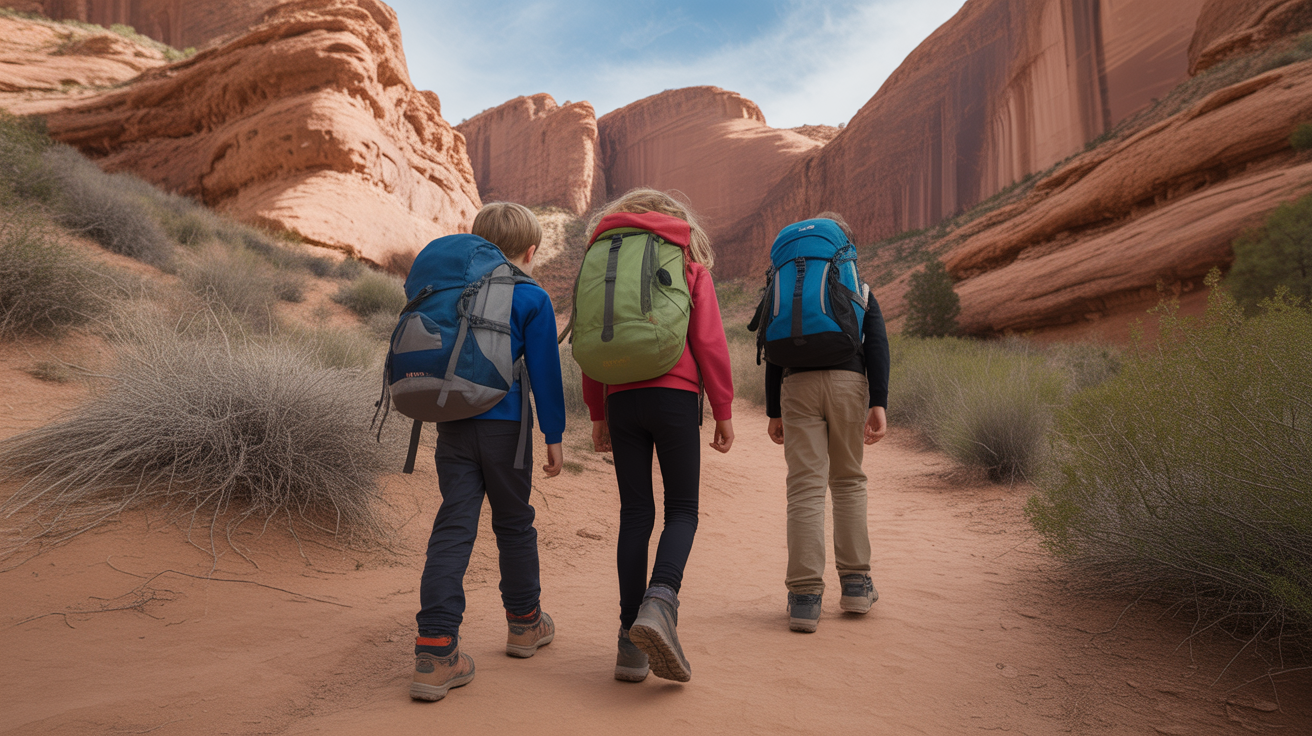
Watching your child slip on wet rocks or struggle through muddy trail sections in regular sneakers is stressful. You know those slick soles are not built for actual trails, and every misstep makes you question whether hiking together is even safe. The good news: the right pair of kids hiking shoes changes everything.
Kids need hiking shoes with aggressive tread, reinforced toe protection, and room for wider feet that regular athletic shoes rarely provide. This guide breaks down the best hiking shoes for kids based on real trail performance, honest durability, and fit that works for children whose feet are still growing. We focus on shoes that grip muddy paths, protect little toes from roots and rocks, and hold up through an actual season of outdoor use.
What to Look For
Tread Pattern and Grip
The single most important feature in kids hiking shoes is the outsole. Regular sneaker tread uses shallow grooves designed for pavement, which is why your child keeps slipping on dirt, wet leaves, and uneven surfaces. Hiking-specific tread features deeper lugs (the raised rubber knobs on the bottom) that bite into soft ground and channel mud away from the foot. Look for lugs that are spaced far enough apart that dirt does not pack between them. Multi-directional lug patterns perform better on varied terrain than straight lines. Rubber compound matters too – stickier rubber grips better on wet rocks, though it wears faster on pavement. Most kids hiking shoes balance grip and durability with a mid-range rubber hardness.
Toe Protection and Durability
Kids walk differently than adults on trails. They kick rocks, stub toes on roots, and drag their feet when tired. A reinforced toe cap (usually rubber or synthetic overlay) protects both the shoe and the foot. Look for toe caps that wrap up and over the front of the shoe, not just a thin strip of material. The upper material should be abrasion-resistant – leather or synthetic leather lasts longer than mesh alone, though mesh panels improve breathability. Stitching quality matters more than you would expect: double or triple-stitched seams hold up better to the stress kids put on shoes. Check that the sole is securely attached all the way around, particularly at the toe. Kids destroy shoes fast, so construction quality directly affects whether you are replacing them every three months or getting a full season of use.
Fit for Wide Feet and Growing Room
Many kids have wider feet than standard athletic shoes accommodate, which causes blisters and discomfort on longer hikes. Wide-fit hiking shoes provide extra room across the ball of the foot and toe box without being sloppy in the heel. Your child should be able to wiggle all toes freely, and there should be about a thumb width of space between the longest toe and the end of the shoe when standing. This growing room prevents the shoe from becoming too tight within a few months. However, too much extra space causes the foot to slide forward on downhill sections, which leads to black toenails and blisters. Kids feet swell during activity, so try shoes on in the afternoon when feet are slightly larger. Have your child walk on an incline if possible to check heel slippage and toe jamming.
Closure Systems That Actually Work
Laces provide the most adjustable fit, but younger kids struggle with tying and re-tying them on the trail. Hook-and-loop straps (often called Velcro) work well for kids under age seven or eight, offering quick adjustments without stopping to retie. Elastic lacing systems with toggle locks combine the security of laces with the convenience of slip-on shoes. Whatever closure system you choose, it needs to hold tight during active movement – a loose shoe is nearly as bad as the wrong size. Test the closure by having your child jump, run a few steps, and walk on uneven ground. The shoe should feel secure around the midfoot without pressure points.
Water Resistance vs. Breathability
Waterproof hiking shoes keep feet dry in streams and puddles but trap heat and moisture from sweat. Breathable shoes dry faster and feel cooler but let water in immediately. For most families, water-resistant (not fully waterproof) shoes offer the best compromise. They shed light rain and morning dew while still allowing some airflow. If you hike primarily in wet climates or your child loves splashing through every puddle, waterproof shoes make sense. For hot weather or dry climates, prioritize breathability. No shoe keeps feet completely dry in extended wet conditions – even waterproof shoes fill with water from the top when kids wade too deep. Fast-drying materials matter more than perfect waterproofing for most trail situations.
Weight and Flexibility
Kids tire faster in heavy, stiff shoes. A good kids hiking shoe weighs less than an adult boot but more than a running sneaker. The shoe should flex at the ball of the foot but resist twisting through the arch. Test this by holding the heel in one hand and toe in the other: you should be able to bend the shoe lengthwise with moderate effort, but it should not twist easily side to side. Excessive flexibility offers minimal structure on uneven terrain. Too much stiffness makes the shoe exhausting to walk in. Kids have less body weight than adults, so they need less aggressive support, but they also have less developed foot strength, so some structure is built into most hiking-specific designs for comfort on longer trails.
Our Top Picks
1. Merrell Trail Chaser Shoe Kids
Best overall for kids who need reliable grip on muddy trails and rocky paths without breaking the budget

The Merrell Trail Chaser earns its reputation as a solid all-around kids hiking shoe with over 9,700 customer reviews backing up its performance. Parents consistently report that these shoes handle wet, muddy trails far better than regular sneakers, with the tread pattern providing legitimate grip without the aggressive lug depth that makes some hiking shoes feel clunky for everyday wear.
Construction quality stands out at this price point. The reinforced toe cap protects against rock strikes and root kicks, while the synthetic and mesh upper holds up to the abuse kids dish out on trails. Multiple reviewers mention these shoes lasting an entire season of regular use, which is more than you can say for most kids footwear. The traditional lace closure works well for kids old enough to tie their own shoes, providing a secure fit that stays put during active movement.
The Trail Chaser runs true to size with a medium width that accommodates most foot shapes without feeling tight. Parents of kids with slightly wider feet report the fit works well, though extremely wide feet may need to size up. The shoe has enough structure to support young feet on uneven terrain without the stiffness that makes hiking shoes uncomfortable for all-day wear. At under 45 dollars, the value proposition is strong – you get legitimate trail performance without paying premium brand prices. See current pricing for the Merrell Trail Chaser on Amazon.
Pros
- Nearly 10,000 customer reviews confirm reliable trail performance
- Reinforced toe protection holds up to aggressive kid use
- Tread pattern provides solid grip on mud and loose dirt
- True-to-size fit works for medium and slightly wide feet
- Budget-friendly price does not sacrifice quality
Cons
- Traditional laces require kids to know how to tie shoes
- Not waterproof – feet will get wet in puddles and streams
- Medium width may be tight for very wide feet
2. Mishansha Kids Hiking Boots
Best for parents who need water-resistant protection and extended toe coverage at the lowest price point

The Mishansha hiking boots offer surprising performance for a budget-priced option, with over 7,400 reviews from parents who needed affordable trail shoes that actually work. The water-resistant upper keeps feet drier than mesh-heavy competitors when kids walk through wet grass or shallow puddles, though these are not fully waterproof boots. The toe coverage extends rubber protection further up the front of the shoe than many competitors, which matters when your child kicks every rock on the trail.
The hook-and-loop closure system makes these boots accessible for younger kids who cannot tie laces yet. Parents report the straps hold securely during active play without coming loose, and kids can adjust them independently. The boots run slightly large, which works in your favor for growing room but means you may need to order a half size down from your child’s usual sneaker size. The outsole tread is deeper than regular athletic shoes, providing better grip on dirt and gravel paths.
At roughly 30 dollars during sale periods, these boots deliver functional trail protection for families just getting into hiking or kids who outgrow shoes too quickly to justify higher-end options. Durability is acceptable but not exceptional – expect these to last one season of regular use rather than multiple seasons. The trade-off between price and longevity makes sense for fast-growing kids whose feet will change size before the shoes wear out. Read verified buyer reviews for the Mishansha Kids Hiking Boots on Amazon.
Pros
- Water-resistant upper handles wet grass and light puddles
- Hook-and-loop closure works for kids who cannot tie laces
- Extended toe protection prevents stubbed toes on roots and rocks
- Lowest price point among legitimate hiking shoes
- Over 7,400 reviews confirm parents find these functional
Cons
- Runs large – order half size down from regular sneakers
- Durability is adequate for one season but not multiple years
- Tread depth is less aggressive than higher-end hiking shoes
3. adidas Kids Terrex Ax2r CF K
Best for kids who need quick on-and-off convenience with elastic laces and a secure fit that stays put

The adidas Terrex Ax2r CF K stands out for its elastic lacing system with a hook-and-loop top strap, which combines the security of laces with the convenience kids actually use. Parents report the closure system holds tight during running and climbing without needing constant adjustment, and kids can put these on independently without struggling with traditional laces. The 4.8-star rating from over 1,600 reviews reflects consistent satisfaction with how these shoes perform on actual trails.
The rubber outsole provides exceptional grip on wet rocks and slippery surfaces. Parents report that kids who were slipping regularly in regular sneakers have far fewer stability issues in these shoes. The synthetic upper with mesh panels balances durability and breathability reasonably well – not fully waterproof but resistant enough for light trail moisture. The reinforced toe and heel areas protect high-wear zones without adding excessive bulk.
The fit runs true to size with a medium width that works for average foot shapes. Parents of kids with wide feet report mixed results – some find the fit acceptable, others need to size up for width, which then leaves too much length. At 45 dollars, these shoes cost slightly more than basic options but deliver noticeably better grip and more convenient closure than budget competitors. The combination of easy on-off functionality and legitimate trail performance makes these worth considering for kids who resist dealing with traditional laces. Check current stock for the adidas Terrex Ax2r CF K on Amazon.
Pros
- Elastic laces with hook-and-loop strap provide secure fit kids can manage independently
- Rubber outsole delivers excellent grip on wet surfaces
- 4.8-star rating is among the highest for kids hiking shoes
- True-to-size fit for average width feet
- Durable construction holds up to regular trail use
Cons
- Medium width may be tight for very wide feet
- Not waterproof – breathable mesh lets water in
- Slightly higher price than basic hiking shoes
4. Merrell Girls Moab Speed 2 Low Waterproof
Best waterproof option for girls who hike in consistently wet conditions or love splashing through streams
The Merrell Moab Speed 2 Low Waterproof brings legitimate waterproof protection to kids hiking shoes at a price point that does not require a second mortgage. Parents report these keep feet dry through stream crossings and prolonged wet trail conditions, which is exactly what waterproof means – not just water-resistant but actually sealed against moisture entry. The waterproof construction adds some warmth, making these better suited for cool weather hiking or wet climates rather than hot summer conditions.
The tread pattern on these shoes is more aggressive than the standard Merrell Trail Chaser, with deeper lugs that bite into muddy trails and loose soil. Parents report better stability on steep, slippery descents compared to non-waterproof alternatives. The reinforced toe and heel areas protect against impacts while maintaining reasonable flexibility through the midfoot. Traditional lace closure provides the most adjustable fit, though younger kids will need help tying them.
These shoes run true to size with a fit that accommodates average to slightly wide feet. The waterproof construction means they take longer to dry if water does get inside (from wading too deep or sweat buildup), which is the trade-off for wet-weather protection. At 50 dollars, they cost more than basic options but deliver specific performance for families who hike in rainy conditions or kids who cannot resist every puddle on the trail. With 99 reviews, feedback is more limited than options with thousands of ratings, though the 4.4-star average suggests solid performance for buyers prioritizing waterproof protection. Compare the Merrell Moab Speed 2 Low Waterproof specs and pricing on Amazon.
Pros
- Legitimate waterproof protection keeps feet dry in streams and wet trails
- Aggressive tread pattern provides excellent grip in mud
- True-to-size fit works for average and slightly wide feet
- Reinforced construction protects against impacts and abrasion
- Cool-weather friendly with added warmth from waterproof construction
Cons
- Limited customer feedback with 99 reviews compared to other options
- Waterproof construction reduces breathability in hot weather
- Takes longer to dry if water enters from top or sweat buildup
5. KEEN Kids Targhee 4 Low Height Waterproof
Best for wide feet and families who prioritize durability and brand reputation in waterproof hiking shoes

The KEEN Targhee 4 is the premium option in this roundup, offering the brand reputation and build quality KEEN is known for in adult hiking footwear. Parents familiar with KEEN shoes report these deliver the same durable construction and reliable fit in kids sizes. The waterproof design keeps feet dry through extended wet conditions, while the upper material combination provides both protection and breathability where it matters most.
KEEN shoes are specifically designed with a wider toe box than most competitors, making these an excellent choice for kids whose feet do not fit comfortably in standard-width shoes. The roomy forefoot allows toes to spread naturally without cramping, which prevents blisters on longer hikes. The outsole provides solid traction on varied terrain, from loose gravel to muddy trails. The shoes run true to size with that wider toe box built in – you do not need to size up for width.
At 56 dollars, these are the most expensive option in this guide, and that premium pricing reflects both the KEEN brand name and the legitimate quality differences. These shoes typically last longer than budget options, which partially offsets the higher upfront cost if your child wears them regularly. With 252 reviews providing feedback, this option has less extensive social proof than budget alternatives with thousands of ratings, though parents consistently report satisfaction with the wide-foot fit and construction quality. See if the KEEN Targhee 4 is right for your first hike on Amazon.
Pros
- Wide toe box accommodates kids with broader feet comfortably
- Waterproof protection keeps feet dry in wet conditions
- Durable construction typically outlasts budget alternatives
- True-to-size fit with width built in – no sizing up needed
- Brand reputation backed by quality adult hiking shoe line
Cons
- Highest price point in this guide at over 55 dollars
- Waterproof design reduces breathability in hot weather
- 252 reviews provide less extensive feedback than budget options
How These Compare
Choosing between these five options comes down to your specific needs and what problems you are trying to solve. If your main concern is stopping the slipping and you need a reliable all-around shoe without spending too much, the Merrell Trail Chaser at 42 dollars delivers the best combination of grip, durability, and value. Nearly 10,000 reviews back up its performance, and it handles the majority of trail conditions kids encounter without specialized features that drive up cost.
For families on a tight budget or kids who outgrow shoes faster than they wear them out, the Mishansha hiking boots at 30 dollars provide functional trail protection at the lowest price point. They are not going to last multiple seasons like premium options, but they will keep your child safer on trails than regular sneakers while leaving money in your budget for other gear. The hook-and-loop closure makes these particularly practical for younger kids who cannot manage laces yet.
If your child struggles with traditional laces or you are tired of stopping every ten minutes to retie shoes, the adidas Terrex Ax2r CF K solves that specific problem with elastic laces and a hook-and-loop top strap. Kids can put these on independently, and the closure actually stays secure during active movement. The outsole provides grip that matches or exceeds more expensive options, making these a smart choice for convenience without sacrificing performance.
Wet conditions change the equation entirely. If you hike regularly in rain, near streams, or in climates where trails stay muddy, waterproof shoes like the Merrell Moab Speed 2 Low Waterproof at 50 dollars or the KEEN Targhee 4 at 56 dollars make sense. The Merrell option costs less and delivers solid waterproof performance with aggressive tread, though it has limited customer feedback with 99 reviews. The KEEN option costs more but specifically addresses wide feet with a roomier toe box and generally lasts longer due to superior construction, with 252 reviews providing more extensive buyer experiences than the Merrell waterproof model.
Wide feet are the final deciding factor. If your child has genuinely wide feet that regular shoes pinch, the KEEN Targhee 4 is worth the premium price. The wider toe box is built into the design, not an aftermarket accommodation, which means you get proper fit without having to size up and deal with excess length. The adidas and Merrell options work for slightly wide feet, but truly wide feet need the KEEN design.
For most families starting out with trail hiking, the Merrell Trail Chaser offers the best entry point – proven performance, reasonable durability, and a price that does not require justification if your child decides hiking is not their thing. As you learn what specific challenges your child faces on trails, you can make more targeted decisions about waterproofing, closure systems, or width accommodation.
Frequently Asked Questions
Do kids really need hiking shoes or can they wear regular sneakers on trails?
Kids can wear regular sneakers on easy, flat trails without significant consequences, but actual hiking shoes make a measurable difference in comfort on most trails. The key difference is the outsole tread pattern. Regular sneakers have shallow, smooth tread designed for pavement, which provides minimal grip on dirt, wet leaves, loose rocks, or mud. Hiking shoes feature deeper lugs (the raised rubber knobs on the sole) spaced to channel mud and debris away from the foot, providing traction on uneven, slippery surfaces. The second major difference is toe protection. Kids kick rocks and roots constantly while hiking, and regular sneakers offer minimal reinforcement. Hiking shoes include rubberized toe caps that protect both the shoe and the child’s toes from impacts. Finally, hiking shoes provide structured ankle and arch coverage on uneven terrain, which many parents report helps with comfort on longer hikes. If you are walking paved nature trails or short distances on flat ground, sneakers work fine. If your child is hiking dirt trails with roots, rocks, or any elevation change, proper hiking shoes improve their trail experience.
How do I know if my child needs wide-width hiking shoes?
Watch for specific signs that indicate your child needs wider shoes. The most obvious signal is red marks or indentations on the sides of the foot after removing shoes, particularly across the ball of the foot or along the pinky toe. If your child complains that their feet hurt during or after hikes, and you see pressure marks, the shoes are too narrow. Another indicator is if you have to size up significantly to get shoes to feel comfortable width-wise, which then leaves too much space length-wise and causes the heel to slip. Kids with wide feet often resist wearing certain shoes or complain immediately when trying them on. Look at your child’s feet from above while they are standing barefoot – if the foot spreads noticeably wider than standard shoe widths accommodate, you likely need wide-fit options. Try the thumb test: with shoes on and laced properly, press your thumb into the widest part of the shoe from the side. If there is no give at all and the material is stretched tight, the shoe is too narrow. Finally, some foot shapes are simply wider naturally, particularly kids with higher arches or certain ethnic backgrounds that tend toward broader feet. If regular shoes have been consistently problematic across multiple brands, dedicated wide-width hiking shoes solve the issue more effectively than sizing up in standard widths.
Should I buy waterproof or non-waterproof hiking shoes for my child?
The decision between waterproof and non-waterproof hiking shoes depends on your climate and how you hike. Waterproof shoes keep feet dry through stream crossings, rain, and prolonged wet trail conditions, but they trap heat and moisture from sweat inside the shoe. Non-waterproof shoes breathe better and dry faster but let water in immediately when exposed to moisture. For most families hiking in moderate climates with occasional wet conditions, non-waterproof or water-resistant shoes work better. They handle light rain and dew, dry quickly if they get wet, and keep feet cooler in warm weather. Choose waterproof shoes if you hike regularly in the Pacific Northwest or other rainy regions, your child loves splashing through every stream and puddle, or you frequently encounter marshy trail sections that cannot be avoided. One factor many parents overlook: kids feet sweat more than adults relative to their size, and waterproof construction traps that moisture inside. In hot weather, non-waterproof shoes prevent the swampy feeling that leads to blisters. Also consider that even waterproof shoes stop working once water enters from the top, which happens frequently with kids who wade too deep or kick through tall wet grass. Fast-drying non-waterproof materials often perform better in those situations than waterlogged waterproof shoes that take overnight to dry. If you can only afford one pair, choose non-waterproof with good water-resistant treatment for the most versatile performance across conditions.
How much growing room should I leave in kids hiking shoes?
Leave approximately one thumb width of space between your child’s longest toe and the front of the shoe when they are standing. This typically translates to about half an inch of growing room, which should last three to six months depending on how fast your child’s feet grow. Check fit while your child is standing, not sitting, because feet expand and lengthen under body weight. Have them push their foot all the way forward in the unlaced shoe until their toes touch the front, then check how much space is left at the heel – two finger widths at the heel equals about right for toe room. Do not leave more than a thumb width of space, because excess room causes the foot to slide forward on downhill sections, which leads to black toenails, blisters, and instability on uneven terrain. Too little room means the shoes become painful within weeks as feet grow. The fit should feel comfortable immediately, not tight with the expectation they will stretch. Hiking shoes generally do not stretch significantly like some casual shoes. Try shoes on in the afternoon when feet are slightly swollen from daily activity, which more accurately represents how feet feel during hikes. Have your child walk on an incline or down stairs if possible to check whether their foot slides forward excessively, which indicates too much growing room despite proper length measurement.
The Bottom Line
Finding the best hiking shoes for kids comes down to matching specific features to your child’s needs and the trails you actually hike. If your main goal is stopping the slipping and protecting toes without spending a fortune, the Merrell Trail Chaser delivers proven performance at 42 dollars with nearly 10,000 reviews backing up its reliability. For families just starting out or working with tight budgets, the Mishansha hiking boots at 30 dollars provide functional trail protection that keeps kids safer than regular sneakers.
Kids who struggle with laces or parents tired of constant retying should look at the adidas Terrex Ax2r CF K with its elastic lacing system – the 4.8-star rating reflects how well the convenience factor works without sacrificing grip or durability. If you hike in consistently wet conditions or your child cannot resist every puddle, waterproof options like the Merrell Moab Speed 2 Low at 50 dollars keep feet dry when it matters. Wide feet need specific accommodation, making the KEEN Targhee 4 at 56 dollars worth the premium for kids whose feet genuinely do not fit standard widths comfortably.
The difference between hiking in proper trail shoes versus regular sneakers is immediately noticeable – better traction on slippery surfaces and more confidence on challenging trail sections. Start with your biggest pain point (slipping, wet feet, wide fit, or budget) and choose the shoe that directly addresses that problem. Kids grow fast, so investing in 50-60 dollar shoes only makes sense if you hike regularly enough to get a season of use before they outgrow them. For occasional family hikes, the budget options perform well enough that your money is better spent on other gear or saving for the next size up in a few months.
Disclosure: As an Amazon Associate, we earn from qualifying purchases. This does not affect our editorial recommendations.