
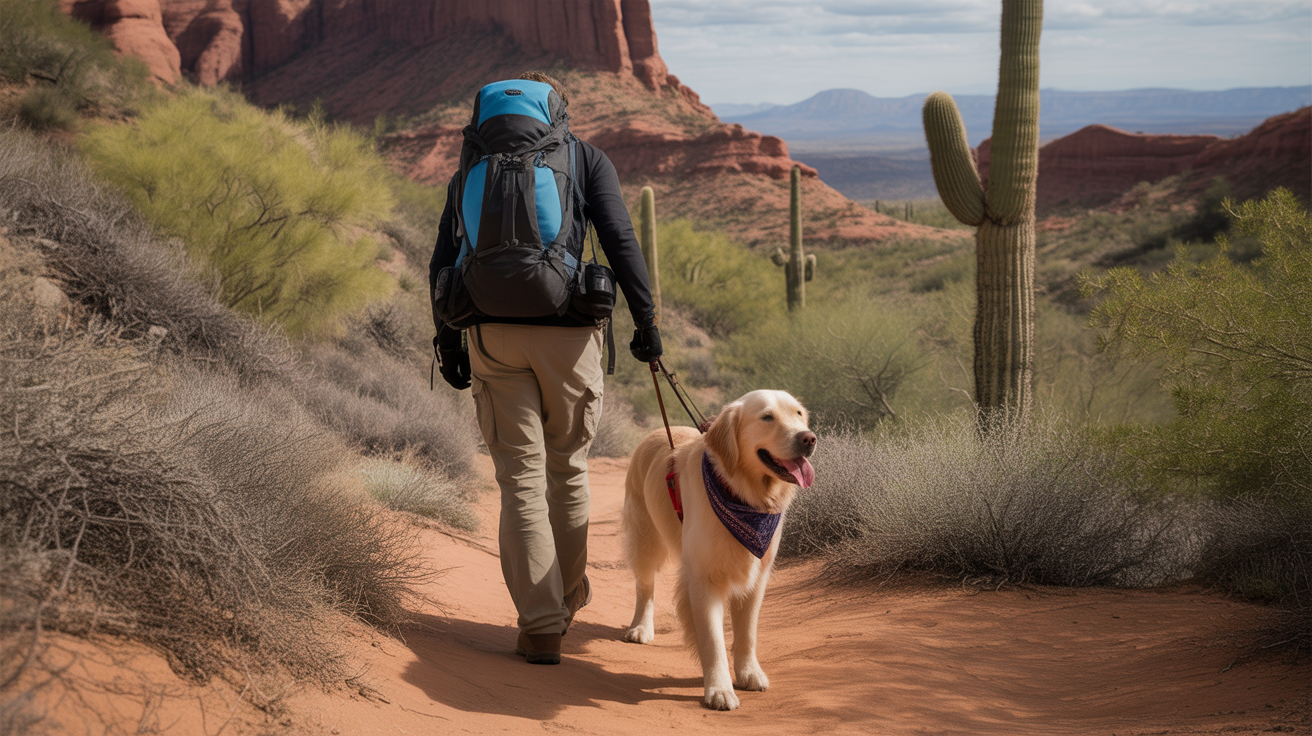
If you have been watching your dog scratch at bug bites after a hike or found ticks embedded in their fur, you are not alone. Mosquitoes, ticks, and biting flies can make trail time miserable for dogs, and the health risks go beyond simple discomfort. Lyme disease, heartworm, and other insect-borne illnesses are real concerns for any dog who spends time outdoors. But here is the problem: most human bug sprays contain DEET, which can be toxic to dogs if they lick their coat. Even products labeled as pet-safe vary wildly in effectiveness and ingredient safety.
This guide cuts through the confusion. We reviewed dozens of products and identified the best dog insect repellent for hiking options that actually work in heavy insect country without putting your dog at risk. Whether you are hiking in tick-heavy hardwood forests, mosquito-dense wetlands, or fly-prone grasslands, you will find a solution that keeps your trail companion protected and comfortable from trailhead to car.
What to Look For
Active Ingredients: What Is Safe and What Works
The best dog insect repellent for hiking uses ingredients that repel insects effectively without harming your dog. Natural options like cedarwood oil, lemongrass oil, peppermint oil, and citronella provide plant-based protection that is safe if your dog licks their coat. These essential oil blends work by masking the scent cues that attract biting insects. The downside is that natural repellents typically require more frequent reapplication-every two to four hours depending on activity level and weather conditions.
Permethrin-based products offer stronger, longer-lasting protection and are widely used on dog gear and clothing. Permethrin is a synthetic insecticide that bonds to fabric and remains effective through multiple washes. It is safe for dogs once dried, but never apply permethrin products directly to cats. Permethrin is particularly effective against ticks, which reduces the risk of tick attachment in areas with high Lyme disease prevalence. Some products combine permethrin-treated bandanas or collars with spray-on repellents for layered defense.
Avoid any product containing DEET, which is toxic to dogs and can cause drooling, vomiting, seizures, and skin irritation. Also skip products with high concentrations of tea tree oil, which can cause tremors and weakness in dogs. Always check the label for clear dosage instructions and confirm the product is specifically formulated for canine use.
Application Method: Spray, Wipe, or Treat Gear
Spray-on repellents are the most common format and work well for dogs who tolerate being misted. Apply spray products outdoors to avoid inhaling fumes, and keep the nozzle six to eight inches from your dog. Spray against the direction of fur growth to ensure the product reaches the skin, then massage it in with your hands. Focus on legs, underbelly, neck, and ears-areas where ticks and mosquitoes are most likely to latch on. Avoid spraying directly on your dog’s face. Instead, spray your hands and gently wipe around their muzzle and ears.
Wipes offer more control and are less intimidating for anxious dogs. Pre-moistened wipes let you apply repellent precisely without overspray, and they are easy to pack in a daypack. The trade-off is that wipes can take longer to apply on large dogs with thick coats. Look for wipes in resealable pouches that will not dry out between uses.
Treated gear-like permethrin-infused bandanas, collars, and even socks-provides passive protection without direct application to your dog. A treated bandana worn around the neck protects one of the most vulnerable areas for tick attachment. Some hikers combine treated gear with spray repellent for maximum coverage. Treated items remain effective for weeks or months depending on the product, but they lose potency with repeated washing.
Protection Duration and Reapplication Needs
Most natural dog repellents provide two to four hours of protection under normal conditions. Heat, humidity, swimming, and heavy panting all reduce effectiveness. If your hike includes water crossings or if your dog is prone to rolling in dirt, plan to reapply halfway through longer outings. Carry extra product in a ziplock bag or small spray bottle so you are not caught without protection on the back half of the trail.
Synthetic repellents and permethrin-treated products last longer-often up to several days or weeks-but they require proper initial application. Permethrin must fully dry before your dog can safely lick their coat, which usually takes two to four hours. Apply permethrin products the night before your hike so they have time to bond and dry completely.
Some topical flea and tick preventatives-like K9 Advantix II-offer month-long protection and also repel mosquitoes. These are not traditional repellents but rather systemic treatments applied between the shoulder blades. If you hike regularly in insect-heavy areas, a monthly topical treatment combined with a spray-on repellent for extra protection may be the most practical approach. Note that while repellents reduce mosquito exposure, they do not prevent heartworm transmission-only monthly heartworm preventatives prescribed by your veterinarian address that risk.
Coverage Area and Coat Type Considerations
Short-haired dogs are easier to treat because the product reaches the skin more readily. For breeds with dense or double coats-like Huskies, Golden Retrievers, and Australian Shepherds-you will need more product and more deliberate application. Part the fur in sections and spray or wipe directly onto the skin rather than just coating the top layer of fur. Insects can burrow through thick fur to reach skin, so surface application alone will not provide full protection.
Pay special attention to areas where fur is thinner or where skin folds create warm, moist hiding spots for ticks. Check and treat the armpits, groin, behind the ears, and around the base of the tail. These spots are tick magnets and are often overlooked during application.
For very small dogs under ten pounds, use products specifically labeled for small breeds. Concentration levels that are safe for a 60-pound Labrador may be too strong for a six-pound Chihuahua. Follow dosage instructions carefully and do not assume that less of a large-dog product is equivalent to a proper small-dog formula.
Scent, Texture, and Dog Tolerance
Dogs have a vastly stronger sense of smell than humans, so a repellent that smells mild to you may be overwhelming to your dog. Essential oil-based products tend to have strong herbal or citrus scents that some dogs find unpleasant. If your dog repeatedly tries to rub off the product or seems agitated after application, the scent may be too intense. Look for fragrance-free or lightly scented formulas if your dog is sensitive.
Texture also matters. Some sprays leave an oily or sticky residue that attracts dirt and makes your dog uncomfortable. This is especially problematic on dusty trails where the coating can turn into a grimy layer. Water-based formulas dry faster and feel lighter, though they may require more frequent reapplication. Test a new product on a short local walk before committing to it on a longer hike.
Watch for signs of skin irritation after application-redness, excessive scratching, or hair loss. Discontinue use immediately if you notice any adverse reaction and consult your veterinarian. Some dogs are allergic to specific essential oils or synthetic compounds even if the product is generally considered safe.
Combining Repellents with Physical Barriers
No repellent is 100 percent effective, so layering protection improves your odds. Pair spray or wipe-on repellent with a permethrin-treated bandana or vest for multi-level defense. Some outdoor companies make lightweight mesh vests designed to keep insects off your dog without overheating them on warm-weather hikes.
Keep your dog on trail as much as possible. Ticks and mosquitoes are most concentrated in tall grass, leaf litter, and brushy areas just off the main path. A dog leash for hiking helps you maintain control and keep your dog from wandering into high-risk zones. After the hike, perform a thorough tick check before getting back in the car. Run your hands over every inch of your dog, paying close attention to hidden spots like between the toes, inside the ears, and under the collar.
Regular grooming also helps. A well-brushed coat is easier to inspect, and removing loose fur reduces the number of places ticks can hide. Some hikers trim their dogs lightly in summer to make post-hike inspections faster and more thorough.
Our Top Picks
1. Sawyer Products SP624 Permethrin for Dogs Insect Repellent Treatment
Best for hikers in heavy tick country who want long-lasting protection on dog gear and bandanas

The Sawyer Products Permethrin treatment is a gear-focused repellent designed to be applied to your dog’s collar, bandana, vest, or bedding rather than directly to their skin. Permethrin is a synthetic insecticide that bonds to fabric and kills ticks, mosquitoes, and other biting insects on contact. Once applied and fully dried, it remains effective through multiple washes and provides weeks of protection. This makes it ideal for hikers who take their dogs on frequent outings and want a set-it-and-forget-it solution.
The product comes in a 24-ounce bottle and is easy to apply. You can either spray it directly onto gear or dilute it for soaking items like bandanas. The key is allowing treated items to dry completely before your dog wears them-this typically takes two to four hours. Once dry, permethrin is safe for dogs but highly effective at repelling and killing insects. Many users report significant reductions in tick attachment after treating their dog’s bandana or vest, especially in heavily wooded areas where ticks are abundant.
Permethrin does not repel insects the way DEET does for humans. Instead, it kills insects that land on treated fabric. This means your dog still needs a treated item in contact with their body to gain protection. A bandana around the neck protects the head and neck area, while a treated vest offers broader coverage. Some hikers treat multiple items and rotate them so there is always a fresh piece of gear ready.
One limitation is that permethrin is highly toxic to cats, so this product is not suitable for households with both dogs and cats unless you can guarantee complete separation during the drying process. Also, permethrin does not provide immediate protection-plan ahead and treat gear at least a day before your hike. The product has a mild chemical odor during application, but it dissipates once dry.
Pros
- Long-lasting protection through multiple washes
- Kills ticks and mosquitoes on contact with treated fabric
- No direct application to dog’s skin required
- Effective in heavily wooded and tick-prone areas
- Large 24-ounce bottle treats multiple items
Cons
- Highly toxic to cats and must be kept away from felines
- Requires advance planning and drying time before use
- Does not repel insects, only kills on contact with treated gear
View Sawyer Products SP624 Permethrin for Dogs Insect Repellent Treatment on Amazon →
2. Vet’s Best Natural Mosquito Repellent Spray for Dogs and Cats
Best for budget-conscious hikers who want a plant-based spray that is safe for both dogs and cats

Vet’s Best Natural Mosquito Repellent is an affordable, plant-based spray formulated with certified essential oils including peppermint oil, lemongrass oil, and clove oil. It is designed to repel mosquitoes and other flying insects without using DEET or synthetic chemicals. The formula is safe for both dogs and cats, which makes it a practical choice for multi-pet households. The eight-ounce bottle is easy to pack and includes a simple spray nozzle for quick application.
This repellent works best for short to moderate hikes in areas where mosquitoes are the primary concern. Users report that it provides noticeable protection against mosquito bites for two to three hours under normal conditions. Reapplication is necessary after water exposure or heavy activity. The scent is herbal and relatively mild compared to other essential oil sprays, though some dogs are sensitive to the peppermint aroma.
One advantage of this product is that it does not leave a heavy or oily residue on your dog’s coat. The water-based formula dries relatively fast and does not attract dirt the way some oil-based repellents do. However, it is not as effective against ticks as permethrin-based options. If you are hiking in an area with high tick populations, consider pairing this spray with a permethrin-treated bandana or collar for layered protection.
The product has a solid review count, but some users note that effectiveness varies depending on the individual dog and environmental conditions. Heavy humidity and high temperatures can reduce the duration of protection, so plan to reapply more frequently on hot, muggy days. At under six dollars, this is one of the most affordable options on the market and a good entry-level choice for hikers new to using insect repellent on their dogs.
Pros
- Plant-based formula with certified essential oils
- Safe for both dogs and cats
- Affordable at under six dollars
- Does not leave heavy or oily residue
- Easy-to-use spray bottle
Cons
- Less effective against ticks compared to synthetic options
- Requires reapplication every two to three hours
- Some dogs are sensitive to peppermint scent
View Vet’s Best Natural Mosquito Repellent Spray for Dogs and Cats on Amazon →
3. Murphy’s Naturals Mosquito and Tick Bug Repellent Spray, Oil of Lemon Eucalyptus
Best for hikers who want a natural repellent that also protects outdoor gear and is effective against both mosquitoes and ticks

Murphy’s Naturals Bug Repellent uses oil of lemon eucalyptus as its active ingredient, a plant-based compound that is recognized by the CDC as an effective alternative to DEET. The two-pack includes eight ounces total and is formulated for use on both skin and outdoor gear, which makes it versatile for trail use. The product is DEET-free, climate pledge friendly, and has a strong review base with over 16,000 ratings.
Oil of lemon eucalyptus is one of the few natural ingredients that has been shown in studies to provide comparable protection to low-concentration DEET products. Users report that this spray is effective against mosquitoes for three to four hours and offers moderate protection against ticks. It does not kill insects on contact like permethrin, but it does repel them from landing on treated areas. The scent is citrusy and fresh, which most dogs tolerate well.
The spray works on both your dog and your own skin, so you can use one product for the whole hiking group. Some users also spray it on daypacks, tent entrances, and camp chairs to create a broader protective zone. The formula is non-greasy and absorbs relatively quickly, though you should still allow a few minutes for it to dry before letting your dog roll or rub against surfaces.
One consideration is that oil of lemon eucalyptus can cause eye irritation, so avoid spraying near your dog’s face. Apply the product to your hands first and then carefully wipe it around the head and ears. Also, this product is not recommended for use on cats. While it is plant-based, oil of lemon eucalyptus can be irritating to felines. The two-pack format is convenient for regular hikers who go out multiple times per month, and the product holds up well in varying weather conditions.
Pros
- Oil of lemon eucalyptus is CDC-recognized as effective
- Works on both dogs and humans
- Can be applied to outdoor gear for added protection
- Non-greasy formula absorbs quickly
- Strong review count with over 16,000 ratings
Cons
- Not recommended for use on cats
- Can cause eye irritation if applied near the face
- Requires reapplication every three to four hours
View Murphy’s Naturals Mosquito and Tick Bug Repellent Spray on Amazon →
4. Trail Guard Natural Extra Strength Insect, Flea and Tick Spray for Dogs
Best for hikers who want extra-strength natural protection and are willing to pay more for a premium formula

Trail Guard Natural Extra Strength Spray is a premium plant-based repellent formulated with cedarwood and rosemary oils. The 16-ounce bottle provides more product than most competitors, and the formula is designed for use on dogs, cats, humans, and even inside your home. This makes it a versatile option for hikers who want one product that covers multiple needs. The product is climate pledge friendly and has a smaller but growing review base with nearly 300 ratings-fewer than more established brands, but feedback so far has been consistently positive.
Cedarwood oil is a natural insect deterrent that works by disrupting the pheromones insects use to locate hosts. Rosemary oil adds additional repellent properties and also has mild antimicrobial effects that can help soothe skin irritated by previous bites. The combination creates a strong-smelling but effective barrier against mosquitoes, ticks, fleas, and biting flies. Users report that the spray is particularly effective in grassy and brushy areas where ticks are common.
The extra-strength formulation means this product lasts longer between applications than lighter natural sprays-typically three to four hours under normal conditions. However, the strong herbal scent can be overwhelming for some dogs and humans. If your dog is sensitive to smells, test a small amount on a short walk before committing to it on a longer hike. The spray does leave a slight oily feel on the coat, which can attract dust on dry trails.
At nearly 27 dollars, this is one of the more expensive options on the list. The higher price reflects the larger bottle size and the premium ingredient blend. For hikers who spend a lot of time on the trail and want a natural product with proven effectiveness, the investment may be worthwhile. The product also works well as a general household bug spray, so you get added value beyond trail use.
Pros
- Extra-strength natural formula with cedarwood and rosemary oils
- Large 16-ounce bottle provides more product
- Effective against mosquitoes, ticks, fleas, and biting flies
- Safe for dogs, cats, and humans
- Lasts three to four hours between applications
Cons
- Strong herbal scent may be overwhelming for sensitive dogs
- Leaves slight oily residue on coat
- Higher price point at nearly 27 dollars
How These Compare
Choosing the best dog insect repellent for hiking depends on the type of insects you are facing, how often you hike, and your dog’s tolerance for different application methods. If you are dealing with heavy tick populations-especially in areas where Lyme disease is common-Sawyer Products Permethrin treatment is the most effective long-term solution. It requires advance planning and careful application to gear, but once treated items are dry, they provide weeks of protection with minimal reapplication. This is the best choice for hikers who take their dogs out multiple times per week and want a set-it-and-forget-it approach.
For budget-conscious hikers or those who primarily face mosquitoes rather than ticks, Vet’s Best Natural Mosquito Repellent offers solid protection at an unbeatable price. It is safe for both dogs and cats, easy to apply, and does not leave a heavy residue. However, it requires reapplication every two to three hours and is not strong enough for heavy tick country. Pair it with a permethrin-treated bandana if you need broader protection.
Murphy’s Naturals Mosquito and Tick Repellent hits a middle ground between effectiveness and natural ingredients. The oil of lemon eucalyptus formula is CDC-recognized and works on both dogs and humans, which makes it a practical choice for group hikes. It offers better tick protection than purely essential oil sprays, though it still falls short of permethrin in high-risk areas. The non-greasy formula and fresh scent make it a favorite among hikers who want a natural product that actually performs.
Trail Guard Natural Extra Strength Spray is the premium option for hikers who want the strongest natural repellent available and do not mind paying more for it. The cedarwood and rosemary blend provides excellent protection against a wide range of insects, and the large bottle size means you will not run out mid-season. However, the strong scent and slight oily residue may not suit every dog, and the higher price makes it less accessible for casual hikers.
If your dog swims during hikes or you are heading into extremely wet conditions, plan to reapply any spray-on repellent more frequently. Natural products lose effectiveness faster in water, so carry extra product in a waterproof bag. For multi-day trips or backpacking with your dog, permethrin-treated gear is the most reliable option because it does not wash off and does not require daily reapplication. Combining a treated bandana with a natural spray gives you layered protection and covers both immediate and long-term needs.
Frequently Asked Questions
Can I use human insect repellent on my dog?
No, most human insect repellents contain DEET, which is toxic to dogs. DEET can cause drooling, vomiting, seizures, and skin irritation if a dog licks their coat after application. Even small amounts can be harmful, especially for smaller dogs. Some human repellents use picaridin, which is safer than DEET but still not formulated for dogs. Dogs groom themselves by licking, so any product applied to their coat will eventually be ingested. Always use insect repellents specifically labeled for dogs. These products are formulated with ingredients that are safe if ingested in small amounts through grooming. If you accidentally apply human repellent to your dog, wash the area immediately with mild soap and water, and contact your veterinarian if your dog shows any signs of distress.
How often should I reapply insect repellent on my dog during a hike?
Natural insect repellents typically need reapplication every two to four hours depending on activity level, temperature, and water exposure. If your dog swims, rolls in dirt, or pants heavily, the product will wear off faster. Check the product label for specific guidance, but plan to reapply at least once during a hike longer than three hours. Synthetic repellents and permethrin-treated gear last much longer-often days or weeks-but they require proper initial application and drying time. Some monthly topical flea and tick treatments also repel mosquitoes and provide month-long protection without reapplication. For most day hikes, applying a natural spray before you start and carrying a small bottle for mid-hike reapplication is a practical approach. Focus reapplication on high-risk areas like legs, underbelly, and ears where insects are most likely to land.
What should I do if my dog has a reaction to insect repellent?
If your dog shows signs of a reaction-such as excessive scratching, redness, swelling, drooling, vomiting, or difficulty breathing-wash the affected area immediately with mild soap and lukewarm water. Remove as much of the product as possible. Contact your veterinarian right away and bring the product label or take a photo of the ingredients list so your vet can provide specific guidance. Do not wait to see if symptoms resolve on their own, especially if your dog is having trouble breathing or appears disoriented. Allergic reactions to essential oils or synthetic compounds can escalate quickly. For future hikes, test any new repellent on a small patch of skin 24 hours before full application to check for sensitivity. Choose fragrance-free or hypoallergenic formulas if your dog has a history of skin sensitivities.
Are natural insect repellents as effective as chemical ones for dogs?
Natural insect repellents can be effective against mosquitoes and flying insects, but they generally provide shorter protection and are less reliable against ticks compared to synthetic options like permethrin. Plant-based ingredients such as cedarwood oil, lemongrass oil, and oil of lemon eucalyptus work by masking scent cues that attract insects. They do not kill insects on contact the way permethrin does. Oil of lemon eucalyptus is one of the few natural ingredients recognized by the CDC as an effective DEET alternative, and it performs well in field conditions. However, natural products require more frequent reapplication-typically every two to four hours-and lose effectiveness faster in heat, humidity, and water. For heavy tick country or long hikes, combining a natural spray with permethrin-treated gear provides the best balance of safety and effectiveness.
Can I treat my dog’s collar or bandana with permethrin myself?
Yes, you can treat your dog’s collar, bandana, or vest with permethrin using a product like Sawyer Permethrin Spray. Apply the product outdoors in a well-ventilated area, and follow the label instructions carefully. Spray the item thoroughly until damp but not soaking, then hang it to dry in a location where your dog and any cats cannot access it. Permethrin must dry completely before your dog wears the item-this usually takes two to four hours but can take longer in humid conditions. Once dry, permethrin is safe for dogs and remains effective through multiple washes. Treated items provide weeks of protection and kill ticks and mosquitoes on contact. Never use permethrin on cats or in areas where cats may come into contact with treated items while they are still wet. If you are treating multiple items, do so at least a day before your hike to allow sufficient drying time.
The Bottom Line
Protecting your dog from mosquitoes, ticks, and biting flies is not just about comfort-it is about reducing exposure to serious illnesses like Lyme disease and other tick-borne infections. The best dog insect repellent for hiking depends on where you hike, how often you go out, and what level of protection you need. If you are facing heavy tick populations, Sawyer Permethrin treatment on gear provides the strongest and longest-lasting defense. For mosquito-heavy areas or budget-conscious hikers, Vet’s Best Natural Mosquito Repellent offers safe, affordable protection with a simple spray application. Murphy’s Naturals with oil of lemon eucalyptus is a solid middle-ground choice that works on both dogs and humans, and Trail Guard Natural Extra Strength delivers premium performance for hikers who want the best natural option available.
No single product works perfectly in every situation, so many experienced hikers layer their protection. A permethrin-treated bandana combined with a natural spray gives you both immediate and long-term coverage. Always perform a thorough tick check after every hike, even if you used repellent. Run your hands over your dog’s entire body, checking between toes, inside ears, under the collar, and around the tail. Early detection and removal of ticks reduces the risk of disease transmission. Keep a dog tick removal tool for hiking in your pack so you can remove any ticks you find on the trail.
Before your first hike with a new repellent, test the product on a short local walk to make sure your dog tolerates it well. Watch for signs of irritation or sensitivity, and discontinue use if any adverse reaction occurs. With the right protection in place, you and your dog can enjoy the trail without the constant worry of insect bites. Start with one of the products above, follow the application instructions carefully, and adjust your approach based on what works best for your dog and your local conditions.
Disclosure: As an Amazon Associate, we earn from qualifying purchases. This does not affect our editorial recommendations.