
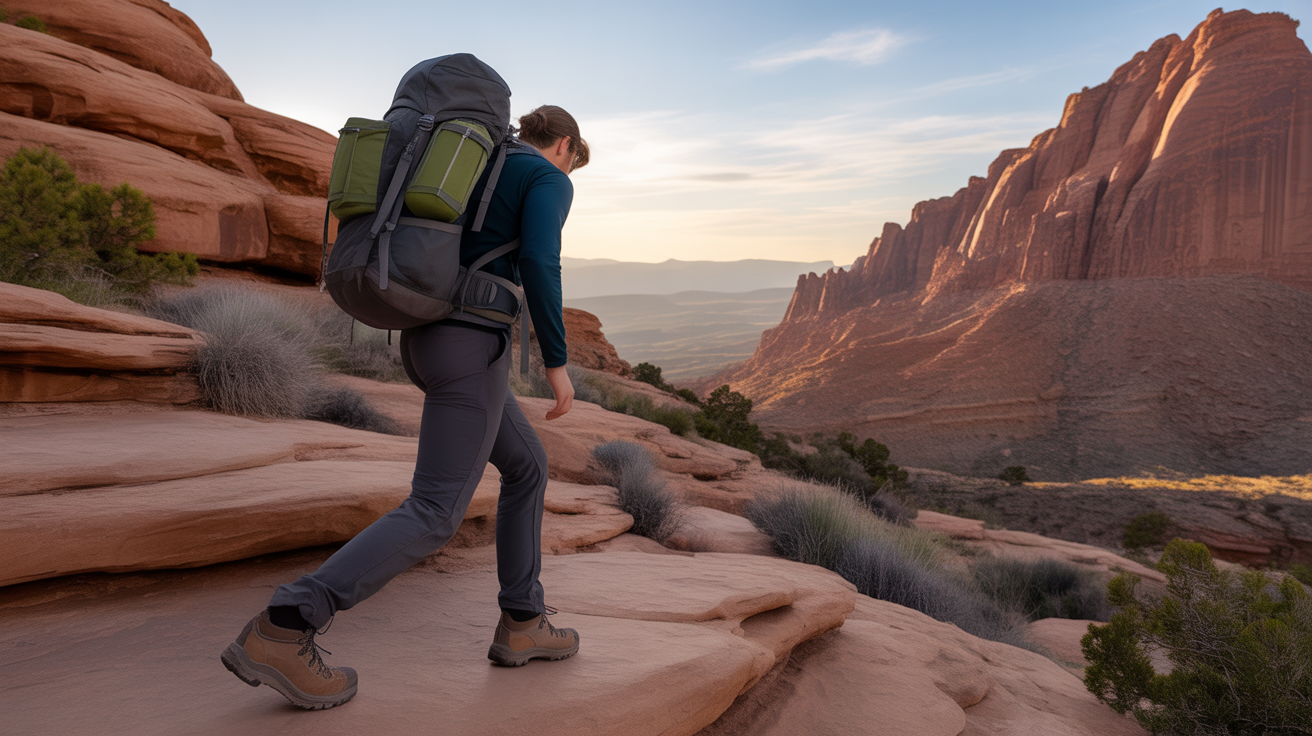
Preparing for your first multi-day hiking trip brings a mix of excitement and uncertainty, especially when it comes to choosing the right backpack. You need enough space for three nights of gear without being tempted to overpack, and the options can feel overwhelming when you are staring at dozens of packs online. The best 50 liter backpack for hiking strikes that perfect balance between capacity and restraint, giving you room for essentials while keeping your load manageable and your experience enjoyable.
This guide cuts through the confusion with real-world testing feedback and honest comparisons of packs that actually work for hikers planning their first extended trail adventure. We have focused on options that fit real budgets, provide genuine comfort over multiple days, and will not leave you second-guessing your choice once you are on the trail.
What to Look For
Understanding 50 Liter Capacity
A 50 liter backpack provides approximately 3,000 cubic inches of storage space, which translates to enough room for three to four days of gear in most conditions. This capacity assumes you are carrying a sleeping bag, tent or shelter, extra clothing layers, food, and standard hiking essentials. The beauty of a 50 liter pack for your first multi-day trip is that it forces you to think carefully about what you truly need without feeling restrictive. Most packs in this range provide structured support for loads between 30 and 40 pounds, which covers typical three-night gear setups.
Torso Length and Fit Adjustability
The most critical factor in backpack comfort is not the brand name or price tag, it is whether the pack fits your torso length correctly. Your torso measurement runs from the C7 vertebra (the prominent bone at the base of your neck) to the top of your hip bones, and most 50 liter packs come in two or three size options to accommodate different body types. Many quality packs also feature adjustable torso lengths, allowing you to dial in the perfect fit even if you are between standard sizes. A properly fitted pack positions the hip belt on your hip bones, not your waist, transferring 80 percent of the load away from your shoulders. When trying packs, load them with at least 20 pounds and walk around for 10 minutes to assess true comfort.
Hip Belt and Load Transfer
The hip belt is where your pack either succeeds or fails at comfort over multiple days. Look for belts that are at least 3 inches wide with substantial padding and a shape that wraps around your hips rather than sitting flat. The best 50 liter backpack for hiking should have a hip belt with pockets for snacks and small items you need to access frequently without stopping. The belt should cinch snugly without gaps and should not dig into your sides when loaded. Many packs now include adjustable hip belt sizes or interchangeable belts, which can be worth seeking out if you fall outside average proportions.
Ventilation and Back Panel Design
Carrying 30 to 40 pounds on your back for hours generates significant heat and sweat, making back panel ventilation a feature worth prioritizing. Suspended mesh back panels create an air gap between the pack and your back, dramatically reducing sweat buildup on warm days. The trade-off is that these systems can reduce load stability slightly compared to traditional contact back panels. For three-season hiking in moderate climates, the ventilation benefit usually outweighs these drawbacks. If you hike primarily in cool conditions or prioritize maximum load stability, a well-padded contact back panel may serve you better.
Access Points and Organization
How you get into your pack matters more than you might think when you are tired at camp or need something mid-trail. Top-loading packs with extendable collars are bombproof and weather-resistant but require unpacking half your gear to reach items at the bottom. Front panel or J-zip access lets you open the pack like a suitcase, making organization dramatically easier but adding zippers that can fail. Many modern 50 liter packs offer both options, which provides the best of both worlds. Look for at least one large external pocket for items you need frequently, plus side pockets sized to hold water bottles without requiring you to remove the pack. Internal organization pockets help keep small items from migrating to the bottom where they become impossible to find.
Frame Type and Load Carrying
Internal frame packs dominate the 50 liter category because they hug your body and move with you on uneven terrain. The frame usually consists of aluminum stays or a plastic framesheet that can be bent to match your back curve. Stiffer frames carry heavy loads better but feel less natural on technical terrain, while more flexible frames move with you but may sag under maximum weight. For your first multi-day pack, a moderate frame stiffness works well for most hiking situations. External frame packs are rare in this size range but can be worth considering if you plan to carry very heavy loads on established trails.
Our Top Picks
1. Osprey Rook 50L Men’s Backpacking Backpack
Best for hikers who want proven comfort and ventilation for their first multi-day trip

The Osprey Rook 50L represents exactly what most first-time multi-day hikers need in a pack without overwhelming them with features they will not use. The AirScape back panel uses a tensioned mesh suspension that creates genuine air flow between your back and the pack, which makes an enormous difference when you are hiking in warm conditions or climbing elevation with a full load. The hip belt is generously padded and includes zippered pockets on both sides that perfectly fit a phone, snacks, or a small camera. The adjustable torso length accommodates a wide range of body types, and the adjustment mechanism is straightforward enough that you can dial it in yourself without consulting a fitting guide.
Load carrying is where this pack truly shines for the 50 liter category. The internal frame and stays provide enough structure to handle 35 to 40 pounds comfortably, which covers most three-night gear setups including food and water. The top lid is removable, though most hikers will leave it attached for the additional storage and rain protection it provides. Dual side compression straps help stabilize the load and can secure a sleeping pad or tent when internal space runs tight. The front panel includes bungee attachments for wet gear or extra layers you want to access quickly.
The pack opens via a top drawstring collar with a floating lid, plus it includes a sleeping bag compartment at the bottom with a horizontal zipper divider that you can remove if you prefer single-compartment loading. Side mesh pockets easily fit standard one-liter water bottles and remain accessible while wearing the pack. An internal hydration sleeve accommodates a 3-liter reservoir, though the pack does not include one. The build quality reflects Osprey’s reputation, with reinforced high-wear areas and smooth-running zippers that should last through many seasons.
The Rook includes trekking pole attachments and an ice axe loop, features that might not matter for your first trip but become useful as your hiking ambitions grow. The harness and hip belt padding strikes a good balance between cushioning and bulk, feeling substantial without being overly thick. For someone planning their first multi-day trip and wanting a pack that will grow with their skills rather than need immediate replacement, this represents an excellent investment that avoids both budget-pack compromises and premium-level overkill.
See current pricing for the Osprey Rook 50L on Amazon.
Pros
- Excellent ventilated back panel reduces sweat buildup significantly
- Adjustable torso length fits a wide range of body types
- Hip belt pockets provide convenient storage for frequently needed items
- Strong load carrying for weights up to 40 pounds
- Quality construction with reinforced high-wear areas
Cons
- Top-loading access requires unpacking to reach bottom items
- Price point higher than budget options though justified by features
- Ventilated back panel design adds slight bulk compared to contact designs
2. Kelty Redwing Traveler 50L Backpack
Best for hikers who want panel-loading convenience and travel versatility

The Kelty Redwing Traveler takes a different approach to the 50 liter category by prioritizing organization and access over pure backpacking features, making it particularly appealing if you plan to use your pack for both trail trips and occasional travel. The full-length J-zip panel allows you to open the main compartment completely, giving you suitcase-style access to everything inside without the frustration of unpacking your entire load to reach items at the bottom. This feature alone transforms the packing and unpacking experience at camp, especially when you are tired after a long day on the trail.
Note that this pack has a limited customer review base compared to more established models, so your experience may vary more than with products that have been tested by thousands of users. The suspended back panel provides good ventilation while maintaining enough structure for comfortable load carrying up to about 35 pounds. Beyond that weight, the pack starts to feel less stable than more backpacking-focused options, but for three nights of gear with reasonable packing choices, it handles the load well. The hip belt is adequately padded though not as robust as the Osprey, and it includes one zippered pocket rather than two. Shoulder straps are well-shaped and include a sternum strap with an integrated whistle, a small detail that matters more than you might expect in an emergency.
Organization options are extensive. The front panel includes multiple zippered pockets in various sizes, perfect for keeping small items like headlamps, first aid supplies, and snacks separated and easy to find. Side compression straps help stabilize your load and can secure overflow gear when needed. The pack includes attachment points for trekking poles and an ice axe, plus side mesh pockets that easily accommodate water bottles. An internal sleeve fits a hydration reservoir up to 3 liters, though like most packs in this range, the reservoir is sold separately.
The panel-loading design makes it work reasonably well for airline travel if you cover or tuck the hip belt and straps. For someone who wants one pack that can handle both weekend backpacking trips and occasional travel, this versatility is valuable. Construction appears solid in the available feedback, striking a good balance between durability and keeping the pack manageable when not fully loaded.
Read verified buyer reviews for the Kelty Redwing Traveler 50L on Amazon.
Pros
- Panel-loading access dramatically simplifies packing and unpacking
- Good organization with multiple external pockets
- Versatile enough for both hiking and travel use
- Reasonable price point with functional construction
- Suspended back panel provides decent ventilation
Cons
- Limited customer feedback compared to more established models
- Load carrying diminishes above 35 pounds compared to backpacking-focused packs
- Hip belt has only one pocket instead of two
3. The North Face Terra 55 Backpack
Best for hikers who want proven brand reputation with room to grow

The North Face Terra 55 brings the brand reputation many first-time multi-day hikers trust, though it pushes slightly above the 50 liter sweet spot. Note that this specific model has limited customer reviews available, so it represents a newer addition to the market rather than a long-tested favorite. The cinch-top opening with an additional zipper access panel gives you options for how you load and access your gear. The traditional drawstring collar with floating lid works perfectly for weather protection and quick access to frequently needed items, while the supplementary zipper lets you reach deeper into the pack without fully opening the top or unpacking layers of gear.
The suspension system uses a padded back panel with enough structure to carry loads up to 40 pounds comfortably, though it lacks the ventilated mesh design of some competitors. This means you will feel more heat buildup on your back during warm weather hiking, but the trade-off is slightly better load stability and a more traditional backpacking feel. The hip belt is well-padded and shaped to wrap around your hips properly, and it includes dual zippered pockets that fit essential items like snacks, a phone, or a small camera. The torso adjustment is tool-free and relatively intuitive, allowing you to dial in proper fit without help.
External attachment points are comprehensive. Trekking pole loops and an ice axe attachment handle standard mountaineering tools, while side compression straps help stabilize your load and can secure a sleeping pad or tent when your main compartment fills up. Side mesh pockets accommodate water bottles, though they sit slightly higher than ideal for on-the-move access. The sleeping bag compartment features a zippered divider that you can remove if you prefer single-compartment packing, giving you flexibility as your packing style evolves.
The North Face manufacturing reputation suggests solid construction standards, and the pack should hold up well to regular trail use based on the brand’s typical approach to quality. The 55 liter capacity gives you a bit more room than strict 50 liter packs, which can be helpful if you tend to pack bulky or are hiking in cold weather when extra insulation layers become necessary. This extra space can be a blessing or curse depending on your packing discipline.
Check current stock for The North Face Terra 55 on Amazon.
Pros
- Dual access via cinch-top and zipper provides loading flexibility
- The North Face brand reputation for outdoor gear
- Well-padded hip belt with dual pockets
- 55 liter capacity offers room for bulkier gear or cold weather trips
- Comprehensive attachment points for poles and gear
Cons
- Limited customer feedback as a newer model in the lineup
- Contact back panel retains more heat than ventilated designs
- Extra 5 liters of capacity may encourage overpacking for some hikers
4. Teton Sports Scout 55L Internal Frame Backpack
Best budget option for first-time multi-day hikers testing whether they enjoy backpacking

The Teton Sports Scout 55L proves that you do not need to spend premium dollars to get a functional pack for your first multi-day trips. With nearly 8,000 customer reviews averaging 4.7 stars, this pack has been tested by more real hikers than almost any other option in this category. The value proposition is immediately clear when you compare features to price. You get a fully adjustable torso length, padded hip belt with pockets, multiple compartments, and a rain cover included in the box, all for about half the cost of premium brand alternatives.
The internal frame provides adequate structure for loads in the 30 to 35 pound range, which covers most three-night trips if you pack reasonably. Push beyond that weight and the pack starts to feel less supportive than more expensive options, but within its intended range it performs well. The back panel uses a padded contact design rather than ventilated mesh, so expect more heat buildup on warm days. The hip belt padding is adequate rather than luxurious, but it transfers load effectively when properly adjusted. Shoulder straps include load lifters that help fine-tune weight distribution.
Organization features include a sleeping bag compartment with removable divider, side mesh pockets for water bottles, and multiple compression straps to stabilize your load. The included rain cover is a nice touch that saves you an additional purchase, though the cover quality is basic and may need replacement after heavy use. External attachment points handle trekking poles and can secure extra gear when needed. An internal hydration sleeve fits standard reservoirs up to 3 liters.
The most significant compromise at this price point shows up in material durability and attention to detail. Hardware and fabric are functional but will show wear faster than more expensive packs, and stitching is generally good but not to the exacting standards of premium brands. For someone who wants to try multi-day hiking without a large financial commitment, or who only plans a few trips per year, these trade-offs make perfect sense. The massive review database means you are buying a thoroughly tested product rather than taking a chance on an unknown quantity.
Compare the Teton Sports Scout 55L specs and pricing on Amazon.
Pros
- Excellent value with features typically found on more expensive packs
- Massive review database from real hikers confirms functionality
- Rain cover included saves additional purchase
- Adjustable torso length accommodates different body types
- Strong customer satisfaction ratings at budget price
Cons
- Material durability lower than premium options
- Load carrying diminishes noticeably above 35 pounds
- Contact back panel lacks ventilation of mesh designs
View Teton Sports Scout 55L Internal Frame Backpack on Amazon →
How These Compare
Choosing the best 50 liter backpack for hiking from these four options depends primarily on your budget and how much hiking you realistically plan to do in the next year or two. The Osprey Rook 50L delivers the most refined hiking experience with excellent ventilation, superior load carrying, and build quality that should last through many seasons. If you know you will be doing multiple multi-day trips per year and want a pack that will not hold you back as your skills grow, the Osprey justifies its higher price.
The Kelty Redwing Traveler offers the most versatile option if you value organization and plan to use your pack for both hiking and occasional travel. The panel-loading access transforms the packing experience compared to traditional top-loading designs, making it particularly appealing if you get frustrated with disorganized gear. Load carrying is adequate for typical three-night trips, though serious backpackers carrying heavier loads may find it less stable than pure backpacking designs. Keep in mind this model has less real-world testing feedback than more established options.
The North Face Terra 55 splits the difference with brand reputation and a bit more capacity than strict 50 liter options. The dual access system provides flexibility, and The North Face typically delivers quality construction. This model has limited customer reviews as a newer addition to the market. The main consideration is whether you need the extra 5 liters of capacity or if it might tempt you to overpack. For cold weather hiking or trips requiring bulkier gear, that extra space can be valuable.
The Teton Sports Scout 55L represents the smart budget choice if you are new to multi-day hiking and want to test whether you enjoy it before making a larger investment. The massive review database proves it works for thousands of hikers, and the feature set is surprisingly complete for the price. Material durability is the main trade-off, but if you only plan a few trips per year, the pack should serve you well for several seasons. Starting here and upgrading later once you know your preferences makes perfect financial sense for many hikers.
Frequently Asked Questions
Is a 50 liter backpack big enough for a 3 day hike?
A 50 liter backpack provides ample capacity for a 3 day hike in most conditions. This volume comfortably accommodates a sleeping bag, lightweight tent or shelter, three days of food, extra clothing layers, and standard safety and hygiene items. The key is packing efficiently and choosing gear that is not excessively bulky. Modern synthetic or down sleeping bags compress well, and freeze-dried meals take up minimal space compared to canned goods.
The limitation comes when hiking in very cold weather or carrying specialized equipment. Winter camping requires bulkier insulation layers and a warmer sleeping bag that compresses less efficiently, which can push you toward needing 55 to 65 liters. Similarly, if you are carrying camera equipment, extensive cooking gear, or hiking with others and sharing group items like a larger tent, you may find 50 liters restrictive. For most three-season backpacking trips with standard gear, 50 liters hits the sweet spot of enough capacity without so much space that you are tempted to bring unnecessary items that add weight.
What can you fit in a 50L backpack?
A 50 liter backpack typically holds a complete three-day hiking kit including shelter, sleep system, clothing, food, and safety items. Starting from the bottom, most hikers pack their sleeping bag in the lower compartment where it stays dry and out of the way. The main compartment holds a two-person tent or lightweight solo shelter, a sleeping pad, food bag with three days of meals and snacks, a cook system with fuel canister and pot, a bear canister if required, extra clothing layers including rain gear and insulation, and a first aid kit.
Smaller items find homes in various pockets and compartments. Hip belt pockets typically hold your phone, snacks, and lip balm for easy access while hiking. Side pockets accommodate water bottles and possibly a camp towel or extra fuel. The top lid pocket stores items you need frequently like sunscreen, a headlamp, and your map. An internal pocket or stuff sack keeps small items like your fire starter, knife, and repair kit organized. With efficient packing, you can also fit personal hygiene items, a water filter or purification tablets, trekking pole sections when not in use, and a lightweight camp chair if you want that luxury. The key is keeping heavy items like food and water close to your back and high in the pack for better weight distribution.
How do I know what size hiking backpack I need?
Determining the right hiking backpack size depends on trip length, season, and your personal gear choices rather than your body size. For day hikes, a 20 to 30 liter pack holds water, snacks, layers, and basic safety gear. Weekend trips of one to two nights typically require 40 to 50 liters for a sleeping bag, shelter, extra clothing, and food. Trips lasting three to five nights generally need 50 to 65 liters, while extended trips beyond five nights may require 65 to 80 liters unless you resupply along the way.
Season significantly impacts capacity needs. Summer hiking with lightweight gear fits comfortably in smaller volumes, while winter camping requires bulkier insulation and warmer sleep systems that demand more space. Your gear choices also matter tremendously. Ultralight hikers who use minimalist equipment and pack strategically can manage three-night trips in 40 liters, while hikers carrying heavier traditional gear or extra comfort items need larger packs for the same trip length. The best approach is making a complete gear list for your intended trips, then physically packing everything to see what volume you actually need rather than guessing. Most hikers discover they can manage with less capacity than they initially assumed once they learn to pack efficiently and leave unnecessary items at home.
How much weight can a 50 liter backpack hold?
A well-designed 50 liter backpack can comfortably carry between 30 and 40 pounds for most hikers, though this depends significantly on the pack design and your own fitness level. The internal frame and suspension system determine how effectively the pack transfers weight from your shoulders to your hips. Premium packs with robust frames and well-engineered suspension systems handle the upper end of this range without strain, while budget options or lighter-weight designs may feel uncomfortable above 30 to 35 pounds.
Your base weight, which includes everything except food, water, and fuel, should ideally stay under 20 pounds for comfortable multi-day hiking. Add 2 pounds of food per day and 2 to 4 pounds of water depending on source availability, and you reach that 30 to 40 pound total for a three-day trip. Push significantly beyond 40 pounds and you may need a larger pack with a more substantial frame designed for heavy hauling. Most hikers find that keeping total pack weight under 25 percent of their body weight allows for comfortable hiking without excessive fatigue, though very fit hikers sometimes carry more. The goal is not maximizing what your pack can hold, but rather packing only what you truly need so the weight stays manageable over long trail days.
The Bottom Line
Selecting the best 50 liter backpack for hiking comes down to matching the pack to your specific situation rather than finding a single perfect option that works for everyone. If this is your first multi-day trip and you want a pack that will serve you well as your skills develop, the Osprey Rook 50L provides excellent ventilation, proven comfort, and build quality that justifies the investment. The adjustable fit accommodates most body types, and the feature set covers everything you need without overwhelming complexity.
For hikers on a tighter budget or those testing whether multi-day hiking suits them before committing significant funds, the Teton Sports Scout 55L delivers surprising functionality at half the price of premium options. The massive review database confirms it works reliably for thousands of hikers, and the included rain cover adds value. Material durability is the main compromise, but for occasional use it should provide several seasons of service.
The Kelty Redwing Traveler makes the most sense if you value organization highly or plan to use your pack for both hiking and travel. Panel-loading access transforms the packing experience, and the versatility adds practical value if you only want to own one large pack. Load carrying is adequate for typical three-night trips, though serious backpackers may prefer more robust options. The North Face Terra 55 appeals to hikers who want brand reputation and appreciate having a bit more capacity for cold weather trips or bulkier gear. Whichever option you choose, proper fit matters more than features or brand names, so take time to adjust the torso length and hip belt correctly before your first loaded hike.
Disclosure: As an Amazon Associate, we earn from qualifying purchases. This does not affect our editorial recommendations.