
If you are planning your first backpacking trip into bear country, the requirement to carry a bear canister might feel overwhelming. You might be wondering which parks require them, how much they weigh, whether you can fit enough food inside, and if you will even be able to open one after a long day on the trail. These concerns are completely normal, and choosing the right bear canister does not have to be complicated.
This guide walks you through the best bear canisters for backpacking, focusing on options that are approved by the Interagency Grizzly Bear Committee (IGBC), which means they meet strict safety standards accepted in national parks and wilderness areas. We will compare capacity (how many days of food they hold), weight (what you will carry on your back), ease of opening, and which specific parks require them. By the end, you will know exactly which canister fits your trip length, pack size, and comfort level.
What to Look For
Understanding IGBC Approval and Park Requirements
Before you buy any bear canister, you need to know what IGBC approval means. The Interagency Grizzly Bear Committee tests bear-resistant containers to ensure bears cannot access your food. Products that pass receive IGBC certification, which is required in many national parks and wilderness areas. Yosemite National Park, Sequoia and Kings Canyon, parts of the Sierra Nevada, Adirondack Park in New York, and many other backcountry zones mandate IGBC-approved canisters for overnight trips. Some parks maintain their own approved lists, so always check specific regulations before your trip. Using an approved canister is not just about following rules — it protects both you and the bears by preventing them from associating humans with food, which can lead to dangerous encounters and bears being relocated or euthanized.
Capacity: Matching Canister Size to Trip Length
Bear canister capacity is measured in liters or by how many days of food they hold. A general rule: one day of backpacking food (dehydrated meals, snacks, toiletries with scent) takes about 100 cubic inches or roughly 1.5 to 2 liters of space. For a weekend trip (two to three days), look for canisters in the 7 to 9 liter range. For longer trips (four to six days), you will need 10 to 12 liters or more. Keep in mind that capacity also depends on how you pack — removing bulky packaging, using dehydrated foods, and compressing items helps maximize space. If you are new to backpacking, it is better to slightly overestimate your capacity needs than to struggle fitting everything inside at the trailhead.
Weight Considerations for Backpacking
Bear canisters add weight to your pack, typically ranging from 2 to 3 pounds for standard models. For beginner backpackers, this might seem like a lot, but it is a necessary safety measure in bear country. If you are concerned about weight, focus on finding a balance between capacity and portability. Lighter canisters (under 2.5 pounds) are available but often come at a higher price or with smaller capacities. Remember that your canister will be heaviest at the start of your trip when full of food and will lighten each day as you eat. When trying on your backpack with a loaded canister inside, make sure it fits comfortably in the main compartment or can be strapped securely to the outside if needed.
Ease of Opening: A Critical Factor for Beginners
Bear canisters are designed to be difficult for bears to open, but they should not be difficult for you. Most use a locking mechanism that requires a coin, key, or your fingers to twist open. Some designs have simpler openings than others. If you have limited hand strength or dexterity, look for models with tool-free openings or larger grip surfaces. Practice opening and closing your canister at home before your trip — it is much easier to learn in your living room than at a dark campsite after hiking 10 miles. Also consider that cold temperatures and tired hands can make opening more challenging, so choose a design that feels intuitive and manageable to you personally.
Where to Store Your Canister at Camp
Once you reach camp, proper canister placement matters. Park regulations typically require you to store your canister at least 100 feet from your sleeping area and cooking area, creating a triangle of safety. Place it in an open area away from cliffs or water where a bear might accidentally knock it into a ravine or stream. You do not need to hang it or hide it — just set it on the ground in plain sight. Some hikers worry about animals rolling their canister away, which can happen on sloped terrain, so wedge it between rocks or logs if needed. During the day while hiking, your canister rides inside your backpack, so plan your pack organization accordingly.
Cost and Long-Term Value
Bear canisters range from about $65 to $175, which might seem expensive for a plastic container. However, this is a one-time investment that lasts for years with proper care. If you only backpack occasionally, many ranger stations and outdoor retailers offer canister rentals for around $5 to $10 per trip, which can be a budget-friendly option while you are testing out backpacking. If you plan to backpack in bear country more than once or twice a year, purchasing your own makes financial sense. Look for durable construction with thick walls and secure locking mechanisms. Cheaper models that are not IGBC-approved might save money upfront but will not be allowed in many wilderness areas, making them a poor value overall.
Our Top 5 Picks
1. BearVault Canister for Backpacking. 4 Sizes: BV500, BV475, BV450, BV425. Bear-Resistant Food Container for Camping, Hiking, Fishing, Hunting, Bikepacking. BearVault is Bear Safe!
Best for weekend backpackers seeking reliable, affordable IGBC-approved storage
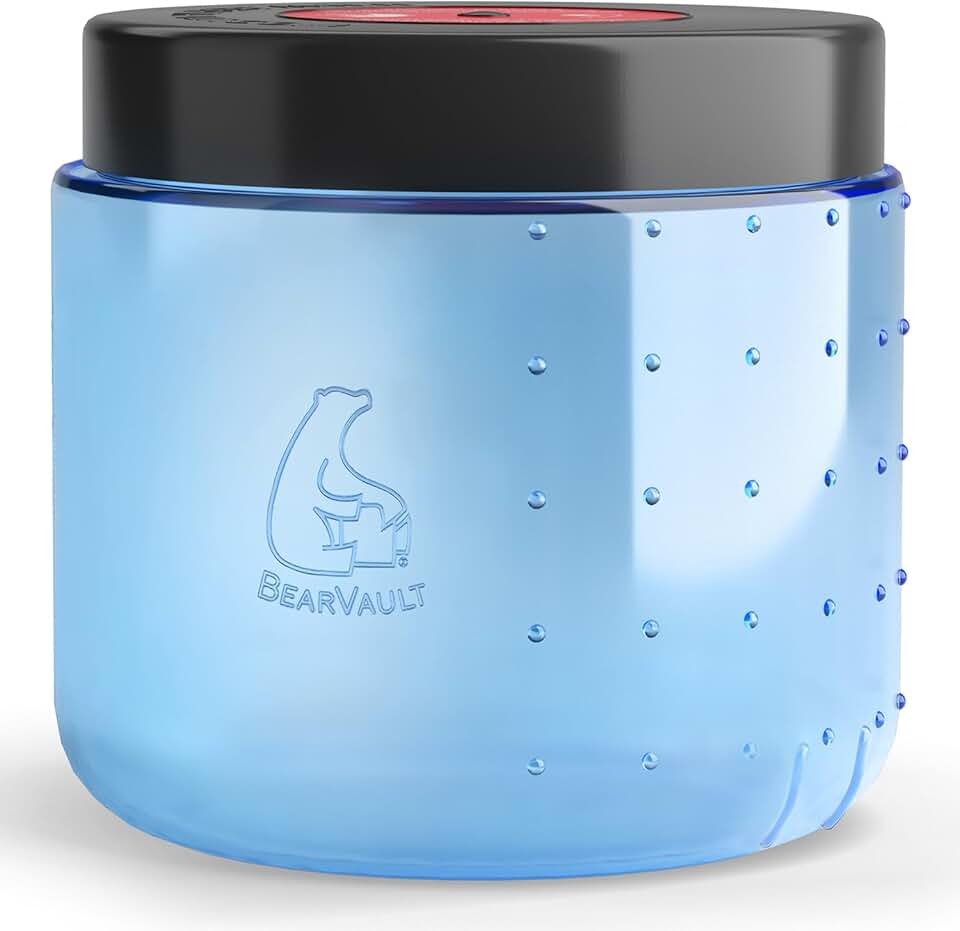
The BearVault series is one of the most widely recognized bear canisters in the backpacking community, and for good reason. With over 2,200 customer reviews and a 4.7-star rating, this canister has been tested by thousands of backpackers in real-world conditions. The BV500 model (the most popular in the series) provides storage suitable for approximately 3 to 4 days of backpacking meals for one person or a long weekend for two people. This makes it ideal for beginner backpackers planning their first few overnight trips in bear country.
The canister fits inside most 50-liter or larger backpacks when packed vertically. The clear design is actually a feature — you can see what is inside without opening it, which helps with meal planning at camp. The top unscrews using a tool-free design that requires you to press down on specific points while twisting. Some reviewers note this takes practice, especially with cold or tired hands, but most find it manageable after a few tries at home.
What makes BearVault stand out for beginners is its proven track record of park acceptance. It is IGBC-approved and accepted in Yosemite, Sequoia, Kings Canyon, and throughout the Sierra Nevada wilderness areas where bear canisters are mandatory. The price point of around $90 makes it accessible compared to premium models, and the durability means it will last through many seasons of use. Customer reviews consistently praise its reliability and ease of use once you learn the opening technique, making it a solid first bear canister for new backpackers.
See current pricing for the BearVault Canister on Amazon.
Pros
- Over 2,200 customer reviews provide extensive real-world feedback
- IGBC-approved and widely accepted in national parks
- Clear design lets you see contents without opening
- Affordable price point around $90
- Available in multiple sizes for different trip lengths
Cons
- Opening mechanism requires practice for first-time users
- Heavier than some ultralight alternatives
- Clear plastic can show scratches over time
View BearVault Canister for Backpacking. 4 Sizes: BV500 on Amazon →
2. Backpackers’ Cache – Bear Proof Container
Best for backpackers wanting proven bear resistance with strong safety record

The Backpackers’ Cache has built a reputation as one of the most bear-resistant canisters on the market, which is exactly what you want when storing food in grizzly or black bear territory. With 529 customer reviews and a 4.6-star rating, this canister has been field-tested extensively. The storage provides enough capacity for 3 to 5 days of backpacking for one person, depending on how efficiently you pack.
One of the standout features mentioned in competitive research is that the Backpackers’ Cache is accepted everywhere and has an excellent track record for safety — meaning bears have not successfully opened it in real-world encounters. For a beginner backpacker, this peace of mind is invaluable. You are already managing new challenges like navigation, camp setup, and trail fatigue; knowing your food is secure lets you focus on enjoying the experience rather than worrying about midnight bear visits.
The canister uses a locking mechanism that requires a coin or similar tool to open. Some reviewers find this slightly less convenient than tool-free designs, but it also means the lock is secure and less likely to accidentally open inside your pack during rough trail conditions. The opaque design means you cannot see contents without opening, so you will want to organize your food logically. At a price point similar to the BearVault around $88, it offers comparable value with a slightly different design approach. For beginner backpackers heading to areas with high bear activity, the Backpackers’ Cache provides reliable protection backed by hundreds of positive reviews.
Read verified buyer reviews for the Backpackers’ Cache on Amazon.
Pros
- Strong customer satisfaction with 529 reviews
- Excellent safety record with no reported bear breaches
- Capacity suitable for multi-day trips
- Secure coin-operated locking mechanism
- Comparable price to other mid-range options
Cons
- Requires coin or tool to open (not tool-free)
- Opaque design means you cannot see contents without opening
- Limited customer feedback compared to BearVault’s 2,000+ reviews
3. Counter Assault Bear Keg Food Storage Container Yellow
Best for backpackers prioritizing maximum capacity and wide park acceptance

The Counter Assault Bear Keg is frequently mentioned in competitive research as one of the most widely accepted bear canisters across different park systems. With 162 customer reviews and a 4.6-star rating, it has solid user feedback supporting its performance. The bright yellow color makes it highly visible at camp, which is a practical safety feature — you can easily spot it from a distance, and other campers can see it is a bear-safe container. The canister provides generous storage suitable for 4 to 6 days of food for one person.
For beginner backpackers, the Counter Assault Bear Keg’s widespread acceptance across different wilderness areas is a major advantage. According to competitive research, this model is accepted in more parks and wilderness areas than many alternatives, meaning you can use it for trips across different regions without worrying about whether it meets local requirements. This makes it a versatile long-term investment if you plan to explore various national parks and forests.
The canister uses a straightforward twist-lock design that most users find relatively easy to operate. The yellow color, while practical, may not appeal to everyone aesthetically, but function matters more than fashion when protecting your food from bears. At about $105, it sits at a slightly higher price point than the BearVault or Backpackers’ Cache, but the extra capacity and broad acceptance can justify the cost, especially for longer trips. Customer reviews consistently mention its durability and secure locking mechanism, with many users reporting years of reliable use across multiple backpacking seasons.
Check current stock for the Counter Assault Bear Keg on Amazon.
Pros
- Bright yellow color provides high visibility at camp
- Generous capacity suitable for longer trips
- Widely accepted across multiple park systems
- Durable construction with secure locking mechanism
- 162 customer reviews provide solid feedback
Cons
- Higher price point at $105
- Yellow color may not appeal to all users
- Larger size may be more than solo weekend hikers need
View Counter Assault Bear Keg Food Storage Container Yellow on Amazon →
4. UDAP Bear-Resistant Food Canister – IGBC Approved Lightweight Bear-Proof Container for Backpacking, Camping & Hiking, 2.1 Gallon / 8 Liter, 8″ x 10″
Best for budget-conscious backpackers seeking IGBC approval at lowest price
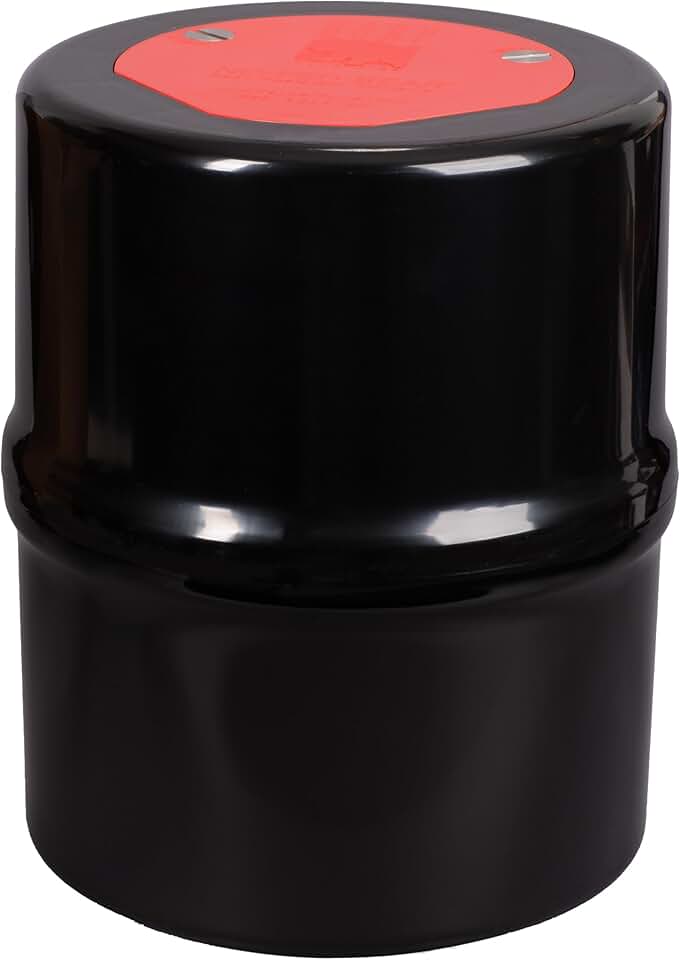
The UDAP Bear-Resistant Food Canister offers IGBC approval at the most affordable price point in this roundup at under $65. With 312 customer reviews and a 4.6-star rating, it has strong user feedback for a budget-friendly option. The 2.1 gallon storage provides space for about 3 to 5 days of backpacking food, making it suitable for weekend trips or shorter excursions into bear country. The compact profile makes it easier to fit into smaller backpacks compared to taller canisters.
For beginner backpackers who are uncertain about how often they will backpack in bear country, the UDAP canister represents a lower financial commitment while still meeting safety requirements. IGBC approval means it is accepted in parks and wilderness areas that mandate certified bear canisters, so you are not sacrificing compliance for affordability. The locking mechanism requires a coin or similar tool to open, which is secure but requires a bit of practice, similar to other coin-operated designs.
Customer reviews highlight that the UDAP canister performs well for its price, with users reporting successful bear protection and durable construction. Some reviewers note that the compact dimensions compared to other canisters means you need to pack efficiently, but this also makes it more packable. If you are planning your first bear country backpacking trip and want to minimize gear costs while still following park regulations, the UDAP canister provides solid value. It may not have the brand recognition of BearVault or Counter Assault, but the IGBC certification and hundreds of positive reviews demonstrate it is a legitimate, safe option for food storage.
Compare the UDAP Bear-Resistant Food Canister specs and pricing on Amazon.
Pros
- Lowest price at $64.99 among IGBC-approved options
- 312 customer reviews provide substantial feedback
- IGBC certification ensures park acceptance
- Compact dimensions fit smaller packs
- Lighter construction reduces pack weight
Cons
- Coin-operated lock requires tool to open
- Compact dimensions require efficient packing
- Less brand recognition than competitors
5. Ursack Major XL Bear Backpack – Bear Bag for Backpacking – Camping Pack
Best for experienced backpackers seeking ultralight alternative in approved areas

The Ursack Major XL represents a different approach to bear-resistant food storage — it is a bag rather than a hard-sided canister. With 117 customer reviews and an impressive 4.8-star rating, users who choose this option tend to be very satisfied, though the smaller review count means less extensive feedback compared to established hard-sided canisters. However, it is important to understand that the Ursack is not a traditional bear canister and is not accepted in all areas where hard-sided IGBC canisters are required. Before purchasing, you must verify that your specific destination allows Ursack products, as some parks mandate hard-sided containers only.
The Ursack’s primary advantage is weight savings. Made from a durable fabric rather than rigid plastic, it weighs significantly less than hard-sided canisters, making it appealing to backpackers focused on minimizing pack weight. The bag design also means it collapses when empty, taking up less space on the return hike. The Major XL size provides ample capacity for multi-day trips. You tie the Ursack to a tree using the included cord, and its bear-resistant fabric prevents bears from tearing it open, though bears can still crush the contents inside, so avoid packing crushable items.
For beginner backpackers, the Ursack is a more advanced option that requires understanding where it is allowed and proper tying techniques. If you are planning trips exclusively to areas that accept Ursack (which you can verify on their website and with park regulations), and you are comfortable with slightly more complex setup compared to simply placing a canister on the ground, the weight savings can be substantial. The higher price of $175 reflects the specialized fabric construction. Customer reviews from experienced users praise the weight reduction and versatility, but several note the learning curve for proper use. Unless you are certain your backpacking destinations allow soft-sided bear-resistant bags, a hard-sided canister is the safer choice for beginners who want maximum flexibility across different parks and wilderness areas.
See if the Ursack Major XL is right for your first hike on Amazon.
Pros
- Highest customer rating at 4.8 stars
- Significantly lighter than hard-sided canisters
- Collapses when empty for easier return packing
- Ample capacity for multi-day trips
- Durable bear-resistant fabric construction
Cons
- Not accepted in all areas requiring bear canisters
- Highest price at $174.99
- Requires proper tying technique and tree selection
- Bears can crush contents even though they cannot access them
- Only 117 reviews provide less extensive user feedback
View Ursack Major XL Bear Backpack – Bear Bag for Backpacking – Camping Pack on Amazon →
How These Compare
Choosing between these five bear canisters comes down to your trip length, budget, and where you plan to backpack. If you want the most versatile option with strong customer feedback, the BearVault (rank 1) offers excellent value at $90 with over 2,200 reviews and acceptance in virtually all parks requiring canisters. Its tool-free opening and clear design make it beginner-friendly. For those prioritizing generous storage and the widest park acceptance, the Counter Assault Bear Keg (rank 3) provides ample space at $105, ideal for longer trips or two-person weekends.
Budget-conscious backpackers should consider the UDAP canister (rank 4) at just $65. It is IGBC-approved and holds 2.1 gallons, making it suitable for testing whether bear country backpacking is something you will do regularly before investing in premium gear. The Backpackers’ Cache (rank 2) sits in the middle at $88 with an excellent safety record and solid customer reviews, offering reliable performance without standout features but no significant weaknesses either.
The Ursack Major XL (rank 5) is the outlier — it is not a traditional canister but rather a soft-sided bag that excels in weight savings but requires verification that your destination allows it. For beginners, start with a hard-sided canister from ranks 1 through 4. Once you have more experience and know your regular backpacking destinations, you can evaluate whether the Ursack’s weight benefits justify its limitations and higher cost for your specific needs.
Frequently Asked Questions
Do I really need a bear canister, or can I just hang my food?
In many national parks and wilderness areas, bear canisters are legally required, not optional. Parks like Yosemite, Sequoia, Kings Canyon, and designated areas in the Adirondacks mandate IGBC-approved canisters for all overnight backpacking trips. Even in areas where they are not required, canisters are more effective than food hanging because bears have learned to defeat hanging systems, and improper hanging is extremely common among new backpackers. A canister eliminates the risk of user error — there is no perfect tree height to find, no rope throwing in the dark, and no worry about whether your knot will hold. For beginners especially, canisters provide peace of mind and guarantee compliance with regulations, which means you will not risk fines or having rangers turn you away at the trailhead.
How many days of food actually fits in a bear canister?
Capacity depends on both the canister size and how you pack. As a general guideline, figure about 100 cubic inches or 1.5 to 2 liters per day of food for one person. An 8-liter canister typically holds 3 to 5 days of food if you pack efficiently using dehydrated meals, remove excess packaging, and compress soft items. A 10-liter canister extends this to 5 to 7 days. Your actual capacity also depends on your calorie needs and food choices — if you eat mainly dehydrated backpacking meals and energy-dense snacks like nuts and dried fruit, you will fit more days than if you pack bulky items like fresh fruit or canned goods. Most beginners overestimate how much food they need for the first few trips, so start conservative and adjust based on experience.
Can I fit a bear canister inside my backpack?
Most bear canisters fit inside backpacks of 50 liters or larger, though fit depends on both the canister dimensions and your pack’s shape. Standard canisters are typically 8 to 9 inches in diameter and 10 to 13 inches tall. They usually fit best when loaded vertically in the main compartment. Some backpacks have specific bear canister sleeves or compartments designed for secure fit. If your canister does not fit inside, you can strap it horizontally to the outside of your pack using compression straps, though this affects balance and can catch on branches. Before buying either a canister or a backpack, check dimension compatibility. Many outdoor retailers let you test fit canisters with packs in-store, which helps avoid surprises on the trail.
Where exactly do I put my bear canister at camp?
Park regulations typically require bear canisters to be stored at least 100 feet away from both your tent and your cooking area, creating a triangle that separates sleeping, cooking, and food storage. Place the canister in an open, visible area — not hidden behind logs or bushes. You do not need to hang it or cover it; simply set it on the ground. Choose relatively flat terrain so it will not roll away if a bear investigates it, and avoid placing it near cliff edges or streams where an animal might accidentally knock it somewhere inaccessible. During the day while hiking, keep the canister inside your backpack. If you take a long break and remove your pack, keep your food visible rather than leaving your pack unattended, as animals can investigate packs even during daylight hours.
What if my bear canister gets stuck closed or will not open?
This is a common worry, but it rarely happens if you practice opening your canister before your trip. Most opening difficulties come from unfamiliarity with the locking mechanism, cold hands, or not applying pressure in the right spots while twisting. Before you leave home, practice opening and closing your canister multiple times until the motion feels natural. If you have a coin-operated lock, keep a quarter or the included tool accessible on your keychain or clipped to your pack rather than stored where you cannot reach it. In cold weather, warming the lid slightly with your hands before attempting to open can help. If you are genuinely stuck at camp and cannot open your canister, other backpackers nearby can often help — most experienced hikers have dealt with various canister models. The key is prevention through practice, not waiting until you are tired and hungry at camp to figure out the mechanism for the first time.
The Bottom Line
Choosing your first bear canister is simpler than it seems once you understand the key factors: capacity for your trip length, IGBC approval for park acceptance, reasonable weight for your comfort level, and an opening mechanism you can manage confidently. For most beginner backpackers planning weekend trips, the BearVault offers the best combination of proven reliability, wide acceptance, and manageable price. Its extensive customer reviews provide reassurance that thousands of hikers have successfully used it in real conditions.
If budget is your primary concern and you are planning shorter trips, the UDAP canister at $65 provides IGBC certification without compromising safety. For longer adventures or two-person trips, the Counter Assault Bear Keg’s generous storage justifies its higher price. The Backpackers’ Cache sits comfortably in the middle, offering solid performance without standout advantages or disadvantages — a safe choice if you want straightforward functionality. The Ursack represents a specialized option for later consideration once you know your regular backpacking destinations and whether they allow soft-sided storage.
Regardless of which canister you choose, remember that proper food storage protects both you and wildlife. Bears that successfully access human food become dangerous and often must be relocated or euthanized. Your canister is not just following park rules — it is participating in conservation and keeping wilderness areas safe for future hikers. Practice opening your chosen canister at home, verify it meets requirements for your specific destination, and pack it thoughtfully to maximize capacity. With the right bear canister, you can focus on enjoying the trail, the scenery, and the satisfaction of spending nights in true wilderness, knowing your food is secure and you are backpacking responsibly.
Disclosure: As an Amazon Associate, we earn from qualifying purchases. This does not affect our editorial recommendations.