
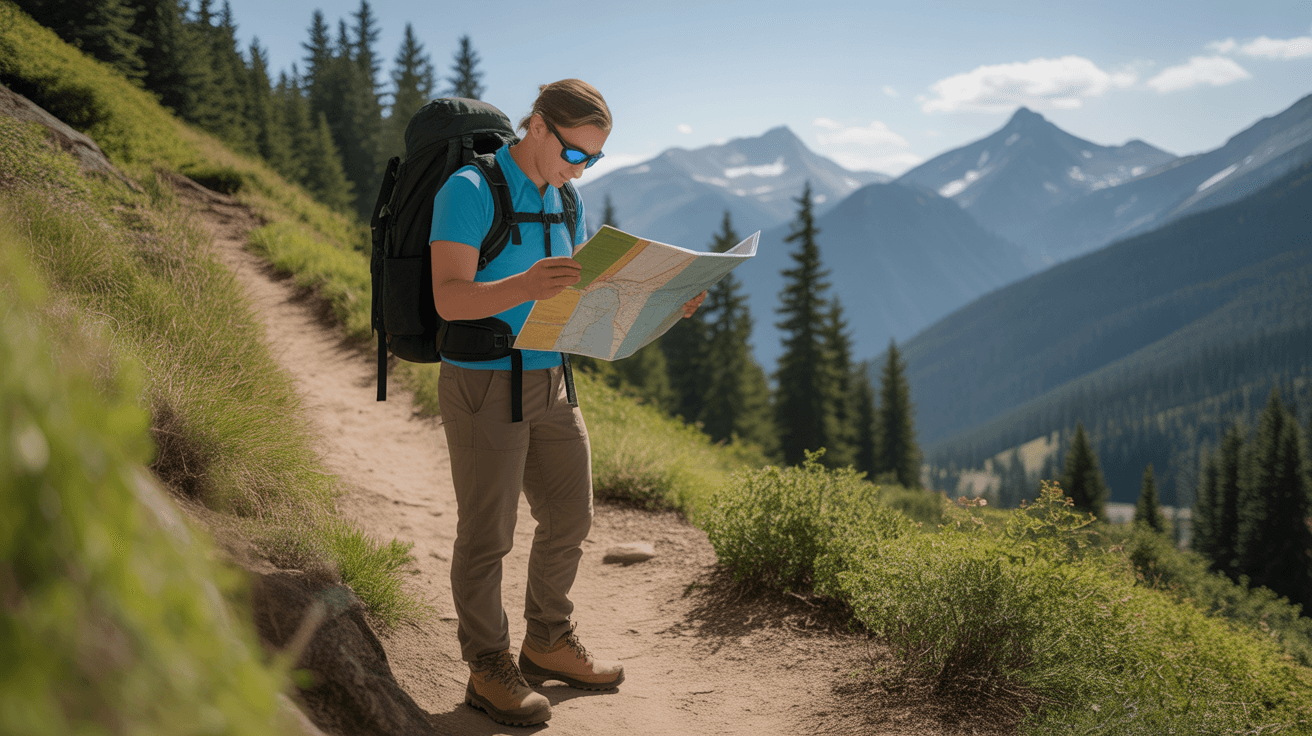
You have planned your first real hike, checked the weather forecast, and realized you will be staring into bright sunlight for several hours. Your regular sunglasses might slip down your nose when you sweat, or maybe you do not own a pair that feels secure enough for an active day outdoors. The question is not whether you need sunglasses on the trail-it is which ones will actually stay put, protect your eyes properly, and not cost as much as your hiking boots.
The good news: hiking sunglasses do not require a massive investment or a PhD in optics to choose well. What you need is UV protection that actually works, a fit that stays comfortable when you are moving, and lenses that help rather than hinder your view of the trail ahead. This guide walks you through exactly what to look for and reviews five beginner-friendly options that real hikers trust without breaking your gear budget.
What to Look For
UV Protection Is Non-Negotiable
Every pair of sunglasses you consider must offer UV400 protection. This is not marketing speak-it is the standard that blocks 100% of UVA and UVB rays, the invisible light that damages your eyes over time. At higher elevations, UV exposure increases significantly, which means your eyes face more risk on mountain trails than during your daily commute. Look for “UV400” or “100% UV protection” printed somewhere on the product listing. If a pair does not explicitly mention UV protection, skip it entirely. Your eyes deserve the same protection whether you spend $15 or $150.
Polarization Reduces Glare but Is Not Always Essential
Polarized lenses cut glare from reflective surfaces like water, snow, and wet rocks. This makes them genuinely helpful if you hike near lakes, streams, or snowy terrain. However, polarization is not required for every hiker. If your local trails wind through shaded forests or you mostly hike on overcast days, non-polarized lenses work perfectly fine and often cost less. The key difference: polarized lenses make bright, reflective environments more comfortable to look at, while non-polarized lenses still protect your eyes from UV rays-they just do not eliminate glare. Choose based on where you actually hike, not what sounds most impressive.
Fit Matters More Than You Think
Sunglasses that slide down your nose every ten minutes will end up stuffed in your pack, which defeats the purpose entirely. Look for lightweight frames that grip gently behind your ears and across your nose without pinching. Wrap-around styles offer more coverage and tend to stay put during movement, but they are not the only option. If you wear a hat while hiking, make sure the sunglasses sit comfortably underneath the brim without constant adjustment. Many beginners assume expensive equals better fit, but plenty of budget-friendly options use rubberized nose pads and temple grips that work remarkably well. The best fit is the one you forget you are wearing.
Lens Color Affects What You See
Gray or smoke-colored lenses reduce brightness without distorting colors, making them the most versatile choice for general hiking. Brown or amber lenses enhance contrast, which helps you spot trail obstacles like roots and rocks more easily in variable lighting. Yellow lenses brighten overcast conditions but feel too bright in full sun. Mirrored coatings reduce additional light but do not change how lenses function underneath. For your first pair of hiking sunglasses, stick with gray or brown lenses-they handle the widest range of trail conditions without requiring you to swap glasses mid-hike.
Weight and Durability Balance
Ultralight sunglasses feel like nothing on your face, which sounds ideal until they snap the first time you sit on them accidentally. Heavier frames often use more durable materials but can feel uncomfortable after several hours. Most beginner-friendly options land somewhere in the middle: light enough to wear all day, sturdy enough to survive being tossed in a pack. Look for frames made from TR90 or polycarbonate, both of which resist impact better than basic plastic. If a product listing mentions flexibility or bend resistance, that is a good sign. Your sunglasses will get bumped, dropped, and packed away repeatedly-choose a pair built to handle real use, not just look good in product photos.
Do Not Overthink Your First Pair
Many beginners delay buying hiking sunglasses because they worry about making the wrong choice. The truth: any pair with proper UV protection that fits comfortably will serve you well on your first dozen hikes. You will learn your preferences-whether you need polarization, prefer wrap-around coverage, or want interchangeable lenses-only after spending time on actual trails. Start with a solid budget-friendly option that meets the basics, then upgrade later if your hiking habit sticks. The worst choice is skipping eye protection entirely because you felt overwhelmed by options.
Our Top Picks
1. goodr Polarized Sunglasses, Medium Sized (OG), UV400 Protection, No Slip, No Bounce
Best for beginners who want reliable performance without overthinking the details
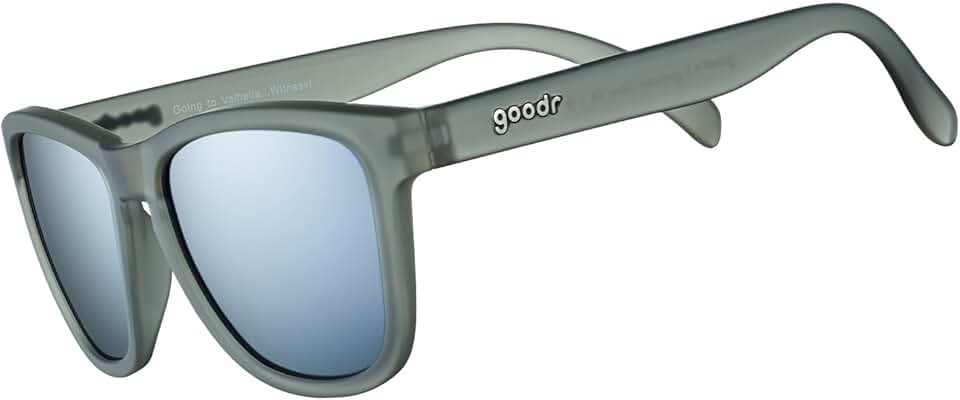
With over 10,000 reviews and a 4.7-star rating, these sunglasses have earned trust from a massive community of active users. The polarized lenses offer UV400 protection, which blocks 100% of harmful UVA and UVB rays-exactly what your eyes need on sunny trails. The no-slip, no-bounce design addresses the most common beginner complaint: sunglasses that refuse to stay put when you start sweating or moving quickly.
The medium size fits most face shapes without requiring you to measure anything or guess at dimensions. Many budget sunglasses sacrifice comfort for price, but goodr built these with features that matter during actual use. The frames stay secure without pinching, and the lightweight construction means you will not feel them weighing down your face after several hours on the trail. Multiple color options let you choose something that matches your style, though function clearly takes priority over fashion here.
The extensive review count gives you access to real feedback from thousands of hikers, runners, and outdoor enthusiasts who have tested these in various conditions. This social proof matters when you are new to hiking gear and cannot yet rely on personal experience to guide purchases. At $30, the price sits in the sweet spot between disposable sunglasses that break immediately and premium options that demand serious commitment. These work equally well for your first hike and your fiftieth, which makes them a smart long-term investment for beginners still building their gear collection.
Pros
- Over 10,000 customer reviews provide extensive real-world feedback
- Polarized lenses with UV400 protection block harmful rays effectively
- No-slip, no-bounce design keeps sunglasses secure during movement
- Medium size fits most face shapes without guesswork
- Price point balances quality and affordability for beginners
Cons
- No interchangeable lenses if you want to adapt to different conditions
- Single size may not fit extremely small or large faces perfectly
2. Tifosi Swank Sport Sunglasses
Best for hikers who want a versatile pair that transitions from trail to everyday wear

Tifosi designed these sunglasses specifically for active use across multiple sports, and the product listing explicitly mentions hiking as a primary use case. The tangle-free construction addresses a practical annoyance many beginners face: sunglasses that catch on everything when worn on top of your head or hanging from your shirt. This design detail shows that Tifosi understands how people actually use sunglasses outdoors, not just how they look in marketing photos.
The 4.6-star rating across nearly 4,000 reviews demonstrates consistent quality that holds up over time. Buyers mention these sunglasses working well for cycling, golf, and running in addition to hiking, which means you get gear that serves multiple purposes rather than sitting unused between trail days. The lifestyle-friendly look means you can wear these to the trailhead and back into town without feeling like you are wearing obvious athletic gear everywhere.
The Climate Pledge Friendly certification indicates the product meets sustainability standards, which matters to environmentally conscious hikers who want their gear choices to align with their values. At just under $30, these compete directly with the goodr option on price while offering a slightly different aesthetic and feature set. The main difference comes down to personal preference: goodr emphasizes the no-slip, no-bounce feature more prominently, while Tifosi highlights the tangle-free design and multi-sport versatility. Both deliver solid protection and reliable performance for beginners.
Pros
- Tangle-free design prevents annoying snags when worn on head or shirt
- Multi-sport versatility means one pair serves several activities
- Climate Pledge Friendly certification for eco-conscious buyers
- Lifestyle look transitions smoothly from trail to everyday wear
- Nearly 4,000 reviews confirm consistent quality
Cons
- Product listing does not specify polarization status clearly
- May lack some sport-specific features compared to dedicated hiking models
3. KastKing Hiwassee Polarized Sport Sunglasses
Best for budget-conscious beginners who need polarization for water or snow exposure

At $23.99, these represent one of the most affordable polarized options with substantial customer feedback. KastKing markets these for fishing, cycling, and running alongside hiking, which tells you the polarization works well for activities where glare reduction matters. The curved frame style provides additional coverage compared to standard flat frames, which helps block light from multiple angles-particularly useful on exposed ridgelines or bright, reflective environments.
The 6,000+ reviews give you a massive database of real-world testing across different face shapes, activities, and conditions. This review volume at a 4.5-star average suggests consistent quality control despite the lower price point. Many reviewers specifically mention using these for hiking near water and in bright conditions, confirming the polarization delivers practical benefits on the trail.
The sporty frame design creates an athletic look that some beginners prefer to avoid for everyday wear, but it delivers functional benefits that matter when you are active. These sunglasses stay secure during movement based on buyer feedback about their grip during various sports. If you hike near lakes, streams, or in snowy conditions, the polarization justifies the purchase by itself. The price leaves room in your budget for other essential gear like proper footwear or a decent water bottle, making these a smart choice for beginners prioritizing function and value over brand recognition or premium features.
Pros
- Polarized lenses reduce glare effectively for water and snow
- Curved frame design blocks peripheral light from multiple angles
- Over 6,000 reviews provide extensive buyer feedback
- Price under $25 leaves budget for other essential hiking gear
- UV protection meets the same standards as more expensive options
Cons
- Athletic frame design may not suit everyday casual wear
- Limited customer feedback compared to other options despite high count
View KastKing Hiwassee Polarized Sport Sunglasses on Amazon →
4. FAGUMA Sports Polarized Sunglasses For Men Cycling Driving Fishing UV400 Protection
Best for absolute beginners who want maximum value with proven reliability
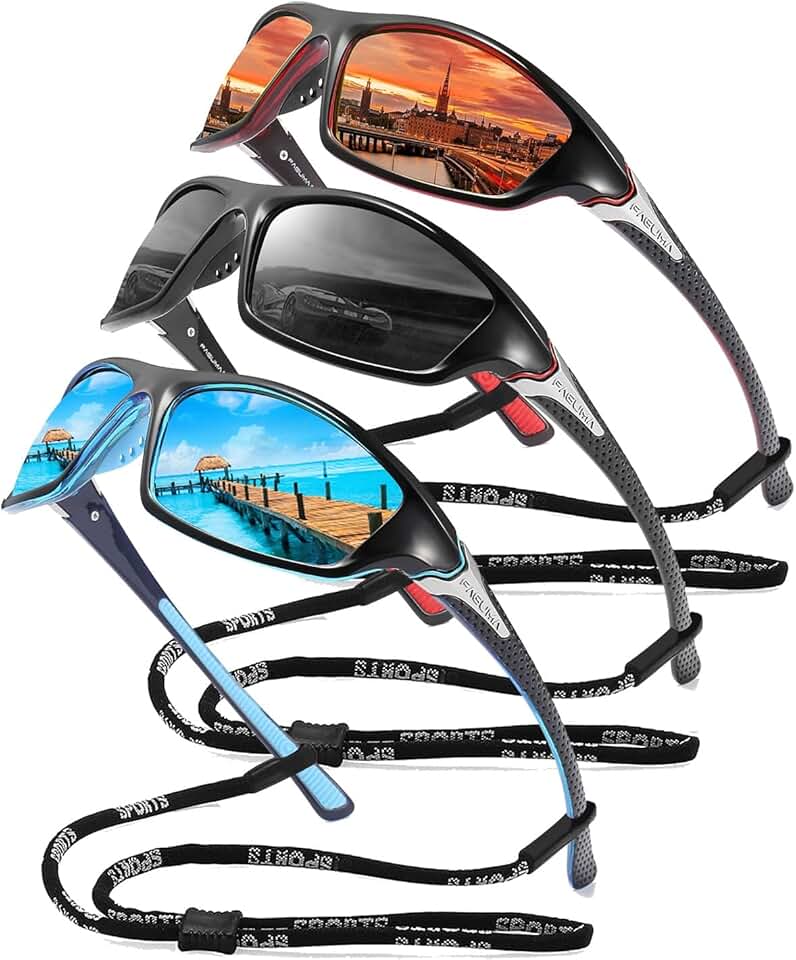
With nearly 27,000 reviews, these sunglasses hold the highest review count in this entire lineup by a significant margin. That volume of customer feedback creates a reliability safety net for nervous beginners-you are choosing what tens of thousands of other buyers have already tested and approved. The 4.4-star average across that massive sample size indicates consistent quality that holds up at scale, not just a few lucky early buyers.
At $17.97, the price point removes nearly all financial risk from your decision. If hiking does not become your regular hobby, you have spent less than the cost of two movie tickets. If you fall in love with the trails, these will serve you well until you develop specific preferences that justify upgrading to premium options. The polarized lenses reduce glare on reflective surfaces, and the UV400 protection delivers complete blocking of harmful rays.
The product listing mentions cycling, driving, and fishing alongside implied hiking use, which tells you these handle multiple activities without specializing too narrowly. The downside of this broad approach: you do not get hiking-specific features like extra nose grip for sweat or temple designs optimized for hat compatibility. However, the fundamentals work well enough that over 26,000 people found them worth reviewing, and that track record speaks louder than marketing promises. For beginners who want to test the waters without commitment, these represent the lowest-risk entry point that still delivers legitimate eye protection.
Pros
- Nearly 27,000 reviews provide unmatched real-world validation
- Price under $18 eliminates financial risk for uncertain beginners
- Polarized lenses and UV400 protection cover essential needs
- Multi-activity versatility serves various outdoor hobbies
- Sales volume over 2,000 per month indicates ongoing popularity
Cons
- No hiking-specific features like extra grip for sweaty conditions
- Product listing does not detail frame materials or durability specs
View FAGUMA Sports Polarized Sunglasses For Men Cycling Driving Fishing UV400 Protection on Amazon →
5. DUCO Mens Sports Polarized Sunglasses UV Protection Sunglasses for Men 8177s
Best for male hikers seeking a proven design with exceptional customer validation

These sunglasses hold the distinction of having over 30,000 customer reviews-the highest count in this entire guide. That extraordinary validation level means you are choosing what effectively represents one of the most tested sport sunglasses available online. The 4.5-star rating across that massive review base indicates DUCO maintains quality control even at scale, which matters when manufacturing thousands of units monthly.
The product title specifies these as designed for men, which affects the styling and frame proportions. Many male reviewers mention these fitting comfortably, though buyers from other demographics may find the proportions less ideal. The extensive review history lets you search for feedback from people with similar face characteristics to understand whether these will work for you.
At $24.99, the price sits comfortably in the beginner-friendly range without pushing toward premium territory. The sales volume of over 2,000 per month demonstrates ongoing popularity that has sustained over time-these are not a flash-in-the-pan product riding temporary hype. The polarized lenses provide glare reduction that helps on bright trails, and the protection meets standard requirements for eye safety. You can find reviews covering every possible use case, weather condition, and buyer expectation, which helps you make a more informed decision than relying on marketing copy alone.
Pros
- Over 30,000 reviews provide the most extensive customer validation available
- Polarized lenses reduce glare on bright, reflective trails
- Sales volume over 2,000 monthly indicates sustained popularity
- Price under $25 fits comfortably in beginner budgets
- UV protection meets standard requirements for eye safety
Cons
- Designed specifically for men may affect fit for other demographics
- Product listing provides minimal detail on frame materials or construction
View DUCO Mens Sports Polarized Sunglasses UV Protection Sunglasses for Men 8177s on Amazon →
How These Compare
The five sunglasses in this guide share the fundamentals every beginner needs-UV400 protection and pricing that does not require serious financial commitment. The differences come down to specific features and how well they match your individual priorities.
If you want the safest all-around choice backed by massive customer validation, the goodr Polarized Sunglasses deliver proven performance with over 10,000 reviews and a specific focus on staying put during movement. The no-slip, no-bounce design directly addresses the most common beginner frustration, and the medium sizing fits most faces without guesswork. At $30, you pay slightly more than the budget options but gain features that matter during actual trail use.
For hikers who need sunglasses that work on the trail and in everyday life, the Tifosi Swank offers the best crossover versatility. The tangle-free design and lifestyle-friendly appearance mean you can wear these to the grocery store without looking like you are training for a marathon. The multi-sport capability means one $29.95 purchase serves several activities, which matters when you are still figuring out which outdoor hobbies will stick.
Budget-focused beginners who hike near water or snow should seriously consider the KastKing Hiwassee at $23.99. The polarization reduces glare more effectively than non-polarized options, and the curved frame design blocks peripheral light that causes eye strain. You get specialized features at a price point that still qualifies as beginner-friendly.
The FAGUMA sunglasses at $17.97 represent the lowest price point with legitimate quality validation-nearly 27,000 reviews confirm these work despite the rock-bottom cost. If you are genuinely uncertain whether hiking will become a regular activity, this option lets you test the waters without financial stress. The trade-off: you sacrifice some hiking-specific features in favor of broad multi-sport versatility.
Finally, male hikers who prioritize maximum customer validation should look at the DUCO model with its 30,000+ reviews. That extraordinary feedback volume means you can find reviews from buyers with your exact circumstances, which helps eliminate uncertainty. The $24.99 price keeps the financial commitment reasonable while the extensive review history provides confidence that you are choosing a proven product. The styling targets male preferences specifically, which may affect fit for other demographics compared to the truly unisex options.
Your best choice depends on whether you value proven reliability (goodr or DUCO), everyday versatility (Tifosi), specialized polarization (KastKing), or absolute budget minimization (FAGUMA). All five protect your eyes properly and cost less than a tank of gas to reach the trailhead-you cannot make a truly wrong choice here, only one that fits your specific priorities slightly better than the alternatives.
Frequently Asked Questions
Do I really need special sunglasses for hiking or will my regular pair work?
Your regular sunglasses will work fine if they offer UV400 protection and stay secure on your face during movement. The main differences between regular and hiking-specific sunglasses come down to fit and durability. Regular fashion sunglasses often slide down your nose when you sweat, lack secure grip on the temples, and break more easily when stuffed in a pack. Hiking sunglasses typically use rubberized nose pads, wraparound or sport-oriented designs that stay put, and more impact-resistant frames.
Check your current sunglasses for UV protection information-it should say UV400 or 100% UV protection somewhere on the frame or original packaging. If they have proper protection and feel comfortable during a brisk walk around your neighborhood, try them on your first hike. You will know within the first mile whether they work or frustrate you. Many beginners discover their regular sunglasses slip constantly or create pressure points after an hour of wear, which makes dedicated hiking sunglasses worth the modest investment. The good news: you do not need expensive specialized gear to start-just something that protects your eyes and stays put when you move.
What does UV400 protection actually mean and why does it matter?
UV400 means the lenses block light wavelengths up to 400 nanometers, which covers 100% of both UVA and UVB radiation. These invisible rays damage your eyes cumulatively over time, increasing risks of cataracts and other vision problems. The danger increases at higher elevations because thinner atmosphere provides less natural UV filtering-you face roughly 10% more UV exposure for every 1,000 feet you climb.
The number 400 is not arbitrary marketing-it represents the scientific cutoff where UV light ends and visible light begins. Sunglasses claiming lower numbers like UV380 leave gaps in protection. Any legitimate hiking sunglasses should advertise UV400 or equivalent 100% protection prominently. If you see vague terms like “UV protection” without the 400 specification, treat it skeptically. The price difference between UV400 and lesser protection is minimal at retail level, so there is no good reason to accept anything less. Your eyes cannot feel UV damage happening in real time the way skin feels sunburn, which makes proper protection easy to ignore until problems develop years later. Choose UV400 and remove that long-term risk entirely.
Are polarized lenses necessary for hiking or just a nice extra feature?
Polarized lenses are helpful but not essential for most hiking situations. They reduce glare from reflective surfaces like water, snow, and wet rocks by blocking horizontally oriented light waves. If you hike near lakes, streams, or in snowy conditions, polarization makes these environments significantly more comfortable to look at and helps you spot obstacles obscured by glare. However, if your typical trails wind through forests or you mostly hike on overcast days, you will barely notice the difference.
The main downside: polarized lenses cost more and can make it harder to read phone screens or see certain digital displays. Some hikers also find polarization disorienting when looking at wet surfaces because it eliminates visual cues they use to judge depth and texture. For your first pair of hiking sunglasses, prioritize proper UV protection and comfortable fit over polarization. You can always upgrade to polarized lenses later if you discover you need them. Non-polarized lenses still protect your eyes from harmful UV rays-they just do not eliminate glare. Start with the basics, then add specialized features as you learn your actual trail preferences through experience.
How do I know if sunglasses will fit properly before buying them online?
Online sunglasses shopping requires educated guessing since you cannot try before buying, but several strategies reduce the risk of poor fit. Look for products described as “medium” or “universal” sizing rather than small or large-these fit the broadest range of face shapes. Check reviews specifically mentioning fit, particularly from buyers who describe face sizes similar to yours. Many reviewers volunteer details like “I have a small face and these fit perfectly” or “these run large” which helps you calibrate expectations.
If the product listing includes measurements, compare them to sunglasses you already own that fit well. Temple length (the arms that go over your ears) typically ranges from 130mm to 150mm, while lens width runs 50mm to 60mm for most sport sunglasses. Wraparound designs tend to accommodate more face shapes because the curved frames adjust to different widths, while flat front designs require more precise sizing. Look for features like adjustable nose pads or flexible temple arms, which let you fine-tune the fit after arrival.
Most importantly, buy from sellers with easy return policies. Amazon typically allows returns within 30 days, which gives you time to test the sunglasses on an actual hike rather than just trying them on in your living room. Expect to try at least two different models before finding your ideal fit-that is normal and worth the minor hassle to end up with sunglasses you will actually wear consistently.
Should I spend more money on expensive sunglasses or will budget options protect my eyes just as well?
UV protection standards are the same whether sunglasses cost $20 or $200-UV400 blocks 100% of harmful rays regardless of price tag. What you pay extra for in premium sunglasses includes better optical clarity, more durable materials, advanced coatings, and often better customer service or warranties. Budget sunglasses that advertise UV400 protection will keep your eyes safe from sun damage, which is the primary health concern.
The functional differences show up in comfort and longevity. Expensive sunglasses typically use higher-quality hinges that do not loosen over time, scratch-resistant lens coatings that last longer, and lighter or more comfortable frame materials. They may also offer better optical clarity that reduces eye strain during extended wear. However, many budget options now incorporate features like polarization, impact-resistant frames, and comfortable nose pads that were once premium-only benefits.
For beginners, starting with a $20-30 pair makes more sense than immediately jumping to $100+ options. You need trail experience to understand whether you prefer wrap coverage or open frames, dark or light lenses, or lightweight versus sturdy construction. Use an affordable pair to learn your preferences, then upgrade if hiking becomes a regular activity and you develop specific requirements. The budget sunglasses will protect your eyes just fine while you figure out what features actually matter to you versus what just sounds good in product descriptions.
The Bottom Line
Choosing your first pair of hiking sunglasses does not require expertise or a large budget-just focus on UV400 protection, comfortable fit, and a price that does not stress your wallet. The five options in this guide all deliver those fundamentals while offering different strengths for different beginner priorities.
If you are planning weekend day hikes on sunny trails and want something that works reliably without constant adjustment, the goodr Polarized Sunglasses offer the best balance of proven performance and beginner-friendly features. The no-slip design addresses your most likely frustration, and over 10,000 reviews confirm these work across a wide range of faces and activities.
For hikers building a minimal gear collection who need items that serve multiple purposes, the Tifosi Swank transitions smoothly from trail to everyday wear. You get legitimate sport performance that does not look aggressively athletic when you stop for lunch in town.
Budget-conscious beginners or those hiking near water and snow should look hard at the KastKing Hiwassee. The polarization handles glare better than non-polarized alternatives, and the curved frame design stays secure during movement-all for under $25.
If you genuinely do not know whether hiking will stick as a hobby, the FAGUMA sunglasses at under $18 let you test the waters with minimal financial commitment. Nearly 27,000 reviews confirm these work despite the rock-bottom price, which means you are not sacrificing eye protection to save money.
Male hikers who want maximum customer validation should consider the DUCO model with its extraordinary 30,000+ review count. That feedback volume means you can find buyers who match your exact circumstances and learn from their experiences.
Remember that your first pair teaches you what matters for your specific hiking style. Start with any option that meets the UV400 protection standard and fits comfortably, then refine your preferences as you spend more time outdoors. The trails are waiting-do not let sunglasses paralysis keep you inside when any of these five options will serve you well from your first hike forward.
Disclosure: As an Amazon Associate, we earn from qualifying purchases. This does not affect our editorial recommendations.