
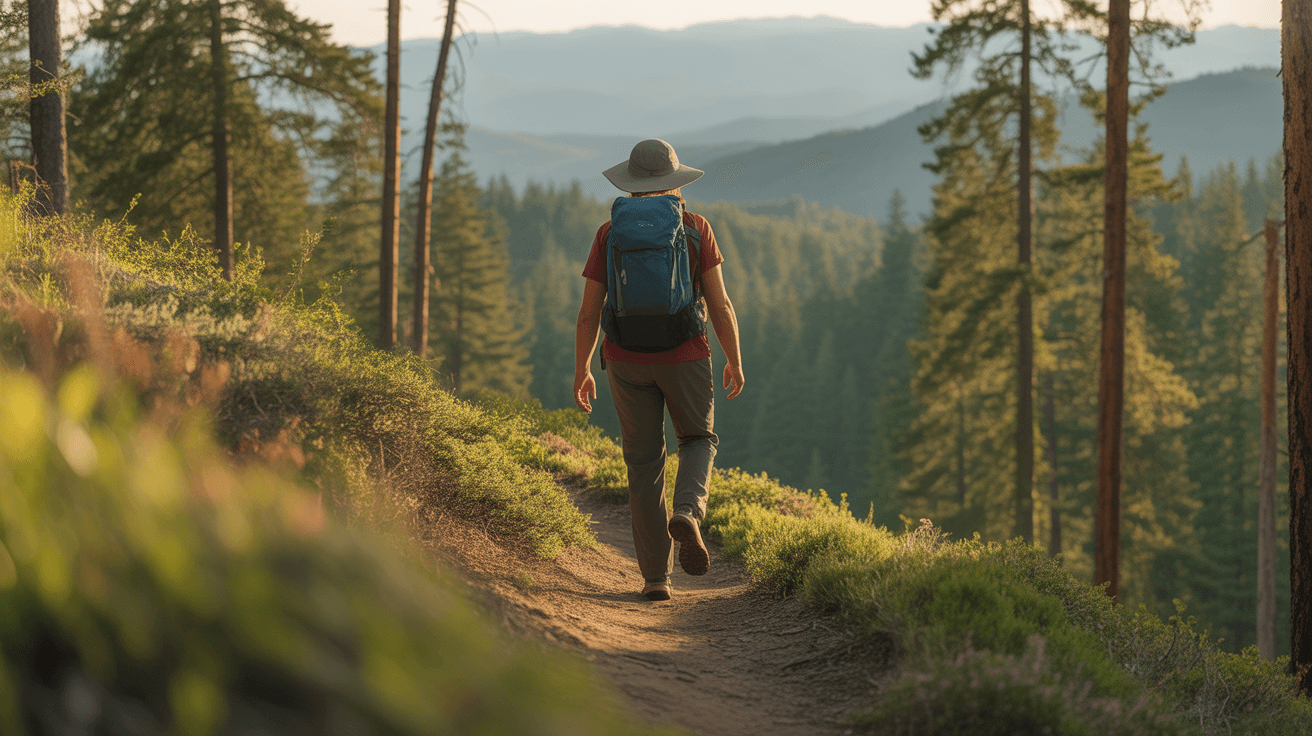
If you are planning your first summer hike, the heat can feel intimidating. You might be wondering how much water is actually enough, whether you need special clothing, or if that afternoon start time is a terrible idea. These are not silly questions – they are exactly what you should be thinking about before hitting the trail in warm weather.
Hiking in hot weather is absolutely doable, even for beginners, but it does require some extra preparation and a few adjustments to your approach. This guide will walk you through the practical steps that make hot-weather hiking safe and enjoyable, from choosing the right time of day to understanding what your body needs when temperatures climb. No jargon, no gear obsession – just straightforward advice to help you get outside with confidence.
What to Look For
Start Early or Finish Late
The single most effective strategy for hot-weather hiking is adjusting when you hike. The hottest part of most summer days falls between 11 a.m. and 4 p.m., when the sun is highest and the air temperature peaks. Starting your hike at dawn or in the early morning – think 6 a.m. to 8 a.m. – means you will complete most or all of your hike before the real heat arrives. Early starts also give you quieter trails, better wildlife sightings, and a sense of accomplishment before lunch.
If mornings do not work for your schedule, consider an evening hike starting around 5 p.m. or 6 p.m., after the peak heat has passed. Just make sure you have enough daylight to finish safely – check sunset times and give yourself a cushion. Headlamps are useful for the final stretch if needed, but planning to finish before dark is always better for beginners who are still learning to navigate trails.
Dress in Light, Breathable Fabrics
What you wear makes a huge difference in how your body handles heat. Skip cotton entirely – it absorbs sweat and stays wet, which can lead to chafing and discomfort. Instead, look for synthetic materials like polyester or nylon, or natural fibers like merino wool, which wick moisture away from your skin and dry quickly. These fabrics help sweat evaporate, keeping you more comfortable throughout your hike.
Choose light colors that reflect sunlight rather than dark colors that absorb it. Loose-fitting clothes allow air to circulate around your body, which helps with cooling. A lightweight long-sleeve shirt might feel counterintuitive, but it actually protects your skin from direct sun while keeping you cooler than a tank top in exposed conditions. Pair it with hiking pants for beginners or lightweight hiking shorts, and you will have a solid foundation for hot-weather comfort.
Do not forget a wide-brimmed hat to shade your face and neck, and consider a lightweight bandana or neck gaiter you can wet with cool water for extra relief.
Hydrate Before, During, and After
Hydration is not just about drinking water on the trail – it starts before you even leave home. Drink a full glass of water an hour before your hike to make sure you are starting hydrated. On the trail, the general guideline is to drink about half a liter (roughly 17 ounces) of water per hour of moderate hiking in hot weather, but this varies based on your body size, exertion level, and how much you sweat.
Carry more water than you think you will need. A good rule of thumb for beginners is one liter for every two hours of hiking, plus an extra liter as a safety buffer. Invest in a quality hiking water bottle or hydration pack for hiking that makes drinking easy and convenient. Hydration packs are especially helpful because the hose allows you to sip frequently without stopping, which keeps you better hydrated overall.
For hikes longer than two hours, plain water may not be enough – you also need to replace electrolytes (sodium, potassium, magnesium) that you lose through sweat. Bring electrolyte tablets, powder packets, or a sports drink to mix with your water. Watch for signs that your hydration needs adjustment, including dark urine, dizziness, headache, and feeling unusually tired.
Slow Your Pace and Take Frequent Breaks
Hot weather is not the time to push for personal records or try to keep up with faster hikers. Your body is working harder than usual just to stay cool, which means every step requires more energy. Slow down deliberately – aim for a conversational pace where you can talk in full sentences without gasping. If you cannot, you are going too fast.
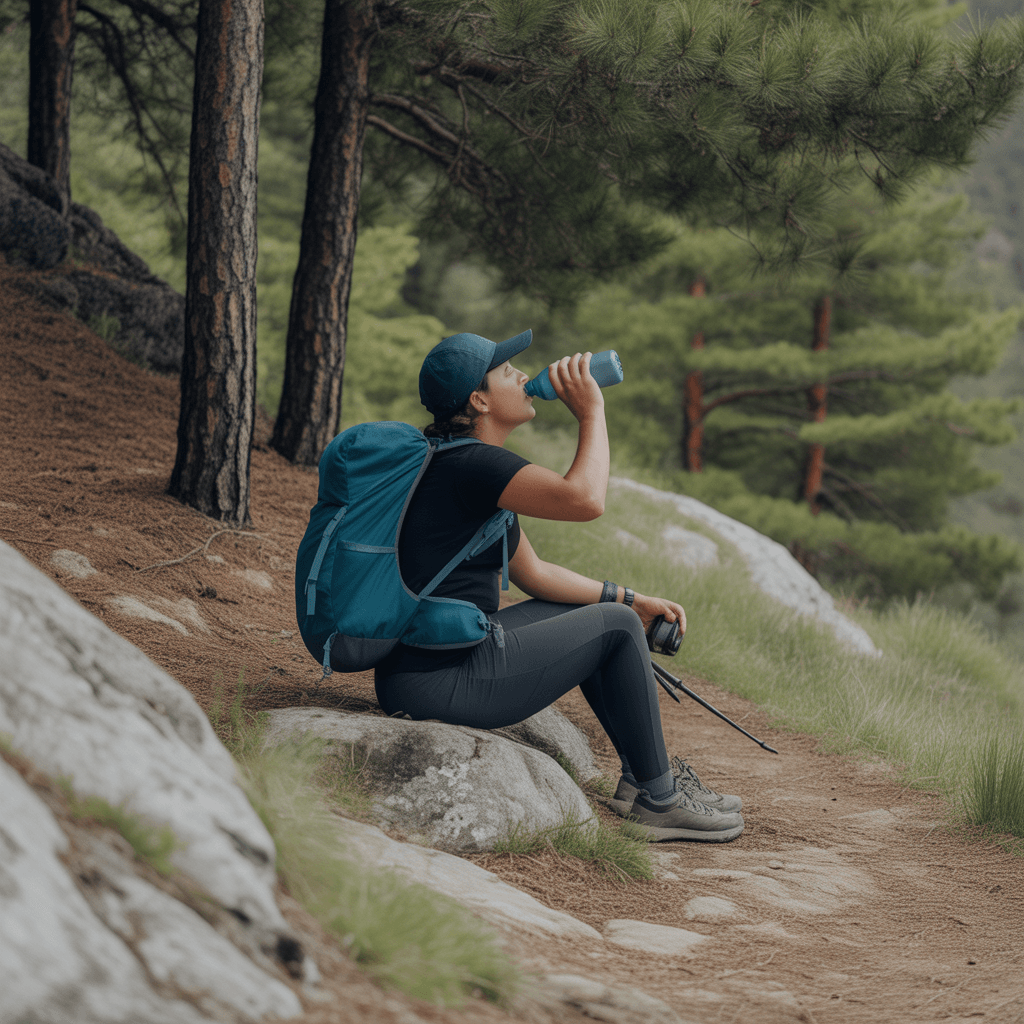
Take breaks in the shade whenever possible, ideally every 20 to 30 minutes. These rest stops are not just about catching your breath – they are critical cooling periods. Sit down, drink water, have a snack, and let your heart rate settle. If there is no shade available, create your own by sitting under a tarp, emergency blanket, or even just your backpack.
During breaks, remove your pack to let air reach your back, take off your hat, and pour a little water on your wrists and the back of your neck to help yourself feel cooler. Listen to your body: if you feel lightheaded, nauseated, stop sweating suddenly, or develop a headache, these are signs you need to stop hiking, get to shade, drink water, and rest until you feel better.
Choose Shaded Trails and Water Access
Not all trails are equal when temperatures soar. Open, exposed trails with little tree cover can feel like walking through an oven, while shaded forest paths stay significantly cooler. When planning your hot-weather hike, look for trails described as forested, shaded, or along creeks and rivers. Water features not only provide psychological relief but also cooler air temperatures nearby.
Check trail reports or reviews to understand how much sun exposure to expect. If your only option is an exposed trail, make it a shorter hike and plan for even earlier start times. Some hikers scout trails in cooler months specifically to identify which ones will work well in summer heat.
Trails near streams or lakes give you options for cooling off – soaking your feet, wetting your hat and shirt, or even taking a quick swim if conditions allow. Just make sure swimming is permitted and safe in that area. Having access to a water filter for hiking also gives you flexibility to refill from natural sources if your planned route includes reliable streams.
Recognize the Signs of Heat-Related Illness
Note: The following information is for educational purposes only and is not medical advice. Always consult with a healthcare professional for medical concerns, and call emergency services if you suspect a serious heat-related illness.
Understanding warning signs helps you catch problems early. Heat exhaustion symptoms may include feeling dizzy, weak, nauseated, or developing a headache. Skin may appear pale and clammy. If you or a hiking partner show these signs, stop hiking immediately. Move to shade, remove extra layers, sip water slowly, and rest until symptoms improve. Do not try to push through.
Heat stroke is a medical emergency. Signs may include confusion, very hot skin, rapid pulse, and loss of consciousness. If you suspect heat stroke, call 911 immediately and move the person to shade while waiting for professional medical help.
The best approach is prevention: start early, stay hydrated, rest often, and know your limits. There is no shame in turning back if conditions feel unsafe.
Frequently Asked Questions
Is it okay to hike in hot weather?
Yes, it is okay to hike in hot weather as long as you take appropriate precautions. The key is adjusting your approach: start your hike early in the morning before peak heat, wear moisture-wicking clothing, carry extra water, and slow your pace significantly. Hot-weather hiking requires more planning than hiking in cooler conditions, but it is safe for beginners who respect the heat and listen to their bodies.
Pay attention to the forecast before you go. If temperatures will exceed 90 degrees Fahrenheit or if there is a heat advisory in effect, consider choosing a shorter trail, a shaded route, or postponing your hike altogether. Children, older adults, and anyone with heart or respiratory conditions should be especially cautious. The goal is not to avoid summer hiking entirely – it is to be smart about when, where, and how you hike when it is hot outside.
Is 80 degrees too hot for a hike?
Eighty degrees is not too hot for most people to hike safely, but it does require preparation. At this temperature, you will sweat more and need more water than you would on a 60-degree day. Start your hike earlier to avoid the hottest hours, wear light and breathable clothing, and plan to drink about half a liter of water per hour.
The real consideration is not just temperature but also humidity and sun exposure. Eighty degrees with high humidity feels much hotter than 80 degrees in dry conditions because sweat does not evaporate as efficiently. Similarly, 80 degrees on an exposed trail with no shade is more challenging than the same temperature in a forested area. Check the heat index (which combines temperature and humidity) rather than temperature alone. If the heat index is above 90, take extra precautions, slow your pace, and take more frequent breaks.
What should I wear when hiking in hot weather?
Wear lightweight, light-colored clothing made from moisture-wicking fabrics like polyester, nylon, or merino wool. Avoid cotton, which absorbs sweat and stays wet against your skin. A loose-fitting long-sleeve shirt in a breathable fabric actually provides better sun protection and cooling than a tank top on exposed trails. Pair this with quick-dry shorts or convertible pants that allow airflow.
Protect your head and neck with a wide-brimmed hat that provides shade for your face. Consider bringing a lightweight neck gaiter or bandana that you can soak in water and wear around your neck for evaporative cooling. Sunglasses protect your eyes from glare and reduce squinting, which can contribute to headaches. Finally, wear trail running shoes for hiking or lightweight hiking boots rather than heavy footwear, as your feet will stay cooler and you will use less energy with each step.
How much water should I bring on a hot weather hike?
Plan to bring at least one liter of water for every two hours of hiking, then add an extra liter as a safety buffer. In hot weather, most people need about half a liter (17 ounces) per hour of moderate activity, but this increases if you are hiking uphill, in direct sun, or if you sweat heavily. A three-hour hike in hot conditions could easily require two to three liters per person.
If your hike is longer than two hours, also bring electrolyte replacement in the form of tablets, powder packets, or a sports drink. Plain water alone may not provide everything your body needs if you are sweating heavily. Consider using a hydration pack for hiking that makes it easy to sip frequently without stopping. The more convenient it is to drink, the more likely you are to stay properly hydrated throughout your hike.
The Bottom Line
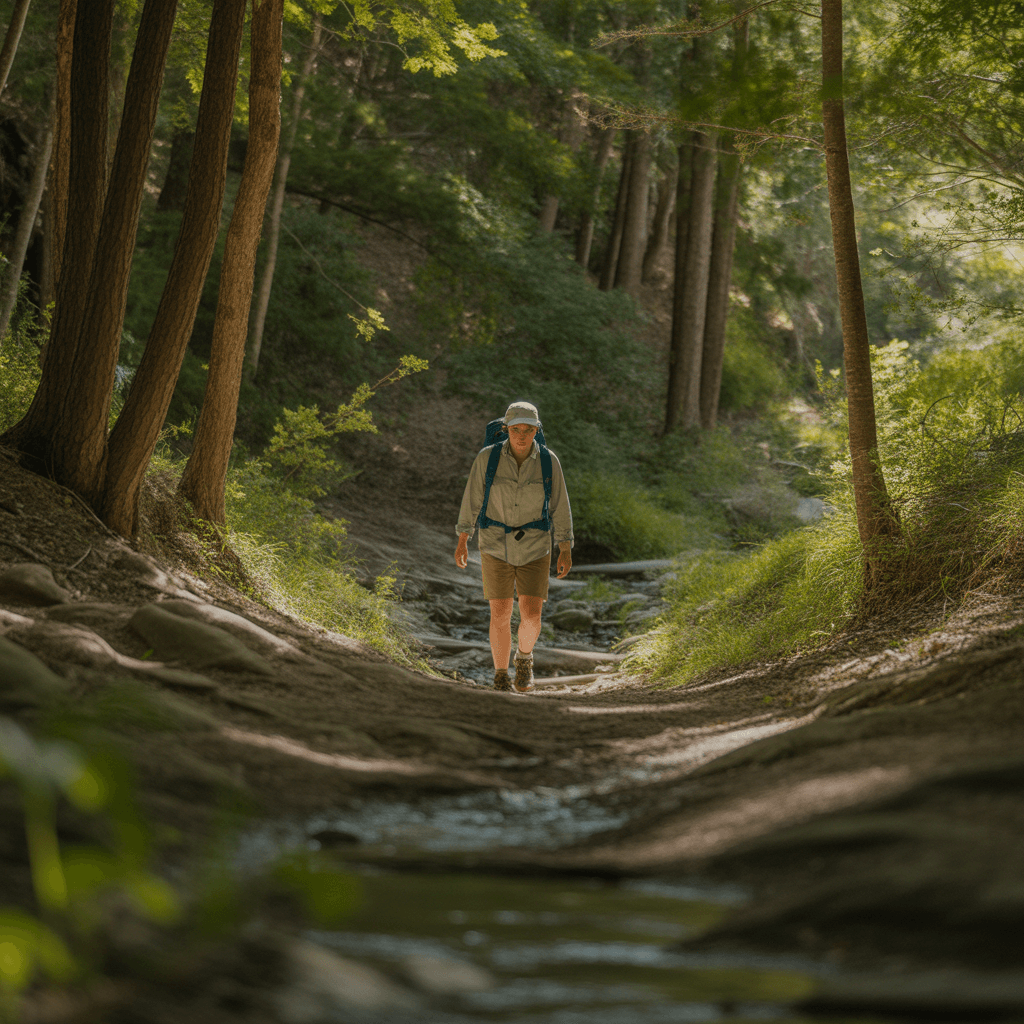
Hiking in hot weather does not have to feel overwhelming or risky. With an early start, the right clothing, enough water, and a slower pace, you can enjoy summer trails safely and comfortably even as a beginner. The key is respecting the heat – not fearing it, but acknowledging that it changes what your body needs and adjusting your plans accordingly.
If this is your first hot-weather hike, start with a short, shaded trail close to home where you can turn back easily if needed. Bring more water than you think is necessary, wear a hat, and give yourself permission to hike slowly. Pay attention to how your body feels, take breaks often, and do not hesitate to cut your hike short if conditions feel uncomfortable.
As you gain experience, you will learn how your body responds to heat, how much water you personally need, and what clothing works best for you. Hot-weather hiking gets easier with practice, but even experienced hikers follow these same basic principles. The trails are still beautiful in summer – you just need to approach them a little differently than you would in spring or fall.
Disclosure: As an Amazon Associate, we earn from qualifying purchases. This does not affect our editorial recommendations.