
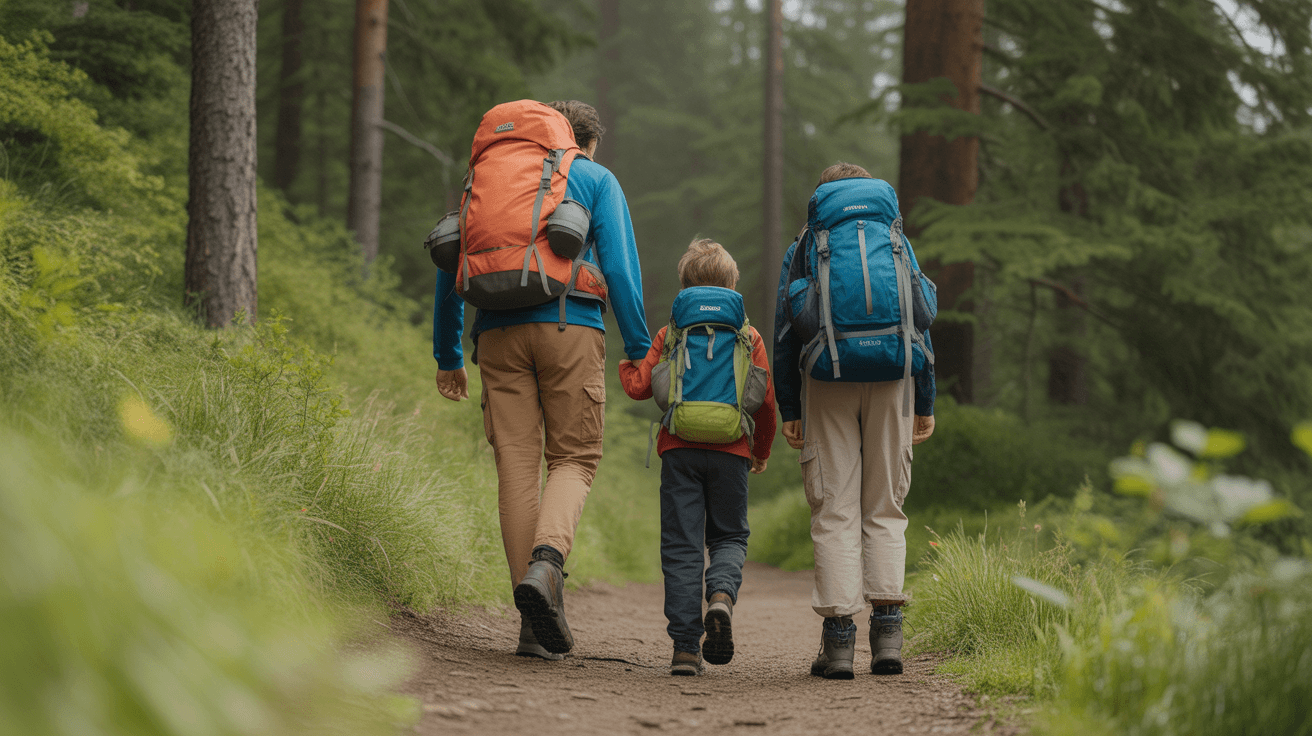
You want to share the outdoors with your kids, but the thought of hauling reluctant children up a trail while managing snacks, meltdowns, and bathroom emergencies feels overwhelming. Maybe you are picturing a peaceful nature walk, but worrying it will turn into a struggle to keep everyone moving forward. The good news is that hiking with kids does not require superhuman patience or expensive gear – it just needs a different approach than hiking solo or with other adults.
This guide gives you practical, field-tested tips that address the real challenges of family hiking: keeping kids motivated when they are tired, managing safety without being overbearing, packing the right supplies without carrying half your house, and making the experience fun enough that your children will actually want to go again. These strategies work whether you are taking a toddler on their first trail walk or bringing school-age kids on a longer adventure.
What to Look For
Start with Trails That Set Everyone Up for Success
Your first family hike should not be your most ambitious hike. Choose a trail that is shorter than you think you need – a good rule is one mile or less for preschoolers, two to three miles for early elementary kids. Look for trails with a destination that appeals to children: a waterfall, a lake, a boulder field to climb on, or a viewpoint with a clear payoff. Kids hike more willingly toward something specific rather than just “a nice walk in the woods.” Check trail reviews on apps like AllTrails to confirm the path is actually kid-friendly, with minimal elevation gain and well-maintained footing. Trails near parking areas are ideal for first-timers because you can bail out quickly if someone is truly miserable. The trailhead – the official starting point of the hike where you park and begin walking – should have bathroom facilities if possible, which eliminates one common source of stress before you even start.
Pack Strategic Snacks and Plenty of Water
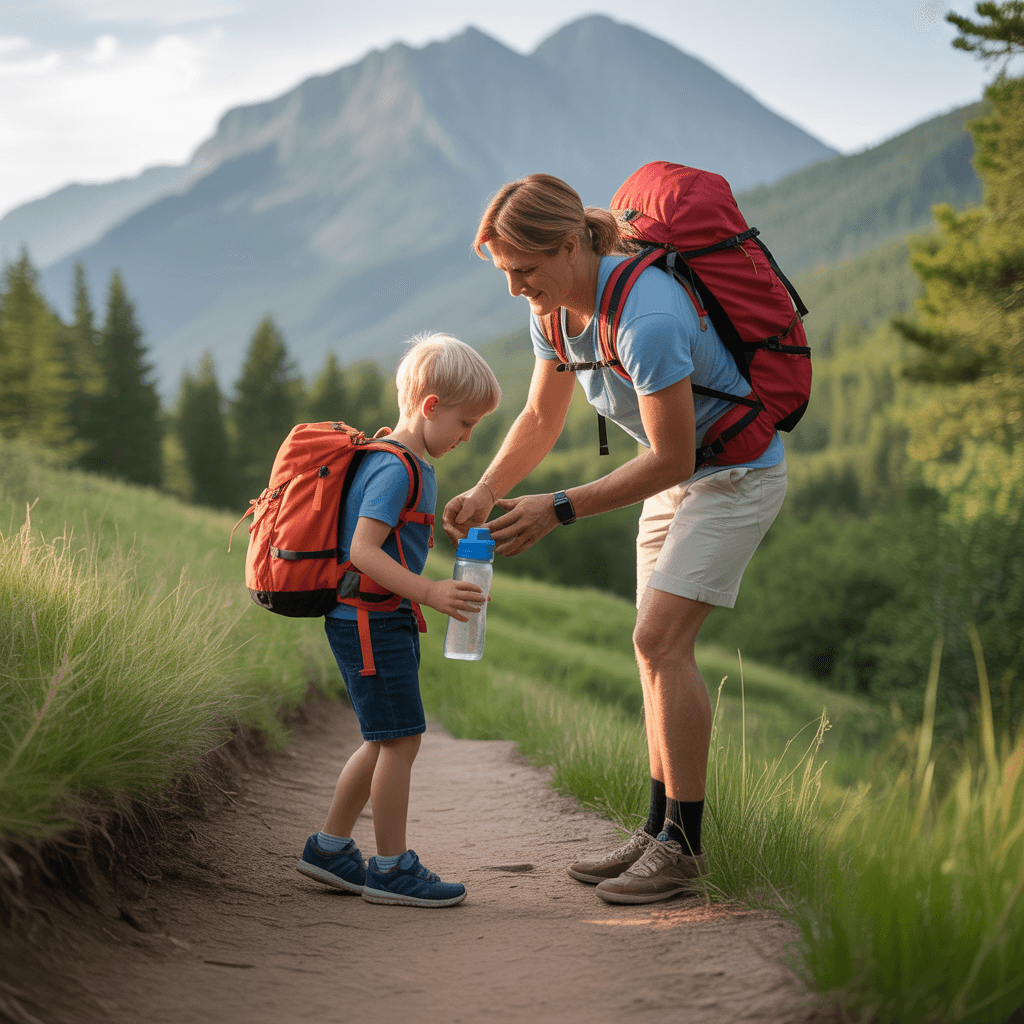
Hunger and thirst derail more family hikes than any other factor. Bring more snacks than seems reasonable – kids burn energy fast on the trail, and a well-timed snack break can transform a complaining child into a cheerful hiker. Pack foods that provide quick energy and feel like treats: cheese sticks, fruit pouches, crackers, trail mix, granola bars, or gummy snacks. Avoid anything that requires cleanup or gets messy in a backpack. For water, give each child their own water bottle if they are old enough to carry one – it makes them feel responsible and ensures they drink enough. Younger kids can share from your bottle, but bring significantly more water than you would for a solo hike. A 20-30 liter daypack gives you enough room for everyone’s water, snacks, and a few essentials without feeling like you are hauling camping gear.
Turn the Hike into a Game or Scavenger Hunt
Kids hike farther when they are distracted from the effort. Create simple games that keep their minds occupied: count how many different birds you hear, look for animal tracks, find five different types of leaves, or spot specific colors in nature. Some parents print simple scavenger hunt lists before the hike – things like “something rough,” “something that smells good,” or “something smaller than your thumb.” Let kids bring a small bag to collect interesting rocks, pinecones, or leaves (check local rules first – some parks prohibit collecting). Storytelling works well too: make up a story together where each person adds a sentence, or pretend you are explorers searching for treasure. These games serve a practical purpose – they shift focus away from tired legs and toward curiosity, which is exactly the mindset that makes hiking enjoyable.
Let Kids Set the Pace and Take Frequent Breaks
Adult hiking pace exhausts children quickly. Let your kids walk at their own speed, even if it feels painfully slow. They will naturally speed up when they are excited about something ahead, then slow down or stop to examine things that interest them – this is normal and healthy. Plan for frequent breaks, not just when someone complains. Stop every 15 to 20 minutes to drink water, eat a snack, or just sit on a log. These breaks prevent fatigue from building up and give kids a chance to process what they are seeing. Some children hike better if you build in “adventure time” – five minutes to climb on rocks, throw pebbles in a stream, or explore off the main path within sight. This is not wasting time; it is making the hike work for their energy levels and attention spans. Adults often think of hiking as continuous forward motion, but kids experience it as a series of interesting moments connected by walking.
Dress Kids in Layers and Prepare for Weather Changes
Kids heat up fast when they are active, then cool down quickly when they stop moving. Dress them in layers that you can add or remove easily: a moisture-wicking base layer, an insulating middle layer like a fleece, and a lightweight outer layer for wind or light rain. Avoid cotton, which stays wet and cold – stick with synthetic or merino wool fabrics. A packable rain jacket takes up minimal space but provides critical protection if weather changes. For footwear, choose closed-toe shoes with good tread – sneakers work fine for easy trails, but avoid sandals or flimsy shoes that increase the risk of twisted ankles or stubbed toes. Kids do not need expensive hiking boots unless you are tackling rugged terrain regularly. Bring an extra pair of socks in your pack; wet or uncomfortable feet make kids miserable faster than almost anything else.
Teach Basic Safety Rules Without Creating Fear
Young kids need clear, simple rules that keep them safe without making the outdoors feel scary. Establish a few non-negotiable guidelines before you start: stay on the trail, stay where adults can see you, stop and wait at any trail junction. Teach them to recognize trail markers so they understand how paths are marked. If your child is old enough, give them a whistle to wear around their neck with the rule that three whistle blows means “I need help” – this empowers them while providing backup. Talk briefly about what to do if they get separated: stay put, make noise, hug a tree (the classic “hug-a-tree” program teaches kids not to wander if lost). Keep the tone matter-of-fact, not frightening. For wildlife safety, the simple rule is: look but do not approach, and tell an adult immediately if you see any animal. You do not need to discuss every possible danger – focus on the basics that prevent common problems.
Bring a Simple First Aid Kit and Know How to Use It
Kids fall, scrape knees, and get blisters more often than adults. Carry a basic first aid kit with adhesive bandages in multiple sizes, antibiotic ointment, blister treatment, pain reliever appropriate for your child, tweezers for splinters, and any personal medications. Add a few alcohol wipes and a small roll of medical tape. This kit does not need to be elaborate – you are preparing for minor scrapes and comfort issues, not wilderness medicine. Know the basics of blister prevention: if your child complains about a hot spot on their foot, stop immediately and cover it with a bandage or blister pad before it becomes a full blister. Check their feet at rest breaks if they are wearing new shoes. Bring any allergy medications your child needs, plus an EpiPen if prescribed. Most family hikes happen close enough to trailheads that serious injuries mean hiking back out and getting professional help, so your first aid kit is really about handling small problems before they end the hike.
Involve Kids in Planning and Give Them Ownership
Children hike more enthusiastically when they have some control over the experience. Let them help choose the trail by showing them pictures and describing what they will see. Give them a small job: carrying their own water bottle, being the official snack distributor, or taking photos with a simple camera or your phone. Older kids can help with navigation using a map or phone app, which teaches useful skills and keeps them engaged. Some families let kids earn a patch or sticker for each hike completed, creating a sense of accomplishment. The goal is to make your child feel like an active participant rather than someone being dragged along on your activity. Even small choices matter – let them pick which color water bottle to bring or decide whether to stop at the viewpoint or the creek first. This sense of agency makes a surprising difference in their attitude on the trail.
Be Flexible and Willing to Turn Around
Not every family hike will go as planned, and that is okay. If your child is genuinely miserable despite snacks, breaks, and encouragement, it is fine to turn around early. Pushing through when someone is truly struggling risks making them hate hiking, which defeats the entire purpose. Sometimes the weather changes, someone gets a blister, or the trail is more difficult than expected – these are all valid reasons to adjust your plan. Many successful family hikers say their best adventures happened when they abandoned the original goal and followed their kid’s interest instead: spending an hour playing in a creek, watching bugs on a log, or building a stick fort off the trail. The point of hiking with kids is not to complete a specific distance or reach a particular summit; it is to spend time outside together in a way that feels good for everyone. Flexibility is not failure – it is smart parenting that builds positive associations with the outdoors.
Make the Experience About Fun, Not Fitness
Your agenda for family hiking should be different from your solo hiking goals. You are not training your kids for endurance or teaching them to push through discomfort – you are helping them discover that being outside is enjoyable. That means prioritizing fun over mileage, curiosity over speed, and comfort over challenge. Celebrate small victories: your child walked the whole way without asking to be carried, they spotted a cool mushroom, they were brave crossing a log bridge. Take silly photos, sing songs, tell jokes, let them lead sometimes even if they take a meandering path. The memories your kids will carry are not about how far you hiked, but about how it felt – whether they felt safe, whether you laughed together, whether they got to do something interesting. If you create positive experiences now, they will want to hike with you again. If every hike is a slog where adults seem frustrated and kids feel inadequate, they will resist future trips. Keep the atmosphere light, praise effort generously, and remember that a one-mile hike where everyone smiles is more successful than a five-mile march where everyone is miserable.
Frequently Asked Questions
What is the best age to take kids hiking?
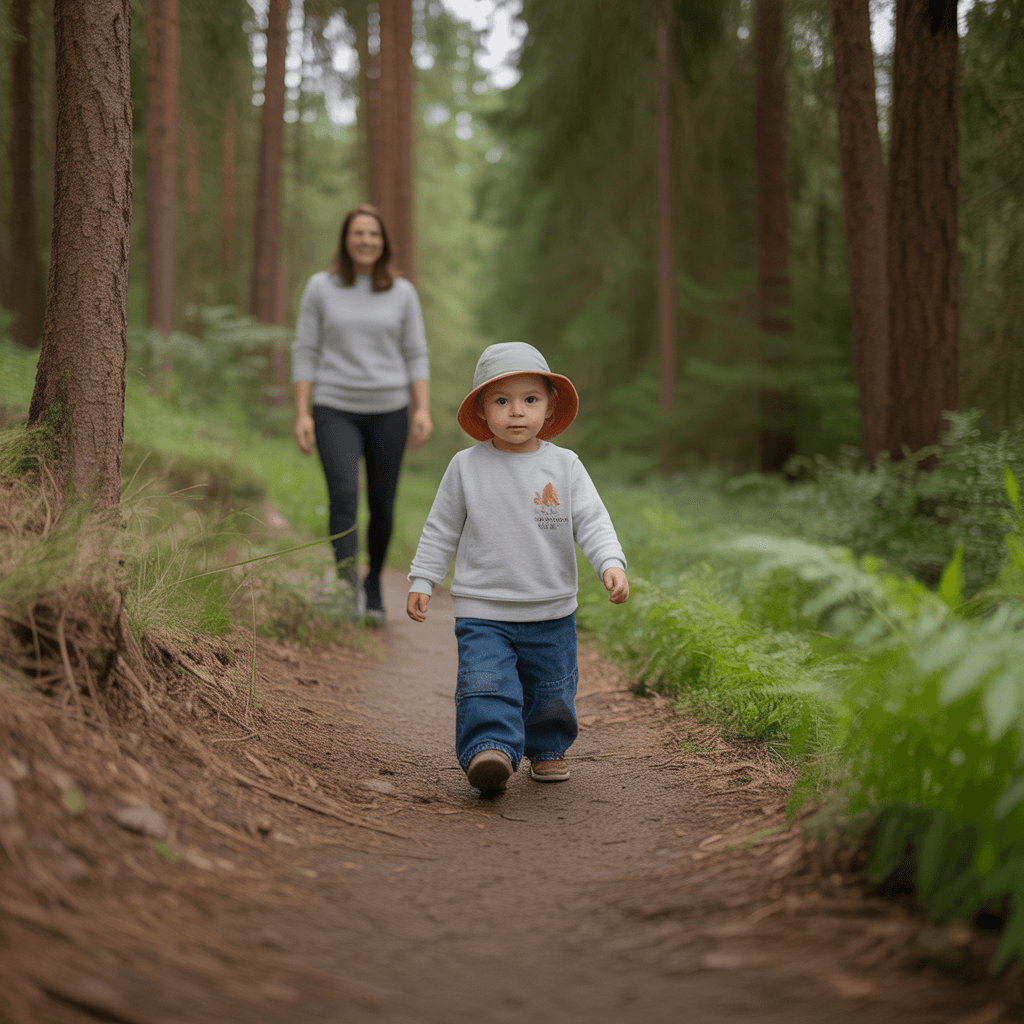
There is no single perfect age to start hiking with kids – the right time is whenever you are ready to adapt your hiking style to their abilities. Infants can join hikes in a carrier from birth if the weather is appropriate and the trail is gentle enough for you to walk safely while carrying extra weight. Toddlers can walk short distances but tire quickly, so expect to carry them part of the time or keep hikes under a mile. Kids ages four to seven often hit a sweet spot where they can walk a few miles if motivated and entertained, but still need frequent breaks and lots of snacks. School-age children can handle progressively longer distances, though every child is different. Starting young helps kids develop comfort in nature, but older kids can absolutely become enthusiastic hikers if you choose appropriate trails and make early experiences positive. The key at any age is matching the hike difficulty to your child’s current abilities, not pushing them to meet some external standard.
How do I keep my child safe on the trail?
Child safety on trails comes down to clear rules, appropriate supervision, and preparing for common risks. Establish simple, non-negotiable guidelines before every hike: stay on the marked trail, remain within sight of adults, and stop at all trail intersections. For young children, this means keeping them close enough that you could reach them in a few steps. Older kids can have more freedom but should still check in regularly and never hike out of earshot. Dress your child in bright colors so they are easy to spot, and consider giving them a safety whistle with clear instructions on when to use it. Teach them early that wildlife is for observing from a distance, never approaching or feeding. Carry a basic first aid kit for scrapes and blisters, which are the most common injuries on family hikes. Check the weather forecast before you go and be willing to turn back if conditions deteriorate. Most importantly, choose trails that match your child’s abilities – a too-difficult trail where they are struggling on steep or exposed sections creates real safety risks beyond what rules and gear can address.
What should I pack for a hike with young children?
A well-packed daypack for hiking with kids includes more water and snacks than you think you need, basic first aid supplies, and layers for changing weather. Start with water – bring at least one liter per person for a short hike, more for longer distances or hot weather. Pack high-energy snacks that do not require preparation: granola bars, crackers, cheese sticks, fruit pouches, trail mix, or whatever your kids reliably eat. Add a simple first aid kit with bandages, blister treatment, pain reliever, and any necessary medications. Include extra layers even if the weather looks good: a lightweight fleece or jacket for each child, plus a rain layer if there is any chance of precipitation. Bring a small pack of wet wipes or hand sanitizer for cleaning up after snacks or bathroom stops. Sunscreen and bug spray are important for exposed trails or buggy seasons. If your child still uses a diaper, bring changing supplies plus a bag for packing out used diapers. A few small toys or a magnifying glass can keep kids entertained during breaks. For toddlers who might tire out, a lightweight carrier or backpack lets you carry them when needed. The goal is not to bring everything you own, but to have the essentials that address hunger, thirst, weather, and minor injuries.
How far can kids hike at different ages?
Hiking distance for kids varies enormously based on individual fitness, motivation, and terrain, but general guidelines can help you plan appropriately. Toddlers ages two to three typically manage a quarter mile to one mile before needing to be carried, though they will walk farther if something interesting keeps them engaged. Preschoolers ages four to five can often handle one to two miles on easy, flat trails with plenty of breaks. Early elementary kids ages six to eight might manage two to four miles, while older elementary children ages nine to twelve can sometimes hike five to seven miles on moderate terrain if they are accustomed to being active. These are rough estimates – some kids will exceed them easily while others will struggle. Terrain matters as much as distance: a flat, smooth trail allows more mileage than a steep, rocky path. Heat, altitude, and your child’s current fitness level also affect how far they can reasonably go. Start conservative with shorter distances than you think your child can handle, then gradually increase as you learn their capabilities. Remember that hiking with kids is not about maximizing distance; it is about creating an enjoyable experience that makes them want to do it again.
The Bottom Line
Hiking with kids requires patience, flexibility, and a willingness to redefine what success looks like, but the reward is sharing outdoor experiences that can shape how your children see nature for the rest of their lives. Your first few family hikes will likely feel chaotic, and that is normal – you are learning what works for your specific kids while they are learning how their bodies respond to trails. Start with short, easy hikes that include interesting destinations. Pack more snacks and water than seems reasonable. Give your kids some control over the experience so they feel like participants rather than passengers. Expect frequent stops, slow pace, and distractions – these are features of hiking with children, not problems to solve. Keep your own expectations modest: success is not reaching a specific viewpoint or completing a planned distance, but spending time outside together in a way that feels good for everyone. As your kids gain experience, they will naturally handle longer distances and more challenging terrain. For now, focus on making each hike fun enough that they will eagerly agree to the next one. The skills and confidence they build on easy trails today become the foundation for bigger adventures later.
Disclosure: As an Amazon Associate, we earn from qualifying purchases. This does not affect our editorial recommendations.