
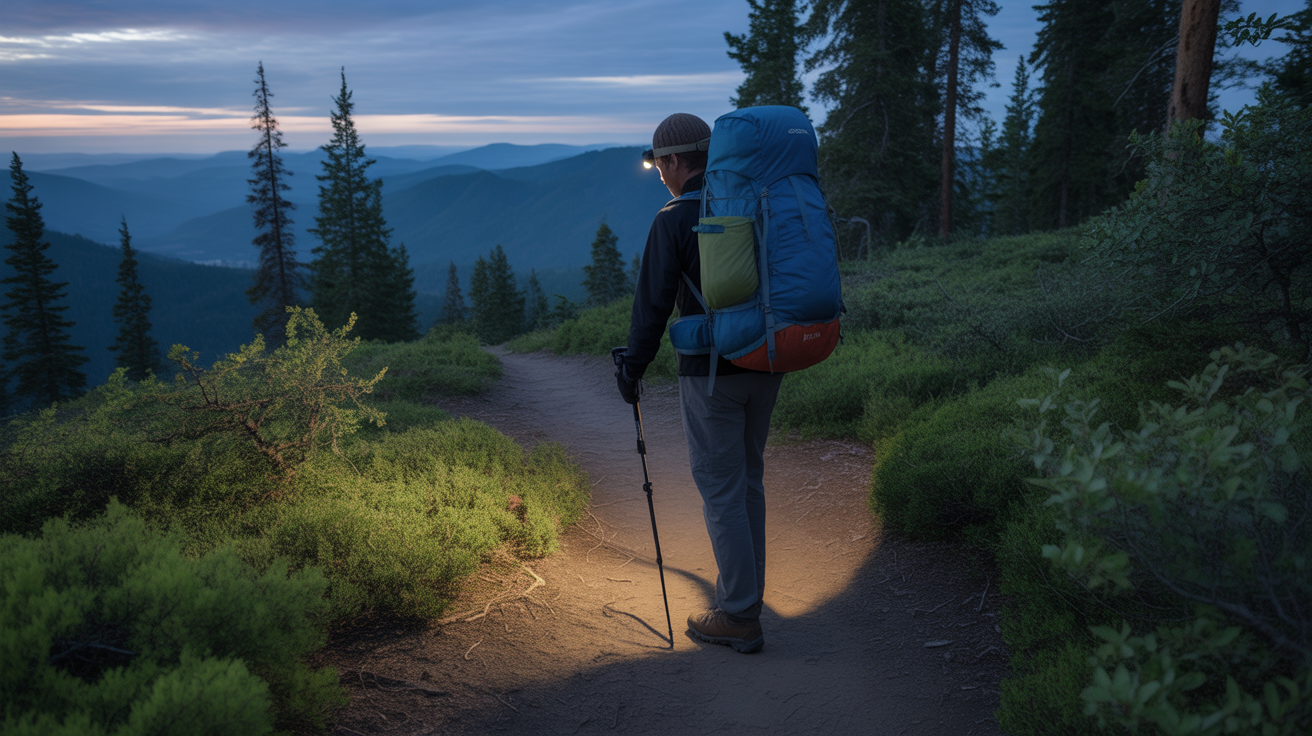
Maybe you started your hike later than planned, or the trail took longer than expected. Maybe you are curious about experiencing the trail after sunset on purpose. Either way, the idea of hiking in the dark can feel intimidating when you are still building your confidence on the trail. The good news is that with the right preparation and gear, hiking in low light does not have to be scary or dangerous.
This guide will walk you through everything you need to know about hiking in the dark, from essential safety strategies to the gear that will keep you comfortable and confident. Whether you are planning your first intentional night hike or simply want to be prepared in case daylight runs out, we will cover the practical steps that make dark hiking manageable for beginners.
What to Look For
Start With Trails You Already Know
If this is your first time hiking in the dark, do not make it your first time on an unfamiliar trail. Choose a route you have hiked at least once in daylight. Knowing what the trail looks like, where the turns are, and what landmarks to expect will dramatically reduce your anxiety and help you move forward with confidence. Familiar trails let you focus on adjusting to the different sensory experience of night hiking rather than worrying about getting lost. Start with shorter distances, too. A trail that takes you 90 minutes in daylight might take two hours or more at night, so plan accordingly.
Lighting Is Your Most Important Tool
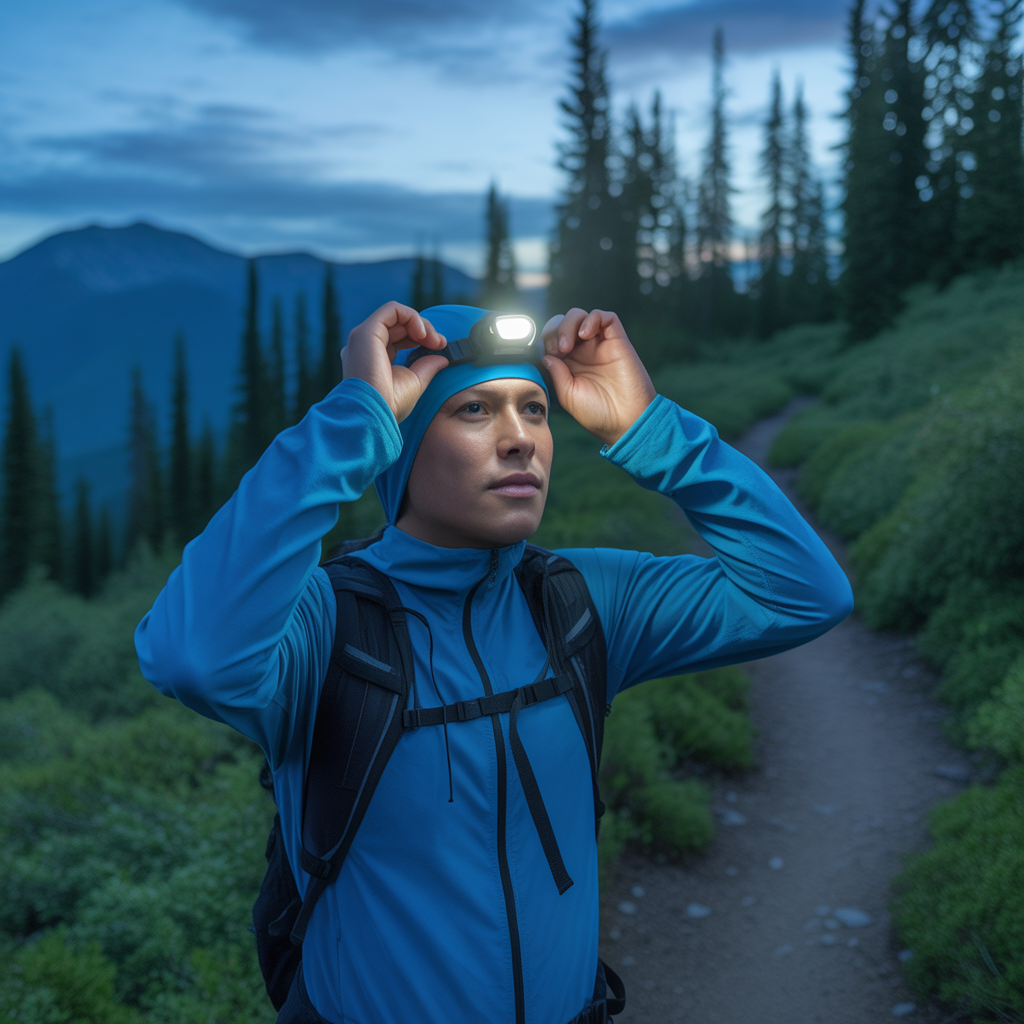
You cannot hike safely in the dark without a reliable light source, and you need more than one. A headlamp is your primary tool because it keeps your hands free and points light wherever you look. Look for a headlamp with at least 200 lumens, adjustable brightness settings, and a red light mode that preserves your night vision when you do not need full brightness. Bring a backup light source as well, such as a handheld flashlight or a second smaller headlamp. Batteries die, bulbs fail, and equipment gets dropped. Having a backup is not optional. Keep spare batteries in a waterproof bag in your pack, and test all your lights before you leave the trailhead.
Dress in Layers and Bring Extra Warmth
Temperatures drop significantly after sunset, even in summer. What felt comfortable at 6 PM might feel cold by 8 PM, and you will cool down quickly whenever you stop moving. Wear layers you can add or remove as needed, and pack an extra insulating layer even if the forecast looks mild. A lightweight fleece or puffy jacket takes up minimal space but can make the difference between a comfortable hike and a miserable one. If you are hiking in cooler months, hiking gloves for beginners and a warm hat are essential. Your extremities lose heat quickly, and cold fingers make it harder to manage zippers, adjust gear, or use your phone for finding your way.
Navigation Requires Extra Attention
Trail markers that are obvious in daylight can disappear in the dark. Junctions become harder to spot, and it is easier to wander off-trail without realizing it. Download an offline map of your route on your phone before you leave. Apps like AllTrails or Gaia GPS let you follow your location in real time even without cell service. Bring a portable battery pack to keep your phone charged, since you will likely use it more than usual. Pay closer attention to your surroundings and stop frequently to check your map. If something does not feel right, it is okay to stop, reorient, and backtrack if needed. Moving confidently in the wrong direction does not help.
Let Someone Know Your Plans
This rule applies to all hikes, but it is especially important when hiking in the dark. Tell a friend or family member which trail you are hiking, when you are starting, and when you expect to be back. Share your route if possible. If something goes wrong, search and rescue teams need to know where to look. Set a check-in time and stick to it. If you are not back by that time, your contact person should know to call for help. This simple step can save your life.
Move Slowly and Watch Your Footing
Your depth perception changes in the dark, and even with a good headlamp, you will not see the trail as clearly as you do in daylight. Roots, rocks, and uneven terrain that you would step over automatically during the day require more attention at night. Slow down. It is not a race. Take shorter steps, especially on descents, and use trekking poles for beginners if you have them. Poles give you extra stability and help you test the ground ahead of you. Watch for wet leaves, loose gravel, and mud, which become even more slippery in low light. Twisted ankles and falls are more common at night simply because you cannot see hazards as easily.
Be Aware of Wildlife Behavior
Many animals are more active at dawn and dusk or during the night. You are more likely to encounter deer, raccoons, and other wildlife on a dark hike. Most animals will avoid you if they hear you coming, so make noise as you walk. Talk to your hiking partner, play music at a low volume, or simply hum to yourself. This is especially important in areas with bears or mountain lions. If you do encounter an animal, stay calm, make yourself appear larger, and back away slowly. Do not run. Carry a whistle on your pack strap or around your neck. It is an easy way to make loud noise if you need to scare off an animal or signal for help.
Pack Extra Food and Water
Night hikes often take longer than expected, and your body works harder in the cold. Bring more water than you think you will need, and pack high-energy snacks like trail mix, energy bars, or jerky. If you are using a hiking water bottle, make sure it is easy to access without stopping and taking off your pack. Dehydration and low blood sugar can impair your judgment and make you feel colder, which increases your risk in an already challenging situation.
Frequently Asked Questions
Is it safe to hike in the dark alone?
Hiking alone in the dark increases risk, especially if you are a beginner. You have no one to help if you get injured, and direction-finding mistakes are harder to recover from without a second set of eyes. If you do hike alone at night, stick to trails you know extremely well, tell someone your exact plans, carry a fully charged phone and backup battery, and bring a whistle or personal alarm. That said, hiking with a partner or group is almost always the safer choice for night hikes. Your companion does not need to be an expert, just someone who can help problem-solve, share the wayfinding load, and get help if something goes wrong.
What should I do if my headlamp dies on the trail?
This is exactly why you should always carry a backup light source and spare batteries. If your primary headlamp fails, stop moving immediately. Sit down, take a breath, and pull out your backup flashlight or secondary headlamp. If your backup also fails and you are truly without light, stay put. Do not try to hike in complete darkness. Use your phone flashlight sparingly to preserve battery, and call or text someone to let them know your situation. If you have cell service, you can use your phone for finding your way in short bursts. If you are on a well-marked trail and it is safe to wait, staying in place until dawn is often the best option. This is also why you should always pack extra layers and emergency food, even on short hikes.
How do I see the trail better when hiking at night?
Use a headlamp with adjustable brightness and angle it slightly downward so you can see the ground a few feet in front of you without creating harsh shadows. Harsh shadows make it harder to judge depth and see obstacles. If your headlamp has a flood beam setting in addition to a spot beam, use flood for general trail walking. It spreads light more evenly and helps you see the trail width and edges. Let your eyes adjust to the darkness. Avoid looking at your phone screen or bright lights unnecessarily, because it takes several minutes for your night vision to return. Some headlamps have a red light mode that lets you check your map or gear without ruining your night vision. Move slowly and use trekking poles to feel the trail ahead of you. The more you hike in low light, the more your brain adapts to interpreting limited visual information.
Do I need special shoes for hiking in the dark?
You do not need different shoes specifically for night hiking, but you do need footwear with good traction and ankle support. The same hiking boots for beginners that work well during the day will work at night. What matters more is that your shoes fit well, have a sole with deep lugs for grip, and that you have worn them enough to know how they perform on uneven terrain. If you are hiking in wet or muddy conditions, waterproof boots become even more important at night because you cannot see puddles or wet spots as easily. Make sure your laces are tied securely before you start, and double-knot them. Tripping over a loose lace is frustrating anytime, but it is especially dangerous when you cannot see well.
The Bottom Line
Hiking in the dark does not have to be something that happens to you by accident. With the right preparation, it can be an intentional and rewarding experience that opens up a different side of the trails you love. If you are planning your first night hike, start with a short, familiar trail, bring a hiking partner, and focus on getting comfortable with your lighting and wayfinding tools. If you are worried about being caught on the trail after dark, the best thing you can do is prepare as if it will happen. Pack backup lights, extra layers, and a backup battery for your phone on every hike, even the short ones.
The most important thing to remember is that moving slowly and carefully is always better than rushing. Night hiking rewards patience and attention. Take your time, trust your preparation, and do not be afraid to turn back if conditions feel unsafe. Every hiker has misjudged the time or pace at some point. The ones who stay safe are the ones who plan ahead, carry the right gear, and make conservative decisions when things do not go as expected. With practice, hiking in the dark becomes just another skill in your toolkit, and it might even become one of your favorite ways to experience the trail.
Disclosure: As an Amazon Associate, we earn from qualifying purchases. This does not affect our editorial recommendations.