
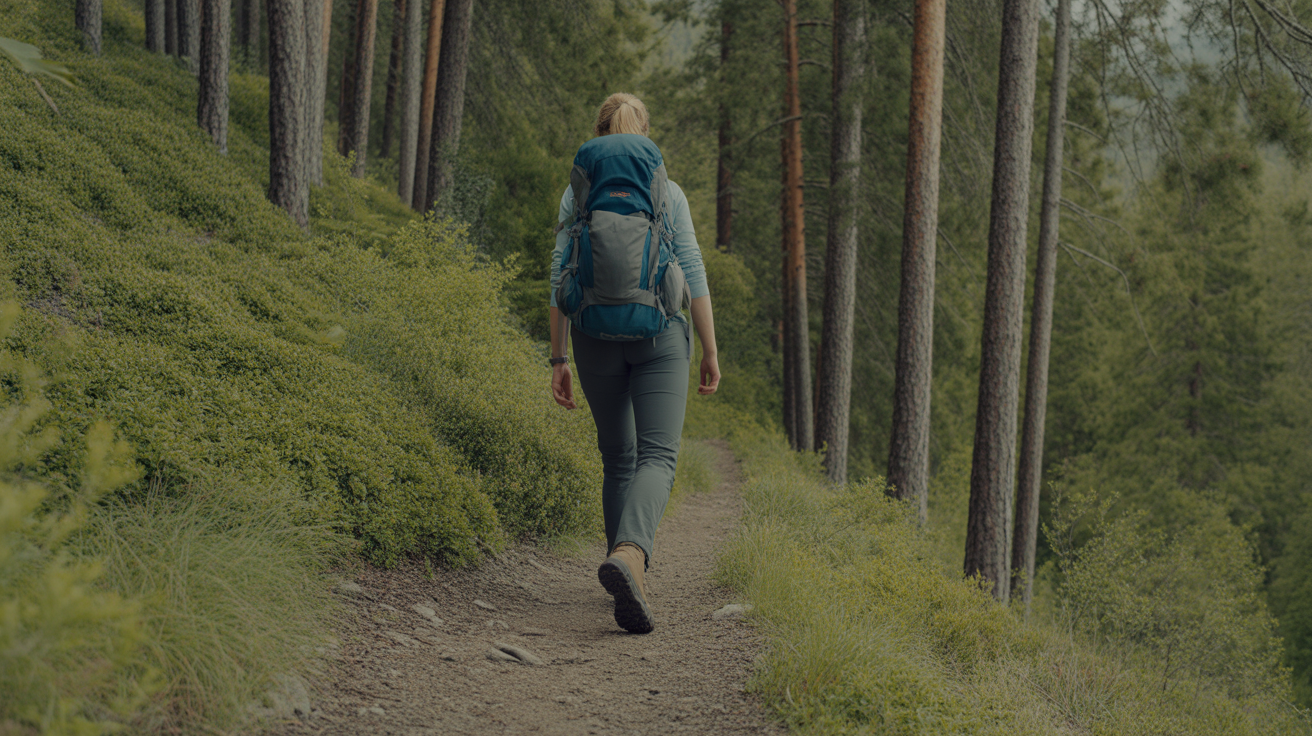
The moment you decide to hike alone for the first time, a dozen questions probably flood your mind. What if something happens and no one is there to help? What if you encounter wildlife – or worse, someone with bad intentions? These concerns are completely valid, and the fact that you are thinking through them shows you are already approaching solo hiking with the right mindset. Hiking alone as a woman comes with unique safety considerations, but it absolutely does not have to mean giving up the freedom and peace that solo trails offer.
This guide will walk you through practical, actionable strategies to hike safely alone – from choosing the right trail and telling people your plans, to handling uncomfortable encounters and trusting your instincts. You will learn how to prepare mentally and physically, what gear actually matters for solo safety, and how to build confidence one trail at a time. Whether this is your first solo hike or you are looking to refine your approach, these tips will help you hit the trail with both caution and courage.
What to Look For
Start with Well-Traveled Trails During Peak Hours
Your first solo hikes should be on popular trails during busy times – typically Saturday and Sunday mornings. Well-traveled trails offer natural safety through numbers. You will pass other hikers regularly, which means help is nearby if you need it, and the likelihood of encountering someone with bad intentions drops significantly. Look for trails rated as easy to moderate, ideally 3 to 5 miles round trip, with good cell service at the trailhead and along the route. Check recent trail reports on AllTrails or local hiking forums to confirm the trail is currently busy. Avoid trails described as remote, rarely maintained, or requiring off-trail navigation until you have built more experience and confidence.
Peak hours matter more than you might think. A trail that feels safe and social at 9 AM on a Saturday can feel completely different at 5 PM on a Tuesday. Start your hikes early enough that you will finish before late afternoon, when trails tend to empty out. If you arrive at a trailhead and see only one or two cars, consider that a signal to pick a different trail for that day. There is no shame in changing plans based on what feels right in the moment.
Tell Someone Your Exact Plans Every Single Time
This is the single most important safety step for solo hiking, and it is non-negotiable. Before every hike, tell a trusted friend or family member exactly where you are going, which trail you will be on, what time you are starting, and what time you expect to be back. Text them a screenshot of the trailhead location and trail map. Give them a specific check-in time – for example, “I will text you by 2 PM when I am back at my car.” If they do not hear from you by that time, they should know to call you, and if you do not answer, to contact local authorities.
Some hikers use apps like AllTrails or Gaia GPS that allow you to share your real-time location with emergency contacts. These apps can track your route and send your location even if you cannot make a call. If you hike in areas with limited cell service, consider investing in a personal locator beacon or satellite messenger like a Garmin inReach, which lets you send SOS signals and messages from anywhere. These devices cost money and require subscriptions, but they provide genuine peace of mind in remote areas.
Trust Your Gut and Leave When Something Feels Off
Your instincts are not being dramatic – they are processing information faster than your conscious mind can articulate. If someone at the trailhead makes you uncomfortable, if a person on the trail seems to be following you, or if a situation just feels wrong, listen to that feeling and act on it immediately. You do not owe anyone an explanation, a smile, or a conversation. It is completely acceptable to turn around, take a different trail, or cut your hike short if something does not feel right.
If someone approaches you on the trail and the interaction feels uncomfortable, keep moving. You can acknowledge them with a quick nod but do not stop walking. If they ask intrusive questions – where you are going, whether you are alone, where you parked – give vague answers or lie. Say you are meeting friends up ahead. Say your partner is just behind you. Your safety matters more than being polite. If someone persists or follows you, get loud. Yell “leave me alone” or “stop following me.” Other hikers will hear you, and most people with bad intentions will back off when attention is drawn to them.
Carry the Right Safety Gear and Know How to Use It
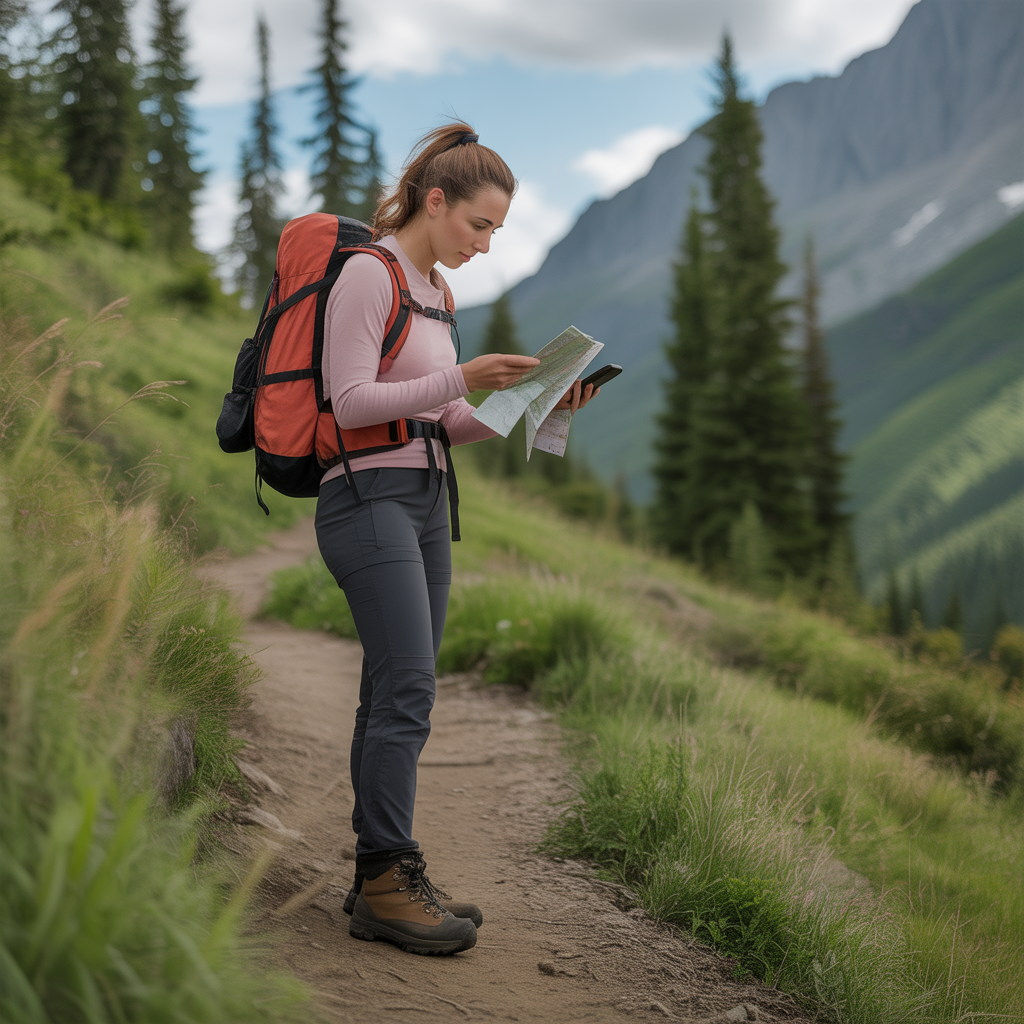
Gear cannot replace good judgment, but the right items can give you options in difficult situations. Carry a fully charged cell phone in a waterproof case or bag, even if the trail has limited service – you may get signal at higher elevations or ridge lines. Bring a whistle attached to your pack strap. Three short whistle blasts is the universal distress signal, and a whistle carries much farther than your voice. Download offline maps of your trail before you leave home so you can navigate even without service.
Personal safety devices are a personal choice. Some women carry pepper spray or bear spray, which can be effective deterrents for both wildlife and humans. If you choose to carry spray, make sure it is easily accessible – not buried in your pack – and practice using the safety mechanism at home so you are not fumbling with it under stress. Bear spray typically has a longer range than pepper spray and is legal in more areas, but check local regulations before carrying any deterrent. Other hikers carry personal alarms that emit loud, attention-drawing sounds when activated.
Beyond safety-specific items, basic hiking preparedness is critical. Bring more water than you think you will need, snacks, a basic first aid kit, a headlamp or flashlight even on day hikes, and layers for changing weather. Wear hiking boots or trail shoes with good traction to reduce your risk of falls and ankle injuries. Injuries are far more common than human threats on the trail, and being able to handle a twisted ankle or unexpected weather delay can be the difference between a manageable situation and a genuine emergency.
Practice Situational Awareness Without Paranoia
Staying aware of your surroundings does not mean hiking in a constant state of fear. It means paying attention to who is around you, noticing changes in the environment, and staying present instead of tuning out. Leave one earbud out if you listen to music or podcasts, or skip the headphones entirely on solo hikes. You need to hear approaching footsteps, mountain bikers, wildlife, and other trail users.
Make a mental note of other hikers you pass. If you see the same person multiple times in a short span, especially if they seem to be lingering or doubling back, trust that observation and adjust your plans. Hike at a steady pace and stay on the main trail. Avoid taking breaks in isolated or hidden spots – rest at trail junctions, viewpoints, or anywhere with visibility in multiple directions. If you need to stop for a snack or water, position yourself so you can see the trail in both directions.
Be aware of wildlife patterns as well. Most wildlife encounters happen because humans surprise animals, especially in dense brush or near water sources. Make noise as you hike – talk to yourself, sing, clap your hands periodically. This is particularly important in bear country or areas with mountain lions. Most animals will move away from human noise long before you see them. If you do encounter wildlife, stay calm, do not run, make yourself large, and back away slowly. Carry bear spray in grizzly country and know how to use it.
Build Confidence Gradually and Know Your Limits
You do not need to tackle a 10-mile solo backcountry trek on your first attempt. Confidence comes from experience, and experience comes from starting small and building up. Begin with short, easy trails close to home. As you complete more solo hikes without incident, your comfort level will naturally expand. Pay attention to what feels manageable and what feels like too much. Some hikers find that certain trail types – forested paths versus exposed ridges, for example – feel safer or more comfortable. There is no wrong answer. Hike the trails that make you feel strong, not anxious.
Consider joining group hikes or hiking meetups occasionally to learn from other hikers, scout new trails in a group setting, and build a network of hiking contacts. Many cities have women-specific hiking groups or outdoor clubs that organize regular outings. These groups can be a great way to explore new areas, gain skills, and meet potential future hiking partners. Solo hiking does not mean you have to do everything alone all the time – it means you have the option and the skills to hike independently when you choose to.
Frequently Asked Questions
Is it safe for a woman to hike alone?
Yes, it is safe for a woman to hike alone when you take appropriate precautions. The vast majority of solo hikes are uneventful, and statistically, you are far more likely to be injured in a car accident on the way to the trailhead than to encounter violence on the trail. That said, smart planning matters. Stick to popular trails during busy times, tell someone your exact plans, trust your instincts, and carry basic safety gear. Thousands of women hike solo every single day without incident. The key is balancing awareness with confidence, and understanding that while risks exist, they are manageable with preparation and good judgment.
What should I do if I feel like someone is following me on a trail?
If you feel like someone is following you, trust that instinct and act immediately. First, verify the situation by stepping off the trail at a visible spot and letting the person pass. If they stop or linger instead of passing, that confirms your concern. At that point, turn around and hike back toward the trailhead or toward other hikers. Do not worry about finishing your hike – your safety is more important. If the person continues following, get loud. Yell “stop following me” or “leave me alone.” This draws attention and signals to other hikers that something is wrong. Most people with bad intentions will back off when confronted publicly. If you feel in immediate danger, call 911 if you have cell service, use your whistle to signal distress, and move toward other people as quickly as possible.
Should I tell people I am hiking alone?
No, do not tell strangers on the trail that you are hiking alone. If someone asks whether you are solo, it is completely acceptable to lie for your safety. Say your friend or partner is just behind you, or that you are meeting someone up ahead. You do not owe anyone an honest answer to that question. However, you absolutely should tell a trusted friend or family member that you are hiking alone and share your exact plans with them. The goal is to keep people who care about you informed while keeping strangers unaware of your solo status. This is not about being paranoid – it is about controlling information in a way that protects you.
What is the best self-defense tool to carry while hiking alone?
The best self-defense tool depends on your comfort level, local laws, and the specific threats in your area. Bear spray is one of the most effective options for both wildlife and human threats. It has a longer range than pepper spray, is legal in most hiking areas, and does not require precision to be effective. Keep it accessible on your hip belt or chest strap, not buried in your pack. A whistle is another essential tool – three sharp blasts is the universal distress signal and can alert other hikers from a significant distance. Some women carry personal alarms that emit loud, piercing sounds when activated. Whatever tool you choose, practice using it at home so you are not figuring it out in a high-stress moment. Remember that your best defense is awareness, trusting your instincts, and avoiding situations that feel wrong in the first place.
How do I deal with anxiety about hiking alone as a woman?
Anxiety about solo hiking is normal, especially when you are starting out. The best way to manage it is through preparation and gradual exposure. Start with very short hikes on popular trails during busy times. As you complete hikes without incident, your confidence will build and your anxiety will decrease. Prepare thoroughly before each hike – research the trail, check recent reports, tell someone your plans, and pack the right gear including a small daypack with essentials. Knowledge reduces fear. Practice basic skills like reading trail maps, using a compass or GPS, and handling minor first aid situations. The more competent you feel, the less anxious you will be. Consider learning how to read topographic maps to build navigation confidence before heading out solo. If your anxiety remains overwhelming even on easy trails, consider starting with group hikes or bringing a friend until you feel more comfortable. There is no deadline for going solo, and it is okay to take as much time as you need to build confidence.
The Bottom Line
Learning how to hike safely alone as a woman is not about eliminating every possible risk – that would mean never leaving your house. It is about understanding the real risks, preparing for them intelligently, and refusing to let fear steal the joy and freedom that solo hiking offers. You deserve to experience the quiet of an empty trail, the satisfaction of navigating on your own, and the confidence that comes from relying on yourself in the outdoors.
Start small and build from there. Pick a popular 3-mile trail on a Saturday morning. Tell a friend exactly where you will be. Bring water, snacks, a charged phone, and a whistle. Pay attention to your surroundings and to your gut feelings. When you finish that first hike, you will realize that you are far more capable than your fears suggested. Then do it again. Each solo hike builds on the last, and before long, the trails that once seemed intimidating will feel like home. The outdoors does not belong only to people who hike in groups or who never feel afraid. It belongs to you too, and you have every right to explore it on your own terms.
Disclosure: As an Amazon Associate, we earn from qualifying purchases. This does not affect our editorial recommendations.