
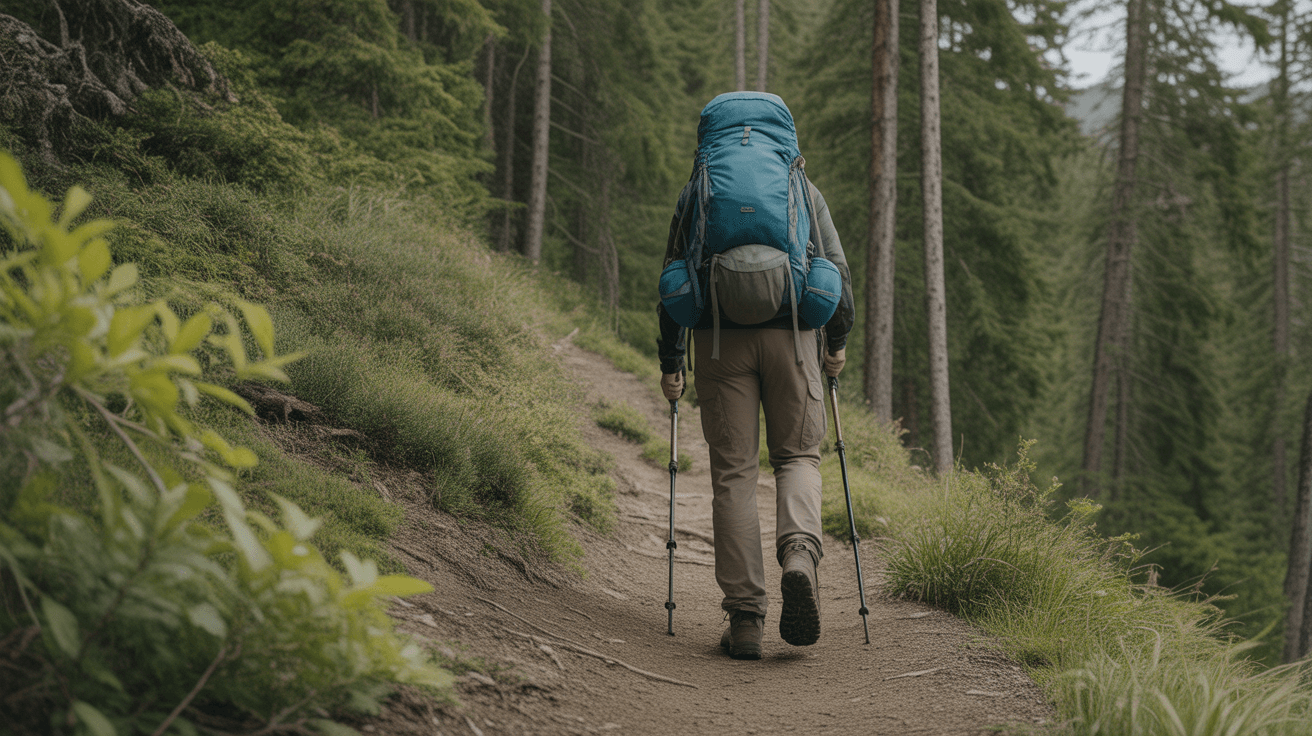
You have probably heard hikers mention Leave No Trace, seen it on trailhead signs, or read about it in trail guides. But what does it actually mean when you are standing on a trail trying to figure out where to take a break or what to do with your orange peels? The seven Leave No Trace principles can sound abstract or even intimidating at first, especially if you are newer to hiking and worried about doing something wrong.
The good news is that Leave No Trace is not a list of rules designed to catch you making mistakes. It is a practical framework that helps all of us protect the trails we love while still enjoying them fully. This guide breaks down each of the seven principles in plain language, explains what they look like in real hiking situations, and gives you the confidence to make good decisions on any trail.
What to Look For
Plan Ahead and Prepare
This principle sounds obvious, but it goes deeper than just checking the weather. Planning ahead means understanding the regulations for the area you are hiking, knowing what facilities exist (or do not exist) at the trailhead and along the route, and bringing the right gear to handle your waste and emergencies without relying on the landscape to bail you out.
In practice, this means checking if the trail requires permits, if dogs are allowed, and what the parking situation looks like before you leave home. It also means bringing enough water so you are not desperately filtering from a questionable source, packing layers so you are not cutting branches to stay warm, and carrying a headlamp so you are not stumbling around after dark damaging vegetation. If you are hiking with a dog, bring a dog water bottle and waste bags designed for trail use.
Preparation also includes knowing your own limits. Choosing a trail that matches your fitness level means you are less likely to take shortcuts that damage vegetation or need rescue assistance that puts others at risk. Before heading out, consider investing in proper hiking boots for beginners to ensure comfort and stability on varied terrain.
Travel and Camp on Durable Surfaces
This principle protects vegetation, soil, and fragile ecosystems from damage caused by foot traffic and camping. Durable surfaces include established trails, rock, gravel, dry grasses, and snow. The goal is to concentrate your impact in places already designed to handle it, rather than spreading damage to untouched areas.
On the trail, this means staying on the path even when it is muddy, rocky, or puddle-filled. Walking around obstacles or cutting switchbacks creates new trails that cause erosion and widen the scar on the landscape. Yes, your boots might get muddy. That is what they are for. If the trail is truly impassable due to flooding or hazards, turn around rather than blazing a new route.
When you stop for a break, choose a spot that is already impacted-a rock outcrop, a dirt clearing, an established rest area-rather than sitting in the middle of wildflowers or soft vegetation. If you are camping overnight, use designated campsites whenever they exist. In areas without designated sites, camp at least 200 feet from water sources, choose bare ground or gravel, and avoid places that look untouched. The idea is that your presence should not create a new campsite for others to follow.
Dispose of Waste Properly
This is the principle most hikers think about first, and for good reason. Waste includes everything from food scraps to toilet paper to dog poop, and all of it needs to be managed responsibly.
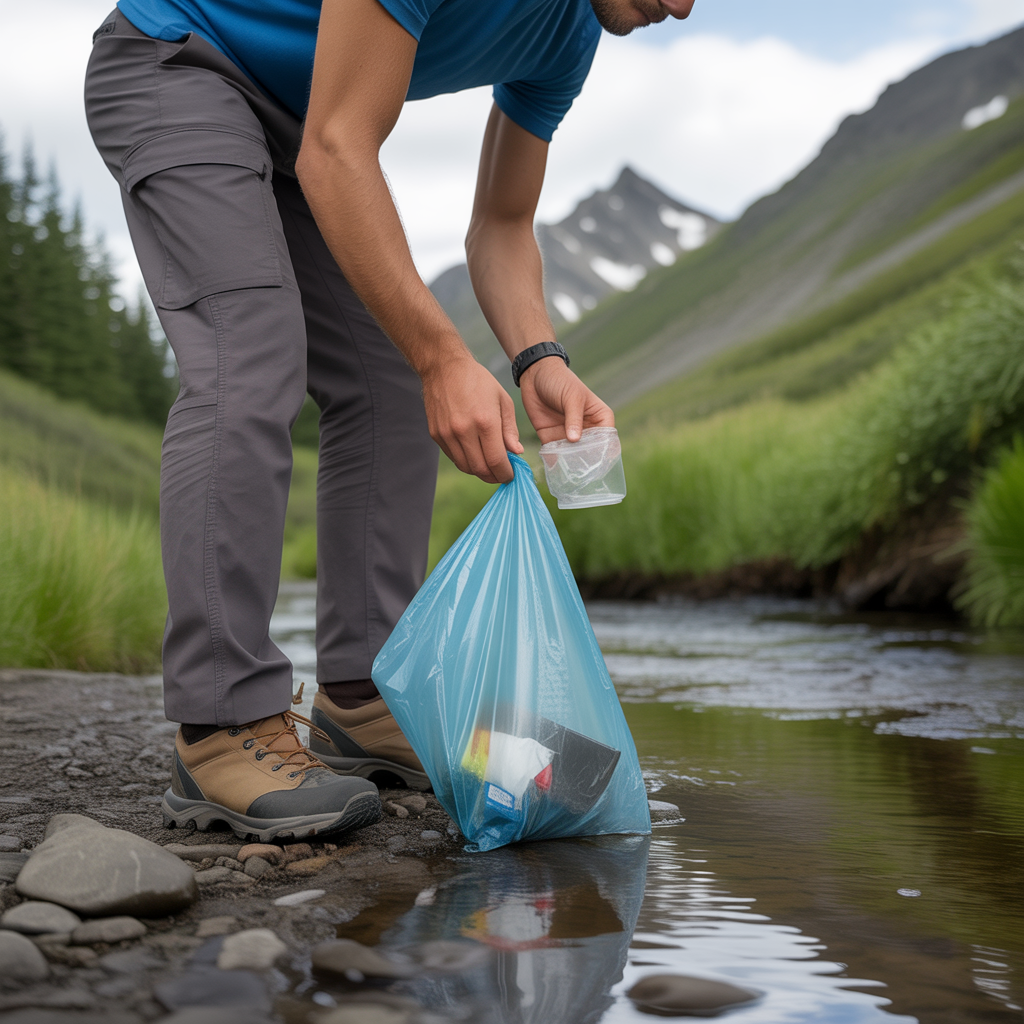
Pack it in, pack it out is the foundation of waste disposal. If you carried it onto the trail as food or packaging, carry it back out as trash. This includes apple cores, orange peels, banana peels, and nut shells-all the things people assume will biodegrade quickly. In many ecosystems, food waste takes months or years to break down, attracts wildlife, and introduces seeds and nutrients that do not belong there. Bring a small trash bag or use a side pocket in your daypack to store wrappers and scraps until you reach a trailhead bin or your home trash.
Human waste requires a bit more thought. In areas with vault toilets or restrooms, use them even if they are not pleasant. On trails without facilities, solid waste should be buried in a cat hole: dig a hole six to eight inches deep, at least 200 feet from water sources and trails, do your business, and cover it completely. Pack out toilet paper in a sealed bag-it does not decompose as fast as you think, and animals dig it up. Some high-use areas now require hikers to pack out all solid waste using WAG bags (waste alleviation and gelling bags), so check regulations before you go.
If you hike with a dog, bring bags and pack out their waste just as you would in a city park. Leaving dog waste on the trail or flinging bagged waste into the woods is not acceptable. Carry what you need in a dog backpack to make waste management easier on longer hikes.
Leave What You Find
This principle is about preserving the experience for other hikers and protecting cultural and natural resources. It means leaving rocks, plants, artifacts, and natural objects where you find them so others can enjoy them too.
In practical terms, do not pick wildflowers, carve initials into trees, move rocks to build cairns in non-alpine areas, or take home antlers, fossils, or interesting stones as souvenirs. It is tempting to bring home a beautiful rock or pinecone, but if every hiker did that, the landscape would be stripped bare. Take photos instead.
This also applies to cultural and historical artifacts. If you encounter old cabins, mining equipment, petroglyphs, or arrowheads, look but do not touch or remove them. These items are protected by law in many areas, and moving them destroys valuable archaeological and historical context.
Leaving what you find also means not altering campsites or rest areas. Do not dig trenches, build furniture from branches, or hammer nails into trees. Leave the site as close to how you found it as possible.
Minimize Campfire Impacts
Campfires have a romantic appeal, but they also scar the land, consume wood that provides habitat and nutrients, and increase wildfire risk. This principle asks hikers to minimize fire impacts and, when possible, skip fires altogether in favor of camp stoves.
If fires are allowed and you choose to have one, use established fire rings in designated campsites. Never build a new fire ring or move rocks to create one. Keep fires small, burn only small sticks that you can break by hand (never saw or chop branches), and burn wood completely to ash. Never leave a fire unattended, and ensure it is completely dead and cold before leaving-drown it with water, stir the ashes, and check with your hand.
In many areas, fires are prohibited due to wildfire risk, resource protection, or overuse. Check regulations before your trip and bring a lightweight camp stove if you need to cook. Stoves are more efficient, easier to control, and have zero landscape impact.
Respect Wildlife
Wildlife observation is one of the joys of hiking, but it comes with responsibility. This principle is about keeping animals wild, safe, and undisturbed by human presence.
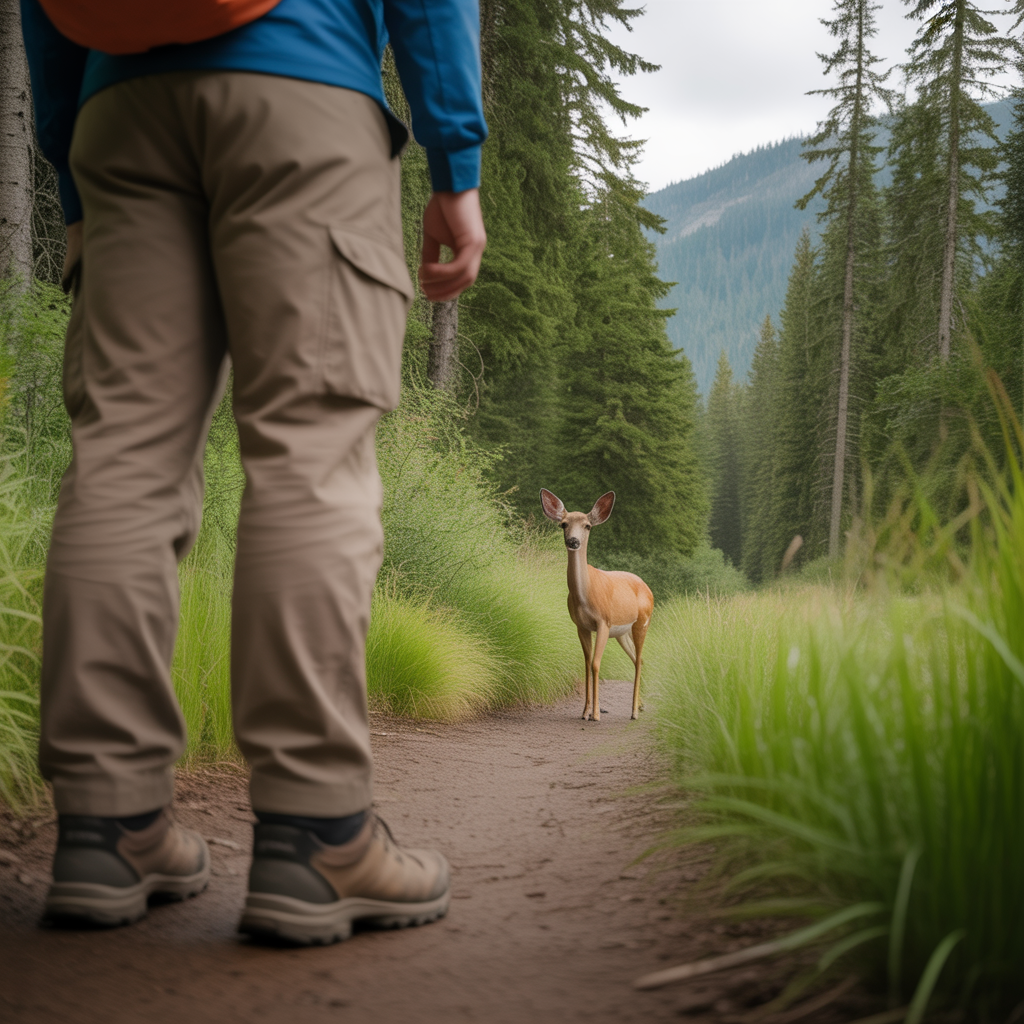
Observe animals from a distance-if your presence causes an animal to change its behavior, move away, or flee, you are too close. Never feed wildlife, even chipmunks or birds. Animals that become habituated to human food lose their natural foraging skills, become aggressive, and often have to be killed by wildlife managers. Secure your food in your pack or bear canister, and do not leave crumbs or scraps behind.
If you hike with a dog, keep them on leash unless you are in a designated off-leash area and your dog has solid recall. Even friendly dogs can chase, stress, or injure wildlife. Make sure your dog is wearing a sturdy hiking leash that you can rely on in unexpected situations.
Avoid wildlife during sensitive times like nesting season, mating season, or winter when animals are conserving energy. Never touch, pick up, or attempt to help baby animals-their parents are usually nearby, and human scent can cause abandonment.
Be Considerate of Other Visitors
Trails are shared spaces, and this principle is about making sure everyone has a good experience. It covers everything from noise levels to trail etiquette to courtesy.
Keep noise to a reasonable level. Other hikers come to the trail for solitude, bird songs, and wind in the trees-not your Bluetooth speaker or loud conversation. If you want music, use earbuds and keep one ear open for safety. Speak at conversational volumes, and if you are in a group, avoid crowding the trail or shouting to people far ahead or behind.
Yield appropriately on the trail. Hikers going uphill have the right of way because it is harder for them to regain momentum. Bikers yield to hikers, and everyone yields to horses. Step to the downhill side of the trail when you yield, and greet other trail users with a friendly nod or hello.
Respect trail closures, private property, and other restrictions. Do not shortcut switchbacks or create social trails. If you bring a dog, keep them under control and pick up after them. If you are hiking in a group, travel single file on narrow trails and avoid blocking the path during breaks.
Be mindful of other visitors who may have different needs or abilities. If someone is moving slower, pass courteously and give them space. If someone is taking a photo, wait a moment or ask if they need you to pause. The goal is for everyone to feel welcome and safe on the trail.
Frequently Asked Questions
What happens if I accidentally break a Leave No Trace rule?
If you realize you have made a mistake, you can take steps to correct it. Leave No Trace is a set of guidelines, not laws with penalties (though some actions, like littering or damaging protected resources, can have legal consequences). If you realize you left trash, go back and pick it up. If you walked off trail, return to the path and avoid doing it again. If you fed a chipmunk, commit to not doing it in the future. The goal is progress, not perfection. Most hikers learn these principles over time, and the fact that you are reading this guide shows you care about doing better. Share what you learn with others, and model good behavior on future hikes.
Do Leave No Trace principles apply to popular day hikes or just backcountry camping?
Leave No Trace principles apply everywhere outdoors-popular day hikes, urban trails, state parks, national forests, and remote backcountry areas. In fact, high-traffic day hikes often need Leave No Trace practices even more because the cumulative impact of thousands of weekly visitors adds up quickly. Staying on trail, packing out trash, and respecting wildlife matter just as much on a two-mile loop near the city as they do on a multi-day backpacking trip. The principles scale to the situation, but the core ideas remain the same no matter where you hike.
Can I bury food scraps like orange peels instead of packing them out?
No, do not bury food scraps. While it might seem like organic waste will decompose quickly, most food takes much longer to break down than people expect, especially in cold or dry climates. Buried food attracts animals, teaches them to dig for human food, and introduces non-native seeds and nutrients into the ecosystem. Animals that eat citrus peels, banana peels, or apple cores can get sick, and even small amounts of food waste add up when thousands of hikers visit the same trail. Pack out everything you pack in, including all food scraps, no matter how natural they seem.
Is it okay to move rocks to make a more comfortable place to sit?
It depends on the situation, but generally you should avoid moving rocks unnecessarily. Small shifts to create a flat seat on an already impacted rock surface are usually fine, but moving rocks to build structures, create new seating areas in pristine locations, or construct cairns (except in alpine navigation situations) goes against Leave No Trace principles. Rocks provide habitat for insects, lizards, and small mammals, and moving them can destroy those microhabitats. Additionally, building unauthorized cairns confuses navigation and encourages others to build more, which degrades the landscape. If you need to adjust a rock slightly for comfort on an established rest spot, that is reasonable, but avoid making permanent changes to natural areas.
What should I do if I see someone else violating Leave No Trace principles?
Approach the situation with empathy and education rather than confrontation. Many people violate Leave No Trace principles because they do not know better, not because they do not care. If you feel comfortable, politely share information in a friendly tone. For example, if you see someone about to leave trash, you might say something like, “Hey, just so you know, we are all packing out trash on this trail-do you need an extra bag?” If the situation feels unsafe or the person is hostile, do not engage. Instead, report serious violations like vandalism, wildlife harassment, or illegal campfires to park rangers or land managers. Focus on leading by example and educating people who seem receptive rather than policing every behavior you see.
The Bottom Line
Leave No Trace principles are not about making hiking stressful or rule-bound. They are about making thoughtful decisions that protect the places we love so they remain beautiful, wild, and accessible for everyone. Whether you are taking your first hike or your hundredth, these seven principles give you a framework for minimizing your impact and being a responsible trail user.
If you are new to hiking, start by focusing on the basics: stay on the trail, pack out everything you bring in, and keep your distance from wildlife. As you gain experience, the principles will become second nature, and you will start noticing opportunities to make even better choices. If you are hiking with kids, teach them these principles early so they grow up understanding that outdoor spaces require care and respect. If you are hiking with a dog, plan ahead with the right gear and waste management tools to ensure your pup is a good trail citizen.
The trails we hike today are shaped by the decisions of everyone who came before us, and the trails of tomorrow will be shaped by the decisions we make now. By following Leave No Trace principles, you are contributing to a culture of stewardship that keeps wild places wild and ensures that future hikers can experience the same beauty, solitude, and adventure that you are enjoying today. Get out there, make good choices, and enjoy the trail.
Disclosure: As an Amazon Associate, we earn from qualifying purchases. This does not affect our editorial recommendations.