
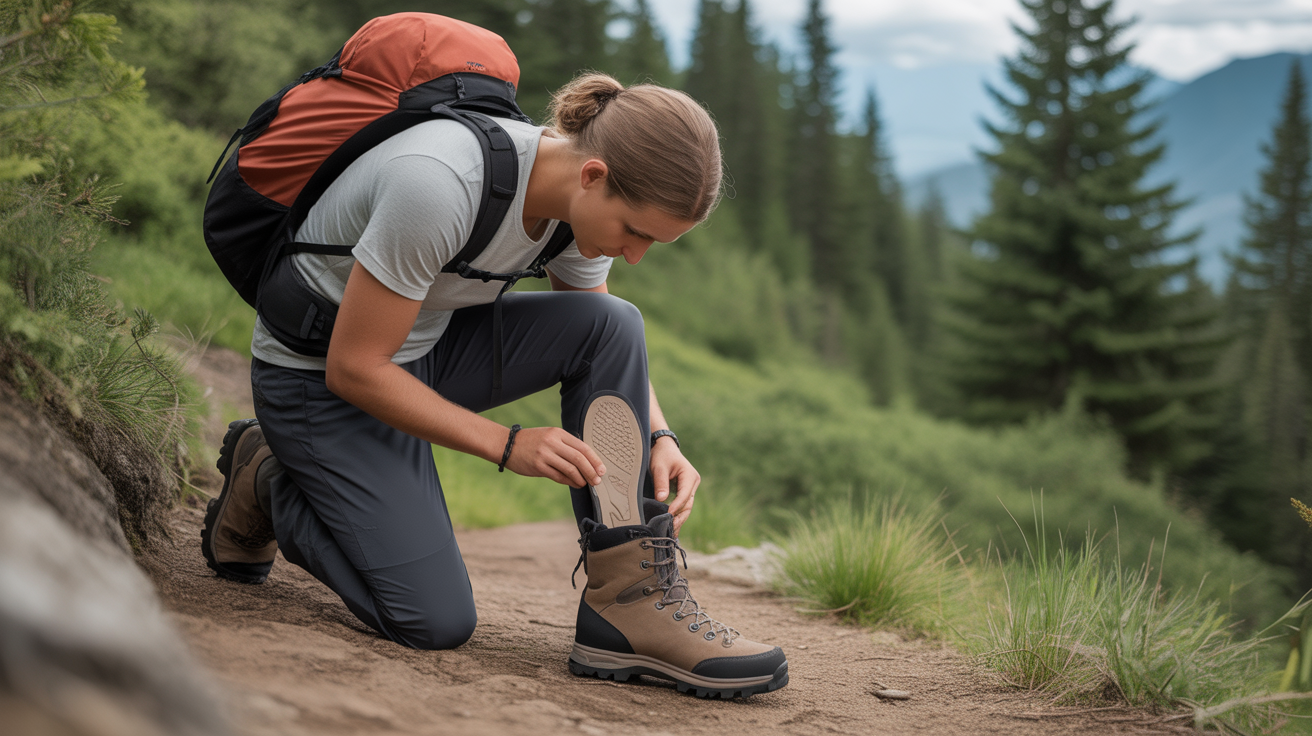
If your feet ache after every hike despite investing in quality boots, you are not alone. Many hikers discover that stock insoles lack the arch support and cushioning needed for miles on uneven terrain. The factory inserts that come with most hiking footwear are designed for average feet and basic use, not the demands of rocky switchbacks (steep zigzag trail sections) or full-day adventures with a loaded pack.
Upgrading to aftermarket hiking insoles can change your trail experience in meaningful ways. The right insole provides targeted arch support, distributes pressure across your foot, and absorbs the repetitive impact of descents. This guide examines the best hiking shoe insoles available today, focusing on options that address common concerns for hikers dealing with sore feet and inadequate support from factory inserts.
What to Look For
Arch Support Height and Type
Arch support is the most critical factor when choosing hiking insoles. Your arch type determines which insole will feel most comfortable and provide proper biomechanical support. High arches need substantial support to prevent the arch from collapsing under load, while medium arches benefit from moderate contouring. Some insoles offer semi-rigid support (firm materials that resist bending) through materials like carbon fiber or firm foam, while others use softer cushioning that molds to your foot shape over time. Consider that your arch needs may differ between day hikes with a light pack and backpacking trips with 30-plus pounds on your back.
Cushioning and Shock Absorption
Hiking generates significant impact forces, especially during descents when your full body weight plus pack load drives down with each step. Quality hiking insoles use various cushioning technologies including gel pads, memory foam, and specialty foams designed for shock absorption. The placement of cushioning matters as much as the amount—heel cushioning helps with initial impact, while forefoot padding (cushioning under the ball of your foot) reduces fatigue during push-off (when your toes press down to propel you forward). Keep in mind that excessive cushioning can reduce stability on technical terrain, so balance is important. Thicker cushioning also takes up more room in your boot, which may affect fit.
Material Durability and Climate Performance
Hiking insoles face harsh conditions including moisture from sweat, stream crossings, and rain, plus the mechanical stress of miles on abrasive terrain. Durability depends heavily on material choice. Foam-based insoles compress over time and typically show noticeable wear after a season of regular hiking. More rigid materials with reinforced structures generally last longer but may feel less forgiving initially. Climate considerations include breathability for hot weather hiking and moisture-wicking properties to manage sweat. Some insoles feature antimicrobial treatments to reduce odor, though effectiveness varies significantly between products.
Volume and Boot Fit Compatibility
Insole volume (how much space the insole occupies in your boot) directly affects fit and comfort. Higher-volume insoles with substantial arch support and cushioning may make boots feel tighter, potentially causing pressure points or reduced circulation. Most hiking insoles are designed as full-length replacements for factory inserts, but thickness varies considerably. Before purchasing, remove your current insole and measure its thickness. If your boots already fit snugly, choose a lower-volume option. Some insoles are trimmable (able to be cut to size), allowing you to customize the fit to your specific boot dimensions.
Break-In Period and Adjustment
Many supportive hiking insoles require a break-in period as your feet adapt to the new support structure. This is particularly true for insoles with firm arch support or semi-rigid materials. Start by wearing new insoles for short walks before committing to a full-day hike. Your feet may feel fatigued at first as muscles adjust to different support patterns—this is normal and typically resolves within a week or two of regular use. If you experience sharp pain or significant discomfort after the initial adjustment period, the insole may not match your foot structure and you should consider a different option.
Activity-Specific Design Considerations
While many insoles market themselves as multipurpose, hiking-specific designs offer features tailored to trail demands. Look for deeper heel cups (contoured shapes that cradle your heel) that provide stability on uneven ground, and textured top surfaces that reduce foot slippage inside your boot during steep descents. Some hiking insoles incorporate anti-slip materials on the bottom surface to prevent the insole itself from shifting inside your footwear. If you hike in boots rather than trail runners, ensure the insole provides adequate structure for the additional ankle support and weight that boots provide.
Our Top Picks
1. Superfeet Hike Support Insoles
Best for hikers with high arches needing firm, structured support on long trails

The Superfeet Hike Support insoles represent a serious upgrade for hikers dealing with foot fatigue and inadequate arch support from factory boot inserts. These insoles feature high arch support specifically engineered for the demands of hiking on varied terrain. What sets them apart is a structured design that provides support without excessive rigidity—you get the stability you need while maintaining natural foot flexibility during the walking cycle.
The deep heel cup design is particularly effective for stability on uneven ground. When you are navigating rocky sections or steep descents, this feature helps keep your foot properly positioned inside your boot, reducing the energy wasted on constant micro-adjustments. The insoles also provide cushioning where it matters most, though they prioritize support over plush softness. This is appropriate for hiking where too much cushion can actually reduce your ability to feel the ground and react to terrain changes.
One important consideration is fit. These are relatively high-volume insoles, meaning they take up more space inside your boot than minimalist options. If your hiking boots currently fit snugly, you may need to size up or accept a tighter fit. The insoles are trimmable to match your boot dimensions, but the thickness remains constant. Many users mention needing a few days to adjust to the firm arch support, especially if transitioning from softer factory inserts. Most hikers find the adaptation worthwhile once their feet become accustomed to the structured support profile.
Pros
- High arch support with structured design provides excellent stability for long hikes
- Deep heel cup enhances foot positioning on uneven terrain and steep descents
- Durable construction with many users reporting extended use across multiple seasons
- Targeted cushioning balances shock absorption with ground feel
Cons
- Higher volume design may require boot sizing adjustments for proper fit
- Firm arch support requires adaptation period that can feel uncomfortable initially
- Higher price point compared to basic cushioning insoles
2. Dr. Scholl’s Heavy Duty Support Insoles
Best budget option for larger hikers needing reliable arch support without premium cost
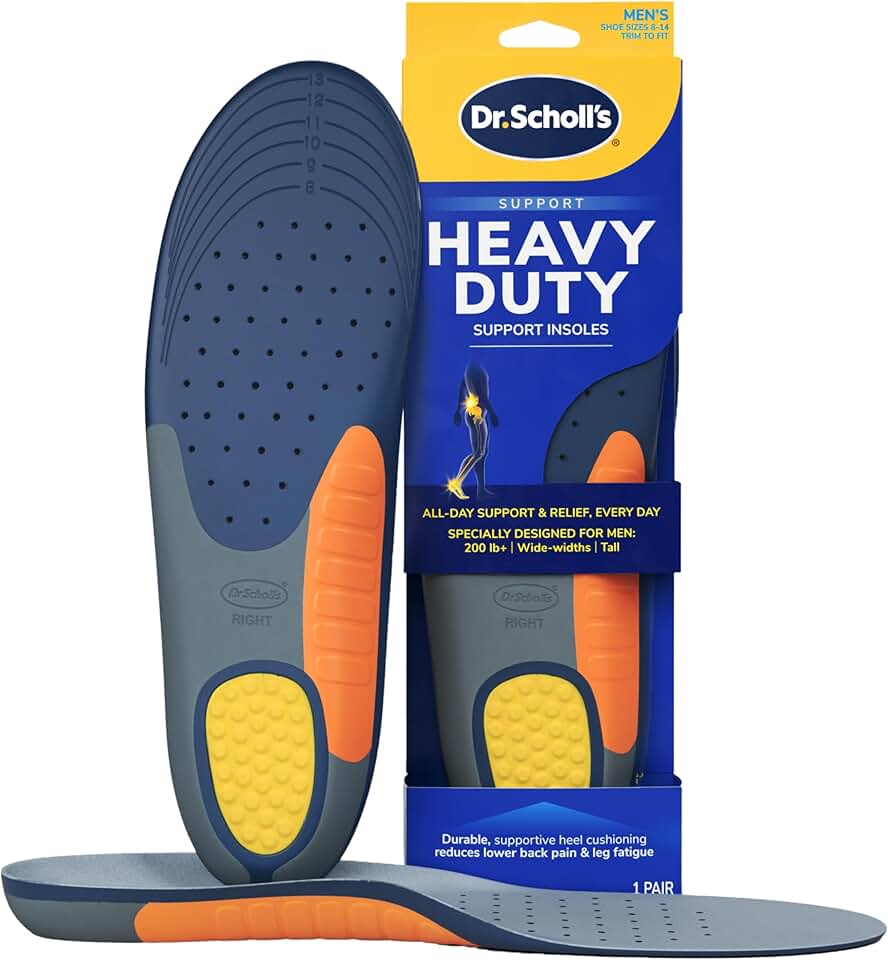
The Dr. Scholl’s Heavy Duty Support insoles deliver solid performance at a fraction of the cost of specialty hiking insoles. Designed for individuals over 200 pounds, these insoles provide reinforced arch support and shock absorption suitable for hiking with a loaded pack. The arch support is not as aggressive as dedicated high-arch options, but it offers meaningful improvement over stock boot inserts for most foot types. The design distributes weight and pressure more evenly across your foot, which becomes noticeably beneficial after several miles on the trail.
Shock absorption is a key strength of this product. The insoles feature cushioning throughout the footbed with enhanced padding in the heel strike zone (where your heel first contacts the ground). During descents, when impact forces are highest, this cushioning helps reduce the jarring sensation that contributes to foot and knee fatigue. The insoles are also trimmable, allowing you to customize the fit to your specific boot shape. Just be aware that trimming too aggressively can compromise the structural integrity of the arch support, so follow the sizing guidelines carefully.
The main limitation is durability. At this price point, the insoles will compress with regular use on rough terrain, typically requiring replacement after a season of consistent hiking. For occasional day hikers or those testing whether aftermarket insoles make a difference before investing in higher-end options, this represents excellent value. The massive review count—over 86,000 customers—provides substantial feedback indicating these insoles work well for a broad range of users and activities beyond just hiking.
Pros
- Budget-friendly price makes quality arch support accessible for most hikers
- Reinforced design suitable for heavier individuals and loaded backpacking
- Effective shock absorption in heel area reduces impact fatigue on long descents
- Massive customer review base confirms broad compatibility and satisfaction
Cons
- Durability is limited compared to premium insoles with more robust materials
- Arch support is moderate rather than aggressive, may not suit very high arches
- Foam cushioning compresses over time requiring more frequent replacement
3. CURREX HikePro Insoles
Best for serious hikers wanting specialized insoles engineered specifically for hiking biomechanics
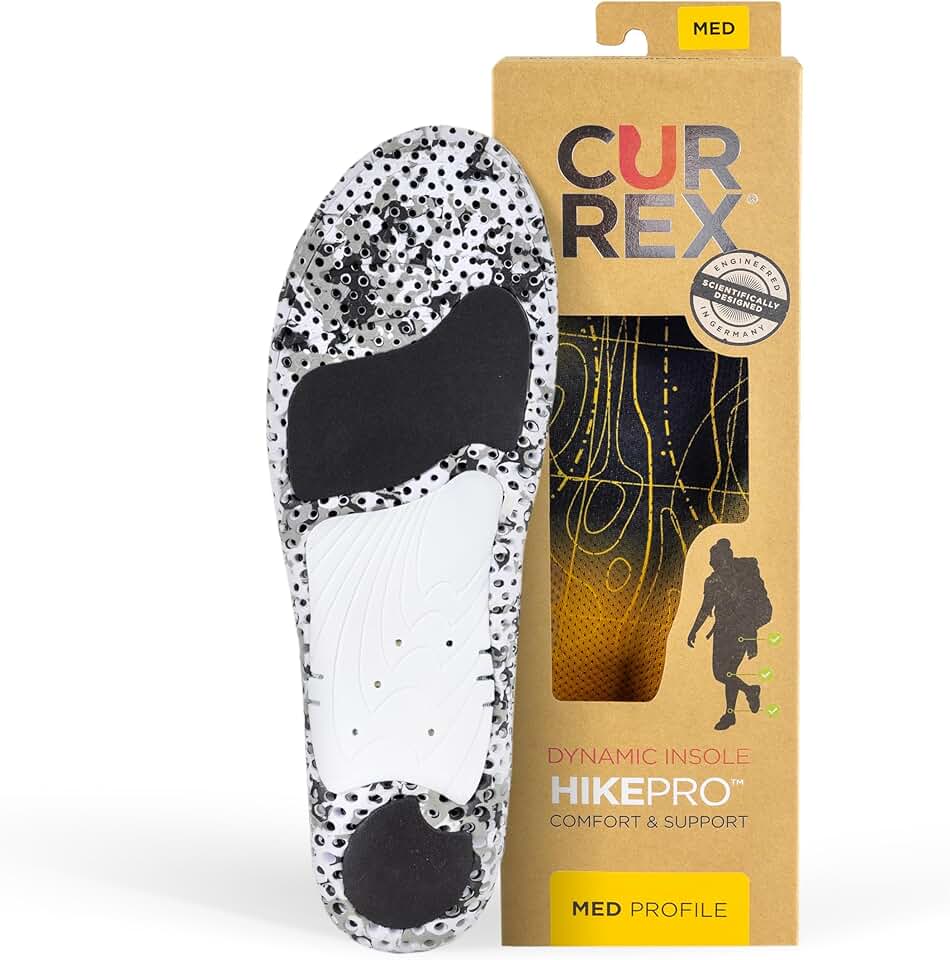
The CURREX HikePro insoles represent purpose-built design for hiking rather than generic athletic use adapted for trails. These insoles are available in different arch height options, allowing you to select the medium arch version or choose a different profile if you know your specific foot structure. The medium arch option reviewed here provides balanced support suitable for most hikers without extreme high or low arches. What distinguishes these insoles is the specialized design addressing foot movement inside boots during steep descents when your foot naturally slides forward.
The construction emphasizes shock absorption through strategic cushioning placement. Rather than uniform padding throughout, the insoles concentrate cushioning where impact forces are highest while maintaining a lower profile in areas where you need ground feedback. This design philosophy improves comfort without sacrificing the stability and control necessary for technical terrain. The insoles also feature an arch support system that works with your natural walking motion, providing support without the completely rigid feel of some alternatives.
Performance on extended hikes is where these insoles show their value. The specialized features become particularly noticeable when wearing a heavy pack on steep downhill sections. The main consideration is price—these insoles cost significantly more than budget options. For hikers who regularly spend full days on the trail or who tackle challenging terrain frequently, the investment may be worthwhile. Weekend warriors doing occasional moderate hikes might find excellent value in less expensive options that meet their more limited needs adequately. Note that with under 1,000 reviews, this product has less customer feedback than other options in this guide, though ratings remain strong.
Pros
- Hiking-specific design with features addressing foot stability on descents
- Available in multiple arch heights for better customization to individual foot structure
- Strategic cushioning placement balances shock absorption with ground feel
- Arch support system works with natural walking motion
Cons
- Premium price point may exceed budget for casual or occasional hikers
- Requires knowing your arch type to select the appropriate version
- Limited customer feedback compared to more established insole brands
4. Superfeet All-Purpose Support High Arch Insoles (Green)
Best for hikers with high arches who want a proven insole with extensive real-world feedback

The Superfeet Green insoles are a longtime favorite among outdoor enthusiasts, and the massive customer review count demonstrates their broad appeal. While marketed as all-purpose rather than hiking-specific, these insoles excel on trails due to their high arch support and durable construction. The high-profile arch provides substantial support for hikers whose arches tend to flatten under the repetitive stress of long distances or heavy pack loads. This support helps maintain proper foot positioning, which many users find beneficial during extended hikes.
The biomechanical shape is based on podiatric principles, which means the support structure aligns with how your foot naturally functions during walking. This can make the adaptation period shorter for many users compared to insoles with less anatomically-informed designs. The structured shape holds up remarkably well over time, with numerous users reporting extended use across multiple hiking seasons before noticeable compression occurs.
One consideration is that these are not as cushioned as some hiking-specific models. The focus is primarily on support and structure rather than plush comfort. For hikers prioritizing arch support and foot alignment over soft cushioning, this trade-off is appropriate. The insoles work well in hiking boots but are also compatible with trail runners and everyday shoes, making them versatile if you want insoles that can transfer between different footwear. The Green color designation simply refers to the high-arch model—Superfeet uses color coding across their product line to indicate different arch height options.
Pros
- High arch support backed by over 34,000 customer reviews confirming effectiveness
- Exceptional durability with many users reporting extended use across multiple seasons
- Structured design provides excellent stability on varied terrain
- Versatile design works well in hiking boots, trail runners, and everyday shoes
Cons
- Less cushioning than hiking-specific models may feel firm to some users
- High-volume design requires adequate boot space for proper fit
- Structured arch support requires adaptation period for some users
View Superfeet All-Purpose Support High Arch Insoles (Green) on Amazon →
5. SOF SOLE ATHLETE Performance Insoles
Best for hikers wanting balanced cushioning and support at a mid-range price

The SOF SOLE ATHLETE insoles offer a middle-ground option between budget basics and premium hiking-specific designs. These insoles combine gel and foam cushioning to provide shock absorption throughout the footbed. The gel components are distributed to target high-impact areas, helping to reduce the cumulative fatigue that builds over miles of walking, particularly on hard-packed trails or rocky terrain where your feet take a beating.
Arch support is moderate rather than aggressive, making these insoles suitable for hikers with neutral to medium arches who need some support but do not require the rigid structure of high-arch models. The insoles also feature moisture-wicking fabric on the top surface, which helps manage sweat during warm-weather hikes. This is a practical feature often overlooked in basic insoles but appreciated during summer trail days when wet feet can lead to blisters and discomfort. The combination of gel and foam creates a more cushioned feel compared to support-focused insoles, which some hikers prefer for comfort on moderate trails.
Durability falls between budget and premium options. The gel elements hold up well, but the foam components will compress with heavy use. These insoles deliver solid performance for a season of regular hiking before replacement becomes necessary. They work well for day hikers and weekend adventurers who want a noticeable upgrade from stock insoles without committing to the highest-priced options. The balance of cushioning, support, and price makes these a practical choice for hikers still determining their specific insole preferences and needs.
Pros
- Gel and foam combination provides effective shock absorption for varied terrain
- Moderate arch support suitable for neutral to medium arch foot types
- Moisture-wicking top fabric helps manage sweat on warm-weather hikes
- Mid-range pricing offers good value for regular day hikers
Cons
- Foam cushioning compresses over time requiring seasonal replacement
- Not ideal for hikers with high arches needing aggressive support
- Gel elements add weight compared to foam-only designs
How These Compare
Choosing the right hiking insole depends on your specific foot structure, hiking style, and budget. If you have high arches and regularly tackle challenging trails, the Superfeet Hike Support insoles provide the structured support and stability features that justify their premium price. The specialized design and construction make these particularly effective for technical terrain and multi-day trips with loaded packs. For similar high-arch support with the versatility to use in multiple shoe types beyond just hiking boots, the Superfeet All-Purpose Green insoles offer excellent value backed by over 34,000 customer reviews.
Budget-conscious hikers or those unsure whether aftermarket insoles will make a significant difference should start with the Dr. Scholl’s Heavy Duty Support insoles. At under fifteen dollars, these provide meaningful arch support and shock absorption improvements while you determine your specific needs. They work particularly well for heavier individuals or those carrying substantial pack weight. Once you understand what features matter most for your feet, you can potentially upgrade to more specialized options later.
For hikers who want purpose-built design specifically engineered for trail biomechanics, the CURREX HikePro insoles deliver hiking-specific features and specialized construction. These excel on steep descents and uneven terrain where foot stability inside your boot matters most. The requirement to select your specific arch height means more customization but also requires you to know your foot structure beforehand.
The SOF SOLE ATHLETE insoles occupy a practical middle ground—more cushioned and comfortable than rigid support-focused options, but more structured than basic foam pads. These work well for hikers with moderate support needs who prioritize comfort and shock absorption on less technical trails. The moisture-wicking feature also makes these a solid choice for warm-weather hiking where sweat management prevents blisters. Consider your typical hiking distance, terrain difficulty, and whether you prioritize support structure or cushioned comfort when making your final decision.
Frequently Asked Questions
How often should hiking insoles be replaced?
Replacement frequency depends on the insole quality, your hiking frequency, and terrain difficulty. Budget foam insoles typically show noticeable wear and reduced performance after a season of regular hiking on rough terrain. Premium insoles with more durable materials and structured support often maintain their shape and effectiveness across multiple hiking seasons before performance degrades noticeably. Signs that replacement is needed include visible compression of cushioning, loss of arch support height, and increased foot fatigue on hikes that previously felt comfortable. If you hike weekly on rough terrain, expect to replace insoles once or twice per year. Occasional hikers on moderate trails may get two or more years from quality insoles. Store insoles in a dry location between hikes to extend their lifespan, as moisture accelerates material breakdown.
Can I use the same insoles in hiking boots and trail running shoes?
You can use the same insoles in both hiking boots and trail runners, but fit and performance considerations differ between footwear types. Hiking boots typically have more internal volume, accommodating higher-profile insoles with substantial arch support and cushioning. Trail runners have tighter fits with less vertical space, meaning thick insoles may cause pressure points or make the shoes feel uncomfortably snug. If you want to share insoles between both types of footwear, choose a medium-volume option that provides support without excessive thickness. Keep in mind that removing the factory insole from trail runners often creates adequate space for aftermarket insoles, but test this carefully before committing to a long hike. Some hikers prefer different insole types for boots versus trail runners—more structured support in boots for stability with heavy packs, and lighter cushioning in trail runners for faster movement on easier terrain.
Do hiking insoles really help with foot pain?
Many hikers report finding aftermarket insoles more comfortable than factory inserts, particularly when foot discomfort stems from inadequate arch support, poor shock absorption, or foot positioning issues. Factory boot insoles are designed for average feet and basic use, not the specific demands of hiking with load on varied terrain. Aftermarket insoles with proper arch support help maintain foot structure under stress, which users often find beneficial for addressing arch discomfort, heel sensitivity, and the burning sensation across the bottom of the feet that develops on long hikes. Insoles with effective cushioning also absorb impact forces, which many hikers appreciate during descents and extended trail days. However, insoles cannot address all foot discomfort issues. If problems persist after trying quality insoles with appropriate support for your arch type, the issue may be boot fit, hiking technique, or a condition requiring professional evaluation. Insoles work best for addressing support-related concerns rather than as solutions for existing injuries or structural foot problems requiring medical attention.
What is the difference between arch support levels in hiking insoles?
Arch support levels refer to how much structure and lift the insole provides under your foot arch. Low arch support or neutral insoles offer minimal contouring, suitable for people with naturally flat feet or low arches who find aggressive support uncomfortable. Medium or moderate arch support provides balanced contouring that works for most hikers with average arch height—this is the most common and versatile option. High arch support features substantial structure that prevents arch flattening in people with pronounced arches, distributing pressure more evenly during hiking. Choosing the wrong support level causes problems—too much support under a low arch creates uncomfortable pressure points, while insufficient support under a high arch allows the arch to flatten, leading to discomfort and fatigue. If you are unsure of your arch type, perform a simple wet footprint test at home: wet your foot and step on a surface that shows your footprint clearly. A complete footprint indicates low arches, a moderate curve indicates medium arches, and a significant gap between heel and forefoot indicates high arches.
Can hiking insoles prevent blisters?
Hiking insoles contribute to blister prevention indirectly by reducing foot movement inside your boots and managing moisture, but they are not a complete solution on their own. Insoles with textured surfaces help keep your foot positioned properly, reducing the friction that causes blisters during long descents when your foot naturally slides forward. Proper arch support also helps minimize excessive foot motion and the resulting friction from feet rolling inward or outward with each step. Some insoles feature moisture-wicking fabrics that pull sweat away from your skin, keeping feet drier. Wet feet are significantly more prone to blistering because moisture softens skin and increases friction. However, insoles work best as part of a comprehensive blister prevention strategy that includes properly fitted boots with adequate room in the toe box, appropriate hiking socks without cotton content, and addressing hot spots immediately before they develop into full blisters. Simply adding insoles to poorly fitted boots or wearing cotton socks will not prevent blisters regardless of insole quality.
The Bottom Line
Upgrading your hiking boot insoles represents one of the most cost-effective ways to improve trail comfort and reduce foot fatigue. The products reviewed here address different needs and budgets, making quality arch support accessible whether you are investing in your first aftermarket insoles or replacing worn-out favorites. For hikers with high arches tackling challenging terrain regularly, the structured support of Superfeet Hike Support insoles or the all-purpose Superfeet Green model provides the stability that many users find beneficial on long days. The specialized features of CURREX HikePro insoles serve serious hikers who need hiking-specific design elements.
If you are new to aftermarket insoles or working within a tight budget, start with the Dr. Scholl’s Heavy Duty Support option to experience how proper arch support changes your hiking experience. This allows you to understand what features matter most to your feet before potentially investing in premium options later. The SOF SOLE ATHLETE insoles offer a balanced middle ground for hikers who want moderate support with enhanced cushioning at a reasonable price point.
Remember that the best insole for someone else may not be the best for your feet. Consider your arch type, typical hiking distance, terrain difficulty, and whether your boots have adequate internal volume for higher-profile insoles. Plan for an adaptation period with structured support insoles, starting with shorter hikes before committing to full-day adventures. With the right insoles supporting your feet, you can focus on enjoying the trail rather than managing discomfort mile after mile.
Disclosure: As an Amazon Associate, we earn from qualifying purchases. This does not affect our editorial recommendations.