
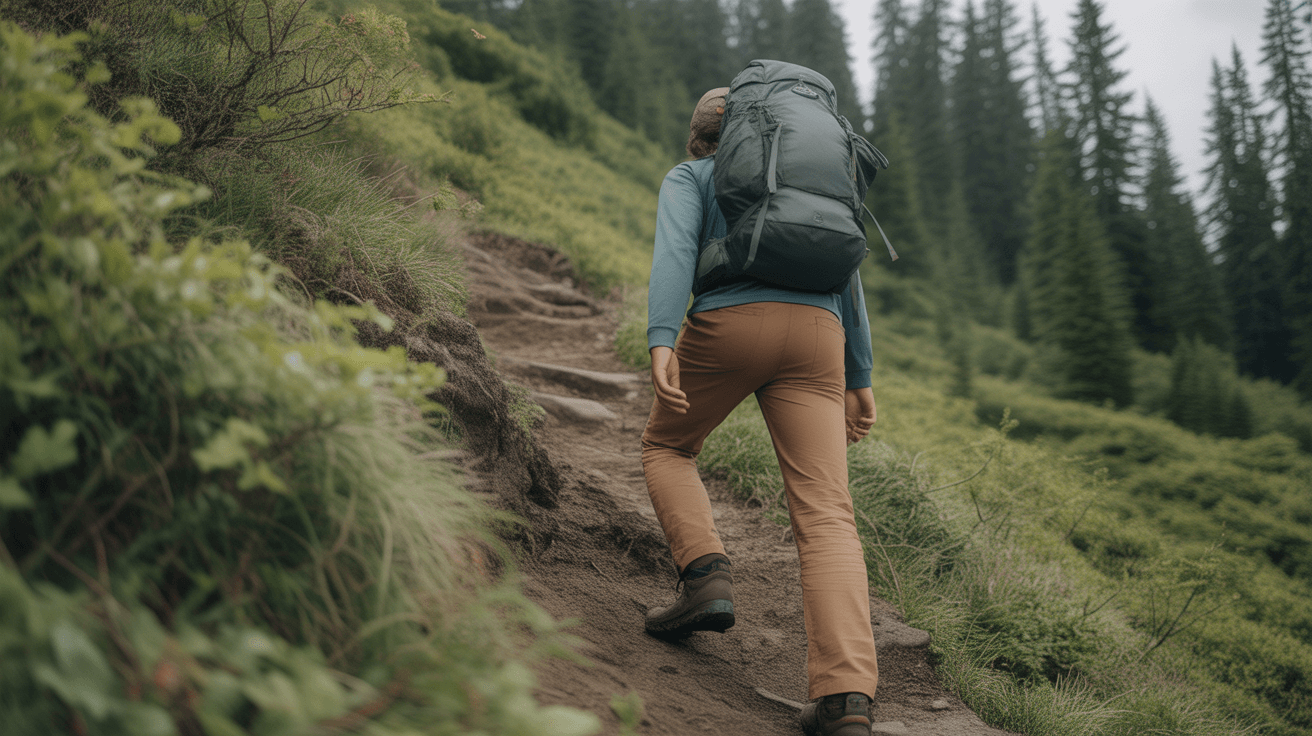
If you have ever finished a long downhill stretch with heavy, aching legs, you know that feeling of wondering whether your body can handle another mile. That leg fatigue on descents is not just discomfort – it is your muscles working overtime to control your speed and absorb impact with every step. Hiking compression socks are designed to provide graduated pressure from ankle to calf, and many hikers find them helpful for managing that end-of-day heaviness.
Finding the right pair means understanding what compression actually does on the trail, how much pressure you need, and which features matter most when you are covering miles in varied terrain. This guide reviews compression socks built specifically for hiking performance, with honest assessments of what works, what does not, and how to choose the pair that matches your trail habits and comfort needs.
What to Look For
Understanding Compression Levels for Hiking
Compression socks use graduated pressure measured in millimeters of mercury (mmHg, a standard unit for measuring pressure), with tighter compression at the ankle that gradually decreases up the calf. For hiking, most people find 15-20 mmHg or 20-30 mmHg effective. The 15-20 mmHg range offers moderate support suitable for day hikes and general trail use, while 20-30 mmHg provides firmer compression often preferred for long descents, extended mileage, or when carrying heavier packs. Higher compression is not automatically better – too much pressure can feel restrictive and uncomfortable during active movement. If you are new to compression socks, starting with the 15-20 mmHg range lets you gauge how your legs respond before committing to firmer pressure.
Crew vs Over-the-Calf Length
Compression socks for hiking typically come in crew length (mid-calf) or over-the-calf (knee-high) styles. Crew socks cover the main calf muscle and work well for most day hiking situations, especially in warmer weather when you want less fabric on your legs. Over-the-calf socks provide compression coverage all the way to just below the knee, which some hikers prefer for maximum support on steep descents or when dealing with significant elevation change. The longer length also helps prevent sock slippage inside your boots during extended movement. Consider your typical trail conditions and personal comfort – if you run warm or hike in hot climates, crew length may feel less constricting, while cooler conditions and technical terrain may warrant the full coverage of over-the-calf styles.
Material Choices for Trail Conditions
The fabric blend in your compression socks directly affects moisture management, temperature regulation, and durability on the trail. Merino wool blends offer natural temperature regulation and odor resistance, making them versatile for varying weather and multi-day trips. Synthetic blends with materials like nylon, polyester, or Coolmax prioritize moisture-wicking speed and quick drying, which works well for hot weather hiking or high-output activities. Bamboo viscose provides soft, breathable comfort with natural antimicrobial properties. Many hiking-specific compression socks combine materials to balance performance features – a merino wool exterior for comfort with a synthetic core for structure and compression retention. Think about your typical hiking environment and whether moisture control, warmth, or breathability matters most for your comfort.
Cushioning and Targeted Support Zones
Hiking compression socks often include strategic cushioning in high-impact areas like the heel and ball of the foot, which adds comfort during long days without sacrificing the compression fit. Look for seamless toe construction or flat toe seams to prevent blisters during repetitive movement inside your boots. Many designs also feature arch support bands that work in combination with the compression to reduce foot fatigue. Some models include additional ankle stabilization or targeted padding along the Achilles tendon area. The right amount of cushioning depends on your footwear and personal preference – too much padding in a snug hiking boot can create uncomfortable pressure points, while too little may leave your feet feeling every rock and root on rough terrain.
Fit Considerations and Sizing
Compression socks must fit correctly to deliver effective graduated pressure – too loose and they provide minimal support, too tight and they restrict circulation or cause discomfort. Most brands size by shoe size, calf circumference, or both, so check sizing charts carefully before purchasing. The sock should feel snug without cutting into your skin or leaving deep marks after removal. Pay attention to the calf opening, which needs to stay in place during movement without rolling down or creating a tourniquet effect at the top. If you are between sizes, consider your leg shape and whether you want firmer or gentler compression. Some hikers find gender-specific sizing provides a better fit, while others do well with unisex options. Proper fit becomes especially important during long descents when your feet may swell – a sock that fits perfectly at the trailhead should still feel supportive, not restrictive, after miles of downhill travel.
Durability and Care for Long-Term Performance
Compression socks rely on elastic fibers to maintain their graduated pressure, and those fibers break down over time with wear and washing. Higher-quality construction with reinforced heels and toes extends the life of your socks, especially important given that compression styles typically cost more than standard hiking socks. Look for products that specify reinforced high-wear areas if you prioritize longevity. Proper care matters – washing in cold water and air drying helps preserve elasticity longer than hot water and machine drying. Most compression socks maintain effective pressure for 3-6 months of regular use before the compression begins to weaken noticeably. If you hike frequently, consider rotating between multiple pairs to extend their functional lifespan and always have a fresh pair ready for the trail.
Our Top Picks
1. FALKE Men’s TK1 Adventure Hiking Socks
Best for hikers seeking premium merino wool construction with moderate compression and quick-dry performance

The FALKE TK1 Adventure represents the high end of hiking-specific compression socks, built with merino wool in a crew length that covers the essential calf area without full knee-high coverage. With over 3,200 customer reviews averaging 4.7 stars, this sock has proven itself across diverse trail conditions and hiker preferences. The merino wool construction provides natural temperature regulation that works across seasons – warm enough for cool morning starts, breathable enough to prevent overheating on exposed ridgelines. FALKE emphasizes quick-dry properties in the product description, addressing one of the main concerns with wool socks on multi-day trips or humid climate hiking.
The compression level here falls into moderate territory, providing supportive pressure without the restrictive feel of medical-grade compression. This makes the TK1 Adventure versatile for hikers who want some leg support during descents but also need freedom of movement during varied terrain. The crew height hits mid-calf, offering coverage where most people feel fatigue first while staying cooler than full knee-high options. Customer feedback consistently mentions durability, with many reviewers noting these socks maintain their shape and compression through numerous wash cycles – an important consideration given the $30 price point for a single pair.
The stabilizing compression works well for hikers dealing with leg fatigue on longer outings, though the moderate level may not provide enough support for those specifically seeking maximum compression during steep descents or carrying heavy loads. The merino wool blend manages moisture effectively, but some reviewers mention these socks take longer to dry than fully synthetic options when washed on the trail. The price positions these as an investment piece rather than a multi-pack option, which may matter if you prefer rotating through several pairs or need backup socks. Overall, the FALKE TK1 combines trail-specific features with premium materials for hikers who prioritize quality construction and natural fiber performance. See current pricing for the FALKE Men’s TK1 Adventure Hiking Socks on Amazon.
Pros
- Premium merino wool provides natural temperature regulation and odor resistance across varying conditions
- Strong durability reputation with compression retention through extended use and washing
- Quick-dry properties address the typical weakness of wool socks for multi-day or humid hiking
- Extensive customer reviews (3,221) provide reliable feedback across diverse hiking situations
Cons
- $30 for a single pair makes these significantly more expensive than multi-pack alternatives
- Moderate compression may not provide enough support for hikers specifically seeking maximum pressure during steep descents
- Drying time still longer than fully synthetic options despite quick-dry design
2. MudGear Graduated Compression Socks
Best for hikers wanting maximum durability and graduated compression specifically designed for demanding outdoor activities
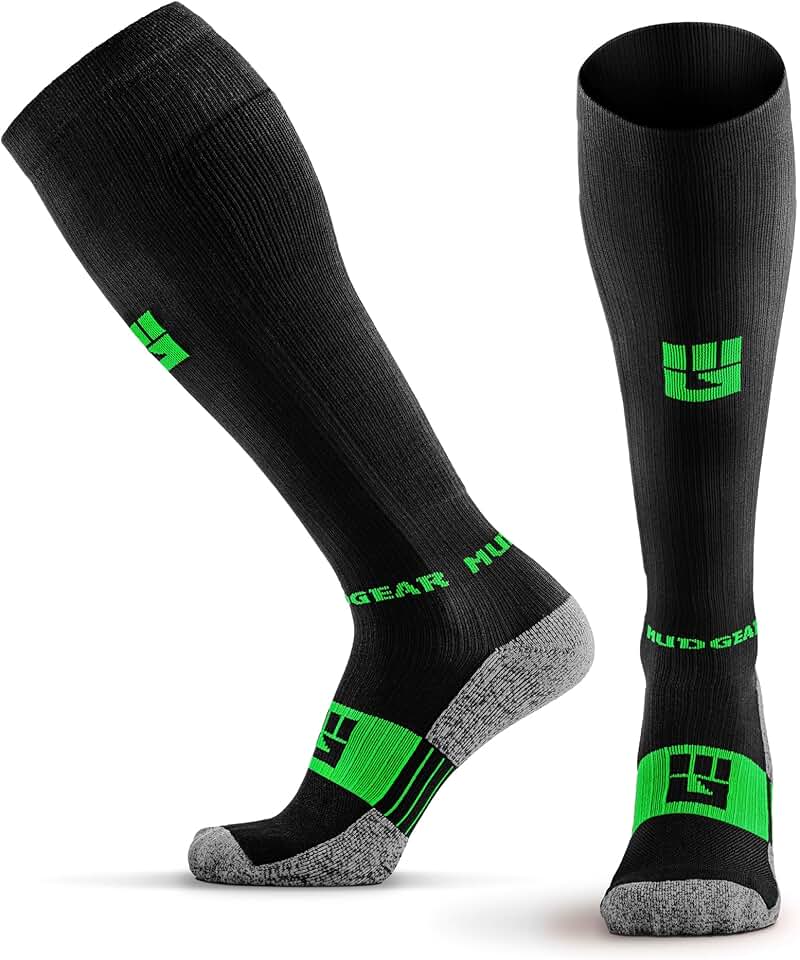
MudGear builds these compression socks specifically for obstacle course racing and demanding outdoor activities, which translates well to rugged hiking conditions. The graduated compression design provides firmer pressure at the ankle that decreases up the leg, targeting the support many hikers seek during long descents and extended trail time. With nearly 3,000 reviews at 4.6 stars, these socks have earned trust from users who put gear through serious abuse. The manufacturer emphasizes sweat-resistant performance and a cushioned footbed, addressing two key hiking concerns – moisture management and underfoot comfort on uneven terrain.
The Made in USA construction appeals to hikers who prioritize domestic manufacturing, and customer feedback consistently highlights exceptional durability even after repeated use in harsh conditions. The graduated compression sits in the moderate-to-firm range, providing noticeable support without crossing into medical-grade territory. This makes them effective for managing leg fatigue during descents while remaining comfortable during active hiking movement. The cushioned footbed adds impact absorption that works well inside hiking boots, though some users with narrow feet mention the fit runs slightly generous.
At $44 for a single pair, these represent the premium end of hiking compression socks. The sweat-resistant fabric performs well during high-output hiking, though the synthetic construction lacks the natural temperature regulation of merino wool options. Some reviewers note the compression feels firmer than expected initially, requiring a break-in period to determine proper fit and comfort level. The durability justifies the price for frequent hikers who log serious miles, but occasional trail users may find equally effective options at lower price points. If you regularly hike challenging terrain, carry heavy packs, or prioritize American-made gear that stands up to abuse, the MudGear socks deliver performance that matches the investment. Read verified buyer reviews for the MudGear Graduated Compression Socks on Amazon.
Pros
- Exceptional durability holds up through demanding conditions and repeated washing
- Graduated compression design specifically targets leg fatigue during active outdoor use
- Sweat-resistant fabric and cushioned footbed address key hiking performance needs
- Made in USA construction for those prioritizing domestic manufacturing
Cons
- $44 price point makes these the most expensive single-pair option reviewed
- Compression may feel firmer than expected initially, requiring adjustment period
- Synthetic construction lacks natural temperature regulation of merino wool alternatives
3. Juclise Compression Crew Running Socks
Best for hikers seeking moisture-wicking compression at a reasonable price with OEKO-TEX certified materials
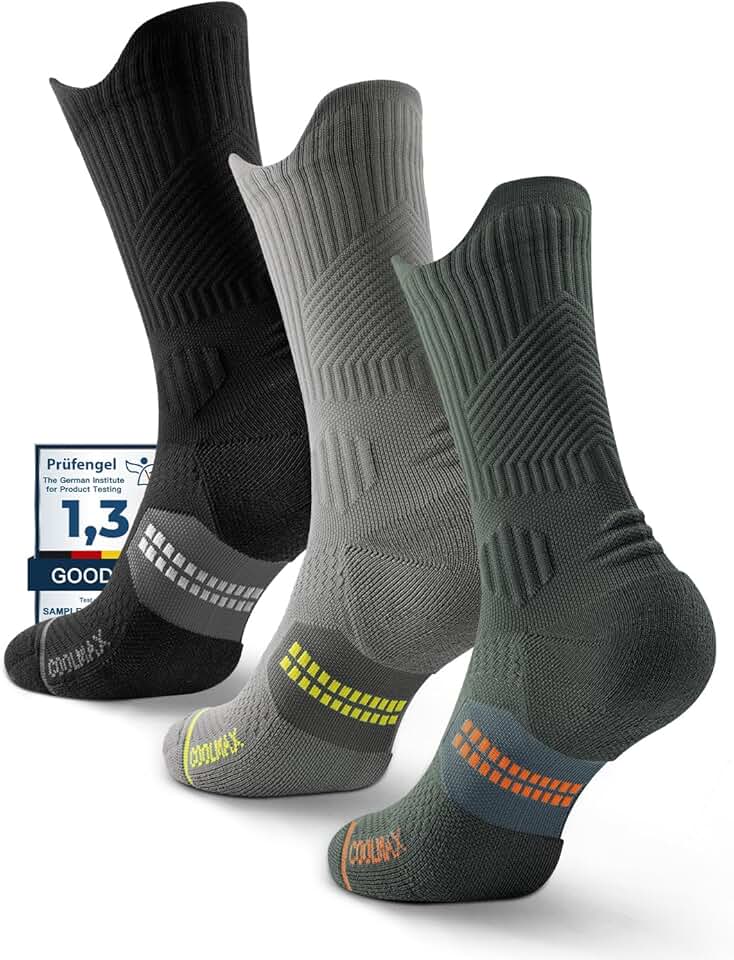
The Juclise compression socks use Coolmax bamboo viscose in a three-pack format that brings the per-pair cost down to approximately $8.33, making them accessible for hikers who want to try compression or need multiple pairs for rotation. With over 1,000 reviews at 4.5 stars, these socks have built a solid reputation despite being newer to the market compared to established outdoor brands. The Amazon Choice designation and Climate Pledge Friendly certification indicate the product meets specific performance and environmental criteria. The OEKO-TEX Standard 100 certification verifies the materials meet safety standards for textile products.
The Coolmax bamboo viscose blend prioritizes moisture-wicking performance, pulling sweat away from skin during active hiking. Customer feedback consistently mentions the anti-blister design and padded construction, both valuable for preventing hot spots during long trail days. The compression level falls into the moderate range based on user descriptions, providing supportive pressure without restrictive tightness. The crew height works well for most hiking situations, offering calf coverage without the warmth of full knee-high socks. Several reviewers note these socks maintain their compression and shape through multiple wash cycles, addressing durability concerns at this price point.
The three-pack format means you get backup pairs for rotation or washing, but it also means you cannot try a single pair first to verify fit and compression preference. Some users mention the bamboo viscose blend feels softer and more breathable than fully synthetic options, though it may not provide the same quick-dry performance as pure synthetic blends. The padded cushioning adds comfort but can create fit issues inside snug hiking boots. At just under $25 for three pairs, these offer solid value for hikers exploring compression benefits without committing to premium single-pair pricing, though frequent long-distance hikers may eventually want to upgrade to more specialized hiking-specific construction. Check current stock for the Juclise Compression Crew Running Socks on Amazon.
Pros
- Three-pack format at $24.99 provides excellent value for trying compression or rotating multiple pairs
- Coolmax bamboo viscose blend offers effective moisture-wicking with softer feel than pure synthetics
- OEKO-TEX Standard 100 certification verifies material safety standards
- Anti-blister design and padded construction address key hiking comfort needs
Cons
- Three-pack format prevents trying a single pair first to verify fit and compression preference
- Bamboo viscose may not dry as quickly as pure synthetic compression socks
- Padded cushioning can create fit issues inside already-snug hiking boots
4. Swiftwick ASPIRE FOUR Trail Running Socks
Best for hikers who want firm compression specifically designed for trail and cycling use

Swiftwick positions the ASPIRE FOUR as trail running and cycling socks, but the firm compression fit and crew height translate well to hiking applications, especially for those seeking supportive pressure during long descents. With nearly 1,300 reviews averaging 4.7 stars, these socks have earned strong customer trust across multiple outdoor activities. The Climate Pledge Friendly certification indicates environmentally conscious manufacturing practices. At $19 for a single pair, the ASPIRE FOUR sits in the middle price range between budget multi-packs and premium hiking-specific options.
The firm compression fit provides noticeable pressure that many users describe as supportive without being restrictive during active movement. This compression level works well for hikers dealing with leg fatigue on technical terrain or extended mileage days. The trail-specific design includes features that address hiking needs – durability for rough terrain contact, moisture management for varied conditions, and a fit that stays in place during repetitive movement. Customer feedback frequently mentions these socks maintain compression through numerous washes, indicating quality elastic construction that retains its supportive properties over time.
The crew height offers solid calf coverage without extending to knee-high length, which keeps them cooler in warm weather while still providing compression where most hikers feel fatigue first. Some reviewers note the firm compression takes getting used to if you are new to compression socks, and the snug fit may feel too tight for those preferring looser sock styles. The single-pair format at $19 lets you test whether Swiftwick compression works for your needs before investing in multiple pairs, though you will need backup socks if these become your go-to hiking choice. The trail running focus means these emphasize performance over features like heavy cushioning or maximum warmth, making them better suited for three-season hiking than cold winter conditions. Compare the Swiftwick ASPIRE FOUR Trail Running Socks specs and pricing on Amazon.
Pros
- Firm compression fit provides noticeable support for leg fatigue during technical hiking
- Strong durability and compression retention through repeated use and washing
- Trail-specific design addresses hiking performance needs effectively
- Mid-range $19 pricing allows testing before committing to multiple pairs
Cons
- Firm compression may feel too tight for hikers new to compression socks or those preferring looser fits
- Performance focus means less cushioning than some hiking-specific sock options
- Single-pair purchase requires buying additional socks for rotation
5. Rahhint Compression Running Socks 3 Pairs
Best for budget-conscious hikers wanting multiple compression pairs with cushion and anti-blister features
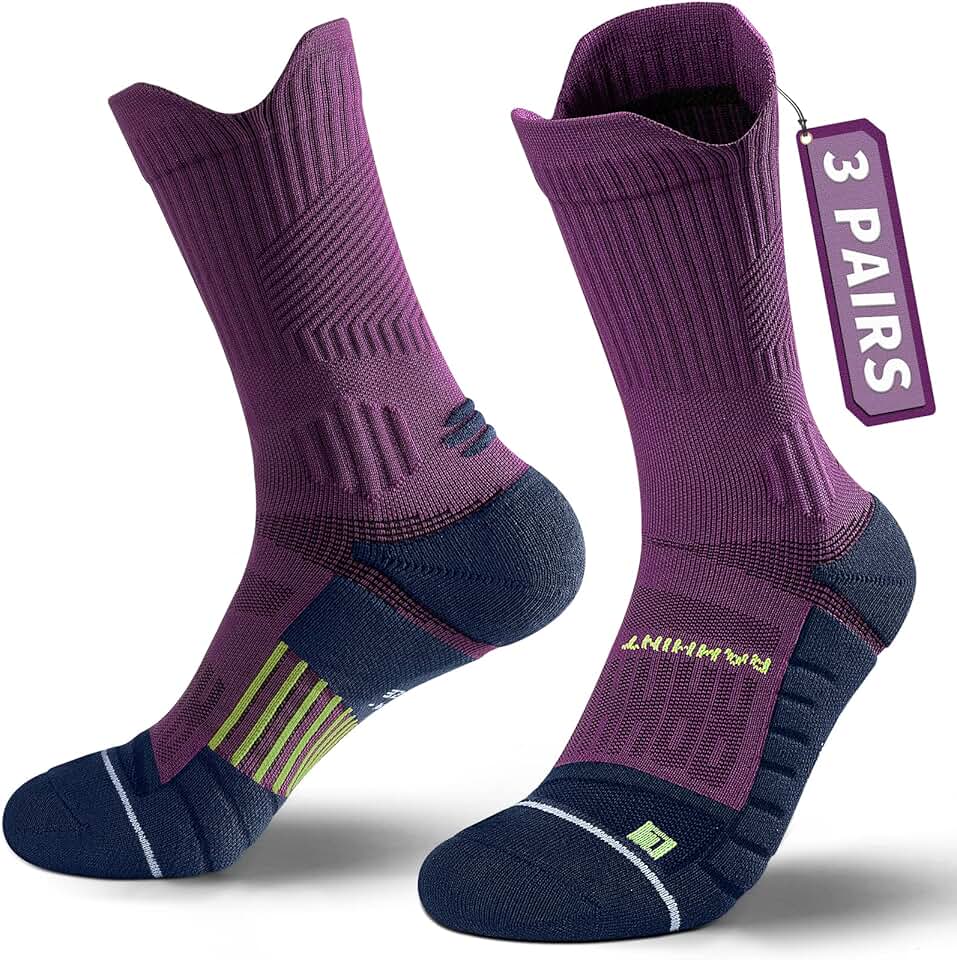
Rahhint offers three pairs of compression crew socks for just under $20, bringing the per-pair cost to approximately $6.66 and making this one of the most affordable options for hikers wanting to try compression without significant financial commitment. Despite the budget pricing, nearly 3,000 reviews at 4.5 stars indicate these socks deliver reliable performance for many users. The cushion crew design and anti-blister features specifically address hiking concerns, while the moisture-wicking construction helps manage sweat during active trail time.
The three-pack format provides immediate rotation capability – you can wear one pair, wash one, and have a backup ready, which works well for frequent hikers or multi-day trips. Customer feedback consistently mentions the cushioning provides comfortable padding underfoot without excessive bulk, and the anti-blister design helps prevent hot spots during long days. The compression level sits in the moderate range based on user descriptions, offering supportive pressure without the firm squeeze of medical-grade options. The athletic design prioritizes performance over features like maximum warmth, making these better suited for three-season hiking than cold weather conditions.
The limited time deal pricing makes these even more attractive for budget-conscious hikers, though standard pricing around $24.99 still delivers solid value for three pairs. The compression and cushioning combination works well inside most hiking boots, though some users with narrow feet mention the fit runs slightly roomy. Durability appears adequate for the price point based on customer feedback, though these likely will not outlast premium single-pair options through years of heavy use. If you want to experiment with compression for hiking without spending premium prices, or need multiple pairs for regular rotation, the Rahhint three-pack delivers functional performance at an accessible price point. See if the Rahhint Compression Running Socks 3 Pairs is right for your first hike on Amazon.
Pros
- Three-pack at $19.99 delivers exceptional value at approximately $6.66 per pair
- Cushion and anti-blister features specifically address hiking comfort needs
- Nearly 3,000 reviews provide substantial customer feedback for confidence
- Moisture-wicking construction manages sweat during active trail use
Cons
- Durability likely shorter than premium options given the budget price point
- Fit may run roomy for hikers with narrow feet or calves
- Athletic design prioritizes performance over warmth for cold weather hiking
How These Compare
Choosing between these compression sock options comes down to your specific hiking priorities and budget realities. The FALKE TK1 Adventure represents premium construction for hikers who value merino wool performance and proven durability – at $30 per pair, you are paying for natural fiber benefits and long-term reliability that justifies the investment if you hike frequently. The MudGear socks push even higher at $44, but that Made in USA construction and exceptional durability makes sense for hikers who punish their gear on challenging terrain or simply prefer supporting domestic manufacturing.
For those wanting to try compression without premium pricing, the Juclise three-pack at $24.99 and Rahhint three-pack at $19.99 both deliver functional compression with hiking-specific features like moisture-wicking and anti-blister design. The Juclise option adds OEKO-TEX certification and bamboo viscose for softer feel, while the Rahhint socks emphasize cushioning and come in at the lowest per-pair cost. Either works well for new compression users or hikers who want multiple pairs for rotation without significant expense.
The Swiftwick ASPIRE FOUR splits the difference at $19 for a single pair, offering firm compression and trail-specific durability that bridges budget and premium categories. If you know you want compression and prefer firmer pressure, the Swiftwick delivers focused performance without the cost of premium options. Consider your typical hiking conditions too – the merino wool FALKE excels across seasons, while the synthetic-focused Swiftwick and MudGear prioritize moisture management and durability over natural temperature regulation. Match the compression level to your leg fatigue concerns, the material to your climate, and the price to your hiking frequency for the best fit.
Frequently Asked Questions
Do compression socks really help with hiking?
Compression socks provide graduated pressure that many hikers find helpful for managing the leg heaviness and fatigue that builds up during long trail days. The compression is tightest at the ankle and gradually decreases up the calf, designed to create a snug, supportive fit during repetitive movement. Whether they help you specifically depends on your individual fitness level, leg strength, and how your body typically responds to long descents or high mileage days. Some hikers notice significant reduction in end-of-day leg fatigue and swelling, while others feel minimal difference compared to quality hiking socks without compression. The performance benefits tend to be most noticeable during steep descents where your leg muscles work hard to control speed and absorb impact, or during very long days when you are on your feet for many hours. If you regularly finish hikes with heavy, achy legs or notice significant calf tightness the next day, compression socks are worth trying to see if they help your specific situation. They work alongside proper hydration, appropriate pacing, and good hiking technique rather than replacing those fundamentals.
What level of compression is best for hiking?
Most hikers find 15-20 mmHg or 20-30 mmHg compression levels effective for trail use, with the right choice depending on your specific needs and comfort preferences. The 15-20 mmHg range provides moderate, supportive compression suitable for general day hiking, weekend trips, and situations where you want some leg support without restrictive pressure. This level works well for most people trying compression for the first time, as it delivers noticeable support while remaining comfortable during active movement. The 20-30 mmHg range offers firmer compression often preferred by hikers dealing with significant leg fatigue on long descents, carrying heavy backpacking loads, or covering high mileage days. Higher compression is not automatically better – pressure that feels too firm can restrict natural movement and become uncomfortable during hours of hiking. If you are new to compression socks, starting with 15-20 mmHg lets you determine whether compression helps your legs without committing to the firmer pressure of higher ratings. You can always move up to 20-30 mmHg later if you want more support, but going the opposite direction means purchasing new socks. Compression needs also vary by individual factors like fitness level, typical hiking terrain, and how your legs naturally respond to extended activity.
Should I wear compression socks during or after hiking?
You can wear compression socks during your hike for active support, after hiking to aid recovery, or both depending on your goals and what feels most beneficial. Wearing compression during the hike provides continuous graduated pressure while you are moving, which many hikers find helpful for reducing leg fatigue during long descents or extended trail time. This approach works particularly well if you notice your legs getting heavy and tired as the day progresses. Wearing compression after hiking focuses on recovery – the graduated pressure provides a snug, supportive fit that many users find comfortable when resting. Some hikers prefer this approach if they find compression restrictive during active movement, or if they want standard hiking socks during the hike but recovery support afterward. Wearing compression both during and after maximizes potential benefits but requires owning multiple pairs for rotation. Try wearing compression during a typical hike first to see how your legs respond – if you notice reduced fatigue and swelling by the end of the day, the during-hike approach is working. If your legs still feel fine during hikes but you struggle with next-day soreness, focusing on post-hike compression may be more beneficial for your specific recovery needs.
How tight should hiking compression socks feel?
Properly fitted compression socks should feel snug and supportive without causing pain, numbness, or restricting your movement during hiking. When you first put them on, you should notice definite pressure around your ankle and calf – tighter than regular socks but not uncomfortably squeezing. The compression should feel firm enough that you are aware of it but not so tight that you count the minutes until you can take them off. Your toes should have room to move naturally, and the top band should stay in place without rolling down or cutting into your calf. Watch for warning signs of compression that is too tight: persistent marks or indentations in your skin after removal, numbness or tingling during wear, skin that looks pale or feels cold, or discomfort that distracts you during hiking. If you experience any of these, the compression level is too high or the size is too small for your legs. On the other hand, if the socks slide down during hiking, leave minimal marks after removal, or feel barely different from regular socks, the compression is likely too loose to provide meaningful support. The fit should remain consistent throughout your hike – socks that feel fine at the trailhead (the starting point of your hike) but become uncomfortably tight after a few miles may indicate swelling that the compression level cannot accommodate effectively.
Can I wear compression socks with hiking boots?
Yes, you can wear compression socks with hiking boots as long as your boots have adequate room to accommodate the typically thicker and firmer construction of compression socks without creating pressure points. Compression socks are often slightly thicker than standard hiking socks due to the elastic materials needed to provide graduated pressure, and this added bulk matters inside boots that already fit snugly. Before committing to compression socks for trail use, try them on with your hiking boots at home and walk around for 15-20 minutes to check for hot spots, uncomfortable tightness, or areas where the compression sock creates pressure against your foot or ankle. Pay particular attention to the toe box, heel, and ankle areas where added thickness is most likely to cause fit issues. If your boots feel noticeably tighter with compression socks, you may need to choose thinner compression options, size up in boots, or stick with compression for post-hike recovery rather than during-hike use. The crew or over-the-calf length also matters – make sure the top of the compression sock does not create a pressure band where your boot top hits your calf, as this can restrict comfort rather than support it. Many hikers successfully wear compression socks with their regular hiking boots without any fit modifications, but individual foot shape and boot volume vary enough that testing the combination before hitting the trail prevents discovering problems miles from the trailhead.
The Bottom Line
Finding the right compression socks for hiking starts with understanding what you actually need from them. If you regularly deal with leg fatigue during long descents or notice significant swelling after full-day hikes, compression socks designed specifically for trail use can provide meaningful support during and after your time on the trail. The products reviewed here offer different approaches to that support – from premium merino wool construction that regulates temperature across seasons to budget-friendly multi-packs that let you experiment with compression without major investment.
For your first compression purchase, consider starting with moderate pressure in the 15-20 mmHg range from a three-pack option like the Juclise or Rahhint socks. This gives you multiple pairs for rotation while you determine whether compression helps your specific leg fatigue concerns, all without spending premium single-pair pricing. If you already know compression works for you and want firmer pressure with proven trail durability, the Swiftwick ASPIRE FOUR or MudGear options deliver focused performance that holds up through demanding conditions. Hikers who value natural fiber performance and proven reliability should look at the FALKE TK1, which justifies its higher price through merino wool benefits and exceptional customer feedback. Whatever option you choose, pay attention to fit and comfort during your first few hikes – compression socks should feel supportive without being restrictive, and the right pair disappears into the background while your legs stay fresher longer on the trail.
Disclosure: As an Amazon Associate, we earn from qualifying purchases. This does not affect our editorial recommendations.