
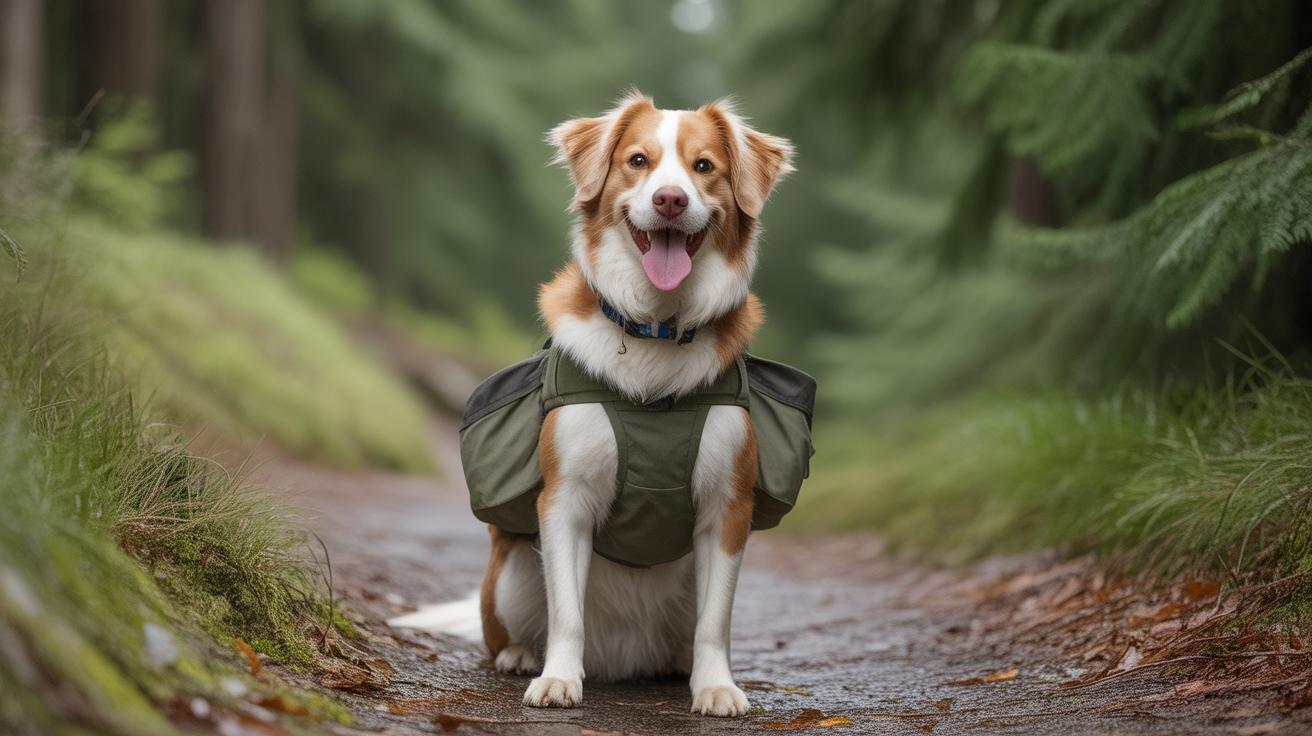
Watching your dog bound ahead on the trail while you carry all the water, snacks, and poop bags can feel like an unfair division of labor. You have probably wondered if your trail buddy could help carry some of their own gear, especially on longer hikes where every extra pound on your back starts to matter. The good news is that many dogs can comfortably carry 10-25% of their body weight in a properly fitted vest with storage pockets.
Choosing the right dog hiking vest means finding one that distributes weight evenly, stays secure without rubbing, and offers enough storage for the essentials without overwhelming your dog. This guide breaks down the best options based on real trail use, focusing on what actually matters when you are miles from the trailhead and your dog needs water or you need to access that first aid kit quickly.
What to Look For
Storage Capacity and Pocket Design
The whole point of a dog hiking vest is the storage, so pocket design matters more than almost anything else. Look for vests with side pockets that balance evenly on both sides of your dog’s body. Uneven weight distribution can cause the vest to shift and rub, leading to discomfort and potential chafing on longer hikes. Most quality vests offer two main side pockets, sometimes with additional smaller pockets for quick-access items like poop bags or treats.
Consider what you actually need to carry. A collapsible water bowl, a water bottle or hydration bladder, snacks, a basic first aid kit, and waste bags are common essentials. Some hikers also pack their dog’s food for overnight trips or emergency supplies. Measure your gear before buying to ensure it will fit comfortably. Pockets should close securely with zippers, velcro, or buckles to prevent items from bouncing out on rough terrain.
Fit and Adjustability
A poorly fitting vest can ruin a hike for your dog faster than anything else. The vest should sit just behind your dog’s shoulder blades, not too far forward where it restricts shoulder movement, and not too far back where it slides around. Look for multiple adjustment points: chest straps, belly straps, and sometimes neck straps. More adjustment points mean a better chance of achieving a secure, comfortable fit.
Measure your dog’s chest girth at the widest point, typically right behind the front legs, and check the manufacturer’s sizing chart carefully. Breeds with deep chests, barrel chests, or unusual proportions may need extra attention to fit. The vest should be snug enough that it does not shift side to side when your dog moves but loose enough that you can slide two fingers between the vest and your dog’s body. Always test the fit with weight in the pockets before hitting the trail, as loaded pockets change how the vest sits and moves.
Weight Distribution and Load Capacity
Not every dog is ready to carry a pack, and even fit, healthy dogs should start light and build up gradually. As a general rule, dogs can carry 10-25% of their body weight depending on fitness level, age, and build. A 50-pound dog might start with 5 pounds and work up to 10-12 pounds over several hikes. Always distribute weight evenly between both sides of the vest to maintain balance.
Start with empty pockets on your first outing to let your dog get used to wearing the vest. Add light items like a collapsible bowl or empty water bottle on the second hike, then gradually increase weight as your dog builds strength and confidence. Watch for signs of fatigue, reluctance to move forward, or changes in gait, which indicate the load is too heavy or the fit needs adjustment.
Material Durability and Weather Resistance
Trail conditions are unpredictable, and your dog’s vest will encounter dirt, moisture, branches, and rough terrain. Look for durable materials like ripstop nylon or heavy-duty polyester that can withstand abrasion. Reinforced stitching at stress points, especially where straps attach to the main body, prevents early failure.
Water resistance is important even if you do not plan to hike in rain. Morning dew, stream crossings, and unexpected weather happen. Water-resistant fabrics keep gear inside dry and prevent the vest from becoming waterlogged and heavy. Some vests offer removable, washable liners, which is a huge plus after muddy hikes. Check cleaning instructions before buying, as some materials hold up better to repeated washing than others.
Visibility and Safety Features
Reflective strips or trim improve visibility in low light conditions, important for early morning starts, late afternoon finishes, or overcast days. Some vests also include loops or attachment points for clip-on lights. A sturdy handle on top of the vest gives you control when you need to help your dog over obstacles, through tricky terrain, or away from wildlife encounters.
D-rings or leash attachment points should be reinforced and positioned to distribute pulling force without shifting the vest. Front and back attachment options give you flexibility depending on your training approach. Bright color options beyond standard black or camo help you spot your dog quickly on crowded trails or in dense vegetation.
Break-In Period and Trail Testing
Even the best vest requires a break-in period for both you and your dog. Wear the empty vest around the house and yard for short periods before attempting a trail hike. This lets your dog adjust to the feel without the added challenge of new terrain and distractions. Watch for any rubbing, especially around the chest, belly, and where straps sit.
Your first loaded hike should be short, familiar, and easy. Choose a trail you know well so you can focus on monitoring your dog rather than navigation. Check the vest fit every 15-20 minutes initially, adjusting straps as needed. Bring extra water for your dog since carrying weight increases exertion and thirst. Some dogs take to vests immediately, while others need several outings to feel comfortable. Patience during this phase prevents negative associations and sets up long-term success.
Our Top Picks
1. OneTigris Dog Backpack for Medium & Large Dogs, Mammoth Nylon Dog Pack Tactical Backpack Harness with Side Pockets for Hiking Walking Training Running
Best for dogs who need substantial storage capacity on full-day hikes

This OneTigris Mammoth pack stands out for serious storage capacity without overwhelming your dog. The side pockets are genuinely spacious, easily accommodating a collapsible water bowl, water bottle, snacks, and waste bags with room to spare. The nylon construction feels substantial in your hands, with reinforced stitching at stress points that suggests this vest will hold up to regular trail use.
The harness design distributes weight evenly across your dog’s chest and shoulders rather than creating pressure points. Multiple adjustment straps on the chest and belly allow for a customized fit, which is critical for preventing the loaded vest from shifting during active movement on uneven terrain. Dogs with deep chests or barrel-shaped bodies should find good fit options with the range of adjustability offered.
With over 2,800 customer reviews averaging 4.6 stars, this vest has been tested extensively by real hiking dog owners. Users consistently mention the durability holding up over multiple seasons and the pockets maintaining their shape even when fully loaded. The tactical styling includes multiple D-ring attachment points for leashes or additional gear, plus reflective elements that improve visibility in low light conditions.
The side pockets close securely, preventing gear from bouncing out on rough downhills or when your dog decides to investigate off-trail. The handle on top provides reliable control when you need to assist your dog over obstacles or guide them away from other hikers or wildlife. At this price point, you are getting solid construction and thoughtful design features that match what dedicated hiking dogs actually need on the trail.
See current pricing for the OneTigris Mammoth Dog Backpack on Amazon.
Pros
- Spacious side pockets accommodate full-day hiking essentials
- Multiple adjustment points for customized fit across different body types
- Durable nylon construction with reinforced stitching at stress points
- Strong handle for assisting dog over obstacles
- Over 2,800 reviews confirm long-term durability and trail performance
Cons
- Tactical styling may be more utilitarian than some owners prefer
- Heavier construction adds weight before gear is loaded
- May require longer break-in period for dogs new to wearing vests
View OneTigris Dog Backpack for Medium & Large Dogs on Amazon →
2. Kurgo Dog Saddlebag Backpack, Back Pack Dog Harness, Hiking Pack for Dogs, Packs for Pets to Wear, Camping & Travel Vest Harness, Reflective, Lightweight, Baxter Pack, for Medium & Large Pets
Best for owners who prioritize lightweight design and reflective safety features
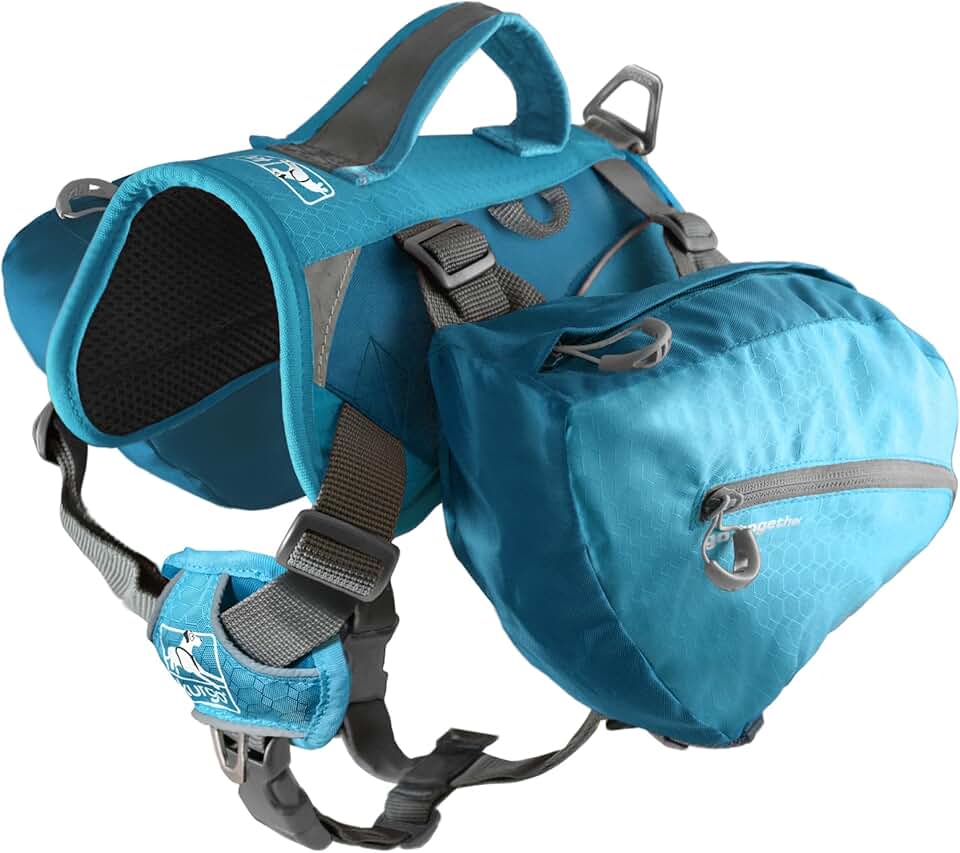
The Kurgo Baxter Pack takes a different approach than heavier tactical vests, focusing on lightweight construction that minimizes bulk while still offering functional storage. This matters especially for smaller medium-sized dogs or those just starting to carry gear, where every ounce of vest weight counts toward their total carrying capacity. The saddlebag design sits naturally on your dog’s back with minimal interference to shoulder movement.
Reflective trim covers multiple sides of the vest, significantly improving visibility during early morning or late evening hikes. If you frequently find yourself on the trail during low-light hours, this level of reflectivity provides genuine safety value. The side pockets are sized appropriately for essentials like a water bottle, collapsible bowl, and snack bag, though they are not as cavernous as some tactical options.
With 1,775 reviews and a 4.4-star rating, this vest has proven itself across a wide range of dogs and hiking conditions. Users particularly appreciate how the lightweight design encourages reluctant dogs to accept wearing a pack. The adjustment straps are straightforward to use, though some reviewers note they require careful initial setup to achieve optimal fit. The material is durable enough for regular use without the extra weight of heavier tactical fabrics.
The vest stays secure during active hiking without excessive shifting, and the pockets maintain their position even when loaded asymmetrically. While not designed for heavy loads or multi-day trips, this pack excels at its intended purpose: giving your dog the ability to carry their own day-hiking essentials without weighing them down unnecessarily.
Read verified buyer reviews for the Kurgo Baxter Pack on Amazon.
Pros
- Lightweight construction minimizes added weight before loading gear
- Extensive reflective trim improves visibility in low-light conditions
- Saddlebag design allows natural shoulder movement
- Nearly 1,800 reviews provide extensive real-world performance data
- Good option for dogs transitioning to carrying gear for the first time
Cons
- Smaller pocket capacity than heavy-duty tactical vests
- Adjustment straps require careful initial setup for optimal fit
- Lightweight material may not be as abrasion-resistant on very rough terrain
3. Fida Dog Harness, Multi-Functional No-Pull Pet Vest Harness with Saddle Bags Backpack, Front Leash Clip, Adjustable Soft Padded Reflective No-Choke Dog Vest Heavy Duty for Large Dog
Best for dogs who pull on leash and need both storage and walking control

The Fida harness combines gear storage with no-pull training features, making it a practical choice if your dog is still working on leash manners while also carrying gear on hikes. The front leash clip attachment point redirects pulling force to the side rather than rewarding forward lunging, which can make a significant difference on busy trailheads or when passing other hikers. The saddle bag storage sits separately from the harness structure, so loaded pockets do not interfere with the no-pull mechanics.
Soft padding around pressure points on the chest and belly prevents chafing during all-day wear, important when your dog is both carrying weight and potentially pulling against the harness. The adjustable straps offer multiple fit points, though achieving the right balance between secure and comfortable may take some trial and error initially. The reflective elements provide visibility, and the heavy-duty construction suggests durability for regular use.
With 800 reviews averaging 4.3 stars, this harness has found an audience among owners dealing with the common combination of needing gear storage and better walking control. The saddle bags detach, which allows you to use the harness for training walks without storage or quick trips where your dog does not need to carry gear.
The multi-functional design does mean this vest is more complex than simple saddle bags. If you only need storage and your dog walks calmly, a simpler design might be more straightforward. But for dogs who exhibit pulling behavior, having both functions in one piece of gear eliminates the need to switch between a training harness and a hiking pack.
Check current stock for the Fida Multi-Functional Dog Harness on Amazon.
Pros
- Front leash clip helps manage pulling behavior on trail
- Soft padding prevents chafing during extended wear
- Detachable saddle bags allow use as training harness without storage
- Reflective elements improve visibility in variable lighting
- 800 reviews confirm functionality across multiple use cases
Cons
- More complex design than simple storage-focused vests
- Higher price point than basic saddle bag options
- May be unnecessarily complicated if your dog already walks well on leash
4. ONETIGRIS Y-Shaped Dog Backpack No Pull CAMLUS Dog Saddle Bag with D-Rings, Lightweight Dog Pack Hiking Gear for Dogs Hunting Camping Travel
Best for active dogs who need freedom of movement with moderate storage
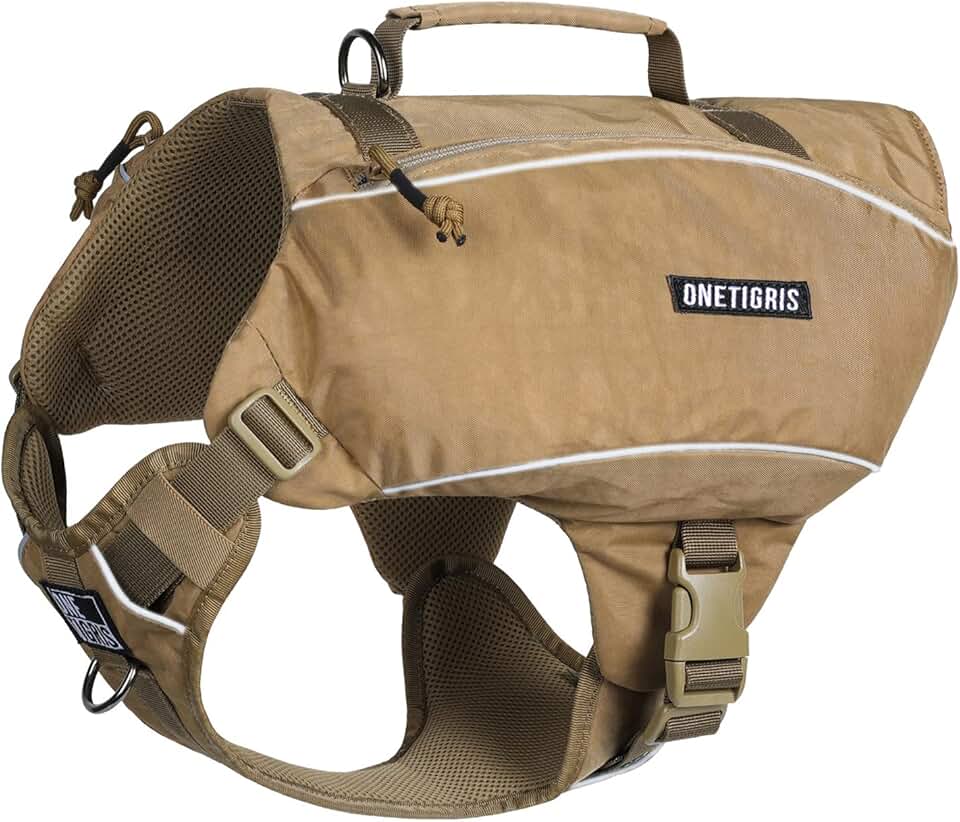
The Y-shaped harness design of this OneTigris pack prioritizes unrestricted shoulder movement, making it particularly well-suited for dogs who maintain an active pace on the trail. The design distributes pressure away from the throat and chest in a way that allows full range of motion during climbing, scrambling, or energetic movement. This matters most on technical terrain where your dog needs to use their full athletic ability.
The saddle bag pockets offer moderate storage capacity, appropriate for half-day to full-day hikes without being so large they create unnecessary bulk. The lightweight construction keeps the empty vest weight minimal, which is especially important for dogs on the smaller end of the medium size range who are conscious of every ounce they carry. Multiple D-rings provide attachment options for leashes, lights, or additional gear.
With 400 reviews and a 4.5-star rating, this vest shows strong performance ratings though the review volume is lower than the other options in this guide. Users consistently praise the vest for staying put during active hiking without requiring constant adjustment. The no-pull design helps with leash training while the storage functionality makes it practical for gear carrying. The CAMLUS styling offers a different aesthetic than standard black tactical vests, appealing to owners looking for something less utilitarian.
The adjustment system is straightforward without being overly complicated, which means less time fiddling with straps on the trail. The vest works well for hunting and camping applications beyond day hiking, providing versatility if you use your dog for multiple outdoor activities. At this price point, you are getting a well-designed pack that focuses on what active hiking dogs actually need rather than excessive features.
Compare the ONETIGRIS Y-Shaped Dog Backpack specs and pricing on Amazon.
Pros
- Y-shaped design allows unrestricted shoulder movement on technical terrain
- Lightweight construction minimizes vest weight before loading
- Multiple D-rings provide versatile attachment options
- No-pull design assists with leash training
- Strong 4.5-star rating indicates consistent user satisfaction
Cons
- Moderate storage capacity may be limiting for very long hikes
- Fewer adjustment points than some competitors
- Lower review count means less long-term durability data available
View ONETIGRIS Y-Shaped Dog Backpack No Pull CAMLUS Dog Saddle Bag with D-Rings on Amazon →
How These Compare
Choosing between these four dog hiking vests comes down to matching the design to your specific hiking style and your dog’s needs. The OneTigris Mammoth offers the most storage capacity, making it the best choice for all-day hikes or overnight trips where your dog needs to carry substantial gear. If you regularly do 6-8 hour hikes with lunch breaks and your dog carries their own water supply, food, and emergency gear, the larger pockets and durable construction justify the slightly heavier weight. Dogs over 50 pounds with good fitness levels will appreciate the carrying capacity.
The Kurgo Baxter Pack takes the opposite approach, prioritizing lightweight design and reflective safety features over maximum storage. This works best for shorter day hikes, dogs just learning to carry gear, or smaller medium-sized dogs where vest weight matters significantly. The extensive reflective trim makes this the clear winner if you frequently hike during dawn or dusk hours when visibility becomes a safety concern. The lighter construction also means less break-in time for dogs new to wearing packs.
The Fida harness stands alone as the only option combining storage with no-pull training features. If your dog still pulls on leash, especially at trailheads or when passing other hikers, the front clip attachment provides real control advantages. The detachable saddle bags add versatility, allowing you to use the harness for neighborhood training walks without the bulk of storage pockets. This makes sense if you are working on leash manners while building up to longer hikes with gear. The padded design prevents chafing during the longer wear time that training requires.
The OneTigris Y-shaped pack splits the difference between lightweight design and functional storage while prioritizing freedom of movement. The Y-harness design matters most on technical trails with steep climbs, rocky scrambles, or situations where your dog needs full athletic ability. If you hike challenging terrain regularly, the unrestricted shoulder movement this design provides can make a noticeable difference in your dog’s comfort and performance. The moderate storage works well for most day hikes without adding unnecessary bulk.
Consider your typical hike length and terrain difficulty. Flat, easy trails allow dogs to carry more weight comfortably, while steep or technical terrain requires lighter loads and unrestricted movement. Your dog’s experience level matters too. A dog new to carrying gear should start with the lightest option and work up gradually, while a seasoned hiking dog can handle the fuller storage and slight extra weight of the Mammoth pack. Price-wise, all four options fall within $20 of each other, so cost should not be the deciding factor. Focus instead on which feature set matches what you and your dog actually need on the trail.
Frequently Asked Questions
How much weight can my dog safely carry in a hiking vest?
Dogs can typically carry 10-25% of their body weight depending on their fitness level, age, build, and the difficulty of terrain. A 50-pound dog might safely carry 5-12 pounds of gear. Start conservatively at the lower end of this range, especially with dogs new to carrying packs. A fit, healthy Labrador in their prime years might handle 25% on easy terrain, while an older dog or one with joint issues should stay closer to 10%.
Always start with an empty vest for the first outing, letting your dog adjust to wearing the pack without added weight. Add light items gradually over several hikes, building up slowly as your dog develops the muscle strength and confidence. Watch for signs of fatigue, reluctance to move forward, changes in gait, or excessive panting beyond what the temperature and exertion would normally cause. These indicate the load is too heavy. Distribute weight evenly between both sides of the vest to maintain balance, and reduce load on steep climbs or technical terrain where your dog needs full mobility.
What should I pack in my dog’s hiking vest?
Essential items for your dog’s vest include a collapsible water bowl, water supply for your dog, high-energy snacks or dog food for longer hikes, waste bags, and a basic first aid kit with items like gauze, antiseptic wipes, and tweezers for removing debris from paws. Some hikers also pack an emergency blanket, a small flashlight or clip-on light, and identification with your contact information in case you get separated.
Avoid packing items your dog does not directly need, as every ounce counts toward their carrying capacity. Your dog should carry their own supplies, not yours. Do not load human food, your water bottle, or camp gear into your dog’s pack. Pack heavier items low and close to your dog’s body for better weight distribution, with lighter items toward the top. Balance weight evenly between both sides, checking periodically during your hike to ensure nothing has shifted. Items you need to access frequently, like waste bags or treats, should go in the most accessible pockets.
How do I know if a dog hiking vest fits properly?
A properly fitted vest sits just behind your dog’s shoulder blades without restricting forward shoulder movement and without sliding backward during activity. You should be able to slide two fingers between the vest and your dog’s body at all strap points, indicating it is snug enough to prevent shifting but not so tight it restricts breathing or causes discomfort. The chest strap should rest on the sternum without putting pressure on the throat.
Test the fit with weight in the pockets before hitting the trail, as loaded pockets change how the vest sits and moves. Walk your dog around the yard or block while watching for rubbing, especially around the chest, belly, armpits, and where straps contact the body. The vest should not rotate side to side when your dog turns or moves laterally. Check all adjustment points, ensuring nothing is twisted and all buckles are fully secured. On your first trail outing, stop every 15-20 minutes to check the fit and adjust straps as needed, since movement and exertion can cause settling that requires readjustment.
Can puppies or senior dogs wear hiking vests?
Puppies should not carry weight until their growth plates have fully closed, which typically occurs around 12-18 months depending on breed size. Large breed dogs mature more slowly and should wait longer before carrying loads. Even after growth plates close, young dogs should start with very light loads and build strength gradually. Consult your veterinarian about when it is appropriate for your specific dog to begin carrying gear.
Senior dogs can often continue wearing vests if they remain fit and healthy, but their carrying capacity decreases with age. Reduce the load percentage for older dogs, staying at the lower end of the 10-25% range or even below it. Watch carefully for signs of joint discomfort, stiffness after hikes, or reluctance that was not present when they were younger. Dogs with arthritis, hip dysplasia, or other joint conditions should not carry weight at all. Your veterinarian can help determine if vest carrying remains appropriate as your dog ages and what weight limits make sense for their current health status.
How do I train my dog to wear a hiking vest?
Start by letting your dog investigate the empty vest at home, offering treats and praise when they show interest or allow you to place it on them briefly. Practice putting the vest on and taking it off multiple times over several days, keeping sessions positive and short. Once your dog tolerates wearing the empty vest calmly, leave it on for gradually longer periods around the house and yard.
Progress to short walks around the neighborhood with the empty vest, allowing your dog to adjust to how it feels during movement. After several successful walks, add a small amount of light weight to the pockets, just enough that your dog notices but not enough to cause concern. Gradually increase both the duration of wearing time and the weight carried over several weeks. Your first trail hike with a loaded vest should be short, familiar terrain where you can focus on monitoring your dog rather than navigation. Some dogs accept vests immediately, while others need several weeks of gradual conditioning. Never force the process or get frustrated, as negative associations can create long-term resistance to wearing gear.
The Bottom Line
The right dog hiking vest transforms your trail experience by letting your dog participate actively in carrying their own supplies while giving you peace of mind that their essentials are readily accessible. For dogs who need maximum storage capacity on full-day hikes, the OneTigris Mammoth pack delivers durable construction and spacious pockets backed by thousands of positive reviews. The Kurgo Baxter Pack offers the best combination of lightweight design and safety-focused reflective features for shorter hikes or dogs new to carrying gear. If your dog pulls on leash and you want training features combined with storage, the Fida harness provides front-clip control along with functional saddle bags. The OneTigris Y-shaped pack prioritizes freedom of movement for active dogs on technical terrain while maintaining practical storage capacity.
Success with any vest depends on proper fitting, gradual conditioning, and realistic expectations about carrying capacity. Start light, build slowly, and watch your dog’s response carefully during those first loaded hikes. Most dogs adapt quickly and seem to enjoy having a job on the trail. Remember that your dog should carry their own supplies, not yours, and that weight limits decrease on steep or challenging terrain. With patience during the break-in period and attention to fit details, a quality hiking vest becomes an essential piece of gear that both you and your dog will appreciate on every trail adventure.
Disclosure: As an Amazon Associate, we earn from qualifying purchases. This does not affect our editorial recommendations.