
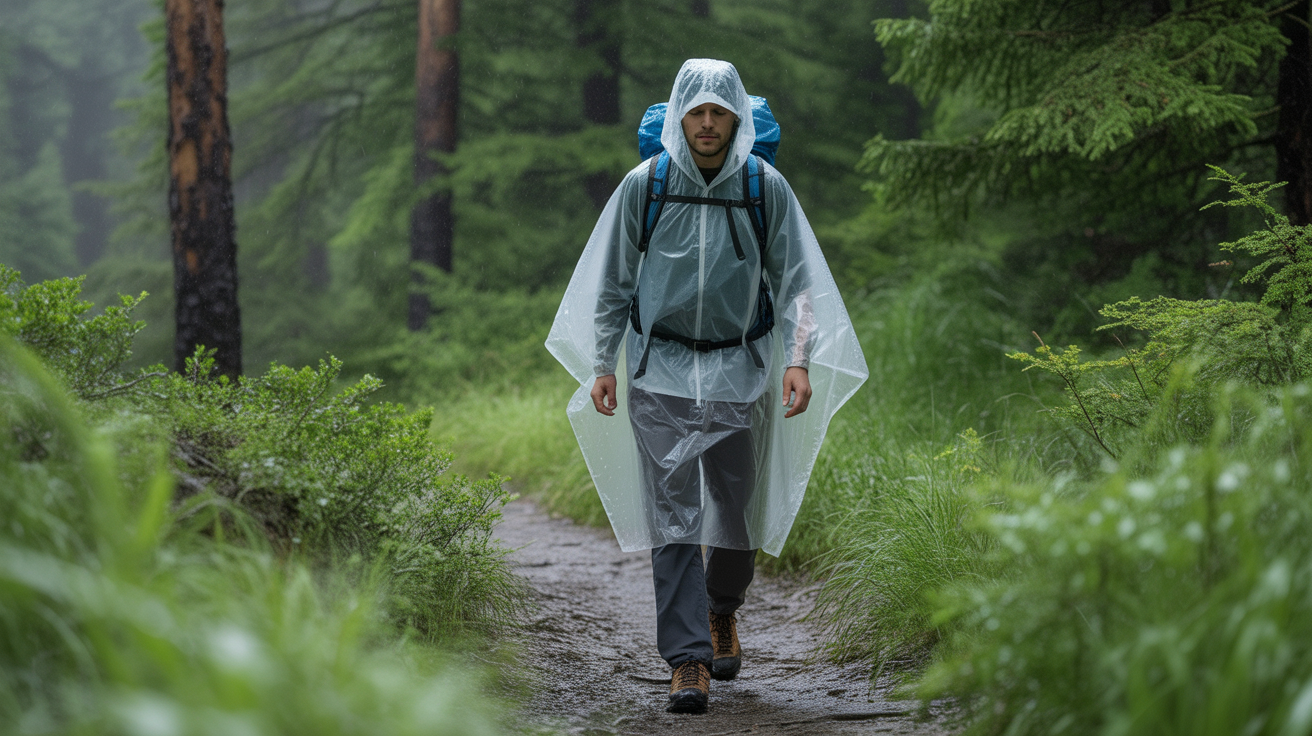
You are standing at the trailhead, clouds rolling in faster than expected, and suddenly that bulky rain jacket you left at home seems like it would have been worth the weight. You need rain protection that does not add pounds to your pack or take up half your storage space – something you can actually carry without overthinking it. Lightweight hiking ponchos solve this problem by offering waterproof coverage that weighs ounces instead of pounds, packs down to nearly nothing, and gets you through sudden storms without the commitment of a full rain jacket.
Choosing the right poncho means balancing weight, coverage, durability, and features like backpack compatibility. Some ponchos weigh less than a water bottle but tear easily. Others offer bomber protection but pack larger than you would expect. This guide walks through five proven lightweight ponchos that real hikers trust, helping you find the option that matches your trails, your pack, and your tolerance for wet weather.
What to Look For
Weight and Packability
Weight matters when you are carrying everything on your back, and lightweight ponchos range from under 5 ounces to around 12 ounces. The lightest options use thin nylon materials that compress into pouches smaller than a fist, making them easy to stash in any pack pocket or even a jacket pocket. These ultralight versions shine for day hikes or fast-and-light trips where every ounce counts. Heavier ponchos typically use thicker fabrics that resist tears better and hold up to repeated use over multiple seasons. Consider how often you will actually use the poncho – if it lives in your pack as emergency backup, ultralight makes sense. If you hike regularly in wet climates, a slightly heavier poncho with better durability pays off over time.
Material and Waterproofing
Most lightweight ponchos use coated nylon or polyester fabrics rather than breathable waterproof membranes. This means they keep rain out but also trap moisture from your body heat inside, especially during active hiking. Expect some condensation – that is the trade-off for light weight and low cost. Look for sealed or taped seams (stitching lines that have been covered with waterproof tape or sealant to prevent water from leaking through the needle holes) at stress points like the hood and shoulders where water sneaks through cheaper ponchos. Thicker denier fabrics (denier measures fabric weight – higher numbers like 210D or 70D mean heavier, more durable material) resist punctures from branches better than ultralight 15D or 20D options. If you bushwhack or hike dense forest trails, durability matters more than shaving an ounce or two. For maintained trails and occasional use, lighter materials work fine.
Coverage and Fit
Ponchos come in different lengths and widths, and proper coverage prevents rain from soaking your pants and gear. Standard ponchos fall to mid-thigh or knee length, while longer models extend past your knees for better leg protection. Width matters too – wider ponchos accommodate backpacks worn underneath, keeping both you and your gear dry. Look for ponchos specifically designed with extra room in the back or adjustable side snaps that expand to fit a pack. Some ponchos include sleeves or elastic cuffs that reduce flapping in wind, while traditional designs use simple armholes that let you move freely but expose your arms more. Consider whether you typically hike with trekking poles, which work better with ponchos that have hand access without lifting the entire hem.
Hood Design and Visibility
A poorly designed hood turns into a face-covering parachute in wind or restricts your peripheral vision on technical trails. Better ponchos use adjustable drawcords around the face opening so you can cinch the hood snug in wind or loosen it for better visibility in calmer conditions. Hoods with built-in brims keep rain off your face without requiring a separate hat. Some designs include mesh or vinyl windows that improve forward visibility while maintaining waterproof protection. If you wear glasses or rely on good sightlines for navigation, hood fit becomes critical. Try adjusting any drawcords before you are caught in a storm – fumbling with unfamiliar adjustments in driving rain makes for a frustrating experience.
Ventilation and Condensation Management
Ponchos naturally ventilate better than jackets because air flows through the open bottom, but condensation still builds up during aerobic activity. Some models include underarm grommets or zippered vents that increase airflow without letting rain in. Longer ponchos that extend well past your waist allow more air circulation than shorter styles. If you tend to overheat easily or hike at a fast pace, prioritize ventilation features and accept that lighter fabrics may sacrifice some durability. For cold-weather hiking where body heat feels welcome, condensation becomes less of an issue. Consider the typical temperature and humidity of your hiking season when evaluating how much ventilation you need.
Versatility and Multi-Use Features
Some lightweight ponchos double as ground cloths, emergency shelters, or pack covers, adding value for minimal extra weight. Models with reinforced grommets at the corners can be staked out as basic tarps for lunch breaks or emergency bivouacs. Ponchos sized large enough to cover you plus a backpack can be removed and used as standalone pack covers when you are wearing a rain jacket instead. This versatility appeals to minimalist hikers who want every item to serve multiple purposes. Other ponchos focus solely on being worn and pack smaller as a result. Decide whether you value multi-use capability or prefer the simplest, most packable rain protection possible.
Our Top Picks
1. FROGG TOGGS Ultra-lite2 Waterproof, Breathable Rain Poncho
Best overall lightweight poncho for reliable rain protection and proven durability

This poncho earns its top spot with over 11,000 customer reviews and a consistent 4.5-star rating, showing it delivers for a massive range of hikers. FROGG TOGGS uses their proprietary nonwoven polypropylene fabric that provides waterproof protection while offering better air circulation than solid vinyl or basic coated materials. The material holds up well to moderate use, though it is not indestructible – sharp branches and rough use will eventually cause wear. The poncho includes an adjustable hood with elastic binding that stays in place during wind gusts without feeling restrictive. Amazon Choice designation and Climate Pledge Friendly certification indicate both popularity and environmental consideration.
Customers consistently mention this poncho works well for hiking, camping, and outdoor events where unpredictable weather requires portable rain protection. The cut provides enough room to wear over a daypack without feeling constricted, though it is not specifically designed for large backpacking packs. Storage is straightforward – the poncho folds into a compact size that fits easily in any hiking pack without taking up excessive space. One legitimate drawback is the absence of hand openings or sleeves, which means using trekking poles requires lifting the sides or working around the poncho.
Durability feedback is mixed in the way you would expect from a lightweight poncho – it holds up well for occasional use and moderate conditions, but heavy daily use or extreme bushwhacking will shorten its lifespan. Without a listed price, comparing value directly to other options requires checking current availability. For hikers who want proven rain protection without researching obscure brands or spending premium dollars, this poncho provides the right balance of performance and widespread customer validation. The massive customer base means you are buying something thousands of other hikers already tested on real trails in real weather.
Pros
- Over 11,000 customer reviews provide extensive real-world feedback
- Nonwoven polypropylene fabric offers better air circulation than solid materials
- Adjustable hood stays secure in wind
- Compact storage fits easily in hiking packs
- Climate Pledge Friendly certification
Cons
- No dedicated hand openings or sleeves for trekking pole use
- Price not listed in product data makes value comparison difficult
- Not specifically designed for large backpacking packs
2. PTEROMY 3-in-1 Hooded Rain Poncho with Pocket
Best value lightweight poncho with multi-use design for emergency backup

This poncho stands out by offering three uses in one lightweight package – wear it as a poncho, spread it as a ground cloth, or use it as an emergency shelter. That versatility appeals to hikers who appreciate gear that serves multiple purposes without adding weight. The 4.6-star rating across nearly 10,000 reviews indicates strong customer satisfaction, and the 2,000-plus purchases last month show current popularity. The poncho includes a front pocket for storing small items like your phone or snacks, which sounds minor until you are caught in rain and want to keep essentials accessible without digging through your pack.
The coated material keeps rain out effectively based on customer feedback, though like most lightweight ponchos it does not breathe particularly well. Expect some condensation during active hiking, especially in humid conditions. The unisex design fits a range of body sizes, and the hooded construction protects your head without requiring a separate rain hat. At under $17, this poncho costs less than many rain jackets while providing adequate protection for day hikes and shorter trips. The emergency shelter capability adds value for hikers concerned about unexpected weather changes or getting stuck on the trail longer than planned.
The trade-off for the multi-use design is slightly less refined fit compared to wear-only ponchos. The fabric needs to be durable enough to function as a ground cloth, which means it may feel less packable than ultralight options designed purely for wearing. Customer reviews mention the poncho works well for camping, hiking, and emergency use, with most criticism focused on sizing running large rather than quality issues. For budget-conscious hikers who want backup rain protection that doubles as a versatile piece of emergency gear, this poncho delivers strong value. The massive review count means you can trust you are getting something that works, not an untested product with limited feedback.
Pros
- Three functions in one item reduces gear redundancy
- Front pocket keeps essentials accessible during rain
- Nearly 10,000 reviews provide extensive reliability data
- Budget-friendly price under $17
- Strong 4.6-star rating shows consistent quality
Cons
- Sizing runs large according to multiple customer reviews
- Multi-use design means less optimized fit as a poncho
- Condensation builds up during activity like most budget ponchos
View PTEROMY 3-in-1 Hooded Rain Poncho with Pocket on Amazon →
3. SaphiRose Hooded Rain Poncho Waterproof Raincoat Jacket
Best budget lightweight poncho with OEKO-TEX certification for eco-conscious hikers
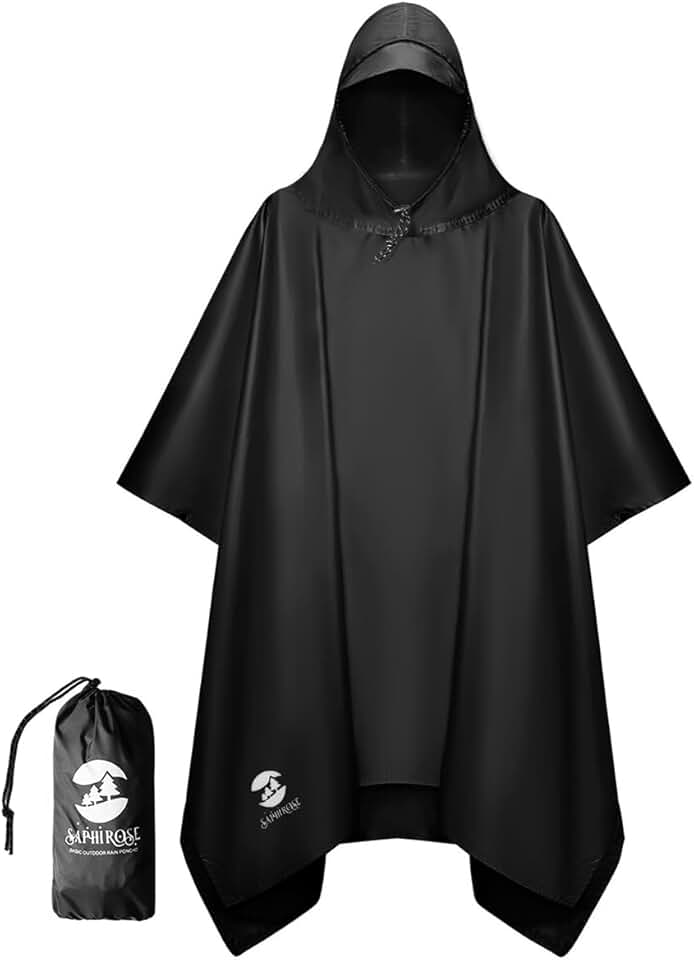
This poncho earns recognition by combining affordability with OEKO-TEX Standard 100 certification, which means the fabric has been tested for harmful substances – a consideration for hikers concerned about chemical exposure or environmental impact. At $13.99 with a 4.6-star rating across over 4,300 reviews, it represents the lowest-cost option on this list without sacrificing customer satisfaction. The Climate Pledge Friendly designation reinforces its appeal to environmentally aware hikers. Customer volume is strong with 5,000-plus purchases in the past month, indicating this poncho is meeting current demand.
The hooded design includes an adjustable fit feature, and the unisex cut fits both men and women. Customers mention the poncho provides reliable waterproof protection for hiking, camping, and outdoor activities, with most complaints focused on fit preferences rather than performance failures. Like other ponchos in this price range, it blocks rain effectively but traps body heat inside during exertion. If you tend to hike in cool or cold weather where condensation feels less uncomfortable, that limitation becomes less significant.
Packability appears adequate based on customer feedback, though specific dimensions are not provided. At under $14, this poncho works well as a backup rain option you keep permanently in your pack or car for unexpected weather. The discounted price from $17.99 adds value, though availability at the sale price may vary. For hikers who prioritize environmental certifications and want the most affordable lightweight poncho with solid reviews, this option delivers. The trade-off is accepting that you are not getting premium features – you are getting functional rain protection at a price that makes replacement affordable if the poncho wears out after a season or two of regular use.
Pros
- OEKO-TEX Standard 100 certification for chemical safety
- Lowest price option at $13.99
- Over 4,300 reviews provide reliable feedback
- Climate Pledge Friendly environmental designation
- Strong current sales volume shows proven demand
Cons
- Packed size specifications not detailed in product listing
- Traps body heat during activity like most budget ponchos
- Weight not specified for comparison with other options
View SaphiRose Hooded Rain Poncho Waterproof Raincoat Jacket on Amazon →
4. onewind Hooded Rain Poncho Silnylon Rain Coat
Best premium lightweight poncho with silnylon construction for serious backpackers

This poncho steps up in price but delivers premium features hikers notice immediately. Silnylon construction combines silicone-coated nylon that provides waterproofing and packability compared to standard coated fabrics. Backpackers who prioritize gear quality recognize silnylon as a material worth paying for because it resists abrasion better and maintains waterproofing longer than cheaper alternatives. The versatile design functions as both a rain coat and survival shelter, appealing to hikers who want multi-use capability from premium materials rather than budget fabrics.
The 4.4-star rating with 466 reviews provides solid feedback, though this represents significantly fewer customer experiences than the budget options with thousands of reviews. If you prefer extensive validation before purchasing, the lower review count may give you less confidence in performance consistency. Customer volume shows 50-plus purchases in the past month, indicating steady interest among hikers willing to spend more for better materials. The hooded design includes adjustments for securing fit in wind.
At $42.99, this poncho costs triple the budget options, which means you need to value material quality and multi-use capability enough to justify the expense. For hikers who treat the trail seriously, invest in quality gear, and want a poncho that lasts multiple seasons of heavy use, that price makes sense. For casual hikers who need occasional rain protection, paying this much probably exceeds what you need. The limitation is the smaller review base compared to mass-market options – you have less customer feedback to reference when deciding. If you understand what silnylon construction offers in terms of long-term durability and want a lightweight poncho built to higher standards, this option delivers the performance serious hikers expect.
Pros
- Silnylon construction offers superior durability and waterproofing
- Packable material compresses efficiently
- Versatile design works as shelter in addition to rain protection
- Material quality justifies higher price for serious hikers
Cons
- Only 466 reviews provide less validation than budget options with thousands
- Price point at $42.99 is significantly higher than alternatives
- Specifications not detailed in product listing
View onewind Hooded Rain Poncho Silnylon Rain Coat on Amazon →
5. Foxelli Rain Poncho for Adults – Extra Long Reusable Waterproof Raincoat
Best extra-length lightweight poncho for maximum coverage and leg protection

Foxelli designed this poncho specifically to address one common complaint about standard ponchos – they do not protect your legs enough. The extra-long design extends coverage below the knee, keeping more of your lower body dry when rain blows sideways or when you are hiking through tall wet grass. That additional length matters for hikers who want comprehensive protection without resorting to rain pants. The 4.6-star rating with over 3,400 reviews shows strong customer approval, and the reusable construction emphasizes durability over single-use emergency ponchos.
The hooded design protects your head, and the coated material blocks rain effectively based on customer feedback. At $32.97, this poncho sits in the mid-price range – more expensive than budget options but less than premium silnylon models. The price reflects the extra material used for the longer design and more robust construction intended for repeated use rather than emergency backup. Customers consistently mention the length as a key benefit, particularly for taller individuals or anyone tired of standard ponchos that barely cover their thighs.
The extra length means this poncho uses more material than shorter versions, which affects how compact it packs. If you typically hike in areas with persistent rain rather than occasional showers, the added coverage justifies carrying a slightly larger item. The poncho works well for camping and outdoor activities beyond just hiking, making it versatile for anyone who spends significant time outdoors in wet conditions. For hikers who have tried standard-length ponchos and found them inadequate, or for taller individuals who struggle to find rain gear that fits properly, this extra-long design solves a real problem. The strong review count provides confidence you are buying something tested by thousands of other customers in actual trail conditions.
Pros
- Extra-long design provides superior leg protection
- Over 3,400 reviews confirm reliability and performance
- Reusable construction built for multiple seasons
- Works well for taller hikers who need more coverage
- Strong 4.6-star rating shows consistent quality
Cons
- Weight specifications not detailed in product listing
- Extra length means less compact than shorter options
- Mid-range price may exceed budget for casual hikers
View Foxelli Rain Poncho for Adults – Extra Long Reusable Waterproof Raincoat on Amazon →
How These Compare
Choosing between these five lightweight ponchos depends on your priorities, budget, and typical hiking conditions. The FROGG TOGGS Ultra-lite2 offers the best overall combination of proven performance and massive customer validation – when over 11,000 hikers give something 4.5 stars, you can trust it works. That makes it the safest choice if you want reliable rain protection without overthinking the decision. The nonwoven polypropylene fabric performs better than basic vinyl, and the compact size fits any pack without taking up excessive space.
Budget-focused hikers should look at the PTEROMY 3-in-1 at $16.95 or the SaphiRose at $13.99. Both deliver solid waterproof protection with strong review counts, but the PTEROMY adds versatility by functioning as a ground cloth and emergency shelter. That multi-use capability appeals if you value gear that serves multiple purposes, especially for emergency preparedness. The SaphiRose costs less and includes OEKO-TEX certification if environmental considerations matter to you. Either option works well as backup rain protection you keep permanently in your pack.
For serious backpackers willing to invest in premium materials, the onewind Silnylon poncho at $42.99 provides superior durability. Silnylon construction (silicone-coated nylon fabric that resists abrasion and maintains waterproofing through many uses) lasts longer than budget fabrics, which matters if you hike frequently or in demanding conditions. The limitation is the significantly smaller review count of just 466 compared to thousands for budget options – you have less customer feedback to validate performance. The higher price only makes sense if you hike regularly enough to justify premium materials over proven budget options.
The Foxelli Extra Long poncho solves a specific problem – standard ponchos do not protect your legs enough. If you have tried regular-length ponchos and found them inadequate, or if you are tall and struggle to find rain gear that fits, that extra coverage justifies the $32.97 price. The extended length works particularly well in persistent rain or when hiking through wet vegetation where shorter ponchos leave your legs soaked. For average-height hikers in occasional rain, standard-length options work fine and pack smaller.
Consider your typical weather conditions when deciding. If you hike mainly in climates with occasional brief showers, any of these ponchos provides adequate emergency protection. If you regularly hike in regions with extended rain or unpredictable mountain weather, invest in the more durable options like the FROGG TOGGS or onewind. Match the poncho to your pack space and willingness to carry rain gear. All five options have strong enough reviews to trust you are getting functional rain protection – the question is which specific features and price point match your hiking style.
Frequently Asked Questions
Are rain ponchos good for hiking?
Rain ponchos work well for hiking when you prioritize lightweight packability and ventilation over fitted protection. They excel as emergency backup rain gear that takes up minimal pack space and weighs just ounces, making them practical to carry even when rain is not forecasted. Ponchos naturally ventilate better than rain jackets because air flows through the open bottom, which reduces overheating during active hiking. They also cover both you and your backpack simultaneously, eliminating the need for a separate pack cover. The trade-offs include less weather protection in high wind when the poncho can billow and flap, and no ability to adjust layers underneath as easily as with a fitted jacket. Your arms may get wet depending on the poncho design and how you hold trekking poles. For maintained trails in moderate weather, ponchos provide adequate protection. For exposed ridgelines, sustained storms, or technical terrain where you need full mobility, a proper rain jacket performs better. Most hikers find ponchos work best as backup protection for unexpected showers rather than primary rain gear for serious wet weather.
What is the difference between a rain poncho and a raincoat?
A rain poncho is a loose-fitting waterproof covering that drapes over your body and pack, while a raincoat is a fitted jacket with sleeves and a front closure. Ponchos weigh less, pack smaller, and cost less than quality raincoats, making them popular for hikers focused on light gear or budget-friendly options. Ponchos provide superior ventilation because they are not sealed against your body, which reduces condensation during active hiking. They cover your backpack simultaneously, keeping all your gear dry without a separate pack cover. However, ponchos offer less weather protection in wind because they can catch gusts and billow around you, exposing you to rain. They also restrict arm movement more than jackets, which matters for technical scrambling or using trekking poles. Raincoats provide better fit and mobility with articulated sleeves that move with you, sealed closures that block wind-driven rain, and the ability to layer underneath by unzipping or adjusting the jacket. They weigh more, cost significantly more, and trap body heat worse than ponchos. Choose a poncho for lightweight backup protection on day hikes or fast-and-light trips. Choose a raincoat for serious backpacking, extended wet weather, or technical terrain where you need full mobility and comprehensive weather protection.
How do you keep a poncho from blowing away?
Keeping a poncho secure in wind requires using built-in features and adjusting your hiking technique. Start by cinching the hood drawstring snug around your face so wind cannot catch the hood and lift the entire poncho. If your poncho includes side snaps or adjustable elastic at the hem, use them to reduce the amount of loose fabric that can billow. Some ponchos have hand grips or elastic loops at waist height that you hold while hiking to anchor the sides and prevent excessive flapping. When wind gusts, bend slightly forward so the poncho drapes over your front rather than catching air from below. If your poncho is large enough to cover your backpack, the weight of the pack helps anchor the poncho in place better than wearing it over just your body. For persistent high wind, consider wrapping the poncho sides around your arms or tucking excess fabric into your waistband to reduce surface area exposed to gusts. On extremely windy ridgelines or exposed terrain, ponchos simply do not perform well – that is when you need a fitted rain jacket instead. The key is matching your rain protection to the conditions rather than forcing a poncho to work in weather it was not designed for.
What material is best for rain ponchos?
The best material for rain ponchos balances waterproofing, durability, weight, and cost for your intended use. Coated nylon in various thicknesses is most common, with heavier denier fabrics like 70D or 210D offering better tear resistance for bushwhacking or rough use, while lighter 15D or 20D nylon packs smaller and weighs less for emergency backup. Silnylon combines silicone coating with nylon for waterproofing and durability while remaining lightweight and packable, but costs more than standard coated nylon. Polyester fabrics perform similarly to nylon at slightly lower cost but may degrade faster in UV exposure if you leave the poncho deployed for extended periods. Avoid basic vinyl or PVC ponchos for hiking – they weigh more, pack larger, tear easily, and feel clammy because they trap all moisture inside. For serious hiking, prioritize nylon-based materials with sealed seams at stress points like shoulders and the hood. Check customer reviews for feedback on actual waterproofing performance and durability, since manufacturing quality varies significantly even with the same base material. If weight is your absolute priority, choose the lightest nylon option you can afford. If durability matters because you hike frequently or in dense vegetation, choose thicker fabrics even though they weigh and pack slightly more.
Can you wear a backpack under a rain poncho?
Yes, most lightweight hiking ponchos are specifically designed to accommodate wearing a backpack underneath, keeping both you and your gear dry simultaneously. Look for ponchos described as having backpack coverage or extra room in the back, which indicates they are cut wide and long enough to drape over a loaded pack. Some ponchos include adjustable side snaps or elastic that you can loosen to expand space for your pack, then tighten when wearing the poncho without a pack. When putting on a poncho with your pack, lift the poncho high enough that your pack straps are underneath rather than on top of the fabric – this prevents the poncho from riding up or pulling awkwardly as you hike. The poncho should drape over your shoulders and down past your backpack, creating a waterproof covering for your entire upper body and gear. This dual coverage eliminates the need to carry a separate pack cover, saving weight and hassle. The trade-off is slightly less mobility compared to a fitted rain jacket, and you need to be more careful when removing your pack to access gear since the poncho covers everything. For day hiking with a smaller pack or short trips where you will not be constantly accessing your pack contents, this arrangement works well. For longer backpacking trips where you frequently need items from your pack, some hikers prefer a rain jacket plus a separate pack cover for easier access.
The Bottom Line
Choosing the right lightweight poncho depends on matching the gear to your typical hiking conditions and priorities. If you want proven performance with massive customer validation, the FROGG TOGGS Ultra-lite2 delivers reliable rain protection that over 11,000 hikers have already tested and approved. That extensive feedback eliminates guesswork and gives you confidence the poncho will perform when weather turns wet. For first-time poncho buyers unsure what features matter most, starting with the most popular option makes sense – you can always upgrade to specialized models later once you know what you want.
Budget-focused hikers should look at the PTEROMY 3-in-1 or SaphiRose options, both priced under $17 with solid review counts. The PTEROMY adds versatility by doubling as a ground cloth and emergency shelter, making it smart for hikers building emergency kits or wanting multi-use gear. The SaphiRose costs even less and includes environmental certifications if those considerations matter to you. Either option works well as backup rain protection you keep permanently in your pack for unexpected weather.
Serious backpackers who hike frequently and want premium materials should consider the onewind Silnylon poncho despite its higher price. Silnylon construction (silicone-coated nylon that resists abrasion better than standard coated fabrics) delivers better durability than budget materials, which matters if you log significant trail miles or encounter rain regularly. The limitation is the much smaller review count of 466 compared to thousands for budget options – less customer validation to confirm consistent performance. The extra cost only makes sense if you hike frequently enough to need materials that withstand heavy use. For hikers who have struggled with standard-length ponchos or need maximum coverage, the Foxelli Extra Long design solves the leg protection problem at a reasonable mid-range price.
The key is being honest about your needs. Emergency backup for occasional showers requires different features than primary rain protection for multi-day trips in wet climates. Pack space and weight tolerance vary between day hikers and backpackers. Budget constraints are real, and sometimes adequate protection at $14 beats premium features you cannot afford. All five ponchos on this list have strong enough reviews to trust they work – the question is which specific combination of features, coverage, and price fits your hiking style. Start with the category that matches your situation, then pick the option with the best reviews in your price range.
Disclosure: As an Amazon Associate, we earn from qualifying purchases. This does not affect our editorial recommendations.