
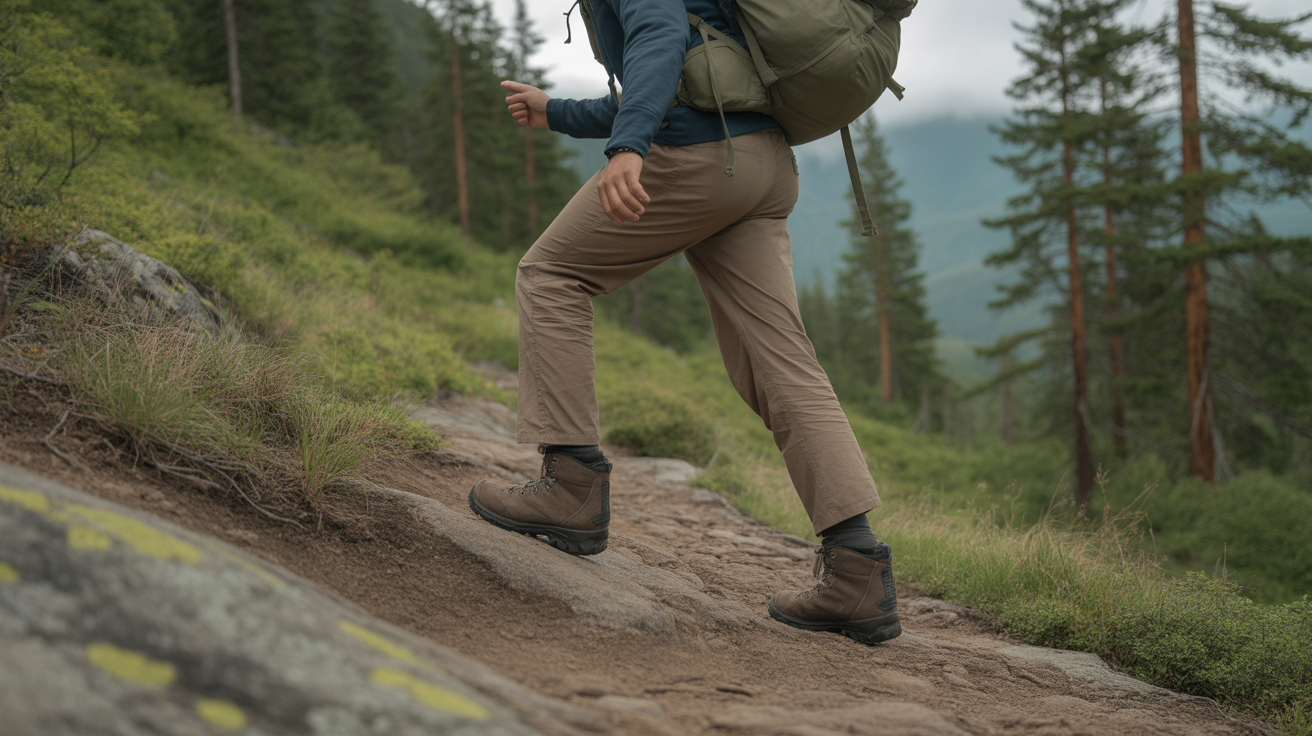
If you are curious about minimalist hiking shoes, you might be wondering whether stripping away cushioning and support makes sense for trail hiking. Minimalist hiking shoes take a different approach than traditional boots, using zero-drop platforms (where heel and forefoot sit at the same height), wide toe boxes, and thin soles that let you feel the ground beneath your feet.
This guide evaluates real minimalist hiking shoes based on their barefoot-style construction and trail capability. These are not just lightweight trail runners with less foam. These are purpose-built shoes designed for hikers who want more ground contact and a more natural feel on dirt trails, rocky terrain, and everything between. Whether you are exploring minimalist footwear for the first time or looking to upgrade your current barefoot shoes, these picks deliver the ground feel and trail performance many hikers seek.
What to Look For
Zero-Drop Platform and What It Actually Does
A zero-drop sole places your heel and forefoot at the same height from the ground, eliminating the elevated heel common in traditional hiking boots. This neutral position allows your Achilles tendon to work through its full range of motion. For hikers familiar with this geometry, zero-drop feels natural on technical terrain. If you are new to zero-drop footwear, expect a transition period where your calves and Achilles work harder than they did in elevated-heel boots. Start with shorter hikes and gradually increase distance as your lower legs adapt to the different demands.
Wide Toe Box Construction
Minimalist shoes prioritize a wide toe box that lets your toes spread naturally during each step. This design prevents the cramped feeling that comes from narrow hiking boots and gives your toes room to move. Look for shoes where the widest part of the sole aligns with the ball of your foot, not further back toward the arch. When you try on minimalist shoes, your toes should have room to wiggle and splay without touching the sides or front of the shoe. This becomes especially important on descents when your foot slides forward slightly with each step.
Sole Thickness and Ground Feel
Minimalist hiking shoes typically feature thinner soles than traditional boots. Thinner soles provide better ground feel, letting you sense trail texture and adjust your foot placement instinctively. Thicker minimalist soles sacrifice some of that feedback but offer more protection from sharp rocks and roots. Consider the terrain you hike most often. Rocky, technical trails (trails with obstacles like loose rocks, roots, and uneven surfaces) with loose scree (small loose stones) benefit from slightly thicker soles. Smooth dirt trails and less technical terrain work well with thinner soles that maximize ground contact.
Tread Pattern and Traction
Traction matters as much in minimalist shoes as it does in traditional boots, but the approach differs. Look for multidirectional lug patterns (the raised rubber knobs on the sole) that grip on climbs and provide braking on descents. Some minimalist shoes use sticky rubber compounds borrowed from climbing shoes, which excel on rock surfaces but wear faster on abrasive terrain. Others use harder rubber that lasts longer but provides less initial grip. Match the tread to your typical trail conditions rather than seeking one shoe that does everything.
Upper Material and Durability
Most minimalist hiking shoes use lightweight synthetic uppers or thin mesh that reduces weight and improves breathability. These materials dry quickly after stream crossings but offer less abrasion resistance than full-grain leather or thick synthetic overlays. Check for reinforcement around the toe box where trail debris (rocks, sticks, and other obstacles on the trail) causes the most wear. Some models include TPU toe caps (thermoplastic polyurethane protective coverings) or rubber rand wraps that protect against rock strikes without adding significant weight. If you hike in wet conditions frequently, look for shoes with water-resistant treatments, though truly waterproof minimalist shoes remain rare due to breathability trade-offs.
Fit and Sizing Considerations
Minimalist shoes fit differently than conventional hiking boots. Most brands run true to size in length but provide extra width throughout the toe box. Order your normal shoe size unless the manufacturer specifies otherwise in their sizing guidance. Plan to wear thin socks or go sockless, as thick hiking socks reduce ground feel and can make the shoe feel tight. Leave about a thumb width of space between your longest toe and the end of the shoe to accommodate foot swelling on longer hikes. Try shoes on at the end of the day when your feet are slightly swollen to get the most accurate fit assessment.
Our Top Picks
1. Merrell Men’s Trail Glove 7
Best for technical trails requiring durable construction and reliable traction

The Trail Glove 7 represents Merrell’s continued evolution of purpose-built minimalist trail footwear. This model earns its position as a top pick through proven performance across varied terrain and substantial customer feedback confirming its capabilities. The construction focuses on durability without abandoning minimalist principles that many hikers seek.
The shoe construction focuses on durability for regular trail use. Customer reviews consistently mention the outsole’s grip on both wet and dry surfaces, with the tread pattern providing confidence on steep descents and loose terrain. The upper materials balance abrasion resistance with breathability, a combination that matters on multi-hour hikes where your feet need to breathe but also require protection from trail debris.
Fit runs true to size according to the majority of user feedback, though some reviewers with wider feet note the toe box accommodates natural toe splay better than previous Trail Glove versions. Multiple reviews mention successful transitions from cushioned hiking footwear to this minimalist design, with hikers appreciating the gradual adaptation process.
The $79.99 price point positions this shoe between budget barefoot options and premium minimalist brands. For that cost, you get a shoe that handles regular trail use without premature wear. Reviewers who log significant weekly mileage report the outsole maintaining traction through several months of consistent use. The construction quality matches what hikers expect from an established outdoor brand with a track record in minimalist footwear.
See current pricing for the Merrell Men’s Trail Glove 7 on Amazon.
Pros
- Minimalist construction designed for natural foot movement
- Tread pattern provides reliable traction on technical terrain
- Durable construction backed by substantial customer feedback
- True-to-size fit works for most foot shapes
Cons
- Higher price than budget minimalist options
- Some reviewers note break-in period required for upper materials
- Not waterproof, which limits use in wet conditions
2. Joomra Women’s Trail Running Barefoot Shoes
Best for hikers wanting proven barefoot performance with extensive customer feedback

This Joomra model stands out primarily for its massive review count, indicating widespread real-world testing across diverse foot shapes and trail conditions. With over 25,000 customer reviews maintaining a 4.3-star rating, this shoe has proven its viability for minimalist hiking beyond any single feature or specification. The construction delivers core barefoot shoe characteristics at a price point that makes minimalist hiking accessible to beginners exploring this footwear style.
Customer feedback reveals consistent performance on dirt trails, gravel paths, and light rocky terrain. Multiple reviewers mention using these shoes for multi-hour hikes without discomfort, though some note the minimal cushioning requires adaptation if you are transitioning from traditional hiking boots. The wide toe box accommodates natural toe spread, which reviewers with wider feet specifically appreciate.
The upper material uses breathable mesh that dries quickly after stream crossings but offers less durability than reinforced synthetic materials. Several long-term reviews mention upper wear after extended use, particularly around high-flex points. For the price, this trade-off remains acceptable to most users who view these as seasonal shoes rather than multi-year investments. The lightweight construction makes them easy to pack as backup footwear on longer trips.
Fit feedback varies more than with premium brands, with some reviewers recommending ordering a half size up while others find true-to-size perfect. This inconsistency appears common among budget minimalist shoes and suggests trying them with a flexible return policy. The extensive review database helps potential buyers find feedback from people with similar foot shapes and hiking styles, which proves valuable when deciding on size.
Read verified buyer reviews for the Joomra Women’s Trail Running Barefoot Shoes on Amazon.
Pros
- Extensive customer feedback provides confidence in real-world performance
- Barefoot design features at accessible price point
- Lightweight construction suitable for fast hiking and trail running
- Breathable mesh upper dries quickly in wet conditions
Cons
- Upper durability concerns noted in long-term reviews
- Sizing consistency varies according to customer feedback
- Minimal cushioning requires adaptation period for those new to barefoot hiking
View Joomra Women’s Trail Running Barefoot Shoes on Amazon →
3. Xero Shoes Men’s Prio Barefoot Athletic Sneaker
Best for hikers seeking versatile minimalist footwear for trails and daily wear

The Xero Prio bridges minimalist trail capability with everyday wearability, making it ideal for hikers who want one shoe that transitions from trailhead (the parking area where hikes begin) to town. Xero Shoes built its reputation specifically around barefoot footwear, and that focused expertise shows in the Prio’s design details. The construction follows barefoot principles without compromise, while reflecting a brand dedicated entirely to minimalist footwear development.
Customer reviews consistently praise the Prio’s versatility across different activities. Hikers report using these on day hikes, then wearing them for errands or casual outings without changing shoes. The outsole provides adequate traction for maintained trails and light technical terrain, though reviewers note it lacks the aggressive tread of dedicated hiking shoes for steep or loose conditions. This makes it well-suited for beginners starting on less challenging trails before progressing to more difficult terrain.
Fit runs true to size with the wide toe box accommodating foot shapes that struggle with narrow hiking boots. Multiple reviews from people with bunions or wide forefeet specifically mention the Prio as one of few shoes that fits comfortably without pressure points. The upper materials use durable construction that holds up to regular use better than budget minimalist options. Long-term reviews spanning multiple seasons indicate the shoes maintain structural integrity through consistent wear.
The $74.99 price positions the Prio below premium hiking-specific minimalist shoes but above budget barefoot options. For that cost, you get shoes from a brand with substantial minimalist footwear expertise and customer service that understands barefoot shoe concerns. Reviewers mention responsive support when addressing fit or durability questions, which matters when investing in minimalist footwear for the first time.
Check current stock for the Xero Shoes Men’s Prio Barefoot Athletic Sneaker on Amazon.
Pros
- Versatile design works for both trail hiking and daily activities
- Wide toe box accommodates various foot shapes comfortably
- Durable construction from brand specializing in barefoot footwear
- True-to-size fit with consistent quality control
Cons
- Tread pattern less aggressive than hiking-specific minimalist shoes
- Higher price than budget options without specialized hiking features
- Not waterproof or water-resistant for wet trail conditions
View Xero Shoes Men’s Prio Barefoot Athletic Sneaker on Amazon →
4. MIFAWA Barefoot Shoes Men Wide Toe Box Zero Drop
Best for budget-conscious hikers wanting to test minimalist footwear before investing in premium options

The MIFAWA barefoot shoe offers entry into minimalist hiking at a price point that removes financial barriers. At $22.60, this shoe costs less than a third of premium minimalist hiking footwear, making it accessible for hikers curious about this footwear style but hesitant to invest heavily before confirming it works for their feet and hiking preferences. Over 4,400 reviews with a 4.4-star rating suggest this budget option delivers functional performance beyond its price tag.
Customer feedback indicates these shoes handle light to moderate trail hiking effectively. Multiple reviewers mention using these for day hikes on maintained trails with positive results. The construction provides the features many hikers seek when exploring barefoot-style footwear, letting your feet move naturally without the constraints of traditional hiking boots.
Durability expectations should match the price point. Several reviews note these shoes work well for a season of regular use but show wear faster than premium options. The upper materials use basic synthetic construction that breathes adequately but lacks reinforcement around high-stress areas. For hikers exploring minimalist footwear or needing backup shoes for occasional trail use, this durability level remains acceptable given the cost savings.
Fit feedback suggests ordering true to size, though some reviewers with wider feet recommend going up a half size. The toe box provides room for natural toe spread, which reviewers appreciate compared to narrow athletic shoes. These shoes work particularly well for hikers testing whether minimalist footwear suits their hiking style before committing to higher-priced options. The low cost also makes them viable as backup shoes or dedicated footwear for specific trail conditions.
Compare the MIFAWA Barefoot Shoes Men Wide Toe Box Zero Drop specs and pricing on Amazon.
Pros
- Exceptionally low price makes minimalist hiking accessible
- Barefoot features allow natural foot movement
- Over 4,400 reviews provide substantial user feedback
- Suitable for testing minimalist footwear before premium investment
Cons
- Durability does not match premium minimalist hiking shoes
- Basic construction lacks reinforcement in high-wear areas
- Sizing consistency varies according to some reviews
View MIFAWA Barefoot Shoes Men Wide Toe Box Zero Drop on Amazon →
5. WHITIN Men’s Zero Drop Running Shoes + Wide Toe Box
Best for hikers wanting mid-range pricing with proven barefoot shoe brand reputation

WHITIN has established itself as a reliable brand in the barefoot footwear market, and this model demonstrates why the company maintains that reputation. The $42.99 price point sits in the middle range between budget barefoot shoes and premium hiking-specific minimalist footwear. Over 3,000 customer reviews with a 4.2-star rating indicate consistent performance that meets expectations for this price tier.
Customer reviews mention comfortable fit for various foot shapes, with the toe box providing adequate room for natural toe spread during hiking. Multiple reviewers note using these shoes for both trail hiking and everyday activities, indicating versatile performance that works well for beginners who want one pair of shoes for multiple purposes.
Construction quality reflects the mid-range pricing, with materials that hold up to regular use better than budget options but show wear faster than premium hiking shoes. The upper uses synthetic materials that provide decent breathability and dry reasonably quickly after wet crossings. Some long-term reviews mention durability concerns after extended heavy use, though most users report satisfactory lifespan for the cost.
Fit runs true to size according to majority feedback, with the wide toe box accommodating foot shapes that struggle with narrow running shoes or hiking boots. The lightweight design makes these shoes easy to pack as secondary footwear on multi-day trips. For hikers wanting barefoot features without premium pricing, these shoes provide a functional middle ground that delivers minimalist performance at accessible cost.
See if the WHITIN Men’s Zero Drop Running Shoes + Wide Toe Box is right for your first hike on Amazon.
Pros
- Mid-range pricing balances cost and quality effectively
- Brand reputation in barefoot footwear provides confidence
- Wide toe box fits various foot shapes comfortably
- Versatile design works for both hiking and daily wear
Cons
- Durability concerns noted in some long-term reviews
- Less trail-specific features than dedicated hiking minimalist shoes
- Basic tread pattern provides adequate but not exceptional traction
View WHITIN Men’s Zero Drop Running Shoes + Wide Toe Box on Amazon →
How These Compare
Choosing between these minimalist hiking shoes depends primarily on your budget, trail conditions, and experience level with barefoot footwear. The Merrell Trail Glove 7 represents the best option for hikers prioritizing durability and technical trail capability. Its construction quality and tread pattern justify the higher price if you hike frequently on challenging terrain. The extensive customer feedback confirms it handles sustained trail use without premature wear.
The Joomra women’s model offers the most substantial real-world testing data with over 25,000 reviews. This massive feedback database helps potential buyers find reviews from people with similar foot shapes and hiking styles. While it lacks the durability of premium options, the sub-thirty-dollar price makes it accessible for hikers exploring minimalist footwear without significant financial commitment. Consider this shoe if you are testing whether barefoot hiking suits your preferences or need seasonal footwear you replace regularly.
The Xero Prio excels in versatility, functioning equally well on trails and in daily situations. This dual-purpose capability matters if you want one shoe that transitions from hiking to errands without changing footwear. The brand’s dedicated focus on barefoot footwear shows in construction quality that holds up better than budget options. Choose the Prio if you value versatile minimalist footwear over hiking-specific features like aggressive tread.
The MIFAWA shoe removes financial barriers entirely at $22.60, making it ideal for first-time barefoot shoe buyers. While durability expectations should match the budget price point, over 4,400 reviews indicate functional performance for light to moderate hiking. This option works best as entry-level minimalist footwear or backup shoes for occasional trail use.
The WHITIN model occupies the middle ground between budget and premium options. The brand reputation in barefoot footwear provides confidence the shoes will perform as expected at the $42.99 price point. Choose these if you want proven minimalist features without premium pricing and primarily hike maintained trails rather than technical terrain requiring specialized tread patterns.
Frequently Asked Questions
What is the difference between minimalist shoes and regular hiking boots?
Minimalist hiking shoes eliminate the elevated heel, thick cushioning, and arch support found in traditional hiking boots. Regular boots typically feature substantial heel elevation and midsole foam designed to cushion each step. Minimalist shoes use platforms where your heel and forefoot sit at the same height, combined with thinner soles that let you feel trail texture directly.
This fundamental difference changes how your foot interacts with terrain. Traditional boots prioritize cushioning and motion control, essentially doing work your feet and lower legs would otherwise handle. Minimalist shoes let your feet function with less intervention. The transition requires adaptation time as your lower legs adjust to working harder than they did in cushioned boots. Start with shorter hikes and gradually increase distance as your body adapts to the different demands minimalist shoes present.
How long does it take to transition to minimalist hiking shoes?
Transition time varies significantly based on your current fitness level, hiking frequency, and how much cushioning your previous footwear provided. Most hikers need 4-8 weeks of gradual adaptation before comfortably hiking full distances in minimalist shoes. Begin with 20-30 minute hikes on easy terrain, wearing your minimalist shoes while carrying your regular boots as backup. Increase duration by 10-15 minutes each week as your calves, Achilles tendons, and foot muscles adapt.
Expect temporary soreness in your lower legs, particularly your calves and Achilles tendons. This discomfort indicates muscles and connective tissues working harder than they did in cushioned boots. Soreness should decrease after each hike, not increase. If pain persists or worsens, reduce hiking duration and allow more recovery time between outings. Some hikers alternate between minimalist shoes and traditional boots during the transition period, using cushioned boots for longer hikes while building minimalist shoe tolerance on shorter outings. Listen to your body rather than following rigid timelines, as pushing adaptation too quickly increases injury risk.
Can you hike long distances in minimalist shoes?
Yes, many minimalist shoe users successfully complete long-distance hikes and multi-day backpacking trips in barefoot footwear. The key factor is proper adaptation before attempting extended mileage. Your feet, lower legs, and connective tissues need time to adjust to working without traditional boot support. Hikers who rush into long distances without adequate transition time often experience discomfort that could have been avoided with gradual adaptation.
Long-distance hiking in minimalist shoes requires conditioning your foot and leg muscles. These muscles fatigue during initial long hikes, which affects your gait. Build up slowly over several months, progressively increasing both distance and terrain difficulty. Many minimalist long-distance hikers report their feet feeling less fatigued at the end of long days compared to when they wore traditional boots, but this outcome requires proper conditioning. Pack lightweight backup footwear on initial long hikes in case fatigue or discomfort requires switching shoes partway through.
Do minimalist hiking shoes provide enough protection on rocky trails?
Minimalist shoes provide adequate protection for rocky trails once you adapt to hiking with less cushioning. The thinner soles transmit more sensation from rocks and roots than traditional boots, but many hikers find this increased ground feel actually helps them sense and avoid hazards before putting full weight on them. Your brain receives immediate feedback about trail conditions and can adjust foot placement accordingly.
That said, minimalist shoes require more active hiking than cushioned boots. You cannot simply walk over sharp rocks expecting your footwear to absorb the impact. Instead, you place each foot more deliberately, sensing trail texture and adjusting pressure accordingly. This active hiking style provides protection through awareness and precise foot placement rather than passive cushioning. However, this protection develops over time as your feet adapt and your hiking technique adjusts to barefoot footwear characteristics. Beginners should start on smoother trails before progressing to more technical rocky terrain.
Are minimalist shoes good for hiking with a heavy backpack?
Minimalist shoes can work for backpacking with heavy loads, but this represents an advanced application that requires significant conditioning. The additional weight increases stress on your feet, ankles, and lower legs, which no longer have traditional boot support and cushioning to help distribute that load. Start by day hiking with a weighted pack in your minimalist shoes before attempting overnight trips with full camping gear.
Many minimalist hikers successfully backpack in barefoot shoes by building strength gradually and using ultralight gear strategies to reduce pack weight. Lighter overall loads place less stress on feet and legs, making minimalist shoes more viable for multi-day trips. Some backpackers carry both minimalist shoes and lightweight boots, using minimalist shoes on easy terrain and switching to boots for steep, difficult sections with heavy loads. This hybrid approach lets you enjoy barefoot benefits on suitable terrain while maintaining boot support when conditions demand it. Consider your typical backpacking style, pack weight, and terrain difficulty when deciding whether minimalist shoes suit your backpacking needs.
The Bottom Line
Minimalist hiking shoes offer hikers direct ground contact and a different approach to trail footwear than traditional boots provide. The five shoes reviewed here represent proven options across different price points and use cases, each delivering features that define quality barefoot footwear. Your specific choice depends on budget constraints, typical trail conditions, and whether you prioritize hiking-specific features or versatile everyday wearability.
For technical trails requiring aggressive tread and proven durability, the Merrell Trail Glove 7 justifies its premium price through construction quality and substantial customer feedback. The Joomra women’s model provides accessible entry into minimalist hiking with enough real-world testing data to give first-time buyers confidence. The Xero Prio excels as versatile footwear that transitions seamlessly from trails to daily activities, backed by a brand dedicated entirely to barefoot shoe development. Budget-conscious hikers testing minimalist footwear will find the MIFAWA shoe removes financial barriers while delivering functional barefoot features. The WHITIN model occupies the practical middle ground between budget and premium options, offering proven brand reputation at accessible mid-range pricing.
Remember that transitioning to minimalist hiking shoes requires patience and gradual adaptation. If you are new to this footwear style, start with shorter hikes on easy terrain, allowing your feet and lower legs time to adjust to working without traditional boot support. Your body will adapt to barefoot hiking mechanics, but rushing the process increases discomfort and diminishes the benefits these shoes can provide. Take the transition seriously, listen to your body’s feedback, and gradually build up to the full hiking distances you want to achieve in minimalist footwear. Not every hiker will prefer minimalist shoes, and that is perfectly fine—the goal is finding footwear that makes your time on trails enjoyable.
Disclosure: As an Amazon Associate, we earn from qualifying purchases. This does not affect our editorial recommendations.