
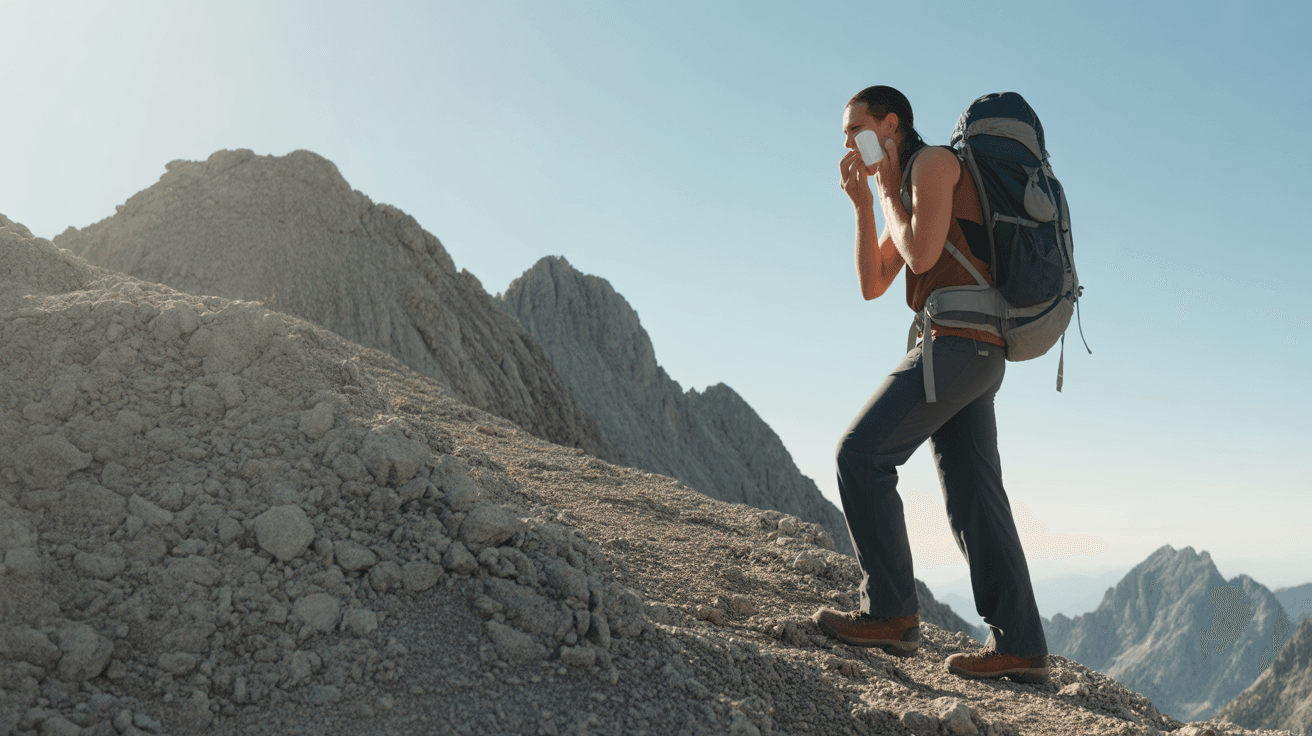
Getting sunburned on exposed ridgelines is not just uncomfortable – it can turn a beautiful hike into a miserable experience that leaves you red, painful, and dreading your next outdoor adventure. If you have dealt with sunscreen that runs into your eyes during climbs, stings when you sweat, or wears off before you reach the summit, you already know that regular sunscreen does not always cut it on the trail.
The best sunscreen for hiking needs to stay put during sweaty ascents, resist running into your eyes when temperatures climb, and provide reliable protection for hours of sun exposure. This guide will walk you through the top options designed specifically for active outdoor use, so you can focus on the views instead of constantly reapplying or wiping your face.
What to Look For
Water and Sweat Resistance Ratings
When shopping for the best sunscreen for hiking, look for products labeled as water resistant with a specific time rating. The FDA requires sunscreen to maintain its SPF protection for either 40 or 80 minutes of water exposure. For hiking, 80-minute water resistance is ideal because it holds up better during extended periods of sweating on long climbs or hot days. Water resistance does not mean waterproof – no sunscreen is completely impervious to sweat or water – but it does indicate the formula will cling to your skin better than non-resistant options. Apply sunscreen 15-30 minutes before you start hiking to allow it to bond with your skin, and plan to reapply every two hours of sun exposure or immediately after heavy sweating, even with water-resistant formulas.
Chemical Versus Mineral Sunscreen Formulas
Sunscreens fall into two categories: chemical and mineral. Chemical sunscreens absorb UV rays using ingredients like avobenzone and octinoxate. They typically feel lighter on skin, absorb quickly, and do not leave a white cast. However, they can irritate sensitive skin and are more likely to sting if they run into your eyes during sweaty hikes. Mineral sunscreens use zinc oxide or titanium dioxide to physically block UV rays. They sit on top of your skin, which makes them less likely to cause irritation or eye-stinging. The tradeoff is they can feel heavier, take more effort to rub in, and sometimes leave a slight white tint. For hikers who deal with sunscreen running into their eyes, mineral formulas often perform better because they are less likely to migrate with sweat.
SPF Level for Trail Use
SPF ratings measure protection against UVB rays, which cause sunburn. SPF 30 blocks about 97 percent of UVB rays, while SPF 50 blocks about 98 percent. SPF 100 offers marginally more protection at 99 percent. For most hikers, SPF 50 provides strong protection without the need for higher ratings. The difference between SPF 50 and SPF 100 is minimal in real-world effectiveness, but higher SPF products can sometimes feel heavier or greasier. What matters more than the number is proper application and reapplication. Most people apply far less sunscreen than needed – you need about one ounce (a shot glass worth) to cover your entire body, and a nickel-sized amount for your face. No matter which SPF you choose, reapply every two hours and after heavy sweating.
Eye-Stinging Prevention
One of the most frustrating problems on the trail is sunscreen that runs into your eyes when you sweat. This happens because many chemical sunscreen ingredients are designed to spread easily across skin, which also means they migrate easily with moisture. To minimize eye-stinging, choose formulas specifically marketed as “no-sting” or “eye-safe.” Sport-specific sunscreens are designed with polymers that help the product adhere to skin rather than running. Apply sunscreen carefully around your eyes, stopping at the orbital bone rather than directly on eyelids. Some hikers apply a small amount of petroleum jelly or thick stick sunscreen along the eyebrow line to create a barrier that catches drips before they reach the eyes. Mineral sunscreens are generally less likely to sting if they do reach your eyes.
Lotion Versus Spray Versus Stick Formulas
Sunscreen comes in three main forms, each with advantages for hiking. Lotions provide the most control during application and allow you to ensure even coverage. They are best for your face and areas where precision matters. Sprays are convenient for quick reapplication on arms, legs, and hard-to-reach areas like your back, but they can be uneven and waste product if wind catches the mist. Stick sunscreens are excellent for faces, especially around the eyes, because the solid formula does not run and you can apply without getting product on your hands. Many hikers carry a stick for their face and a lotion or spray for body coverage. Sticks are also compact and pack-friendly, though they can be harder to spread in cold weather.
Texture and Finish for Active Use
The texture of your sunscreen affects comfort during long hikes. Thick, greasy formulas can feel uncomfortable when you are sweating and may attract dirt and debris on dusty trails. Look for sunscreens described as “lightweight,” “dry-touch,” or “matte finish” if you prefer a less noticeable feel. Some formulas absorb quickly and leave skin feeling dry rather than slick. However, very lightweight chemical sunscreens may be more prone to running with sweat. Mineral sunscreens tend to sit on the surface longer and can feel heavier initially, but they stay in place better during activity. Test your sunscreen on a short hike before committing to it on a full-day trek to make sure the texture works for your skin and activity level.
Our Top Picks
1. EltaMD UV Sport Sunscreen Lotion SPF 50
Best for hikers who need serious sweat resistance and eye-safe protection on exposed ridgelines

EltaMD UV Sport is designed specifically for intense outdoor activity, and it shows in how well it holds up during long, sweaty climbs. This is a zinc oxide-based mineral sunscreen rated for 80 minutes of water and sweat resistance, which means it stays put better than most chemical formulas when you are working hard on steep terrain. The formula is oil-free and fragrance-free, so it will not irritate sensitive skin or add any scent that might attract bugs. One of the standout features is how it performs around the eyes – mineral sunscreens are generally less likely to sting if they migrate with sweat, and many reviewers specifically mention this product does not burn their eyes during activity.
The texture is thicker than lightweight chemical sunscreens, which some hikers find reassuring because you can feel it staying on your skin rather than disappearing immediately. It takes a bit more effort to rub in completely, and there can be a slight white cast initially, though it fades as you work it into your skin. The 3-ounce tube is compact enough to pack easily without taking up much room in your daypack. At this price point, it is more expensive per ounce than drugstore options, but the durability means you may actually use less product overall because you are not reapplying as frequently. This sunscreen is particularly well-suited for high-elevation hikes, desert trails, or any situation where you will be in direct sun for extended periods without shade. If you have struggled with sunscreen running into your eyes or fading before you finish your hike, this formula addresses both problems effectively. See current pricing for the EltaMD UV Sport Sunscreen Lotion SPF 50 on Amazon.
Pros
- 80-minute water and sweat resistance holds up on long climbs
- Zinc oxide formula less likely to sting eyes during activity
- Oil-free and fragrance-free for sensitive skin
- Compact 3-ounce tube is pack-friendly
- Strong performance in direct sun and high temperatures
Cons
- Thicker texture requires more effort to rub in completely
- Can leave slight white cast initially on darker skin tones
- Higher price point compared to drugstore brands
2. Blue Lizard SENSITIVE Mineral Sunscreen SPF 50+
Best for budget-conscious hikers with sensitive skin who need reliable mineral protection

Blue Lizard SENSITIVE offers solid mineral sunscreen protection at a fraction of the cost of premium brands. This zinc oxide formula is specifically designed for sensitive skin, making it a smart choice if you have had reactions to chemical sunscreens or fragranced products. The fragrance-free formula is also paraben-free, which reduces the chance of irritation during long days on the trail. One unique feature is the Smart Cap Technology – the white cap turns pink in UV light, giving you a visual reminder when sun exposure is high and you should be wearing sunscreen. While this is more of a novelty than a necessity, it can be helpful if you are hiking with kids or simply want a built-in reminder.
The texture is typical for mineral sunscreens – thicker and takes a bit of work to spread evenly. There is some white cast initially, but it blends reasonably well with rubbing. It provides broad-spectrum UVA and UVB protection and holds up well during moderate sweating. For less intense hikes or trails with some shade coverage, this performs admirably. On very hot days or extremely strenuous climbs, you may need to reapply more frequently than with higher-end formulas, but at this price point, using more product is still economical. The 3-ounce tube is travel-friendly and meets TSA requirements if you are flying to trailheads. Overall, this is an excellent value option for hikers who want mineral protection without spending premium prices, though it may not hold up quite as long during heavy sweating as more expensive sport-specific formulas. Read verified buyer reviews for the Blue Lizard SENSITIVE Mineral Sunscreen SPF 50+ on Amazon.
Pros
- Affordable mineral sunscreen without sacrificing basic protection
- Fragrance-free and paraben-free for sensitive skin
- Smart Cap turns pink in UV light as visual reminder
- Broad-spectrum UVA and UVB protection
- 20,000+ purchases indicate strong buyer trust
Cons
- May require more frequent reapplication during heavy sweating
- Thicker texture with noticeable white cast initially
- Not as sweat-resistant as premium sport formulas
View Blue Lizard SENSITIVE Mineral Sunscreen SPF 50+ on Amazon →
3. Supergoop! PLAY Everyday Lotion SPF 50
Best for hikers who want fast-absorbing, lightweight protection that does not feel heavy during activity

Supergoop! PLAY Everyday Lotion is a hybrid sunscreen that combines chemical and mineral ingredients to balance lightweight feel with reliable protection. This formula is designed for active days and is both water-resistant and sweat-resistant, making it suitable for hiking in warm conditions. One of its strongest selling points is the texture – it absorbs quickly without the heavy, greasy feel common in many sport sunscreens. For hikers who dislike the sensation of thick sunscreen sitting on their skin, this offers a more comfortable wearing experience. The fast absorption also means less chance of getting sunscreen on your clothing or gear after application.
The 2.4-ounce bottle is compact and easy to pack, though the smaller size means you will go through it faster if you are applying properly for full-body coverage. The formula is oil-free, which helps prevent that slick feeling during sweating, and it layers well under other products if you wear moisturizer or makeup before hitting the trail. Because it contains both chemical and mineral ingredients, it strikes a middle ground – lighter than pure mineral formulas but potentially more stable than pure chemical ones. Some users report mild eye irritation if the product runs with heavy sweating, so it may not be ideal for extremely hot days or very strenuous climbs. However, for moderate hikes or days with mixed sun and shade, this provides excellent protection without the heaviness of traditional sport sunscreens. The price sits in the mid-range, making it more accessible than luxury options while still delivering quality performance. Check current stock for the Supergoop! PLAY Everyday Lotion SPF 50 on Amazon.
Pros
- Fast-absorbing formula feels lightweight during activity
- Water-resistant and sweat-resistant for active use
- Oil-free texture layers well with other products
- Compact 2.4-ounce size is pack-friendly
- Hybrid formula balances protection with comfortable feel
Cons
- Smaller bottle means faster depletion with full-body application
- Some users report mild eye irritation during heavy sweating
- Not as heavy-duty as pure mineral sport formulas
4. La Roche-Posay Anthelios Melt-In Milk Sunscreen SPF 100
Best for hikers with sun-sensitive skin who need maximum SPF protection for high-exposure trails

La Roche-Posay Anthelios Melt-In Milk offers SPF 100 protection, making it one of the strongest options for hikers with very fair skin or those particularly sensitive to sun exposure. While the difference between SPF 50 and SPF 100 is minimal in terms of actual UV blocking (about 1 percent more), that extra margin can provide peace of mind on long, exposed ridgeline hikes or high-elevation trails where UV intensity increases. This formula is oil-free and includes antioxidants, which help protect skin beyond just UV blocking. The oxybenzone-free formulation addresses concerns some hikers have about chemical sunscreen ingredients.
The texture lives up to the melt-in name – it spreads easily and absorbs relatively quickly for a high-SPF formula. It is designed for both face and body use, which simplifies your packing list. The 3-ounce bottle is TSA-compliant for travel and fits easily into a daypack side pocket. This sunscreen is particularly well-reviewed by people with sensitive skin who have had reactions to other formulas. However, as a chemical sunscreen, it can potentially cause eye irritation if it runs with sweat, so careful application around the eye area is important. Some users find it leaves a slight sheen on the skin rather than a completely matte finish, which may bother hikers who prefer a dry-touch feel. At this price point, it is a premium option, but the strong SPF and comfortable texture justify the cost for hikers who prioritize maximum sun protection and have had good experiences with La Roche-Posay products in the past. Compare the La Roche-Posay Anthelios Melt-In Milk Sunscreen SPF 100 specs and pricing on Amazon.
Pros
- SPF 100 provides maximum protection for sun-sensitive skin
- Oil-free formula with added antioxidants
- Melt-in texture spreads and absorbs easily
- Suitable for both face and body application
- Oxybenzone-free formulation
Cons
- Chemical formula may cause eye irritation if it runs with sweat
- Leaves slight sheen rather than matte finish
- Premium price point compared to drugstore alternatives
View La Roche-Posay Anthelios Melt-In Milk Sunscreen SPF 100 on Amazon →
How These Compare
Choosing between these four sunscreens depends on your specific hiking conditions and skin needs. If you are dealing with heavy sweating on steep climbs or spending most of your hike in full sun with no shade, EltaMD UV Sport is the best choice despite the higher price. Its mineral formula and 80-minute water resistance rating mean it stays put better than the other options, and the eye-safe zinc oxide formula addresses the common problem of sunscreen stinging your eyes when you sweat. For hikers on a budget who still want mineral protection, Blue Lizard SENSITIVE delivers solid performance at less than half the price of EltaMD. It will not last quite as long during intense activity, but for moderate hikes or trails with some tree cover, it provides reliable protection without breaking the bank.
Supergoop! PLAY Everyday Lotion is the right pick if you hate the feeling of heavy sunscreen on your skin. Its fast-absorbing, lightweight texture makes it the most comfortable to wear during activity, though you may need to be more careful about reapplication timing on very hot days. This is an excellent middle-ground option for hikers who want decent sweat resistance without the thick feel of pure mineral formulas. Finally, La Roche-Posay Anthelios Melt-In Milk SPF 100 is specifically designed for people with very fair or sun-sensitive skin who burn easily. The ultra-high SPF provides an extra safety margin on high-exposure hikes, and the formula spreads easily for quick application. However, keep in mind it is a chemical sunscreen, so if you have experienced eye-stinging with other chemical formulas, the EltaMD mineral option will serve you better.
Consider your typical hiking conditions when making your choice. Desert hikes, alpine trails above treeline, and summer hikes in the Southwest all demand serious sun protection – in these situations, EltaMD or La Roche-Posay make sense. For forested trails with dappled shade or spring and fall hikes when the sun is less intense, Blue Lizard or Supergoop! will likely meet your needs at lower price points. Many experienced hikers keep both a high-performance option for serious sun exposure days and a lighter everyday formula for less intense hikes. Whatever you choose, remember that the best sunscreen for hiking is the one you will actually apply correctly and reapply every two hours, so pick a formula you find comfortable to wear.
Frequently Asked Questions
How often should I reapply sunscreen while hiking?
Reapply sunscreen every two hours of continuous sun exposure, regardless of the SPF rating or water-resistance claims. If you are sweating heavily on a steep climb or wiping your face frequently, reapply more often – approximately every 60-90 minutes. Water-resistant formulas last longer than non-resistant ones, but no sunscreen is permanent. The two-hour rule assumes you applied enough product initially, which most people do not do. You need about one ounce (a full shot glass) to cover your entire body and a nickel-sized amount for your face. Set a timer on your watch or phone if you tend to lose track of time on the trail, and always reapply after swimming or heavy sweating even if two hours have not passed. Carry your sunscreen in an accessible pocket rather than buried in your pack so reapplication does not feel like a chore that disrupts your hike.
Is mineral or chemical sunscreen better for hiking?
Mineral sunscreens (zinc oxide or titanium dioxide) are generally better for hiking because they are less likely to run into your eyes when you sweat and cause irritation. They sit on top of your skin and physically block UV rays rather than absorbing them like chemical sunscreens do. This makes them more stable in heat and less prone to migrating with moisture. The tradeoff is that mineral sunscreens can feel heavier, take more effort to rub in, and sometimes leave a white cast on skin. Chemical sunscreens feel lighter and more invisible but are more likely to sting if they reach your eyes during activity. For intense hikes with heavy sweating, especially on exposed terrain, mineral formulas perform better. For easier trails or cooler conditions where sweating is minimal, lightweight chemical formulas can be comfortable and effective. Some hikers split the difference by using a mineral stick around their eyes and a chemical lotion on their body.
Why does sunscreen run into my eyes when I sweat?
Sunscreen runs into your eyes during sweating because many formulas are designed to spread easily across skin, which also means they migrate easily with moisture. Chemical sunscreens are particularly prone to this because their ingredients dissolve slightly in sweat and water. When you sweat on your forehead or around your eyebrows, the moisture carries sunscreen downward into your eyes. To prevent this, choose sport-specific or mineral formulas that contain ingredients designed to adhere to skin rather than slide around. Apply sunscreen carefully around your eyes, stopping at the orbital bone rather than getting too close to your lash line. Some hikers create a barrier by applying a small amount of thick stick sunscreen or petroleum jelly along the eyebrow line to catch drips before they reach the eyes. Wearing a hat with a brim also helps by reducing the amount of sweat that runs down your forehead, though a hat alone is not sufficient sun protection.
What SPF do I need for hiking?
SPF 50 provides excellent protection for most hiking situations, blocking approximately 98 percent of UVB rays. SPF 30 blocks about 97 percent, which is adequate for moderate sun exposure, while SPF 100 blocks 99 percent and offers minimal additional protection beyond SPF 50. The difference in protection between these levels is smaller than most people think, and proper application matters far more than the number on the bottle. Most hikers under-apply sunscreen, using only 25-50 percent of the amount needed for the labeled SPF to be effective. For high-elevation hikes, desert trails, or any situation where you will be in direct sun for hours, choose SPF 50 or higher and apply generously. For forested trails with significant shade coverage or cooler seasons when UV intensity is lower, SPF 30 can be sufficient. Whatever SPF you choose, the key is applying enough product (one ounce for full body coverage) and reapplying every two hours without exception.
The Bottom Line
The best sunscreen for hiking is one that stays on your skin during activity rather than running into your eyes or fading before you reach the summit. For most hikers dealing with sweat and sun exposure on exposed ridgelines, a mineral formula like EltaMD UV Sport provides the most reliable protection because it adheres better to skin and causes less eye irritation than chemical alternatives. If you are working with a tighter budget but still want mineral protection, Blue Lizard SENSITIVE delivers solid performance at a fraction of the cost, though you may need to reapply slightly more often during intense activity.
For hikers who prioritize comfort and dislike heavy textures, Supergoop! PLAY Everyday Lotion offers a lightweight alternative that absorbs quickly without sacrificing sweat resistance for moderate hiking conditions. And if you have very fair or sun-sensitive skin that burns easily, La Roche-Posay Anthelios Melt-In Milk SPF 100 provides maximum protection with a comfortable texture, though its chemical formula means you should be careful with application around your eyes. Whatever you choose, remember that proper application and consistent reapplication matter more than any single product feature – apply generously 15-30 minutes before you start hiking, reapply every two hours, and carry your sunscreen where you can reach it easily rather than buried at the bottom of your pack.
Disclosure: As an Amazon Associate, we earn from qualifying purchases. This does not affect our editorial recommendations.