
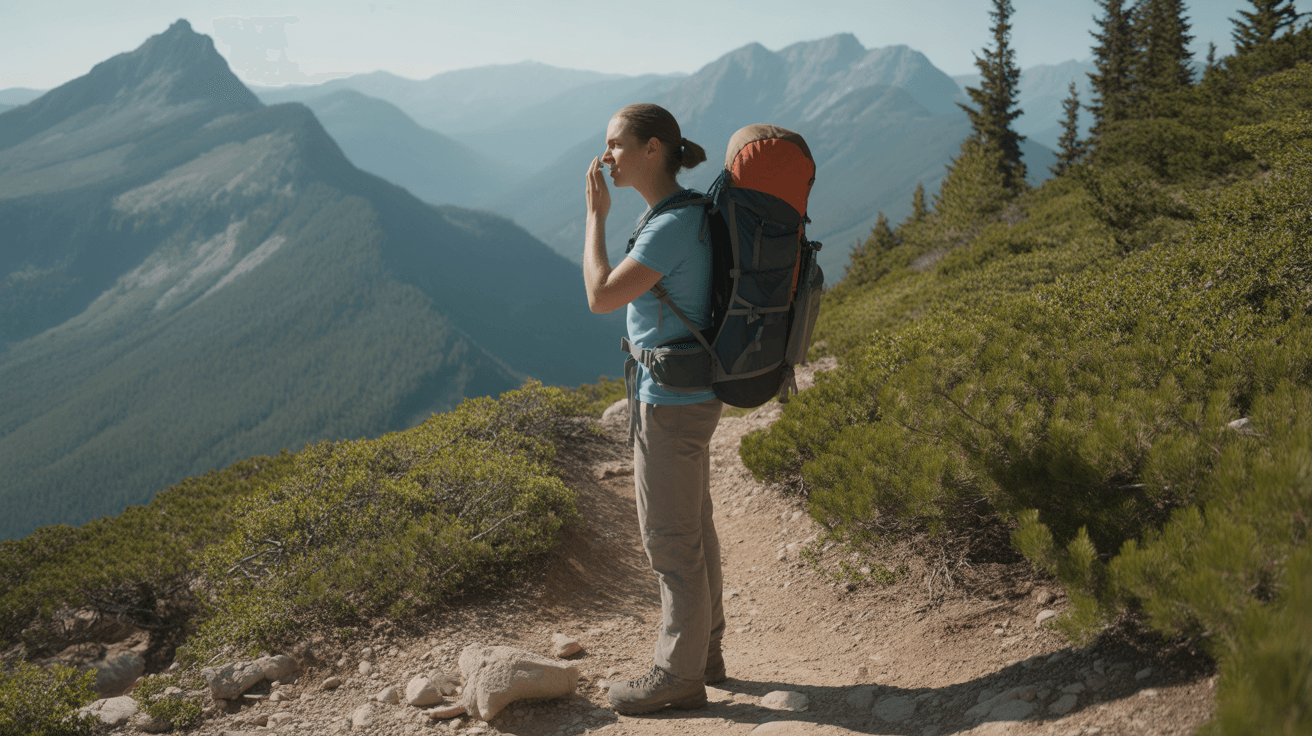
The best mineral sunscreen for hiking should protect your skin without turning you into a ghost or sliding off your face halfway up a switchback. If you have tried mineral sunscreens before and ended up looking like you smeared white paste on your cheeks, you are not alone-that chalky finish is the main reason people avoid zinc oxide formulas, even when they want the gentler protection mineral sunscreens offer.
The good news is that mineral sunscreen technology has improved dramatically. Modern formulas use micronized zinc oxide particles that blend into skin without that telltale white cast, and they are designed to stay put during sweaty hikes. This guide reviews the best mineral sunscreen for hiking options that work for active use, covering everything from budget-friendly picks to premium formulas that double as moisturizers.
What to Look For
Why Choose Mineral Sunscreen for Hiking
Mineral sunscreens use physical UV blockers-zinc oxide and titanium dioxide-that create a protective layer on your skin surface and reflect UV rays away. Chemical sunscreens, by contrast, absorb into your skin and convert UV rays to heat. Many hikers prefer mineral formulas because they work immediately (no 15-minute wait time), they are less likely to irritate sensitive skin, and they are considered reef-safe in most locations. According to the National Park Service, proper sun protection is essential for outdoor recreation, especially at higher elevations where UV exposure increases.
Understanding White Cast and How to Avoid It
White cast happens when zinc oxide particles are too large to blend invisibly into your skin. Traditional mineral sunscreens used particles around 200 nanometers-visible to the naked eye. Modern formulas use micronized or nano-sized particles (typically 30-50 nanometers) that scatter light differently and appear transparent on skin. When shopping for the best mineral sunscreen for hiking, look for terms like “no white cast,” “sheer finish,” or “transparent zinc oxide” in the product description. Tinted versions also work well-they add just enough color to offset any remaining whiteness while evening out your skin tone.
SPF Level and Water Resistance for Active Use
For hiking, SPF 30 is the minimum you should consider, but SPF 50 offers meaningfully better protection during long days on exposed trails. Water resistance matters even if you are not swimming-sweat is water, and an 80-minute water-resistant formula will stay effective longer than a non-resistant one during strenuous activity. That said, no sunscreen is truly sweatproof. Plan to reapply every two hours during active hiking, and more often if you are sweating heavily or wiping your face with a bandana.
Texture and Finish for Trail Use
The best mineral sunscreen for hiking should feel comfortable under your hat and not leave your face feeling sticky or greasy. Lotions tend to be more moisturizing and work well for dry skin types, while lighter creams or gel-based formulas absorb faster and feel less heavy during summer hikes. Some mineral sunscreens leave a slight matte finish that actually helps control shine-useful if you are hiking in hot weather. Avoid overly thick formulas that pill up (form little balls) when you rub them in or when they mix with sweat.
Application Tips for Even Coverage
Mineral sunscreens require more effort to apply than chemical formulas because the zinc particles do not disappear instantly. Use more product than you think you need-most people apply only 25-50 percent of the recommended amount. For your face, use a nickel-sized dollop and work it in gradually with your fingertips, using small circular motions. Let it sit for 30 seconds, then go back over any areas that still look white. Do not forget your ears, the back of your neck, and your hands. Mineral sunscreens work best when applied to clean, dry skin, so put it on before you start sweating if possible.
Ingredient Considerations and Skin Sensitivity
Zinc oxide is generally well-tolerated even by sensitive skin, but some formulas include additional ingredients that can cause irritation. Fragrance is a common culprit-if you have reactive skin, stick with unscented versions. Some mineral sunscreens add moisturizing ingredients like hyaluronic acid or niacinamide, which can be helpful if your skin tends to dry out on the trail. If you have acne-prone skin, look for non-comedogenic formulas that will not clog pores. Check product listings for any ingredients you know your skin reacts to before purchasing.
Our Top Picks
1. Blue Lizard Sport Mineral SPF 50 Lotion
Best overall for active hikers who need reliable protection without compromise
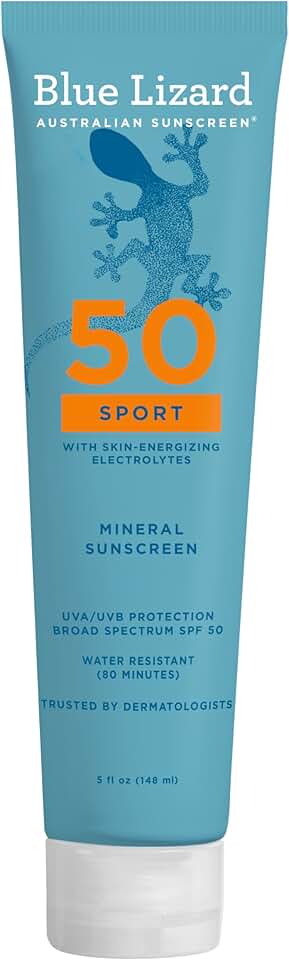
Blue Lizard Sport delivers exactly what hikers need from the best mineral sunscreen for hiking: SPF 50 protection, 100 percent mineral actives, and a formula that actually stays put during sweaty miles. The 5-ounce bottle provides enough product for multiple day hikes without weighing down your pack, and the fragrance-free formula works well for anyone hiking with sensitive skin or strong preferences about scent on the trail.
What sets this one apart is the texture-it is designed for athletes, which means it goes on more easily than typical mineral sunscreens and blends in without leaving obvious white streaks. You will still need to work it in thoroughly, but it does not require the aggressive rubbing that some zinc oxide formulas demand. The finish is not completely matte, but it is not greasy either-it settles into a natural look that does not make your face look overly shiny or chalky after a few miles of hiking.
The water-resistant rating means this sunscreen holds up reasonably well during sweaty ascents, though you should still plan to reapply every two hours during full-sun exposure. With 672 positive reviews and a 4.7-star rating, this formula has proven itself in real-world conditions. The vegan formulation and paraben-free ingredients make it a solid choice for hikers who care about both ingredient quality and performance. At roughly three dollars per ounce, it sits in the middle of the price range-not the cheapest option, but fair value for a formula that delivers reliable sun protection on the trail. See current pricing for the Blue Lizard Sport Mineral SPF 50 Lotion on Amazon.
Pros
- SPF 50 with 100 percent mineral actives provides strong sun protection
- Designed specifically for athletic use with good staying power during activity
- Fragrance-free and vegan formula suitable for sensitive skin
- 5-ounce size provides good value and lasts multiple hikes
Cons
- Requires thorough rubbing to blend completely into skin
- Not the lightest texture compared to chemical sunscreens
2. EltaMD UV Sport Sunscreen Lotion SPF 50
Best premium option for hikers who want dermatologist-recommended protection

EltaMD UV Sport is a dermatologist-favorite that has earned its reputation through actual performance, not just marketing. With nearly 13,000 reviews and a 4.7-star rating, this mineral sunscreen has been tested by thousands of active users who put it through real-world conditions. The zinc oxide formula provides broad-spectrum SPF 50 protection and is specifically designed for sports and outdoor activities, which means it understands what hikers actually need from sun protection.
The formula is notably more elegant than many mineral sunscreens-it spreads more easily and absorbs faster than typical zinc oxide products, which makes application less of a chore when you are trying to get on the trail. The water and sweat resistance holds up well during active use, though like all sunscreens, it still requires reapplication every two hours for continuous protection. The 3-ounce tube is a practical size for backpack carry without being bulky.
The main consideration here is price-at around $8.50 per ounce, this is one of the more expensive options for the best mineral sunscreen for hiking. But that premium buys you a formula that works reliably and has been thoroughly vetted by both dermatologists and real users over many years. If you have struggled with mineral sunscreens in the past because of texture or white cast issues, this formula addresses those concerns better than most. The subscription discount of 20 percent makes the ongoing cost more manageable if you decide this becomes your go-to trail sunscreen. Read verified buyer reviews for the EltaMD UV Sport Sunscreen Lotion SPF 50 on Amazon.
Pros
- Exceptionally high review count with consistent positive feedback
- Designed specifically for active use with reliable water and sweat resistance
- More elegant texture than typical mineral sunscreens
- Dermatologist-recommended brand with proven track record
Cons
- Higher price point at roughly $8.50 per ounce
- Smaller 3-ounce size means you will replace it more frequently
3. Blue Lizard Sensitive Mineral Sunscreen SPF 50+
Best for sensitive skin and hikers who react to many sunscreen formulas

Blue Lizard Sensitive is the most-reviewed product in this category with over 14,000 verified purchases, which tells you this formula has been working for a lot of people over a long period. The fragrance-free, zinc oxide formula is specifically designed for sensitive skin, making it a reliable choice for hikers who have had reactions to other sunscreens or who simply prefer gentler formulations on their face during long trail days.
The SPF 50+ rating provides strong protection, and the water-resistant formula holds up reasonably well during sweaty hikes, though you should still follow the two-hour reapplication guideline. One standout feature is the Smart Cap technology-the bottle cap changes from white to purple when exposed to UV rays, serving as a visual reminder that sun protection is needed. It is a small detail but surprisingly useful when you are debating whether to bother with sunscreen on a partly cloudy morning.
At roughly $3.16 per ounce, this is one of the more budget-friendly options for the best mineral sunscreen for hiking without sacrificing quality. The 3-ounce tube is portable and will fit easily in any daypack. The main trade-off is texture-this formula is a bit thicker and requires more effort to blend in compared to premium options, which means you need to take your time during application to avoid white streaks. But if you have sensitive skin or a limited budget, this formula offers solid protection without breaking the bank or irritating your face. Check current stock for the Blue Lizard Sensitive Mineral Sunscreen SPF 50+ on Amazon.
Pros
- Over 14,000 reviews confirm consistent performance
- Specifically formulated for sensitive skin with fragrance-free formula
- Smart Cap technology provides visual UV reminder
- Budget-friendly at roughly $3 per ounce
Cons
- Thicker texture requires more effort to blend completely
- Not as cosmetically elegant as higher-priced options
View Blue Lizard Sensitive Mineral Sunscreen SPF 50+ on Amazon →
4. CeraVe Invisible Mineral Sunscreen SPF 50
Best lightweight option for hikers who want minimal white cast

CeraVe Invisible Mineral lives up to its name better than most mineral sunscreens claiming to be invisible. The formula uses zinc oxide and titanium dioxide but is engineered to minimize white cast, making it a solid choice if you have been frustrated by the ghostly appearance of traditional mineral formulas. The addition of ceramides, niacinamide, and vitamin E means this doubles as a facial moisturizer, which simplifies your morning routine before heading out on the trail.
The oil-free formula works well for combination or oily skin types who want sun protection without adding extra shine or greasiness during sweaty hikes. The 1.62-ounce travel size fits easily in your pack or even a pocket, making it convenient for midday reapplication. At under $10 for a product from a dermatologist-developed brand, this represents good value for hikers who want reliable protection without spending premium prices.
The main consideration is staying power-while this formula is designed for sensitive skin and daily use, it is not specifically marketed as sport or active-use sunscreen like some other options. That means you may need to be more diligent about reapplication during strenuous hikes or very hot conditions. The smaller size also means you will run through it faster than larger bottles, though the travel-friendly format does make it easy to carry. With a 4.4-star rating across 624 reviews, this formula is building a solid reputation among users looking for effective mineral protection in a more cosmetically elegant package, though feedback is less extensive than more established options. Compare the CeraVe Invisible Mineral Sunscreen SPF 50 specs and pricing on Amazon.
Pros
- Minimal white cast compared to typical mineral sunscreens
- Includes beneficial ingredients like ceramides and niacinamide
- Oil-free formula works well for combination and oily skin
- Affordable price point under $10
Cons
- Not specifically designed for high-intensity athletic use
- Smaller 1.62-ounce size requires more frequent replacement
5. Badger SPF 50 Daily Mineral Sunscreen
Best for eco-conscious hikers who prioritize organic ingredients

Badger Daily Mineral Sunscreen brings 85 percent organic ingredients to the trail, making it the clear choice for hikers who care about both ingredient quality and environmental impact. The reef-safe, vegan formula uses zinc oxide for SPF 50 protection and is certified by multiple environmental standards. The unscented version works well for scent-sensitive hikers or anyone who wants to avoid attracting insects with fragrance.
What makes this one of the best mineral sunscreen for hiking options for certain users is the lightweight texture-Badger specifically designed this formula to address the thick, pasty feel that plagues many organic mineral sunscreens. It spreads more easily than expected given the high percentage of organic ingredients, and while it still requires proper blending, it does not leave the pronounced white cast that many natural formulas produce. The 4-ounce bottle provides good value despite the premium price, and the moisturizing properties mean you can skip a separate facial moisturizer on trail days.
The main trade-off is price-at roughly $5.75 per ounce, this costs more than drugstore options. But you are paying for certified organic ingredients, reef-safe formulation, and a company with strong environmental commitments. With a 4.5-star rating and limited customer feedback of 75 reviews, this represents a newer entry that is gaining traction among users who prioritize clean ingredients but has not yet accumulated the extensive verification of more established products. If organic certification and environmental standards matter to you as much as sun protection, this formula delivers on both fronts. See if the Badger SPF 50 Daily Mineral Sunscreen is right for your first hike on Amazon.
Pros
- 85 percent organic ingredients with multiple environmental certifications
- Reef-safe and vegan formula suitable for eco-conscious hikers
- Lightweight texture for an organic mineral sunscreen
- Unscented version works well for scent-sensitive users
Cons
- Higher price point at roughly $5.75 per ounce
- Limited customer feedback compared to other options
How These Compare
When choosing the best mineral sunscreen for hiking from these five options, your priorities and skin type should guide your decision. If you want the most reliable all-around performer, Blue Lizard Sport combines strong SPF 50 protection with a formula specifically designed for athletic use at a reasonable price. The 5-ounce size and proven performance during sweaty activity make it the safest bet for most hikers who need dependable sun protection without complications.
For hikers with sensitive skin or multiple ingredient sensitivities, Blue Lizard Sensitive offers the most thoroughly vetted formula with over 14,000 reviews confirming it works for reactive skin types. The budget-friendly price and Smart Cap UV indicator add practical value, though you will need to spend extra time blending it in compared to premium options. If your skin reacts to many sunscreens, start here.
EltaMD UV Sport is worth the premium price if you have struggled with mineral sunscreens in the past because of texture or white cast issues. The more elegant formula and extensive positive feedback from both dermatologists and active users make it a smart investment for hikers who want the best possible experience with mineral sun protection. The higher cost per ounce is justified if comfortable, reliable sunscreen makes the difference between actually using it consistently versus leaving it in your pack.
CeraVe Invisible Mineral works best for day hikers who want lightweight protection without obvious white cast and who appreciate the added skincare benefits of ceramides and niacinamide. The smaller size and lower price make it a good trial option if you are new to mineral sunscreens, though you may want a more robust sport formula for longer or more strenuous hikes.
Badger Daily Mineral is the clear choice for environmentally conscious hikers who want organic ingredients and reef-safe formulation without sacrificing protection. The lightweight texture and moisturizing properties make it surprisingly practical for active use despite the organic focus, though the premium price means this is best suited for hikers who specifically prioritize clean ingredients and environmental certifications over budget considerations.
Frequently Asked Questions
Does mineral sunscreen actually work as well as chemical sunscreen for hiking?
Yes, mineral sunscreen provides equally effective sun protection as chemical formulas when used correctly. Both types can achieve SPF 50 or higher ratings, and both block the full spectrum of UVA and UVB rays. The main difference is how they work-mineral sunscreens sit on top of your skin and physically reflect UV rays, while chemical sunscreens absorb into your skin and convert UV rays to heat. For hiking, mineral formulas offer the advantage of working immediately upon application without the 15-minute wait time that chemical sunscreens require. They also tend to be more stable in high heat and less likely to cause irritation on skin that is already stressed from sun exposure and sweat. The key to effectiveness is applying enough product and reapplying every two hours during sun exposure, regardless of which type you choose.
How do you prevent white cast with mineral sunscreen on the trail?
Preventing white cast starts with choosing a modern mineral sunscreen that uses micronized or nano-sized zinc oxide particles rather than traditional larger particles. Look for products labeled “no white cast,” “sheer finish,” or “transparent zinc oxide” in their descriptions. When applying the best mineral sunscreen for hiking, use more time and patience than you would with chemical formulas-work the product into your skin gradually using small circular motions, and allow 30 seconds for the formula to settle before checking for remaining white streaks. Apply to dry skin before you start sweating, as moisture can make blending more difficult. Tinted versions can help offset any remaining whiteness while evening out your skin tone. If you still see white cast after proper application, the formula may be using older zinc oxide technology, and you should try a different product specifically designed to blend invisibly into skin.
How often should you reapply mineral sunscreen during a long hike?
Reapply mineral sunscreen every two hours during continuous sun exposure, and more frequently if you are sweating heavily or wiping your face with a bandana or shirt. Even water-resistant mineral formulas rated for 80 minutes will begin to break down with persistent sweat and friction. On shaded trails with intermittent sun exposure, you can extend reapplication intervals slightly, but if you are hiking in full sun above treeline or during midday hours, stick to the two-hour guideline. Carry your sunscreen in an accessible pocket rather than buried in your pack-if reapplication requires stopping and digging through your gear, you are less likely to do it consistently. The mid-morning and mid-afternoon marks are good natural reminder points for reapplication during day hikes. For multi-day backpacking trips, factor sunscreen quantity into your planning-you will use more than you expect during consecutive days of sun exposure.
Can you use mineral sunscreen under a hat while hiking?
Yes, you should use mineral sunscreen under your hat even though the hat provides additional protection. Hats block direct overhead sun but do not fully protect your face from reflected UV rays bouncing off the ground, rocks, or water. This reflected radiation can still cause sunburn, especially at higher elevations where UV intensity increases by roughly 10 percent for every 1,000 feet of elevation gain. Mineral sunscreen under a hat provides base protection, while the hat adds a secondary barrier and reduces the total UV load on your skin. Choose a lightweight mineral formula that would not feel heavy or uncomfortable under a hat during hours of wear-thick, greasy formulas will feel more bothersome when trapped under a hat band. Apply sunscreen to your entire face, ears, and neck before putting your hat on, and check your ears and the back of your neck periodically since those areas often get missed but receive significant sun exposure during hiking.
The Bottom Line
The best mineral sunscreen for hiking protects your skin without turning into a white mask or sliding off your face before you reach the summit. Blue Lizard Sport offers the most reliable combination of protection, texture, and value for active hikers who need sunscreen that works during sweaty miles. EltaMD UV Sport delivers premium performance for hikers who want the most elegant mineral formula available and do not mind paying extra for it. Blue Lizard Sensitive provides budget-friendly protection for sensitive skin types who have struggled with other sunscreens.
If you are new to mineral sunscreens, start with CeraVe Invisible Mineral to see how your skin responds to zinc oxide formulas without committing to a larger bottle. The lightweight texture and minimal white cast make it an easy entry point for hikers transitioning from chemical sunscreens. For environmentally conscious hikers who want organic ingredients and reef-safe certification, Badger Daily Mineral delivers clean sun protection that actually works on the trail.
Remember that the best mineral sunscreen for hiking only works if you actually use it-choose a formula with a texture you find comfortable enough to apply consistently before every hike and reapply every two hours. Your skin will thank you for the protection, and modern mineral formulas make it easier than ever to get reliable sun protection without the white cast or greasy feel that used to define zinc oxide sunscreens.
Disclosure: As an Amazon Associate, we earn from qualifying purchases. This does not affect our editorial recommendations.