
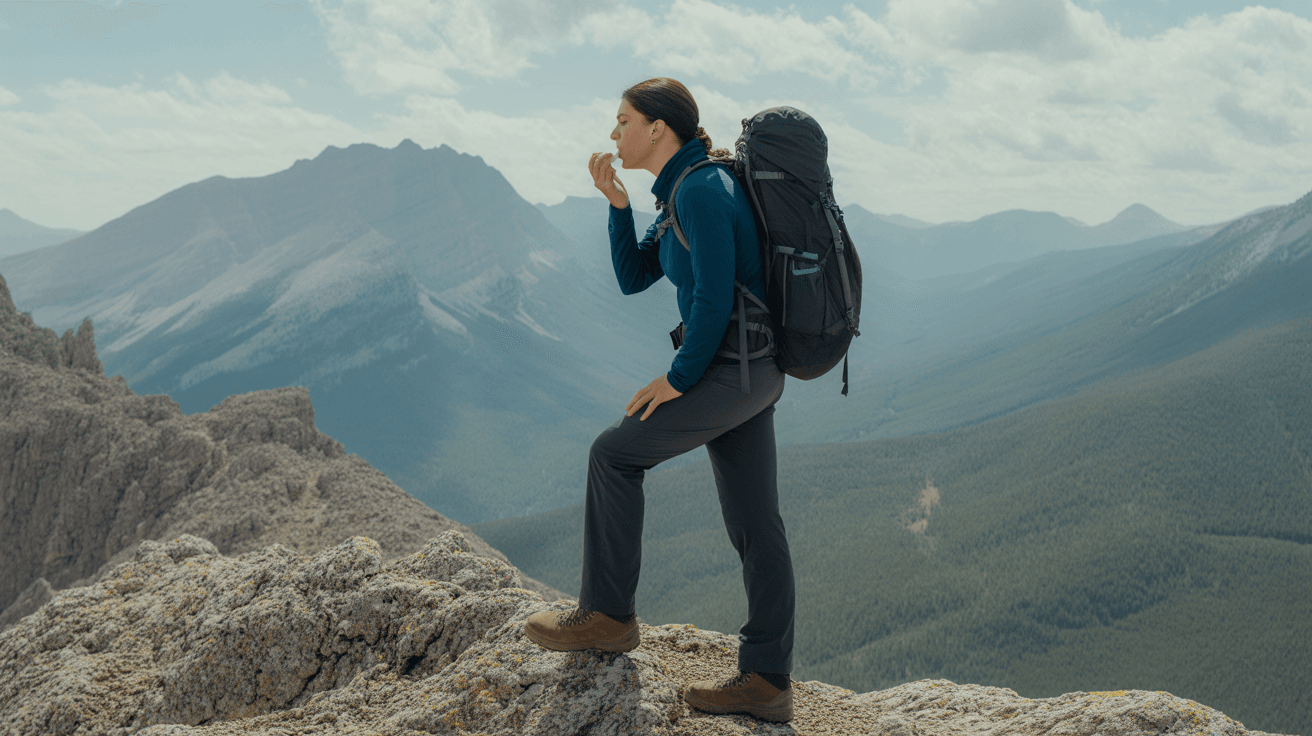
If you have ever watched your lip balm disappear halfway through a trail snack or felt that familiar sting of cracked, sunburned lips after a day at elevation, you know that finding the best SPF lip balm for hiking is not as simple as grabbing whatever is on sale at the drugstore. Your lips are thin-skinned and exposed to more intense UV radiation the higher you climb, but most lip balms slide off after the first water break or leave a greasy film that collects dust and grit.
The right lip balm needs to do more than moisturize. It has to stay on through sweating, drinking from your water bottle, eating trail mix, and hours of exposure to wind and sun. After reviewing products with solid customer feedback and proven sun protection, we have identified options that deliver reliable SPF coverage without the constant need to reapply every twenty minutes.
What to Look For
SPF Rating and Broad Spectrum Protection
SPF measures protection against UVB rays (the ones that cause sunburn), but UVA rays also damage lips and accelerate aging. Look for broad spectrum protection, which blocks both types. SPF 30 is the minimum effective level for hiking – it blocks about 97 percent of UVB rays. SPF 50 blocks about 98 percent. The difference is small, but the extra point matters on long exposed ridgelines or snow-covered trails where UV reflection intensifies.
Higher SPF does not mean you can skip reapplication. Any lip balm wears off with normal use, so plan to reapply every two hours during active sun exposure, or immediately after eating or drinking.
Staying Power and Water Resistance
The best SPF lip balm for hiking grips your lips even when you are sweating or sipping water. Water-resistant formulas are rated for either 40 or 80 minutes of water exposure. An 80-minute rating means the product maintains its SPF level longer during sweaty climbs or wet conditions.
Texture matters here. Balms that feel too greasy tend to slip off faster. Waxy formulas with ingredients like beeswax or candelilla wax create a protective barrier that resists moisture better than slick, oily formulas. If your balm feels like it is sliding around your mouth within minutes, it will not protect you on the trail.
Moisturizing Ingredients That Support Healing
Sun protection only works if the balm stays on, and cracked or peeling lips reject most formulas. Look for moisturizing ingredients like shea butter, cocoa butter, coconut oil, jojoba oil, or vitamin E. These help repair damaged skin and create a smooth surface for the sunscreen to adhere to.
Avoid balms with drying ingredients like menthol or camphor if your lips are already compromised. These create a cooling sensation but can worsen cracking over time. If your lips are severely chapped before a hike, apply a heavy moisturizing balm the night before, then switch to your SPF formula in the morning.
Mineral vs Chemical Sunscreen Formulas
Mineral sunscreens (zinc oxide or titanium dioxide) sit on top of your lips and physically block UV rays. They work immediately upon application and tend to be less irritating for sensitive skin. The downside is they can leave a visible white cast, though newer formulas have minimized this. If you are new to SPF lip products, mineral formulas are the safer starting point because they cause fewer reactions and you do not have to worry about waiting for absorption before heading out.
Chemical sunscreens (avobenzone, octinoxate, oxybenzone) absorb into the skin and convert UV rays into heat. They go on clear and feel lighter, but some people experience irritation. If you hike in areas with coral reef protections (Hawaii, parts of the Caribbean), note that some chemical sunscreens are banned. Mineral-only formulas are universally reef-safe.
Flavor and Scent Considerations
Unflavored balms are the safest choice if you are prone to licking your lips, which removes protection. Flavored balms (vanilla, coconut, mint) can tempt you to lick more often, defeating the purpose. If you prefer flavor for the sensory experience, choose one that does not taste sweet or make you want to lick constantly.
Strongly scented balms can attract insects on the trail. If you hike in areas with gnats or bees, stick with unscented or very lightly scented options.
Packaging and Portability
Stick balms are easiest to apply without touching your lips, which matters when your hands are dirty or you are sharing with a hiking partner. Tubes require squeezing, and pots require finger application, which increases contamination risk.
Most stick balms are lightweight and fit in any pocket. If you carry multiple sticks for long trips, look for packs or multi-packs that reduce per-unit cost. Some hikers clip a balm to a carabiner on their pack strap for instant access without digging through pockets.
Our Top Picks
1. Banana Boat Sport Ultra SPF 50 Lip Sunscreen Twin Pack
Best for hikers who need reliable high SPF protection without frequent reapplication

This twin pack delivers SPF 50 broad spectrum protection in a formula that actually stays put during active hiking. With over 10,000 customer reviews and a 4.7-star rating, it has proven itself on thousands of trails. The oxybenzone-free formula addresses reef safety concerns while maintaining strong UV protection.
The texture strikes a good balance between moisturizing and durable. It goes on smoothly without feeling greasy or heavy, and it resists coming off when you drink from your water bottle or wipe sweat from your face. The formula includes aloe vera and vitamin E, which help keep lips comfortable during long days at elevation where wind and sun combine to dry out exposed skin.
At under five dollars for two sticks, this is one of the most cost-effective options for hikers who go through lip balm quickly or want to keep backup sticks in multiple packs and pockets. The stick format makes application easy even with gloves on during shoulder-season hikes.
Some users report a slightly waxy feel compared to everyday lip balms, but this is what helps the product stay on during sweaty climbs. The lack of flavor or scent means it will not attract insects, though some hikers prefer a hint of taste.
Pros
- SPF 50 broad spectrum protection with oxybenzone-free formula
- Over 10,000 positive reviews confirm reliable performance
- Twin pack offers excellent value under five dollars
- Stays on through sweating and drinking without constant reapplication
Cons
- Slightly waxy texture compared to non-SPF balms
- Unflavored formula may feel plain to some users
View Banana Boat Sport Ultra SPF 50 Lip Sunscreen Twin Pack on Amazon →
2. Jack Black Intense Therapy Lip Balm SPF 25
Best for hikers who want superior moisturizing alongside sun protection

With more than 25,000 customer reviews, this lip balm has built a loyal following among outdoor enthusiasts who need both sun protection and serious moisture. The SPF 25 broad spectrum formula includes shea butter and avocado oil, creating a deeply hydrating barrier that works especially well for hikers dealing with already-chapped lips.
The texture is richer than most sport-specific balms, which means it provides more intensive moisture but takes slightly longer to absorb. Once it sets, it creates a protective layer that resists wind and cold as effectively as it blocks sun. The natural mint flavor is subtle enough that it does not encourage licking, but provides a pleasant cooling sensation on hot climbs.
This balm works particularly well for high-altitude hiking where both sun intensity and dry air attack your lips simultaneously. The combination of SPF and heavy moisturizers addresses both threats. The tube size is slightly larger than standard stick balms, giving you more product for longer trips.
The trade-off is price. At ten dollars, this costs twice as much as budget options. Some hikers find the richer texture too heavy for summer hiking in humid conditions, where a lighter formula would be more comfortable.
Pros
- Over 25,000 reviews confirm long-term reliability
- Rich moisturizing formula with shea butter and avocado oil
- Works well in high-altitude and cold-weather conditions
- Subtle mint flavor provides cooling without encouraging licking
Cons
- Higher price point at ten dollars per tube
- Richer texture may feel heavy in hot humid conditions
- SPF 25 requires more frequent reapplication than SPF 50 options
3. O’Keeffe’s Lip Repair SPF 35 Lip Balm 3 Pack
Best for hikers with severely chapped or cracked lips who need healing and protection

This three-pack targets hikers dealing with serious lip damage from repeated sun exposure and dry conditions. The 4.8-star rating reflects its effectiveness at healing extremely dry or cracked lips while providing SPF 35 protection. The formula is notably thicker and more concentrated than standard lip balms, designed to repair damaged skin rather than just moisturize.
The texture feels almost medicinal at first application, but this density is what allows it to stay on during intense activity. It creates a protective seal that resists wind, cold, and moisture loss. Hikers who struggle with chronic chapping report that this balm actually improves lip condition over multiple days of use, not just during application.
The three-pack format makes sense for serious hikers who want a tube in their main pack, car, and home. At around seven dollars per tube, it sits in the mid-price range. The unflavored, unscented formula means zero taste or smell, which some users appreciate for its pure functionality.
The main drawback is the thick texture, which some users find too heavy for everyday use or warm-weather hiking. This is a specialized product for damaged lips rather than general-purpose protection. Application requires more effort than smoother balms, and the product takes longer to warm up and spread in cold conditions.
Pros
- Highest rating at 4.8 stars for healing severely chapped lips
- SPF 35 provides solid protection without jumping to SPF 50
- Three-pack ensures you always have a backup tube
- Thick protective barrier resists wind and moisture loss
Cons
- Heavy texture may be too thick for warm-weather hiking
- Takes longer to apply and spread compared to lighter balms
- Higher total cost at nearly twenty-two dollars for the pack
View O’Keeffe’s Lip Repair SPF 35 Lip Balm 3 Pack on Amazon →
4. Sun Bum SPF 30 Sunscreen Coconut Lip Balm
Best budget option for hikers who want solid SPF 30 protection with pleasant flavor

With nearly 30,000 customer reviews, this lip balm proves you do not need to spend ten dollars for effective sun protection on the trail. The SPF 30 broad spectrum formula includes aloe vera and vitamin E for moisture, and the coconut flavor adds a tropical touch that many hikers appreciate without being overly sweet.
The texture is lighter than wax-heavy sport balms, making it comfortable for all-day wear in various conditions. It goes on smoothly and absorbs quickly, though this lighter feel means it may not last quite as long between applications as thicker formulas. The vegan and cruelty-free formula appeals to hikers who prioritize ethical product choices.
At just over three dollars, this offers excellent value for casual day hikers or anyone building a collection of backup balms for various packs and vehicles. The coconut scent is mild enough that it has not been reported to attract insects, and the flavor is subtle enough that it does not encourage constant licking.
The lighter texture is a double-edged feature. While it feels more comfortable than heavy balms, it also wears off faster during intense activity or frequent drinking.
Pros
- Nearly 30,000 reviews make this one of the most-tested options
- Budget-friendly at just over three dollars
- Light texture comfortable for all-day wear
- Vegan and cruelty-free formula with aloe and vitamin E
Cons
- Lighter texture means more frequent reapplication needed
- SPF 30 may not be sufficient for high-altitude or snow hiking
- Coconut flavor may not appeal to everyone
How These Compare
Choosing the best SPF lip balm for hiking depends on your specific conditions and how damaged your lips already are. If you are planning a long day at elevation or hiking in snow where UV reflection intensifies exposure, the Banana Boat Sport Ultra SPF 50 offers the highest sun protection in our lineup and costs less than five dollars for a twin pack. Its proven staying power through sweat and water makes it reliable for active hikers who cannot stop to reapply constantly.
For hikers dealing with already-chapped or cracked lips, the O’Keeffe’s Lip Repair SPF 35 three-pack addresses both healing and protection. Its thicker medicinal texture creates a stronger barrier against wind and moisture loss, and the 4.8-star rating reflects its effectiveness at repairing damaged skin. The trade-off is a heavier feel that some find too intense for warm-weather use.
If you want superior moisture alongside sun protection and do not mind spending a bit more, the Jack Black Intense Therapy SPF 25 combines shea butter and avocado oil in a rich formula that works particularly well in cold or high-altitude conditions. With over 25,000 reviews, it has proven itself across countless trails, though the SPF 25 rating means you will need to reapply more frequently than with SPF 50 options.
Budget-conscious hikers who still want reliable protection should consider the Sun Bum SPF 30 Coconut. At just over three dollars, it delivers solid broad spectrum coverage with a comfortable lightweight texture. The nearly 30,000 customer reviews confirm its effectiveness, though the lighter formula requires more frequent reapplication than wax-heavy sport balms.
Frequently Asked Questions
How often should I reapply SPF lip balm while hiking?
Reapply SPF lip balm every two hours during active sun exposure, or immediately after eating, drinking, or wiping your face. This two-hour window applies regardless of SPF rating. Water-resistant formulas rated for 80 minutes maintain their protection longer during sweaty climbs, but you should still reapply after drinking from your water bottle or eating trail snacks, as these activities physically remove the protective layer. At high altitude or on snow-covered trails, UV intensity increases and reflection intensifies exposure, so err on the side of more frequent application. Keep your lip balm easily accessible in a pocket or clipped to your pack strap so you can reapply without stopping to dig through your gear.
Does SPF lip balm prevent lips from getting chapped on hikes?
SPF lip balm protects against sun damage but does not fully prevent chapping, which results from multiple factors including wind, cold, low humidity, and dehydration. To minimize chapping, choose a lip balm that combines SPF with moisturizing ingredients like shea butter, coconut oil, or vitamin E. Stay hydrated throughout your hike, as dehydrated lips crack more easily. Avoid licking your lips, which removes protective balm and accelerates moisture loss. In cold or windy conditions, consider using a neck gaiter or buff to shield your mouth from direct exposure. If your lips are already severely chapped before a hike, apply a heavy moisturizing balm the night before to create a healthier base, then switch to your SPF formula in the morning.
What is the difference between mineral and chemical SPF lip balm?
Mineral SPF lip balms use zinc oxide or titanium dioxide to physically block UV rays by sitting on top of your lips. They work immediately upon application and cause less irritation for sensitive skin. The main downside is a potential white cast, though newer formulas have minimized this. Chemical SPF lip balms use ingredients like avobenzone or octinoxate that absorb into skin and convert UV rays into heat. They go on clear and feel lighter, but some people experience irritation. If you hike in reef-protected areas like Hawaii, mineral-only formulas are required, as some chemical sunscreens are banned for environmental reasons. For hiking purposes, both types work effectively if applied properly and reapplied regularly. Choose based on your skin sensitivity and whether you will be hiking in areas with sunscreen restrictions.
Can I use regular sunscreen on my lips instead of SPF lip balm?
Regular sunscreen is not formulated for lips and can cause irritation, taste unpleasant, and wear off quickly due to the unique environment of your mouth. Lips lack the oil glands that other skin has, making them more prone to drying and cracking. SPF lip balms are specifically designed to adhere to this thinner skin, resist saliva and moisture, and include ingredients that keep lips comfortable. Regular sunscreen also contains ingredients you would not want to ingest, and you will inevitably swallow some throughout the day. Stick with products designed specifically as lip protection. If you are caught without lip balm and have no other option, a small amount of facial sunscreen is better than no protection, but purchase proper SPF lip balm for your next hike.
The Bottom Line
The best SPF lip balm for hiking stays on through sweat, snacks, and hours of sun exposure while providing reliable broad spectrum protection. Your choice depends on your specific hiking plans and current lip condition.
If you are planning your first few day hikes on local trails with moderate sun exposure and want an affordable option to test out, the Sun Bum SPF 30 Coconut gives you solid protection at just over three dollars. The lightweight feel makes it comfortable to wear all day, and nearly 30,000 reviews confirm it works for casual hiking.
For budget-conscious hikers tackling longer or more exposed trails where the sun beats down for hours, the Banana Boat Sport Ultra SPF 50 twin pack offers maximum sun protection for under five dollars. The twin pack means you can keep one in your car and one in your pack, and the higher SPF matters when you are above treeline or on snow.
If your lips are already cracked and painful from previous hikes or dry weather, start with the O’Keeffe’s Lip Repair SPF 35 three-pack. The thicker medicinal formula focuses on healing damage while protecting against further sun exposure. Many users report improvement within days of consistent use.
For hikers in cold climates, high altitude, or winter conditions where both sun intensity and dry air attack your lips, the Jack Black Intense Therapy SPF 25 combines rich moisture with sun protection in a formula trusted by over 25,000 outdoor enthusiasts. The higher price reflects the premium moisturizing ingredients that work well when standard balms feel inadequate.
Regardless of which balm you choose, remember that even the highest SPF formula requires reapplication every two hours and immediately after eating or drinking. Keep your lip balm accessible in a pocket or clipped to your pack rather than buried in the bottom of your bag. Start applying sun protection before you leave the trailhead (the parking area where trails begin), and reapply one last time before you start your drive home. Your lips are as exposed as any other part of your face, and protecting them properly means you can focus on the trail instead of dealing with painful cracks and sunburn.
Disclosure: As an Amazon Associate, we earn from qualifying purchases. This does not affect our editorial recommendations.