
Buying your first hiking backpack can feel overwhelming when you are not sure what you actually need. You want something that will carry your water, snacks, and a jacket without falling apart after three hikes, but you do not want to spend $200 on gear when you are just starting out. That is completely reasonable. Many beginners worry that a budget pack means poor quality or uncomfortable straps, but the truth is that excellent beginner-friendly backpacks exist well under the $100 mark.
The real question is not whether affordable packs are good enough, it is which one matches your hiking style. Will you mostly do short 2-3 hour walks on local trails, or are you planning longer day hikes with more gear? Do you need space for a water bladder, or will bottles in side pockets work fine? This guide reviews five genuinely good hiking backpacks under $100, all with hundreds or thousands of real customer reviews. We will help you understand what matters most in a daypack so you can choose confidently and start hiking without second-guessing your gear.
What to Look For
Capacity: 20L vs 30L and What Actually Fits Inside
Capacity is measured in liters, which tells you the total volume the pack can hold. For beginner day hikes lasting 2-4 hours, a 20L pack typically holds everything you need: 2 liters of water, snacks, a first aid kit, a light jacket, sunscreen, and your phone. It feels lighter and less bulky on shorter trails. A 30L pack gives you room for extra layers, a packed lunch, trekking poles strapped to the outside, and maybe a small camera. If you are not sure which size you need, consider this: can you carry everything in a school backpack right now? If yes, 20L works. If you are already stuffing things in awkwardly, go with 30L. Bigger is not always better because a half-empty large pack will bounce around uncomfortably, but having a bit of extra space beats cramming gear in and breaking zippers.
Hip Belt and Load Distribution: Why Your Shoulders Should Not Do All the Work
Many beginners do not realize that a proper hiking backpack transfers weight from your shoulders to your hips, which are much stronger. A hip belt is the padded strap that wraps around your waist, and when tightened correctly, it should carry 70-80% of the pack’s weight. Packs under $100 often have simpler hip belts than expensive models, but they should still have some padding and be adjustable. If you are trying a pack at home, load it with 10-15 pounds of books or water bottles, put it on, tighten the hip belt snugly on your hip bones (not your waist), then adjust the shoulder straps so they guide rather than carry. Your shoulders should feel light pressure, not digging straps. For very short hikes with minimal gear, a basic hip belt or even no hip belt is fine, but for anything over two hours or 10 pounds, you will feel the difference a supportive belt makes.
Fit and Adjustability: Not All Backs Are the Same Length
Backpack fit is about torso length, not your height. Your torso length is the distance from the bony bump at the base of your neck to the top of your hip bones. Most budget packs come in one size that fits average torsos (16-19 inches), which works for many people but not everyone. Look for adjustable sternum straps that connect the shoulder straps across your chest—these help stabilize the pack and prevent straps from sliding off your shoulders. Some packs have load lifter straps at the top of the shoulder straps, which angle the pack closer to your back when tightened. At this price range, you will not find fully adjustable suspension systems, but good shoulder strap padding and multiple adjustment points make a huge difference. If you are particularly tall, short, or have a longer or shorter torso, pay extra attention to reviews mentioning fit.
Build Quality and Water Resistance: What to Expect at This Price
Packs under $100 use ripstop nylon or polyester, which resists tearing and holds up well for day hiking. Water resistance varies: many packs have a DWR (durable water repellent) coating that sheds light rain for 15-30 minutes but will not keep gear dry in a downpour. Some include a separate rain cover, which is a lightweight shell you pull over the entire pack when it really pours. Zippers are a common failure point on cheap packs, so look for YKK zippers or brands with lots of reviews mentioning durability. Stitching at stress points (where straps attach, bottom corners) should be reinforced. For beginner use—day hikes once or twice a month—a well-reviewed pack in this range will last several years. If you plan to hike weekly or in rough terrain, be prepared to replace it sooner, but that is fine as you learn what features matter most to you before investing in a pricier pack.
Our Top 5 Picks
1. ZOMAKE Ultra Lightweight Packable Backpack 30L
Best for beginners who want maximum capacity and packability on a tight budget

This 30L packable backpack is one of the most popular budget hiking packs on the market, and for good reason. With over 16,000 reviews and a 4.6-star rating, it has proven itself reliable for beginners who need affordable gear that actually works. The pack folds into its own pocket to about the size of a sandwich, which makes it incredibly convenient to keep in your car or toss in luggage when traveling. When expanded, it offers 30 liters of space—enough for a full day hike with layers, lunch, 3 liters of water, and extra gear. The main compartment is roomy with a drawstring closure plus a zipper flap, and there are two side mesh pockets for water bottles and a front pocket for quick-access items like your phone or trail snacks. The shoulder straps have decent padding for this price range, and there is a chest strap to keep everything stable. The hip belt is minimal, more of a stabilizing strap than a load-bearing belt, so this pack works best when you are carrying 10-15 pounds or less. The material is ripstop nylon treated with a water-resistant coating that handles light rain and morning dew but will not keep your gear dry in sustained rain—though many hikers just pack a trash bag inside for electronics if weather looks uncertain. The Global Recycled Standard certification means the materials meet environmental standards, which is a nice bonus. The zippers are surprisingly sturdy for the price, and the pack sits comfortably on your back without excessive bouncing once properly adjusted. Because it folds so small, many beginners buy this as a backup pack or for travel and then find themselves using it regularly because it simply does the job well. It is not a technical pack for serious mountain hikes, but for local trails, nature walks, and weekend outings, it delivers exactly what a new hiker needs without wasting money on features they do not yet need. See current pricing for the ZOMAKE Ultra Lightweight Packable Backpack 30L on Amazon.
Pros
- Exceptionally affordable at $21.99 with strong durability track record
- 30L capacity fits everything for longer day hikes without feeling oversized
- Packs down into its own pocket for easy storage and travel
- Over 16,000 reviews confirm reliability and beginner-friendliness
- Water-resistant coating and decent padding for the price
Cons
- Hip belt is minimal and better for lighter loads under 15 pounds
- Not designed for heavy rain without additional waterproofing
- Shoulder strap padding is basic compared to premium packs
View ZOMAKE Ultra Lightweight Packable Backpack 30L on Amazon →
2. Outlander 20L Packable Lightweight Travel Hiking Backpack
Best compact 20L option for short hikes and minimalist packers
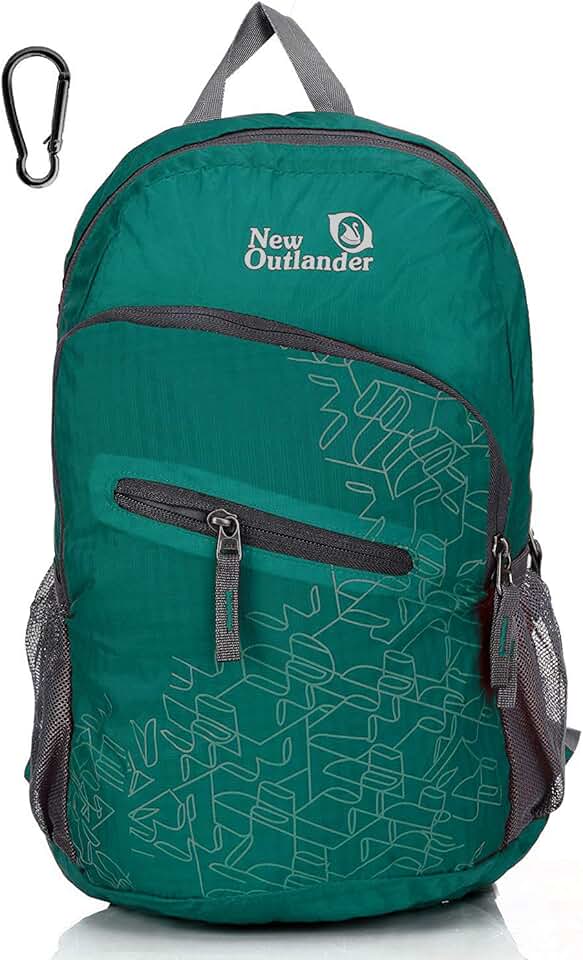
The Outlander 20L is proof that budget backpacks can be both lightweight and durable. With more than 14,000 customer reviews, this pack has become a go-to for beginners who prefer smaller, simpler gear for half-day hikes and local trails. At 20 liters, it holds just enough for 4-6 hours on the trail: two water bottles in the side pockets, a packed lunch, a light jacket, basic first aid supplies, and your essentials. The main compartment opens wide with a two-way zipper, and there is a front zippered pocket for items you want to grab quickly without digging through the main section. The fabric is tear-resistant and water-resistant ripstop nylon that sheds light moisture well—several reviewers mention using it in drizzle without issues, though it is not waterproof in heavy rain. One of this pack’s standout features is how compact it becomes when folded into its own zippered pocket, shrinking to roughly the size of a paperback book. This makes it ideal for keeping in your car as an emergency pack or tucking into luggage when you travel and want hiking options at your destination. The shoulder straps are padded enough for the weight you would carry in a 20L pack, and the chest strap keeps it from shifting around when you move. There is a small hip strap that helps stabilize the load but is not meant for heavy weight distribution. The pack sits high on your back and feels nimble, which some hikers love and others find less supportive than a larger pack that rides lower. Build quality is solid for the price—the stitching is reinforced at stress points, and the zippers hold up well according to long-term reviewers. The color options are practical rather than flashy, with dark teal and similar tones that hide dirt well. This pack shines when you know exactly what you need and want to avoid carrying extra bulk or weight. It is ideal for beginners still figuring out their hiking rhythm who do not want to invest heavily before knowing their preferences. Read verified buyer reviews for the Outlander 20L Packable Lightweight Travel Hiking Backpack on Amazon.
Pros
- 20L size is perfect for short day hikes without unnecessary bulk
- Extremely affordable at $18.32 with over 14,000 positive reviews
- Folds into its own pocket for compact storage and travel
- Lightweight design that does not feel heavy even when empty
- Durable ripstop material and reinforced stitching
Cons
- Smaller capacity means less room for extra layers or longer hikes
- Hip strap is minimal and not designed for heavy loads
- Sits higher on back which some users find less stable than lower-riding packs
View Outlander 20L Packable Lightweight Travel Hiking Backpack on Amazon →
3. Osprey Sportlite 20L Unisex Hiking Backpack
Best premium-quality pack for beginners who want brand reliability and better comfort
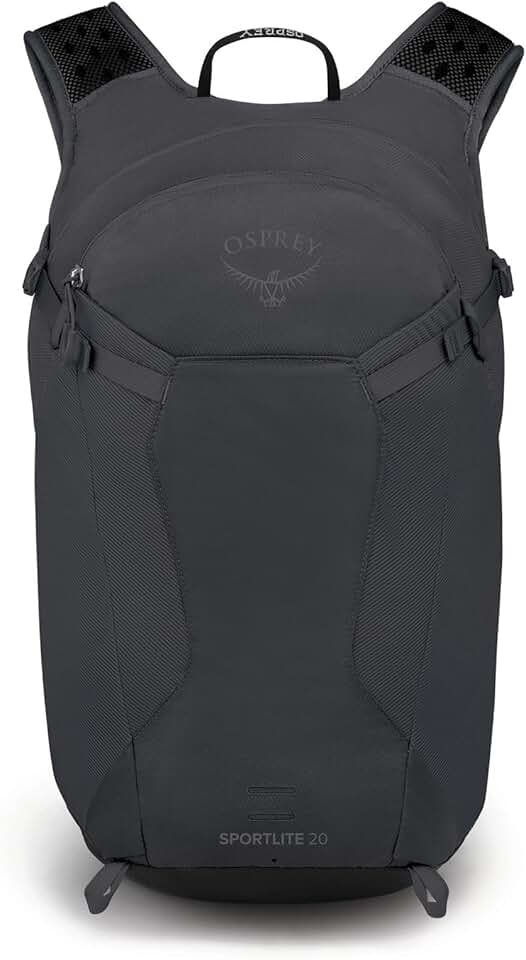
Osprey is one of the most respected names in outdoor gear, and the Sportlite 20L brings that reputation to the budget category with a pack that balances affordability and quality. At $69.94, it sits at the higher end of the under-$100 range, but you are paying for superior build quality, better materials, and Osprey’s legendary customer service. This is a true hiking-specific daypack designed for trails rather than just adapted from a travel or school bag. The 20-liter capacity is ideal for 3-5 hour hikes with all the essentials: hydration bladder or bottles, snacks, rain shell, first aid kit, and small items. The pack includes a suspended mesh back panel that creates airflow between the pack and your back, reducing sweat buildup on warm days—a feature you will not find on cheaper models. The shoulder straps are well-padded and have a sternum strap with an emergency whistle built in, which is a thoughtful safety detail. There is also an integrated rain cover stored in a zippered pocket at the bottom of the pack, so you are prepared for sudden weather changes without carrying extra gear. The main compartment opens with a drawstring and lid, and there is a front stretch pocket for wet layers or items you want to access without opening the main section. Two side mesh pockets hold water bottles securely even on uneven terrain. The fabric is Bluesign-approved, meaning it meets strict environmental and safety standards, and Osprey includes a lifetime warranty—if anything breaks from normal use, they will repair or replace it. Reviewers consistently praise the comfortable fit and thoughtful design details like compression straps to cinch down the load and attachment points for trekking poles or a helmet. This pack is heavier when empty than ultralight packable options, but the trade-off is durability and comfort over many years of use. If you are a beginner who knows you will hike regularly and wants gear that grows with you, the Sportlite justifies its price. Check current stock for the Osprey Sportlite 20L Unisex Hiking Backpack on Amazon.
Pros
- Osprey’s reputation for quality and lifetime warranty
- Suspended mesh back panel keeps you cooler on warm hikes
- Better hip belt and shoulder padding than budget alternatives
- Includes integrated rain cover and emergency whistle
- Bluesign-approved materials meet environmental standards
Cons
- Higher price at $69.94 compared to other budget options
- Heavier when empty than packable ultralight packs
- 20L capacity may feel limiting for longer hikes with extra gear
View Osprey Sportlite 20L Unisex Hiking Backpack on Amazon →
4. SKYSPER Small Hiking Backpack 30L
Best mid-range option with premium features and eco-friendly materials

The SKYSPER 30L strikes a sweet spot between budget-friendly and feature-rich, offering more organizational pockets and comfort than basic packs without reaching Osprey pricing. With over 5,000 reviews and a 4.6-star rating, this pack has won over beginners who want a step up from bare-bones designs. The 30-liter capacity provides generous space for full-day hikes, and the pack is also available in a 20L version if you prefer less volume. The main compartment is spacious with interior organization including a sleeve that fits a small hydration bladder, plus zippered pockets to separate clean clothes from sweaty ones or keep electronics away from snacks. The front pocket is larger than most budget packs, with enough room for a light jacket or rain shell you might shed mid-hike. Side compression straps let you cinch the pack down when it is not fully loaded, which prevents gear from shifting around inside. The shoulder straps have substantial padding with breathable mesh on the side that contacts your body, and the sternum strap is adjustable both vertically and horizontally for a custom fit. One standout feature is the whistle buckle on the sternum strap for emergency signaling. The pack meets Global Recycled Standard and OEKO-TEX Standard 100 certifications, meaning the materials are recycled and tested for harmful substances—an important consideration for environmentally conscious beginners. The exterior fabric is durable nylon with water-resistant treatment that handles trail conditions well, and reinforced stitching at high-stress points suggests this pack will last through multiple seasons of regular use. Reviewers note that the pack maintains its shape even when not fully loaded, unlike some cheaper options that collapse and look saggy. The back panel has light padding and breathable channels, though not a suspended mesh system like premium packs. At $40.31, it costs more than ultra-budget options but delivers significantly better comfort and organization that beginners will appreciate once they are on the trail. Compare the SKYSPER Small Hiking Backpack 30L specs and pricing on Amazon.
Pros
- 30L capacity with excellent internal organization and pockets
- Better padding and hip belt support than basic budget packs
- Global Recycled Standard and OEKO-TEX certified materials
- Strong review base of over 5,000 customers confirms quality
- Compression straps and adjustable sternum strap for custom fit
Cons
- Mid-range pricing at $40.31 is higher than ultra-budget options
- Not packable—takes up full storage space when not in use
- Back panel padding is basic compared to premium ventilated systems
5. G4Free 20L Lightweight Packable Backpack
Best ultra-budget pick for casual hikers and multi-use versatility
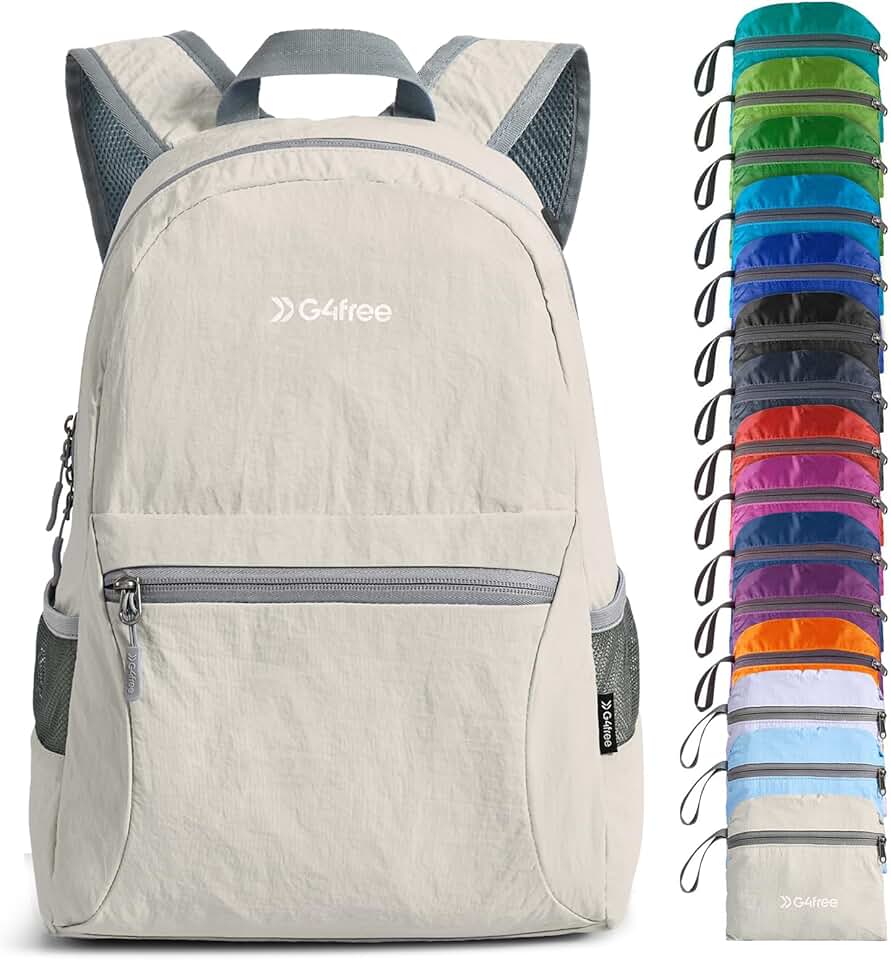
The G4Free 20L is an ultra-affordable packable backpack that proves you do not need to spend much to start hiking. At $17.99, it is one of the cheapest options available, yet it has earned over 6,500 reviews with a solid 4.5-star rating from customers who use it for everything from hiking to gym bags to travel. The 20-liter capacity is appropriate for shorter day hikes where you need to carry water, snacks, a light layer, and basics without excess bulk. The pack folds into a small zippered pouch attached to the front, compressing down to about the size of your fist, which makes it incredibly portable for keeping in your car, office, or travel bag as an emergency option. When expanded, it has a simple but functional design: one large main compartment that opens with a two-way zipper, two side mesh pockets for water bottles, and a small front zippered pocket for keys, phone, or wallet. The material is OEKO-TEX Standard 100 certified nylon that is lightweight and tear-resistant with a DWR coating to shed light moisture. The shoulder straps are thinner and have less padding than more expensive packs, but for the light loads you would carry in 20 liters, they are comfortable enough for a few hours on the trail. There is a chest strap to keep the pack stable, but no hip belt—this is designed for light, fast hikes rather than heavy loads. Reviewers consistently mention how surprisingly durable this pack is given the price, with many reporting regular use for a year or more without issues. The zippers are decent quality and the stitching holds up well at stress points. The main trade-off is comfort on longer hikes—after 3-4 hours with a loaded pack, you will feel the lack of advanced padding and support. But for someone taking their first few hikes or wanting an affordable backup pack for unpredictable weather days, this delivers exceptional value. It is also popular with people who want a pack for multiple purposes: hiking on weekends, gym trips during the week, and travel when needed. The simple design means it does not scream hiking pack, so it works in urban settings too. See if the G4Free 20L Lightweight Packable Backpack is right for your first hike on Amazon.
Pros
- Extremely affordable at $17.99 for beginners testing hiking interest
- Over 6,500 reviews confirm durability and reliability
- Packs into attached pouch for ultra-portable storage
- OEKO-TEX certified materials meet safety standards
- Versatile enough for hiking, gym, travel, and daily use
Cons
- Minimal shoulder padding best suited for lighter loads
- No hip belt for load distribution on longer hikes
- Limited capacity means less room for extra gear or layers
How These Compare
Choosing between these five packs comes down to how much space you need and how often you plan to hike. If you are doing mostly short local trails of 2-3 hours and want the most affordable option, the G4Free 20L at $17.99 or Outlander 20L at $18.32 are nearly identical in price and performance—pick based on color preference or whichever is in stock. Both pack down small and handle occasional use beautifully. If you want more room for longer hikes or carrying extra layers, the ZOMAKE 30L at $21.99 is the best value for capacity, giving you 50% more space for just a few dollars more. The SKYSPER 30L at $40.31 is the sweet spot for beginners who know they will hike regularly and want better organization, padding, and eco-friendly materials without reaching premium pricing. Finally, if you value brand reliability and superior comfort for years of use, the Osprey Sportlite 20L at $69.94 is worth the investment—you are paying for better materials, ventilated back panel, and a lifetime warranty. First-time buyers often start with a $20-30 pack to test their hiking commitment, then upgrade to Osprey or similar brands once they know hiking is a regular hobby.
Frequently Asked Questions
How do I know if I need a 20L or 30L hiking backpack?
The right size depends on your typical hike duration and how much gear you carry. A 20-liter backpack comfortably holds everything for 2-4 hour hikes: two water bottles or a 2-liter hydration bladder, snacks, a light jacket, sunscreen, first aid basics, and your phone. It feels lighter and less bulky, which many beginners prefer when starting out. A 30-liter pack gives you room for longer hikes of 5-8 hours where you need extra layers, a packed lunch, trekking poles strapped outside, and possibly a change of clothes. A good test is to gather everything you think you will bring hiking and see if it fits in a school backpack. If it fits with room to spare, go with 20L. If you are cramming things in or items do not fit, choose 30L. Remember that a bigger pack tempts you to carry more weight than necessary, so if you are disciplined about packing light, a smaller pack keeps you moving faster and more comfortably. Many beginners find 20-25L perfect for their first season of hiking, then reassess if they need more space as they develop preferences.
Do budget hiking backpacks under $100 actually last?
Yes, budget backpacks can last several years with proper care, though they will not match the 10-15 year lifespan of premium brands. The packs in this guide have thousands of reviews with many customers reporting 2-4 years of regular use without failures. Durability at this price point depends on how you use the pack: if you hike once or twice a month on maintained trails and store the pack properly between uses, even a $20 pack will serve you well. The most common failure points are zippers and stitching where straps attach, so look for reinforced seams and YKK zippers when possible. To extend your pack’s life, do not overload it beyond its intended capacity, avoid dragging it on rough ground, and store it loosely rather than compressed when not in use. If a zipper starts catching, clean it and apply zipper lubricant rather than forcing it. Many budget pack buyers upgrade after a year or two not because the pack fails, but because they have learned what features matter most to them and want to invest in something with better comfort or specialized features. For beginners still figuring out their hiking style, a budget pack that lasts two seasons while you learn is a smarter investment than an expensive pack you might regret.
What is the difference between water-resistant and waterproof backpacks?
Water-resistant backpacks, which include most options under $100, have a coating that repels water for 15-30 minutes in light rain or drizzle. Water beads up and rolls off the fabric rather than soaking in immediately. This is enough protection for hiking when you get caught in brief showers or morning dew on vegetation. However, in sustained rain over 30 minutes or heavy downpours, water will eventually seep through seams and zippers. Waterproof backpacks use sealed seams, waterproof zippers, and coated fabrics that keep contents dry even in hours of heavy rain, but these features typically start around $150-200. For budget packs, the best strategy is to pack important items like your phone, wallet, and electronics in individual ziplock bags or a dry bag inside your backpack. Many packs under $100 include a separate rain cover—a lightweight shell that pulls over the entire pack in bad weather, which effectively makes the pack waterproof for the duration of the storm. You can also buy universal rain covers separately for $10-15 if your pack does not include one. For most beginner hiking in fair weather with the occasional surprise drizzle, water-resistant is perfectly adequate.
How should a hiking backpack fit, and how do I adjust it properly?
Proper backpack fit means the weight rides on your hips, not your shoulders. Start by loosening all straps, then put the pack on and position the hip belt so the padded section sits on your hip bones—the bony parts that stick out on either side of your pelvis, not up on your waist. Fasten and tighten the hip belt first until it feels snug but not uncomfortable. This should immediately take most of the weight off your shoulders. Next, tighten the shoulder straps just enough so they touch your shoulders and guide the pack, but they should not be bearing the weight. You should be able to shrug your shoulders without the pack lifting off your hips. If your pack has load lifter straps—small straps at the tops of the shoulder straps that angle up to the pack body—tighten these slightly to pull the top of the pack closer to your body, which improves balance. Finally, fasten the chest strap across your sternum and adjust it to a height that feels comfortable, usually about an inch below your collarbone. The chest strap keeps shoulder straps from sliding outward but should not restrict breathing. When properly fitted, you should feel the pack hugging your back with weight centered low and stable, and you can hike for hours without shoulder pain or the pack bouncing. If you feel straps digging into your shoulders, the hip belt needs to be tighter.
Can I use a regular backpack for hiking instead of buying a hiking-specific pack?
You can use a regular school or work backpack for very short, easy hikes of an hour or two on flat trails, but you will quickly notice the limitations on anything longer or more challenging. Regular backpacks lack hip belts to transfer weight off your shoulders, which means your shoulders and upper back carry the entire load. This becomes uncomfortable and fatiguing after 30-60 minutes with hiking weight, especially when carrying water which is heavy. Regular packs also lack external water bottle pockets, so you have to stop and dig through your bag every time you want a drink. The materials are typically less durable and not water-resistant, so they do not handle trail conditions well. Most importantly, regular backpacks do not have the ventilation features of hiking packs, so your back will be soaked with sweat on warm days. If you want to try hiking before investing in any gear, a regular backpack works for your first outing or two on easy trails under two miles. But if you enjoy it and plan to keep hiking, even a $20 hiking-specific daypack will dramatically improve your comfort and make you more likely to hike regularly because the experience is more pleasant. Think of it like running in casual sneakers versus actual running shoes—possible, but not comfortable for any real distance.
The Bottom Line
The best hiking backpack under $100 for you depends on your specific hiking plans and budget priorities. If you are brand new to hiking and want to test the waters with minimal investment, start with the G4Free 20L at $17.99 or Outlander 20L at $18.32—both will handle your first season of hiking beautifully and cost less than two movie tickets. For longer day hikes where you need extra capacity for layers and food, the ZOMAKE 30L at $21.99 delivers exceptional value with room to grow into your hiking habit. If you know you will hike regularly and want better comfort and eco-friendly materials without breaking the budget, the SKYSPER 30L at $40.31 offers premium features at a mid-range price. And if you value brand reliability and plan to hike for years to come, the Osprey Sportlite 20L at $69.94 is worth the investment for superior build quality and lifetime warranty coverage. Remember that the best pack is one you will actually use, not the one with the most features. Choose based on the trails you realistically plan to hike in the next few months, not hypothetical adventures you might take someday. You can always upgrade later once you know exactly what you want, and a $20-40 pack that gets you out hiking regularly is a better investment than an expensive pack that sits unused because you over-thought the purchase.
Disclosure: As an Amazon Associate, we earn from qualifying purchases. This does not affect our editorial recommendations.