
If you are staring at hundreds of hiking boots online right now, wondering which ones will not destroy your feet on your first real trail, you are not alone. Choosing your first pair of hiking boots feels overwhelming because the stakes feel high—nobody wants to spend a weekend nursing blisters instead of enjoying nature. The good news is that you do not need the most expensive boots on the market to have a great experience on beginner trails.
This guide focuses exclusively on boots under $150 that offer solid performance for new hikers tackling day hikes and well-maintained trails. We have filtered through the options to find boots with proven comfort, reliable traction, and enough customer feedback to give you confidence in your purchase. Whether you are planning your first state park adventure or just want supportive footwear for weekend nature walks, these picks will get you started without breaking the bank.
What to Look For
Ankle Support vs. Comfort
Hiking boots come in different heights, and as a beginner, you will see terms like “mid-height” or “low-cut.” Mid-height boots extend above your ankle and provide more stability on uneven terrain, which many experienced hikers prefer when navigating rocky trails. They feel more secure but can feel restrictive at first. Low-cut hiking shoes offer more freedom of movement and feel closer to regular sneakers, making them comfortable right out of the box for flat, well-groomed trails. For your first boots, mid-height options offer a good balance—they give you confidence on varied terrain without the stiffness of mountaineering boots.
Waterproofing: Do You Really Need It?
Many beginner boots advertise waterproof membranes, which keep water out when you step in puddles or hike through wet grass. This sounds perfect until you realize waterproof boots also trap heat and moisture from your feet, especially on warm days. For most beginner day hikes in dry conditions, waterproofing is nice to have but not essential. However, if you live in a rainy climate or plan to hike near streams, waterproof boots prevent the miserable experience of soggy socks. Consider your local weather and typical trail conditions—if you are hiking mostly in summer on dry trails, breathable non-waterproof boots might actually keep your feet more comfortable.
Break-In Period and Blisters
This is the part nobody warns you about clearly enough: most hiking boots need a break-in period before they feel truly comfortable. Even well-designed boots can cause hot spots (areas of friction that lead to blisters) during your first few wears. The break-in period means wearing your new boots around the house, on short walks around your neighborhood, and on easy one-hour hikes before attempting a full-day adventure. Some modern hiking boots, especially those with synthetic materials, require minimal break-in, while others with stiffer construction need more time. Always wear the same type of socks during break-in that you plan to wear on the trail—this ensures the fit matches your actual hiking conditions.
Fit and Sizing Surprises
Hiking boots fit differently than regular shoes, and this surprises most first-time buyers. Your boots should feel snug around the heel and midfoot but leave about a thumb’s width of space in front of your longest toe. This extra room accommodates foot swelling during long hikes and prevents your toes from jamming into the front on downhill sections. Many hikers size up a half size from their regular shoe size. When trying boots on, wear them with hiking socks (thicker than regular socks), lace them fully, and walk on an incline if possible. Your heel should not lift much when you walk. If you are shopping online, check the return policy carefully—you may need to try multiple sizes to find the right fit.
Our Top 5 Picks
1. Merrell Women’s Moab 3 Mid Waterproof Hiking Boots
Best for first-time women hikers who want reliable comfort and support

The Merrell Moab 3 Mid Waterproof has earned its reputation as one of the most beginner-friendly hiking boots available, and for good reason. This mid-height boot provides ankle coverage without feeling restrictive, making it ideal for someone who has never worn hiking boots before. The waterproof feature protects your feet during stream crossings or unexpected rain. Over 3,000 verified customer reviews provide confidence that this boot performs consistently across different foot shapes and hiking conditions.
What makes this boot particularly suitable for beginners is how quickly many reviewers report feeling comfortable in them, though we still recommend a few neighborhood walks before hitting the trail. The traction performs well on dirt paths, gravel, and moderate rocky terrain—the types of surfaces you will encounter on most beginner-friendly trails. At under eighty dollars, this boot delivers excellent value without the premium price tag of specialized hiking brands.
The fit runs true to size for most wearers, though some reviewers with wider feet suggest trying a wide version if available. The boot provides good arch support, which helps reduce foot fatigue during longer hikes. The cushioning feels substantial without being bulky, and the overall weight remains manageable for day hiking. This is not a lightweight trail runner, but it is also not a heavy mountaineering boot—it sits in that perfect middle ground for beginners exploring state parks and maintained trail systems. The lacing system is straightforward and stays put throughout the hike, preventing that annoying need to stop and retie constantly.
See current pricing for the Merrell Women’s Moab 3 Mid Waterproof Hiking Boots on Amazon.
Pros
- Waterproof protection works well in wet conditions
- Many users report comfort on early wears
- Over 3,000 reviews provide confidence in consistent quality
- Good arch support reduces foot fatigue on longer hikes
- Excellent value at under $80
Cons
- Some reviewers with very wide feet need to size up or find wide versions
- Not as lightweight as trail running shoes if you prefer minimal footwear
View Merrell Women’s Moab 3 Mid Waterproof Hiking Boots on Amazon →
2. Columbia Women’s Newton Ridge Plus Waterproof Hiking Boots
Best budget option for beginners who want solid performance without spending much

The Columbia Newton Ridge Plus stands out as the most affordable option on this list while maintaining quality that justifies its massive review count—over 20,000 verified customers have purchased and evaluated these boots. At just over sixty dollars, this boot makes hiking accessible for people who want to try the activity without a major financial commitment. The construction is designed to handle light rain and dewy morning grass, making these boots versatile for different weather conditions.
This boot features a mid-height design that provides structured ankle coverage on uneven terrain, which helps build confidence when you are still learning to read trail surfaces and place your feet carefully. The outsole grips well on dirt and gravel trails, though it is not designed for technical scrambling or extremely muddy conditions. The fit tends to run true to size, and the lacing system allows you to customize the snugness around your foot. Many reviewers mention these boots feel comfortable for moderate day hikes in the three to six mile range, which perfectly matches typical beginner hiking distances.
The adjustment period for these boots varies by individual—some wearers report immediate comfort, while others needed a few shorter walks before the boots molded to their feet. The cushioning provides adequate support for maintained trails, though it is not as plush as some higher-priced options. The boot feels sturdy without being overly heavy, and the overall construction seems durable enough to last through your first hiking season and beyond. The massive number of reviews means you can find feedback from people with similar foot shapes and hiking goals, helping you make a more informed decision.
Read verified buyer reviews for the Columbia Women’s Newton Ridge Plus Waterproof Hiking Boots on Amazon.
Pros
- Extremely affordable at around $60 without sacrificing basic quality
- Over 20,000 reviews provide extensive real-world feedback
- Weather-resistant construction for wet trail conditions
- Good traction on dirt and gravel trails
- Fits true to size for most wearers
Cons
- Cushioning is adequate but not as plush as premium boots
- Adjustment period varies—some people need a few wears for comfort
View Columbia Women’s Newton Ridge Plus Waterproof Hiking Boots on Amazon →
3. Timberland Men’s White Ledge Mid Waterproof Hiking Boots
Best for men seeking durable boots with proven long-term reliability
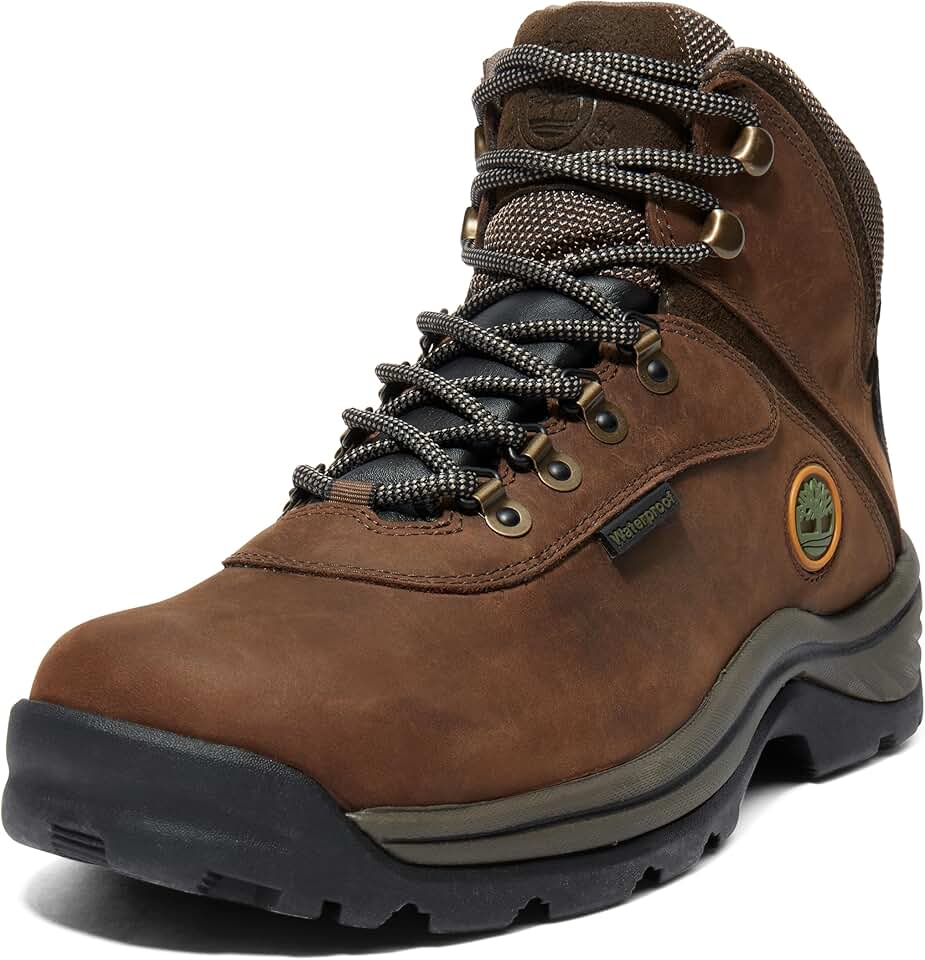
The Timberland White Ledge Mid has earned its place as one of the most reviewed hiking boots on Amazon, with over 67,000 customer evaluations. This massive feedback pool reveals a boot that consistently performs well across different hiking conditions and foot types. The waterproof construction keeps feet dry during stream crossings and rainy weather, while the mid-height design provides the structured coverage that beginner hikers appreciate on rocky or root-covered paths. At $109.95, this boot sits at the upper end of the beginner budget range but delivers quality that justifies the price.
What makes this boot particularly suitable for new hikers is its straightforward design—no complicated lacing systems or confusing features, just solid construction that works. The outsole performs reliably on dirt trails, rocky paths, and moderate inclines, giving you confidence as you explore different types of terrain. The fit runs true to size for most wearers, though people with very wide feet may want to try the boot on before committing. The cushioning provides good support for day hikes, and the overall construction feels robust enough to handle regular weekend use.
Expect to wear these boots around the house and on a few short walks before they feel completely comfortable—some reviewers mention the boots feel stiff initially but mold well to the foot over time. The boot is not the lightest option available, but the durability seems worth the extra ounces for people who plan to hike regularly. The overall design has remained popular for years, suggesting Timberland found a formula that works for a wide range of hikers. The stitching quality and material construction indicate these boots should last multiple seasons with proper care.
Check current stock for the Timberland Men’s White Ledge Mid Waterproof Hiking Boots on Amazon.
Pros
- Over 67,000 reviews demonstrate consistent long-term reliability
- Waterproof protection for various weather conditions
- Durable construction suitable for regular weekend hiking
- Good traction on multiple terrain types
- Straightforward design without unnecessary complications
Cons
- Initial stiffness requires some adjustment time
- Not the lightest option if weight is a priority
View Timberland Men’s White Ledge Mid Waterproof Hiking Boots on Amazon →
4. NORTIV 8 Men’s Ankle High Waterproof Hiking Boots
Best budget men’s option for casual trail walking and light hiking
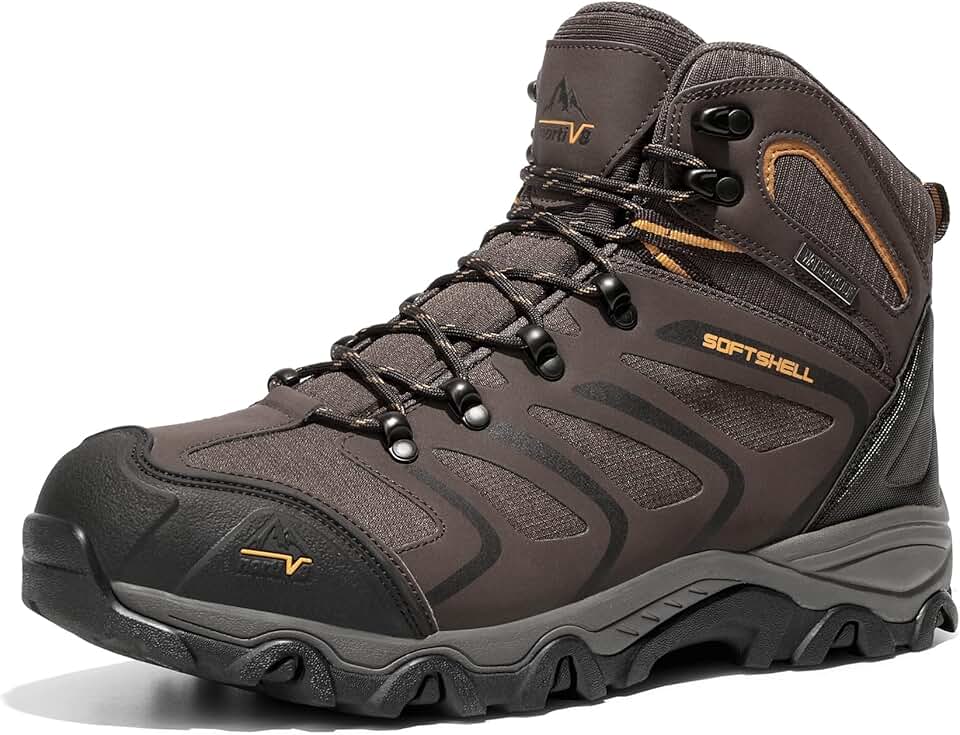
The NORTIV 8 hiking boots represent exceptional value for beginners who want to test whether hiking is right for them without a major investment. At under sixty dollars, these boots provide waterproof protection and ankle-high coverage that works well for maintained trails and easy day hikes. The boot has earned over 22,000 customer reviews, providing substantial feedback about real-world performance across different conditions and user experiences.
These boots work best for beginners planning shorter hikes on well-maintained trails—think state park paths, nature center loops, and groomed woodland trails. The weather-resistant construction keeps feet dry in light rain and wet grass, though these are not designed for serious stream crossings or prolonged exposure to water. The outsole provides adequate grip on dirt and gravel surfaces, handling the typical terrain you will encounter on beginner-friendly trails. The fit tends to run true to size, and the lacing system allows you to adjust the tightness around your foot and ankle.
Many reviewers report feeling comfortable in these boots quickly, though we still recommend wearing them around the house first. The cushioning provides basic support suitable for hikes in the two to four mile range, which aligns well with typical beginner distances. The overall construction is adequate for occasional use, though frequent hikers who go out every weekend may eventually want to upgrade to more robust options. For someone unsure whether they will stick with hiking, these boots provide a low-risk entry point that covers all the basics without unnecessary features.
Compare the NORTIV 8 Men’s Ankle High Waterproof Hiking Boots specs and pricing on Amazon.
Pros
- Very affordable at under $60
- Over 22,000 reviews provide extensive user feedback
- Quick comfort for most wearers
- Manageable weight for new hikers
- Weather-resistant protection for wet trail conditions
Cons
- Best suited for shorter, easier hikes rather than all-day treks
- Construction is adequate but not as durable as premium brands
View NORTIV 8 Men’s Ankle High Waterproof Hiking Boots on Amazon →
5. Columbia Men’s Newton Ridge Plus II Waterproof Hiking Boot
Best versatile men’s boot balancing comfort and budget
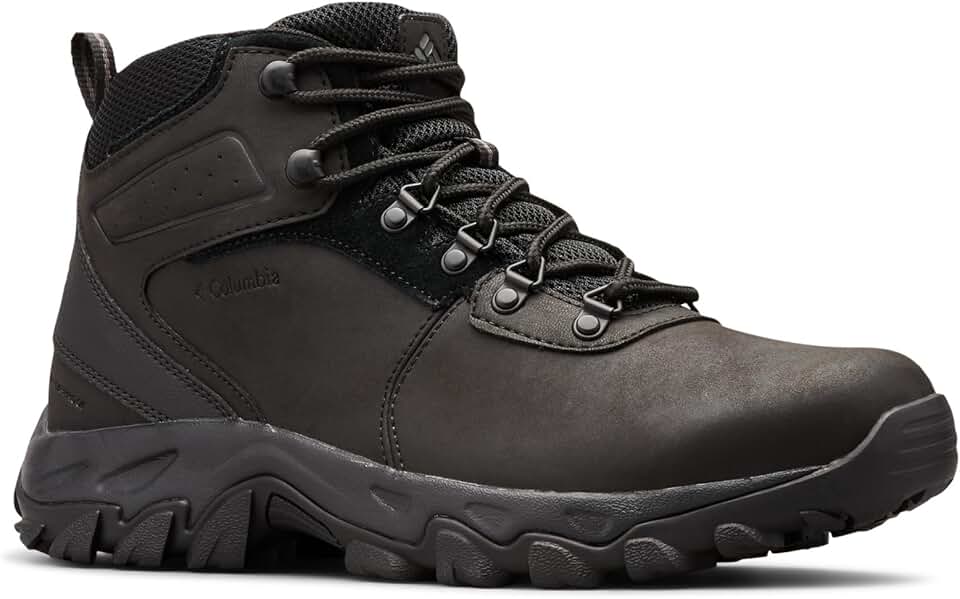
The Columbia Newton Ridge Plus II offers men a reliable middle-ground option that balances affordability with solid performance. At sixty-six dollars, this boot provides excellent value for beginners who want dependable footwear without premium pricing. The waterproof construction protects feet during wet trail conditions, and the mid-height design delivers structured ankle coverage that helps build confidence on uneven terrain. With over 4,500 customer reviews, this boot has been thoroughly tested by real hikers across various conditions.
This boot excels on the types of trails most beginners will encounter—dirt paths through state parks, gravel trails around lakes, and maintained woodland routes. The outsole grips well on these surfaces, providing confidence as you learn to read different trail conditions and adjust your footing. The fit runs true to size for most wearers, and the lacing system allows you to secure the boot comfortably around your foot. The cushioning provides good support for day hikes in the four to eight mile range, which covers most beginner hiking goals.
Most reviewers report comfort after a few wears around the neighborhood. The boot feels substantial enough to provide protection and support but manageable for those new to wearing hiking footwear on longer outings. The overall construction appears durable for regular weekend use, and the straightforward design means you are not paying for features you do not need as a beginner. This boot represents a smart choice for someone who wants to commit to hiking without overspending on their first pair of boots.
See if the Columbia Men’s Newton Ridge Plus II Waterproof Hiking Boot is right for your first hike on Amazon.
Pros
- Great value at $66 for the quality provided
- Waterproof protection for wet weather hiking
- Reliable grip on typical beginner trail surfaces
- Relatively quick adjustment period
- Adequate cushioning for moderate-distance day hikes
Cons
- Not the lightest option available
- Waterproofing may not hold up to extreme conditions over time
View Columbia Men’s Newton Ridge Plus II Waterproof Hiking Boot on Amazon →
How These Compare
These five boots cover different priorities for beginner hikers. If you want the most proven option with excellent comfort out of the box, the Merrell Moab 3 Mid Waterproof for women offers the best balance of support, waterproofing, and value at $79.98. The Columbia Newton Ridge Plus at $60.34 provides the best budget option for women, backed by over 20,000 reviews that confirm its reliability for casual hiking. For men, the Timberland White Ledge Mid at $109.95 delivers superior durability and long-term value if you plan to hike frequently—its 67,000+ reviews demonstrate consistent performance across years of use. The NORTIV 8 boots at $59.99 offer men the lowest price point for testing whether hiking suits them, though they work best for shorter, easier trails. The Columbia Newton Ridge Plus II for men at $66 hits the sweet spot between the budget NORTIV option and the premium Timberland, providing solid all-around performance for typical beginner hikes. All five options stay well under the $150 budget while delivering waterproof protection and adequate support for maintained trails.
Frequently Asked Questions
Do I really need hiking boots as a beginner, or can I just wear sneakers?
You can absolutely start hiking in regular athletic sneakers if you are trying very easy, flat, well-maintained trails under three miles. Many people complete their first few hikes in running shoes without problems. However, hiking boots provide three key advantages that become important as you progress: structured ankle coverage on uneven surfaces, traction patterns designed specifically for dirt and rocks rather than pavement, and toe protection when you inevitably kick roots or stones. If you plan to hike regularly or explore anything beyond paved nature trails, investing in proper hiking boots improves comfort and confidence on varied terrain. The boots on this list are affordable enough that you are not risking much financially, and the improved experience they provide usually convinces beginners they made the right choice.
How can I prevent blisters with new hiking boots?
Blister prevention starts before you hit the trail. First, wear new boots around your house for a few hours, then on short neighborhood walks, and finally on an easy one-hour hike before attempting a full day on the trail. This allows the boots to mold to your feet gradually. Second, invest in proper hiking socks—these are thicker than regular socks and often have extra cushioning in areas like heels and toes where friction commonly occurs. Avoid cotton socks, which retain moisture and increase friction. Third, make sure your boots fit properly with about a thumb’s width of space in front of your longest toe and a snug fit around the heel. If you feel any hot spots (areas of discomfort or warmth) during your hike, stop immediately and apply moleskin or blister tape to that area before it worsens. Many experienced hikers carry these items in their packs for exactly this reason.
What is the difference between waterproof and non-waterproof hiking boots?
Waterproof hiking boots contain a membrane layer that prevents water from entering the boot while theoretically allowing sweat to escape. This keeps your feet dry when you step in puddles, cross shallow streams, or hike through wet grass and rain. Non-waterproof boots lack this membrane, making them more breathable but vulnerable to getting soaked in wet conditions. For beginners, the choice depends on your typical hiking environment. If you live in a rainy climate or frequently encounter wet trails, waterproof boots prevent the miserable experience of soggy socks. However, if you primarily hike in dry, warm conditions, waterproof boots can trap heat and moisture from your own sweat, potentially making your feet less comfortable than breathable non-waterproof options. Many beginners default to waterproof because it seems safer, and for most situations, this is a reasonable choice.
Should I size up in hiking boots compared to my regular shoe size?
Many hikers size up a half size in hiking boots compared to their regular athletic shoe size, though this is not a universal rule. The reason for sizing up is to ensure adequate space in the toe box—you need about a thumb’s width of space between your longest toe and the front of the boot. This extra room accommodates foot swelling during long hikes and gives your toes clearance on descents. However, sizing varies by brand and even by specific boot model, so you cannot rely solely on your usual size. When evaluating fit, wear the boots with the hiking socks you plan to use on the trail (these are thicker than regular socks). Walk around, especially on an incline if possible, and check whether your heel lifts excessively when you walk. Some heel lift is normal, but excessive movement causes friction and discomfort. If you are buying online, carefully check the return policy so you can exchange sizes if needed—getting the fit right is more important than getting it right the first time.
The Bottom Line
Choosing your first hiking boots does not need to be complicated or expensive. If you are a woman planning regular weekend hikes and want proven comfort, the Merrell Moab 3 Mid Waterproof at $79.98 delivers excellent value with quick adjustment time. Women on a tight budget should consider the Columbia Newton Ridge Plus at $60.34—its massive review count confirms it performs well for casual hiking. Men who plan to hike frequently and want boots that will last should invest in the Timberland White Ledge Mid at $109.95, while those testing the waters can start with the NORTIV 8 boots at $59.99. The Columbia Newton Ridge Plus II for men at $66 offers the best all-around value for typical beginner hiking.
Remember that even the best boots require proper adjustment time and appropriate socks for comfortable all-day wear. Start with shorter hikes on easier trails to build both your fitness and your confidence in your new footwear. Pay attention to how your feet feel during and after hikes—some discomfort during the first few wears is normal, but persistent pain signals a fit problem that you should address before continuing. Most importantly, do not let gear decisions delay your first hike. Any of these five boots will serve you well on beginner trails, and you will learn more about your preferences by actually getting outside than by endlessly researching online. Pick a boot that fits your budget, adjust it properly to your feet, and start exploring the trails near you.
Disclosure: As an Amazon Associate, we earn from qualifying purchases. This does not affect our editorial recommendations.