
If you are dealing with plantar fasciitis and want to start hiking, you probably have questions: Will my feet hurt more on the trail? Can I even hike with this condition? The good news is that many hikers with this foot condition find they can explore trails when they choose boots designed with specific supportive features. The challenge is finding boots that provide what your feet need — not just any hiking boot will do.
This guide focuses on hiking boots designed with features that matter most when you have plantar fasciitis: strong arch support, cushioning that absorbs impact, room for custom orthotics if you use them, and stability that keeps your foot centered. We have selected boots that real customers with foot pain have found helpful, and we will explain what to look for so you can make a confident choice for your first or next hike.
What to Look For
Arch Support: The Foundation of Comfort
Arch support is the most important feature to consider when choosing hiking boots for plantar fasciitis. The arch of your foot acts like a natural shock absorber, and when the plantar fascia (the thick band of tissue running along the bottom of your foot) becomes irritated, proper support becomes essential. Look for boots that explicitly mention arch support in their product descriptions. Built-in arch support helps distribute your weight more evenly across your foot. Some boots come with removable insoles, which is actually a benefit because it allows you to use custom orthotics (special inserts prescribed by a foot specialist) if you already have them. When trying on boots, pay attention to how the arch area feels — you should notice gentle, firm support under the middle of your foot, not flatness or excessive pressure.
Cushioning and Shock Absorption
Every time your foot hits the trail, impact travels up through your heel and arch. Quality cushioning helps absorb this shock. When reading product descriptions, look for terms like cushioned footbed, padded insole, or shock-absorbing sole. Thicker midsoles (the layer between the insole and outer sole) generally provide better cushioning. However, cushioning should not come at the expense of stability — you want a boot that feels soft enough to be comfortable but firm enough to keep your foot from rolling. If you are new to hiking, this balance might be hard to judge at first. As a general rule, if a boot feels mushy or unstable when you walk in it, it probably does not have the right combination of cushioning and support for your needs.
Removable Insoles for Orthotic Compatibility
Many people with plantar fasciitis use custom orthotics or over-the-counter insoles designed for extra support. If you already use these, you need hiking boots with removable insoles so you can swap them out. Most quality hiking boots have removable insoles, but it is worth confirming in the product details before you buy. When you remove the original insole and insert your orthotic, make sure the boot still fits comfortably — you do not want your foot cramped or pushed up against the top of the boot. If you do not currently use orthotics but your foot pain is significant, consider consulting with a podiatrist (a foot doctor) who can assess whether custom insoles might help. Many hikers find that pairing supportive boots with quality insoles provides relief during their hikes.
Stability and Ankle Support
Boots that provide good stability help prevent your foot from excessive rolling or twisting. Mid-height boots (which come up around your ankle) offer more support than low-cut hiking shoes, and this extra stability can make a real difference on uneven trails. The structure around the heel counter (the back part of the boot) should feel firm and supportive, keeping your heel centered as you walk. If you are just starting out with hiking, a mid-height boot will give you more confidence on trails with rocks, roots, or slight inclines. You do not need heavy, stiff mountaineering boots — modern hiking boots designed for day hikes and moderate trails offer plenty of support while still being comfortable to walk in.
Fit, Break-In Period, and Sock Pairing
Even the most supportive boot will cause problems if it does not fit correctly. When trying on hiking boots, wear the same type of socks you plan to hike in — typically moisture-wicking hiking socks that are slightly thicker than everyday socks. Your heel should stay in place without slipping, and you should have about a thumb’s width of space between your longest toe and the front of the boot (your feet will swell slightly during longer hikes, and you need room for this). Most hiking boots require a break-in period, which means wearing them around the house or on short walks before taking them on a real hike. This helps the materials soften and conform to your foot shape. If you have plantar fasciitis, do not rush this process — a gradual break-in allows you to identify any pressure points before they become painful on the trail.
Terrain Considerations for Beginners
If you are new to hiking, you will likely start on well-maintained trails — dirt paths in local parks or nature preserves. For these conditions, you do not need the most aggressive tread or extreme waterproofing. Focus instead on comfort and support features. As you gain experience and perhaps explore rockier or wetter trails, you can look for boots with waterproof membranes (which keep your feet dry but can be less breathable) or deeper lugs on the sole (the tread pattern that grips the ground). For beginners with plantar fasciitis, comfort and support should be your top priorities. You can always add a second pair of boots later for more challenging terrain.
Our Top 5 Picks
1. Merrell Women’s Moab 3 Mid Waterproof Hiking Boots
Best overall for women seeking proven comfort and support on beginner trails

The Merrell Moab 3 Mid Waterproof is one of the most trusted names in hiking boots, and for good reason. With over 3,300 customer reviews and a 4.6-star rating, this boot has been tested by thousands of hikers in real-world conditions. For someone new to hiking who also deals with plantar fasciitis, that kind of track record matters — you are not taking a chance on an unknown product. The boot features a mid-height design that provides ankle support without feeling restrictive, which helps maintain stability on uneven terrain. The waterproof construction means you can hike in light rain or dewy morning grass without soggy feet, though keep in mind waterproof boots can be less breathable in hot weather.
What makes this boot particularly appealing for plantar fasciitis is the attention to underfoot comfort. Customer feedback consistently mentions the supportive feel and cushioning, which are critical when you are managing foot pain. The boot includes a removable insole, so if you have custom orthotics or prefer specialized insoles, you can easily swap them in. The sole design provides good traction on dirt trails and light rocky paths, which are exactly the types of terrain most beginner hikers encounter. At under eighty dollars, this represents excellent value for a boot from a respected outdoor brand.
Many reviewers report comfort right out of the box or after just a few short walks. This is especially helpful if you are eager to get on the trail without weeks of preparation. The fit runs true to size for most wearers, but as with any hiking boot, trying them on with your actual hiking socks is important. Some reviewers note the boot feels slightly heavier than trail runners, which is normal for a supportive mid-height boot — that weight comes from the materials providing structure and protection. See current pricing for the Merrell Moab 3 Mid Waterproof on Amazon.
Pros
- Over 3,300 customer reviews provide reliable feedback from real hikers
- Removable insole allows for custom orthotics
- Waterproof construction keeps feet dry in wet conditions
- Minimal break-in period reported by most users
- Strong value at under eighty dollars for a quality hiking boot
Cons
- Waterproof design may reduce breathability in warm weather
- Slightly heavier than lightweight trail shoes
- Mid-height design may feel restrictive if you prefer low-cut shoes
View Merrell Women’s Moab 3 Mid Waterproof Hiking Boots on Amazon →
2. OrthoComfoot Men’s Orthopedic Hiking Boots
Best budget option for men who need orthopedic-focused support
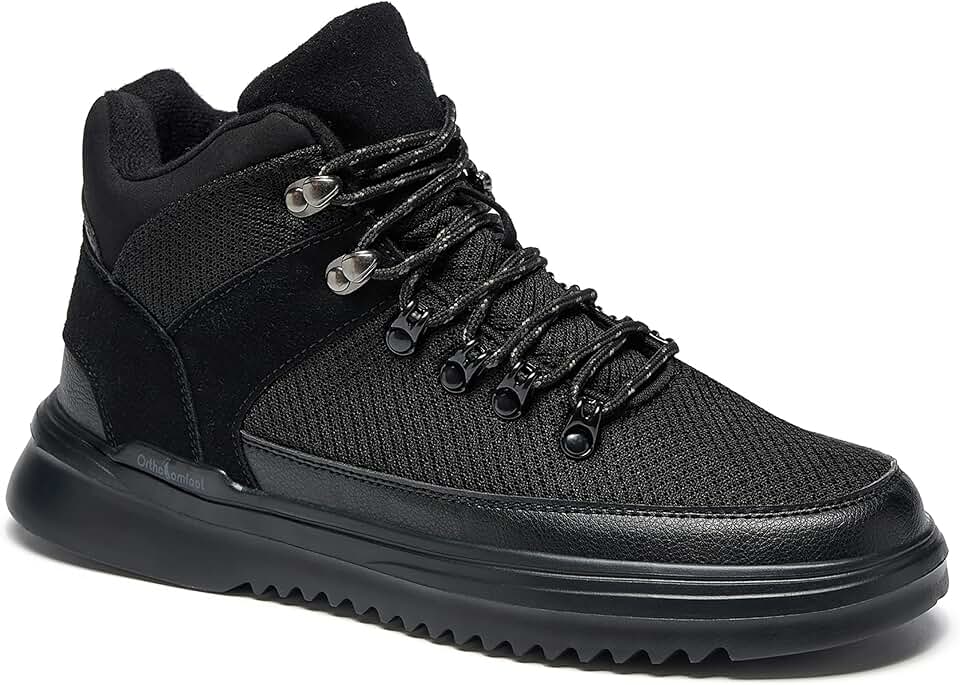
The OrthoComfoot Orthopedic Hiking Boots are designed specifically with foot pain relief in mind, which sets them apart from general-purpose hiking boots. At just under sixty dollars, these boots provide an accessible entry point for men who want to try hiking but worry about how their plantar fasciitis will respond. The boot explicitly focuses on orthopedic features, and the product description emphasizes ankle and foot pain relief, suggesting the design prioritizes support over aggressive trail performance. This makes it a good match for beginners who plan to stick to maintained trails rather than rugged backcountry terrain.
With 353 customer reviews and a 4.2-star rating, this boot has enough feedback to give you confidence in its performance. The boot is designed to provide structured support for people dealing with foot discomfort, making it suitable for dry-weather day hikes on groomed trails. For someone just starting out on trails without significant moisture exposure, this boot offers what most beginners need.
The orthopedic focus means these boots likely have more structured arch support than standard casual hiking boots. However, the product listing does not specify whether the insoles are removable, which could be a limitation if you use custom orthotics. If you already have inserts you depend on, you may want to verify this detail before purchasing. The lower price point does mean you are not getting premium materials or advanced weatherproofing, but for budget-conscious beginners testing whether hiking works for them, this boot offers solid value. Customer feedback suggests good comfort for the price, though some note the sizing can run slightly large. Read verified buyer reviews for the OrthoComfoot Orthopedic Hiking Boots on Amazon.
Pros
- Budget-friendly at just under sixty dollars
- Designed specifically with orthopedic support and foot pain relief in mind
- Construction designed to reduce foot fatigue
- Over 350 customer reviews provide reliable feedback
- Suitable for dry trail conditions
Cons
- May not provide full waterproof protection in wet conditions
- Product listing does not clearly specify if insoles are removable for orthotics
- Some customers report sizing runs slightly large
3. Orthofeet Women’s Orthopedic Dakota Waterproof Lug Sole Hiking Boot
Best premium option for women who want maximum orthopedic support and comfort features
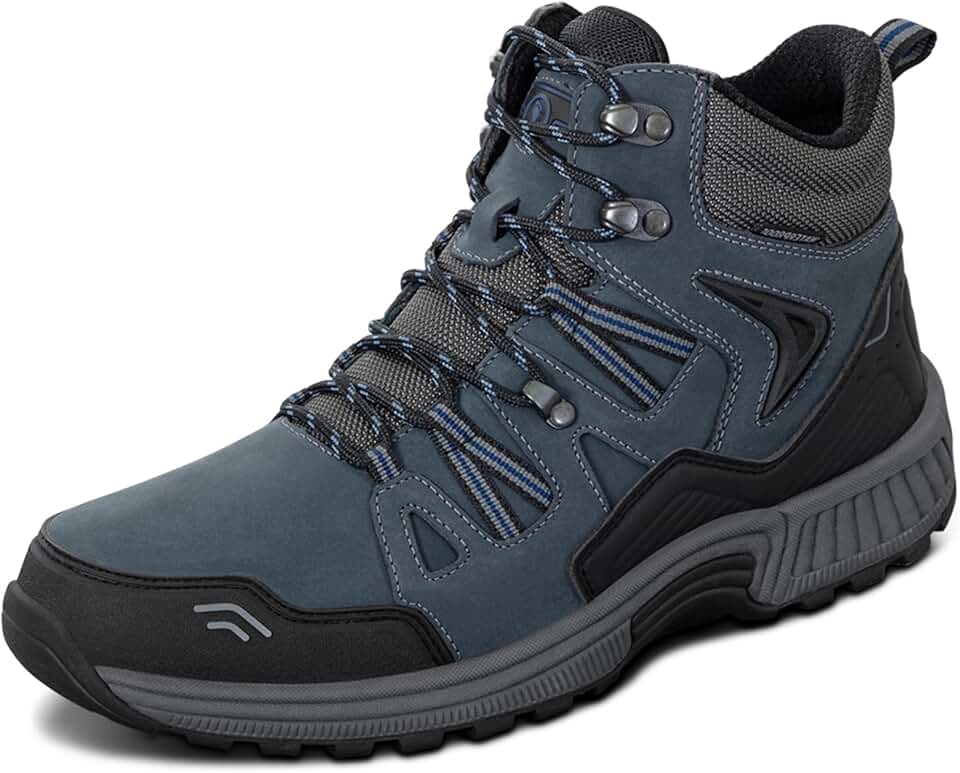
The Orthofeet Dakota represents the premium end of hiking boots designed for foot pain management. At one hundred sixty dollars, this is an investment, but for someone with persistent plantar fasciitis who is serious about making hiking a regular activity, the specialized features may justify the cost. Orthofeet is a brand that focuses specifically on orthopedic footwear, meaning every design decision prioritizes foot health over fashion or weight savings. This boot is engineered with features specifically for people who need enhanced foot support and accommodation.
With 197 customer reviews and a 4.3-star rating, the feedback comes from people who often have significant foot issues and need footwear that truly performs. The waterproof construction makes this boot capable on wet trails, giving you more flexibility in when and where you hike. The boot design includes cushioning specifically placed to reduce impact on the heel and forefoot, which directly addresses the pain points of plantar fasciitis. Many reviewers mention this boot feels comfortable immediately, without the extended break-in period some hiking boots require.
The design accommodates a range of foot shapes, including those with bunions, hammertoes, or simply wider feet. However, if you have narrow feet, you might find the fit too roomy. The higher price reflects both the specialized orthopedic engineering and the quality materials used in construction. For a beginner hiker who has struggled with foot pain in regular shoes and wants to give hiking a real chance, this boot removes many of the barriers that might otherwise make trails uncomfortable. Think of it as an investment in pain-free outdoor time rather than just a piece of gear. Check current stock for the Orthofeet Dakota Waterproof Hiking Boot on Amazon.
Pros
- Designed by orthopedic footwear specialists with deep expertise in foot pain
- Construction accommodates custom orthotics and foot variations
- Design accommodates various foot shapes and conditions
- Waterproof construction for wet trail capability
- Many reviewers report immediate comfort without break-in period
Cons
- Premium price at one hundred sixty dollars may exceed beginner budgets
- Roomier fit may not suit people with narrow feet
- Limited customer feedback compared to mass-market hiking boot brands
View Orthofeet Women’s Orthopedic Dakota Waterproof Lug Sole Hiking Boot on Amazon →
4. Columbia Women’s Transverse Hike Waterproof Hiking Boots
Best for women who want reliable brand quality with strong waterproof protection

Columbia is a well-established outdoor brand with decades of experience making hiking footwear, and the Transverse Hike Waterproof brings that reliability to a boot designed for day hikers and trail beginners. With 545 customer reviews and a 4.6-star rating, this boot has proven itself across a wide range of conditions and foot types. The waterproof construction uses Columbia’s own technology to keep feet dry, which is particularly helpful if you hike in areas with morning dew or unpredictable weather. Wet feet can exacerbate plantar fasciitis pain, so reliable waterproofing is more than just a convenience.
While the product listing does not specifically mention orthopedic features, the high customer rating and large review count suggest good overall comfort and support. Many people with foot pain gravitate toward well-cushioned boots from trusted brands, and Columbia has a reputation for supportive footbeds. The boot provides ankle support through its mid-height design. At eighty-five dollars, this boot sits in the middle price range — more expensive than budget options but significantly less than specialized orthopedic boots.
The boot is designed for outdoor versatility, meaning it works well on groomed park trails, forest paths, and light rocky terrain. If you are new to hiking and still figuring out what types of trails you enjoy, this versatility is valuable. You are not locked into one specific terrain type. The customer feedback indicates good durability, with many reviewers reporting the boots hold up well over multiple seasons of use. This longevity matters when you are managing a chronic condition like plantar fasciitis — you want boots you can depend on without frequent replacement. Some reviewers note the fit runs slightly narrow, so if you have wide feet or plan to use thick orthotics, consider sizing up or trying them on first. Compare the Columbia Transverse Hike Waterproof specs and pricing on Amazon.
Pros
- Established outdoor brand with strong reputation for quality
- Over 500 customer reviews provide extensive real-world feedback
- Reliable waterproof construction keeps feet dry in various conditions
- Good durability reported across multiple seasons of use
- Mid-range price offers value for quality materials
Cons
- Not specifically designed for orthopedic support or plantar fasciitis
- Some reviewers report fit runs slightly narrow
- Waterproof design may reduce breathability in hot conditions
View Columbia Women’s Transverse Hike Waterproof Hiking Boots on Amazon →
5. NORTIV 8 Men’s Ankle High Waterproof Hiking Boots
Best value for men seeking proven performance with extensive customer feedback
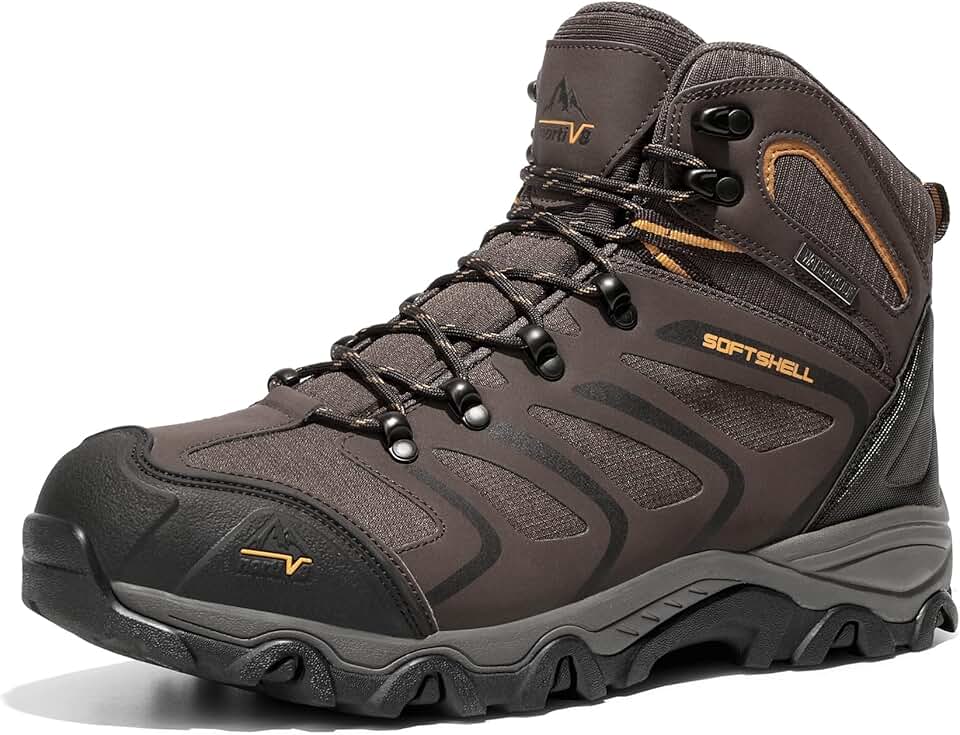
The NORTIV 8 Waterproof Hiking Boots have an almost unprecedented level of customer feedback with over 22,500 reviews and a 4.4-star rating. This massive review count means you can read experiences from people with all types of feet, trail conditions, and expectations — a valuable resource when you are trying to predict how a boot will work for your specific needs. At sixty dollars, these boots offer exceptional value for a waterproof mid-height hiking boot. The waterproofing handles rain, puddles, and wet grass, keeping your feet comfortable even when trail conditions are less than ideal.
While not marketed specifically for plantar fasciitis, the high customer satisfaction rate suggests the boots provide good general comfort and support. The ankle-high design offers stability without the bulk of taller boots, making these a good choice for well-maintained trails where extreme ankle support is not necessary. The construction is designed to be manageable for all-day wear, which helps reduce fatigue on longer hikes — when you have foot pain, every detail of comfort matters.
The massive review database means you can find feedback from people with similar foot issues to yours, helping you make a more informed decision. Many reviewers specifically mention using these boots for day hikes and casual trail walking, which aligns perfectly with beginner hiking activities. Some customers note the boots require a brief break-in period, but nothing excessive. The tread pattern provides good traction on dirt and gravel trails. At this price point, these boots offer remarkable value, though they do not include specialized orthopedic features. For budget-conscious beginners willing to add their own insoles if needed, this boot delivers solid performance. See if the NORTIV 8 Waterproof Hiking Boots are right for your first hike on Amazon.
Pros
- Over 22,500 customer reviews provide extensive real-world feedback
- Excellent value at sixty dollars for waterproof protection
- Construction designed to be comfortable for extended wear
- High customer satisfaction across diverse conditions and users
- Tread pattern provides reliable traction on common trail surfaces
Cons
- Not specifically designed for orthopedic support or plantar fasciitis
- Some reviewers report brief break-in period needed
- May require additional insoles for enhanced arch support
View NORTIV 8 Men’s Ankle High Waterproof Hiking Boots on Amazon →
How These Compare
Choosing between these five boots depends on your specific needs and budget. If you are a woman looking for proven comfort with extensive feedback, the Merrell Moab 3 Mid offers the best combination of value, support, and real-world testing at under eighty dollars. For men on a tight budget who still want orthopedic-focused design, the OrthoComfoot Orthopedic Hiking Boots provide targeted foot pain features at sixty dollars. Women willing to invest in maximum orthopedic support should consider the Orthofeet Dakota — its specialized design and accommodating fit justify the higher price if foot pain has kept you from enjoying outdoor activities. The Columbia Transverse Hike splits the difference, offering brand reliability and excellent waterproofing for women at eighty-five dollars, though without specific orthopedic features. Finally, the NORTIV 8 boots give men exceptional value with proven performance across thousands of users, ideal if you plan to add your own insoles and want to minimize upfront cost. Consider how often you will hike, how severe your plantar fasciitis symptoms are, and whether you already use custom orthotics when making your final decision.
Frequently Asked Questions
Can I hike with plantar fasciitis or will it make the pain worse?
Many people with plantar fasciitis successfully hike when they wear supportive boots and take appropriate precautions. The key is choosing footwear with strong arch support and cushioning, starting with shorter hikes on easier trails, and listening to your body. Hiking on soft, even surfaces like dirt trails is generally easier on your feet than pavement or rocky terrain. Before starting any new physical activity with plantar fasciitis, consider consulting with a healthcare provider who can assess your specific situation. Many hikers find that boots designed with supportive features feel comfortable on trails. Start with one or two mile hikes on flat trails and gradually increase distance as you understand how your feet respond. Pay attention to pain levels during and after hikes — mild discomfort that goes away with rest is normal, but sharp or worsening pain means you should reduce intensity or modify your approach.
Do I need to buy expensive hiking boots for plantar fasciitis?
Price does not always correlate with effectiveness for plantar fasciitis. Some budget-friendly boots around sixty dollars include orthopedic features and provide good support, while some expensive boots focus on other features like extreme weatherproofing or technical climbing capability that may not address foot pain. What matters most are specific features: arch support, cushioning, removable insoles for orthotics, and stable construction. That said, boots specifically designed by orthopedic footwear companies often cost more because of specialized engineering and materials. If you are just starting to hike and want to test whether it works for you, a sixty to eighty dollar boot with good reviews from customers mentioning foot pain can be a smart choice. If hiking becomes a regular activity you love, investing in a premium orthopedic boot may provide better long-term comfort and durability. Consider your budget alongside how often you plan to hike and how severe your symptoms are.
Should I use my custom orthotics in hiking boots?
If you already use custom orthotics prescribed by a podiatrist or foot specialist for your plantar fasciitis, you should absolutely use them in your hiking boots. Custom orthotics are molded to your specific foot shape and provide support tailored to your needs, which generally surpasses the generic insoles that come with most boots. When shopping for hiking boots, look for models that specifically mention removable insoles, which allows you to take out the original insert and replace it with your orthotic. Make sure to try on boots with your orthotic inside to ensure proper fit — adding an orthotic can change how much space your foot takes up inside the boot. You want to ensure your foot is not cramped or pushed up against the top of the boot after inserting the orthotic. Some people find that wearing their orthotics in hiking boots provides even better relief than in regular shoes because the combination of the supportive boot structure and customized insert works together.
What is the difference between waterproof and water-resistant hiking boots?
Waterproof boots have a membrane or treatment that prevents water from entering, keeping your feet dry even when walking through puddles, wet grass, or light stream crossings. Water-resistant boots can repel moisture to some degree but will eventually allow water to seep in during prolonged exposure. For hiking, waterproof boots give you more flexibility to hike in various weather conditions without worrying about soggy feet. However, waterproof construction can reduce breathability, which means your feet may get warmer and sweat more in hot weather. If you live in a rainy climate or plan to hike in areas with morning dew or wet trails, waterproof boots are usually worth the tradeoff. If you primarily hike in dry conditions on sunny days, water-resistant boots may provide sufficient protection with better ventilation. For someone with plantar fasciitis, keeping feet dry matters because wet conditions can lead to blisters and discomfort that compound foot pain issues. Most beginners find waterproof boots more versatile as they learn what types of trail conditions they enjoy.
How long does it take to break in new hiking boots?
Break-in time varies by boot construction and materials, but most modern hiking boots designed for day hiking require minimal break-in compared to older traditional leather boots. Many boots now feature flexible materials that conform to your foot within a few short walks around the neighborhood. As a general guideline, wear new boots around your house for an hour or two on the first day, then take them on a short outdoor walk of fifteen to twenty minutes. Gradually increase wearing time over a week or two before attempting a longer hike. Pay attention to any pressure points or rubbing — these should diminish as materials soften, but persistent hot spots may indicate a fit issue rather than a break-in problem. For someone with plantar fasciitis, a gradual break-in period is especially important because you want to identify any support issues before you are miles from your car on a trail. Some boots, particularly those from orthopedic-focused brands, are designed for immediate comfort with little break-in needed. Customer reviews often mention break-in experiences, so reading feedback on the specific boot you are considering can set realistic expectations.
The Bottom Line
Finding the right hiking boots when you have plantar fasciitis is about matching features to your specific needs. If you are a woman taking your first few hikes and want proven performance, the Merrell Moab 3 Mid offers trusted comfort with over 3,000 reviews backing it up at an accessible price. For budget-conscious men who need orthopedic-specific support, the OrthoComfoot boots at sixty dollars provide foot-pain-focused design without breaking the bank. Women dealing with persistent foot pain who want maximum specialized support should seriously consider the Orthofeet Dakota — the investment pays off in comfort that removes barriers to getting outdoors. The Columbia Transverse Hike gives women reliable brand quality and excellent waterproofing in the mid-price range, ideal if you hike in variable weather. Finally, men wanting exceptional value with extensive customer feedback should look at the NORTIV 8 boots, which deliver solid performance at a price that leaves room in your budget for other gear. Whichever boot you choose, remember that hiking with plantar fasciitis is absolutely possible when you prioritize support, start gradually, and listen to your body. Your first hike might be just a mile on a flat trail, and that is perfectly fine — every experienced hiker started exactly where you are now.
Disclosure: As an Amazon Associate, we earn from qualifying purchases. This does not affect our editorial recommendations.