
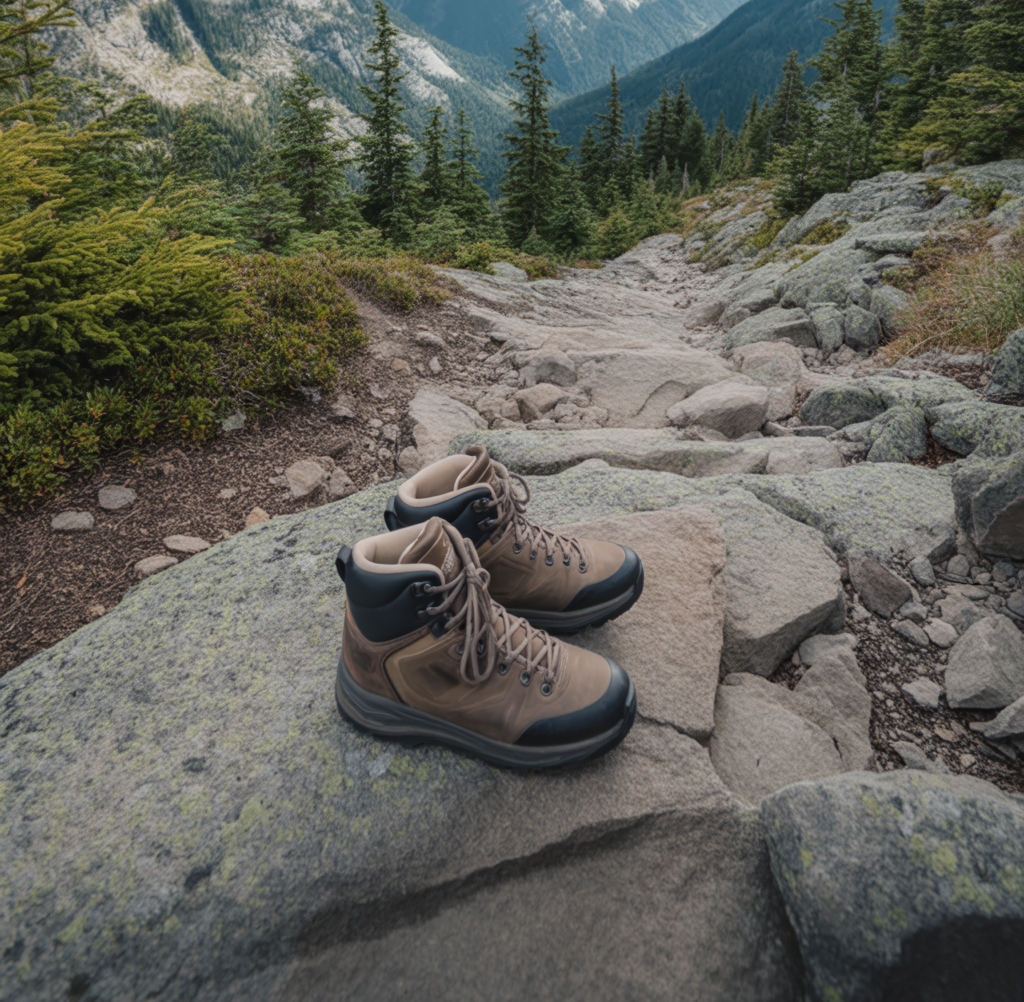
If you have wide feet, the thought of breaking in hiking boots can feel more stressful than exciting. Maybe you have tried on boot after boot at the store, only to find they squeeze your toes or create uncomfortable pressure on the sides of your feet. You are not alone — and you do not have to settle for uncomfortable footwear just to get outside.
The good news is that several hiking boot brands design models specifically with wide feet in mind, offering roomier toe boxes and wider widths without sacrificing support or durability. In this guide, we will walk through five well-reviewed options that real hikers with wide feet recommend, explain what makes a boot truly wide-foot-friendly, and help you choose the right pair for your first trails.
What to Look For
Understanding Width Options and Sizing
When shopping for wide hiking boots, you will encounter width designations like D (standard men’s), B (standard women’s), 2E (wide men’s), and 4E (extra wide men’s). Women’s wide boots are typically labeled as D width. However, not all brands use this system clearly on their product pages. Some boots, especially those from brands like KEEN, Merrell, and Columbia, are designed with a naturally roomier fit even in their standard width — which can work well for moderately wide feet. Others offer dedicated wide-width versions. If a boot does not explicitly mention width options in its listing, pay attention to customer reviews mentioning fit and toe box space. You may not know your exact width measurement, and that is okay. Focus on boots described as having a generous or roomy toe box, which allows your toes to spread naturally rather than feeling cramped.
Toe Box Shape and Room to Wiggle
The toe box is the front section of the boot where your toes sit, and its shape matters tremendously for wide feet. A narrow, tapered toe box will squeeze your toes together no matter what the overall width of the boot claims to be. Look for boots described as having a wide, spacious, or anatomical toe box. This design lets your toes splay naturally when you walk downhill or during long hikes, contributing to all-day comfort. Some boots, like minimalist or barefoot-style models, emphasize extra-wide toe boxes as a core feature. While these may look different from traditional hiking boots, they can be incredibly comfortable for wide feet on easier trails. Keep in mind that a roomy toe box does not mean sloppy fit — your heel should still lock in securely.
Break-In Period and Comfort Out of the Box
Traditional hiking boots often require a break-in period, meaning they feel stiff at first and need several shorter walks before they mold to your feet. For wide-footed hikers, this can be trickier because tight spots might not stretch out enough. Many modern boots, especially those with synthetic uppers or flexible construction, offer much shorter break-in times — some feel comfortable from day one. This is worth prioritizing. Read reviews specifically mentioning how the boots felt on the first hike. If you do choose a boot that needs breaking in, wear it around the house with the socks you plan to hike in, then take it on short walks before attempting a full-day hike. This gives both your feet and the boots time to adjust without causing painful hot spots on the trail.
Support and Stability for Different Trail Types
Wide feet often benefit from boots with a stable platform and good arch support, as a wider base can sometimes mean less natural stability. For hikers sticking to well-maintained dirt trails, you do not need an ultra-rigid boot designed for mountaineering. Instead, look for mid-cut boots (covering the ankle) that provide moderate support without feeling restrictive. Features like cushioned midsoles, contoured footbeds, and slightly wider outsoles help distribute your weight evenly and reduce fatigue. If you plan to hike on rocky or uneven terrain, prioritize boots with a supportive shank (a stiff insert in the sole) and good tread. For flat, easy trails like nature walks or rail-trails, a more flexible, lightweight boot will feel less clunky and more approachable for your first outings.
Materials and Weatherproofing
Most hiking boots come in either waterproof or non-waterproof versions. Waterproof boots use membranes or treatments to keep moisture out, which is helpful for wet trails, stream crossings, or dewy morning grass. However, they can feel warmer and less breathable, which matters if you have wide feet that tend to run hot or sweat more. Non-waterproof boots dry faster and breathe better but will soak through in wet conditions. For hiking in mostly dry climates or during summer, a breathable boot may be more comfortable. If you hike in the Pacific Northwest or during spring mud season, waterproofing is worth it. Pay attention to the upper material too — synthetic fabrics tend to be lighter and break in faster, while full-grain or suede leather is more durable but heavier and stiffer initially.
Pairing Boots with the Right Socks
Even the best wide hiking boot will not feel comfortable with the wrong socks. Avoid cotton socks, which absorb sweat and cause blisters. Instead, choose moisture-wicking hiking socks made from merino wool or synthetic blends. Thickness matters: thicker socks provide more cushioning but take up room inside the boot, which can be tricky with wide feet. Many experienced hikers recommend trying on boots with the exact socks you will wear on the trail. If you are ordering online, plan to test your new boots indoors first with your hiking socks before committing. A proper fit should feel snug around the heel and midfoot, with enough room in the toe box to wiggle your toes freely. When you kick your foot forward (simulating downhill walking), your toes should not jam into the front of the boot.
Our Top 5 Picks
1. Merrell Women’s Moab 3 Mid Waterproof Hiking Boots
Best for women hikers seeking a trusted, comfortable boot with proven wide-foot compatibility

The Merrell Moab series has been a go-to recommendation for wide feet for years, and the Moab 3 continues that reputation with thoughtful updates. This mid-height waterproof boot is designed to feel comfortable right out of the box, which is a huge advantage if you are new to hiking and do not want to deal with painful break-in periods. The construction combines supportive structure with enough flexibility to move naturally on the trail. Many reviewers with wide feet specifically mention the roomy toe box and comfortable width through the midfoot, making this a reliable choice if you have struggled to find boots that do not pinch. The waterproof feature keeps your feet dry when crossing wet grass or puddles without feeling overly warm. The boot provides solid ankle support for uneven terrain, which helps build confidence on your first rocky or rooted trails. The cushioned footbed adds comfort during longer hikes, and the outsole offers dependable traction on dirt, gravel, and moderate inclines. With over 3,000 reviews averaging 4.6 stars, this boot has been tested by thousands of real hikers in varied conditions. Reviewers consistently praise the comfort and fit for wider feet, though some note the boots run slightly large, so you may want to order your true size rather than sizing up. The mid-cut height protects your ankles without feeling restrictive, and the lacing system allows you to customize tension across different parts of your foot. This is a solid all-around choice for day hikes on maintained trails, and the quality construction means these boots should last through many seasons of weekend adventures. See current pricing for the Merrell Women’s Moab 3 Mid Waterproof Hiking Boots on Amazon.
Pros
- Roomy toe box and wide-foot-friendly fit right out of the box
- Waterproof protection for wet trail conditions
- Cushioned footbed and reliable traction for comfort and stability
- Over 3,300 reviews confirm consistent quality and performance
- Minimal break-in period makes them beginner-friendly
Cons
- Some reviewers report the boots run slightly large
- Higher price point compared to budget options
- Heavier than minimalist or low-cut hiking shoes
View Merrell Women’s Moab 3 Mid Waterproof Hiking Boots on Amazon →
2. Columbia Women’s Newton Ridge Plus Waterproof Hiking Boots
Best for budget-conscious women hikers who need waterproof protection and a comfortable wide fit

Columbia’s Newton Ridge Plus is one of the most popular hiking boots on the market, and for good reason — it delivers reliable performance at a more approachable price point than many competitors. With over 20,000 reviews and a 4.6-star rating, this boot has been tested in nearly every condition imaginable. For hikers with wide feet, the Newton Ridge Plus offers a naturally generous fit, especially in the toe box, without requiring a specific wide-width model. Many reviewers mention that the boot accommodates wider feet comfortably without feeling sloppy or loose. The waterproof construction keeps your feet dry during stream crossings or rainy hikes, while the upper balances durability with breathability. The mid-cut design provides ankle support that feels reassuring on uneven trails, which is especially helpful when you are still building confidence on rocky or rooted paths. The rubber outsole provides solid traction on dirt, gravel, and moderate mud, though it may not be as aggressive as specialized treads for very steep or technical terrain. The cushioned midsole adds comfort during longer hikes, and the lace-up closure lets you adjust the fit around your instep and ankle. One standout feature is how quickly these boots break in — many beginners report wearing them comfortably on their first hike with minimal stiffness. The boot does have a slightly heavier feel compared to lightweight trail shoes, but that added weight comes with durability and support. With such a large review base, you can read specific feedback from hikers with similar foot shapes, which helps set realistic expectations before you order. Read verified buyer reviews for the Columbia Women’s Newton Ridge Plus Waterproof Hiking Boots on Amazon.
Pros
- Over 20,000 reviews provide extensive real-world feedback
- Naturally wide toe box accommodates wide feet comfortably
- Waterproof construction at a budget-friendly price
- Quick break-in period and comfortable from the start
- Solid ankle support
Cons
- Heavier than lightweight trail shoes
- Tread may not be aggressive enough for very muddy conditions
- Some reviewers note sizing inconsistency across color options
View Columbia Women’s Newton Ridge Plus Waterproof Hiking Boots on Amazon →
3. NORTIV 8 Men’s Waterproof Hiking Boots Outdoor Mid Trekking Lightweight Mountaineering Shoes Paladin
Best budget-friendly option for men with wide feet starting out on easy to moderate trails
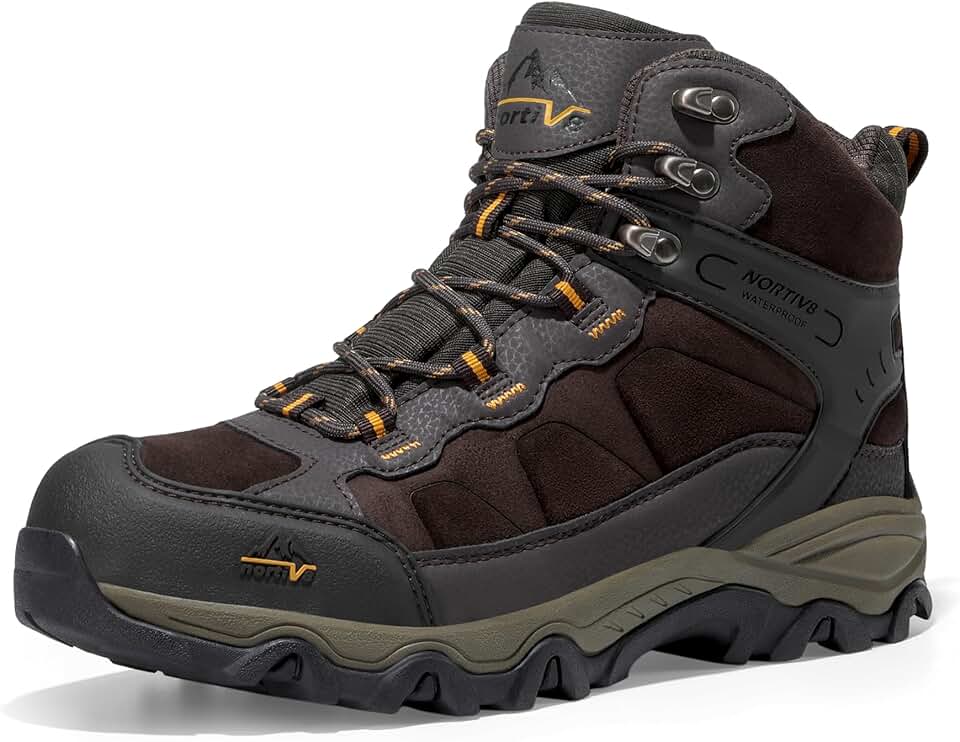
If you are hesitant to invest heavily in your first pair of hiking boots, the NORTIV 8 Paladin offers impressive value without sacrificing essential features. This boot has earned nearly 14,000 reviews with a solid 4.4-star average, making it one of the most-reviewed affordable hiking boots available. For men with wide feet, the Paladin is frequently mentioned in reviews as having a roomy fit, particularly in the toe box, which helps prevent the pinching that can turn a pleasant hike into a painful experience. The waterproof construction keeps your feet dry during wet conditions, and the mid-height design provides ankle support without feeling bulky or restrictive. The boot uses a lightweight construction that reduces fatigue on longer hikes, which is helpful when you are still building hiking stamina. The rubber outsole provides dependable traction on dirt trails, gravel paths, and moderate inclines, though it may not perform as well as premium boots on very steep or technical terrain. The cushioned insole adds comfort, and the lace-up system allows you to customize the fit across different parts of your foot. Many reviewers note these boots feel comfortable right out of the box with minimal break-in needed, which is a significant advantage for beginners. The affordable price point makes this an excellent choice if you are still figuring out how often you will hike or what type of terrain you prefer. While the materials may not be as premium as higher-priced boots, the quality is more than sufficient for weekend day hikes and beginner trails. The boot comes in multiple color options, and the wide availability of sizes means you are likely to find a good fit. Check current stock for the NORTIV 8 Men’s Waterproof Hiking Boots on Amazon.
Pros
- Excellent value at under fifty dollars
- Roomy toe box accommodates wide feet comfortably
- Nearly 14,000 reviews confirm reliable performance
- Lightweight construction reduces fatigue on trails
- Minimal break-in period for immediate comfort
Cons
- Materials not as durable as premium brands long-term
- Tread may wear faster with heavy use
- Ankle support lighter than heavy-duty mountaineering boots
4. Columbia Men’s Newton Ridge Plus II Waterproof Hiking Shoe
Best for men seeking a reliable, waterproof boot with a roomy fit for day hiking

The Columbia Newton Ridge Plus II is a staple in the hiking boot world, earning its reputation through consistent performance and wide-foot-friendly design. This waterproof boot offers a naturally roomy fit, especially in the toe area, which many reviewers with wide feet highlight as a key reason they keep coming back to this model. The mid-height design provides ankle support that feels secure without being restrictive, making it a good match for hikers still getting used to how hiking boots feel compared to everyday shoes. The upper construction balances durability with breathability, so your feet do not overheat on warmer hikes. The waterproof feature keeps moisture out during wet trail conditions, puddle crossings, or dewy morning grass. The rubber outsole delivers solid traction on varied terrain including dirt, gravel, and light mud, though it may not bite as aggressively on very steep or wet rock as specialized tread patterns. The cushioned midsole provides comfort during multi-hour hikes, and the traditional lacing system gives you control over fit and tension. With over 4,500 reviews, you can find detailed feedback from hikers with similar foot shapes and trail preferences, which helps you set realistic expectations. Many reviewers mention these boots require minimal break-in time and feel comfortable from the first wear. The boot has a slightly heavier feel compared to trail runners, but that weight comes with added support and protection for your feet and ankles on uneven terrain. This is a dependable choice for weekend warriors tackling well-maintained trails and moderate elevation gains. Compare the Columbia Men’s Newton Ridge Plus II specs and pricing on Amazon.
Pros
- Roomy fit accommodates wide feet without special sizing
- Waterproof construction for wet trail conditions
- Over 4,500 reviews provide extensive user feedback
- Minimal break-in period for immediate trail readiness
- Solid ankle support
Cons
- Heavier than lightweight trail shoes
- Some reviewers note the boots run slightly large
- Tread may not be aggressive enough for very muddy or steep terrain
View Columbia Men’s Newton Ridge Plus II Waterproof Hiking Shoe on Amazon →
5. Skechers Men’s Relment-Pelmo
Best for men wanting a comfortable, casual hiking boot with a relaxed wide fit for easy trails

The Skechers Relment-Pelmo brings the comfort-focused design philosophy Skechers is known for to the hiking boot category. With nearly 22,000 reviews and a 4.5-star rating, this boot has proven popular among hikers who prioritize comfort and a relaxed fit. For men with wide feet, the Relment-Pelmo offers a generous, accommodating fit throughout, especially in the toe box, making it a go-to choice if you have struggled with boots that feel too narrow or restrictive. The boot features a cushioned insole that provides immediate comfort — a big plus if you are new to hiking and worried about sore feet. The mid-height design offers ankle support for uneven terrain, while the relaxed fit allows your feet to move naturally without feeling squeezed. The waterproof construction keeps your feet dry during light rain or wet grass, though it may not be as robust as heavy-duty mountaineering boots for extended wet conditions. The outsole provides traction suitable for maintained dirt trails, gravel paths, and light hiking, though it is not designed for technical scrambling or very steep, rocky terrain. Many reviewers mention these boots feel more like comfortable everyday shoes than traditional stiff hiking boots, which can be reassuring if you are transitioning from sneakers to hiking footwear. The upper adds durability and a classic hiking boot look, while the padded collar and tongue prevent rubbing around your ankles. These boots break in quickly — most reviewers report wearing them comfortably on their first outing. The Relment-Pelmo works well for casual day hikes, nature walks, and outdoor activities where you want foot protection and support without the rigid feel of mountaineering boots. See if the Skechers Men’s Relment-Pelmo is right for your first hike on Amazon.
Pros
- Cushioned insole provides immediate comfort
- Relaxed, wide-friendly fit accommodates wider feet easily
- Nearly 22,000 reviews confirm consistent comfort and quality
- Minimal break-in required for first-time wear
- Waterproof construction for wet trail conditions
Cons
- Not designed for technical or very steep terrain
- Tread less aggressive than specialized hiking boots
- May feel too casual for serious backcountry hiking
How These Compare
When choosing among these five boots, consider your hiking plans and budget. The Merrell Moab 3 and Columbia Newton Ridge Plus (both women’s and men’s versions) offer the most proven track records with extensive reviews and reliable performance across varied conditions — ideal if you want confidence in your purchase. The Merrell edges ahead slightly in cushioning and traction, while Columbia delivers excellent value at a lower price. For men on a tight budget, the NORTIV 8 Paladin provides impressive features at under fifty dollars, though the materials may not last as long as premium brands with heavy use. The Skechers Relment-Pelmo stands out for immediate comfort thanks to its cushioned insole, making it ideal for casual hikers or those transitioning from everyday shoes to trail footwear. All five options accommodate wide feet well, but the Merrell and Columbia boots have the most user feedback specifically mentioning wide-foot compatibility. If waterproof protection is essential, all five models offer it, though the Columbia and Merrell boots have more robust weatherproofing for extended wet conditions. For your first pair of hiking boots, prioritize comfort and fit over advanced features — any of these boots will serve you well on various trails.
Frequently Asked Questions
How do I know if I need wide-width hiking boots?
If your regular shoes feel tight across the ball of your foot, if your toes feel squeezed together, or if you notice pressure or discomfort on the outer edges of your feet, you likely have wide feet. Many people with wide feet also experience discomfort on the sides of their feet or find their pinky toes feel cramped in standard-width shoes. When trying on hiking boots, you should be able to wiggle your toes freely, and the widest part of your foot should not feel compressed against the sides of the boot. If you can spread your toes naturally and the boot feels snug around your heel and midfoot without pinching anywhere, the width is likely correct. Keep in mind that some boots are designed with a naturally wider fit even in standard sizes, so you may not always need a boot specifically labeled as wide width. Reading reviews from other hikers with wide feet can help you identify which models run roomier.
Should I size up in hiking boots if I have wide feet?
Sizing up is not always the best solution for wide feet because it can create other fit problems. When you go up a full size, you gain length as well as a bit more width, which can cause your heel to slip and lead to blisters. Instead, look for boots that come in wide-width options (often labeled as 2E for men or D for women) or choose brands known for wider, roomier fits in their standard sizing. If a boot does not come in wide widths but reviews mention it runs wide or has a generous toe box, it may work in your true size. When trying boots on, wear the same thickness of hiking socks you plan to use on the trail. Your heel should lock in place when the boot is laced, with minimal lift when you walk. Your toes should have about a thumb’s width of space in front, allowing them to move without jamming into the toe box on downhill sections. If a boot feels tight across the ball of your foot but your heel slips when you walk, that is a sign you need a wider width rather than a larger size.
What is the difference between a wide toe box and a wide-width boot?
A wide toe box refers specifically to the front section of the boot where your toes sit, giving them room to spread naturally rather than being squeezed together. A wide-width boot refers to the overall width of the entire boot, including the midfoot and heel area. You can have a boot with a wide toe box but a narrower heel, which works well for some foot shapes. Conversely, some wide-width boots still have a tapered toe box that squeezes toes together despite the boot being wider overall. For wide feet, the ideal combination is a boot that offers both a spacious toe box and adequate width through the midfoot. Brands like KEEN, Merrell, and Altra are known for designing boots with naturally wider toe boxes even in their standard widths. Minimalist or barefoot-style boots often emphasize extra-wide toe boxes as a core feature, allowing your toes to splay completely. When reading product descriptions or reviews, look for mentions of both toe box roominess and overall width to get the full picture of how the boot will fit your wide feet.
Do I need waterproof hiking boots for wide feet?
Whether you need waterproof boots depends more on where and when you hike than on your foot width. Waterproof boots use special membranes or treatments to keep moisture out, which is helpful if you hike in wet climates, cross streams, or encounter rain, dew, or snow. The tradeoff is that waterproof boots tend to be less breathable, which can make your feet warmer and more prone to sweating — something to consider if you have wide feet that already feel warm in boots. If you hike mostly in dry conditions or during warm months, a non-waterproof boot will breathe better, dry faster if it does get wet, and may feel more comfortable overall. For hiking in the Pacific Northwest, Northeast, or during spring and fall, waterproof boots are worth the investment. If you are hiking in the Southwest desert or during summer on dry trails, breathable non-waterproof boots may be a better fit. You can also use waterproofing sprays or treatments on non-waterproof boots for light moisture protection. Consider the conditions of your local trails and your typical hiking season when deciding.
How long should it take to break in hiking boots for wide feet?
Modern hiking boots, especially those with synthetic materials and flexible construction, often require minimal break-in time — sometimes feeling comfortable from the first wear. Traditional boots made with stiffer leather or heavy-duty construction may need several shorter walks before they fully mold to your feet. For wide feet, the break-in period can be trickier because tight spots may cause discomfort until the materials stretch slightly. To break in new boots safely, wear them around your house with your hiking socks for short periods, then take them on easy walks around your neighborhood before attempting a full hike. Pay attention to any pressure points or hot spots — these should ease as the boot breaks in, but if they persist or worsen, the boot may not be the right fit. Many hikers recommend wearing new boots for two to three short outings before a longer hike. Some boots, particularly those from brands like Columbia, Merrell, and NORTIV 8, are designed to feel comfortable immediately with little to no break-in needed. Check reviews for mentions of break-in time to set realistic expectations for the specific boot you choose.
The Bottom Line
Finding hiking boots that fit wide feet comfortably does not have to be a frustrating process. The five boots we have covered all offer roomy, wide-foot-friendly designs with strong reviews from real hikers who share your fit concerns. If you are a woman starting out and want a proven, comfortable boot with excellent waterproofing, the Merrell Moab 3 Mid Waterproof delivers reliable performance backed by thousands of positive reviews. The Columbia Newton Ridge Plus offers similar quality at a slightly lower price, making it ideal if you are watching your budget but still want dependable performance. For men, the Columbia Newton Ridge Plus II provides a naturally roomy fit and solid all-around performance, while the NORTIV 8 Paladin is an excellent entry-point boot if you are hesitant to invest heavily before you know how much you will hike. The Skechers Relment-Pelmo stands out for immediate comfort and a relaxed fit, ideal for casual day hikes and nature walks. Whichever boot you choose, remember to try it on with your hiking socks, test the fit indoors first, and take it on a short walk before your first real hike. Your feet will thank you, and you will be ready to enjoy the trails with confidence and comfort.
Disclosure: As an Amazon Associate, we earn from qualifying purchases. This does not affect our editorial recommendations.