
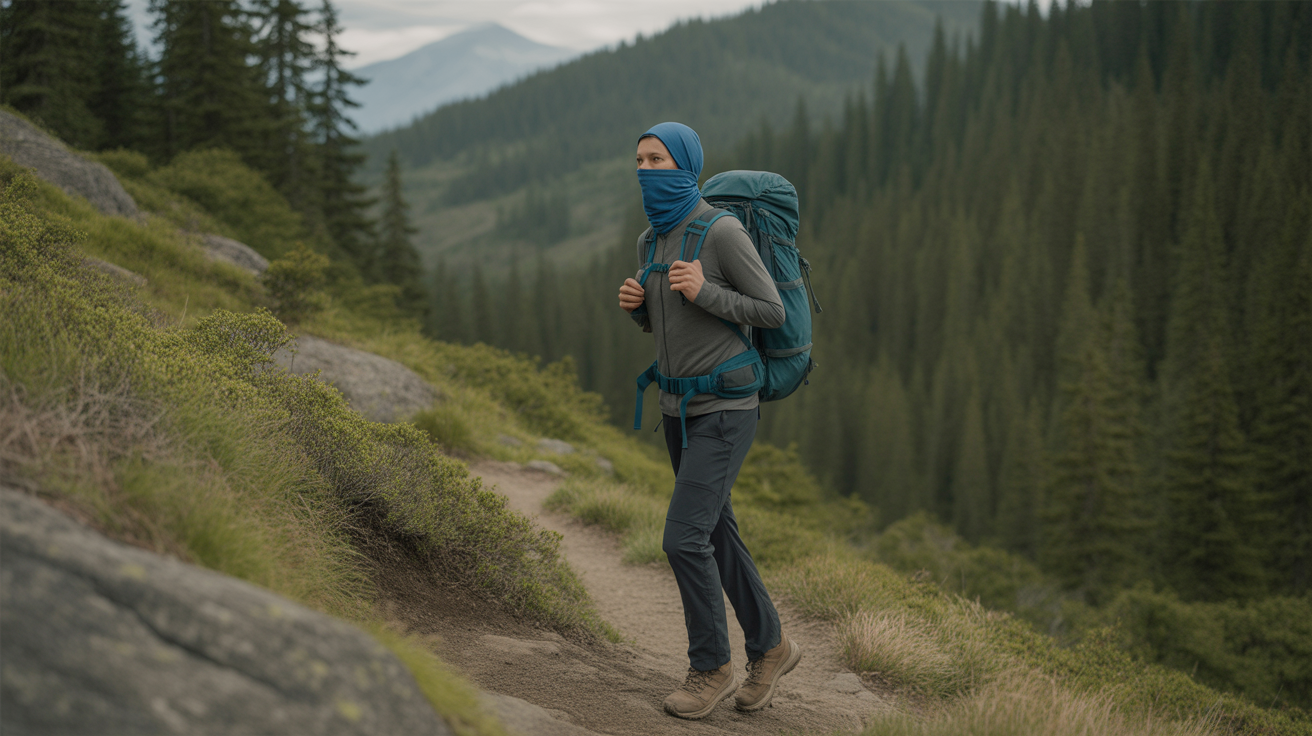
If you have been hiking with sunscreen smeared on your neck, a bandana that keeps slipping, or layers of scarves that make you overheat, you already know the frustration of trying to protect yourself from the elements. A quality neck gaiter (sometimes called a buff after the popular brand name) solves all of this with one lightweight, versatile piece of gear that stays put no matter how steep the trail gets.
Choosing your first neck gaiter can feel overwhelming when you see hundreds of options promising sun protection, cooling technology, and warmth all at once. This guide breaks down exactly what to look for and recommends five proven gaiters that hikers actually use and trust, from budget-friendly basics to premium options that handle everything from desert sun to alpine wind.
What to Look For
Sun Protection Rating (UPF)
UPF stands for Ultraviolet Protection Factor, which measures how much UV radiation fabric blocks. A UPF 50 rating means the fabric blocks 98% of UV rays, protecting your neck and face from sunburn during long hours on exposed trails. Most hiking-specific gaiters offer UPF 50, but cheaper multipacks may not specify their rating. If you hike frequently in high-elevation or desert environments where sun exposure is intense, confirming the UPF rating matters more than for shaded forest trails. Look for this specification clearly listed in the product details rather than vague claims about sun protection.
Fabric Weight and Breathability
Neck gaiters fall into three categories: lightweight (under 30 grams), midweight (30-50 grams), and insulated (over 50 grams, often with fleece lining). Lightweight gaiters work best for warm-weather hiking because they wick moisture and dry quickly when you sweat. Midweight options provide slightly more wind protection without causing overheating. Insulated gaiters suit cold-weather hiking but feel suffocating on moderate days. Most hikers find a lightweight gaiter serves them year-round since you can layer it under a jacket hood in winter. The fabric should feel smooth against your skin without scratching, especially if you plan to pull it up over your nose and mouth on dusty trails.
Size and Fit
Most neck gaiters come in one-size-fits-all designs made from stretchy fabric, but the tube length matters. A gaiter that measures around 18-20 inches long unstretched gives you enough coverage to pull up over your nose or tuck into your shirt collar without feeling restrictive. Too short, and it rides up or leaves gaps. Too long, and you deal with excess fabric bunching around your neck. Some brands offer half-length versions that sit lower on the neck, which works well if you only need sun protection on the back of your neck and do not want full face coverage. Read customer reviews specifically mentioning whether the gaiter feels too tight or too loose, as stretch fabrics vary significantly between manufacturers.
Versatility and Wear Styles
A good hiking gaiter functions as more than neck coverage. You can wear it as a headband to keep sweat out of your eyes, a hair tie for ponytails, a face mask on windy or dusty sections, a beanie for chilly morning starts, or even a wristband. This versatility means you carry one piece of gear instead of separate items for different conditions. Some gaiters include reflective elements for low-light hiking or loop attachments to secure them to your pack when not in use. If you hike in variable weather, choose a gaiter that transitions easily between these styles without needing to stop and readjust constantly.
Moisture Management and Quick Dry
Synthetic fabrics like polyester or nylon dry faster than cotton or merino wool, making them better choices for humid climates or high-exertion hikes where you sweat heavily. When a gaiter stays damp against your skin, it causes chafing and discomfort. Quick-dry fabrics also matter if you need to rinse trail dust off your gaiter at a stream and keep hiking. Some gaiters include cooling technology where moisture evaporation creates a slight chill against your skin, which feels refreshing on hot days but uncomfortable if temperatures drop unexpectedly. Balance this feature against your typical hiking conditions rather than assuming cooling always equals better.
Durability and Care
You will wash your gaiter frequently since it touches your face and neck, collecting sweat, sunscreen, and trail grime. Machine-washable gaiters that hold their shape and elasticity after dozens of wash cycles save money long-term compared to cheap versions that stretch out or fade quickly. Seams should lie flat without bulky stitching that rubs against your skin. Check whether the manufacturer recommends air drying or allows tumble drying on low heat, as this affects how quickly you can clean and reuse your gaiter between hikes. Some fabrics develop odors even after washing, particularly if they contain certain synthetic blends, so customer reviews mentioning smell issues provide helpful insight.
Our Top Picks
1. Buff CoolNet UV Neck Gaiter
Best overall for hikers who need reliable sun protection and moisture-wicking performance across all seasons

The Buff CoolNet UV combines UPF 50 sun protection with breathable, quick-drying fabric that handles everything from desert heat to alpine wind. Over 1,100 customer reviews confirm what trail veterans already know: this gaiter stays put during steep ascents, does not slip down when you are sweating, and dries fast enough to rinse at a stream and keep hiking. The fabric feels smooth against your skin without any scratchy seams, making it comfortable to wear pulled up over your nose on dusty trails or tucked under a shirt collar for neck coverage only.
What makes this gaiter stand out is how well the moisture-wicking technology actually works. When you sweat, the fabric pulls moisture away from your skin and spreads it across the surface for faster evaporation, which creates a slight cooling effect without making you feel damp. This matters more than you might expect on exposed ridgelines where there is no shade break for hours. The Amazon Choice badge reflects consistent positive feedback about durability too-hikers report these gaiters holding their shape and elasticity through dozens of washes without fading or stretching out.
The one-size design uses generous stretch fabric that accommodates different head and neck sizes comfortably. You can wear it multiple ways: as a neck gaiter, headband, face mask, or even a beanie for chilly morning starts. Some reviewers mention the length works perfectly for tucking into a shirt or pulling up to just below your eyes, giving you full face protection from wind and sun. The variety of color and pattern options means you can choose solid neutrals that hide trail dirt or bright designs that add some personality to your gear. At 200-plus purchases in the past month, this gaiter clearly meets the needs of active hikers who need one reliable piece of gear that does not require constant adjustment on the trail.
Pros
- UPF 50 sun protection blocks 98% of UV rays during long exposed hikes
- Quick-dry fabric wicks moisture effectively and dries fast after rinsing
- Stays in place without slipping during steep climbs or high-exertion hiking
- Durable construction holds shape and elasticity through frequent washing
- Versatile enough to wear as headband, face mask, or beanie
Cons
- Higher price point than budget multipacks
- Cooling effect may feel uncomfortable if temperatures drop suddenly
- Single-gaiter purchase means no backup if lost on trail
2. Buff Original EcoStretch Neck Gaiter
Best for eco-conscious hikers who want proven durability with UPF 50 protection

The Buff Original EcoStretch brings nearly 3,000 customer reviews worth of trail-tested reliability in a slightly more sustainable package. The UPF 50 fabric provides the same sun protection as the CoolNet version, but the EcoStretch line uses recycled materials in its construction. This matters if you care about minimizing your environmental impact without sacrificing performance. The fabric feels similar to the CoolNet-smooth, breathable, and quick-drying-but some hikers report it has a bit more stretch, which can be either more comfortable or slightly less secure depending on your head size and preference.
What stands out in the customer feedback is the consistency. Hikers mention wearing these gaiters for years, through hundreds of washes, without significant fading or loss of elasticity. That durability justifies the $23 price when compared to cheaper options that stretch out or develop holes after a season. The gaiter works well for variable weather hiking since you can adjust how much coverage you need throughout the day-full face protection when crossing windy ridges, then rolled down to just neck coverage when you drop into sheltered valleys.
The solid color options hide trail dust better than patterned versions, which matters if you are doing multi-day trips without laundry access. Some reviewers note the fabric thickness feels slightly more substantial than ultra-lightweight gaiters, giving better wind protection without causing overheating on moderate days. The one-size design accommodates different face shapes well, though a few reviewers with larger heads mention it feels snug initially before the fabric relaxes with wear. At 500-plus purchases in the past month, this gaiter clearly appeals to hikers who want the Buff brand reliability with a sustainability angle.
Pros
- UPF 50 sun protection with recycled material construction
- Proven durability through years of use and hundreds of washes
- Slightly thicker fabric provides better wind protection than ultra-lightweight options
- Nearly 3,000 reviews confirm consistent quality and performance
- Generous stretch accommodates different head and neck sizes
Cons
- May feel snug initially for larger head sizes before fabric relaxes
- Slightly thicker fabric takes marginally longer to dry than CoolNet version
- Recycled material construction may show trail dirt more visibly than synthetic-only fabrics
3. BASSDASH UPF 50+ UV Sun Protection Neck Gaiter
Best budget option for new hikers who want proven performance without premium pricing

At under $10, the BASSDASH gaiter delivers surprisingly solid performance backed by over 11,000 customer reviews. The UPF 50+ rating provides the same UV protection as options costing two or three times more, and the lightweight fabric dries quickly after sweaty ascents or stream crossings. This gaiter appeals to hikers who want to test whether they will actually use a neck gaiter regularly before investing in premium brands. The Climate Pledge Friendly certification indicates some attention to environmental standards, which is unusual at this price point.
Customer feedback consistently mentions two things: the fabric feels thin but not cheap, and it holds up better than expected for the price. Hikers report using these gaiters for full seasons of regular weekend hikes without significant wear. The thinness actually works as an advantage in hot weather since the gaiter provides sun protection without adding much insulation. You can pull it up over your nose and mouth on dusty trails without feeling like you are breathing through a heavy barrier. The variety of color and pattern options gives you choices beyond basic black, and several reviewers mention buying multiple colors to rotate between hikes.
The trade-off for the lower price shows up in minor details. Some reviewers note the stitching feels less refined than premium options, and the fabric may stretch slightly more over time. A few mention the gaiter slides down more easily during high-exertion sections compared to pricier alternatives. But for new hikers who are building their gear collection on a budget, or experienced hikers who want a backup gaiter to keep in the car, this represents excellent value. At 300-plus purchases in the past month, plenty of hikers agree that this gaiter handles the essential functions without unnecessary premium features.
Pros
- Under $10 price point makes it accessible for budget-conscious hikers
- UPF 50+ sun protection matches premium options
- Over 11,000 reviews confirm reliable performance for the price
- Lightweight fabric ideal for hot weather hiking
- Climate Pledge Friendly certification shows environmental consideration
Cons
- Thinner fabric may slide down more easily during high-exertion hiking
- Stitching quality not as refined as premium brands
- May stretch slightly more over time compared to higher-priced options
View BASSDASH UPF 50+ UV Sun Protection Neck Gaiter on Amazon →
4. KastKing Sol Armis Neck Gaiter
Best for hikers who split time between trails and water activities needing multi-sport versatility

The KastKing Sol Armis brings fishing-industry expertise to hiking with a gaiter designed for serious sun exposure and moisture management. The UPF 50 fabric blocks UV rays effectively, and the design incorporates features that matter when you spend hours in direct sunlight. Nearly 10,000 customer reviews come largely from anglers and outdoor enthusiasts who need gear that performs in harsh conditions-exactly the kind of testing that benefits hikers on exposed ridgelines or desert trails.
What makes this gaiter different is the attention to moisture-wicking performance. KastKing designed this specifically for activities where you are sweating and potentially getting splashed, so the fabric handles both scenarios well. Hikers crossing streams or dealing with unexpected rain report the gaiter dries quickly without staying damp against your skin. The fabric feels smooth enough to wear all day without irritation, and the length provides full coverage from chest to nose if needed. Some reviewers mention using these gaiters for desert hiking where sun protection is critical, and the fabric holds up well to intense UV exposure without fading quickly.
The limited-time deal pricing (currently $10.39 down from $12.99) makes this competitive with budget options while offering performance closer to premium brands. The variety of colors and patterns includes options designed for sun reflection and camouflage patterns if you prefer less visible colors on the trail. A few reviewers note the fabric feels slightly thicker than ultra-lightweight gaiters, which provides better wind protection but may feel warm on extremely hot days. The gaiter works particularly well if you do multiple outdoor activities beyond hiking-fishing, kayaking, cycling-since it handles water exposure and full-sun conditions equally well.
Pros
- UPF 50 sun protection designed for extreme sun exposure conditions
- Excellent moisture-wicking handles both sweat and water exposure
- Nearly 10,000 reviews from outdoor enthusiasts confirm durability
- Versatile for multiple outdoor activities beyond hiking
- Currently available at limited-time deal pricing
Cons
- Slightly thicker fabric may feel warm on extremely hot days
- Design features prioritize fishing use cases over pure hiking optimization
- Pattern variety may include options too bold for hikers preferring subtle colors
5. Buff CoolNet UV Half Neck Gaiter
Best half-length option for hikers who want neck and lower face protection without full coverage

The Buff CoolNet UV Half Gaiter addresses a specific preference: hikers who find full-length gaiters too much fabric but still need sun protection on their neck and option for face coverage. At about half the length of standard gaiters, this version sits comfortably around your neck without excess material bunching up. The UPF 50 protection and quick-dry fabric match the full-length CoolNet performance, just in a more minimal package. Nearly 1,000 customer reviews show this appeals to hikers who want the Buff quality without committing to full head coverage.
The half-length design works particularly well for moderate weather hiking where you need neck protection but do not anticipate pulling coverage up over your nose and ears. You can still stretch it up to cover your lower face if wind picks up or trail dust gets bad, but it will not reach up to your eyes like full-length versions. This makes it less versatile for extreme conditions but more comfortable for everyday trail use. The cooling technology feels more noticeable on the half gaiter since there is less fabric insulating your head-moisture evaporation creates that slight chill against your neck on hot climbs.
Some hikers prefer this style because it eliminates the extra fabric problem when you only need basic neck coverage. You can wear it low around your neck like a loose collar, and it stays put without constant adjustment. The lower price compared to full-length gaiters ($14.92 versus $25) makes sense given the reduced material, though you sacrifice some versatility. Reviewers mention this works great as an introductory gaiter-if you have never used one before and want to test the concept without full commitment, the half version lets you experience the core benefits. At 100-plus purchases in the past month, enough hikers appreciate this middle-ground option between full gaiters and going without protection entirely.
Pros
- Half-length design reduces excess fabric while maintaining neck protection
- UPF 50 sun protection and quick-dry fabric match full-length performance
- Lower price point than full-length version makes it accessible
- Cooling technology feels more effective with less insulating fabric
- Good introduction option for hikers new to wearing gaiters
Cons
- Less versatile than full-length gaiters for extreme weather conditions
- Cannot pull up to cover ears or top of head like standard gaiters
- Half-length design limits how many different wearing styles you can use
How These Compare
Choosing between these five gaiters comes down to your specific hiking style and budget. If you want the most proven, versatile option and do not mind spending $25, the Buff CoolNet UV (rank 1) delivers everything most hikers need with excellent durability and over 1,000 reviews confirming its performance. The Amazon Choice badge and high sales volume show this is the default choice for good reason-it handles sun protection, moisture management, and multi-season use without compromises.
For hikers who care about sustainability without sacrificing quality, the Buff Original EcoStretch (rank 2) offers nearly identical performance with recycled materials and even more customer reviews backing its long-term durability. The $2 price difference between these two Buff options is minimal, so your choice really depends on whether you want the cooling technology focus of the CoolNet or the slightly thicker, more wind-resistant fabric of the EcoStretch.
Budget-conscious hikers or those new to neck gaiters should seriously consider the BASSDASH (rank 3) at under $10. With over 11,000 reviews and UPF 50+ protection, it proves you do not need to spend premium prices for solid performance. The trade-off shows up in minor details like stitching refinement and potential for slightly more stretching over time, but these issues do not prevent it from doing its core job well. This makes an excellent first gaiter or backup to keep in your car.
The KastKing Sol Armis (rank 4) appeals to hikers who do multiple outdoor activities-particularly if you fish, kayak, or do other water-based activities alongside hiking. Its moisture-wicking technology handles both sweat and water exposure exceptionally well, and the current limited-time pricing at $10.39 makes it competitive with pure budget options while offering performance closer to premium brands. Choose this if you need one gaiter that works across different outdoor pursuits.
Finally, the Buff CoolNet UV Half Gaiter (rank 5) serves a specific niche: hikers who find full-length gaiters too much but still want quality neck protection. At $14.92, it costs less than the full-length Buff options while maintaining the same UV protection and fabric quality. This works best for moderate-weather hiking where you need sun protection but do not anticipate extreme wind or cold requiring full head coverage. It is also a smart choice if you have never worn a gaiter before and want to test the concept without committing to a full-length version.
Your decision ultimately depends on three factors: budget (BASSDASH or KastKing for value, Buff options for premium quality), versatility needs (full-length for maximum options, half-length for simpler use), and sustainability priorities (EcoStretch for recycled materials). Any of these five gaiters will protect you better than hiking without one, saving you from sunburned necks and constant bandana adjustments on the trail.
Frequently Asked Questions
Can you wear a neck gaiter all day while hiking?
Yes, you can comfortably wear a neck gaiter throughout a full day of hiking if you choose the right fabric weight for the conditions. Lightweight gaiters made from moisture-wicking synthetic materials work best for all-day wear because they pull sweat away from your skin and dry quickly. You will want to adjust how you wear it as temperatures change-starting with it around your neck for morning coolness, pulling it up over your nose during midday sun exposure, then rolling it down to just neck coverage as you cool off in the evening. The key is selecting a gaiter that does not have bulky seams or rough fabric that rubs against your skin, since even minor irritation compounds over hours on the trail. Most hikers report that high-quality gaiters become so comfortable they forget they are wearing them, unlike bandanas that constantly slip or require readjusting. If you notice chafing, it usually means the fabric is either too rough or staying damp against your skin, which signals you need a different material rather than giving up on gaiters entirely.
Do neck gaiters actually provide sun protection?
Neck gaiters with UPF ratings do provide legitimate sun protection by blocking UV rays from reaching your skin. A gaiter rated UPF 50 blocks approximately 98 percent of ultraviolet radiation, which is comparable to high-SPF sunscreen but without the need for reapplication. This matters particularly on your neck and ears, areas that hikers often forget to cover with sunscreen and that receive intense exposure during long days on exposed trails. The protection only works when the fabric actually covers your skin, so a gaiter worn loosely around your neck protects that area but does nothing for your face unless you pull it up. Not all gaiters offer the same protection-cheap options without specified UPF ratings may be made from thin fabric that allows UV rays through. Look for products that explicitly state their UPF rating rather than vague claims about sun protection. For maximum effectiveness, combine your gaiter with a wide-brimmed hat to protect the top of your head and face, sunglasses for your eyes, and sunscreen on any remaining exposed skin like your hands.
How do you keep a neck gaiter from sliding down?
A properly fitted neck gaiter should stay in place through most hiking activities, but several techniques help if yours tends to slip. First, make sure you are starting with the gaiter positioned correctly-it should sit snug but not tight around your neck, with the top edge reaching at least to your chin when pulled up. The single most effective trick is to tuck a small portion of the bottom edge inside your shirt collar, which anchors it in place without restricting movement. Some hikers prefer to wear the gaiter higher on their head, positioned more like a headband that also covers the neck, which uses the circumference of your skull to prevent slipping. If your gaiter consistently slides despite these adjustments, it may be too large or the fabric may have stretched out from repeated washing. In that case, you can either tie a small knot in the fabric to reduce the circumference temporarily, or invest in a gaiter with more elastic content that maintains its shape better. Moisture actually helps grip in most cases-a slightly damp gaiter from sweat will stay put better than a completely dry one, though it should not feel wet enough to cause discomfort.
Are neck gaiters good for cold weather hiking?
Neck gaiters work well for cold weather hiking when you choose the right fabric weight and wear them as part of a layering system. Lightweight gaiters designed for sun protection provide minimal insulation but block wind effectively, which matters more than you might expect on cold days. Wind chill dramatically increases heat loss from exposed skin, so even a thin gaiter that stops air movement keeps your neck and face significantly warmer. For truly cold conditions-temperatures below freezing or high-altitude winter hiking-look for gaiters specifically designed with fleece lining or heavier fabric that provides actual insulation rather than just wind blocking. You can also layer a lightweight gaiter under your jacket hood, which traps a thin layer of air for extra warmth. The advantage of gaiters in cold weather compared to scarves is that gaiters do not have loose ends that catch on branches or get in your way, and they stay in position without constant readjustment. Many hikers find a mid-weight gaiter serves them year-round better than buying separate versions for hot and cold weather-it provides enough warmth for chilly morning starts but can be rolled down as you warm up from exertion.
How often should you wash a hiking neck gaiter?
You should wash your neck gaiter after every hike or every one to two uses at most, since it collects sweat, sunscreen, trail dust, and skin oils that build up quickly. Unlike other hiking gear that you might wear multiple times before washing, gaiters touch your face and neck directly, making them more like clothing that requires frequent cleaning. Most hiking gaiters are machine washable, which makes this easy-just toss it in with your regular laundry using cold water and mild detergent. Avoid fabric softener, which can coat the synthetic fibers and reduce their moisture-wicking ability. Air drying is gentler on the elastic fibers that help the gaiter maintain its shape, though many gaiters can handle low-heat tumble drying if you need it clean quickly for your next hike. If your gaiter develops persistent odors even after washing, it usually means bacteria have colonized the fabric fibers. Soaking it in a mixture of water and white vinegar for an hour before washing can eliminate these odors. Some hikers who do multi-day trips carry two gaiters so they can rotate them, giving each one time to fully dry between uses, which also extends the life of the fabric by reducing wear from consecutive days of sweating and washing.
The Bottom Line
The right neck gaiter simplifies your hiking by handling sun protection, wind blocking, and dust filtering with one piece of gear that weighs almost nothing. If you are building your first hiking kit and want proven quality that will last for years, the Buff CoolNet UV delivers everything you need at a fair price backed by over 1,000 positive reviews. Budget-conscious hikers get excellent value from the BASSDASH gaiter at under $10, which provides the same UV protection as premium options with only minor trade-offs in fabric refinement. For hikers who prioritize sustainability, the Buff Original EcoStretch uses recycled materials without compromising the durability that nearly 3,000 reviewers have confirmed through long-term use.
Your first hike with a quality gaiter will change how you think about face and neck protection. No more constantly reapplying sunscreen to your neck, no more bandanas that slip during climbs, no more choosing between being too hot with a scarf or too exposed without one. A gaiter adjusts instantly to changing conditions-pulled up when you need it, rolled down when you do not, always ready without taking up pack space or requiring you to stop and dig through your bag. Start with one of these five options based on your budget and hiking style, wear it on a few trails to understand how you prefer to use it, and you will wonder why you ever hiked without this simple solution.
Disclosure: As an Amazon Associate, we earn from qualifying purchases. This does not affect our editorial recommendations.