
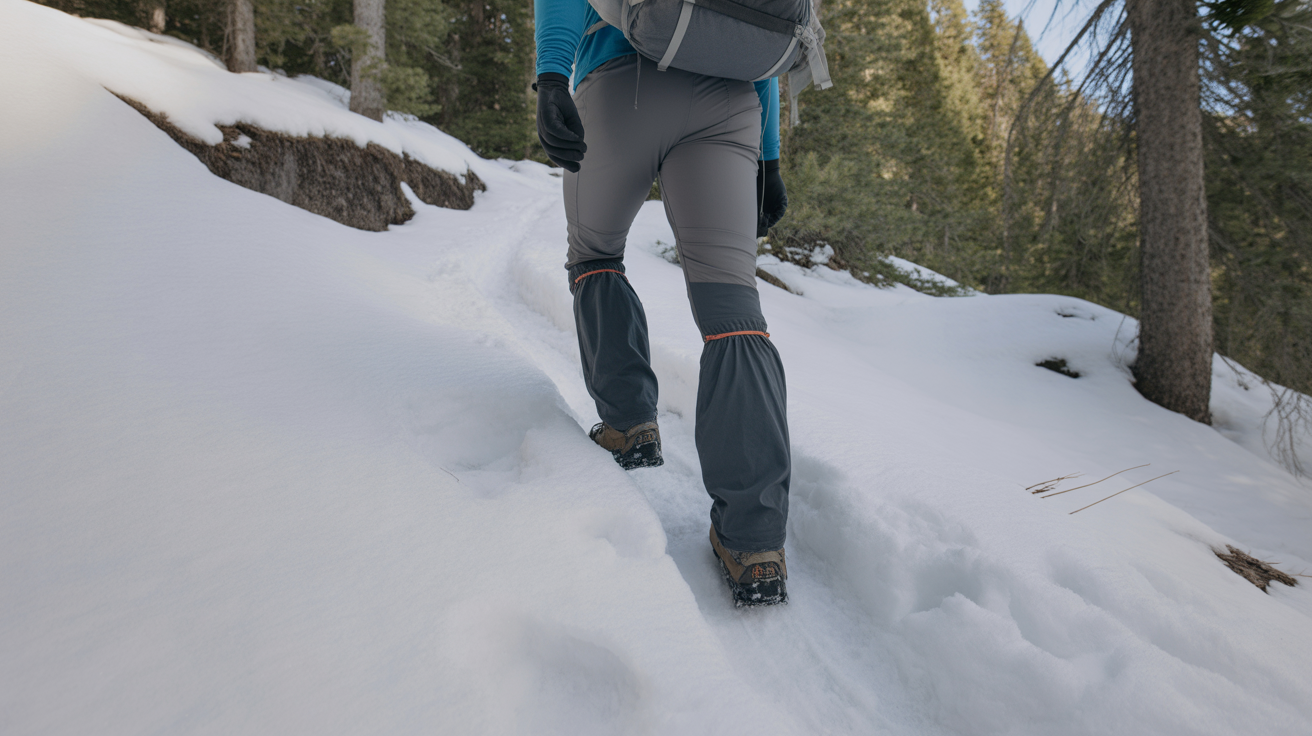
When you are heading out on snowy trails for the first time, the idea of snow filling your boots with every step can be unsettling. You have probably seen other hikers wearing those fabric sleeves over their boots and wondered if you really need them. The answer depends on your winter hiking plans, but if you are walking through ankle-deep or deeper snow, gaiters can make the difference between a comfortable hike and wet, cold feet that cut your adventure short.
This guide covers the best hiking gaiters for snow, focusing on options that actually keep snow out while remaining comfortable enough for a full day on the trail. We have evaluated waterproof materials, secure closures, durability against winter conditions, and real user feedback to help you choose gaiters that match your winter hiking needs without overcomplicating the decision.
What to Look For
Waterproof Material and Construction
The primary job of snow gaiters is keeping moisture out, which means the material matters significantly. Most quality gaiters use a measurement called “denier” (often written as “D”) to indicate fabric thickness and durability. For snow hiking, look for gaiters made from at least 600D fabric, though many winter-specific options use 900D or 1000D materials. Higher denier numbers mean thicker, more tear-resistant fabric that holds up better when you are brushing against snow-covered branches or walking through crusty, icy conditions. The waterproof rating is equally important. Many gaiters claim to be waterproof, but what you want is either a laminated waterproof layer or a heavy-duty water-repellent coating that prevents snow melt from soaking through. Some premium options use Gore-Tex or similar membranes, which provide both waterproofing and breathability to reduce moisture buildup inside the gaiter from your own body heat.
Height and Coverage
Snow gaiters typically range from mid-calf to just below the knee in height, and this measurement directly affects how much protection you get. For general winter day hikes where you will encounter 4 to 8 inches of snow, mid-height gaiters around 12 to 14 inches tall usually provide adequate coverage. If you are planning to hike through deeper snow, especially in areas where you might posthole (when your foot breaks through the snow surface and sinks), taller gaiters of 16 to 18 inches offer better protection. The top closure should fit snugly around your calf without cutting off circulation, and many models include adjustable straps or drawcords to customize the fit. A gaiter that is too short will allow snow to spill over the top, while one that is too tall may bunch uncomfortably behind your knee when you bend your leg during uphill climbs.
Closure System and Ease of Use
How a gaiter opens and closes affects both how well it seals out snow and how convenient it is to put on and take off. Most snow gaiters use a front zipper combined with a hook-and-loop (Velcro-style) storm flap that covers the zipper to prevent snow infiltration. The zipper should be sturdy and move smoothly even when the fabric is wet or partially frozen. Two-way zippers, which can open from both top and bottom, add flexibility for adjusting ventilation or getting them on over bulky winter boots. Some budget models skip the zipper entirely and rely only on hook-and-loop closures, which can be less secure in deep snow conditions. Check that the closure extends high enough that there is no gap between the top of your boot and the bottom of the gaiter, as even a small opening will let snow work its way inside.
Boot Attachment and Stability
A gaiter that shifts or slides down while you walk defeats the purpose, so the bottom attachment system is crucial. Most gaiters use an instep strap that loops under your boot, anchored by a metal hook at the front that clips onto your boot laces. The instep strap material matters: coated fabric straps tend to wear out faster than rubber or reinforced synthetic options. Some gaiters include replaceable instep straps, which extends their usable life. The front hook should be durable metal, not plastic, as it takes significant stress with every step. For winter conditions, look for a design where the instep strap sits flat against your boot sole rather than looping loosely, as this prevents snow from packing underneath and reduces the chance of the strap breaking when you are miles from the trailhead.
Fit and Adjustability
Gaiters need to fit your specific leg and boot combination, which can be tricky since most are sold in one-size-fits-most or just two size options. Adjustable top closures using drawcords or elastic with cord locks let you tighten the gaiter around your calf to match your leg circumference and the bulk of your winter pants. Some models also include adjustment at the ankle area to better conform to different boot heights and widths. When evaluating fit, consider that you will likely be wearing them over hiking pants or snow pants, so the gaiter needs enough room to accommodate extra fabric layers without feeling overly tight. On the other hand, too much excess material will bunch and create uncomfortable pressure points or gaps where snow can enter.
Durability for Winter Conditions
Winter hiking exposes gaiters to conditions that summer trail use does not: sharp ice crystals, frozen vegetation, frequent freeze-thaw cycles, and the abrasion of walking through crusty snow. Reinforced stitching at high-stress points, particularly where the instep strap attaches and along the front zipper, helps prevent premature failure. The bottom edge of the gaiter takes the most punishment from contact with your boot and the ground, so models with reinforced lower sections or protective boot cuffs tend to last longer. If you hike frequently in winter, a gaiter built with 900D or 1000D fabric will resist punctures and tears better than lighter-weight options. Customer reviews mentioning durability after a full season of use provide helpful real-world evidence of how well a particular model holds up.
Our Top Picks
1. Unigear Leg Gaiters, 1000D Fabric Waterproof Boot Gaiters for Hiking Walking Climbing Hunting Skiing
Best for hikers seeking heavy-duty snow protection with proven durability at a mid-range price

The Unigear gaiters stand out for their 1000D fabric construction, which represents some of the thickest and most tear-resistant material available in this price range. This high denier count means they can handle brushing against frozen branches, crusty snow edges, and icy trail conditions without developing holes or wearing thin after a season of use. The waterproof construction keeps snow melt from soaking through even during long days when accumulated snow on the gaiter exterior begins to melt from body heat or temperature changes. With over 2,400 customer reviews averaging 4.4 stars, these gaiters have accumulated substantial real-world testing across different snow conditions and hiking styles.
The design includes a front zipper with a protective storm flap that covers the zipper teeth to prevent snow from working its way through the closure. The adjustable top closure allows you to tighten the gaiter around your calf to match your leg size and accommodate the bulk of winter hiking pants. The instep strap loops under your boot sole to keep the gaiter positioned correctly, and the front hook clips onto your boot laces to prevent the gaiter from riding up during your hike. This attachment system works with most hiking boot styles, though it requires boots with traditional laces rather than speed-lacing systems.
The height provides coverage that works well for moderate to deep snow conditions without being so tall that it bunches uncomfortably behind your knee. Users consistently mention that these gaiters stay in place during full-day hikes without constant adjustment, which matters when you are focused on navigating snowy terrain. Some reviewers note that the material is stiffer than lighter-weight gaiters, which is a tradeoff for the increased durability. This stiffness can make them feel less flexible initially, though most users report they break in after a few uses. The weight is noticeably heavier than ultralight trail gaiters, but for winter conditions where durability matters more than saving a few ounces, this is a reasonable compromise.
See current pricing for the Unigear Leg Gaiters on Amazon.
Pros
- 1000D fabric provides exceptional tear and puncture resistance for winter conditions
- Waterproof construction keeps snow melt from soaking through during long hikes
- Over 2,400 reviews provide extensive real-world performance data
- Storm flap over zipper prevents snow infiltration at the closure
- Stays securely in place without frequent adjustment
Cons
- Heavier and stiffer than lightweight summer gaiters
- Initial stiffness requires break-in period for maximum comfort
- Front hook requires traditional lace-up boots rather than speed-lacing systems
2. Pike Trail Adjustable Leg Gaiters – Lightweight, Waterproof – Leg Guards for Men & Women
Best for winter hikers who want extensively tested gaiters with proven performance and adjustable fit
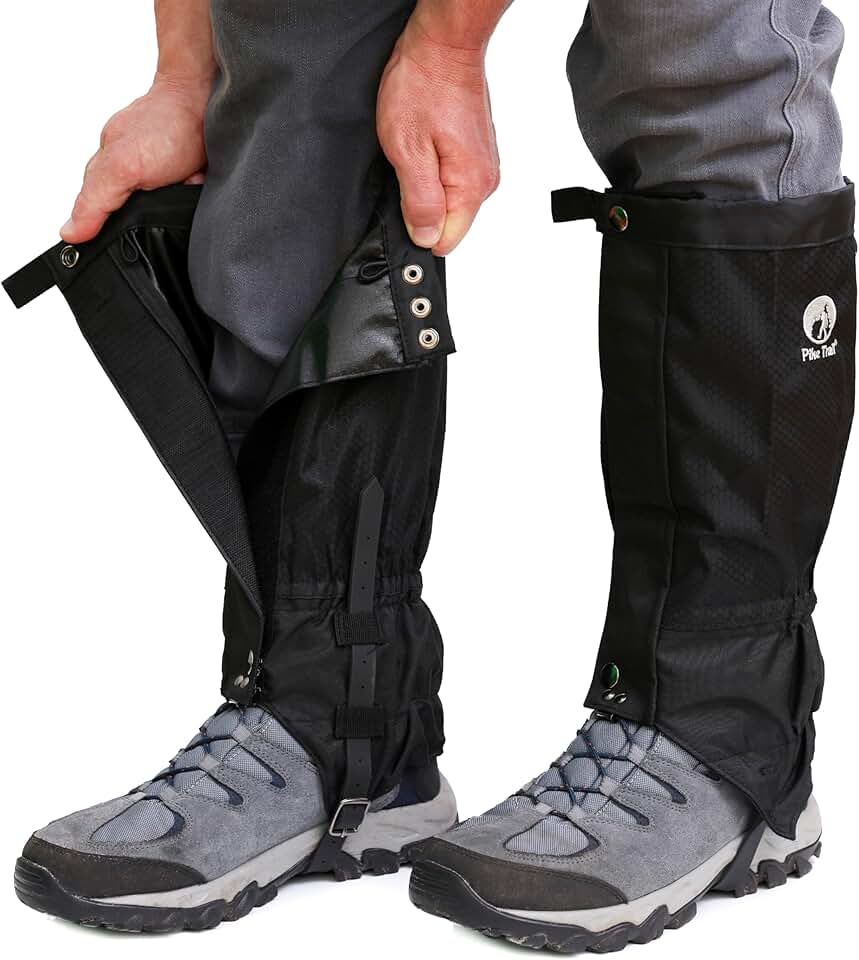
Pike Trail gaiters have accumulated over 3,600 customer reviews, making them one of the most thoroughly tested options available for snow hiking. This extensive feedback pool provides confidence that the performance you see described is consistent across different users, boot types, and snow conditions. The adjustability is a key feature, with multiple points where you can customize the fit to match your specific leg shape and boot height.
The design includes both top and ankle adjustments, allowing you to tighten the gaiter at multiple points to eliminate gaps where snow might enter. This adjustability also helps the gaiters work with a wider range of boot styles and calf sizes compared to fixed-size models. The front closure uses a zipper with a protective flap, and the instep strap system keeps the gaiter positioned correctly on your boot throughout your hike. The materials balance waterproof protection with enough breathability to reduce moisture buildup inside the gaiter from perspiration, which can be an issue with completely non-breathable materials during active winter hiking.
Users report these gaiters perform well in varying snow depths, from light dustings to deeper powder conditions. Several reviewers specifically mention using these for snowshoeing in addition to winter hiking, indicating they stay secure even with the wider, more awkward gait that snowshoes require. The certification as Climate Pledge Friendly indicates the product meets sustainability standards, which may matter to environmentally conscious hikers. At nearly forty dollars, these represent a higher initial investment than budget options, but the extensive positive feedback suggests they deliver reliable long-term performance that justifies the price difference.
Read verified buyer reviews for the Pike Trail Adjustable Leg Gaiters on Amazon.
Pros
- Over 3,600 reviews provide extensive real-world performance data across conditions
- Multiple adjustment points for customized fit on different leg and boot sizes
- Waterproof construction with breathability to reduce interior moisture buildup
- Works well for both hiking and snowshoeing based on user feedback
- Climate Pledge Friendly certification for sustainability-conscious buyers
Cons
- Higher price point compared to budget alternatives
- Limited customer feedback compared to other options regarding specific durability after multiple seasons
- Some users report the sizing runs slightly large and requires adjustment
View Pike Trail Adjustable Leg Gaiters – Lightweight on Amazon →
3. Frelaxy Leg Gaiters Ultra HIGH-Performance Hunting Gaiters, 100% Waterproof Hiking Gaiters
Best for hikers who prioritize waterproof reliability and upgraded attachment components

Frelaxy markets these gaiters as completely waterproof rather than just water-resistant, and the customer feedback supports this claim across a range of wet snow conditions. The upgraded rubber foot strap represents a notable improvement over standard fabric instep straps, as rubber withstands winter conditions better and resists the wear that causes fabric straps to fray or break after repeated use. This rubber strap also tends to grip boot soles more securely, reducing the chance of the gaiter shifting position during your hike. The adjustable design allows you to modify the fit at both the top and ankle areas to match your specific leg dimensions and boot height.
The construction focuses on winter performance, with materials and design choices aimed at keeping snow out in challenging conditions. With nearly 1,600 reviews averaging 4.4 stars, these have enough user feedback to verify consistent performance, though not quite as extensively tested as some higher-review-count options.
Users mention these gaiters working well in both hunting and hiking contexts, which suggests they perform reliably across different types of winter outdoor activities that involve walking through snow. Several reviews specifically praise the durability of the rubber foot strap, noting it holds up better than fabric versions they have used previously. The price point falls in the middle range, making these accessible without being the cheapest option that might compromise on quality. Some users note the gaiters can feel somewhat stiff when new, though this stiffness contributes to their structural integrity and ability to maintain their shape rather than collapsing against your leg. Users consistently report dry boots even after several hours in wet snow conditions.
Check current stock for the Frelaxy Leg Gaiters on Amazon.
Pros
- 100% waterproof construction verified by user feedback in wet snow
- Upgraded rubber foot strap offers better durability than fabric alternatives
- Adjustable fit accommodates different leg sizes and boot heights
- Performs well across both hiking and hunting winter activities
- Mid-range price balances cost with quality materials
Cons
- Initial stiffness requires some break-in time
- Fewer total reviews compared to some competing options
- Some users report sizing can run slightly small on larger calves
View Frelaxy Leg Gaiters Ultra HIGH-Performance Hunting Gaiters on Amazon →
4. Azarxis Hiking Gaiters for Outdoor Hunting Walking Backpacking
Best for budget-conscious hikers who want proven snow protection without premium pricing

At under twenty dollars, the Azarxis gaiters deliver snow protection at a price point that makes them accessible for hikers who do not want to invest heavily before knowing how much winter hiking they will do. Despite the lower cost, these gaiters have accumulated over 3,300 customer reviews with a 4.4-star average, indicating they perform reliably enough that most users are satisfied with their purchase. The design includes features you would expect from higher-priced options, including an instep strap system, adjustable top closure, and front zipper with protective flap.
The materials are lighter-weight than the heavy-duty 1000D options, which makes these gaiters feel less stiff and more comfortable for some users, though this comes with a tradeoff in long-term durability for extremely rough conditions. For typical winter day hiking on established trails where you are not constantly brushing against sharp frozen vegetation, the material thickness proves adequate. The extensive review count provides confidence that you are seeing consistent performance rather than individual experiences that might not reflect typical use.
Users report these gaiters work well for moderate snow conditions and remain in place during full-day hikes without excessive adjustment. Several reviewers mention using these for snowshoeing in addition to hiking, suggesting the attachment system stays secure even with the altered gait that snowshoes create. The instep strap holds the gaiter in position, though some users note this strap may wear faster than the rubber versions found on more expensive models. For hikers testing winter trails for the first time or those who hike in snow only occasionally, these represent a practical entry point that does not require a significant financial commitment. The main limitation is that the lighter-weight construction may not withstand multiple seasons of heavy use in harsh conditions as well as premium options with thicker materials.
Compare the Azarxis Hiking Gaiters specs and pricing on Amazon.
Pros
- Budget-friendly price under twenty dollars makes winter hiking more accessible
- Over 3,300 reviews provide extensive feedback on real-world performance
- Waterproof construction keeps boots dry in typical winter hiking conditions
- Lighter-weight material feels more comfortable and less stiff than heavy-duty options
- Works effectively for both hiking and snowshoeing based on user reports
Cons
- Lighter-weight construction may not last as long as heavy-duty alternatives with extreme use
- Instep strap durability is adequate but not as robust as rubber versions
- Limited customer feedback compared to other options on performance after multiple seasons
View Azarxis Hiking Gaiters for Outdoor Hunting Walking Backpacking on Amazon →
5. TRIWONDER Leg Gaiters Waterproof Snow Boot Gators
Best for value-focused hikers seeking lightweight protection for occasional winter trail use
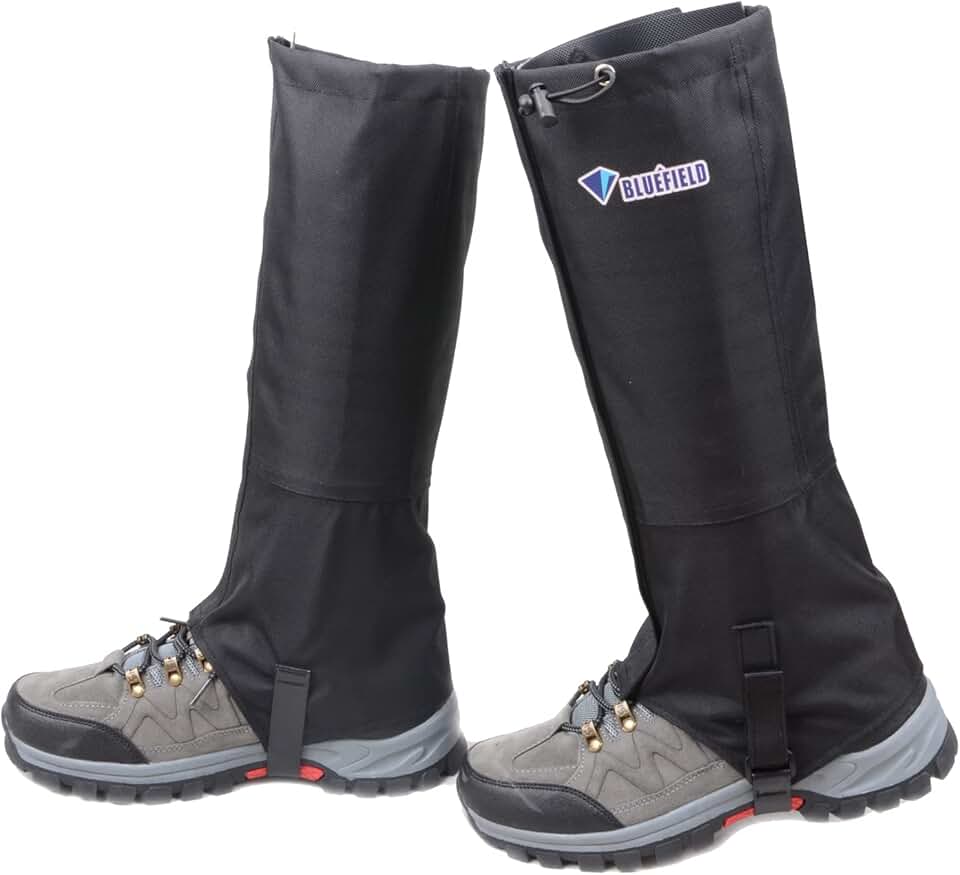
TRIWONDER gaiters offer winter snow protection at the lowest price point in this comparison, making them an option for hikers who want to test winter hiking without committing to premium gear costs. At just under sixteen dollars, these gaiters provide basic waterproof snow protection with nearly 2,000 customer reviews averaging 4.4 stars. The design includes standard features like an instep strap system and adjustable top closure.
The lightweight construction makes these gaiters comfortable to wear and easy to pack, though this lighter weight means they may not withstand repeated harsh winter use as well as heavier-duty options. For hikers who venture onto snowy trails only a few times per season or who want affordable backup gaiters to keep in their pack, these deliver functional protection without requiring a substantial investment. The customer reviews indicate these work well for light to moderate snow conditions and day hiking scenarios where you are not constantly battling deep powder or extremely rough terrain.
Users report the gaiters stay in position during hikes without constant readjustment. The adjustable top closure allows you to tighten the gaiter around your calf to reduce gaps where snow might enter. The instep strap attaches to your boot to anchor the gaiter, though some reviewers note this component may wear faster than the rest of the gaiter with heavy use. The zipper closure with protective flap helps prevent snow from entering through the opening. Several users mention these gaiters working well for snowshoeing in addition to hiking, which suggests the attachment system remains secure during varied winter activities. The main consideration with budget gaiters like these is managing expectations: they provide functional snow protection for recreational use but may not deliver the same longevity as premium options if you hike in winter conditions multiple times per week. For occasional winter hiking or for hikers just starting to explore snowy trails, these represent a low-risk way to add snow protection without significant financial commitment.
See if the TRIWONDER Leg Gaiters are right for your first winter hike on Amazon.
Pros
- Lowest price point makes winter hiking accessible for budget-conscious hikers
- Nearly 2,000 reviews verify consistent performance across users
- Lightweight construction feels comfortable and packs easily
- Waterproof protection adequate for typical winter day hiking conditions
- Works for both hiking and snowshoeing based on customer feedback
Cons
- Lighter construction may not withstand multiple seasons of heavy winter use
- Instep strap may wear faster than more durable alternatives with frequent use
- Not ideal for extreme conditions or deep powder hiking requiring heavy-duty materials
View TRIWONDER Leg Gaiters Waterproof Snow Boot Gators on Amazon →
How These Compare
When choosing between these snow gaiters, your decision comes down to how often you plan to hike in winter conditions, the typical snow depth you will encounter, and your budget for this gear addition. The Unigear gaiters with 1000D fabric offer the best durability for frequent winter hikers who need gaiters that will withstand constant use throughout the season. If you are planning to hike every weekend through winter or you know you will be bushwhacking through frozen vegetation and crusty snow, the extra tear resistance of the thicker fabric justifies the mid-range price. The extensive review count of over 2,400 users also provides confidence that these perform consistently across different hiking styles and conditions.
For hikers who want thoroughly tested performance with excellent adjustability, the Pike Trail gaiters stand out despite their higher price. The 3,600-plus reviews represent the most extensive real-world testing in this group, and the multiple adjustment points mean these will fit a wider range of leg and boot combinations without modification. If you have struggled with gaiter fit in the past or you plan to use them with different boots for different winter activities, the extra adjustability proves valuable. The breathability also matters if you tend to generate a lot of heat during winter hikes and want to reduce moisture buildup inside the gaiter.
The Frelaxy gaiters occupy a middle position between premium features and accessible pricing. The completely waterproof construction and upgraded rubber foot strap address two of the most common gaiter failure points: moisture penetration and instep strap wear. If you hike in wet, melting snow conditions regularly or you have experienced fabric foot straps breaking on previous gaiters, the rubber strap upgrade alone may justify the thirty-dollar price. These work well for hikers who want reliable protection without paying for features they may not need.
Budget-focused hikers have two solid options depending on their priorities. The Azarxis gaiters at seventeen dollars offer the best balance of low cost and extensive user feedback, with over 3,300 reviews verifying their performance. These work well for typical winter day hiking on established trails where you will encounter moderate snow depths. The lighter-weight construction also makes them more comfortable for some users compared to stiffer heavy-duty options. The TRIWONDER gaiters at sixteen dollars represent the most affordable entry point and work well for occasional winter hikers or those testing snowy trails for the first time. While they may not last as long with heavy use, they provide functional snow protection at a price that makes trying winter hiking less of a financial commitment. Both budget options perform adequately for recreational use but may require replacement sooner than premium alternatives if you transition to frequent winter hiking.
Frequently Asked Questions
Do I really need gaiters for winter hiking?
Whether you need gaiters for winter hiking depends on the snow depth and type you will encounter. If you are hiking in only an inch or two of packed snow on well-traveled trails, you can often get by without them, as your boots will likely keep snow out on their own. However, once snow depth reaches four inches or more, or when you are hiking through unpacked powder where your feet sink in with each step, gaiters become much more valuable. They create a seal between your boots and pants that prevents snow from spilling over the top of your boots with every step. Snow that gets into your boots melts from your body heat, soaking your socks and making your feet cold and uncomfortable. Gaiters also help when you are hiking through wet, melting snow conditions where moisture might otherwise soak through the top of your boots. If you plan to do regular winter hiking rather than just an occasional snowy walk, gaiters are worth having. The relatively low cost of even quality gaiters compared to dealing with cold, wet feet makes them a practical addition to your winter hiking setup.
How do I attach gaiters to my hiking boots?
Most gaiters use a two-point attachment system that keeps them positioned correctly on your boots throughout your hike. First, you slide the gaiter over your boot with the front closure open, making sure the bottom edge sits just above your boot sole. The instep strap, which is a band of material attached to the bottom of the gaiter, loops under your boot sole from front to back. This strap keeps the gaiter from riding up your leg. At the front of the gaiter, you will find a small metal or plastic hook that clips onto your boot laces, typically somewhere around the second or third lace eyelet from the bottom. This front hook prevents the gaiter from rotating around your leg. Once the instep strap and front hook are secured, you close the front opening using the zipper or hook-and-loop closure, then tighten the top drawcord or strap around your calf to seal out snow. The whole process takes about thirty seconds per boot once you have done it a few times. Some people prefer to attach the instep strap and front hook before putting their boots on, then slide their foot into the boot with the gaiter already positioned, but this works only with boots that have a wide enough opening to accommodate both your foot and the gaiter material.
Can I use summer hiking gaiters in snow?
Summer hiking gaiters, which are typically shorter ankle-height models designed to keep out dust, pebbles, and light debris, will not provide adequate protection for winter snow conditions. The key differences come down to height, material, and waterproofing. Summer gaiters usually extend only a few inches above your ankle and are made from lightweight, breathable materials that prioritize ventilation over waterproofing. In snow, these short gaiters will not cover enough of your boot opening to prevent snow from spilling over the top, especially when you are walking through snow deeper than a few inches. The materials used in summer gaiters also typically lack the waterproof construction needed to keep melting snow from soaking through. Snow that accumulates on your gaiters will begin to melt from your body heat and environmental temperature changes, and if your gaiters are not waterproof, this moisture will soak through to your boots and socks. Winter snow gaiters are taller, usually extending to mid-calf or just below the knee, and use waterproof or highly water-resistant materials that prevent moisture penetration. If you already own summer gaiters and want to test them on a very light snow hike with only an inch or two of dry powder, they might work in a pinch, but for actual winter hiking conditions, dedicated snow gaiters are worth the investment.
How do I know what size gaiters to buy?
Most hiking gaiters come in either one universal size or a simple small, medium, large system based on your calf circumference and boot size. To determine which size you need, measure around the widest part of your calf while wearing the pants you typically hike in, as you will be wearing the gaiters over your pants. Most manufacturers provide a size chart showing which gaiter size corresponds to which calf measurement range. If your measurement falls between two sizes, consider whether you prefer a snugger fit that seals better against snow or a looser fit that feels more comfortable. Many gaiters include significant adjustability with drawcords or straps at the top, which means a single size can accommodate a range of calf sizes by tightening or loosening the closure. The boot size also matters for the instep strap length, though most gaiters include enough adjustment in the strap to work with a wide range of boot sizes from women to men. If you have particularly large or small calves compared to your boot size, check customer reviews to see if other users mention the gaiters running large or small. One-size-fits-most gaiters work for many hikers in the middle of the size range, but if you know you have unusually large or small legs or boots, paying attention to sizing becomes more important to avoid gaiters that are too tight and uncomfortable or too loose and ineffective at keeping snow out.
How do I care for and clean my snow gaiters?
Proper care extends the life of your gaiters and maintains their waterproof performance. After each winter hike, shake off excess snow and allow your gaiters to air dry completely before storing them. Snow and ice can harbor moisture that will soak into the fabric if you pack them away wet, and this moisture can compromise waterproof coatings over time. If your gaiters are muddy or dirty, rinse them with cool water to remove debris. For deeper cleaning, hand wash them in cool water with a small amount of mild soap or technical gear cleaner designed for outdoor equipment. Avoid regular laundry detergent, as it can leave residues that reduce waterproof performance. Do not put gaiters in a washing machine or dryer, as the agitation and heat can damage waterproof coatings and weaken seams. After washing, rinse thoroughly to remove all soap, then hang them to air dry away from direct heat sources. Once or twice per season, especially after cleaning, you can restore the water-repellent coating by applying a spray-on or wash-in waterproofing treatment made for outdoor gear. This treatment refreshes the ability of water to bead up and roll off the fabric surface. Check the instep strap regularly for signs of wear, as this component takes the most stress. Some gaiters have replaceable straps, which means you can extend the life of the gaiter even after the strap wears out. Store your gaiters in a dry location where they will not get crushed, as creasing can stress waterproof coatings over time.
The Bottom Line
Finding the right hiking gaiters for snow comes down to matching the product to your specific winter hiking plans and budget. If you are heading out on snowy trails regularly throughout the winter season, investing in the Unigear gaiters with their 1000D fabric gives you durability that will last through heavy use. The Pike Trail gaiters work well for hikers who need excellent adjustability to fit different leg and boot combinations or who want the reassurance of the most extensively tested option. For winter hikers who encounter wet, melting snow conditions frequently, the Frelaxy gaiters with upgraded rubber foot straps address one of the most common wear points while maintaining complete waterproof protection.
If you are just starting to explore winter hiking or you hike in snow only a few times per season, the budget-friendly Azarxis or TRIWONDER gaiters provide functional snow protection without requiring a large financial commitment. Both of these options work well for moderate snow conditions on established trails and let you determine how much winter hiking you will actually do before investing in premium gear. Whichever gaiters you choose, the key factors to verify are adequate height for the snow depth you expect, waterproof construction to keep melting snow from soaking through, and secure attachment that keeps the gaiters positioned correctly on your boots throughout your hike. With proper gaiters, you can focus on enjoying winter trails rather than constantly stopping to empty snow from your boots.
Disclosure: As an Amazon Associate, we earn from qualifying purchases. This does not affect our editorial recommendations.