
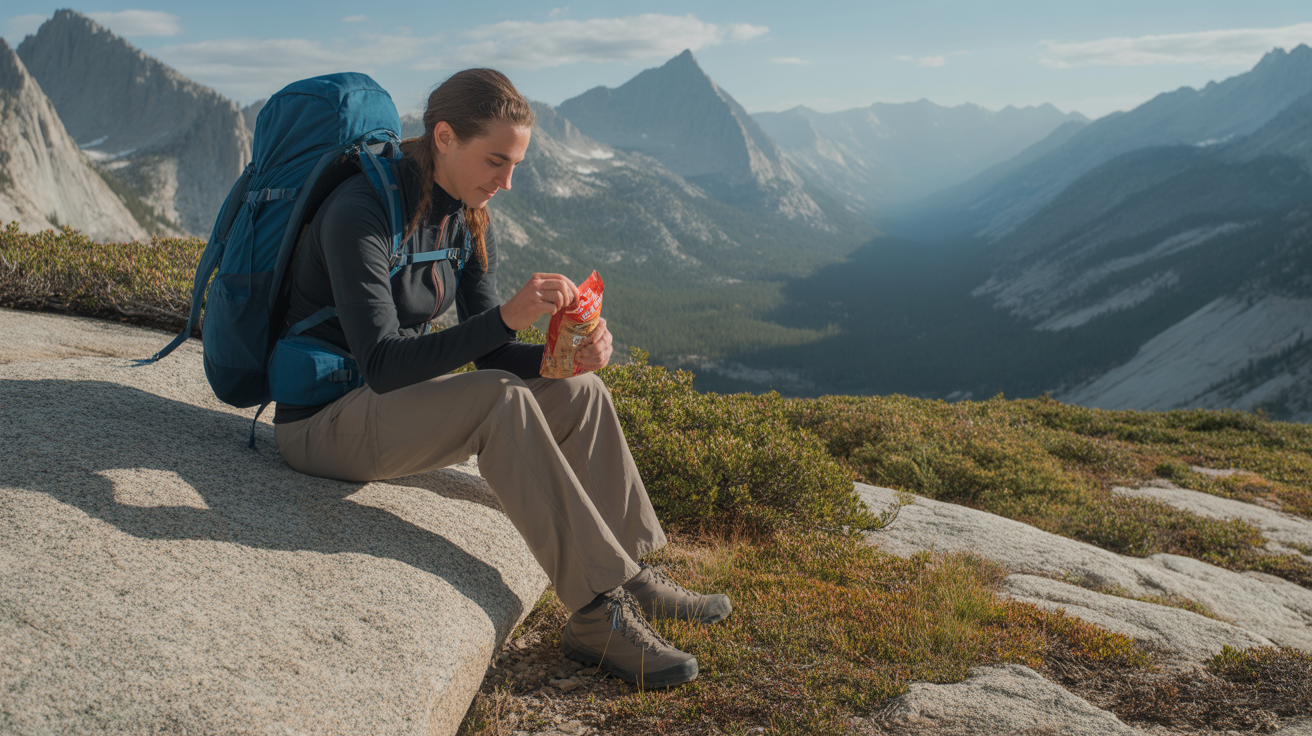
The best hiking snacks are not just whatever you grabbed off the shelf before heading to the trailhead – they are the difference between hitting the wall at mile four and finishing strong. If you have ever felt your legs go heavy, your focus drop, or your mood tank halfway through a hike, your snacks may be the culprit. Fueling on the trail is a real skill, and getting it right makes every mile more enjoyable.
This guide cuts through the noise and tells you exactly which snacks deliver sustained energy, which ones are built for quick mid-hike boosts, and which earn a spot in your pack based on real-world performance – not just great packaging. Whether you are tackling a casual day hike or pushing through a longer trail, the right fuel changes everything.
What to Look For
Quick Carbs vs. Sustained Energy
Not all snacks do the same job on a trail. Quick carbohydrates – think energy chews, gels, and fruit strips – absorb fast and give you a near-immediate boost when you are flagging. These are ideal mid-hike when you need to push through a tough climb or a long flat stretch. Sustained energy snacks, like nuts, protein bars, and trail mix, digest more slowly and help maintain your energy levels over several hours. The best hiking snack strategy uses both: a slower-burning base throughout the hike and a fast-acting option in your hip belt pocket for when things get hard.
Calorie Density and Pack Weight
Every ounce in your pack matters more as your hike gets longer. Calorie-dense snacks give you more fuel per gram of weight, which is why nuts, nut butter packets, and energy bars are trail staples. You want snacks that punch above their weight – meaning high calories without taking up half your bag. A good rule of thumb is to aim for at least 100 calories per ounce when you are packing snacks for a full-day hike. Trail mix, energy chews, and dense bars all hit this range reliably.
Stomach-Friendly Formats
Hiking puts your body under physical stress, and some snacks that seem fine at rest can cause stomach issues on the move. Real-food energy gels made with chia seeds or fruit tend to sit better than synthetic options for many hikers. Chewable formats like energy chews or gummies are easy to eat while walking without stopping. Hard, dry snacks like granola bars can be tough to chew and swallow when you are breathing hard. If you have a sensitive stomach, lean toward lighter, real-food formats and test them on shorter hikes before committing to them on a big day out.
Salt and Electrolytes Matter More Than You Think
When you sweat, you lose sodium and other electrolytes – not just water. Replacing only water without replacing salt can actually make you feel worse and contribute to cramping or fatigue. Many of the best hiking snacks for longer efforts include added electrolytes: look for sodium on the nutrition label. Salted nuts, electrolyte chews, and some energy gels all help replenish what sweat takes away. This is especially important on hot days or high-elevation hikes where sweat loss is significant. Pairing salty snacks with a solid hiking water bottle keeps your electrolyte balance in check.
Packaging and Practicality on the Trail
The best snack in the world is useless if you cannot open it with cold or sweaty hands while wearing gloves on a ridgeline. Individual serving packs beat bulk bags for convenience. Resealable pouches are better than bars that crumble in your pack. Look for snacks that come in firm, crush-resistant packaging if you are stuffing them under heavier gear. Also consider temperature: chocolate-based snacks melt in summer heat, and some gels get thick and hard to squeeze in cold conditions. Match your snack format to the season and terrain you are hiking.
How Much to Pack and When to Eat
According to REI’s backpacking food guide, most hikers need roughly 200-300 calories per hour of moderate activity. A practical approach is to eat a small snack every 45-60 minutes rather than waiting until you feel hungry – hunger is a lagging signal, meaning by the time you feel it, your energy is already dipping. Pack more than you think you need, especially for longer trails. Having extra is never a problem; running out of fuel miles from the trailhead is. The National Park Service also recommends carrying extra food as part of standard day-hike safety preparation.
Our Top Picks
1. Nature Valley Crunchy Granola Bars, Oats n Honey, 12 Ct
Best budget everyday trail snack for casual hikers

If you want the best hiking snacks without spending much, Nature Valley Crunchy Granola Bars are about as proven as it gets. With over 19,000 reviews and a 4.7-star rating, these are one of the most widely trusted trail snacks on the market – and at under $3 for 12 bars, the value is nearly impossible to beat.
The oats and honey flavor is a classic for a reason. It delivers a satisfying crunch with a mild sweetness that does not feel overwhelming on the trail. Each bar is pre-wrapped in a two-bar pouch, making them easy to grab from your pack without stopping for long. The individual packaging also keeps them from getting crushed and crumbling into dust, which is a real problem with cheaper granola options.
These bars are best used as a sustained-energy snack eaten proactively – before you get hungry rather than after. They are not a fast-acting fuel source the way gels or chews are, but they hold up well as a mid-morning or mid-afternoon snack during a three to six hour day hike. The familiar, comfort-food taste also holds up mentally when you are tired and just need something that feels satisfying.
The honest limitation is that they are not particularly protein-dense, and they can be dry to eat if you are already dehydrated or breathing hard on a steep climb. They also crumble if crushed under heavy gear. But for the price, the widespread availability, and the sheer number of hikers who rely on them every weekend, these earn the top spot for everyday trail use. Buy them at any grocery store, toss them in any daypack, and you are set.
Pros
- Exceptional value at under $3 for 12 bars
- 4.7-star rating backed by over 19,000 reviews
- Individual two-bar pouches are easy to open and carry
- Familiar taste holds up well during long efforts
- Widely available at any grocery or convenience store
Cons
- Low in protein compared to performance-focused snacks
- Can be dry and difficult to eat when breathing hard
- Crumbles easily if packed under heavy gear
2. Wonderful Pistachios No Shells, Roasted and Salted Nuts, 0.75 Ounce Bag (Pack of 9)
Best salty, protein-rich snack for electrolyte replenishment

Wonderful Pistachios No Shells is one of the best hiking snacks for anyone who sweats heavily, hikes in warm conditions, or simply wants a savory option that earns its place in the pack. With 24,609 reviews and a 4.7-star rating, this is one of the most reviewed snack products in this entire guide – real proof that hikers and athletes keep coming back to them.
The no-shell format is the key differentiator here. Regular pistachios require you to crack each shell, which is slow and messy on the trail. These come already shelled and roasted, so you rip open the pouch and eat. Each bag is a single individually wrapped serving at 0.75 ounces, which means zero mess and no decision fatigue about portion size. They slip into a hip belt pocket or the top of a daypack with ease.
The roasted and salted variety delivers a genuine sodium hit, which matters on longer hikes where salt replacement is just as important as calorie replacement. Pistachios are a naturally protein-containing nut, which makes them a smart choice for the second half of a hike when sustained satiety matters more than quick carbs.
The main consideration is that nuts are calorie-dense but not fast-digesting, so these are not the right choice when you are bonking and need energy in the next ten minutes. Use them as a steady-state snack between meals, not an emergency fuel. They also do not perform well in extreme heat if left in a car – but in your pack on the trail, they hold up fine. At $8.68 for nine packs, the per-serving cost is very reasonable.
Pros
- 24,609 reviews with a 4.7-star rating – exceptional social proof
- Pre-shelled for easy on-trail eating with no mess
- Individually wrapped 0.75 oz packs for portion control
- Salted variety helps replenish sodium lost through sweat
- Gluten free and non-GMO per product listing
Cons
- Not a fast-acting energy source for immediate fatigue
- Small serving size may not satisfy on longer efforts alone
3. Nature Valley Protein Bars Variety Pack, 15 Count
Best protein bar for hikers wanting sustained fullness on longer trails
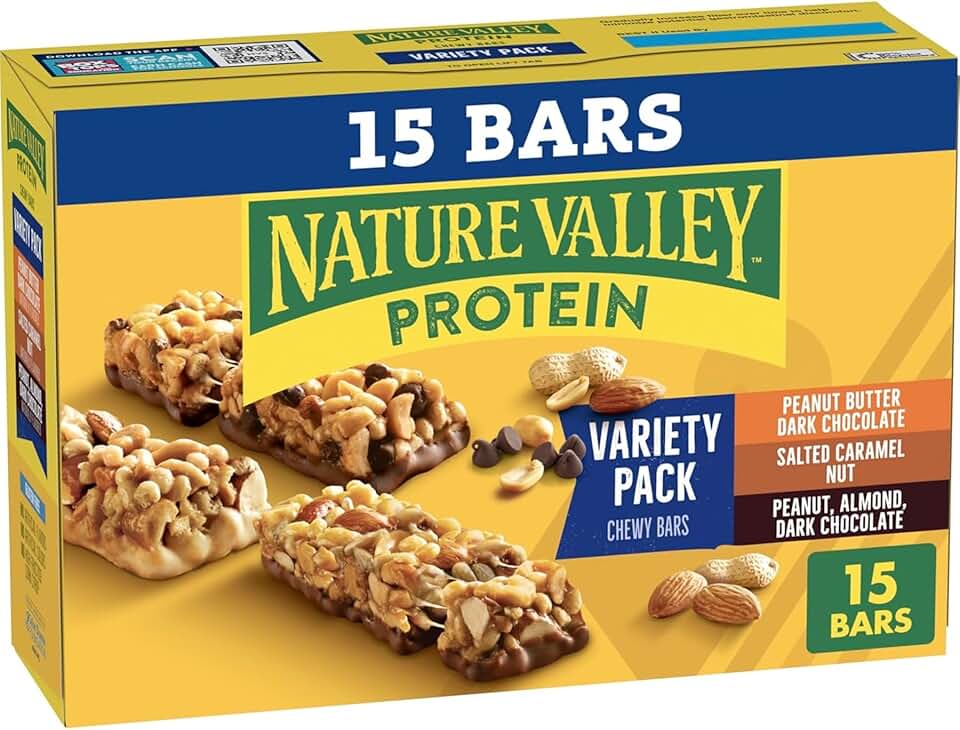
Nature Valley Protein Bars are a step up from the classic granola bar when your hike demands more staying power. With 10g of protein per bar, a 4.6-star rating across 11,156 reviews, and three flavors in the variety pack – Peanut Butter Dark Chocolate, Salted Caramel Nut, and Peanut Almond Dark Chocolate – this pack covers both taste variety and nutritional function in a single purchase.
The higher protein content compared to standard granola bars makes these better suited for half-day and full-day hikes where hunger management over several hours matters. Protein digests slower than simple carbohydrates, which means you feel fuller longer and avoid the energy spike-and-crash cycle that plagues sugary snacks. These are best eaten as a meal-replacement-style snack rather than a quick mid-climb boost.
The variety pack format is genuinely useful because flavor fatigue is a real thing on longer trails. Having three different flavors to rotate through keeps eating from becoming a chore. Each bar is individually wrapped in a firm wrapper that holds up well under moderate compression in a pack.
The honest limitation is that these bars are chewy and somewhat dense, which can be difficult to eat comfortably while hiking at a fast pace or on a steep grade. They are better suited for a proper rest stop than a moving snack. The bars also contain gluten, so they are not suitable for celiac hikers. But for someone doing a 6-10 mile day hike and wanting a reliable, filling bar that does not require refrigeration or special handling, this variety pack is one of the best value options in the category.
Pros
- 10g protein per bar for sustained energy on longer hikes
- Three-flavor variety pack reduces trail flavor fatigue
- 4.6 stars from over 11,000 verified buyers
- Firm individual wrappers hold up in a pack
- Strong value at under $11 for 15 bars
Cons
- Dense and chewy – better for rest stops than eating on the move
- Contains gluten – not suitable for celiac hikers
- Not a fast-acting carbohydrate source for immediate energy needs
4. Honey Stinger Organic Mini Honey Waffles, 5 Count, 5.3 Ounces
Best pre-hike and mid-hike energy waffle for easy digestion

Honey Stinger Organic Mini Honey Waffles carry an Amazon Choice badge and over 12,000 reviews at 4.6 stars, and their popularity among endurance athletes and hikers alike is entirely deserved. These thin, crispy stroopwafel-style waffles are among the best hiking snacks for anyone who wants real-food energy without the artificial aftertaste of synthetic gels or bars.
The mini size is well-suited for trail use. Each waffle is small enough to eat in two bites, easy to open with one hand, and light enough that you barely notice the weight in your pack. The USDA Organic certification is noted in the product listing, which matters to hikers who want clean-label fuel. The honey-based energy source provides a quicker carbohydrate release than nuts or protein bars, making these a solid choice right before a tough climb or when you start to feel your pace slipping.
One thing that makes Honey Stinger waffles stand out is their digestibility. Many hikers who struggle with heavy bars or thick gels find the light, almost cracker-like texture sits much better on a moving stomach. They are best used as a pre-activity or early-hike snack rather than a sustained fuel source, as the calorie load per mini waffle is modest.
The limitation to know: in cold temperatures, the waffles can get slightly firm and harder to enjoy. In warm temperatures, they hold up well. They are also lower in protein and fat than bars, so they are not designed for sustained satiety – pair them with nuts or a protein bar for a balanced mid-hike snack combo. At $6.88 for five minis, the price is reasonable for the quality.
Pros
- Amazon Choice badge with 12,207 reviews at 4.6 stars
- USDA Organic – listed on product label
- Light, easy-to-digest texture suitable for moving stomachs
- Mini size is easy to eat in one or two bites on the trail
- Climate pledge friendly product
Cons
- Low in protein and fat – not suitable as a standalone meal snack
- Can become firm and less enjoyable in cold conditions
5. Power Up Premium Trail Mix, High Energy, 14oz
Best bulk trail mix for long hikes and group outings

Power Up Premium Trail Mix is a consistently bestselling snack with 13,340 reviews and a 4.6-star rating – and over 4,000 people bought it in the past month alone. It earns its reputation as one of the best hiking snacks for anyone who wants a high-energy, grab-and-eat option that covers multiple nutritional bases in one bag.
The product is labeled gluten free, vegan, and non-GMO, covering a wide range of dietary needs for hiking groups where preferences vary. At $6.24 for 14 ounces and a unit price of $0.45 per ounce, this is excellent value for calorie-dense trail fuel. Trail mix sits in the sweet spot between fast-digesting carbohydrates from dried fruit and slower-burning fats and protein from nuts – making it genuinely functional across the whole arc of a hike.
The 14-ounce bag is designed for sharing or for portioning into smaller bags before your hike to avoid digging through a loose bag on the trail. The bulk format works best for solo hikers doing multi-hour efforts or for families where a shared snack bag makes more sense than individual bars per person.
The one real limitation is the format itself: a loose bag of trail mix requires two hands to access cleanly, which can be inconvenient when you are hiking on uneven terrain and do not want to stop. Pre-portioning into zip bags or small containers before you leave solves this entirely. The mix also does not contain added electrolytes, so it is best paired with a salted option or a good hydration strategy on warm days. Overall, the combination of value, social proof, and nutritional balance makes this a top-five pick for the best hiking snacks category.
Pros
- 13,340 reviews at 4.6 stars with 4,000+ recent buyers
- Gluten free, vegan, and non-GMO per product listing
- Excellent value at $0.45 per ounce for calorie-dense fuel
- Covers both fast carbs from fruit and slow-burn fats from nuts
- 14oz size suits solo hikers and groups equally well
Cons
- Loose bag format requires two hands – pre-portion for best trail convenience
- No added electrolytes – pair with a salted snack on hot days
6. CLIF BAR Energy Protein Bars, Crunchy Peanut Butter, 15 Pack
Best all-day energy bar for hikers on full-day trail efforts

CLIF BAR Crunchy Peanut Butter earns a 4.8-star rating from 2,396 reviews and moves over 20,000 units per month – strong signals that this is one of the best hiking snacks for sustained, all-day efforts. Made with organic oats and marketed as a non-GMO, plant-based energy bar, it aligns well with the needs of hikers who want real-food ingredients over synthetic alternatives.
The crunchy peanut butter flavor is one of CLIF’s most popular for good reason: it is filling, familiar, and satisfying without being sweet to the point of becoming unpalatable after two or three bars. For a full-day hike in the six to twelve hour range, having a bar that you actually want to eat at hour eight is not a small thing. Flavor staying power matters more than most snack guides acknowledge.
Each bar is made with organic oats as the primary ingredient, which provides a steady carbohydrate release suited to moderate-intensity hiking. The protein content from peanut butter contributes to satiety, making this a more complete fuel option than pure carb bars. The individual wrappers are easy to open with gloves or cold hands, and the bar does not crumble excessively under pack pressure.
The main limitation is size: CLIF Bars are full-sized bars that take a moment to eat properly. They are not a quick two-bite option for eating on the move. Budget an actual rest stop to eat one rather than trying to eat while scrambling. They can also become quite hard in cold temperatures, which makes them less enjoyable in early morning mountain starts. At $14.23 for 15 bars, the per-bar cost is very competitive.
Pros
- 4.8-star rating with 2,396 reviews and 20,000+ monthly buyers
- Made with organic oats – non-GMO and plant-based per listing
- Satisfying peanut butter flavor that holds up across multiple bars
- Provides steady carbohydrate release suited to moderate hiking pace
- Excellent value at under $1 per bar in a 15-pack
Cons
- Full-sized bar requires a proper rest stop to eat comfortably
- Can become hard and less enjoyable in cold temperatures
7. Emerald Nuts Mixed Nuts Variety Pack 18ct, 100-Calorie Individual Packs
Best portioned nut snack for calorie-controlled hiking fuel

Emerald Nuts Mixed Nuts Variety Pack is one of the most practical snack formats in this entire guide. At 15,869 reviews and a 4.6-star rating, with over 20,000 monthly buyers, these 100-calorie individual packs solve a real problem that every hiker eventually runs into: eating the right amount instead of stress-eating an entire bag of nuts in one sitting at a viewpoint.
The variety pack includes dry roasted almonds, natural almonds and walnuts, and roasted and salted cashews. Having multiple nut varieties in one box means you get different flavor profiles and slightly different nutritional compositions across your snacking, which genuinely helps avoid flavor fatigue on longer trails. The 100-calorie pack size is not arbitrary – it gives you a clear, consistent unit to work with when planning your snack strategy for the day.
Nuts are calorie-dense, shelf-stable, and require no refrigeration – all critical traits for trail snacks. The individual wrappers are small and easy to slip into a shirt pocket or the top of a small pack. They generate minimal wrapper waste compared to bulkier packaging, which is a practical consideration for Leave No Trace hiking.
The limitation here is the same as all nut-based snacks: nuts are a sustained-energy food, not a fast-acting one. If you are already bonking on a difficult climb, a 100-calorie pack of almonds is not going to rescue you quickly. Use these as your steady background fuel every 45-60 minutes, and keep a faster-acting option available separately. At $10 for 18 packs, this is one of the best value-per-serving options in the best hiking snacks category.
Pros
- 15,869 reviews at 4.6 stars – proven trail snack
- Consistent 100-calorie packs make fuel planning simple
- Variety of nut types helps prevent flavor fatigue
- Compact individual wrappers are trail-friendly
- No refrigeration required – fully shelf-stable
Cons
- Not a quick-acting energy source for immediate fatigue recovery
- Small pack size may feel insufficient during high-exertion periods
8. Jack Links Teriyaki Beef Jerky Multipack, 5 Pack, 0.625 oz Bags
Best protein-forward savory snack for hikers who prefer meat-based fuel

Jack Links Teriyaki Beef Jerky has the highest review count of any product in this roundup at 46,486 reviews and a 4.6-star rating. That is not a coincidence – beef jerky has been a trail staple for generations, and this format delivers it in a way that actually works in the field.
The five-pack of individual 0.625-ounce bags is the right format for hiking. Single-serve bags mean you open one, eat it, pocket the empty wrapper, and move on without the logistical headache of a large resealable bag flopping around in your pack. Each bag delivers 7g of protein per serving per the product listing – meaningful protein for a snack this small and light.
The teriyaki flavor adds a sweet-savory profile that most hikers find more appealing than plain salted jerky over the course of a long day. The sodium content of jerky also contributes to electrolyte replenishment on sweaty hikes, which is a functional benefit beyond just protein. Jerky is shelf-stable, does not melt, does not crumble, and holds up in temperature extremes better than most snack formats.
The honest limitations: jerky is tough to chew when you are breathing hard, and the 0.625-ounce serving is quite small – you may want two bags per snack break on a demanding hike. It is also not a carbohydrate source, so it needs to be paired with a carb-based option for a complete fuel strategy. For hikers who find sweet bars and gels unappealing, having beef jerky as the protein anchor of a savory snack rotation is one of the smartest hiking strategies available. At $5.01 for a five-pack, the price is hard to argue with.
Pros
- 46,486 reviews at 4.6 stars – most reviewed snack in this guide
- 7g protein per serving per product listing
- Individual 0.625 oz packs are compact and trail-ready
- Sodium content helps replace electrolytes lost through sweat
- Shelf-stable in heat and cold – no melting or crumbling
Cons
- Tough to chew when breathing hard on steep climbs
- Small serving size – may need two packs per stop on demanding hikes
- No carbohydrates – must be paired with a carb source
9. Huma Chia Energy Gel, Variety 12 Pack
Best energy gel for hikers with sensitive stomachs during high-exertion efforts

Huma Chia Energy Gel positions itself as a real-food alternative to synthetic energy gels, and for hikers who have had bad experiences with conventional gels, it is one of the best hiking snacks to try. With 2,979 reviews at 4.5 stars and over 4,000 units sold in the past month, it has built a solid following in the endurance and hiking community.
The key differentiator is the inclusion of chia seeds as the primary ingredient alongside fruit. Chia-based gels are marketed specifically as stomach-friendly, and the review count suggests many hikers find them more tolerable than conventional alternatives. The variety 12-pack format allows you to try multiple flavors before committing to a single variety in bulk, which is smart for any new gel user.
Energy gels are a different tool than bars or trail mix. They are designed for high-exertion moments – a steep sustained climb, the final miles of a long day, or any point where you need calories absorbed fast without stopping to chew. Squeeze the packet, swallow, keep moving. The learning curve is mostly psychological: gels feel strange the first time you use them. After two or three uses, most hikers integrate them naturally.
The practical considerations: gels should always be consumed with water – not doing so can cause the concentrated sugars to sit uncomfortably. At $29.95 for 12 packets, the cost per gel is $2.50, which is on the higher end for gels. That is a real consideration if you plan to use multiple gels per hike. But for hikers who want real-food ingredients and proven stomach-friendliness in a fast-acting format, Huma earns its spot among the best hiking snacks.
Pros
- Real-food chia and fruit base marketed for stomach comfort
- 2,979 reviews at 4.5 stars with strong recent sales velocity
- Variety 12-pack lets you sample multiple flavors
- Fast-acting format ideal for high-exertion trail moments
Cons
- Higher cost at $2.50 per gel compared to other snack options
- Must be consumed with water to avoid digestive discomfort
- Gel format has a learning curve for first-time users
10. CLIF BLOKS Energy Chews, Variety Pack, 12 Count
Best energy chews for hikers who want gel-speed fuel in a chewable format

CLIF BLOKS Energy Chews offer what many hikers consider the ideal middle ground between bars and gels: fast carbohydrates and electrolytes in a chewable, portion-controlled format. At 4,031 reviews and a 4.7-star rating, they are one of the most consistently well-reviewed performance snacks in this category.
The variety pack includes multiple flavors across the 12 packets, which matters for palatability on long efforts. Each packet contains multiple chewable blocks, and you can eat one or two at a time rather than committing to a full packet – a practical advantage over single-serving gels. The chewable format is also more intuitive for hikers who find the idea of swallowing a gel packet off-putting.
The product listing describes them as providing quick carbohydrates and electrolytes, which makes them appropriate for both mid-hike energy dips and hot-weather hikes where sweat loss is significant. Plant-based and non-GMO per the product listing, they fit the clean-label preference many hikers share.
Practically, the blocks can become sticky and difficult to separate in warm temperatures – a minor annoyance that most users adapt to quickly. The per-packet cost at $28.12 for 12 works out to approximately $2.34 per packet, which is competitive with other performance chews and gels. There is currently a 30% subscribe-and-save coupon available, which significantly reduces the cost if you plan to use these regularly.
For hikers who want to step up from basic trail mix and granola bars toward more intentional performance fueling, CLIF BLOKS represent one of the most accessible entry points into the category. They are easy to understand, easy to use, and trusted by a very large user base.
Pros
- 4.7 stars from 4,031 reviews with strong ongoing sales
- Chewable format is easier to use than gels for most hikers
- Portion-flexible – eat one or two blocks at a time
- Quick carbohydrates and electrolytes per product description
- 30% subscribe-and-save coupon currently available
Cons
- Blocks can become sticky and hard to separate in warm conditions
- Higher upfront cost at $28.12 for 12 packets
How These Compare
With ten products covering everything from $2.97 granola bars to $29.95 performance gels, choosing the right best hiking snacks comes down to matching the product to your specific trail situation.
For casual day hikers doing 3-6 mile trails, the Nature Valley Crunchy Granola Bars and Emerald Nuts Mixed Nuts Variety Pack are the most practical combination. The granola bars handle carbohydrate needs, the individual nut packs add protein and satiety, and the combined cost is under $15 for a well-stocked snack kit.
For hikers tackling 8-12 mile full-day efforts, the CLIF BAR Crunchy Peanut Butter provides the sustained caloric density needed for longer output, while Wonderful Pistachios add a salty, savory contrast and sodium replenishment. Adding a packet of CLIF BLOKS or a Huma Chia Energy Gel to that kit gives you a fast-acting option for the toughest sections of the trail.
For budget-focused hikers, Nature Valley Granola Bars at $2.97 for 12 bars, the Power Up Trail Mix at $6.24 for 14 ounces, and Jack Links Beef Jerky at $5.01 for five packs create a complete trail snack setup for under $15 total – covering carbs, fat, and protein without specialized products.
For hikers with sensitive stomachs or those doing high-exertion terrain, Huma Chia Energy Gels are the standout choice. The real-food ingredient base is specifically marketed for digestive comfort, and the gel format delivers calories fast without requiring chewing during hard efforts.
For hikers who want a single snack that does most of the work, the Honey Stinger Organic Mini Honey Waffles are the most approachable and versatile option in the mid-range. They taste like a treat, digest easily, and work as both a pre-hike warm-up snack and a mid-hike pick-me-up.
No matter which products you choose from this list of the best hiking snacks, the key is to eat proactively every 45-60 minutes rather than waiting until you feel hungry. Hunger is a lagging signal – by the time you feel it, your performance has already dipped.
Frequently Asked Questions
What should I eat before a hike to have energy all day?
The best approach before a hike is to eat a moderate, balanced meal 1-2 hours before you start – something that includes carbohydrates for available energy and some protein or fat for staying power. Oatmeal with fruit, eggs with toast, or a peanut butter banana sandwich are all solid pre-hike meals. Avoid heavy, greasy foods that sit uncomfortably when you are moving. You do not need to eat immediately before you leave the trailhead if you have eaten a proper meal within two hours. Once you are on trail, start eating your snacks proactively within the first hour, before your energy levels dip. Many hikers make the mistake of waiting until they are hungry or tired before eating, but that is too late. Start your snacking routine early and maintain it every 45-60 minutes throughout the hike for steady energy from start to finish.
How much food should I bring on a day hike?
For a typical day hike of 4-8 miles at moderate pace, plan for roughly 200-300 calories per hour of hiking. A six-hour hike would require 1,200-1,800 calories in trail snacks alone, on top of whatever you ate before leaving. In practical terms, that is approximately 3-5 substantial snacks: a mix of bars, nuts, trail mix, and one fast-acting option like an energy chew packet or gel. Always pack more than you think you need. Weather changes, trail conditions, and unexpected detours can extend a hike significantly, and running out of food on the trail is both miserable and a genuine safety consideration. A small amount of emergency backup food takes up almost no space and provides real peace of mind. Individual-serving formats are easiest to manage because they take the guesswork out of portioning while you are tired.
Are energy gels good for hiking?
Energy gels are useful for hiking in specific situations, but they are not a replacement for whole-food snacks. Their best use case on the trail is during sustained high-output moments: a long steep climb, the final push of a challenging day, or any point where you need calories absorbed quickly without stopping to chew. Gels deliver fast carbohydrates directly and efficiently, which is why endurance athletes use them. The important rule with any energy gel is to consume it with water – drinking water helps the concentrated carbohydrates absorb properly and prevents stomach discomfort. For hikers with sensitive stomachs, real-food gels like Huma Chia Energy Gel are worth trying before synthetic alternatives. If you have never used a gel before, test one on a shorter, easier hike first so you know how your body responds before relying on them during a demanding trail effort.
What snacks give you the most energy for hiking?
The best hiking snacks for sustained energy are calorie-dense foods that combine carbohydrates, fat, and protein. Trail mix, nut butter packets, full-sized energy bars like CLIF Bars, and beef jerky paired with a carbohydrate source are all strong options. For immediate energy – meaning you need fuel to hit your system in the next 15-20 minutes – fast-digesting carbohydrates win: energy chews, honey-based waffles, fruit strips, and gels all absorb quickly. The most effective hiking fuel strategy combines both: a slow-burning base of nuts, bars, or trail mix eaten consistently throughout the hike, with a fast-acting option held in reserve for difficult terrain. Eating proactively is the single most impactful change most hikers can make – do not wait until you feel drained. By the time fatigue sets in, your blood sugar has already dropped and you need 15-30 minutes to recover, during which your hiking experience suffers noticeably.
Can I bring homemade snacks on a hike?
Absolutely – homemade snacks are a great option for hiking as long as they meet a few practical criteria. They need to hold their shape in a pack without crumbling or leaking, remain shelf-stable for the duration of the hike without refrigeration, and be easy to eat on the trail without utensils. Energy balls made from oats, nut butter, and honey are a popular homemade trail snack that checks all these boxes. Peanut butter and banana wraps, homemade granola, and date-and-nut bars also travel well. The main advantage of homemade snacks is that you control exactly what goes into them – useful for dietary restrictions, allergy management, or simply preference. The limitation is that homemade snacks require planning and preparation time that pre-packaged options do not. For the best hiking snacks approach, many hikers use a mix: pre-packaged options for convenience and reliability, with one or two homemade additions for variety and personalization.
The Bottom Line
Building your best hiking snacks kit does not require overthinking – it requires matching the right fuel to the right effort level.
If you are doing your first few hikes on shorter trails, start simple: Nature Valley Granola Bars plus a pack of Emerald Nuts give you everything you need for a three to five hour day without any special knowledge or investment. Add a hiking water bottle to stay hydrated alongside your snacks, and you are genuinely well-prepared.
If you are pushing into longer, more demanding trails, upgrade your kit with a protein bar like CLIF BAR for sustained fuel, add Wonderful Pistachios for salty electrolyte replenishment, and carry one or two CLIF BLOKS packets or a Huma Chia Gel for the hard sections. That three-part system covers fast carbs, slow carbs, and protein in a lightweight, practical format.
If your budget is tight, the Power Up Trail Mix at $6.24 plus Jack Links Beef Jerky at $5.01 is a complete, functional snack kit for under $12 that does not compromise on performance.
Whatever combination you choose, remember the most important rule: eat before you are hungry, drink before you are thirsty, and bring more than you think you will need. The trail is always easier when you are fueled.
Disclosure: As an Amazon Associate, we earn from qualifying purchases. This does not affect our editorial recommendations.