
If you have been thinking about trying a hydration pack instead of juggling water bottles on your next hike, you are not alone — and you are also probably wondering which one to choose. The options feel overwhelming: some packs look like tactical military gear, others are tiny vest-style setups, and the prices range from twenty dollars to well over a hundred. You might be asking yourself if a hydration pack is even necessary for the kind of casual weekend hikes you do, or if you will be able to figure out how to clean the bladder without it turning into a science project.
Here is the good news: hydration packs are genuinely helpful for hikers at every level, and you do not need to overthink this decision. A hydration pack is simply a backpack with a built-in water reservoir (called a bladder) and a drinking tube that lets you sip water without stopping to dig out a bottle. They keep you hydrated more consistently, free up your hands, and many include enough storage for snacks, a first-aid kit, and an extra layer. In this guide, we will walk through five reliable hydration packs that work well for beginners, explain what to look for, and help you find one that fits your hiking style without the guesswork.
What to Look For
Bladder Capacity: How Much Water Do You Really Need
Hydration pack bladders typically come in three sizes: 1.5 liters, 2 liters, and 3 liters. For context, 2 liters equals about 68 ounces, roughly the same as carrying three standard water bottles. If you are planning short hikes of two to three hours on relatively easy trails, a 2-liter bladder is usually sufficient. For longer day hikes (four to six hours) or hikes in hot weather where you will sweat more, a 3-liter bladder gives you extra peace of mind. The catch is that larger bladders add weight when full — 3 liters of water weighs about 6.6 pounds. If you are new to hiking and still building stamina, starting with a 2-liter option keeps your pack lighter and more manageable. You can always refill at trailheads or water sources if your route allows it.
Pack Capacity and Storage Space Beyond Water
Hydration packs are measured in liters, and this number refers to the total storage space for gear, not just the water bladder. A 12-liter pack is minimal and works for short outings where you only need your bladder, keys, phone, and maybe a snack. An 18 to 22-liter pack is the sweet spot for most beginner day hikers — it fits your hydration bladder plus a light jacket, sunscreen, a first-aid kit, lunch, and a headlamp. If you think you might use the pack for longer hikes or overnight trips down the road, consider a 25-liter option, but keep in mind that larger packs tempt you to overpack, which makes the hike harder. Focus on what you actually need for the trails you plan to hike in the next few months, not theoretical future adventures.
Fit and Comfort: Why Adjustability Matters
A poorly fitting hydration pack will bounce around on your back, dig into your shoulders, or feel like it is pulling you backward. Look for packs with adjustable shoulder straps, a chest strap (also called a sternum strap), and ideally a waist strap or hip belt. The chest strap keeps the pack stable and prevents the shoulder straps from sliding off, which is especially helpful on uneven terrain. Waist straps transfer some of the weight from your shoulders to your hips, making heavier loads more comfortable. If you are petite or have a shorter torso, avoid packs described as tactical or military-style, as these tend to run large. Many packs are labeled as unisex, which generally works fine for most body types, but if you have the option to try it on with some weight inside (even just a couple of water bottles), do that before your first hike.
Ease of Cleaning: The One Thing Most Beginners Overlook
Hydration bladders can develop mold or a funky taste if not cleaned properly, and this is the number one complaint from first-time users. Look for bladders with wide openings at the top — this makes it much easier to reach inside with a sponge or bottle brush. Some bladders are labeled as reversible or have antimicrobial linings, which help but do not eliminate the need for regular cleaning. After every hike, empty the bladder completely, rinse it with warm water, and leave it open to air dry. Do not store it sealed or damp. The drinking tube should be rinsed as well, and some packs include a cleaning kit with long brushes designed for this purpose. If the thought of maintaining a bladder feels like too much hassle, consider a pack with external bottle pockets so you can use regular water bottles instead.
Insulation: Keeping Your Water Cool
Some hydration packs include an insulated bladder sleeve or compartment, which keeps your water cooler for longer on hot days. This feature is not essential, but it is genuinely nice when you are hiking in summer and your water stays refreshing instead of turning lukewarm within an hour. If your pack does not have built-in insulation, you can buy an insulated bladder sleeve separately for around ten to fifteen dollars. Non-insulated packs work fine in cooler weather or for short hikes, so do not let this feature make or break your decision — just know it exists if temperature control matters to you.
Extra Features That Actually Help Beginners
Many hydration packs include features like external pockets for quick-access items, trekking pole holders, helmet clips, or reflective strips for visibility. External pockets are genuinely useful for stashing your phone, keys, or trail snacks so you do not have to dig through the main compartment every time you need something. Trekking pole holders are straps or loops where you can secure poles when you are not using them, which is helpful if you decide to try poles later. Helmet holders are mainly for cyclists or climbers, so skip worrying about those unless you have specific plans. Reflective strips are a nice safety feature if you ever hike near dusk or in low-light conditions. Focus on the basics first — good fit, adequate storage, and a clean-friendly bladder — and treat extra features as bonuses, not requirements.
Our Top 5 Picks
1. Hydration Pack Hiking Water Backpack – Miracol Insulated Water Bag with 2L Bladder
Best for first-time hydration pack users who want insulation and solid storage without spending a fortune

The Miracol hydration pack is one of those products that just works well for beginners without requiring a learning curve. It comes with a 2-liter bladder, which is the ideal starting size for most day hikes, and the insulated sleeve keeps your water noticeably cooler for several hours even on warm days. The pack itself is roomy enough to fit a light jacket, snacks, sunscreen, and a basic first-aid kit without feeling stuffed, but it is not so large that you feel tempted to overpack and make your hike harder than it needs to be. The shoulder straps are padded and adjustable, and the chest strap keeps everything stable when you are moving over uneven ground. One of the standout features for beginners is how straightforward the bladder is to fill and clean — the opening is wide enough that you can reach inside easily, and the hose detaches without a fight. The bite valve has a simple on-off switch, which prevents accidental leaks when the pack is sitting in your car or closet. The exterior has a few zippered pockets for quick-access items like your phone or keys, and there are loops for attaching trekking poles if you decide to use them later. The pack sits comfortably on your back without bouncing around, even on moderately steep trails. The fabric feels durable without being stiff, and the zippers have held up well according to long-term users. Some reviewers mention that the bladder occasionally develops a plastic taste during the first few uses, but this goes away after a couple of rinses with baking soda and water. The waist strap is adjustable but fairly minimal, so if you are planning to carry heavy loads, you might want something with a beefier hip belt. For casual weekend hikes and getting comfortable with the hydration pack concept, this is a smart, reliable choice that does not overcomplicate things. See current pricing for the Miracol Insulated Water Bag on Amazon.
Pros
- Insulated bladder sleeve keeps water cool for hours
- Wide bladder opening makes cleaning straightforward
- Comfortable fit with adjustable straps and chest stabilizer
- Enough storage for day hike essentials without being too large
- Over 6,000 reviews confirm reliability for beginners
Cons
- Minimal waist strap may not provide enough support for heavier loads
- Bladder may have slight plastic taste initially until rinsed thoroughly
View Hydration Pack Hiking Water Backpack – Miracol Insulated Water Bag with 2L Bladder on Amazon →
2. MARCHWAY Tactical Molle Hydration Pack Backpack with 3L TPU Water Bladder
Best for hikers who want extra water capacity and durable tactical-style construction
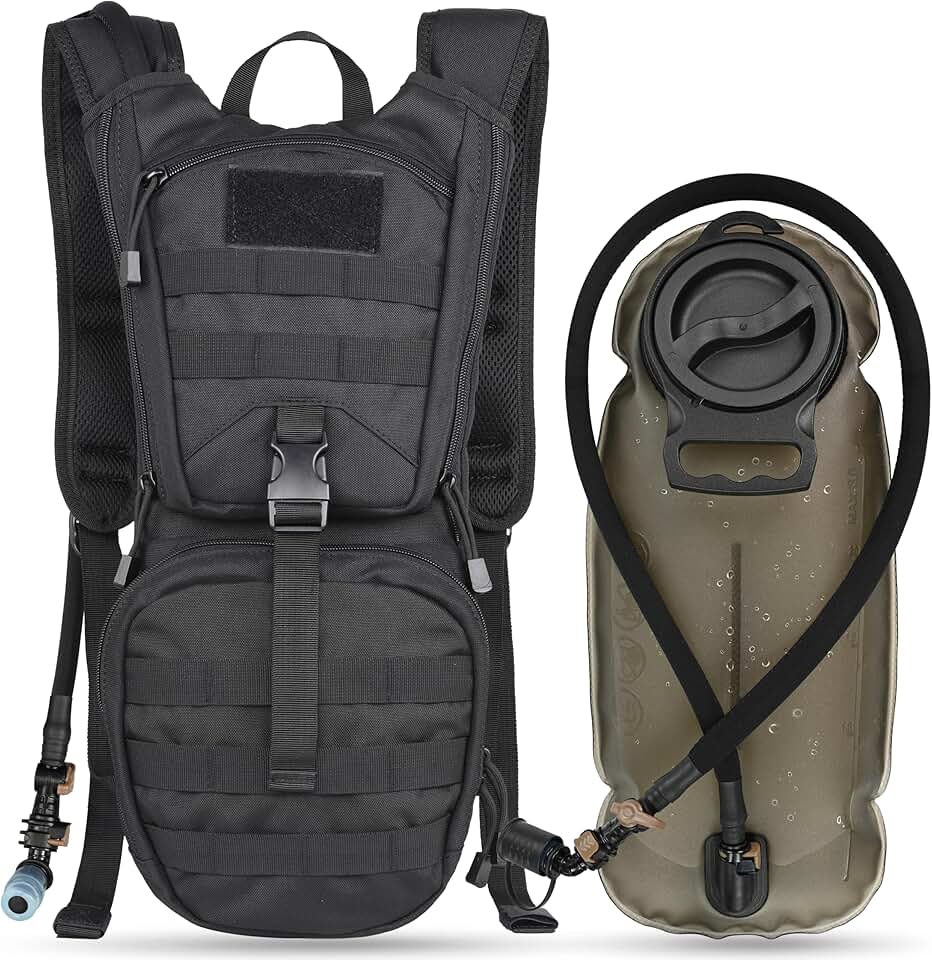
The MARCHWAY tactical hydration pack is built for durability and comes with a generous 3-liter bladder, making it ideal if you are planning longer hikes or hiking in hot conditions where you will need more water between refills. The pack itself has a tactical, military-inspired design with MOLLE webbing on the exterior, which lets you attach extra pouches or gear if you ever need to customize your setup. For beginners, this might sound like overkill, but the benefit is that the pack can grow with you as your hiking ambitions expand. The shoulder straps are thick and well-padded, and the chest strap keeps the pack secure even when you are scrambling over rocks or navigating steep inclines. The waist strap is more substantial than many budget packs, which helps distribute weight and reduces shoulder fatigue on longer treks. The bladder is made from TPU, which is more puncture-resistant than standard bladder materials, and the tube has an insulated sleeve that prevents freezing in cold weather or overheating in sun exposure. The pack has multiple compartments, including a separate pocket for valuables and a larger main section for bulkier items like a rain jacket or extra snacks. One minor downside is that the pack runs slightly larger in size, so if you have a smaller frame or short torso, you might find it sits a bit low on your back. The zippers are sturdy and have not failed even with heavy use, according to the thousands of reviews. The bladder opening is reasonably wide, though not quite as easy to clean as some competitors with fully reversible designs. The fabric is water-resistant but not fully waterproof, so if you get caught in heavy rain, items inside may get damp. For the price, this pack delivers exceptional value and has proven itself reliable across a wide range of hiking conditions and user experience levels. Read verified buyer reviews for the MARCHWAY Tactical Molle Hydration Pack on Amazon.
Pros
- 3-liter bladder provides ample water for long hikes
- Durable tactical construction with reinforced stitching
- Insulated tube prevents water temperature issues
- MOLLE webbing allows customization as skills advance
- Over 8,000 reviews confirm long-term reliability
Cons
- Larger size may not fit smaller-framed hikers comfortably
- Water-resistant but not fully waterproof in heavy rain
View MARCHWAY Tactical Molle Hydration Pack Backpack with 3L TPU Water Bladder on Amazon →
3. Water Buffalo Hydration Backpack – Lightweight Hydration Pack with 2L Water Bladder – Road Runner 12L Hydropack Backpack
Best for minimalist hikers who want lightweight gear for short to moderate trails

The Water Buffalo Road Runner is designed with simplicity and weight savings in mind, making it a strong choice if you prefer to hike light and fast. At 12 liters total capacity, this is one of the smaller packs in this lineup, but that is exactly the point — it forces you to carry only what you truly need, which is often the best approach for beginners who tend to overpack. The 2-liter bladder is a good match for hikes up to four hours, and the bladder itself is easy to fill and clean thanks to a wide screw-top opening. The pack weighs noticeably less than tactical-style competitors, which makes a real difference when you are just starting out and building hiking endurance. The shoulder straps are slim but comfortable, and the chest strap keeps everything stable without adding bulk. There is a small front pocket for essentials like your phone, keys, and a snack bar, plus a stretchy side pocket that can hold a lightweight jacket or extra layer. The pack does not have a waist strap, which some users miss, but the lightweight design means it does not bounce around as much as heavier packs even without one. The bladder hose has a bite valve with a magnetic clip that attaches to the shoulder strap, keeping the tube in place and easy to reach without fumbling. The fabric is lightweight but durable, and the pack is backed by over 13,000 reviews, which gives you confidence that it holds up over time. One limitation is the smaller storage capacity — if you like carrying a full change of clothes, multiple snacks, or photography gear, you will find this pack too tight. But for straightforward day hikes where you want to move efficiently and stay hydrated without hauling a heavy load, this pack delivers exactly what you need and nothing you do not. Check current stock for the Water Buffalo Road Runner 12L Hydropack on Amazon.
Pros
- Lightweight design reduces fatigue on longer hikes
- Minimalist 12-liter capacity encourages smart packing
- Magnetic hose clip keeps drinking tube accessible
- Over 13,000 reviews confirm durability and reliability
- Wide bladder opening simplifies filling and cleaning
Cons
- No waist strap for load distribution
- Limited storage may not suit hikers who carry extra gear
4. Water Buffalo Hydration Backpack – Sherpa 22L Hiking Backpack with Water Bladder
Best for hikers planning longer day hikes who need serious storage and weather protection

The Water Buffalo Sherpa is built for hikers who want to tackle longer trails and need the space to carry everything for a full day outdoors. At 22 liters, this is one of the larger packs in this guide, and it includes thoughtful features like waterproof zippers, a phone holder on the shoulder strap for quick access, and trekking pole holders that actually work well. The pack also includes a water bladder, though the specific bladder capacity is not detailed in the product listing — this is worth confirming before purchase if bladder size is critical to your needs. The waterproof zippers are a standout feature — they add genuine weather protection that most budget packs skip, which matters if you hike in unpredictable climates or get caught in unexpected rain. The shoulder straps are thickly padded and have a slight curve that follows the natural shape of your shoulders, reducing pressure points even when the pack is fully loaded. The chest strap and waist belt are both adjustable and feel more premium than you would expect at this price point. The main compartment is spacious enough for a rain jacket, extra food, a first-aid kit, and even a small camera or binoculars if you are into wildlife watching. The phone holder on the strap is a small but genuinely useful detail — it keeps your phone secure and lets you check trail maps or take photos without stopping to dig through your pack. The trekking pole holders are loops on the sides of the pack that let you stash poles when you are not using them, which is helpful on trails that alternate between steep climbs and flat sections. The higher price reflects the added features and durability, and this pack is a solid investment if you are serious about making hiking a regular activity. Compare the Water Buffalo Sherpa 22L specs and pricing on Amazon.
Pros
- 22-liter capacity handles full-day hikes with room to spare
- Waterproof zippers provide real weather protection
- Phone holder on strap keeps device accessible
- Trekking pole holders and premium straps add versatility
- Well-reviewed for comfort on extended hikes
Cons
- Higher price point may exceed beginner budgets
- Larger size may feel bulky for shorter, casual hikes
View Water Buffalo Hydration Backpack – Sherpa 22L Hiking Backpack with Water Bladder on Amazon →
5. Unigear Hydration Pack Backpack with 70 oz 2L Water Bladder
Best for budget-conscious beginners who want to try hydration packs without a big financial commitment
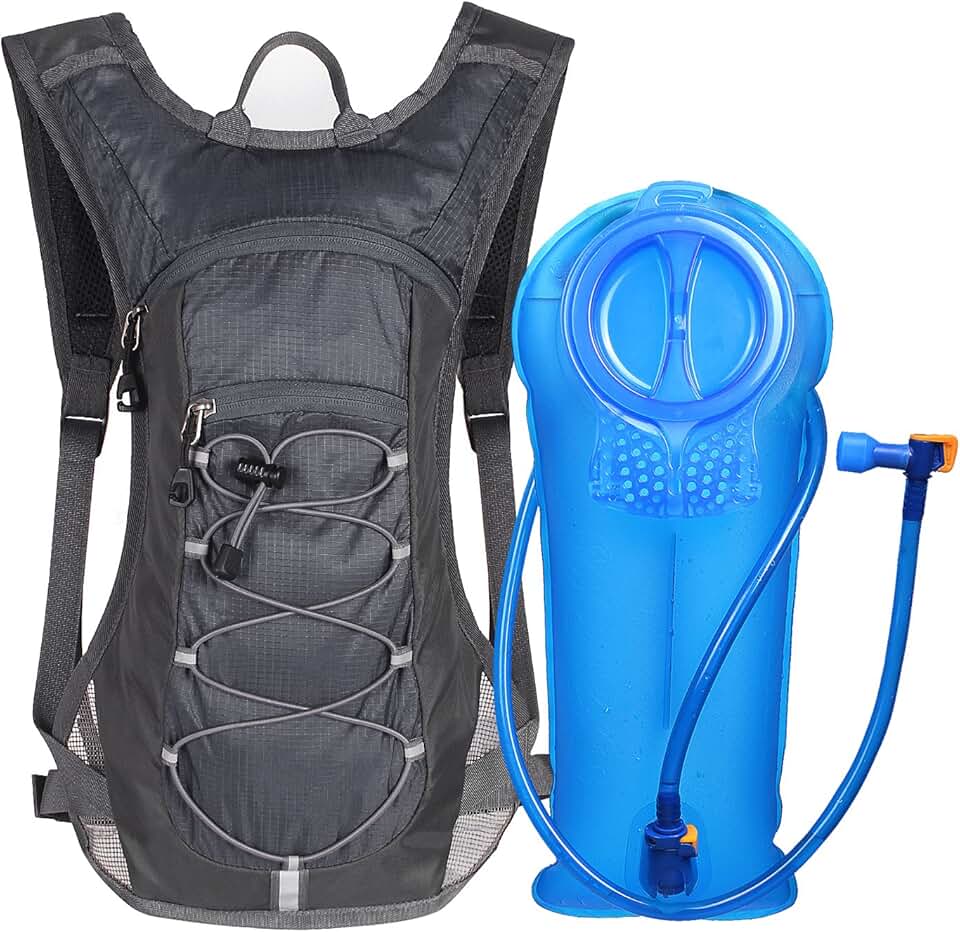
The Unigear hydration pack is the most affordable option in this guide, and it proves that you do not need to spend a lot to get a functional, reliable pack for casual hiking. It comes with a 2-liter bladder, which is the right size for most beginner day hikes, and the pack itself has enough storage for a light jacket, snacks, sunscreen, and other trail essentials. The shoulder straps are adequately padded, and the chest strap keeps the pack stable when you are walking over uneven terrain. The pack is lightweight and does not feel bulky on your back, which makes it a good choice if you are still building hiking stamina and do not want to carry unnecessary weight. The bladder has a reasonably wide opening that makes filling easier than narrow-top designs, and the hose detaches for cleaning. The bite valve works reliably, though it does not have an on-off switch, so you need to be a bit careful about accidental leaks if the pack gets jostled. The exterior has a front zippered pocket for small items and side mesh pockets that can hold a water bottle or other quick-access gear. The fabric is thinner than more expensive packs, which means it is not as durable over the long term, but for weekend warriors who hike a few times a month, it holds up fine. The zippers are functional but not heavy-duty, so avoid overstuffing the compartments or yanking them roughly. Some users mention that the bladder occasionally develops a plastic smell, but this goes away after a few rinses with baking soda water. The pack does not have a waist strap, which limits load support, but at this price point and with the lightweight design, it is not a dealbreaker for short to moderate hikes. If you are testing the waters with hydration packs and are not ready to commit to a premium option, this is a smart, low-risk entry point that does the job without unnecessary complexity. See if the Unigear Hydration Pack is right for your first hike on Amazon.
Pros
- Lowest price point makes it accessible for tight budgets
- Lightweight design reduces fatigue for new hikers
- 2-liter bladder fits most beginner day hike needs
- Nearly 6,000 reviews confirm reliability for casual use
- Simple design with no overwhelming features
Cons
- Thinner fabric and zippers may not hold up to heavy use
- No waist strap for weight distribution on longer hikes
- Bladder may need a few rinses to eliminate plastic smell
View Unigear Hydration Pack Backpack with 70 oz 2L Water Bladder on Amazon →
How These Compare
If you are hiking for two to three hours on easy to moderate trails and want something lightweight, the Water Buffalo Road Runner is your best bet — it keeps things simple and forces you to pack smart. If you are planning longer hikes or want the option to carry extra gear as your skills grow, the MARCHWAY tactical pack gives you a 3-liter bladder and durable construction that can handle more demanding trails. For beginners who want a reliable middle-ground option with insulation to keep water cool, the Miracol pack is a solid choice that balances price, comfort, and features. If you are serious about hiking and want a pack that will last for years with premium features like waterproof zippers and trekking pole holders, the Water Buffalo Sherpa is worth the investment. And if you are on a tight budget or just testing whether you even like hydration packs, the Unigear option gets you started without financial stress. Focus on the hikes you are actually planning in the next few months, not theoretical future adventures, and pick the pack that matches that reality.
Frequently Asked Questions
Do I really need a hydration pack, or can I just use water bottles?
Water bottles work fine for shorter hikes, and many experienced hikers still prefer them. The advantage of a hydration pack is convenience — you can drink without stopping, which keeps you more consistently hydrated and lets you maintain momentum on the trail. Hydration packs also free up your hands, which is helpful on steep or rocky sections where you might need to grab onto rocks or use trekking poles. If you are doing hikes longer than two hours or in hot weather where you need to drink frequently, a hydration pack makes the experience more enjoyable. That said, if you already own a comfortable daypack and a couple of water bottles, there is no urgent need to switch — hydration packs are a convenience upgrade, not a requirement for safe hiking.
How do I clean a hydration bladder without it getting moldy?
The key to preventing mold is making sure the bladder dries completely between uses. After every hike, empty the bladder, rinse it with warm water, and leave it open to air dry — do not seal it while damp. If you want to be thorough, fill it with warm water and a tablespoon of baking soda, shake it around, let it sit for 15 minutes, then rinse. The drinking tube should also be rinsed, and you can run warm soapy water through it by filling the bladder, sealing it, and squeezing water through the tube. Some hikers use denture cleaning tablets or specialized bladder cleaning kits with long brushes, which work well if you want extra peace of mind. Store the bladder in your freezer between hikes if you have space — the cold prevents bacteria and mold growth, and the bladder will be fresh and ready when you need it again.
What size hydration bladder should I get for a beginner day hike?
A 2-liter bladder is the most versatile starting point for beginner day hikes. It holds enough water for three to four hours of moderate hiking, which covers most beginner-friendly trails. If you are hiking in hot weather, at high elevation, or planning longer outings, a 3-liter bladder gives you more buffer without adding too much weight. Keep in mind that water weighs about 2.2 pounds per liter, so a full 3-liter bladder adds 6.6 pounds to your pack. If you are still building hiking endurance, starting with 2 liters is smarter because it keeps your pack lighter and more manageable. You can always refill at trailheads if your route allows it, or carry a small backup bottle for extra security.
Can I use a hydration pack for activities other than hiking?
Absolutely. Hydration packs work well for cycling, running, music festivals, theme parks, and any activity where you want hands-free hydration and light storage. Many of the packs in this guide are labeled for multiple uses, and the features that make them good for hiking — comfortable fit, accessible water, and storage for essentials — translate well to other activities. If you plan to use the pack for running or cycling, look for lighter, more streamlined designs like the Water Buffalo Road Runner or KUYOU running vest styles. For festivals or casual use, any pack with a 2-liter bladder and a front pocket for your phone and wallet will do the job. The versatility is one of the best arguments for investing in a hydration pack, even if hiking is not your primary activity.
How do I know if a hydration pack fits me properly?
A properly fitted hydration pack should sit comfortably on your back without bouncing when you walk, and the shoulder straps should rest on your shoulders without digging in or sliding off. When you adjust the chest strap, it should sit across your sternum without pressing on your throat or sitting too low near your ribs. If the pack has a waist strap, it should rest on your hip bones and feel snug without cutting into your waist. Most hydration packs are designed as one-size-fits-most and rely on adjustable straps to accommodate different body types. If you have a shorter torso or smaller frame, avoid oversized tactical packs and look for options labeled as lightweight or unisex. The best way to test fit is to load the pack with a few pounds of weight — even just a couple of water bottles — and walk around your house or yard to see if anything feels uncomfortable or shifts around.
The Bottom Line
Choosing your first hydration pack does not have to be complicated — focus on the hikes you are actually planning, not every possible scenario you might encounter someday. If you are hiking for a couple of hours on local trails and want to stay comfortable without overthinking gear, the Miracol insulated pack or Unigear budget option will serve you well without requiring a big investment. If you are already planning longer hikes or want a pack that will grow with your skills, the MARCHWAY tactical pack gives you durability and a 3-liter bladder that handles more ambitious outings. For minimalists who value lightweight gear and efficient packing, the Water Buffalo Road Runner keeps things simple and effective. And if you are serious about making hiking a regular part of your life and want premium features like waterproof zippers and trekking pole holders, the Water Buffalo Sherpa is a smart long-term investment. Whichever pack you choose, start by using it on shorter trails close to home so you can get comfortable with filling, drinking from, and cleaning the bladder before heading out on longer adventures. Hydration packs genuinely make hiking more enjoyable by keeping you hydrated without the hassle of stopping every time you need water, and once you get used to the convenience, it is hard to go back to juggling bottles.
Disclosure: As an Amazon Associate, we earn from qualifying purchases. This does not affect our editorial recommendations.