
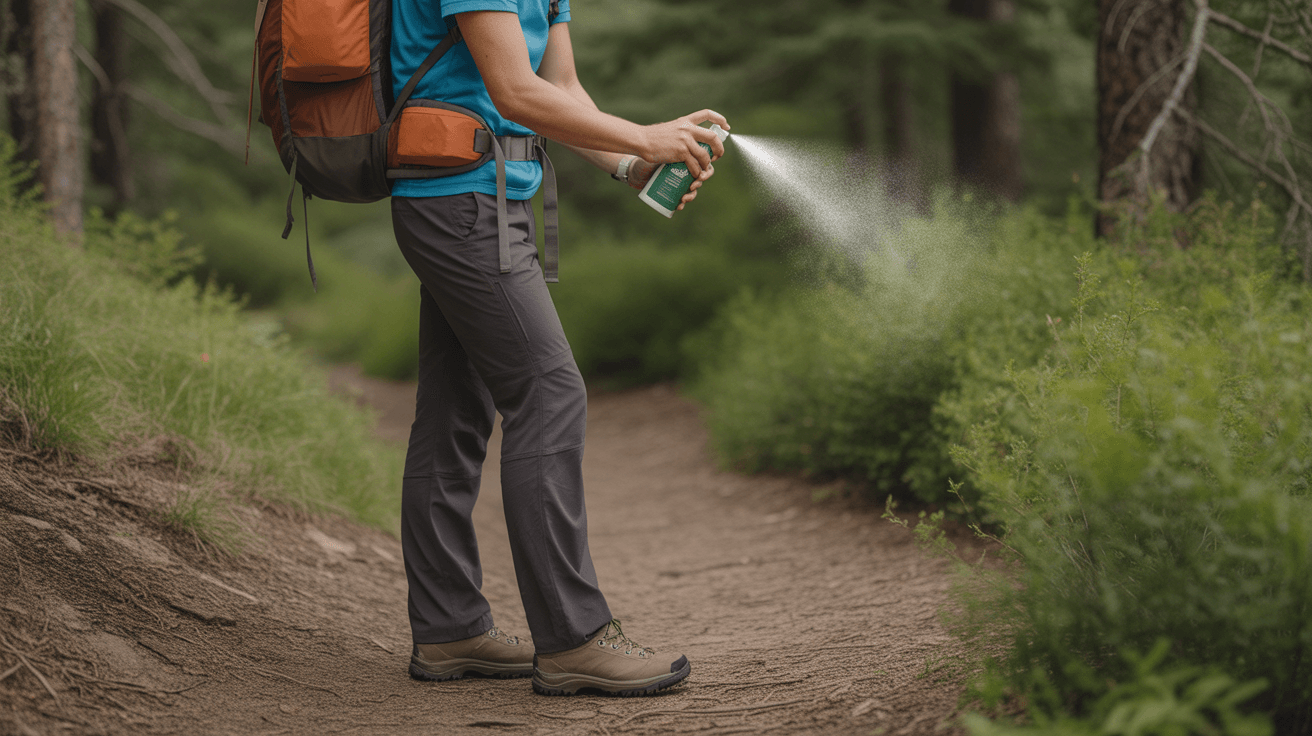
The best insect repellent for hiking needs to work reliably through sweat, last for hours without reapplication, and keep mosquitoes and ticks away while you focus on the trail instead of constantly swatting. If you have dealt with greasy sprays that wear off in 30 minutes or products that leave you re-coating yourself every time you stop for water, you know how frustrating inadequate bug protection can be.
This guide reviews the best insect repellent for hiking based on active ingredient effectiveness, protection duration, application method, and real-world performance in buggy environments. Whether you need maximum-strength DEET for backcountry trails or a family-friendly alternative for day hikes, you will find a tested option that delivers reliable protection without the constant maintenance.
What to Look For
Active Ingredient: What Actually Repels Bugs
The active ingredient determines how well a repellent works and how long it lasts. DEET (N,N-diethyl-meta-toluamide) remains the gold standard for effectiveness, with concentrations between 20% and 30% offering 6 to 8 hours of protection against mosquitoes and ticks. Higher concentrations like 100% DEET extend protection to 10 hours but do not repel insects better than 30% formulas, they just last longer between applications.
Picaridin is a DEET alternative that performs nearly as well without the strong chemical smell or greasy feel. A 20% picaridin formula typically provides 8 to 12 hours of protection and feels lighter on skin. Oil of lemon eucalyptus is a plant-based option effective for shorter hikes, though it usually requires reapplication every 2 to 4 hours. Permethrin is not applied to skin but instead treats clothing and gear, offering protection that lasts through multiple washes.
Protection Duration: How Long It Actually Works
Protection duration matters more than anything else when you are miles from the trailhead (the parking area where your hike begins). Products claiming 8 to 10 hours of protection should genuinely last that long under normal hiking conditions, which include sweating, brush contact, and occasional water exposure. DEET and picaridin formulas at 20% concentration or higher are your most reliable options for multi-hour protection.
Shorter-duration products like natural essential oil blends may work for 1 to 3 hours, which is fine for quick neighborhood walks but impractical for serious hiking. If you are planning a 4-hour hike, you need a repellent rated for at least 6 hours to avoid mid-trail reapplication. Longer protection means less weight in your pack and fewer interruptions to your hike.
Application Method: Spray, Lotion, or Treated Clothing
Aerosol sprays cover large areas quickly and work well for exposed skin and over-clothing application. Pump sprays offer more control and work better in windy conditions or when you need precision around your face and neck. Lotions provide even coverage and let you see exactly where you have applied product, which reduces waste and ensures complete protection.
Permethrin-treated clothing creates a protective barrier without any skin application. You spray it on pants, shirts, socks, and hats, let it dry, and the treatment lasts through 6 weeks or 40 washes. This approach works especially well for tick prevention in high-risk areas. Combining treated clothing with a skin repellent gives you layered protection that is more effective than either method alone.
Skin Feel: Grease, Stickiness, and Comfort
You will not use a repellent consistently if it feels terrible on your skin. DEET formulas vary widely in texture, with some leaving an oily residue and others drying down to a barely noticeable finish. Picaridin generally feels lighter and less greasy than DEET, which matters when you are sweating on a humid trail.
Lotions tend to feel heavier initially but absorb better than sprays, while aerosols can leave a tacky layer if over-applied. Dry-formula aerosols are designed to minimize that sticky feeling and work well for hikers who dislike the sensation of traditional bug spray. If skin feel matters to you, avoid products with alcohol bases that dry out skin or heavy oil carriers that never fully absorb.
Scent: Odorless vs. Fragrance
Many DEET products have a distinct chemical smell that some hikers find unpleasant. Picaridin is nearly odorless when dry, making it a better choice if you are sensitive to smells or hiking with others in close quarters. Natural repellents often smell like their plant-based ingredients, such as citronella, eucalyptus, or cedarwood, which some people prefer and others find overpowering.
Odorless formulas exist across all active ingredient categories and work well for hikers who want protection without announcing it to everyone on the trail. If you are using a scented product, test it at home first to make sure you can tolerate the smell for several hours.
Tick vs. Mosquito Protection: What You Really Need
Mosquitoes and ticks require different approaches. Mosquitoes are deterred by skin repellents applied to exposed areas like arms, legs, neck, and face. Ticks crawl up from ground level and often attach where clothing meets skin, such as sock lines, waistbands, and underarms. Skin repellent alone is not enough for tick prevention in high-risk areas.
Permethrin-treated clothing is the most effective tick defense because it kills ticks on contact before they reach your skin. Pair permethrin-treated pants and socks with a DEET or picaridin spray on exposed skin for comprehensive protection. If you are hiking in areas with known tick-borne disease risk, this layered approach is worth the extra effort.
Our Top Picks
1. Repel 100 Insect Repellent
Best for maximum protection on long hikes in heavily infested areas

This 98.11% DEET formula delivers 10 hours of protection against mosquitoes, ticks, gnats, biting flies, chiggers, and fleas. The pump spray bottle offers controlled application without aerosol propellant, which makes it easier to apply precisely where you need it without wasting product. The formula is designed for serious outdoor use where insects are relentless and you cannot afford to reapply mid-hike.
The concentration is higher than most hikers need for typical trail conditions, but it excels in swampy areas, dense forests during peak bug season, and backcountry environments where you might not see another person for days. The pump mechanism delivers consistent spray pressure from first use to last drop, and the 4-ounce bottle fits easily in a side pocket or pack compartment. The product claims to repel mosquitoes for up to 10 hours, which aligns with what high-concentration DEET formulas typically deliver.
The formula has a noticeable chemical scent typical of DEET products, and it feels slightly oily on skin immediately after application. It can damage certain plastics and synthetic fabrics, so avoid spraying it directly on gear like watch bands, sunglasses frames, or backpack straps. Apply it to skin and let it dry before putting on synthetic clothing. The high DEET concentration means you should wash it off thoroughly after your hike rather than leaving it on overnight.
The 15,814 reviews reflect consistent satisfaction with its effectiveness in challenging conditions. Hikers in the Pacific Northwest, Great Lakes region, and Southern states where mosquitoes and ticks are persistent report that this formula works when others fail. The tradeoff for maximum effectiveness is the strong chemical presence, but if you need reliable protection without reapplication, this is the formula to choose.
Pros
- 10-hour protection duration reduces need for reapplication on long hikes
- Pump spray provides controlled application without aerosol waste
- Effective against full range of biting insects including ticks and chiggers
- Proven high-concentration DEET formula with extensive real-world use
Cons
- Strong chemical scent typical of high-DEET products
- Can damage plastics and synthetic materials on contact
- Oily feel on skin may be uncomfortable in hot weather
2. Sawyer Products SP564 Premium Insect Repellent with 20% Picaridin
Best for hikers who want effective protection without DEET or greasy residue

This 20% picaridin lotion offers up to 12 hours of protection without the chemical smell or oily feel associated with DEET products. Picaridin is a synthetic compound developed as a DEET alternative, and at 20% concentration it performs comparably for mosquitoes, ticks, and biting flies. The lotion format gives you complete control over application and ensures even coverage without overspray.
The texture is smooth and absorbs well without leaving a greasy layer. It does not damage plastics, synthetic fabrics, or fishing line like DEET can, which makes it safer to use around technical gear and electronics. The formula is fragrance-free and nearly odorless once dry, which matters if you are sensitive to smells or hiking in a group. The 4-ounce bottle is compact enough for day hikes but substantial enough for weekend trips without requiring a backup.
Picaridin works differently than DEET by interfering with insects’ ability to detect human scent rather than creating a chemical barrier. The 20% concentration is the highest commonly available and provides protection duration comparable to 30% DEET formulas. The lotion application takes slightly longer than spray but ensures you do not miss spots, which is important for tick prevention where complete coverage matters.
The product has over 24,000 reviews with a 4.6-star average, and hikers consistently report that it works as well as DEET without the drawbacks. The lotion format is particularly popular among hikers who dislike aerosol overspray or who need precise application around sensitive areas like the face and neck. The main limitation is that lotion takes more time to apply than spray, which may be a consideration if you need to cover large areas quickly.
Pros
- 12-hour protection duration without DEET
- Lotion format ensures even coverage and precise application
- Does not damage gear, plastics, or synthetic fabrics
- Nearly odorless when dry with no strong chemical scent
Cons
- Lotion takes longer to apply than spray formulas
- More expensive per ounce than comparable DEET products
View Sawyer Products SP564 Premium Insect Repellent with 20% Picaridin on Amazon →
3. Sawyer Products Premium Permethrin Insect Repellent for Clothing
Best for treating clothing and gear for long-lasting tick protection

Permethrin is not applied to skin but instead treats clothing, boots, tents, and gear to repel and kill ticks, mosquitoes, chiggers, and mites on contact. This 24-ounce trigger spray bottle contains 0.5% permethrin and treats multiple complete outfits. The treatment lasts through 6 weeks or 40 washes, which makes it far more practical than reapplying skin repellent multiple times per hike.
You spray permethrin on clothing outdoors or in a well-ventilated area, let it dry for 2 hours or overnight, and then wear the treated items normally. The treatment is odorless once dry and does not change the feel or appearance of fabric. It is particularly effective for tick prevention because ticks crawl up from the ground and often attach where clothing meets skin. Treated pants, socks, and boots create a protective barrier that kills ticks before they reach your body.
The formula bonds to fabric fibers and remains effective through multiple wash cycles, which means you can treat your hiking pants at the start of the season and maintain protection for months. This approach eliminates the need to apply skin repellent to legs and feet entirely if you are wearing treated clothing. The 24-ounce bottle treats approximately 4 complete outfits, making it cost-effective compared to repeatedly buying disposable repellent.
With over 41,000 reviews, this is one of the most widely used permethrin treatments among hikers. The main limitation is that it does not protect exposed skin, so you still need a skin repellent for arms, neck, and face. Some hikers report mild skin irritation from freshly treated clothing, which resolves after the first wash. Always let permethrin-treated items dry completely before wearing them.
Pros
- Lasts through 40 washes or 6 weeks without reapplication
- Kills ticks and mosquitoes on contact before they bite
- Treats multiple complete outfits from one bottle
- Odorless once dry with no change to fabric feel
Cons
- Does not protect exposed skin areas
- Requires 2-hour drying time before clothing can be worn
- Must be applied outdoors or in well-ventilated area
View Sawyer Products Premium Permethrin Insect Repellent for Clothing on Amazon →
4. OFF! Deep Woods Insect Repellent Aerosol Dry Formula
Best for quick application with minimal sticky residue

This dry-formula aerosol contains 25% DEET and provides up to 8 hours of protection against mosquitoes and ticks. The dry formula is designed to reduce the tacky, greasy feel that traditional bug sprays leave on skin. The aerosol delivery covers large areas quickly, which is useful when you need to apply repellent efficiently before hitting the trail or when bugs are actively swarming.
The 25% DEET concentration sits in the middle range for effectiveness and duration, offering solid protection without the intensity of 98% formulas. The dry-formula claim is accurate compared to standard DEET sprays, though it still feels slightly present on skin rather than completely invisible. The aerosol format makes it easy to spray over clothing as an additional barrier, and the 4-ounce cans in this two-pack are travel-friendly and fit easily in pack pockets.
The product repels mosquitoes, ticks, gnats, biting flies, chiggers, and no-see-ums according to the label. The protection duration of 8 hours is suitable for most day hikes and eliminates the need for mid-trail reapplication. The aerosol can be noisy when spraying and may startle wildlife if used on the trail, so apply it before you start hiking when possible.
With over 40,000 reviews, this is one of the most popular bug sprays on the market. Hikers appreciate the balance between effectiveness and comfort, though some report that the dry formula still feels slightly tacky in humid conditions. The aerosol propellant makes application fast but can result in overspray and waste if you are not careful about direction and distance.
Pros
- Dry formula reduces sticky residue compared to standard DEET sprays
- 8-hour protection duration sufficient for most day hikes
- Aerosol application covers large areas quickly
- Two-pack provides backup for multi-day trips
Cons
- Still feels slightly tacky in hot humid weather despite dry formula claim
- Aerosol overspray can waste product if not applied carefully
- 25% DEET may be insufficient for extreme bug pressure
View OFF! Deep Woods Insect Repellent Aerosol Dry Formula on Amazon →
How These Compare
The best insect repellent for hiking depends on your protection needs, tolerance for chemical formulas, and how long you will be on the trail. Repel 100 with 98% DEET offers the longest protection at 10 hours and works in the most challenging conditions, but it has a strong chemical smell and oily feel that some hikers find uncomfortable. This is the formula to choose for backcountry trips, swampy areas, or anywhere bugs are relentless and you cannot afford to reapply.
Sawyer Premium Picaridin provides 12 hours of protection without DEET, making it the best choice for hikers who want effectiveness without chemical smell or gear damage risk. The lotion format takes longer to apply than spray but ensures complete coverage, which is important for tick prevention. If you dislike the feel and smell of DEET or hike with synthetic gear that could be damaged, picaridin is the better option despite the higher cost.
Sawyer Permethrin is not a direct alternative to skin repellents but instead treats your clothing and boots to create a protective barrier that kills ticks on contact. This approach is the most effective tick defense available and lasts through 40 washes, making it extremely practical for hikers who spend significant time on trails. You still need a skin repellent for exposed areas, but treating your pants, socks, and shirt reduces the amount of product you need to apply directly to skin.
OFF! Deep Woods Dry Formula is the compromise choice for hikers who want quick aerosol application with less sticky residue than traditional DEET sprays. The 25% DEET concentration and 8-hour duration work well for typical day hikes in moderately buggy conditions. It is less effective than Repel 100 in extreme situations and less comfortable than picaridin, but it is affordable, widely available, and balances performance with convenience.
For maximum protection, combine permethrin-treated clothing with either the Repel 100 or Sawyer Picaridin on exposed skin. This layered approach is the most effective defense against both mosquitoes and ticks and is recommended for hikers in high-risk areas or during peak bug season.
Frequently Asked Questions
How long does insect repellent last while hiking?
Insect repellent duration depends on the active ingredient concentration and environmental conditions. DEET formulas at 20% to 30% concentration typically last 6 to 8 hours, while 98% DEET can last up to 10 hours. Picaridin at 20% concentration provides 8 to 12 hours of protection. Natural repellents with essential oils usually last 1 to 3 hours before requiring reapplication.
Sweating, rain, and physical contact with brush or clothing can reduce protection duration. If you are sweating heavily on a humid trail or bushwhacking through dense vegetation, you may need to reapply sooner than the label suggests. Apply repellent before you start hiking rather than waiting until bugs appear, and carry a small backup bottle if your hike will exceed the product protection duration.
What is the best insect repellent for ticks?
Permethrin-treated clothing is the most effective tick repellent because it kills ticks on contact before they reach your skin. Ticks crawl up from ground level and often attach where clothing meets skin at sock lines, waistbands, and underarms. Treating your pants, socks, and boots with permethrin spray creates a barrier that eliminates ticks before they can bite.
For exposed skin areas like arms and neck, use a DEET or picaridin repellent at 20% concentration or higher. The combination of permethrin-treated clothing and skin repellent on exposed areas provides layered protection that is more effective than either method alone. If you are hiking in areas with known Lyme disease or other tick-borne illness risk, this dual approach is worth the extra effort.
Is DEET or picaridin better for hiking?
DEET and picaridin perform similarly at comparable concentrations, but picaridin has advantages for hikers who carry technical gear or dislike chemical smells. DEET at 25% to 30% concentration provides 6 to 8 hours of protection, while picaridin at 20% concentration offers 8 to 12 hours. Both repel mosquitoes, ticks, and biting flies effectively.
Picaridin does not damage plastics, synthetic fabrics, or fishing line like DEET can, which makes it safer around backpack straps, watch bands, sunglasses, and technical clothing. It is also nearly odorless when dry, while DEET has a distinct chemical smell that some people find unpleasant. DEET has more extensive long-term use data and is slightly less expensive per ounce. For most hiking situations, picaridin is the more comfortable choice with equal effectiveness.
Do natural insect repellents work for hiking?
Natural repellents made with essential oils like citronella, eucalyptus, or cedarwood provide limited protection that typically lasts 1 to 3 hours. They work adequately for short neighborhood walks or low-bug environments but are impractical for serious hiking where reapplication every hour is not feasible. Oil of lemon eucalyptus is the most effective natural option and can provide 2 to 4 hours of mosquito protection.
If you prefer natural products, understand that you will need to reapply frequently and may still experience some bites during peak bug activity. Natural repellents are better suited for low-intensity outdoor activities rather than multi-hour hikes in buggy areas. For effective hiking protection, DEET or picaridin formulas are more reliable.
Should I spray insect repellent on my clothes or skin?
Apply skin repellent directly to exposed skin areas and use permethrin spray specifically formulated for clothing and gear. Standard DEET or picaridin sprays can be applied over clothing as an additional barrier, but they wash out immediately and must be reapplied after every wash. Permethrin spray bonds to fabric fibers and lasts through 40 washes, making it far more practical for treating hiking pants and shirts.
Never apply permethrin to skin, as it is designed only for fabric treatment. For comprehensive protection, treat your clothing with permethrin at the start of the season and apply DEET or picaridin to exposed skin before each hike. This layered approach is the most effective defense against both mosquitoes and ticks.
How do I apply insect repellent correctly?
Apply repellent to all exposed skin areas including arms, legs, neck, and face. For facial application, spray the product into your palm first and then apply it with your hands to avoid getting it in your eyes or mouth. Use enough product to create a thin even layer over all exposed areas rather than soaking your skin.
Apply repellent before you start hiking rather than waiting until bugs appear, as it takes a few minutes for the product to become fully effective. Reapply if you are sweating heavily or if you notice bugs starting to land on you again. Wash repellent off your skin with soap and water after your hike rather than leaving it on overnight.
The Bottom Line
The best insect repellent for hiking balances effectiveness, duration, and comfort based on your specific trail conditions and personal preferences. If you are hiking in heavily infested areas where bugs are relentless and reapplication is not practical, Repel 100 with 98% DEET provides maximum 10-hour protection despite its chemical presence. For hikers who want equal effectiveness without DEET drawbacks, Sawyer Premium Picaridin delivers 12 hours of protection in a nearly odorless lotion that does not damage gear.
Tick protection requires a layered approach combining permethrin-treated clothing with skin repellent on exposed areas. Sawyer Permethrin spray treats your pants, socks, and boots to kill ticks on contact, and the treatment lasts through 40 washes or an entire hiking season. This approach is the most effective tick defense available and eliminates the need to coat your legs with spray before every hike. For quick convenient application with minimal sticky residue, OFF! Deep Woods Dry Formula offers 8-hour protection in an easy aerosol format that works well for typical day hikes.
Choose your repellent based on protection duration needs, comfort priorities, and whether tick prevention is a concern in your hiking area. Combining treated clothing with skin repellent provides the most comprehensive protection and is recommended for anyone hiking in tick-endemic regions or during peak mosquito season.
Disclosure: As an Amazon Associate, we earn from qualifying purchases. This does not affect our editorial recommendations.