

If you have ever started a hike feeling fine, only to feel uncomfortably cold once you stop for a break or the temperature drops, you are not alone. Many new hikers struggle with layering and do not realize that what you wear underneath your jacket makes all the difference. A good merino wool base layer is the foundation of staying warm on the trail without overheating when you are moving.
This guide focuses specifically on hikers who get cold quickly and need a base layer that provides real warmth while still breathing well during activity. We have selected five merino wool options that work for beginners, are easy to care for, and will not leave you shivering when you pause to enjoy the view.
What to Look For
Why Merino Wool Works Better Than Regular Fabric
Merino wool is different from the scratchy wool sweaters you might remember from childhood. It comes from merino sheep and has superfine fibers that feel soft against your skin. What makes it ideal for hiking is that it regulates temperature naturally, meaning it keeps you warm when it is cold but does not make you overheat when you are climbing uphill. Unlike cotton, which stays wet and cold against your skin when you sweat, merino wool pulls moisture away from your body and dries relatively quickly. It also resists odor naturally, so you can wear it multiple days without it smelling bad, which is especially helpful on longer trips.
Understanding Base Layer Weights
Base layers come in different weights, and this matters more than you might think. Lightweight base layers (around 150 grams per square meter) work best for high-energy activities in mild weather or when you run hot. Midweight options (around 200-250 grams) are the most versatile for most hikers and handle cool to cold conditions well. Heavyweight base layers (250+ grams) are for very cold weather or if you know you get cold easily even when moving. For someone who gets cold quickly on the trail, a midweight to heavyweight base layer is usually the right choice. You can always vent by unzipping your jacket if you get too warm, but you cannot add warmth if your base layer is too thin.
Fit Matters More Than You Think
A base layer should fit snugly against your skin without being tight or restrictive. This close fit is what allows it to wick moisture away from your body effectively. If it is too loose, it will not regulate temperature as well and can bunch up under your other layers. However, it should not be so tight that it restricts your movement or feels uncomfortable. When you try one on, you should be able to move your arms freely, bend over, and twist without the fabric pulling or riding up. Most brands offer both regular fit and slim fit options, so pay attention to product descriptions. If you are between sizes, consider how you prefer your clothes to fit in general.
Crew Neck Versus Half Zip Options
Crew neck base layers pull over your head and have a simple round neckline. They are typically less expensive and work well as a straightforward warming layer. Half zip base layers have a zipper that goes partway down the chest, giving you more temperature control. When you are hiking uphill and getting warm, you can unzip to release heat. When you stop for a break and start cooling down, zip it back up. For hikers who get cold easily, a half zip offers more versatility because you can fine-tune your temperature throughout the hike without having to remove layers completely.
Caring for Merino Wool Base Layers
Merino wool is more delicate than synthetic fabrics, but it is not as high-maintenance as you might fear. Most merino base layers can be machine washed on a gentle cycle with cold water. Use a wool-specific detergent or a mild detergent without harsh chemicals or fabric softener, which can damage the fibers. Lay it flat to dry or hang it up rather than putting it in the dryer, which can cause shrinking. The good news is you do not need to wash it after every single wear. Because merino resists odor naturally, you can often wear it multiple times before washing, which actually helps it last longer.
What to Expect in Terms of Durability
Merino wool is a natural fiber, which means it will not last as long as synthetic materials like polyester. You might notice pilling (those little fabric balls) after several wears, especially in areas where your backpack straps rub. This is normal and does not mean the base layer is not working anymore. You can remove pills with a fabric shaver. Small holes can also develop over time, particularly in thinner lightweight options. For someone just getting into hiking, a midweight merino base layer should last you several seasons with proper care, making it a worthwhile investment in your comfort on the trail.
Our Top Picks
1. Merino.tech Merino Wool Base Layer Mens Set – Heavyweight
Best for hikers who get very cold and want a complete set

This heavyweight set from Merino.tech is an excellent starting point if you are new to merino wool and want full coverage without spending a fortune on premium brands. The set includes both a long sleeve top and bottom, giving you a complete base layer system for under $100. That is a significant value compared to buying pieces separately from other brands.
The heavyweight fabric provides serious warmth, which is exactly what you need if you know you get cold quickly on the trail. This weight means it will keep you comfortable even when you stop for breaks or the temperature drops unexpectedly. Over 3,600 hikers have reviewed this set, giving it a solid 4.6-star rating, which shows consistent quality and performance across many different hiking conditions and body types.
One feature that makes this accessible for beginners is the next-to-skin fit that is designed to be close to the body without being restrictive. Reviewers consistently mention that it does not itch, which is often a concern for people new to wool. The fabric composition provides the temperature regulation that makes merino special while maintaining softness throughout the day.
The set qualifies for free delivery, and many users report that it holds up well to regular washing when you follow the care instructions. For someone just building their hiking wardrobe, getting both pieces together simplifies the decision-making process and ensures you have a complete base layer system that works together. The high number of positive reviews indicates this is a frequently purchased option in its category, giving you additional confidence in the choice.
See current pricing for the Merino.tech Merino Wool Base Layer Mens Set – Heavyweight on Amazon.
Pros
- Complete set provides full coverage at a competitive price point
- Heavyweight warmth ideal for cold-prone hikers
- Over 3,600 reviews confirm consistent quality
- Fabric tested for comfort and performance
- Strong value for a two-piece merino system
Cons
- May be too warm for spring or fall hiking in some regions
- As a natural fiber, expect some pilling over time
View Merino.tech Merino Wool Base Layer Mens Set – Heavyweight on Amazon →
2. Smartwool Men’s Classic Thermal Merino Base Layer Crew
Best premium option with proven durability

Smartwool is one of the most recognized names in merino base layers, and this Classic Thermal crew neck represents their thermal-weight offering designed specifically for cold weather activity. The 4.7-star rating from 785 reviews shows that experienced hikers consistently trust this product for reliable warmth.
The Classic Thermal line uses merino wool construction designed for durability. The fabric holds up well to the friction from backpack straps and repeated washing, which matters for a beginner concerned about making their gear investment last. The careful construction means fewer issues with holes developing in high-wear areas compared to some budget options.
The fit of this crew is what Smartwool calls their regular fit, which means it sits close to your body without feeling tight or restrictive. The crew neck style means there are no zippers or additional features, making it simple to layer under other shirts or fleeces. Some hikers prefer this simplicity because there are fewer things to snag on branches or create pressure points under pack straps.
At $115 for a single top, this is definitely a premium price point compared to other options. However, Smartwool backs their products with strong customer service, and many reviewers mention wearing their Smartwool base layers for years. The brand has built a reputation for quality construction and attention to fit details that matter on the trail. For someone who wants to invest in quality from the start rather than replacing cheaper options later, this is a solid choice.
Read verified buyer reviews for the Smartwool Men’s Classic Thermal Merino Base Layer Crew on Amazon.
Pros
- Premium brand with decades of proven performance
- Construction designed for improved durability
- Excellent 4.7-star rating from experienced users
- Simple crew neck design layers easily
- Thermal weight provides serious warmth for cold-prone hikers
Cons
- Higher price point at $115 for just the top
- No half zip option for temperature adjustment
View Smartwool Men’s Classic Thermal Merino Base Layer Crew on Amazon →
3. Helly Hansen LIFA Merino Midweight Crew Base Layer
Best for hikers who want merino warmth with synthetic moisture management

The Helly Hansen LIFA Merino takes a different approach by combining merino wool with synthetic fabric in its construction. This hybrid design specifically addresses one of the challenges some hikers face with pure merino: it can feel damp against your skin when you are sweating heavily during steep climbs.
At $60, this represents strong value for the technology you are getting. With 609 reviews and a 4.6-star rating, the performance backs up the design approach. The midweight construction makes this versatile for a wider range of temperatures compared to heavyweight options, which is helpful when you are still figuring out what conditions you will be hiking in most often.
Helly Hansen has been making technical outdoor apparel for decades and has a strong reputation among sailors and cold-weather outdoor enthusiasts. The LIFA Merino line was specifically developed for high-activity cold weather sports, which matches hiking conditions where you are generating heat on climbs but cooling quickly during breaks. The crew neck style is straightforward and fits well under other layers without bunching.
One thing to note is that the fabric feel will be different than 100% merino against your skin due to the hybrid construction. Some people prefer this because the moisture management is more aggressive, while others prefer the softer feel of pure merino. The warmth level is comparable to pure merino midweight options, making it suitable for cold-prone hikers in most three-season conditions.
Check current stock for the Helly Hansen LIFA Merino Midweight Crew Base Layer on Amazon.
Pros
- Hybrid construction combines features of merino and synthetic
- Good value at $60 for technical performance
- Over 600 reviews confirm reliable performance
- Established brand with cold-weather expertise
- Midweight versatility for varied conditions
Cons
- Hybrid fabric feels different than pure merino against skin
- Not as warm as heavyweight options for extremely cold conditions
View Helly Hansen LIFA Merino Midweight Crew Base Layer on Amazon →
4. MERIWOOL Mens Base Layer 100% Merino Wool Midweight Long Sleeve
Best value for 100% merino wool with proven track record
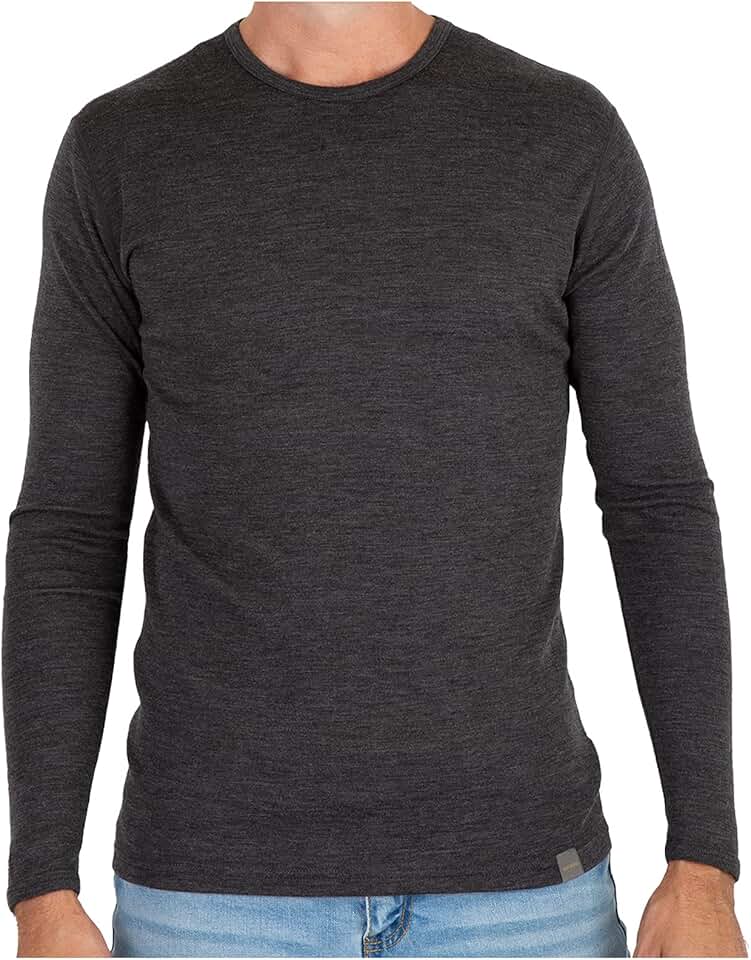
MERIWOOL has built a strong reputation for offering pure merino wool at prices below the big-name brands without sacrificing quality. With over 4,300 reviews and a 4.7-star rating, this is one of the most-reviewed merino base layers on Amazon, which gives you a large pool of real-world feedback to draw from.
The midweight construction provides substantial warmth while still being versatile enough for shoulder season hiking. For someone who gets cold easily, this weight hits a sweet spot where you will stay warm on cool mornings and during breaks, but you will not overheat too quickly when you are moving uphill. The 100% merino construction means you get all the natural benefits: temperature regulation, odor resistance, and soft feel against skin.
The fit is described by most reviewers as true to size with a next-to-skin fit that layers well under other clothing. The crew neck style is simple and sits comfortably without any tags or irritating seams. Several reviewers specifically mention buying this as their first merino base layer and being impressed with how different it feels compared to synthetic long underwear.
At $65, this represents strong value for a pure merino product. While it does not have the brand recognition of some premium names, the massive number of positive reviews shows that MERIWOOL has earned trust through consistent quality. The company focuses specifically on merino wool products, which means they have refined their construction and fit based on customer feedback over many iterations. For a beginner who wants to try real merino without spending over $100, this is an excellent entry point.
Compare the MERIWOOL Mens Base Layer 100% Merino Wool Midweight Long Sleeve specs and pricing on Amazon.
Pros
- Over 4,300 reviews make this one of the most-proven options
- 100% merino wool at a competitive $65 price point
- Excellent 4.7-star rating shows consistent quality
- Midweight versatility for various hiking conditions
- True to size fit based on extensive customer feedback
Cons
- Less brand recognition than premium options
- No half zip version for temperature adjustment
View MERIWOOL Mens Base Layer 100% Merino Wool Midweight Long Sleeve on Amazon →
5. Merino.tech Merino Wool Base Layer – Mens 100% Merino Wool Long Sleeve
Best overall value for budget-conscious beginners
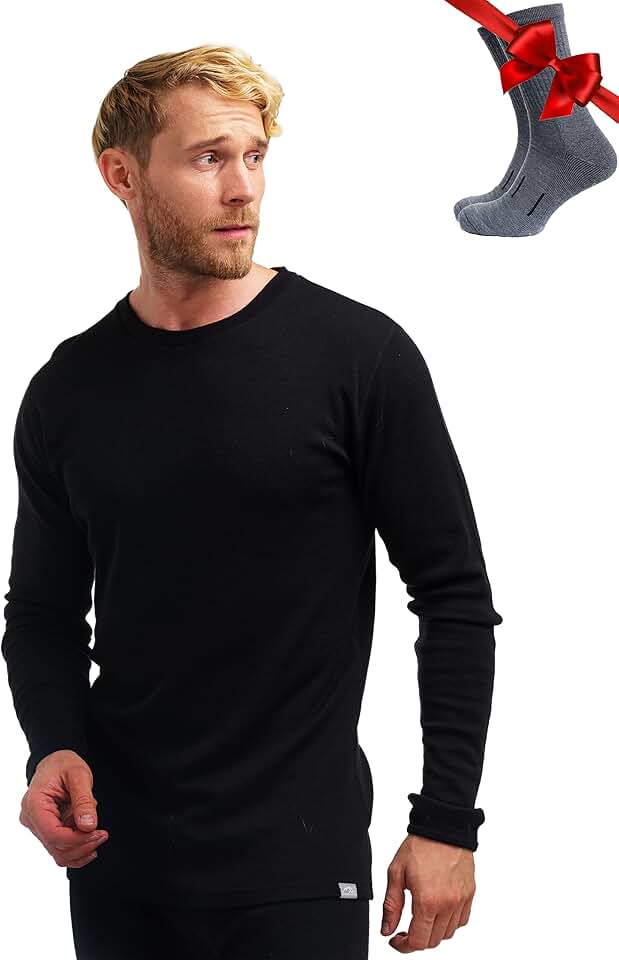
This Merino.tech base layer offers remarkable value at under $60 while providing genuine 100% merino wool construction. With over 5,500 reviews, this is one of the most purchased merino base layers on Amazon, which speaks to both its price point and quality. The 4.5-star rating across that many reviews shows consistent performance for thousands of hikers.
What makes this particularly useful for beginners is that it delivers core merino benefits without requiring a large upfront investment. You get the temperature regulation and odor resistance that makes merino special for hiking, allowing you to test whether this fabric type works for your needs before committing to a premium brand. For someone who gets cold easily, this base layer provides genuine warmth in a straightforward package.
The construction uses flatlock seams that prevent chafing, and the crew neck style layers easily under other shirts or fleeces. Many reviewers mention that this base layer does not itch and feels soft right out of the package, which can be a concern when trying merino wool for the first time. The fit is designed to sit close to the skin for effective moisture wicking without feeling restrictive.
At $58.99, you are getting authentic merino performance at the lowest price point in this comparison. This makes it accessible for beginners building their hiking wardrobe on a budget. While it may not have all the refinements of premium brands, the massive review count demonstrates that it delivers reliable performance on the trail. For a beginner who wants to experience merino without spending over $100, this offers a practical entry point.
See if the Merino.tech Merino Wool Base Layer – Mens 100% Merino Wool Long Sleeve is right for your first hike on Amazon.
Pros
- Over 5,500 reviews make this highly proven in real-world use
- Excellent value at under $60 for 100% merino
- Accessible price point for budget-conscious beginners
- Flatlock seams designed to prevent chafing
- Soft feel reduces concerns about wool being itchy
Cons
- Lower overall rating at 4.5 stars compared to premium options
- May not have durability refinements of higher-priced brands
View Merino.tech Merino Wool Base Layer – Mens 100% Merino Wool Long Sleeve on Amazon →
How These Compare
Choosing between these five base layers comes down to your budget, how cold you typically get, and whether you want premium brand recognition or better value.
If you are very cold-sensitive and want the most warmth, the Merino.tech Heavyweight Set gives you both top and bottom coverage for under $100, which is hard to beat for heavyweight merino. The Smartwool Classic Thermal Crew provides similar warmth from a premium brand, but at $115 for just the top, you are paying significantly more for the brand name and proven durability.
For hikers who want a balance of warmth and versatility, the MERIWOOL Midweight and the budget-friendly Merino.tech Long Sleeve both offer 100% merino in a mid-range weight that works across three seasons. The MERIWOOL costs slightly more at $65 but has a higher rating and more reviews, while the Merino.tech costs less at $58.99, making it the better value if budget is your primary concern.
The Helly Hansen LIFA Merino stands out as the only hybrid option here, combining synthetic moisture management with merino warmth. At $60, it offers technical performance at a mid-range price. This is your best choice if you tend to sweat heavily while hiking uphill but still get cold quickly during breaks.
For absolute beginners on a tight budget, start with the Merino.tech Long Sleeve. It gives you real merino performance for under $60, and you can always upgrade to a premium brand later once you know exactly what you need. If you have more budget flexibility and want something that will last multiple seasons with heavy use, the MERIWOOL offers the best combination of value and proven performance with its massive review count. And if you know you run very cold on the trail, invest in the Merino.tech Heavyweight Set so you have complete coverage rather than trying to make a midweight option work.
Frequently Asked Questions
Is merino wool a good base layer for hiking?
Yes, merino wool is excellent for hiking and is often considered better than synthetic fabrics for this specific activity. Merino naturally regulates your body temperature, keeping you warm when you are cold but helping you cool down when you are working hard uphill. Unlike cotton, which stays wet and cold against your skin, merino pulls moisture away from your body and dries relatively quickly. It also resists odor naturally, meaning you can wear it for multiple days without it smelling, which is especially helpful on backpacking trips. The biggest advantage for hiking specifically is that merino handles the stop-and-go nature of hiking better than synthetics. When you are climbing uphill, it breathes well and does not make you overheat. When you stop for a break and your body cools down, the merino keeps insulating and keeps you warm even if it has gotten slightly damp from sweat. This temperature regulation is harder to achieve with synthetic base layers, which tend to feel clammy when you stop moving. For cold-prone hikers specifically, merino wool is one of the best investments you can make in your layering system.
What is the best base layer for mountain hiking?
The best base layer for mountain hiking is merino wool in a midweight to heavyweight construction, depending on the season and your personal cold sensitivity. Mountains create unique challenges because temperatures can drop quickly as you gain elevation, weather can change rapidly, and you are often dealing with a wider range of conditions than on lower-elevation trails. Merino wool handles all of this better than other fabrics because it maintains warmth even when wet and continues regulating your temperature through varying conditions. For three-season mountain hiking, a midweight merino base layer around 200-250 grams per square meter gives you the best versatility. It provides enough warmth for cool mornings and high-elevation conditions while still breathing well during strenuous climbs. If you are hiking mountains in winter or know you get cold easily, a heavyweight base layer above 250 grams makes more sense. The key is choosing something that keeps you warm during breaks and at the summit where it is coldest and windiest, while still being breathable enough that you do not overheat on the way up. A half zip style gives you extra temperature control for mountain conditions, letting you vent heat during climbs and seal in warmth at the top.
What is the 3 layer rule for hiking?
The three layer rule for hiking is a system that helps you regulate temperature by using three types of clothing that work together: a base layer, a mid layer, and an outer layer. The base layer sits against your skin and its job is to manage moisture by pulling sweat away from your body so you do not get cold and clammy. This is where your merino wool base layer fits. The mid layer provides insulation and warmth, like a fleece jacket or down vest. Its job is to trap warm air close to your body. The outer layer, also called a shell layer, protects you from wind and rain while allowing moisture from the inside to escape. This is typically a rain jacket or windbreaker. The beauty of this system is that you can add or remove layers as conditions change throughout your hike. Start your hike with just your base layer and maybe your mid layer. As you warm up from exertion, you can remove the mid layer and hike in just your base layer. When you stop for a break and start cooling down, add the mid layer back on. If it starts raining or gets windy, add your outer layer. For beginners, understanding this system prevents two common mistakes: wearing too much at the start of a hike and getting overheated, or not bringing enough layers and getting dangerously cold when you stop moving.
Should base layers be tight or loose?
Base layers should fit snug against your skin without being uncomfortably tight or restrictive. The close fit is actually functional, not just about style. When a base layer sits directly against your skin, the fabric can effectively pull moisture away from your body through a process called wicking. If the base layer is loose and baggy, there are air gaps between the fabric and your skin, which prevents effective moisture management. You will end up with sweat sitting on your skin instead of being pulled into the fabric, leaving you cold and damp. However, a base layer should not be so tight that it restricts your movement, digs into your skin, or feels uncomfortable. You should be able to raise your arms overhead, bend forward, twist side to side, and squat down without the fabric pulling, binding, or riding up. A good test when trying one on is to do these movements in the store or at home before removing tags. The fabric should move with you smoothly. If you are between sizes, your decision depends on personal preference and intended use. If you run cold and want maximum warmth, size down for a closer fit. If you prefer more comfort and plan to layer a t-shirt underneath, size up slightly. Most importantly, never buy a base layer that feels uncomfortably tight thinking it will stretch out, especially with merino wool, which will not stretch significantly.
The Bottom Line
Finding the right merino wool base layer transforms hiking from an uncomfortable battle with temperature swings into an activity where you can focus on enjoying the trail. For someone who gets cold easily, investing in quality merino is one of the smartest gear decisions you can make.
If you are brand new to hiking and working with a limited budget, start with the Merino.tech Long Sleeve at $58.99. It gives you genuine merino wool performance, letting you test whether merino works for you without a major investment. As you do more hikes and understand your temperature preferences better, you can always upgrade to a premium option later.
For hikers who have done a few trips and know they need serious warmth, the Merino.tech Heavyweight Set or MERIWOOL Midweight offer the best balance of performance and value. Both give you proven warmth from real merino wool without the premium brand markup. The heavyweight set is your choice if you know you run very cold, while the midweight MERIWOOL works better if you hike across varied seasons.
If you have budget flexibility and want gear that lasts multiple seasons with heavy use, the Smartwool Classic Thermal Crew justifies its $115 price with superior durability and premium construction. And if you sweat heavily but still get cold on breaks, the Helly Hansen LIFA Merino hybrid design addresses both concerns in one base layer.
Remember that your base layer is the foundation of your entire layering system. Getting this piece right means you will be comfortable on the trail regardless of what the weather does, letting you build confidence and actually enjoy your time outdoors instead of counting down minutes until you can get back to your car.
Disclosure: As an Amazon Associate, we earn from qualifying purchases. This does not affect our editorial recommendations.