
If you have been hiking in cotton socks, you already know the problem: wet feet, blisters, and that clammy discomfort that takes over a few miles in. You have probably heard merino wool is the solution, but the price tags can feel steep when you are used to buying socks in multi-packs for ten dollars. The good news is that the performance difference is real, and understanding what you are paying for makes the investment easier to justify.
This guide breaks down the best merino wool hiking socks available right now, explains exactly why they cost more than cotton or synthetic blends, and helps you decide which pair matches your hiking style and budget. Whether you are tackling your first trail or looking to upgrade from gear that has let you down, you will find practical recommendations that deliver dry, blister-free comfort on every hike.
What to Look For
Why Merino Wool Outperforms Cotton and Synthetics
Merino wool is a natural fiber that comes from merino sheep, and its structure gives it performance advantages that cotton and most synthetics cannot match. The fiber naturally wicks moisture away from your skin and moves it to the outer layer of the sock where it can evaporate. Unlike cotton, which absorbs water and stays wet, merino wool can hold up to 30 percent of its weight in moisture while still feeling dry against your foot. This keeps your feet comfortable even when you are sweating or crossing streams.
Merino wool also regulates temperature better than other materials. The crimped structure of the fibers creates tiny air pockets that insulate when it is cold and allow heat to escape when it is warm. This means the same pair of socks works well in spring, summer, and fall conditions. Cotton loses all insulating ability when wet, and most synthetics trap heat without managing moisture effectively.
Natural Odor Resistance Without Chemical Treatments
One of the biggest practical advantages of merino wool is that it resists odor naturally. The fiber contains lanolin and has a structure that prevents bacteria from thriving, which means your socks will not smell bad even after multiple days of wear. This matters whether you are doing a weekend backpacking trip or just want socks that stay fresh between laundry days. Synthetic socks typically require chemical treatments to manage odor, and those treatments wash out over time. Merino wool maintains its odor resistance for the life of the sock.
Cushioning, Fit, and Comfort Features
Most quality merino wool hiking socks include targeted cushioning in high-impact zones like the heel and ball of the foot. This padding absorbs shock on rocky trails and provides extra comfort during long days on your feet. Look for socks with reinforced heel and toe areas for durability, and check whether the cushioning level matches your hiking style. Light cushion works well for day hikes and warmer weather, while medium or heavy cushion suits longer treks and cold conditions.
Fit matters as much as material. A good hiking sock should stay in place without bunching or sliding down into your boot. Many merino wool socks include arch support bands and snug ankle cuffs to prevent movement. Toe construction varies by brand, with some using flat seams and others using hand-linked toes to minimize bulk at the toe box. When you try on hiking socks, they should feel snug but not tight, with no wrinkles or loose fabric.
Understanding the Price Difference
Merino wool costs more than cotton or synthetic materials for several reasons. The wool itself is more expensive to produce, and it comes from specific breeds of sheep raised primarily in New Zealand and Australia. Processing merino wool into fine, soft fibers suitable for next-to-skin wear requires additional steps compared to manufacturing synthetic fabrics. Higher-quality hiking socks also use better construction methods, including reinforced stitching and specialized toe seams, which add to production costs.
The durability of merino wool justifies the higher upfront cost for most hikers. A well-made pair of merino wool socks can last for years with proper care, while cotton socks wear out quickly and synthetics develop holes and lose their shape. When you calculate cost per wear, merino wool often ends up being more economical than cheaper alternatives. The performance benefits, comfort on the trail, and longevity make the investment worthwhile if you hike regularly.
Sock Height and Style for Different Hiking Conditions
Hiking socks come in several height options, and the right choice depends on your footwear and the terrain you will be covering. Crew-length socks extend several inches above the ankle and work well with mid-height or tall hiking boots. They provide extra protection from debris and offer more cushioning along the shin. Quarter or ankle socks sit just above the ankle bone and pair well with low-cut hiking shoes or trail runners. They keep your feet cooler in warm weather and reduce bulk.
Some hikers prefer a sock liner system, which pairs a thin merino wool liner sock with a thicker outer sock. This setup provides a two-layer system where friction occurs between sock layers rather than against your skin. If you are prone to hot spots or planning a multi-day trek, consider trying this approach. For most day hikes, a single well-fitted merino wool sock provides all the protection and comfort you need.
Care and Maintenance to Extend Sock Life
Merino wool socks last longer when you wash them properly. Turn socks inside out before washing to protect the outer fibers. Use cold or warm water, not hot, and choose a gentle or wool-specific detergent. Avoid fabric softener, which coats the fibers and reduces their ability to move moisture. Most merino wool socks can go in the dryer on low heat, but air drying extends their lifespan. Hang them or lay them flat to dry rather than wringing them out, which can stretch the fibers.
Store your hiking socks in a dry place and rotate between multiple pairs to give each pair time to fully dry between wears. Even though merino wool resists odor, washing socks after each hike or every few wears keeps them fresh and maintains their performance. Inspect socks regularly for worn spots or holes, and repair small issues with a darning needle before they become larger problems.
Our Top Picks
1. Darn Tough Vermont Women Merino Wool Micro Crew Socks Cushion
Best for hikers who want bombproof durability and exceptional long-term value

Darn Tough has built a reputation for making socks that outlast nearly everything else on the market, and this micro crew model delivers on that promise. The dense knit construction resists wear even on rough trails, and hikers report these socks maintaining their shape and cushioning over years of regular use. The durability claims are backed by thousands of reviews from users who wear these socks season after season without developing holes.
The cushioning sits in a middle range that works well for most day hiking situations. It provides enough padding under the heel and forefoot to absorb impact on rocky trails without making your boots feel tight. The merino wool blend manages moisture effectively, keeping feet dry across varying temperatures. The micro crew height sits just above the ankle, which pairs well with low-cut hiking shoes or trail runners.
With over 4,700 reviews averaging 4.8 stars, the consistent feedback centers on longevity and comfort. Hikers report wearing these socks for years without developing holes, and the fit stays snug without sagging or bunching. The higher price reflects the quality of materials and construction, but when you factor in how long these socks actually last, the cost per wear becomes very reasonable. If you are tired of replacing hiking socks every season, this pair will likely serve you well for years to come.
The only real limitation is sizing. Darn Tough runs slightly small for some wearers, so if you are between sizes or have wider feet, consider sizing up. The snug fit is intentional to prevent movement inside your boot, but it can feel restrictive if you choose the wrong size. Once you get the fit right, these socks perform consistently across a wide range of conditions and trail types. See current pricing for the Darn Tough Vermont Women Merino Wool Micro Crew Socks Cushion on Amazon.
Pros
- Dense knit construction resists holes and maintains shape over years of use
- Middle-range cushioning works well for most hiking conditions
- Micro crew height works well with low-cut hiking shoes
- Over 4,700 verified reviews confirm consistent quality
- Excellent long-term value based on durability reports
Cons
- Sizing runs slightly small for some wearers
- Higher upfront cost compared to budget options
- Snug fit may feel restrictive if you size incorrectly
View Darn Tough Vermont Women Merino Wool Micro Crew Socks Cushion on Amazon →
2. Smartwool Women’s Hike Light Cushion Ankle Socks
Best for warm-weather hiking and trail runners who need breathable, low-profile socks
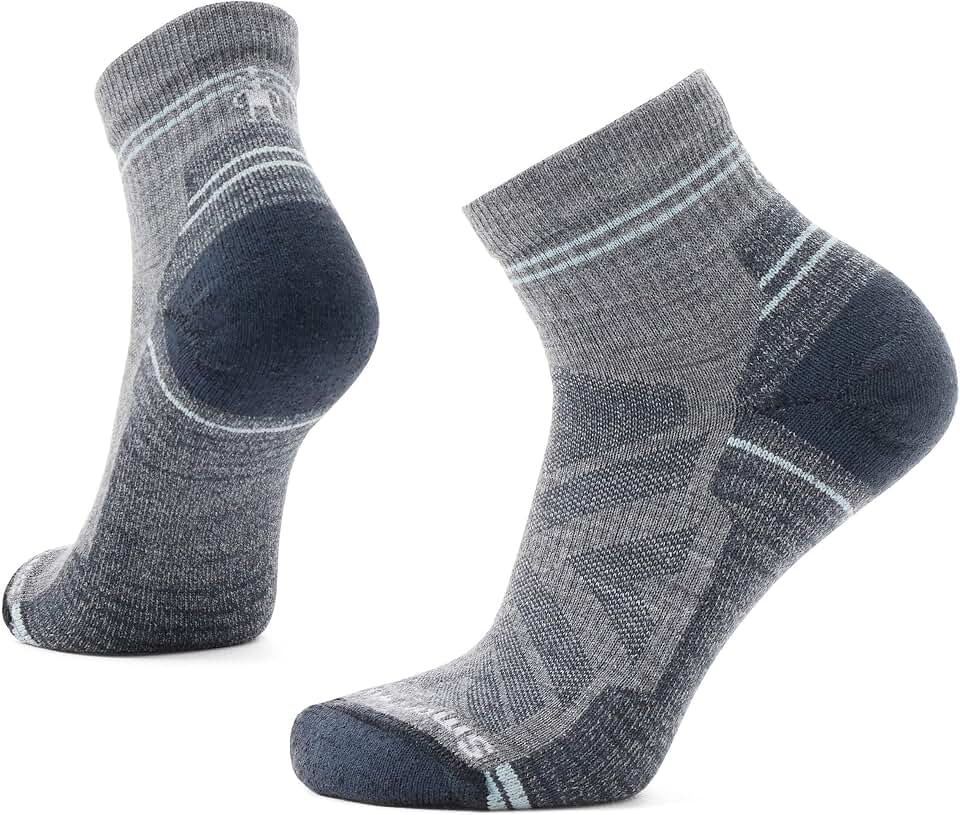
Smartwool has been making quality merino wool socks for decades, and this ankle model hits the sweet spot for hikers who prefer low-cut footwear or hike in warmer conditions. The light cushioning provides just enough padding under the heel and ball of the foot without adding bulk, which keeps your shoes feeling responsive on technical trails. The ankle height sits below the ankle bone, reducing heat buildup in summer while still protecting your heel from rubbing.
The merino wool blend used here includes nylon for durability and a small amount of elastic for fit retention. This combination pulls moisture away from your skin quickly, and the low-profile toe construction minimizes bulk in the toe box. The sock includes a supportive arch brace and a stay-put ankle cuff that prevents sliding without feeling tight. After breaking in over a few wears, these socks conform to your foot shape and maintain their fit wash after wash.
With 878 reviews and a 4.8-star rating, the feedback consistently highlights comfort and breathability. Hikers who run hot or hike in desert and coastal environments appreciate how well these socks manage sweat without feeling clammy. The ankle height makes them ideal for trail runners, approach shoes, or low-cut hiking shoes where a taller sock would bunch up or feel too warm. The light cushioning also makes them versatile enough for everyday wear when you are not on the trail.
The trade-off for the breathable, low-profile design is less protection from debris and less warmth in cold conditions. If you hike in rocky areas where small stones and dirt get into your shoes, or if you are on the trail in spring or fall when temperatures drop, a taller sock with more cushioning would be a better choice. But for summer day hikes and anyone who prefers lightweight footwear, this sock delivers comfort without compromise. Read verified buyer reviews for the Smartwool Women’s Hike Light Cushion Ankle Socks on Amazon.
Pros
- Light cushioning keeps shoes feeling responsive on technical terrain
- Ankle height reduces heat buildup in warm weather
- Low-profile toe construction minimizes bulk
- Supportive arch brace and stay-put cuff maintain fit
- Versatile enough for everyday wear off the trail
Cons
- Less protection from trail debris compared to taller socks
- Light cushioning may not provide enough padding for rocky trails
- Not warm enough for cold-weather hiking
View Smartwool Women’s Hike Light Cushion Ankle Socks on Amazon →
3. DANISH ENDURANCE Merino Wool Hiking Socks for Men & Women
Best for hikers who want proven quality at a reasonable price with strong customer backing

Danish Endurance has earned a massive following with over 41,000 reviews, and this three-pack offers solid performance at a price point that makes trying merino wool less intimidating. The socks have become a popular choice among hikers who want quality materials without paying premium prices for single pairs. The three-pack format means you have backup pairs ready and can rotate through clean socks more easily on longer trips.
The merino wool blend includes reinforced zones at the heel and toe to extend durability in high-wear areas. The cushioning sits at a medium level that works well for both day hikes and longer treks, providing impact absorption without making your boots feel tight. The temperature regulation keeps feet comfortable across varying conditions, and the natural odor resistance means you can wear these socks multiple days in a row on backpacking trips without them becoming unpleasant.
The fit runs true to size for most wearers, with arch support that prevents the sock from sliding around inside your boot. The toe construction reduces bulk where your toes flex most during walking. At this price for a three-pack, you are getting quality merino wool construction without the premium cost of some single-pair options. The trade-off is that these socks may not last quite as long as more expensive alternatives, but the value proposition makes them an excellent entry point into merino wool hiking socks.
With such a large review base, patterns emerge clearly. Hikers consistently report good temperature regulation, comfortable fit, and reasonable durability for the price. Some reviewers note that the socks can develop thin spots after a season or two of heavy use, but at around eight dollars per pair, replacement is affordable. If you are making the switch from cotton or synthetic socks and want to test merino wool without a major investment, this three-pack delivers reliable performance. Check current stock for the DANISH ENDURANCE Merino Wool Hiking Socks for Men & Women on Amazon.
Pros
- Over 41,000 reviews confirm consistent performance
- Three-pack format provides backup pairs at a reasonable total cost
- Medium cushioning works well for most hiking conditions
- Natural odor resistance suits multi-day trips
- Excellent value for entry into merino wool
Cons
- May develop thin spots after heavy use sooner than premium options
- Durability reports vary more than higher-priced alternatives
- Fit may run slightly large for some wearers
View DANISH ENDURANCE Merino Wool Hiking Socks for Men & Women on Amazon →
4. Smartwool Men’s Hike Light Cushion Crew Socks
Best for versatile year-round hiking with mid-height boots or shoes

This crew-height version of Smartwool hiking socks extends several inches above the ankle, making it the right choice for hikers who wear mid-height or tall boots and want extra protection from trail debris. The light cushioning provides targeted padding under the heel and forefoot while keeping the sock breathable enough for three-season use. The crew length also adds a layer of warmth without the bulk of a heavy winter sock, which makes these work well from spring through fall.
The merino wool construction includes body-mapped mesh zones that improve ventilation in areas where your foot tends to sweat most. This attention to airflow prevents the clammy feeling that can develop in fully cushioned socks on warmer days. The supportive arch brace keeps the sock positioned correctly inside your boot throughout long hikes. The ankle cuff stays in place without leaving marks on your leg.
With 1,100 reviews averaging 4.7 stars, the feedback highlights all-day comfort and durability. Hikers who do regular multi-mile treks report that these socks maintain their cushioning and fit over months of use. The crew height proves particularly useful for hikers who encounter brush, loose gravel, or rocky terrain where a shorter sock would allow debris into the boot. The light cushioning also makes these socks suitable for everyday wear in boots or work shoes, extending their value beyond just trail use.
The main consideration is that light cushioning may not provide enough padding for hikers carrying heavy packs or covering very rocky terrain. If you need maximum impact absorption, a medium or heavy cushion sock would be more appropriate. But for most day hiking situations and moderate backpacking trips, this sock strikes a good balance between protection and breathability. Compare the Smartwool Men’s Hike Light Cushion Crew Socks specs and pricing on Amazon.
Pros
- Crew height protects ankles from trail debris and brush
- Body-mapped mesh zones improve breathability on warm days
- Light cushioning works well for three-season hiking
- Versatile enough for everyday boot wear
- Over 1,100 reviews confirm reliable performance
Cons
- Light cushioning may not suit heavy pack carrying or very rocky trails
- Crew height can feel too warm in hot summer conditions
- Higher price than some multi-pack alternatives
View Smartwool Men’s Hike Light Cushion Crew Socks on Amazon →
5. innotree Merino Wool Hiking Socks for Women Quarter Ankle Crew
Best budget option for hikers who want quality merino wool in a five-pack

At four dollars per pair, this five-pack represents the most affordable entry into merino wool hiking socks without sacrificing essential performance features. The quarter-ankle height sits just above the ankle bone, making these compatible with both low-cut shoes and mid-height boots. The cushioned construction includes padding under the heel and ball of the foot, which provides impact absorption on varied terrain. Despite the low price, these socks include genuine merino wool that keeps feet dry and resists odor naturally.
The high rating and over 4,000 reviews indicate strong customer satisfaction at this price point. Hikers consistently report that these socks hold up well to regular use and maintain their shape through multiple wash cycles. The fit runs true to size for most wearers, with enough stretch to accommodate different foot shapes without feeling loose. The reinforced heel and toe areas extend durability in zones that typically wear out first in cheaper socks.
The thermal properties make these socks versatile across seasons. They provide enough warmth for cool morning starts without causing overheating on warmer afternoons. The quarter height also makes them suitable for everyday wear with sneakers or work boots, which extends their usefulness beyond just hiking. At this price for five pairs, you can rotate through clean socks more frequently without worrying about laundry timing on longer trips.
The trade-off for the budget-friendly price is that these socks will not last as many years as premium options. Reviewers note that while the socks perform well initially, they may develop thin spots or lose some cushioning after a season of heavy use. For casual hikers or those building their first hiking kit on a budget, this represents an excellent value. You get genuine merino wool performance at a price comparable to synthetic multi-packs, with enough pairs to keep you in clean socks throughout the week. See if the innotree Merino Wool Hiking Socks for Women Quarter Ankle Crew is right for your first hike on Amazon.
Pros
- Five-pack format at four dollars per pair offers exceptional value
- Over 4,000 reviews confirm reliable performance for the price
- Quarter-ankle height works with various footwear styles
- Genuine merino wool at a budget-friendly cost
- Enough pairs to rotate throughout the week
Cons
- May not last as long as premium single-pair options
- Cushioning may compress faster than higher-priced alternatives
- Some variation in quality between pairs in the pack
View innotree Merino Wool Hiking Socks for Women Quarter Ankle Crew on Amazon →
How These Compare
Choosing the best merino wool hiking socks comes down to matching your priorities with what each option delivers. If durability matters most to you and you want to invest once rather than replace socks every season, the Darn Tough Vermont socks justify their higher price with construction that holds up year after year based on thousands of user reports. Hikers who put serious miles on trails and need gear that can handle rough use will appreciate the bombproof quality.
For warm-weather hiking or anyone who prefers trail runners and low-cut shoes, the Smartwool Ankle Socks provide lightweight comfort without sacrificing temperature regulation. The breathable construction and ankle height reduce heat buildup, which makes them ideal for summer trails and desert environments. They cost less than the Darn Tough option while still delivering the core benefits of merino wool.
If you want to test merino wool at a reasonable price with the security of thousands of positive reviews, the Danish Endurance three-pack offers quality construction at a middle price point. The medium cushioning and crew height make these socks versatile enough to handle most hiking conditions, and the three-pack format means you have backup pairs ready. They represent a smart middle ground between budget and premium options.
Hikers who wear mid-height boots and want extra protection from trail debris should consider the Smartwool Crew Socks. The taller shaft keeps small rocks and dirt out of your boots, and the light cushioning works well for three-season hiking. These cost the same as the Darn Tough option but offer body-mapped mesh zones that improve ventilation on warmer days.
For anyone making the switch from cotton socks on a tight budget, the innotree five-pack delivers genuine merino wool performance at an unbeatable price. You get enough pairs to rotate through the week, and the quality holds up well for recreational hikers who are on the trail a few times per month. They will not last as long as premium options, but at four dollars per pair, replacement is affordable when the time comes. This is the best starting point if you are not ready to invest heavily but want to experience what merino wool offers over cotton or synthetic alternatives.
Frequently Asked Questions
How do I know what size hiking socks to buy?
Hiking sock sizing typically follows your shoe size, with most brands offering small, medium, large, and extra-large ranges that correspond to specific shoe sizes. Check the product listing for the exact shoe size range each sock size covers. A properly fitted hiking sock should feel snug without being tight, with no loose fabric that can bunch up during long walks. Your toes should not feel cramped, and the heel cup should sit comfortably on your heel without sliding around.
If you are between sizes, consider how you prefer your socks to fit. Sizing up gives you a slightly looser fit with more room to wiggle your toes, which some hikers prefer for long downhill sections. Sizing down creates a tighter, more performance-oriented fit that reduces movement inside your boot. Try socks on with your hiking boots or shoes to check the fit, since the combination of footwear and sock determines how comfortable you will be on the trail. If ordering online, read reviews to see if the brand runs large or small compared to standard sizing.
Can I wear merino wool socks in hot weather?
Merino wool works surprisingly well in hot weather because the fiber naturally regulates temperature and moves moisture away from your skin. Unlike cotton, which absorbs sweat and stays wet, merino wool transfers moisture to the outer layer of the sock where it can evaporate. This keeps your feet drier and cooler even when temperatures climb. The fiber also allows air to circulate more effectively than most synthetic materials, which reduces the clammy feeling that develops in hot conditions.
For summer hiking, choose merino wool socks with light cushioning and lower heights like ankle or quarter styles. These provide the temperature management benefits of merino wool without the extra warmth of a heavily cushioned or tall sock. Look for socks that include mesh zones or ventilation panels, which improve airflow in areas where your feet sweat most. Many hikers find that switching to merino wool actually makes their feet more comfortable in hot weather compared to the synthetic or cotton socks they were using before.
How do I wash merino wool hiking socks without damaging them?
Wash merino wool hiking socks in cold or warm water using a gentle cycle and mild detergent. Turn socks inside out before washing to protect the outer fibers from abrasion in the washing machine. Avoid hot water, which can cause the wool to shrink or felt, and skip fabric softener entirely since it coats the fibers and reduces their ability to move moisture away from your skin. A wool-specific detergent works well, but regular mild detergent is fine if you avoid anything with harsh chemicals or bleach.
You can machine dry merino wool socks on low heat, but air drying extends their lifespan significantly. Hang them or lay them flat rather than wringing them out, which can stretch the fibers and damage the elastic. Most merino wool socks will last several years with proper care, maintaining their cushioning and fit through hundreds of washes. Washing socks after every hike or every few wears keeps them fresh and performing well, even though merino wool naturally resists odor better than other materials.
Are expensive merino wool socks worth it compared to cheaper options?
Expensive merino wool socks typically use higher-quality wool, better construction methods, and more durable reinforcements compared to budget options. Premium brands like Darn Tough and Smartwool source finer merino wool fibers that feel softer against your skin and resist pilling longer. The construction includes reinforced heels and toes, specialized designs that minimize bulk, and elastic that maintains its hold through years of use. Many premium socks also benefit from extensive user testing and refinement over multiple generations of the product.
Whether the higher cost is worth it depends on how often you hike and what you expect from your gear. If you are on the trail multiple times per week or doing long-distance backpacking trips, premium socks will outlast cheaper alternatives by years and provide better comfort throughout their lifespan. For casual hikers who are on the trail a few times per season, mid-range or budget merino wool socks deliver most of the performance benefits at a fraction of the cost. The key is getting genuine merino wool rather than a mostly synthetic blend marketed as wool, since the fiber content determines temperature regulation and odor resistance more than the brand name.
Do I need different socks for different types of hiking?
Different hiking conditions and footwear styles work better with specific sock features, but most hikers can get by with one or two versatile pairs. For day hiking in moderate temperatures with low-cut shoes or trail runners, lightweight socks with ankle or quarter height provide good temperature management without extra bulk. If you wear mid-height or tall boots, crew-length socks protect your ankles from the boot collar and keep trail debris out. Cold-weather hiking calls for heavier cushioning and taller socks that provide extra insulation.
Cushioning level also matters based on terrain and pack weight. Light cushion socks work well for maintained trails and day hikes with minimal gear. Medium cushion provides more impact absorption for rocky terrain or when carrying a heavier pack. Heavy cushion suits winter hiking, mountaineering, or anyone who needs maximum padding underfoot. Rather than buying different socks for every situation, start with a medium cushion crew sock that handles most conditions, then add specialized options if you find yourself hiking in extreme heat, cold, or very technical terrain regularly.
The Bottom Line
The best merino wool hiking socks keep your feet dry, comfortable, and healthy across a range of conditions, and the performance difference from cotton or synthetic alternatives is immediately noticeable once you make the switch. If you are investing in your first pair and want something that will last for years, the Darn Tough Vermont socks with their proven track record of durability represent the best long-term value. For warm-weather hikers or anyone who prefers lightweight footwear, the Smartwool Ankle Socks deliver excellent breathability without sacrificing temperature regulation.
Budget-conscious hikers should start with the Danish Endurance three-pack, which provides quality merino wool at a reasonable price with over 41,000 reviews backing its performance, or the innotree five-pack if cost is the primary concern. Both options give you genuine merino wool performance at price points that make trying this material less intimidating. If you wear mid-height boots and want extra protection from trail debris, the Smartwool Crew Socks add coverage without too much warmth for three-season use.
The higher cost of merino wool socks reflects better materials, superior construction, and performance that lasts for years rather than a single season. When you factor in durability, comfort on the trail, and how much better your feet feel at the end of a long hike, the investment pays off quickly. Start with one quality pair to experience the difference, then build your collection based on which features matter most for the trails you hike regularly.
Disclosure: As an Amazon Associate, we earn from qualifying purchases. This does not affect our editorial recommendations.