
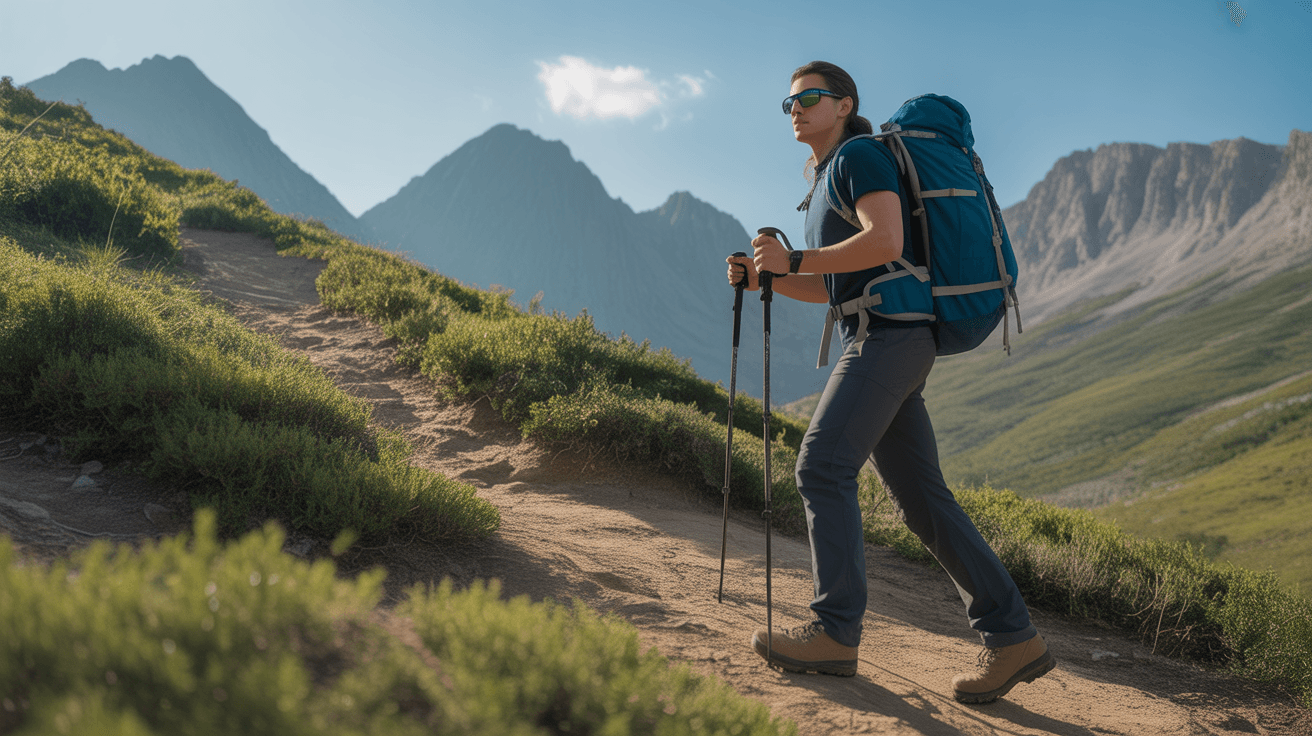
Squinting your way through a sunny trail day is miserable. Your eyes water, you develop a headache by mile two, and you miss half the scenery you came out to see. If you have tried wearing regular sunglasses on the trail, you already know they slip down your nose when you sweat, bounce around when you pick up pace, and fog up the moment you stop moving.
The best sunglasses for hiking are built differently than everyday shades. They need to stay in place when you are climbing uphill, cut glare when you are facing the sun, and survive being shoved into a pack without shattering. This guide walks you through what actually matters when choosing trail sunglasses and reviews options that work across different budgets and terrain types.
What to Look For
UV Protection Standards You Can Trust
UV400 protection is the baseline standard for hiking sunglasses. This rating means the lenses block 100 percent of UVA and UVB rays up to 400 nanometers. Higher elevation hikes expose you to stronger UV radiation, making proper eye protection essential. Look for sunglasses that explicitly state UV400 or 100 percent UV protection in the product specifications. Marketing terms like “blocks harmful rays” without a specific rating are not sufficient.
Polarized Lenses for Glare Reduction
Polarized lenses cut glare from reflective surfaces like water, snow, and wet rocks. This is not just about comfort. Glare reduction helps you see trail hazards more clearly and reduces eye strain during long hiking days. The trade-off is that polarized lenses can make it harder to read phone screens or see ice patches on trails. For most hikers, the glare reduction benefit outweighs these minor limitations. If you frequently hike near water or in bright alpine environments, polarized lenses are worth prioritizing.
Frame Fit and Grip Features
Sunglasses that slide down your nose every ten minutes are useless on the trail. Look for frames with rubberized nose pads and temple grips that increase friction when you sweat. Wraparound designs provide better side coverage and typically stay in place better than flat frames. The frame should sit snugly without pinching. If you wear a hat while hiking, test how the sunglasses fit underneath the brim. Some frames with thick temples create pressure points under hat brims.
Weight and Durability Balance
Lightweight frames reduce pressure on your nose and ears during all-day wear. Many hiking sunglasses use TR90 or similar flexible materials that bend without breaking when accidentally sat on or dropped. Heavier frames with metal components are more durable but can become uncomfortable after several hours. If you are rough on gear or frequently stuff sunglasses into pack pockets, prioritize impact-resistant frames over the absolute lightest option.
Lens Color and Light Conditions
Gray or smoke-colored lenses provide true color perception and work well in bright, sunny conditions. Brown or amber lenses enhance contrast, making them better for variable light or heavily shaded trails. Mirrored coatings reflect additional light and are helpful in very bright environments like snow-covered terrain or desert hikes. No single lens color is perfect for all situations. If you hike in varied conditions, choose a neutral gray or brown lens that performs reasonably well across different light levels.
Venting and Fog Prevention
Fogging happens when warm, moist air from your face meets cooler lens surfaces. Some hiking sunglasses include vented frames that allow airflow behind the lenses. This feature is particularly useful if you hike in humid climates or tend to generate a lot of body heat. Wraparound designs without venting are more prone to fogging. If you stop frequently to catch your breath on steep climbs, ventilation or anti-fog coatings help maintain clear vision during these rest breaks.
Our Top Picks
1. Lamicall 24g Polarized Sports Sunglasses
Best for hikers who want lightweight all-day comfort without compromising durability

These sunglasses weigh just 24 grams, which is light enough that you forget you are wearing them after the first mile. The polarized lenses provide UV400 protection and cut glare effectively on bright trail days without distorting colors. The frame is made from recycled materials that meet Global Recycled Standard certification, which matters if sustainability is part of your outdoor ethic.
The wraparound design stays secure during moderate-pace hiking and does not bounce around when you pick up speed on downhill sections. The rubberized nose pads grip well even when you are sweating, though they can leave slight pressure marks after several hours of continuous wear. The temples are flexible enough to fit comfortably under most hat brims without creating pressure points.
One limitation is that these do not include a hard case, just a soft pouch. If you tend to toss gear loosely into your pack, you will want to add a protective case. The lenses are impact-resistant but not indestructible. Several reviewers mention the sunglasses survived drops onto dirt trails without damage, but concrete drops resulted in scratches.
The climate pledge friendly certification and Amazon Choice designation reflect consistent positive feedback from users who have worn these on actual hikes. The combination of minimal weight, secure fit, and effective glare reduction makes these a solid choice for day hikers who prioritize comfort during long trail days.
See current pricing for the Lamicall 24g Polarized Sports Sunglasses on Amazon.
Pros
- Extremely lightweight at 24 grams reduces fatigue during all-day wear
- Polarized UV400 lenses effectively cut glare without color distortion
- Flexible frame material withstands moderate impacts and bending
- Climate pledge friendly and Global Recycled Standard certified
Cons
- Included soft pouch provides minimal protection compared to hard cases
- Rubberized nose pads can leave pressure marks after extended wear
2. goodr Polarized Sunglasses OG
Best for hikers who need no-slip, no-bounce performance during active trail movement
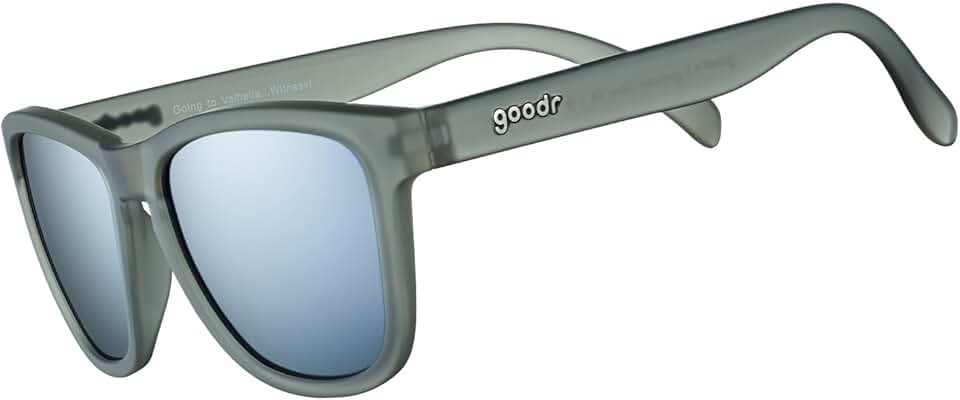
The goodr OG line is specifically designed for active movement, and it shows. These sunglasses stay locked in place during steep climbs, fast descents, and head-turning moments when you spot wildlife off-trail. The no-slip silicone nose pads and temple grips work as advertised, maintaining position even during heavy sweating. This is the kind of security that lets you focus on the trail instead of constantly adjusting your eyewear.
The polarized lenses provide UV400 protection and perform well in bright conditions without being so dark that you lose depth perception in shaded forest sections. The medium frame size fits most face shapes comfortably, though people with particularly narrow or wide faces may find the fit less ideal. The frames are durable enough to survive being stuffed into pack side pockets, though they do not include a case.
With over 10,000 reviews and a 4.7-star rating, these have been tested by a large community of active users. The consistent feedback about the no-bounce performance is notable. Several hikers mention wearing these on multi-hour trail runs without needing adjustments. The trade-off for this secure fit is that the frames sit tighter than casual sunglasses, which some people find less comfortable during very long wear sessions.
The higher price compared to budget options reflects the specialized design for active use. If you have been frustrated by sunglasses that constantly slide or bounce during hiking, the goodr OGs solve that specific problem effectively. They are not the cheapest option, but the performance justifies the cost for hikers who prioritize secure fit during movement.
Read verified buyer reviews for the goodr Polarized Sunglasses OG on Amazon.
Pros
- No-slip grip system keeps sunglasses secure during active hiking
- Over 10,000 reviews provide extensive real-world performance data
- Polarized UV400 lenses work well across varied lighting conditions
- Durable frame construction survives rough pack storage
Cons
- Tighter fit may feel less comfortable during very long wear sessions
- Medium size may not fit narrow or particularly wide face shapes ideally
3. Tifosi Swank Sport Sunglasses
Best for hikers who want versatile sunglasses that transition from trail to everyday use

The Tifosi Swank design bridges the gap between technical hiking performance and casual wearability. These do not look overly sporty, which makes them practical for wearing to the trailhead, on the hike, and afterwards without feeling like you are still in full outdoor gear mode. The lenses provide solid UV protection and the polarized options reduce glare effectively on bright trail days.
The lightweight frame design includes hydrophilic rubber temple ends that increase grip as you sweat, a feature borrowed from performance cycling glasses. This keeps them stable during moderate hiking without the aggressive wraparound look of pure sport designs. The frames are made from Grilamid TR-90, a flexible nylon material that bends without snapping when accidentally stressed.
One standout feature is the lifetime warranty against manufacturer defects, which is unusual in this price range. The climate pledge friendly certification reflects Tifosi’s use of recycled materials in packaging and manufacturing processes. With over 3,600 reviews averaging 4.6 stars, these have proven reliable across diverse hiking conditions and face shapes.
The main limitation is that the more casual styling means less side coverage than full wraparound sport designs. This allows more peripheral light and wind to reach your eyes, which can be noticeable on exposed ridgeline hikes. For wooded trails and moderate conditions, the coverage is sufficient. The versatility of looking appropriate both on and off the trail makes these practical for hikers who want one pair of sunglasses to handle multiple situations.
Check current stock for the Tifosi Swank Sport Sunglasses on Amazon.
Pros
- Design works for both hiking and everyday wear without looking overly technical
- Hydrophilic rubber grips increase hold during sweaty conditions
- Lifetime warranty against defects provides long-term value
- Climate pledge friendly materials and processes
Cons
- Less side coverage than full wraparound sport designs
- Allows more peripheral light in exposed or windy conditions
4. suoso Sports Polarized Sunglasses
Best for budget-conscious hikers who need reliable performance without premium pricing

These sunglasses deliver core hiking functionality at a price point that makes them accessible for hikers just building their gear collection. The wraparound design provides good side coverage, blocking peripheral light and wind more effectively than flat frames. The TR90 frame material is lightweight and flexible, surviving the kind of casual abuse that comes with stuffing sunglasses into pack pockets between hikes.
The polarized lenses provide UV400 protection and handle glare reduction well in bright conditions. The clarity is good, though not quite as crisp as more expensive optics. For most hiking situations, the difference is not noticeable unless you are comparing them side-by-side with premium lenses. The climate pledge friendly certification indicates attention to sustainable manufacturing practices even at this budget level.
The nose pads and temple grips work adequately for moderate hiking, though they do not grip quite as aggressively as the goodr or higher-end options. You may need to adjust them occasionally during very sweaty climbs or fast-paced hiking. Nearly 3,000 reviews averaging 4.6 stars suggest consistent performance across different users and conditions.
The main trade-off at this price is durability. These will handle normal hiking use fine, but they are not built to survive multiple seasons of hard outdoor use the way more expensive frames are. If you are looking for your first pair of hiking sunglasses or want a backup pair to leave in your car, these provide solid value. The combination of wraparound coverage, polarized lenses, and secure-enough fit makes these a practical choice for budget-focused hikers.
Compare the suoso Sports Polarized Sunglasses specs and pricing on Amazon.
Pros
- Affordable price makes these accessible for gear budget constraints
- Wraparound design provides better coverage than flat frame styles
- TR90 frame material offers good flexibility and light weight
- Climate pledge friendly manufacturing practices at budget price point
Cons
- Grip system not as secure as premium options during heavy sweating
- Durability adequate for normal use but not built for multiple hard seasons
5. Julbo Camino Glacier Sunglasses
Best for high-altitude and snow hiking where maximum sun protection is critical

The Julbo Camino is purpose-built for intense sun exposure situations like alpine hiking, snow trekking, and glacier travel. The removable side shields block reflected light and wind from reaching your eyes through the frame edges, a feature most standard hiking sunglasses lack. This makes a noticeable difference when hiking on snow or in high-altitude environments where UV exposure is significantly stronger than at lower elevations.
The lenses provide 100 percent UV protection with a category 4 darkness rating, which is darker than typical trail sunglasses. This level of protection is necessary for glacier and snow environments but can feel too dark for wooded trails or overcast conditions. The side shields are removable, letting you adapt the sunglasses to different environments. With shields off, these function as standard high-performance hiking sunglasses.
The frame construction is built for durability in harsh conditions. These are heavier than ultralight options, but the added weight comes with impact resistance that matters when you are hiking in environments where losing or breaking your sunglasses could create a safety issue. The fit is secure without excessive pressure, and the nose pads distribute weight well during all-day wear.
With just over 500 reviews, the feedback base is smaller than the other options in this guide, but the 4.5-star average from users who actually hike in alpine and snow conditions is meaningful. The higher price reflects specialized design for specific conditions. If your hiking regularly takes you above treeline, onto snow, or into high-altitude environments, the Julbo Camino provides protection that standard trail sunglasses cannot match. For typical forest or moderate elevation hiking, these offer more protection than most people need. The removable side shields add versatility, but this is ultimately a specialized tool for hikers who face intense sun exposure conditions.
See if the Julbo Camino Glacier Sunglasses is right for your first hike on Amazon.
Pros
- Removable side shields provide maximum protection in high-altitude and snow conditions
- Category 4 lens darkness handles intense sun exposure effectively
- Durable construction built for harsh alpine environments
- 100 percent UV protection appropriate for glacier and high-altitude hiking
Cons
- Higher price reflects specialized design for specific conditions
- Lens darkness may be excessive for wooded trails or moderate conditions
How These Compare
Choosing among these options depends on your specific hiking conditions and priorities. If lightweight comfort during all-day hiking matters most, the Lamicall sunglasses at 24 grams provide the least fatigue while maintaining secure fit and effective glare reduction. The recycled materials and climate certifications add value if sustainability factors into your gear choices.
For hikers frustrated by sunglasses that constantly slip or bounce, the goodr OGs solve that specific problem with their no-slip grip system. The extensive review base of over 10,000 users provides confidence that the performance holds up across different face shapes and hiking styles. The slightly higher price reflects the specialized design for active movement.
The Tifosi Swank offers the most versatility if you want sunglasses that work both on the trail and in everyday situations. The less aggressive styling and good optical quality make these practical for wearing beyond hiking, while the lifetime warranty provides long-term value. The trade-off is less side coverage than full wraparound designs.
Budget-conscious hikers should consider the suoso Sports sunglasses, which deliver core functionality at an accessible price. While they do not match the grip security or long-term durability of premium options, they provide adequate performance for occasional hikers or those building their first gear collection. The wraparound coverage and polarized lenses handle typical trail conditions well.
The Julbo Camino is a specialized tool for specific conditions rather than a general hiking option. If your trails regularly involve snow, glaciers, or high-altitude exposure where sun intensity is severe, the removable side shields and category 4 lens darkness provide protection that standard sunglasses cannot match. For typical forest hiking or moderate elevations, this level of protection is unnecessary and the darker lenses can actually reduce visibility.
Frequently Asked Questions
Do I really need polarized lenses for hiking?
Polarized lenses are not strictly necessary for all hiking, but they provide noticeable benefits in specific situations. The primary advantage is glare reduction from reflective surfaces like water, wet rocks, and snow. This helps you see trail hazards more clearly and reduces eye strain during long sunny days. The difference is most obvious when hiking near lakes or streams, crossing snowfields, or on trails with wet sections after rain.
The main limitation of polarized lenses is that they can make it harder to see ice patches on trails and can interfere with reading phone screens. For most hikers, these minor drawbacks are outweighed by the comfort and safety benefits of reduced glare. If you primarily hike in heavily shaded forests where direct sun and reflections are minimal, non-polarized lenses with good UV protection work fine. If you regularly hike in bright, open terrain or near water, polarized lenses are worth the investment.
How do I keep sunglasses from fogging up on the trail?
Fogging happens when warm, moist air from your face meets cooler lens surfaces, creating condensation. The most effective prevention is choosing sunglasses with ventilation features that allow airflow behind the lenses. Some designs include small vents in the frame or use less wraparound construction that naturally allows more air circulation.
Practical strategies while hiking include removing your sunglasses for a moment when you stop to let temperature equalize, wearing them slightly lower on your nose to increase airflow, and avoiding tucking them under a hat brim where trapped heat accelerates fogging. Anti-fog wipes or sprays provide temporary help but wear off and need reapplication. If you hike in humid climates or generate a lot of body heat during climbs, prioritize sunglasses with built-in ventilation rather than relying on treatments. Wraparound designs without venting are most prone to fogging, especially during steep climbs when you are breathing heavily.
What is UV400 protection and why does it matter for hiking?
UV400 protection means the lenses block 100 percent of ultraviolet light up to 400 nanometers wavelength. This covers both UVA and UVB rays, which are the types of ultraviolet radiation that damage eyes and contribute to cataracts and other vision problems over time. The number 400 refers to the wavelength cutoff in nanometers.
This matters particularly for hiking because UV exposure increases with elevation. For every 1,000 feet you climb, UV intensity increases by about 10 percent. If you are hiking at 8,000 feet elevation, you are exposed to roughly 80 percent more UV radiation than at sea level. Snow and water also reflect UV rays, creating additional exposure from below. Regular sunglasses without UV protection actually make the problem worse because darkened lenses cause your pupils to dilate, allowing more harmful rays to reach your eyes. Always verify that hiking sunglasses explicitly state UV400 or 100 percent UV protection rather than vague marketing terms about sun protection.
Can I wear my regular sunglasses for hiking?
You can wear regular sunglasses for hiking, but you will likely run into practical problems that hiking-specific designs solve. The main issues are fit security and durability. Regular sunglasses are not designed to stay in place during active movement and sweating. They will slide down your nose, bounce around, and require constant adjustment. This becomes annoying quickly and can be a safety issue when you need both hands for scrambling or using trekking poles.
Regular sunglasses also typically lack the wraparound coverage that blocks peripheral light and wind. On exposed ridges or bright open terrain, this means more squinting and eye strain. The frames are often less durable and more likely to break when stuffed into pack pockets or dropped on rocks. If you only hike occasionally on easy, shaded trails, regular sunglasses work adequately. For regular hiking, especially in varied terrain or bright conditions, dedicated hiking sunglasses provide enough practical advantages to justify the investment. The difference in comfort and functionality becomes obvious after a few miles on sunny trails.
The Bottom Line
The best sunglasses for hiking need to stay secure during movement, reduce glare in bright conditions, and survive the casual abuse of trail use. If you are just starting to build your hiking gear and want lightweight comfort for all-day wear, the Lamicall sunglasses provide excellent value with their 24-gram weight and effective polarized lenses. Hikers frustrated by sunglasses that constantly slip should invest in the goodr OGs, which solve that specific problem with their proven no-slip grip system.
For versatility between trail and everyday use, the Tifosi Swank design works well in multiple situations without looking overly technical. Budget-conscious hikers can get solid performance from the suoso Sports sunglasses, which deliver core functionality at an accessible price point. If your hiking regularly involves snow, glaciers, or high-altitude terrain where sun intensity is severe, the Julbo Camino provides specialized protection with removable side shields.
Start by identifying your most common hiking conditions and the specific problems you have experienced with previous sunglasses. Match those needs to the products reviewed here rather than choosing based solely on price or appearance. Proper eye protection makes hiking more comfortable and safer, especially as you spend more time on sunny trails. The investment in hiking-specific sunglasses pays off quickly in reduced squinting, less eye fatigue, and not having to constantly adjust your eyewear while trying to enjoy the trail.
Disclosure: As an Amazon Associate, we earn from qualifying purchases. This does not affect our editorial recommendations.