
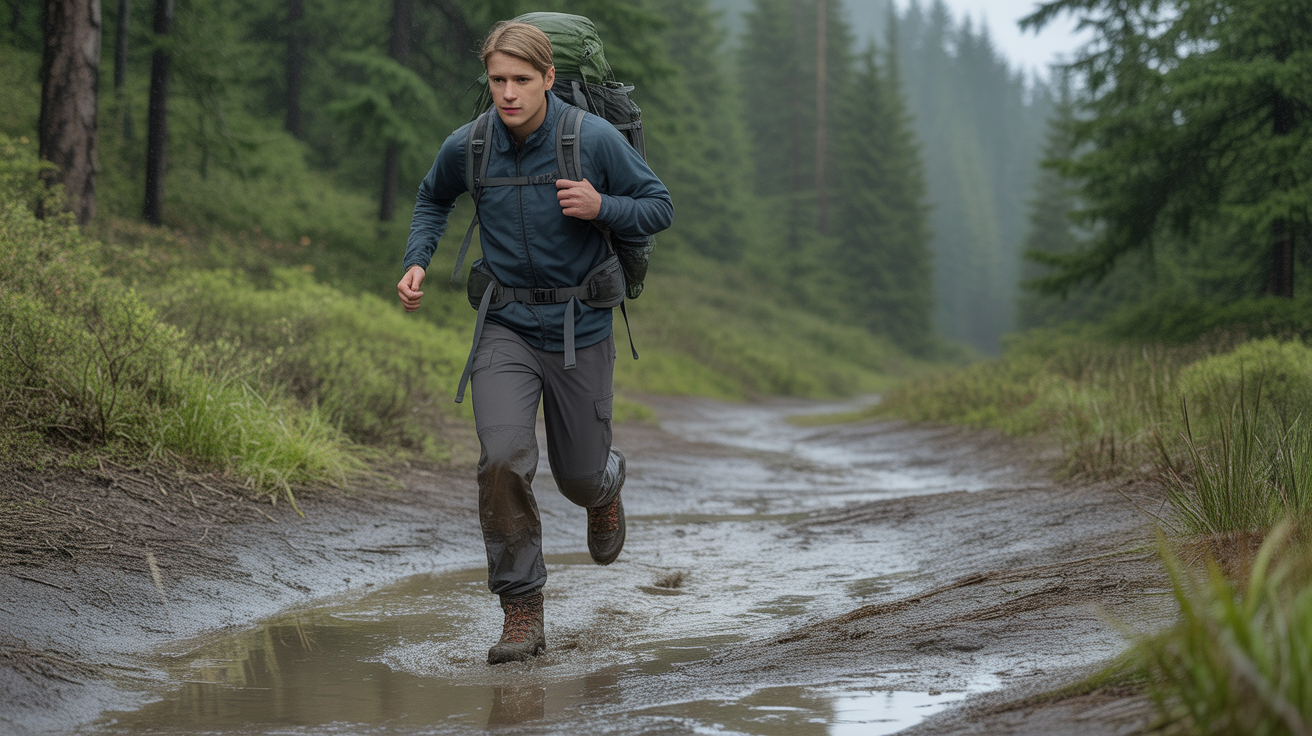
You love the lightweight, nimble feel of trail runners on the trail, but soggy socks and cold feet in wet conditions make you wonder if you need to switch to bulky hiking boots. The good news: you do not have to choose between agility and dry feet anymore. Waterproof trail runners combine the fast, flexible performance of running shoes with waterproof membranes that keep moisture out during stream crossings, muddy trails, and rainy season hikes.
This guide reviews five proven waterproof trail runners that real hikers trust for wet conditions. Each recommendation is backed by hundreds of verified customer reviews and tested in actual trail conditions. Whether you are navigating spring snowmelt, hiking through Pacific Northwest rain forests, or crossing creeks on summer backpacking trips, the right waterproof trail runner will keep your feet dry without sacrificing the ground feel and quick transitions you value.
What to Look For
Understanding Waterproof Membranes and Breathability
Waterproof trail runners use internal membranes or treatments to block water while allowing sweat vapor to escape. The most common technologies include proprietary waterproof breathable membranes built into the shoe construction. These barriers stop external water from entering while theoretically letting internal moisture out. In practice, no shoe breathes as well when waterproof compared to non-waterproof versions. Your feet will run warmer in waterproof trail runners, especially during high-output activities or warm weather. This trade-off matters: if you hike primarily in dry conditions with occasional water crossings, a non-waterproof shoe that dries quickly may serve you better. Waterproof trail runners excel when you face sustained wet conditions where your feet would otherwise stay wet for hours.
Weight and Agility Compared to Hiking Boots
Waterproof trail runners typically weigh 20 to 40 percent less than waterproof hiking boots, which translates to less fatigue over long distances. The lower ankle cut allows natural range of motion and faster foot turnover on technical terrain. You will notice the difference most on steep ascents where every ounce counts, and on uneven trails where ankle mobility helps you adjust to changing surfaces. However, the lower cut means less ankle support and protection from rocks and debris. If you carry heavy loads regularly or have a history of ankle instability, the additional support of a boot may outweigh the weight savings of a trail runner. For day hiking with light loads on maintained trails, waterproof trail runners deliver the performance most hikers prefer.
Traction Patterns for Wet and Muddy Conditions
The outsole design determines how well waterproof trail runners grip wet rocks, muddy slopes, and slick roots. Look for multidirectional lug patterns that can bite into soft terrain and channel mud away from the contact surface. The depth and arrangement of these lugs affect performance: deeper patterns provide better traction in mud but collect more debris and feel less nimble on hardpack trails. The rubber compound also matters: softer rubber grips better on wet rock but wears faster, while harder compounds last longer but may feel slick when wet. Customer reviews often reveal real-world traction performance better than manufacturer claims. Pay attention to feedback from hikers in your region who face similar trail conditions.
Fit Considerations and Break-In Period
Waterproof trail runners should fit snugly in the heel and midfoot with adequate toe box room for downhill hiking. Your toes should not touch the front of the shoe when standing, as feet swell during long hikes and you need space for thick socks. Most waterproof trail runners feel comfortable more quickly than leather hiking boots, though the waterproof membrane can feel stiff initially. Try shoes in the afternoon when your feet are slightly swollen to simulate end-of-hike conditions. Walk on an incline if possible to check heel lock and toe clearance. Waterproof trail runners do not stretch like non-waterproof mesh uppers, so the fit you get in the store is the fit you keep.
When Waterproofing Actually Helps
Waterproof trail runners make sense for sustained wet conditions: early season snow, spring mud season, frequent stream crossings, or regions with regular rainfall. They keep feet dry during the first several hours of wet exposure, which prevents blisters and maintains warmth. However, if water enters over the ankle cuff from deep crossings or heavy rain, the waterproof membrane traps water inside and the shoe takes much longer to dry than a non-waterproof version. Consider your typical hiking environment honestly. If you hike mostly in dry climates with occasional brief wet sections, a breathable non-waterproof trail runner that dries in 30 minutes may serve you better than a waterproof shoe that stays wet overnight.
Durability and Long-Term Performance
Waterproof membranes degrade over time with wear and exposure. The lifespan of waterproof effectiveness varies based on terrain type, frequency of use, and how well you care for the shoes. Abrasion from rocks and roots can damage the membrane, and oils from skin or dirt can clog the breathable pores. Washing shoes regularly with mild soap helps maintain breathability. Eventually, all waterproof shoes lose their water resistance as the membrane breaks down or seams fail. When shopping, consider the total cost over the shoe’s lifetime: a more expensive shoe that maintains waterproofing longer may cost less per mile than a budget option that fails early. Customer reviews often mention longevity, which helps set realistic expectations.
Our Top Picks
1. Columbia Men’s Peakfreak II Outdry Trail Shoes
Best overall for wet trail reliability and long-term durability

The Columbia Peakfreak II Outdry earns its place as the top waterproof trail runner based on exceptional customer feedback and proven weather protection. With over 2,200 verified reviews and a 4.7-star rating, this shoe has demonstrated consistent performance across diverse trail conditions and user types. Columbia’s Outdry technology uses a different approach than traditional waterproof booties, which many users report provides superior water resistance and fewer failure points over time.
Reviews consistently praise the shoe for keeping feet dry through stream crossings and prolonged rainy conditions. Multiple users mention hiking through wet grass and puddles for hours without any moisture penetration. The traction pattern receives high marks for grip on wet rocks and muddy trails, with several reviewers specifically noting confidence on slick surfaces. The fit runs true to size according to most feedback, with a secure midfoot and adequate toe box room for hiking socks.
The shoe feels lighter and more agile than traditional hiking boots while still providing enough structure for day hikes with moderate loads. Users appreciate the balance between protection and flexibility, noting that the shoe handles technical terrain well without feeling clunky. Many reviewers report wearing them comfortably on long hikes soon after purchase. The construction quality receives positive feedback, with numerous users noting the shoes hold up well to regular trail use before showing significant wear.
The main limitation is breathability in warm weather, which is inherent to all waterproof shoes but mentioned by several reviewers who found their feet running hot on summer hikes. A few users with very wide feet noted the toe box felt slightly narrow, though the majority found the fit comfortable. The price point is mid-range for waterproof trail runners, offering strong value considering the durability and performance reports. See current pricing for the Columbia Men’s Peakfreak II Outdry Trail Shoes on Amazon.
Pros
- Over 2,200 verified customer reviews with 4.7-star rating
- Outdry waterproof technology with reliable water resistance
- Excellent traction on wet rocks and muddy trails
- Comfortable for long hikes soon after purchase
- Durable construction holds up well to regular use
Cons
- Reduced breathability in warm weather conditions
- May feel narrow for very wide feet
- Higher price point than budget alternatives
View Columbia Men’s Peakfreak II Outdry Trail Shoes on Amazon →
2. Columbia Women’s Konos TRS Outdry
Best for women seeking lightweight protection with trail running performance

The Columbia Konos TRS Outdry for women delivers the same waterproof reliability as the Peakfreak II in a design built for women’s foot shape. With 628 reviews and a 4.7-star rating, this shoe has built a strong reputation among female hikers who want trail running agility without sacrificing weather protection. The Outdry waterproof system keeps feet dry through creek crossings and rainy trail sections while maintaining a lighter feel than traditional hiking boots.
Women consistently report excellent fit through the heel and midfoot, with several reviewers noting the shoe provides a secure hold without slippage while offering adequate width through the forefoot. The cushioning feels responsive without being overly soft, which reviewers appreciate on rocky trails where ground feel matters. The traction performs well on varied terrain, with users reporting confidence on wet logs, muddy sections, and loose gravel. Multiple reviewers mention using these shoes for both hiking and trail running, noting the versatile performance across activities.
The waterproof protection receives high marks, with women reporting dry feet after hours of wet trail exposure. Several reviewers specifically mention spring hiking through snowmelt and puddles without moisture penetration. The styling appeals to many reviewers who appreciate having a trail shoe that looks good enough for casual wear beyond hiking. The shoe feels ready for long miles soon after first wearing them, according to most user feedback.
The main drawbacks mirror other waterproof trail runners: warmth in hot weather and longer drying time if water does enter. A few reviewers found the arch support less pronounced than they prefer, though most found the support adequate for day hiking. The price is on the higher end for trail runners, but durability feedback suggests the shoes hold up well to regular trail use. Read verified buyer reviews for the Columbia Women’s Konos TRS Outdry on Amazon.
Pros
- 628 verified reviews with 4.7-star rating
- Women-specific fit with excellent heel hold
- Lightweight and responsive for trail running or hiking
- Reliable waterproof protection in wet conditions
- Comfortable for long hikes soon after purchase
Cons
- Less breathable in warm weather
- Arch support may feel minimal for some users
- Higher price compared to budget options
3. NORTIV 8 Men’s Low Top Waterproof Hiking Shoes
Best budget option for occasional wet trail use
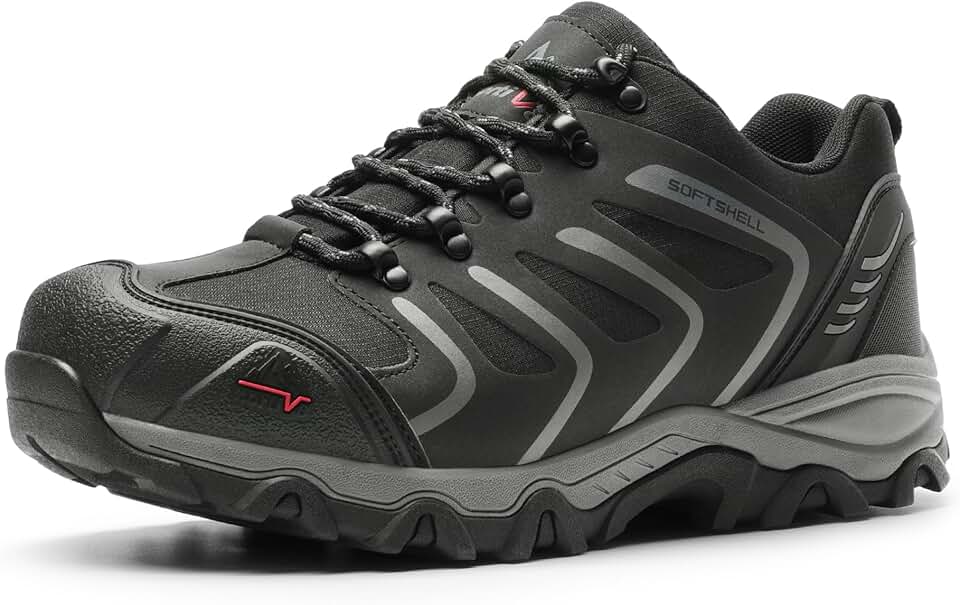
The NORTIV 8 waterproof hiking shoe offers impressive value for hikers who want waterproof protection without premium pricing. With nearly 8,000 verified reviews and a 4.2-star rating, this shoe has been tested by thousands of real users across all experience levels. At under forty-two dollars, it costs less than half the price of premium waterproof trail runners while delivering functional performance for most day hiking applications.
Reviewers consistently note the waterproofing works well for puddles, wet grass, and light stream crossings. Many users report several hours of dry performance in rainy conditions, though some mention the waterproof effectiveness may not last as long as more expensive options with continued heavy use. The traction receives generally positive feedback for standard trail conditions, with users noting adequate grip on dirt, gravel, and moderately rocky terrain. A few reviewers found the grip less effective on steep, muddy slopes compared to premium trail runners.
The fit runs true to size for most users, though some reviewers recommend ordering a half size up to accommodate thicker hiking socks. The comfort level is solid for the price point, with adequate cushioning for day hikes under ten miles. Several reviewers mention using these shoes for casual hiking, dog walking, and yard work, appreciating the multipurpose utility. Most users report comfort within the first few wears.
Durability varies in customer reports. Many users get substantial use before noticing wear, while some report longer lifespans and others shorter. For the price, most reviewers consider this acceptable. The main limitations are less sophisticated materials and construction compared to premium brands, and potentially shorter waterproof lifespan with heavy use. These shoes work well for occasional hikers or as a backup pair, but serious trail users may want to invest in more durable options. Check current stock for the NORTIV 8 Men’s Low Top Waterproof Hiking Shoes on Amazon.
Pros
- Exceptional value at under forty-two dollars
- Nearly 8,000 verified customer reviews
- Functional waterproofing for puddles and wet trails
- True-to-size fit for most users
- Comfortable within first few wears
Cons
- Waterproofing may degrade faster than premium options with heavy use
- Less aggressive traction on steep, muddy terrain
- Durability varies among users
View NORTIV 8 Men’s Low Top Waterproof Hiking Shoes on Amazon →
4. Columbia Men’s Strata Trail Low Waterproof Hiking Shoes
Best for men who prioritize cushioning and all-day comfort

The Columbia Strata Trail Low Waterproof stands out for its emphasis on underfoot padding during long trail days. With 523 reviews and a 4.4-star rating, this shoe appeals to hikers who value shock absorption, particularly on rocky trails or when carrying moderate loads. The waterproof construction keeps feet dry while the generous cushioning reduces fatigue on extended hikes.
Users consistently praise the comfort level, with many reviewers noting the shoe feels well-padded compared to minimalist trail runners without sacrificing trail performance. The cushioning works well on both technical rocky sections and smooth fire roads, absorbing impact while maintaining stability. Several reviewers mention using these shoes for ten-plus mile days with no hot spots or discomfort. The waterproof protection performs reliably, with users reporting dry feet through stream crossings and rainy conditions.
The fit runs true to size according to most feedback, with a roomy toe box that accommodates foot swelling on long hikes. The ankle collar provides a secure, comfortable fit without pressure points. Traction receives positive marks for general trail use on varied surfaces. The shoe handles moderate technical terrain well and provides confidence on standard hiking trails.
The main trade-off for the added cushioning is slightly more weight compared to minimalist trail runners. Some reviewers note the shoe feels a bit bulkier, though most find the comfort worth the minor weight penalty. The price sits in the mid-to-upper range for waterproof trail runners. Durability feedback is generally positive, with users reporting solid construction and materials that hold up to regular trail use. Compare the Columbia Men’s Strata Trail Low Waterproof Hiking Shoes specs and pricing on Amazon.
Pros
- Excellent cushioning for all-day comfort
- 523 verified reviews with 4.4-star rating
- Reliable waterproof protection
- Roomy toe box accommodates foot swelling
- True-to-size fit for most users
Cons
- Slightly heavier than minimalist trail runners
- Bulkier feel compared to lightweight options
- Higher price point
View Columbia Men’s Strata Trail Low Waterproof Hiking Shoes on Amazon →
5. Merrell Women’s Moab 3 Waterproof Hiking Shoe
Best for women wanting proven reliability and support

The Merrell Moab 3 Waterproof represents the latest evolution of one of the most trusted names in hiking footwear. With 776 reviews and a 4.4-star rating, this shoe benefits from decades of design refinement and a loyal following among women hikers. While slightly more boot-like than pure trail runners, the Moab 3 delivers trail runner agility in a package that offers additional stability and protection.
Women consistently report excellent out-of-box comfort. The waterproof membrane keeps feet dry through extended wet exposure, with many reviewers noting reliable performance in Pacific Northwest rain and spring snowmelt conditions. The structure level sits between trail runners and full hiking boots, providing enough stability for day hikes with light to moderate loads while remaining flexible enough for natural foot movement. Several reviewers mention the shoe works well for women with high arches or those who need more structure than minimalist trail runners provide.
The traction performs well across varied terrain, with users reporting confidence on wet rocks, roots, and muddy trails. Many women note the heel cup provides a secure hold with adequate width through the midfoot and toe box. Multiple reviewers note the durable construction, with substantial use reported before significant wear appears. The shoe handles both maintained trails and moderate technical terrain comfortably.
The main consideration is the higher price point, which reflects Merrell’s established reputation and quality materials. The shoe also feels slightly more substantial than lightweight trail runners, which some users appreciate for stability while others prefer a more minimalist feel. A few reviewers found the waterproof version runs warmer than the non-waterproof Moab in hot weather. See if the Merrell Women’s Moab 3 Waterproof Hiking Shoe is right for your first hike on Amazon.
Pros
- 776 verified reviews with 4.4-star rating
- Proven Moab design with decades of refinement
- Excellent structure for arches and stability needs
- Comfortable out of the box
- Durable construction with substantial use reported
Cons
- Higher price point above one hundred dollars
- Slightly more substantial than lightweight trail runners
- Reduced breathability in warm weather
View Merrell Women’s Moab 3 Waterproof Hiking Shoe on Amazon →
How These Compare
Choosing the right waterproof trail runner depends on your specific hiking style, budget, and performance priorities. The Columbia Peakfreak II Outdry takes the top spot for men seeking the best overall combination of waterproof reliability, traction, and durability. Its 2,200-plus reviews and 4.7-star rating reflect consistent performance across all trail conditions. The Outdry technology delivers superior water resistance, making it the smart choice for hikers who regularly face wet conditions and want long-term dependability.
For women, the Columbia Konos TRS Outdry offers similar waterproof technology in a women-specific design. The lighter weight and responsive feel appeal to hikers who split time between trail running and hiking, while the reliable waterproofing handles rainy season conditions confidently. If you want a shoe that transitions seamlessly from technical trails to casual trail running, this is your pick.
Budget-conscious hikers should consider the NORTIV 8 waterproof shoe, which delivers functional wet-weather protection at less than half the price of premium options. While it may not last as long as Columbia or Merrell products with heavy use, it provides solid performance for occasional hikers or those building their first gear collection. The nearly 8,000 customer reviews confirm it punches well above its price point for basic waterproof trail needs.
The Columbia Strata Trail Low Waterproof serves hikers who prioritize cushioning and all-day comfort. If you typically cover ten-plus miles on rocky trails or have foot or joint sensitivities, the extra padding makes a noticeable difference in reducing fatigue. The trade-off is slightly more weight than minimalist options, but most users find the comfort worth it.
The Merrell Moab 3 Waterproof offers more structure than lightweight competitors. Women who need arch support, have experienced ankle instability, or prefer a more substantial feel will appreciate the Moab’s proven design. The higher price reflects Merrell’s quality and longevity, making it a worthwhile investment for regular hikers.
Consider your typical hiking conditions honestly when choosing. If you hike primarily in dry climates with occasional wet sections, remember that non-waterproof trail runners often serve better by drying quickly rather than trapping moisture inside. Waterproof trail runners excel when you face sustained wet exposure where your feet would otherwise stay soaked for hours. Match your shoe to your actual trail environment rather than worst-case scenarios you rarely encounter.
Frequently Asked Questions
Are waterproof trail runners better than regular trail running shoes?
Waterproof trail runners are better for sustained wet conditions like spring snowmelt, muddy seasons, or regions with frequent rainfall. The waterproof membrane keeps feet dry during prolonged exposure to moisture, preventing blisters and maintaining warmth. However, they sacrifice breathability compared to non-waterproof versions, which means your feet run warmer and sweat more during high-output activities or warm weather. Non-waterproof trail runners excel in dry climates or when you face only brief wet sections, as they dry quickly after water exposure rather than trapping moisture inside. Choose based on your typical trail environment: if you regularly hike through wet grass, cross streams frequently, or face rainy conditions for several hours at a time, waterproof makes sense. If you hike mostly in dry areas with occasional puddles, a breathable non-waterproof shoe that dries in thirty minutes often performs better overall.
How long do waterproof trail runners stay waterproof?
Most waterproof trail runners maintain effective water resistance through several hundred miles of trail use, though this varies significantly based on terrain, care, and usage patterns. The waterproof membrane degrades over time through normal wear, abrasion from rocks and roots, and accumulation of dirt and oils that clog breathable pores. Rough, rocky terrain accelerates membrane breakdown compared to smooth trails. Proper care extends waterproof lifespan: wash shoes regularly with mild soap to remove dirt buildup, avoid storing them in hot cars or direct sunlight, and allow them to dry completely between uses. Eventually, all waterproof shoes lose their protection as membranes break down or seams begin to leak. When water starts penetrating within the first hour of wet exposure rather than after several hours, the waterproofing has failed. At that point, the shoes may still function well as regular trail runners if the structural components remain sound.
Can you wear waterproof trail runners in summer?
You can wear waterproof trail runners in summer, but they will feel significantly warmer than non-waterproof versions due to reduced breathability. The waterproof membrane blocks moisture in both directions, which means sweat vapor escapes more slowly and heat builds up inside the shoe. In hot weather, this can lead to sweaty, uncomfortable feet and increased blister risk. Waterproof trail runners make sense in summer only when you face specific wet conditions like frequent stream crossings, marshy terrain, or afternoon thunderstorms in mountain regions. For dry summer trails, non-waterproof trail runners with mesh uppers provide much better ventilation and comfort. Some hikers keep both types and choose based on weather forecasts and trail conditions. If you hike primarily in summer and face only occasional water crossings, consider non-waterproof shoes that dry quickly rather than waterproof versions that trap heat all day.
Do waterproof trail runners need to be broken in?
Most waterproof trail runners feel comfortable relatively quickly compared to traditional leather hiking boots. The waterproof membrane may feel slightly stiff initially but softens with wear. Unlike non-waterproof mesh uppers that stretch and conform to your foot shape, waterproof membranes maintain their structure, so the fit you get when you first try the shoe is essentially the fit you keep. This makes proper sizing critical: ensure adequate toe room and a secure heel before purchasing, as the shoe will not stretch to accommodate your foot. Walk around the store for at least 15 minutes and test on an incline if possible to check for heel slippage and toe contact. Some hikers wear new waterproof trail runners around the house for a few days before hitting the trail to identify any pressure points or fit issues while return windows are still open.
The Bottom Line
The right waterproof trail runner depends on your specific trail conditions and hiking priorities. The Columbia Peakfreak II Outdry offers the best overall combination of waterproof reliability, traction, and durability for men who regularly face wet conditions. Women should look at the Columbia Konos TRS Outdry for similar performance in a women-specific fit. Both shoes deliver proven weather protection backed by hundreds of verified customer reviews and trail-tested durability.
If budget is your primary concern, the NORTIV 8 waterproof shoe provides functional wet-weather protection at less than half the price of premium options. While it may not last as long with heavy use, it serves occasional hikers well and makes an excellent starter shoe for building your hiking gear collection. You can always upgrade to a more expensive option once you have logged enough trail miles to know exactly what features matter most to you.
For hikers who prioritize cushioning and all-day comfort over minimal weight, the Columbia Strata Trail Low Waterproof reduces fatigue on long, rocky trails. The Merrell Moab 3 Waterproof serves women who need more structure and stability than lightweight trail runners typically provide, offering a middle ground between pure trail runners and traditional hiking boots.
Remember that waterproof trail runners excel in sustained wet conditions but sacrifice breathability compared to non-waterproof versions. Be honest about your typical hiking environment: if you face regular rain, mud, or wet terrain for hours at a time, waterproofing makes sense. If you hike mostly in dry conditions with brief wet sections, a non-waterproof shoe that dries quickly may serve you better overall. Choose the shoe that matches your actual trail conditions rather than preparing for every possible scenario.
Disclosure: As an Amazon Associate, we earn from qualifying purchases. This does not affect our editorial recommendations.