
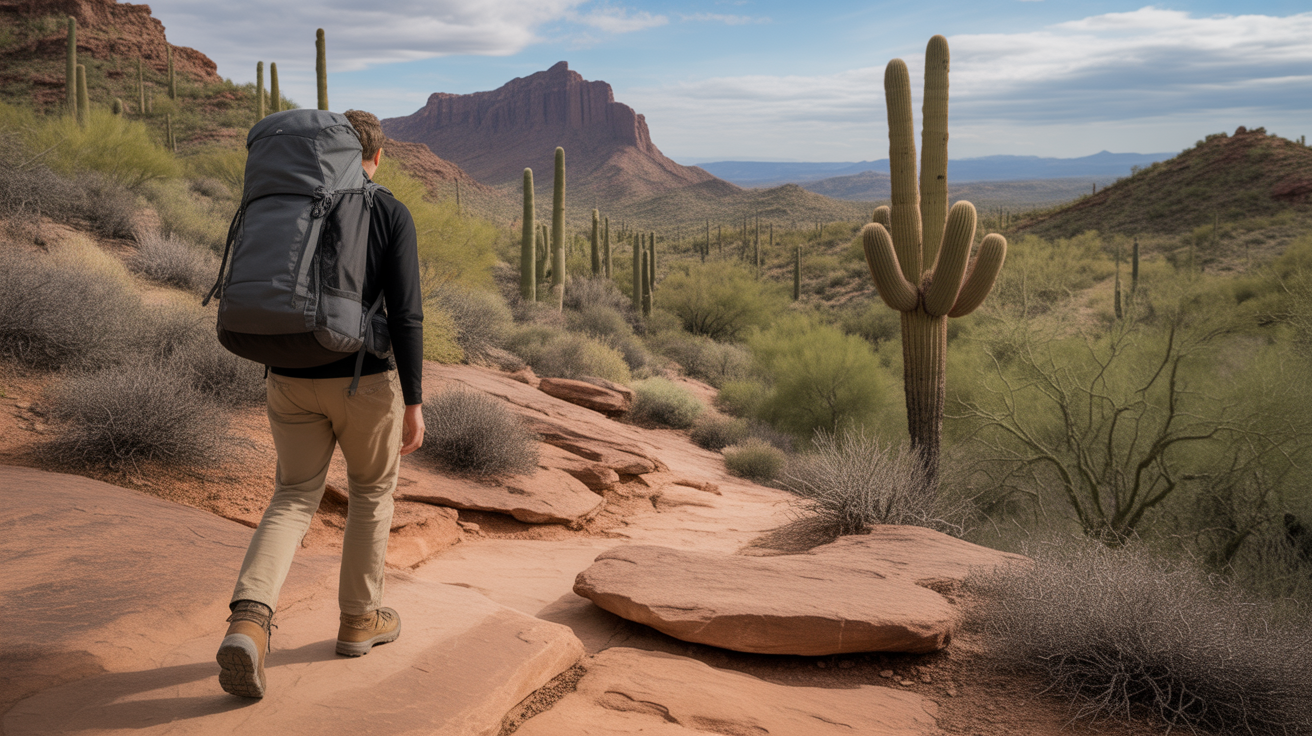
If you have spent even one hike with your toes crammed into narrow boots, you know the frustration. Your feet hurt before you reach the first mile marker. You worry about blisters. You wonder if hiking is just not for you. The truth is, traditional hiking boots are often designed for average-width feet, leaving those of us with wider feet feeling squeezed and uncomfortable.
The good news is that the best wide hiking shoes offer a completely different experience. These shoes give your toes room to spread naturally, provide lighter weight than heavy boots, and deliver the flexibility you need for maintained day trails without sacrificing stability or protection. Whether you are heading out for your first trail walk or your fiftieth, finding a shoe that actually fits your foot shape changes everything.
What to Look For
Understanding Wide Fit and Why It Matters
Wide hiking shoes are not just regular shoes in a bigger size. True wide-fit footwear provides extra room across the ball of the foot (the widest part near your toes) and through the toe box (the front area where your toes sit), allowing your toes to splay naturally with each step. This natural foot movement improves balance and reduces pressure points that can lead to discomfort on the trail.
Many hikers with wide feet make the mistake of sizing up in standard-width shoes, which creates a different problem. The heel becomes too loose, the arch support sits in the wrong place, and your foot slides forward on downhill sections. A proper wide shoe keeps the correct proportions throughout the entire footbed while adding width where you need it most.
Shoe Versus Boot for Day Hiking
For maintained day trails, low-cut hiking shoes offer several advantages over traditional boots. They weigh significantly less, which means less effort with every step over a five or six-mile hike. They require little to no break-in period, so you can wear them comfortably right out of the box. They also provide better breathability in warm weather and dry faster if you encounter wet conditions.
Boots still have their place for rough terrain, heavy loads, or when you need ankle coverage on unstable surfaces. However, most day hikers on groomed trails find shoes more than adequate. The lower cut allows natural ankle movement, which many hikers find more comfortable. If you are coming from stiff, heavy boots, the difference in comfort and ease of movement will be immediately noticeable.
Materials and Construction Features
The upper material (the fabric part above the sole) significantly affects how a wide shoe fits and performs. Mesh uppers provide maximum breathability and lighter weight, making them ideal for dry climates and warm-weather hiking. Synthetic leather or treated fabric uppers add more durability and water resistance, though they typically weigh more and breathe less.
Pay attention to how the upper is constructed around the widest part of your foot. Seamless construction or strategically placed seams prevent rubbing. Stretchy materials in the forefoot area accommodate natural foot swelling that happens during longer hikes. Some shoes feature protective toe caps and heel counters molded into the design, which add durability without creating stiff, uncomfortable pressure points.
Sole Design and Traction
The outsole (the bottom of the shoe that contacts the ground) determines how well your shoes grip different trail surfaces. For maintained trails with mostly dirt, gravel, and occasional roots or rocks, a moderate lug pattern (the raised rubber bumps on the bottom) works well. Deeper, more aggressive lugs are overkill for groomed paths and can actually feel awkward on flat, even surfaces.
Midsole cushioning (the layer between the outsole and your foot) provides the shock absorption that protects your joints over miles of walking. EVA foam is a common lightweight material that compresses over time. Some shoes use dual-density midsoles with firmer foam under the heel and softer foam in the forefoot, balancing cushioning with stability. The thickness affects ground feel: thicker feels more cushioned but less responsive, while thinner lets you feel the trail better but provides less protection from rocks and roots.
Fit Considerations Beyond Width
Even within wide-fit shoes, different brands fit differently. Some offer a roomier toe box but a narrower heel. Others provide consistent width throughout but run short in length. The location of built-in support varies between brands, which matters greatly for comfort on longer hikes.
When trying on wide hiking shoes, wear the socks you plan to hike in. Your foot should feel secure through the midfoot and heel without any tightness across the ball of your foot or toes. You should be able to wiggle your toes freely. There should be about a thumb width of space between your longest toe and the front of the shoe when standing. Walk on an incline if possible to ensure your heel does not slip and your toes do not jam forward.
Break-In Period and First Hikes
Most modern hiking shoes require minimal break-in compared to traditional leather boots. However, you should still wear new shoes around the house and on short walks before committing to a full day hike. This allows the materials to conform slightly to your foot shape and helps you identify any pressure points before they become problems.
For your first few hikes in new shoes, bring blister prevention supplies and consider starting with shorter distances. Even a perfectly fitted shoe can create hot spots as your feet adjust to the new support pattern and pressure distribution. Pay attention to any discomfort early: if something hurts at mile two, it will be worse at mile five.
Our Top Picks
1. ALTRA Men’s Lone Peak 9 Trail Running Shoe
Best for hikers who want maximum toe room and natural foot positioning on varied day hikes

The Altra Lone Peak 9 represents a different approach to hiking footwear that particularly benefits wide-footed hikers. Rather than simply making a wider version of a narrow shoe, Altra designs all their shoes around a foot-shaped toe box that allows toes to spread naturally. This creates an immediate comfort difference for anyone used to feeling squeezed.
The platform design places your heel and forefoot at the same height (called zero-drop, meaning no height difference between heel and toe). This takes some adjustment if you are coming from traditional hiking boots with elevated heels, but most hikers adapt within a few outings. Many users report that this design feels more natural once they adjust to it.
With 868 customer reviews averaging 4.6 stars, the Lone Peak 9 has built a solid reputation among day hikers. The shoe weighs noticeably less than traditional hiking boots, which reduces fatigue on those longer six or seven-mile loops. The mesh upper provides excellent breathability in warm weather, though it offers limited water resistance if you encounter wet conditions.
The cushioned midsole provides adequate protection from rocks and roots on groomed trails without feeling overly thick or disconnecting you from the ground. The tread pattern grips well on dirt, gravel, and dry rock, though it can feel a bit slippery on wet surfaces or mud. This is a shoe designed primarily for dry, maintained trails rather than technical terrain or creek crossings.
One consideration is that the roomy toe box means you may need to size carefully. Some hikers find they can size down slightly from their usual shoe size because they do not need extra length to accommodate toe cramming. The midfoot and heel fit snug and secure, which is important for preventing blisters even with the spacious forefoot.
See current pricing for the ALTRA Men’s Lone Peak 9 Trail Running Shoe on Amazon.
Pros
- Genuinely foot-shaped toe box provides exceptional room for wide feet and natural toe splay
- Lightweight construction reduces fatigue on longer day hikes
- Level platform promotes natural stride that many hikers find comfortable once adjusted
- Excellent breathability for warm-weather hiking
- Strong customer rating with substantial review base
Cons
- Limited water resistance makes them less suitable for wet trail conditions
- Level heel design requires adjustment period for those accustomed to traditional boots
- Tread can be slippery on wet rocks or muddy sections
2. Merrell Men’s Moab 3 Hiking Shoe
Best for hikers seeking proven performance with excellent arch support in a wide-fit design

The Merrell Moab 3 has earned its reputation as one of the most popular hiking shoes on the market, with over 14,000 customer reviews maintaining a 4.6-star average. This massive review base provides confidence that the shoe delivers consistent performance across different foot shapes and hiking conditions. The wide version offers genuine width through the forefoot while maintaining a secure heel fit.
What sets the Moab 3 apart is its well-designed support structure and cushioned footbed. The insole cradles your foot in a way that many hikers find comfortable on longer distances, making it particularly appealing for those who need more support than minimalist designs provide. The cushioning strikes a good balance between protection and ground feel, giving you enough padding to handle rocky sections without feeling disconnected from the trail.
The build quality reflects Merrell’s decades of experience in hiking footwear. The materials feel durable without adding unnecessary weight. The synthetic and mesh upper provides decent breathability while offering more structure than pure mesh designs. The protective rubber toe cap and heel counter add durability in high-wear areas, which matters for hikers who put serious miles on their shoes.
The rubber outsole delivers reliable traction on varied trail surfaces. The lug pattern works well on dirt, gravel, and moderate rock scrambles. These shoes feel stable and confidence-inspiring on maintained trails, even when carrying a daypack with water and snacks. The wider platform enhances stability for those of us with wider feet who have felt tippy in narrow shoes.
One note about fit: the Moab 3 runs true to size in length, so order your normal shoe size in the wide width. Most hikers report comfort right out of the box with minimal adjustment needed.
Read verified buyer reviews for the Merrell Men’s Moab 3 Hiking Shoe on Amazon.
Pros
- Massive review base provides confidence in consistent performance
- Well-designed support and cushioning for all-day comfort
- Rubber outsole delivers reliable traction on varied terrain
- Durable construction with protective toe cap and heel counter
- Comfortable from the first wear for most users
Cons
- Heavier than more minimalist hiking shoe options
- Less breathable than pure mesh designs in hot weather
- Not waterproof, though water-resistant versions available
3. Columbia Men’s Crestwood Hiking Boots
Best budget-friendly option for wide feet without sacrificing essential hiking performance

At sixty dollars, the Columbia Crestwood delivers remarkable value for hikers with wide feet who are budget-conscious or new to the activity. With over 15,000 customer reviews averaging 4.5 stars, this shoe punches well above its price point in terms of reliability and comfort. The savings compared to premium options allows you to invest in other essential gear or simply try hiking without a major financial commitment.
The Crestwood provides a genuinely wider fit through the toe box and forefoot, not just a marketing claim. Columbia designed these with room for natural foot movement while maintaining enough structure to support your foot on uneven terrain. The combination synthetic leather and mesh upper offers reasonable durability and breathability, though the materials feel less premium than pricier competitors.
For maintained day trails, the Crestwood handles everything you will encounter. The rubber outsole provides adequate traction on dirt, gravel, and dry rocks. The cushioned midsole absorbs impact well enough for five to eight-mile hikes, though it lacks the refined comfort of more expensive cushioning systems. The lightweight construction means less fatigue over distance, which matters more than fancy materials for most recreational day hikers.
The fit runs true to size for most wearers. Some hikers report being able to wear these comfortably on their first hike, though walking around the house for a few days first remains advisable. The lacing system provides good adjustability to dial in your preferred fit.
One feature to note: these are hiking shoes, not boots, so they lack ankle coverage. For wide-footed hikers who have struggled with the narrow ankle openings on traditional boots, this actually becomes an advantage. The low-cut design eliminates that common pressure point while still protecting your feet where it matters most.
Check current stock for the Columbia Men’s Crestwood Hiking Boots on Amazon.
Pros
- Exceptional value at sixty dollars with strong performance
- Over 15,000 reviews confirm consistent quality and fit
- True wide fit through toe box and forefoot
- Lightweight design reduces fatigue on longer hikes
- Ready to wear comfortably for most users
Cons
- Materials feel less premium than higher-priced options
- Cushioning adequate but not exceptional for very long hikes
- Limited water resistance in base model
4. adidas Men’s Terrex Anylander Hiking Shoes
Best for hikers who prioritize a sneaker-like feel with athletic performance on maintained trails

The adidas Terrex Anylander brings athletic footwear expertise to hiking, resulting in a shoe that feels more like a comfortable running shoe than a traditional hiking boot. For day hikers on maintained trails who find classic hiking footwear too stiff or clunky, this approach offers a refreshing alternative. The design accommodates wider feet while maintaining the responsive feel adidas is known for.
At 2,258 reviews with a 4.5-star rating, the Anylander has proven itself among hikers seeking lighter, more agile footwear. The shoe weighs noticeably less than traditional hiking shoes, which translates to less fatigue when you are logging miles on groomed trails. The flexible construction allows natural foot movement without sacrificing the support needed for uneven terrain.
The rubber outsole provides excellent grip on varied surfaces. Many users report confidence-inspiring traction on loose gravel, packed dirt, and dry rock. The lug pattern is moderate rather than aggressive, which works perfectly for maintained trails and even transitions well to paved sections at trailheads.
The mesh upper maximizes breathability, making these shoes particularly appealing for warm-weather hiking. Your feet stay cooler and drier compared to shoes with heavy synthetic leather uppers. The trade-off is reduced water resistance and less protection if you are hiking through brush, but for groomed trails in dry conditions, the breathability advantage outweighs these limitations.
The fit runs true to size with good width accommodation through the forefoot. The heel cup provides secure lockdown without feeling restrictive. The overall feel is athletic and nimble rather than protective and burly, which aligns perfectly with the needs of day hikers on well-maintained paths.
Compare the adidas Men’s Terrex Anylander Hiking Shoes specs and pricing on Amazon.
Pros
- Athletic, responsive feel that moves naturally with your foot
- Lightweight construction minimizes fatigue over distance
- Rubber outsole delivers excellent traction reported by many users
- Maximum breathability from mesh upper design
- Good value at sixty-four dollars for the quality provided
Cons
- Limited water resistance makes them unsuitable for wet conditions
- Less protective than burlier hiking shoes in brushy terrain
- Thinner materials may wear faster with heavy use
How These Compare
Choosing among the best wide hiking shoes depends on your specific needs, budget, and hiking style. The ALTRA Lone Peak 9 stands out for its genuinely foot-shaped design that provides the most natural toe room of any option here. If you have struggled with cramped toes in every shoe you have tried, the Altra approach will feel revelatory. The level platform (with heel and forefoot at the same height) is different from traditional hiking shoes and takes some getting used to. This shoe works best for hikers on dry, maintained trails who value natural foot positioning above all else.
The Merrell Moab 3 represents the traditional hiking shoe approach done right for wide feet. With over 14,000 reviews, it offers proven performance and well-designed internal support. If you want a conventional hiking shoe that actually fits wide feet properly, or if you plan longer hikes with a heavier daypack, the Moab 3 delivers the stability and cushioning you want. It weighs more than the other options but provides confidence-inspiring performance on varied terrain.
For budget-conscious hikers or those new to the activity, the Columbia Crestwood at sixty dollars makes hiking accessible without compromise. Despite the lower price, it delivers genuine wide fit and solid performance on maintained trails. The 15,000-plus reviews confirm that Columbia did not cut corners where it matters. This shoe will not impress gear enthusiasts with premium materials, but it will get you comfortably down the trail without emptying your wallet. It is particularly smart for beginners who are still figuring out how much hiking they will do.
The adidas Terrex Anylander occupies the middle ground between athletic shoe and hiking boot. It feels more nimble and responsive than traditional hiking footwear while still providing adequate protection for groomed trails. The rubber outsole delivers surprising traction for such a lightweight shoe. If you are coming from running shoes or casual sneakers and want hiking footwear that does not feel like a big heavy boot, the Anylander eases that transition. It works best for faster-paced day hikes on well-maintained paths in dry conditions.
All four options accommodate wide feet genuinely rather than just being stretched versions of narrow shoes. Your choice comes down to whether you prioritize natural foot shape, proven traditional performance, budget value, or athletic responsiveness. For most day hikers on maintained trails, any of these shoes will perform well: the decision is about which approach matches your specific foot shape and hiking style.
Frequently Asked Questions
How do I know if I need wide hiking shoes versus regular width?
You likely need wide hiking shoes if you experience pressure or pinching across the ball of your foot in regular-width footwear, especially after wearing shoes for an hour or more. Common signs include numbness in your toes, pain on the sides of your feet, or feeling like you need to size up in length just to get enough width. If you have ever had your foot measured at a shoe store and been told you have a wide foot, that measurement applies to hiking shoes too.
Many people with wide feet have been sizing up in regular-width shoes without realizing proper wide-fit options exist. This creates problems because while you gain width, the heel becomes too loose and the support sits in the wrong place. A true wide hiking shoe maintains the correct proportions throughout the entire footbed while adding width where your foot needs it most: across the ball of your foot and through the toe box.
When trying on shoes, you should be able to wiggle your toes freely without feeling any tightness or pressure on either side of your foot. The widest part of your foot should align with the widest part of the shoe. If you feel any pinching or if the shoe feels like it is squeezing your foot into a narrower shape, you need a wider option. Proper fit means your foot sits comfortably in the shoe rather than being compressed by it.
Do I need hiking boots or are hiking shoes enough for day hikes?
For day hikes on maintained trails, hiking shoes are usually more than adequate and offer several practical advantages over boots. Low-cut hiking shoes weigh significantly less than boots, which means less effort with every step over a five or six-mile hike. They require little to no adjustment period, so you can wear them comfortably right out of the box. They also provide better breathability in warm weather and dry faster if you encounter puddles or stream crossings.
Boots become more important when you are carrying a heavy backpack, hiking on very rocky or unstable terrain, or prefer extra ankle coverage. For wide-footed hikers, boots present an additional challenge because they need to fit properly not just through the foot but also around the ankle opening, which can be restrictive in many boot designs.
Most recreational day hikers on groomed trails find that the lighter weight and increased comfort of hiking shoes enhances their enjoyment of the activity. The lower cut allows natural ankle movement, which many hikers find more comfortable than the structured feel of boots. If you are coming from heavy, stiff boots, switching to hiking shoes often feels liberating and makes hiking feel less like work and more like an activity you want to do regularly.
Will wide hiking shoes fit my feet if I have a high instep or high arches?
Wide hiking shoes address width across the ball of your foot and through the toe box, which is different from instep height (the top of your foot where laces sit) or arch height. Some wide shoes accommodate high insteps well, while others may still feel tight across the top of your foot even though they fit well width-wise. This is an important distinction because you might need both width and volume, not just one or the other.
When shopping for wide hiking shoes with a high instep, look for designs with lacing that extends lower toward the toe and adjustable closures that let you control how much pressure sits across the top of your foot. Shoes with stretchy materials in the upper or gusseted tongues often work better for high insteps. Avoid shoes with rigid, structured uppers that do not give at all.
For high arches specifically, look at the internal support built into each shoe. Some wide shoes have more pronounced built-in support than others. The Merrell Moab 3, for example, offers more substantial built-in support than the ALTRA Lone Peak 9, which has a flatter footbed designed for more neutral foot positioning. If you know you need significant support, consider wide shoes that either have built-in features or allow you to add aftermarket insoles without making the shoe feel too tight.
How should wide hiking shoes fit when I first try them on?
When you first try on wide hiking shoes in a store or at home, wear the same socks you plan to hike in: this makes a significant difference in fit. Your heel should feel secure without slipping up and down when you walk. The shoe should feel snug through the midfoot without any tightness or pressure. Across the ball of your foot and through the toe box, you should feel comfortable room without any pinching or squeezing.
You should be able to wiggle your toes freely. There should be about a thumb width of space between your longest toe and the front of the shoe when you are standing. This space becomes crucial on downhill sections of trails when your foot naturally slides forward slightly. Without adequate toe room, you will end up with bruised toenails after longer hikes.
Walk around in the shoes for at least ten minutes if possible. Walk up and down stairs or on an incline to simulate trail conditions. Pay attention to any hot spots or pressure points: these will only get worse on an actual hike. The shoes should feel comfortable immediately. While some materials may conform slightly to your foot over the first few wears, a proper-fitting shoe should not require significant adjustment or feel uncomfortable initially. If something feels wrong during the fitting, trust your instinct and try a different model or size.
Can I use wide trail running shoes for hiking instead of hiking shoes?
Wide trail running shoes work well for day hiking on maintained trails and offer some advantages depending on your priorities. Trail running shoes typically weigh less than hiking shoes and provide a more responsive, athletic feel. They usually have excellent traction from sticky rubber outsoles designed for varied terrain. Many hikers, especially those on groomed trails, find trail runners perfectly adequate for their needs.
The main differences come down to durability and protection. Hiking shoes generally use thicker, more durable materials that stand up to brush, sharp rocks, and repeated use better than the lighter materials in trail runners. Hiking shoes often have more substantial toe caps and more cushioning in the midsole for all-day comfort carrying a daypack. Trail runners prioritize lighter weight and faster pace over maximum protection.
If you hike mostly on well-maintained dirt trails without much brush or sharp rocks, wide trail running shoes can absolutely work for hiking. Many of the shoes in this guide blur the line between trail runners and hiking shoes anyway. The ALTRA Lone Peak 9, for example, is marketed as a trail running shoe but performs excellently for hiking. The key is making sure whatever shoe you choose has adequate traction for hiking surfaces and enough protection for the specific trails you frequent. For very rocky or technical trails, dedicated hiking shoes provide better protection, but for groomed paths, the distinction matters less than finding a shoe that fits your wide feet comfortably.
The Bottom Line
Finding the best wide hiking shoes transforms the hiking experience from uncomfortable endurance to genuine enjoyment. Your feet deserve room to move naturally without cramping or pinching. The right shoe in the right width eliminates pressure points, reduces discomfort risk, and lets you focus on the trail instead of your aching feet.
For hikers seeking maximum toe room and natural foot positioning, the ALTRA Lone Peak 9 offers a genuinely different approach that accommodates wide feet without compromise. If you prefer proven traditional performance with well-designed support, the Merrell Moab 3 delivers reliability backed by thousands of satisfied customers. Budget-conscious hikers or those new to the activity will find the Columbia Crestwood provides solid wide-fit performance at an accessible price. Those who want athletic responsiveness in hiking footwear should consider the adidas Terrex Anylander for its nimble, comfortable design.
Remember that even within wide shoes, fit varies between brands and models. What works perfectly for one person may not work for you. When possible, try shoes on with your hiking socks and walk around before committing. Start with shorter hikes in new shoes to ensure comfort before tackling longer distances. Pay attention to how your feet feel during and after hikes: your body will tell you if the fit works or needs adjustment. With the right wide hiking shoes, those maintained day trails become the enjoyable outdoor experiences they should be, not foot-pain endurance tests.
Disclosure: As an Amazon Associate, we earn from qualifying purchases. This does not affect our editorial recommendations.