
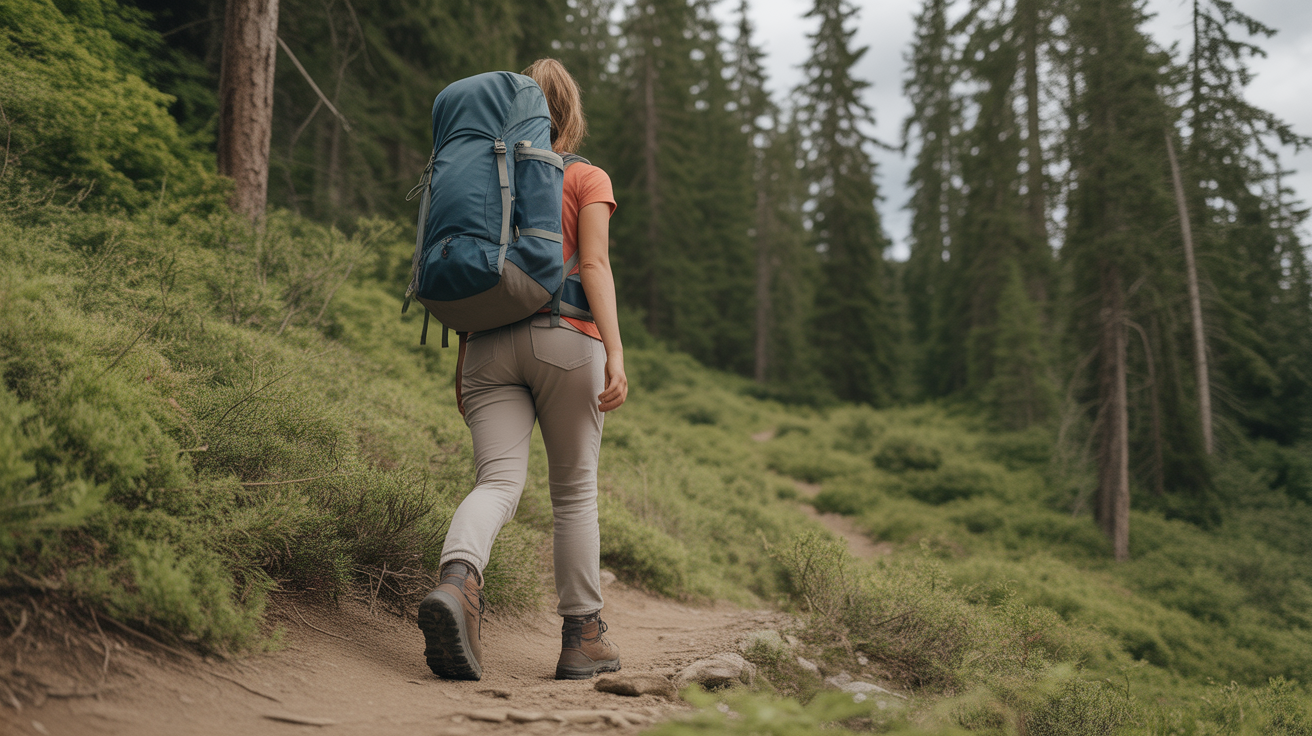
If your toes feel crammed into standard women’s hiking boots, you are not imagining it. Many women’s boots taper too aggressively in the toe box, leaving your forefoot compressed on every step. The discomfort starts as a nagging squeeze and can escalate to problems that cut your hike short before you even reach the good views.
Finding hiking boots designed with a naturally wider toe box can transform your trail experience. The boots below are women-specific options that provide genuine room for your toes to spread naturally while maintaining the ankle support, traction, and durability you need on the trail. No need to compromise comfort for performance or settle for boots that feel like they were not built for your feet.
What to Look For
Why Toe Box Width Matters on the Trail
The toe box is the front section of the boot where your toes sit. When this area is too narrow, your toes compress together with every downhill step and every mile adds pressure. Users frequently report this compression leads to hot spots and discomfort that builds over the course of a hike. A wide toe box allows your toes to spread naturally, giving your forefoot more space to move. This design approach makes a noticeable difference in comfort on technical descents and all-day hikes, according to hikers who have switched from traditional narrow designs.
Women-Specific vs Unisex Wide Boots
Some hikers assume unisex or men’s boots in smaller sizes will solve the width problem, but this approach creates new issues. Men’s boots are built on a different last (the foot-shaped form used to construct the boot) with a wider heel, lower instep (the top curve of your foot), and different arch placement. Wearing a boot not designed for your foot shape often results in an unstable fit even if the toe box feels roomier. Women-specific boots with wide toe boxes are engineered to match the proportions of women’s feet while providing the extra width where you actually need it. Look for boots explicitly marketed as women’s models that mention a roomier or wider toe box in their design, rather than trying to adapt a men’s boot to your foot.
Material and Upper Construction
The materials used in the upper portion of the boot affect how much the toe box will stretch or conform to your foot over time. Leather uppers tend to break in and mold to your foot shape, potentially providing more room as you wear them. Synthetic mesh and nylon uppers offer less stretch but often come pre-shaped with more generous toe boxes from the start. Waterproof membranes add structure that limits stretch, so pay attention to how the boot fits in the store rather than expecting significant give later. If you have wider feet overall, look for boots that describe their fit as relaxed, roomy, or accommodating rather than performance or precision, which typically indicate a snugger race-inspired fit.
Break-In Period and Fit Testing
Even boots designed with wide toe boxes need proper fit testing before you commit to a full day on the trail. Wear the boots around your house for several hours with the hiking socks you plan to use. Walk up and down stairs to simulate downhill hiking, which pushes your toes forward into the toe box. Your toes should not touch the front of the boot on descents, and you should be able to wiggle them freely when standing. If you feel any pinching or pressure points in the toe area during this indoor break-in period, the boot is too narrow regardless of what the product description claims. A proper wide toe box should feel immediately comfortable with no expectation that it will stretch enough to accommodate your foot later.
Sizing Considerations for Wide Toe Box Boots
Boot sizing is not universal, and going up a half size does not always solve toe box width issues. Some boots run true to size with a wide toe box built into their standard fit, while others require sizing up to achieve adequate width. Read customer reviews specifically looking for comments from buyers with wider feet or those who mention toe box fit. Note whether reviewers recommend sizing up, staying true to size, or sizing down. Also pay attention to volume, which describes how much vertical space exists inside the boot. A boot can have a wide toe box but low volume, which creates pressure on the top of your foot. High-volume boots with wide toe boxes provide room in all directions, which works well for feet with higher insteps or thicker forefoot padding.
Traction and Sole Flexibility
A wide toe box should not come at the expense of a functional sole. Check that the outsole extends fully under the widened toe box area and provides lugs or tread pattern coverage where your forefoot contacts the ground. Some boots widen the upper but leave the sole narrow, which creates an unstable platform and reduces traction when you push off with your toes. The sole should also flex at the ball of your foot, not in the middle of the arch. This flex point allows your toes to articulate naturally inside that wide toe box rather than fighting against a stiff sole that forces them into a rigid position.
Our Top Picks
1. ALTRA Women’s Lone Peak 9 Trail Running Shoe
Best for hikers who want maximum toe splay and a low-profile platform

The ALTRA Lone Peak 9 is built around a toe box design that allows your toes to spread naturally, which is exactly what you need if standard boots feel like vises. Unlike tapered women’s boots that narrow aggressively toward the front, this shoe maintains width all the way to the toe, giving your forefoot genuine room to move. The platform design places your heel and forefoot at similar heights, which some hikers find more natural for balance and reduces pressure on the front of the foot during descents. The upper construction uses breathable materials that do not constrict, and the fit remains consistent across the entire length of the shoe rather than squeezing down at the toe box.
The trail-specific outsole provides reliable traction on mixed terrain, with lugs designed to grip on both dirt trails and rocky sections. This is technically a trail running shoe rather than a hiking boot, which means it lacks the ankle coverage of a mid-height boot. If you hike on well-maintained trails and do not need extra ankle stabilization, the lower cut works fine and reduces overall weight. The cushioning feels responsive without being overly soft, and the shoe flexes naturally at the ball of your foot where you need articulation. Customer reviews consistently mention the generous toe box as the standout feature, with many buyers noting this is the first trail shoe that does not compress their toes. The fit runs true to size for most users, though a few recommend trying your normal size first before sizing up. See current pricing for the ALTRA Women’s Lone Peak 9 Trail Running Shoe on Amazon.
Pros
- Toe box design provides maximum room for toe splay
- Low-profile platform for natural foot positioning
- Lightweight design reduces fatigue on long hikes
- Breathable upper materials for temperature regulation
Cons
- No ankle coverage due to low-cut design
- Trail running shoe construction may feel less protective than traditional boots
- Higher price point compared to basic hiking boots
View ALTRA Women’s Lone Peak 9 Trail Running Shoe on Amazon →
2. Columbia Women’s Newton Ridge Plus Waterproof Amped Leather Working Group
Best for all-around day hiking with reliable waterproofing and ankle support

The Columbia Newton Ridge Plus offers a traditional mid-height hiking boot silhouette with a roomier toe box than standard Columbia women’s boots. While not as dramatically wide as dedicated wide-toe-box designs, this boot provides noticeably more forefoot space than typical tapered women’s boots, making it a solid middle-ground option. The waterproof construction keeps your feet dry in wet conditions, and the mid-height cuff provides ankle support on uneven terrain without the bulk of a full hiking boot. The lacing system allows you to customize the fit through the midfoot while leaving the toe box area less constricted.
With over 7,400 customer reviews, this boot has extensive real-world testing feedback. The general consensus points to reliable performance on day hikes and moderate trails, with many reviewers specifically mentioning adequate toe room for wider feet. The upper provides durability and breaks in over time to conform somewhat to your foot shape. The traction pattern works well on dirt and gravel trails, and the boot handles light scrambling without issue. Some reviewers note the boot runs slightly large, so consider trying your normal size first. For the price point under one hundred dollars, this boot delivers solid value if you want traditional hiking boot features with better toe box accommodation than most women’s options. Read verified buyer reviews for the Columbia Women’s Newton Ridge Plus on Amazon.
Pros
- Roomier toe box than standard women’s hiking boots
- Waterproof construction for wet trail conditions
- Mid-height design provides ankle support
- Extensive customer review history for confidence
- Affordable price under one hundred dollars
Cons
- Toe box not as wide as specialized wide designs
- May run slightly large and require sizing adjustment
- Break-in period needed for upper materials
View Columbia Women’s Newton Ridge Plus Waterproof Amped Leather Working Group on Amazon →
3. Merrell Women’s Moab 3 Mid Waterproof Hiking Boots
Best for budget-conscious hikers who need proven performance and moderate toe room

The Merrell Moab 3 Mid Waterproof is one of the most popular hiking boots available, and the women’s version incorporates a slightly wider toe box than earlier Moab generations. While Merrell does not market this as a dedicated wide-toe-box boot, many users with wider feet report comfortable fit in the forefoot area, particularly after a short break-in period. The boot balances traditional hiking boot construction with modern comfort features, and at under eighty dollars during sales, it delivers exceptional value. The waterproof membrane keeps moisture out without adding excessive stiffness to the upper materials.
The Moab 3 has earned its reputation through consistent performance on varied terrain. The mid-height cut provides stability on rocky trails, and the traction pattern grips well in both dry and moderately muddy conditions. Customer reviews mention the toe box as roomier than competing boots in the same price range, though not as generous as specialty wide designs. The boot tends to run true to size for most buyers, with a few noting they appreciated the half-size-up option for thicker hiking socks. Over 3,300 reviews provide substantial real-world data, and the 4.6-star rating reflects reliable quality. If you want a proven hiking boot that accommodates wider feet better than most options without paying premium prices, the Moab 3 Mid Waterproof deserves consideration. The fit may not work for very wide feet, but it represents a significant improvement over narrow-toe-box designs. Check current stock for the Merrell Women’s Moab 3 Mid Waterproof Hiking Boots on Amazon.
Pros
- Affordable price point under eighty dollars
- Proven Moab platform with extensive user feedback
- Roomier toe box than previous Moab versions
- Waterproof protection for wet trails
- True to size fit for most users
Cons
- Not a dedicated wide-toe-box design
- May still feel narrow for very wide feet
- Shorter break-in period needed compared to some options
View Merrell Women’s Moab 3 Mid Waterproof Hiking Boots on Amazon →
4. ARIAT Women’s Terrain Hiking Boots
Best for hikers who prioritize durability and stable footing on rugged trails
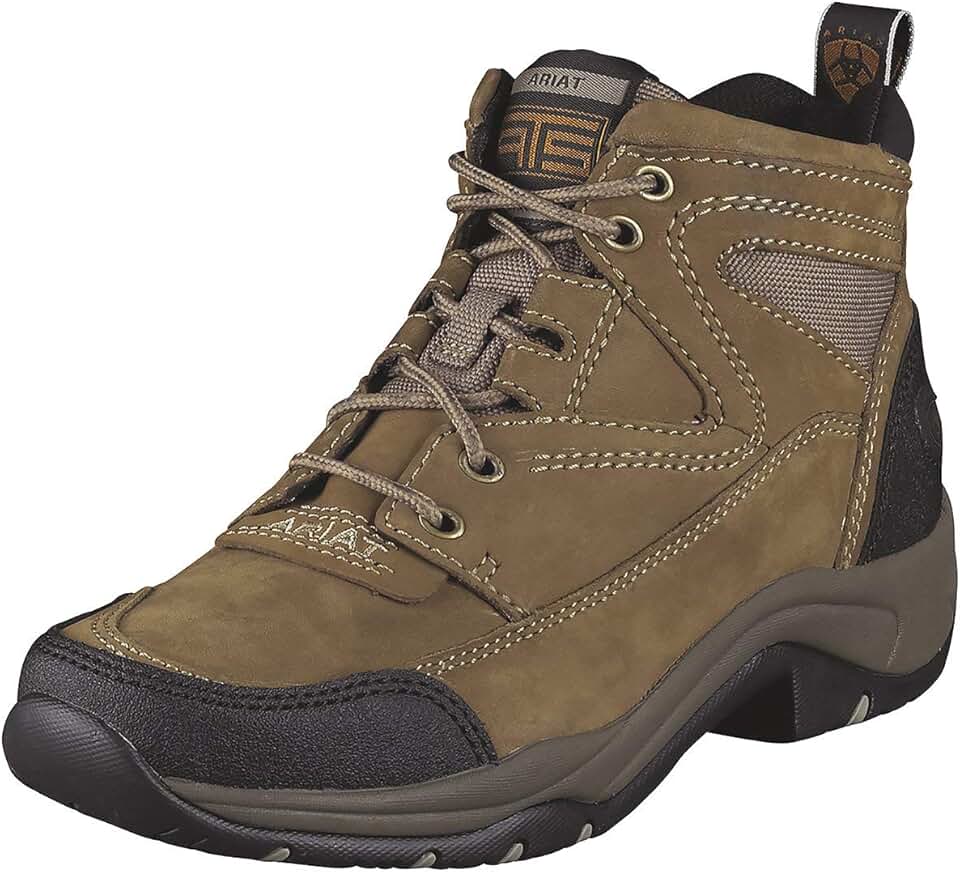
The ARIAT Terrain brings quality boot construction to the hiking world, with a focus on stability and long-term durability. ARIAT designs boots for people who spend extended time on their feet in demanding conditions, and that expertise shows in the construction quality. The toe box offers more room than fashion-forward hiking boots, with a shape that accommodates natural foot spread without the extreme width of minimalist designs. The footbed provides cushioning and support, and the overall fit tends to run true to size with adequate volume for most foot shapes.
Customer reviews consistently praise the boot’s durability and break-in comfort, with many users reporting years of use without significant wear. The outsole handles varied terrain effectively, and the mid-height design balances support with freedom of movement. The lacing system allows fine-tuning through the midfoot while the toe box maintains its shape. Over 3,500 customer reviews provide strong evidence of reliable performance, and the 4.6-star rating reflects consistent satisfaction. Some buyers specifically mention the toe box as more accommodating than traditional hiking boots, particularly for those with wider forefeet or high-volume feet. The boot works well for day hiking and light backpacking, with enough support for uneven terrain and rocky trails. At just over one hundred dollars, the Terrain represents a mid-range investment that delivers professional-grade construction. Compare the ARIAT Women’s Terrain Hiking Boots specs and pricing on Amazon.
Pros
- Durable construction built for long-term use
- More accommodating toe box than fashion-oriented boots
- Stable platform for rugged terrain
- Extensive positive customer feedback
- True to size fit with good volume
Cons
- Not specifically marketed as wide toe box
- Break-in period required for optimal fit
- Heavier than lightweight trail shoes
5. Columbia Women’s Transverse Hike Waterproof Hiking Boots
Best for value-focused hikers who want modern styling and waterproof protection

The Columbia Transverse Hike Waterproof offers a contemporary take on hiking boots with updated styling and a more relaxed fit than traditional Columbia boots. The toe box provides noticeable room compared to narrower women’s boots, making this a viable option for hikers who find standard boots too constrictive in the forefoot. The waterproof construction keeps feet dry without adding excessive weight or stiffness. The boot sits at the lower end of the mid-height category, providing some ankle coverage while maintaining a lighter overall feel.
At eighty-five dollars, this boot undercuts many competing waterproof options while delivering solid performance for day hiking and light trail use. The traction pattern handles dirt trails and moderate rocky sections effectively, and the cushioning provides comfort for several hours of hiking. Customer reviews mention the roomier fit as a positive feature, with many buyers noting the boot accommodates wider feet better than expected based on Columbia’s typical sizing. The boot tends to run true to size, though a few users recommend trying it on with hiking socks before committing. With over 500 reviews and a 4.6-star rating, the Transverse Hike has built a solid reputation despite being a newer model in Columbia’s lineup. The styling appeals to hikers who want a boot that works on trails but does not look overly technical for casual outdoor use. See if the Columbia Women’s Transverse Hike Waterproof is right for your first hike on Amazon.
Pros
- Affordable waterproof boot under ninety dollars
- Roomier toe box than standard Columbia women’s boots
- Lighter weight than traditional hiking boots
- Modern styling for versatile use
- True to size fit for most buyers
Cons
- Newer model with less long-term feedback
- Smaller review base compared to established models
- May not provide enough width for very wide feet
View Columbia Women’s Transverse Hike Waterproof Hiking Boots on Amazon →
How These Compare
Choosing between these five boots depends on how much toe room you actually need and what type of hiking you do most often. The ALTRA Lone Peak 9 offers the most dramatic toe box width, with a design that allows maximum toe splay. If standard boots leave your toes genuinely cramped and you have tried multiple brands without success, the ALTRA design represents the most significant departure from traditional tapered toe boxes. The trade-off is giving up ankle coverage, so this works best for maintained trails where you do not need the stability of a mid-height boot.
The Columbia Newton Ridge Plus and Merrell Moab 3 Mid Waterproof both provide moderate toe box improvement over standard women’s boots while maintaining traditional hiking boot features. The Newton Ridge Plus costs slightly more but offers extensive customer review data with over 7,400 user experiences to draw from. The Moab 3 Mid Waterproof represents the best value if you catch it on sale under eighty dollars, and the Moab platform has proven itself over multiple generations. Both boots provide waterproofing, making them suitable for varied conditions and terrain types. If you need better toe room but do not want to completely abandon traditional boot design, either of these options delivers.
The ARIAT Terrain and Columbia Transverse Hike occupy the middle ground between specialized wide designs and standard boots. The ARIAT brings quality construction with a focus on durability and stability, which appeals to hikers who want boots that last multiple seasons. The Transverse Hike offers more contemporary styling at a lower price point, with a relaxed fit that accommodates wider feet better than most Columbia boots. Both provide adequate toe room for moderately wide feet but may not satisfy hikers with very wide forefeet.
Consider your typical hiking conditions when deciding between these options. If you hike primarily in dry weather on smooth trails, the ALTRA provides maximum comfort and lightweight performance. For wet conditions and rocky terrain, the waterproof Columbia and Merrell options make more sense. If you carry heavier packs or hike technical trails with unstable footing, the ARIAT Terrain’s stability-focused design works better than lighter options. Match the boot’s capabilities to your actual needs rather than over-buying features you will not use or under-buying support that leaves you uncomfortable on challenging trails.
Frequently Asked Questions
Do I need to size up in hiking boots if I have wide feet?
Sizing up does not always solve width issues and can create new problems. When you go up a half size or full size, you increase the boot’s length along with its width. This means your heel sits farther back in the boot, which many users report causes heel movement and discomfort as your foot slides forward and backward with each step. The extra length also puts your foot in the wrong position relative to the boot’s flex point, which makes walking feel awkward.
Instead of sizing up, look for boots specifically designed with wider toe boxes or brands that offer wide-width options in your true size. Boots like the ALTRA Lone Peak 9 are built with a naturally wider forefoot in every size, so you can stay with your normal length while getting the width you need. Some brands also offer wide versions of their standard boots, which maintain proper length while adding width through the entire footbed. Try on boots with the hiking socks you will actually wear, and make sure your toes have room to wiggle without your heel lifting out of the boot when you walk.
How do I know if a hiking boot has a truly wide toe box?
The most reliable way to verify toe box width is to look at the boot from above when it is unlaced and opened fully. A wide toe box maintains width all the way to the front of the boot, rather than tapering dramatically in the last few inches. The outline should look more like a foot shape than a narrow wedge. Boots with truly wide toe boxes will often mention this feature specifically in their product descriptions, using terms like anatomical or generous toe box.
Customer reviews provide valuable real-world data that marketing descriptions cannot. Search reviews for terms like wide feet, toe room, or toe box, and read what actual buyers with wider feet say about the fit. Look for patterns in the feedback rather than relying on single reviews. If multiple reviewers with wide feet say the boot works well, that is stronger evidence than generic marketing language. Also check whether the brand offers the same boot in a designated wide width, which indicates they understand foot width variation and design accordingly. When possible, try boots on in person and do the toe wiggle test while standing. You should be able to move all your toes freely, and there should be no pressure on the sides of your forefoot.
Can I wear men’s hiking boots if I need a wider toe box?
Men’s boots in smaller sizes might provide more toe box width, but they are built on a different foot shape that rarely fits women’s feet properly. Men’s boots typically have wider heels, lower insteps (the top curve of your foot), and different arch placement compared to women’s feet. Even if the toe box feels roomier, the heel will likely be too loose, and many users report this unstable fit becomes uncomfortable quickly. The arch support will also sit in the wrong location for your foot structure.
Women-specific boots with wide toe boxes are engineered to match the proportions of women’s feet while providing extra width where you need it. The heel cup remains narrower to hold your heel in place, the instep height accommodates the higher profile of women’s feet, and the arch support sits in the correct position. Brands like ALTRA design their women’s boots with generous toe box room but adjust all other dimensions to fit women’s feet properly. This gives you the toe room you need without the fit problems that come from wearing boots designed for a different foot shape. Always choose women-specific boots with wide toe boxes rather than trying to adapt men’s boots.
What is the break-in period like for wide toe box hiking boots?
Break-in time varies significantly based on the boot’s materials and construction. Boots with synthetic uppers and mesh panels typically require minimal break-in because these materials do not change shape much over time. What you feel in the store is essentially what you will feel on the trail, so these boots should be comfortable immediately with no expectation of stretching. Traditional upper materials need more break-in time because they soften and conform to your foot shape over several wears. The toe box area may feel slightly stiff at first but should relax after a few hikes.
Regardless of materials, always test new boots at home before taking them on a real hike. Wear them around your house for several hours with your hiking socks, and walk up and down stairs to simulate trail conditions. Pay attention to any pressure points or pinching in the toe box area. A properly designed wide toe box should feel immediately comfortable with room to wiggle your toes, even before break-in. If you feel significant pressure or cramping during home testing, the boot is too narrow and will not stretch enough to become comfortable. Return it and try a different model rather than hoping the break-in period will solve fundamental fit problems. Break-in should refine an already comfortable fit, not transform an uncomfortable boot into a wearable one.
The Bottom Line
Finding hiking boots that do not squeeze your toes changes the entire experience of being on the trail. You stop thinking about foot discomfort and start noticing the scenery instead. The boots above represent genuine options for women who need more toe room without giving up support, traction, or durability. Your specific choice depends on how much width you need and what kind of hiking you do.
If you have tried multiple brands and still feel cramped in standard women’s boots, start with the ALTRA Lone Peak 9. The generous toe box provides the most dramatic departure from tapered designs, and the platform might feel more natural than you expect. For wet weather hiking and moderate trails, the Columbia Newton Ridge Plus or Merrell Moab 3 Mid Waterproof both deliver reliable waterproof performance with roomier toe boxes than most traditional boots. If you prioritize durability and stability on technical terrain, the ARIAT Terrain brings professional-grade construction that lasts for years. Budget-conscious hikers should look at the Columbia Transverse Hike, which delivers modern features and adequate toe room at an accessible price point.
Before you buy, measure both feet at the end of the day when they are slightly swollen from normal activity. Wear the socks you will actually hike in when trying boots, and always test them on stairs to check how your toes feel during descents. Your toes should not touch the front of the boot when you walk downhill, and you should be able to wiggle them freely when standing. If a boot feels too narrow in the store, it will not magically become comfortable on the trail. Trust your first impression and keep looking until you find boots that feel right immediately. Your feet will thank you on every hike.
Disclosure: As an Amazon Associate, we earn from qualifying purchases. This does not affect our editorial recommendations.