
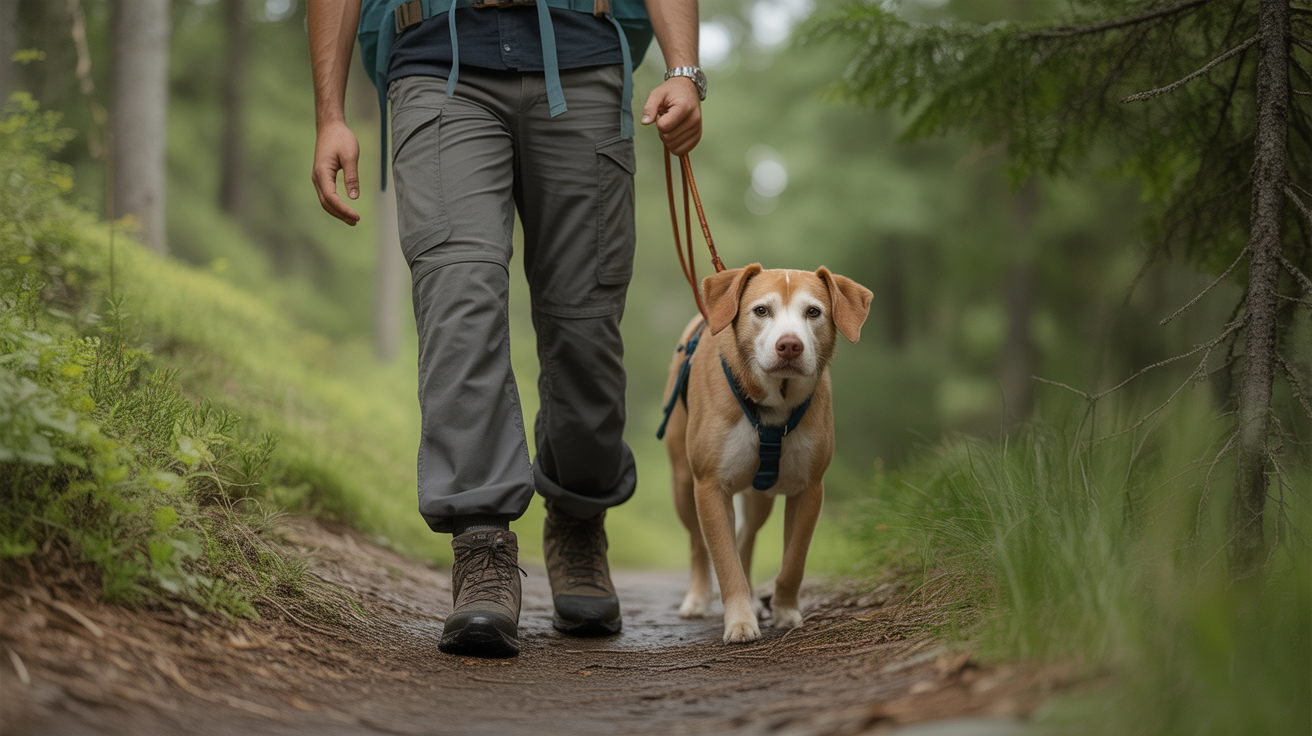
You have been thinking about bringing your dog on a trail for weeks now, but something holds you back. What if they get hurt? What if you forget something critical? What if another dog approaches and you do not know how to handle it? These worries are completely normal, especially when you are still figuring out hiking for yourself. The good news is that hiking with your dog does not require expert-level knowledge or expensive gear-just some practical preparation and a willingness to start small. This guide will walk you through the specific steps you need to take before your first hike together, from checking if your dog is ready to knowing what to pack and how to handle common trail situations.
You are not looking for generic advice like “bring water”-you already know that. You want to know exactly how much water, what kind of dog leash actually works on trails, and what to do if your dog gets a cut paw three miles from the trailhead. That is what this guide covers: the real-world details that will help you feel prepared instead of anxious.
What to Look For
Start with Dog-Friendly Trail Research
Before you pack a single item, you need to confirm that dogs are actually allowed where you plan to hike. This is not obvious, and it catches many first-time hiking dog owners by surprise. Many National Parks prohibit dogs on trails entirely, while National Forests and state parks often welcome them. Local parks and nature preserves have their own rules that vary widely. The reason is not arbitrary — it is about protecting wildlife, preventing conflicts with other hikers, and preserving sensitive ecosystems where dogs can disturb nesting birds or small animals.
To check if your trail allows dogs, visit the official website or call the ranger station directly. Look for specific restrictions like “dogs allowed on leash only” or “dogs prohibited past mile marker 2.” Some trails allow dogs but require leashes at all times, while others permit off-leash hiking in designated areas. Do not rely on outdated blog posts or assume that because you see dogs in trail photos, they are officially allowed. Rules change, and being turned away at the trailhead (the parking area and starting point of a hiking trail) after driving an hour is frustrating for everyone. When in doubt, choose a clearly dog-friendly location for your first few hikes until you get comfortable researching trail regulations
Check If Your Dog Is Actually Ready to Hike
Before you pack a single item, you need an honest assessment of whether your dog is physically ready for trail hiking. Age matters: puppies under one year old should not hike more than a mile or two, because their joints are still developing and long distances can cause permanent damage. Senior dogs can hike, but they need shorter distances and more frequent breaks. If your dog is between one and eight years old and in general good health, they are likely ready to start.
Fitness level is just as important as age. If your dog spends most of their time on the couch and only walks around the block twice a day, do not take them on a five-mile mountain hike as your first outing. Start with a flat, easy trail that is one to two miles long-something you could finish in 30 to 45 minutes at a relaxed pace. Watch how your dog moves during and after the hike. Are they limping? Panting excessively even after they have cooled down? Reluctant to get up the next morning? These are signs you went too far too fast. Build up distance gradually over several weeks, adding a half mile or so each time.
Breed characteristics also play a role, though they are not absolute rules. Brachycephalic dogs-breeds with flat faces like Bulldogs, Pugs, or Boston Terriers-struggle with heat and strenuous exercise because they cannot cool themselves efficiently through panting. They can hike, but only on cool days, shorter distances, and with extra water breaks. Long-bodied breeds like Dachshunds or Corgis can have back issues on steep or rocky terrain. Arctic breeds like Huskies thrive on long hikes but can overheat quickly in warm weather. Know your dog’s limitations, not just their enthusiasm.
Finally, schedule a vet visit before you start hiking regularly. Mention that you are planning to hike with your dog and ask if there are any health concerns. This is also the time to make sure vaccinations are current-especially rabies and leptospirosis. According to veterinary guidance, leptospirosis is a bacterial disease that dogs can contract through contact with contaminated water sources or wildlife urine, making vaccination particularly important for trail dogs. Ask about tick and flea prevention that actually works in wooded areas. Some products that work fine in your backyard are not strong enough for trails where ticks are abundant. Tick prevention for hiking dogs is not optional-it is essential, because ticks carry diseases like Lyme disease that can make both you and your dog seriously ill.
Understand Trail Rules and Leash Laws Before You Go
Not all trails allow dogs, and the ones that do often have specific rules you need to follow. National Parks are generally very restrictive-most trails in parks like Yellowstone, Yosemite, and the Grand Canyon do not allow dogs at all, even on leash. National Forests and Bureau of Land Management lands are usually more dog-friendly, but rules vary by location. State parks fall somewhere in between. Before you drive to any trailhead (the parking area where a trail begins), check the official website or call the ranger station to confirm that dogs are allowed on the specific trail you are planning to hike.
Leash laws exist on most trails that allow dogs, and they exist for good reasons. Even if your dog has perfect recall in your backyard, trails present distractions they have never encountered: deer, squirrels, other dogs, unfamiliar scents, and sometimes wildlife like bears or snakes. A dog that runs off-leash can chase wildlife (which stresses the animals and can get your dog hurt), disturb other hikers, get into fights with other dogs, or simply get lost. In many areas, rangers can and will issue fines for off-leash dogs, even if “nothing happened.”
When the trail rules say leash required, that typically means a leash six feet or shorter. Retractable leashes are a bad choice for hiking-they give you less control, the thin cord can snap, and they allow your dog to wander into the path of other hikers or off the trail into sensitive vegetation. A standard six-foot leash designed for hiking is far better. Look for one that is comfortable to hold for long periods and has a secure clasp that will not accidentally release. If you are new to selecting dog hiking gear, starting with a quality leash and harness combination will give you the control you need on unfamiliar terrain.
Some trails are marked as off-leash or voice-control allowed. Even on these trails, keep your dog close and under control. If you see another hiker or dog approaching, call your dog back and leash them until you know the situation. Not every dog is friendly, and not every hiker is comfortable around dogs. Being courteous makes the trail better for everyone.
Pack the Right Gear and Supplies for Your Dog
Your dog needs their own gear, and it is not as simple as just bringing their regular collar and leash. Start with a properly fitted harness instead of relying on just a collar. Harnesses distribute pressure across the chest instead of the neck, which is safer if your dog pulls or if you need to help them over an obstacle. A hiking harness with a handle on the back is especially useful-it gives you a way to lift or steady your dog on steep sections or when crossing streams.
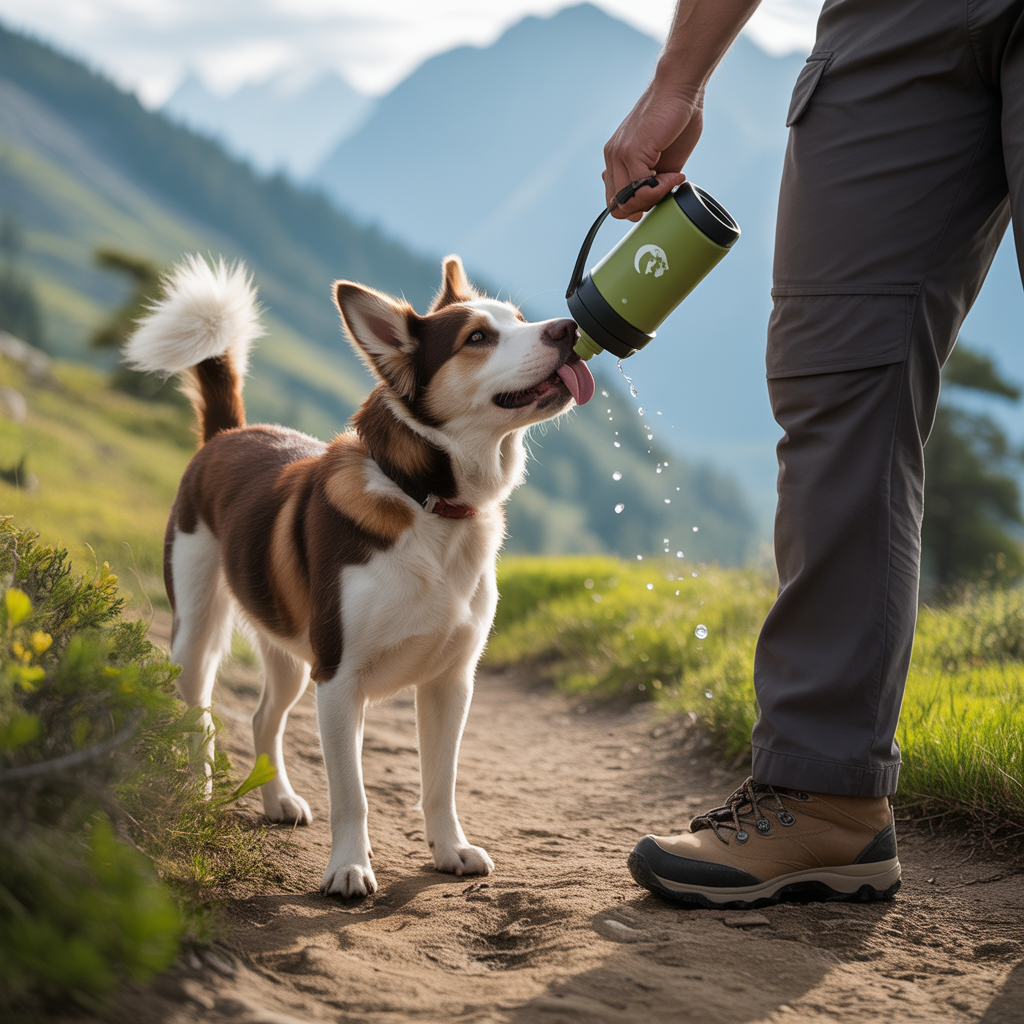
Water is the most critical item. Dogs overheat faster than humans, and panting is their primary cooling mechanism, which means they lose water quickly. Bring at least eight ounces of water per hour of hiking for a medium-sized dog, and more if it is hot or the trail is strenuous. A portable dog water bottle with an attached bowl makes it easy to offer water without wasting it. Offer water every 20 to 30 minutes, even if your dog does not seem thirsty yet. By the time they are panting heavily, they are already dehydrated.
Food depends on the length of your hike. For hikes under three hours, your dog probably does not need food on the trail-just feed them normally before and after. For longer hikes, bring high-protein snacks like small pieces of cooked chicken, dog jerky, or their regular kibble. Avoid giving them large amounts of food during the hike, which can cause stomach upset. Small snacks during breaks are better.
A basic first aid kit for your dog should include: tweezers for removing ticks or splinters, gauze pads, self-adhesive wrap (like Vetwrap) for bandaging paws, antiseptic wipes, and any medications your dog takes regularly. If your dog has a known health issue like seizures or allergies, bring whatever emergency medication your vet has prescribed. You can buy a pre-made dog first aid kit designed for hiking, or assemble your own.
Poop bags are non-negotiable. Bring more than you think you will need, because there is nothing worse than running out three miles from the trailhead. Pack out all waste-do not leave bagged poop on the side of the trail, even if you plan to pick it up on your way back. Other hikers do not want to see it, and you might forget. Many hikers use a dedicated poop bag holder that clips to their pack or belt for easy access.
Optional but useful items include: a lightweight dog cooling vest if you are hiking in warm weather, a collapsible bowl for food or extra water.
Protect Your Dog’s Paws from Trail Surfaces
Dog paws are tougher than human feet, but they are not invincible. Hot pavement, sharp rocks, thorns, ice, and snow can all injure paw pads. Before your first hike, check the trail surface type if possible. Dirt and grass trails are gentlest on paws. Rocky, gravelly, or sandy trails pose more risk, especially if your dog’s paws are soft from mostly walking on grass and carpet at home.
You can toughen your dog’s paw pads gradually by increasing their time walking on varied surfaces in the weeks before you hike. Start with short walks on pavement or gravel. After your hike, inspect all four paws for cuts, thorns, or raw spots. If you are hiking in very rocky terrain or extreme temperatures, consider dog hiking boots — these are protective shoes designed for dogs. Many dogs resist them at first and walk funny until they adjust, so practice at home before the trail. For hot weather hikes, test the ground temperature with your own hand: if you cannot comfortably hold your palm on the surface for seven seconds, it is too hot for your dog’s paws.
Know How to Handle Other Dogs and Wildlife on the Trail
You will encounter other dogs on the trail, and not all of them will be friendly, well-trained, or on leash. When you see another dog approaching, the safest move is to step off the trail to the side and have your dog sit or stand calmly next to you while the other dog passes. Keep the leash short-do not let your dog approach the other dog unless both owners agree it is okay. Many dog fights happen because owners assume all dogs want to say hello. They do not.
If the other dog is off-leash and approaches your dog in a way that makes you uncomfortable, it is okay to advocate for your dog. You can say loudly and clearly, “My dog is not friendly,” even if that is not entirely true-it is a socially acceptable way to ask someone to call their dog back. If an off-leash dog rushes your dog and will not leave, you can step between them, make yourself big, and use a firm, loud voice to say “Go home!” or “No!” Do not bend down or reach for the other dog, because that can escalate the situation.
Wildlife encounters depend on where you are hiking. In most areas, the wildlife you will see-squirrels, birds, rabbits-are not dangerous, but they are extremely exciting to dogs. Keep your dog on a short leash and redirect their attention with treats or a firm command when they start fixating on small animals. Chasing wildlife is not only bad for the animals, it is how dogs get lost or injured.
In areas with larger wildlife like deer, bears, or coyotes, the stakes are higher. If you see a bear, do not let your dog approach it or bark at it. Back away slowly while keeping your dog close and calm. If a bear approaches, do not run-stand your ground, make yourself look large, and speak in a calm, firm voice. The specific response depends on the bear species: with black bears (the most common in North America, identifiable by their straight face profile and lack of shoulder hump), make noise, wave your arms, and fight back if attacked-never play dead. With grizzly bears (larger, with a distinctive shoulder hump and dished face profile, found primarily in Alaska, Montana, Wyoming, and western Canada), back away slowly, avoid direct eye contact, and only fight back as a last resort if the attack continues after you have played dead. Most bear encounters end with the bear leaving on its own, especially if you keep your dog quiet and controlled. Carrying bear spray in areas with known bear activity adds an extra layer of safety.
Snakes are another concern, especially in warmer months. Most snakes will leave if they sense vibration from your footsteps, but dogs sometimes stick their nose in the wrong place. If you are hiking in an area with venomous snakes like rattlesnakes, keep your dog close and on trails. If your dog is bitten, stay calm, keep them calm, and get to a vet as quickly as possible. Do not try to suck out venom or apply a tourniquet-just get help.
Recognize When Your Dog Is Struggling and What to Do
Dogs cannot tell you when they are tired, overheated, or in pain, so you need to watch for signs. Excessive panting that does not slow down during breaks, drooling, a tongue that looks very dark or bright red, and unsteady movement are all signs of overheating. If you see these signs, stop immediately, move to shade, and offer water. Pour water on your dog’s chest, belly, and paw pads to help them cool down-these areas release heat faster than their back. Do not pour ice-cold water all over them, because rapid cooling can cause shock. If your dog does not improve within 10 to 15 minutes, you need to get off the trail and to a vet.
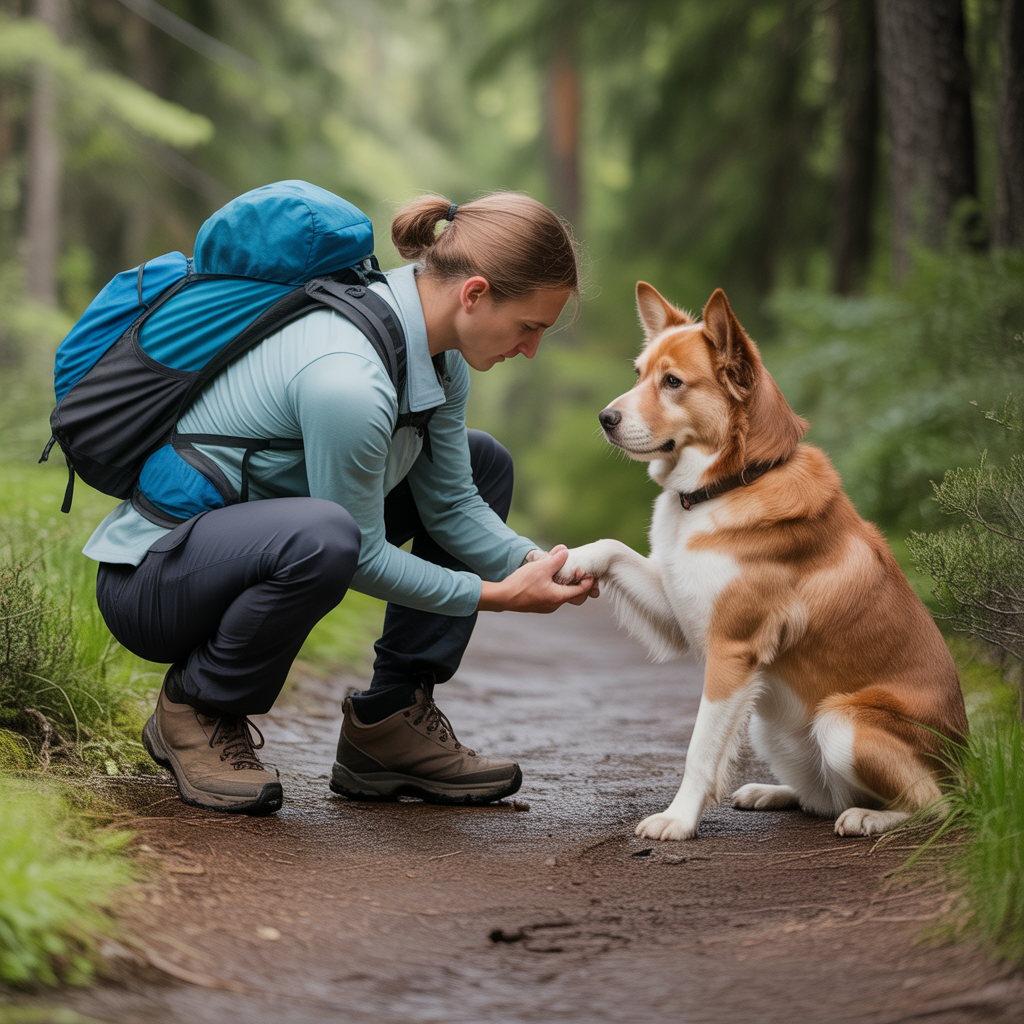
Limping or favoring a paw usually means a cut, thorn, or blister. Stop and check the paw carefully. Remove any debris you can see, rinse the paw with clean water if possible, and wrap it loosely with gauze if it is bleeding. If the cut is deep or your dog will not put weight on the leg, you will need to shorten your hike or carry them out if they are small enough. For larger dogs, you may need to walk very slowly or call for help.
Exhaustion looks like a dog that keeps stopping, lies down frequently, or lags far behind you even though they are usually energetic. Some dogs will push themselves past their limits because they do not want to be left behind. If your dog is showing signs of exhaustion, turn around. It does not matter if you are only halfway to your planned destination. A dog that is this tired is at risk for injury and heatstroke.
In a true emergency-your dog is unconscious, having a seizure, or severely injured-your options are limited. If you have cell service, call for help. If you are hiking with another person, one of you should stay with the dog while the other goes for help. If you are alone and the dog is small enough, you may need to carry them out. This is why starting with short, easy hikes close to the trailhead is so important-it keeps you within range of help if something goes wrong.
Frequently Asked Questions
Can I take my dog on a hike if they are not used to being outside?
Yes, but you need to start very small and build up gradually. A dog that is not used to outdoor activity cannot handle a long or difficult trail on their first outing. Start with a short, flat trail-one mile or less-and see how they do. Walk at a pace that is comfortable for them, not for you. Offer water every 15 to 20 minutes and watch for signs of stress like excessive panting, reluctance to move forward, or limping. After the hike, monitor them for the next 24 hours. Are they sore? Limping? Reluctant to go for their normal walk the next day? If so, you went too far. If they seem fine, you can gradually increase distance over the next few weeks. Think of it like training for a race-you would not run 10 miles on your first day, and neither should your dog. Building fitness takes time, but it is worth it. A well-conditioned dog will enjoy hiking far more than one that is constantly struggling to keep up.
What should I do if my dog gets injured on the trail?
First, stop hiking and assess the injury calmly. If it is a minor cut or scrape, clean it with water, apply antiseptic if you have it, and wrap the area with gauze or self-adhesive bandage wrap. If your dog can still walk comfortably, you can continue hiking at a slower pace, but keep an eye on the injury to make sure it does not worsen. If the injury is more serious-a deep cut, a broken bone, severe limping, or any injury where your dog cannot put weight on a leg-you need to get off the trail as quickly and safely as possible. For small dogs, you may be able to carry them. For larger dogs, you may need to walk very slowly and provide support, or call for help if you have cell service. If your dog is in severe pain, try to keep them calm and still while you figure out your next steps. Do not attempt to splint a broken bone yourself unless you have training-you can cause more damage. The priority is getting your dog to a veterinarian as soon as possible. This is why hiking in areas with cell service and staying close to the trailhead on your first few hikes is so important-it keeps you within range of help.
How much water should I bring for my dog on a hike?
A general rule is to bring at least eight ounces of water per hour of hiking for a medium-sized dog-around 30 to 50 pounds. Smaller dogs need less, larger dogs need more. If it is hot, humid, or the trail is steep, increase that amount. For a two-hour hike with a medium dog on a warm day, plan on bringing at least 24 ounces of water just for your dog, in addition to your own water. It is better to bring too much and not use it than to run out halfway through the hike. Offer water every 20 to 30 minutes, even if your dog does not seem thirsty yet. Dogs cool themselves through panting, which means they lose water quickly, and by the time they seem really thirsty, they are already getting dehydrated. Bring a portable dog water bottle with an attached bowl, or use a collapsible bowl and pour water from your own bottle. Never let your dog drink from streams, ponds, or puddles on the trail-they can contain bacteria, parasites, or toxins that will make your dog sick.
Do I need to keep my dog on a leash while hiking?
In most cases, yes. The majority of trails that allow dogs require them to be on leash, typically six feet or shorter. Leash laws exist to protect wildlife, prevent conflicts with other hikers and dogs, and keep your dog safe from hazards like cliffs, snakes, or getting lost. Even if your dog has perfect recall at home, trails introduce distractions they have never encountered-unfamiliar animals, scents, other dogs, and sometimes dangerous wildlife. A dog that is normally obedient can bolt after a deer or squirrel and end up miles away or injured. Some trails in certain areas do allow off-leash or voice-control hiking, but even on these trails, you should leash your dog when you see other people or dogs approaching. Not every dog is friendly, and not every hiker is comfortable around dogs. If you are caught with an off-leash dog on a leash-required trail, you can be fined by park rangers or asked to leave. Beyond the legal issue, keeping your dog on leash is simply the safest and most courteous choice for everyone on the trail.
Can puppies go hiking?
Puppies can go on very short, easy hikes, but you need to be careful about distance and terrain. Puppies under one year old have growing bones and joints that can be permanently damaged by too much strenuous exercise. The general guideline is no more than five minutes of exercise per month of age, twice a day. So a four-month-old puppy should not hike for more than 20 minutes at a time. Stick to flat, easy trails with soft surfaces like dirt or grass-avoid rocky or steep terrain. Watch your puppy closely for signs of tiredness like lagging behind, lying down frequently, or limping. If you see any of these signs, stop immediately and carry them back if needed. Puppies also have less-developed immune systems, so make sure they have completed their full vaccination series before taking them on trails where they might encounter other animals or contaminated water. Once your puppy is over a year old and their growth plates have closed-your vet can confirm this-you can gradually increase hiking distance and difficulty. Until then, think of hikes as short, fun outings that build positive associations with the outdoors, not serious exercise.
The Bottom Line
Hiking with your dog does not have to be complicated or stressful, but it does require more planning than hiking alone. Start with short, easy trails close to home where your dog can build fitness gradually and you can learn what works for both of you. Invest in a few key pieces of gear-a good harness, a sturdy leash, a way to carry water-and know the trail rules before you go. Most importantly, pay attention to your dog throughout the hike. Watch for signs of tiredness, overheating, or discomfort, and be willing to turn around early if needed. Your dog will not care if you only made it halfway to the viewpoint. They will just be happy to be outside with you.
If this is your first time hiking with your dog, aim for a trail that is one to two miles long, mostly flat, and has good cell service. Bring twice as much water as you think you will need, pack a basic first aid kit, and do not worry about looking inexperienced. Every experienced hiker started exactly where you are now, and most of them learned by making small mistakes and adjusting. The fact that you are reading this guide means you are already doing better than most people-you are preparing instead of just winging it. That preparation will make your first hike with your dog safer, more enjoyable, and the start of something you will both look forward to every weekend.
Disclosure: As an Amazon Associate, we earn from qualifying purchases. This does not affect our editorial recommendations.