
You want to take your dog hiking, but when you look at trail websites or park maps, it is not always clear where dogs are actually allowed-or what rules you need to follow once you get there. Some trails welcome dogs on leash, others ban them entirely, and a few allow off-leash hiking in designated areas. If you are new to hiking with your dog, figuring out which trails are dog-friendly and how to find reliable information can feel surprisingly confusing.
This guide will walk you through exactly how to find dog-friendly hiking trails using free online tools, apps, and local resources. You will learn what rules to expect, how to verify trail policies before you leave home, and what to pack so your first hike with your dog goes smoothly. By the end, you will have a clear search strategy and the confidence to plan safe, enjoyable trail adventures with your pup. For more guidance on getting started with trail hiking, see our complete beginner’s guide to starting hiking.
What to Look For
Start with AllTrails and Filter by Dog-Friendly Options
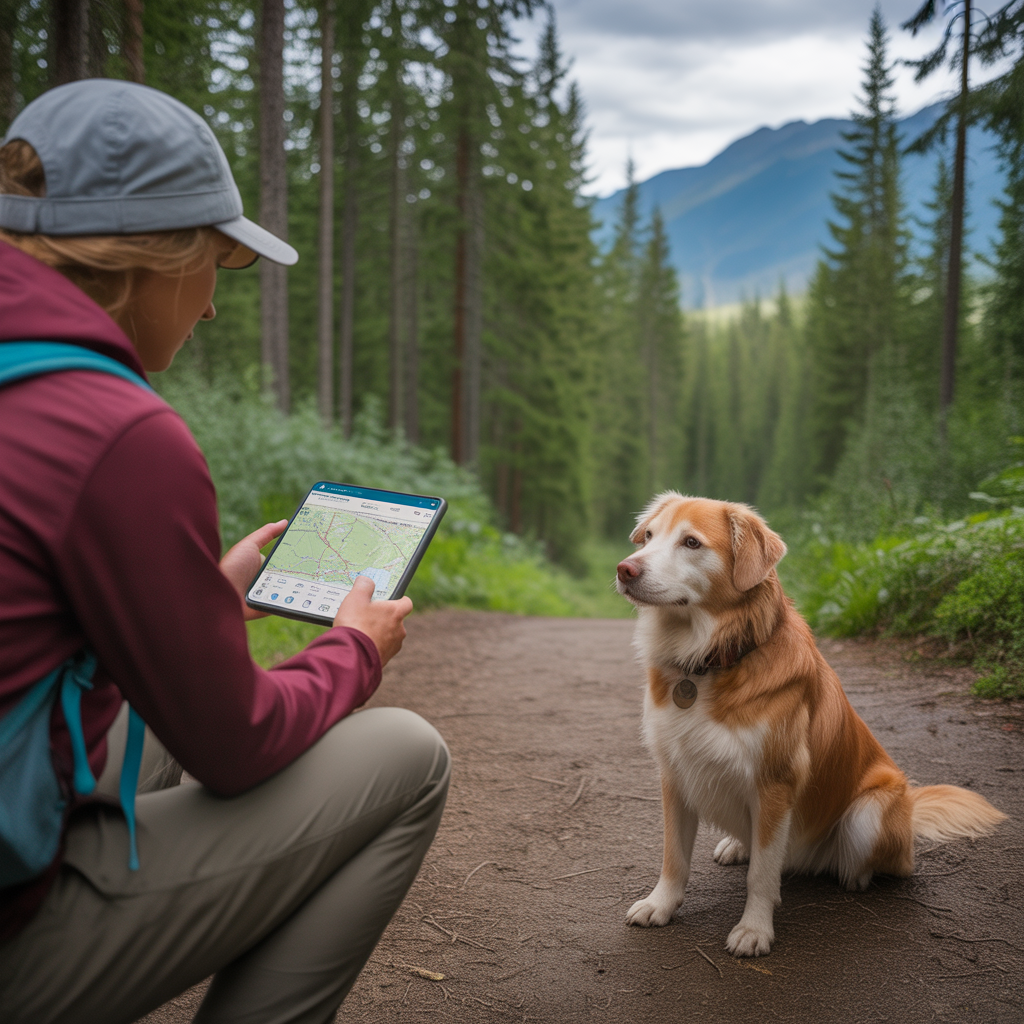
AllTrails is the most popular trail-finding app among beginner hikers, and it includes a specific filter for dog-friendly trails. After downloading the free app or visiting the website, enter your location or a nearby town, then open the filters menu. You will see a checkbox labeled “dogs allowed” or “dog-friendly”-check that box, and the app will show only trails where dogs are permitted. Each trail listing includes user reviews, photos, and recent trail reports, many of which mention whether they saw other dogs, if the trail was busy, or if there were any issues. This crowdsourced information is incredibly helpful when you are trying to gauge what to expect. The free version of AllTrails is sufficient for most beginner hikers, though the paid version offers offline maps and additional features if you hike in areas with limited cell service.
Check Official Park and Forest Service Websites
While apps like AllTrails are convenient, they occasionally contain outdated or incomplete information. To confirm a trail is dog-friendly and understand the specific rules, always check the official website for the park or forest where the trail is located. National parks, state parks, national forests, and county parks all have their own dog policies, and these can vary widely even within the same state. For example, most national parks restrict dogs to paved roads and campgrounds, while national forests typically allow dogs on trails as long as they are leashed. When you visit an official park website, look for a “rules and regulations” or “pets” section-this will tell you whether dogs are allowed, what leash length is required (usually six feet), and whether there are any seasonal restrictions. Some parks ban dogs during nesting season or in areas with sensitive wildlife, so checking ahead prevents wasted trips.
Use the BringFido Website and App for Dog-Specific Trail Listings
BringFido is a website and app designed specifically for dog owners who want to travel and explore with their pets. Unlike general trail apps, BringFido focuses exclusively on dog-friendly locations, including hiking trails, beaches, parks, and campgrounds. You can search by city or zip code, and the site will show you trails where dogs are welcome along with user ratings, photos of dogs on the trail, and tips from other dog owners. BringFido also lists nearby dog-friendly hotels, restaurants with patios, and pet supply stores, which is useful if you are planning a day trip or weekend adventure. The site is free to use and especially helpful if you are traveling to a new area and want to find dog-friendly trails without spending hours researching each park individually.
Contact Local Hiking Groups and Animal Shelters for Trail Recommendations
Local hiking clubs, dog training groups, and even animal shelters often maintain lists of dog-friendly trails in your area. Many cities have Facebook groups or Meetup groups dedicated to hiking with dogs, where members share their favorite trails, post trail conditions, and organize group hikes. Joining one of these groups gives you access to real-time information from people who hike the same trails regularly. Animal shelters and veterinary clinics also frequently recommend dog-friendly trails to new pet owners, and staff members are usually happy to share their personal favorites if you call or stop by. These local recommendations are valuable because they come from people who understand the specific challenges of your area-whether that is heat, ticks, off-leash dogs, or crowded trailheads.
Understand Common Dog Rules and What to Expect on the Trail
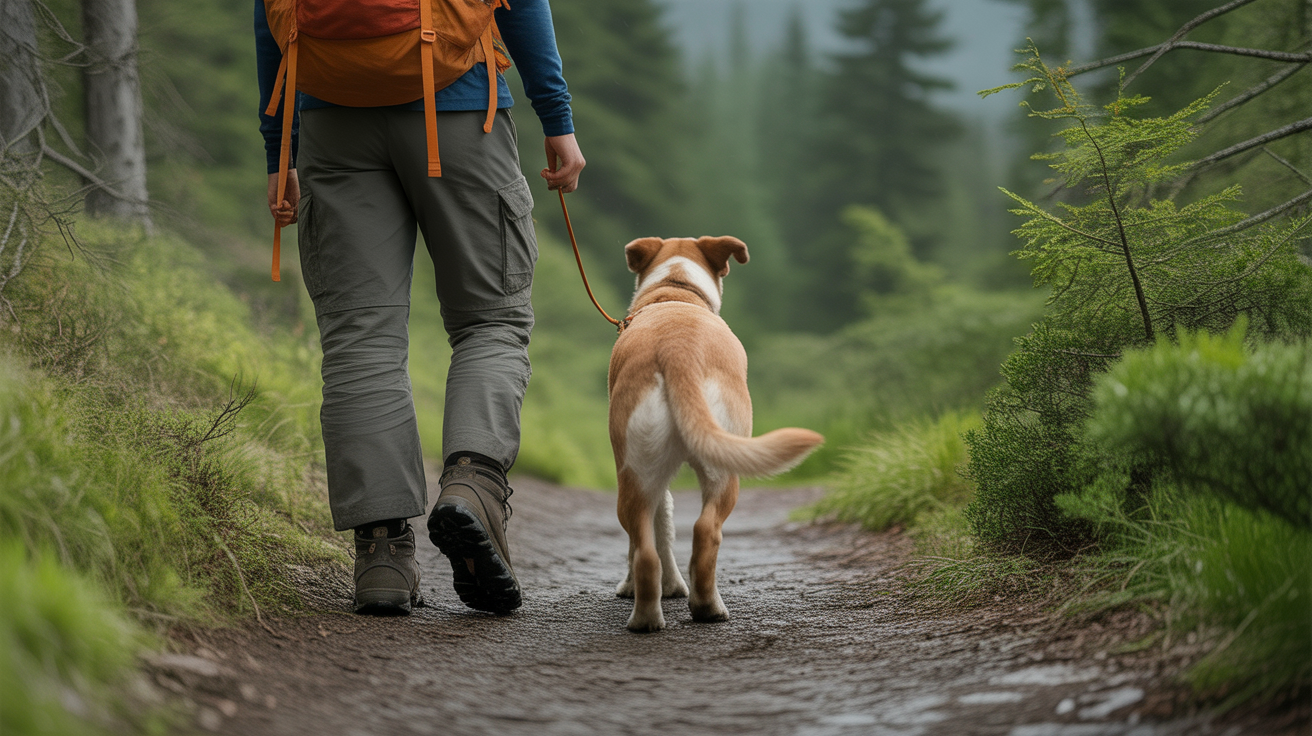
Once you find a dog-friendly trail, you need to know what rules apply. Almost all dog-friendly trails require dogs to be on a leash, typically no longer than six feet. Retractable leashes are discouraged on trails because they give you less control if your dog encounters wildlife, other hikers, or steep drop-offs. Some trails have specific leash requirements posted at the trailhead, so always read the signs before you start hiking. You are also expected to pick up after your dog and pack out waste in a sealed bag-most trailheads do not have trash cans, so bring a small waste bag holder that clips to your pack or dog leash for hiking. Trail etiquette also means yielding to other hikers, keeping your dog on the trail (not chasing wildlife or trampling vegetation), and being prepared to leash your dog even in off-leash areas if other hikers or dogs approach. Understanding these expectations before your first hike helps you feel more confident and ensures a positive experience for everyone on the trail.
Pack the Right Gear for Your Dog Before Heading Out
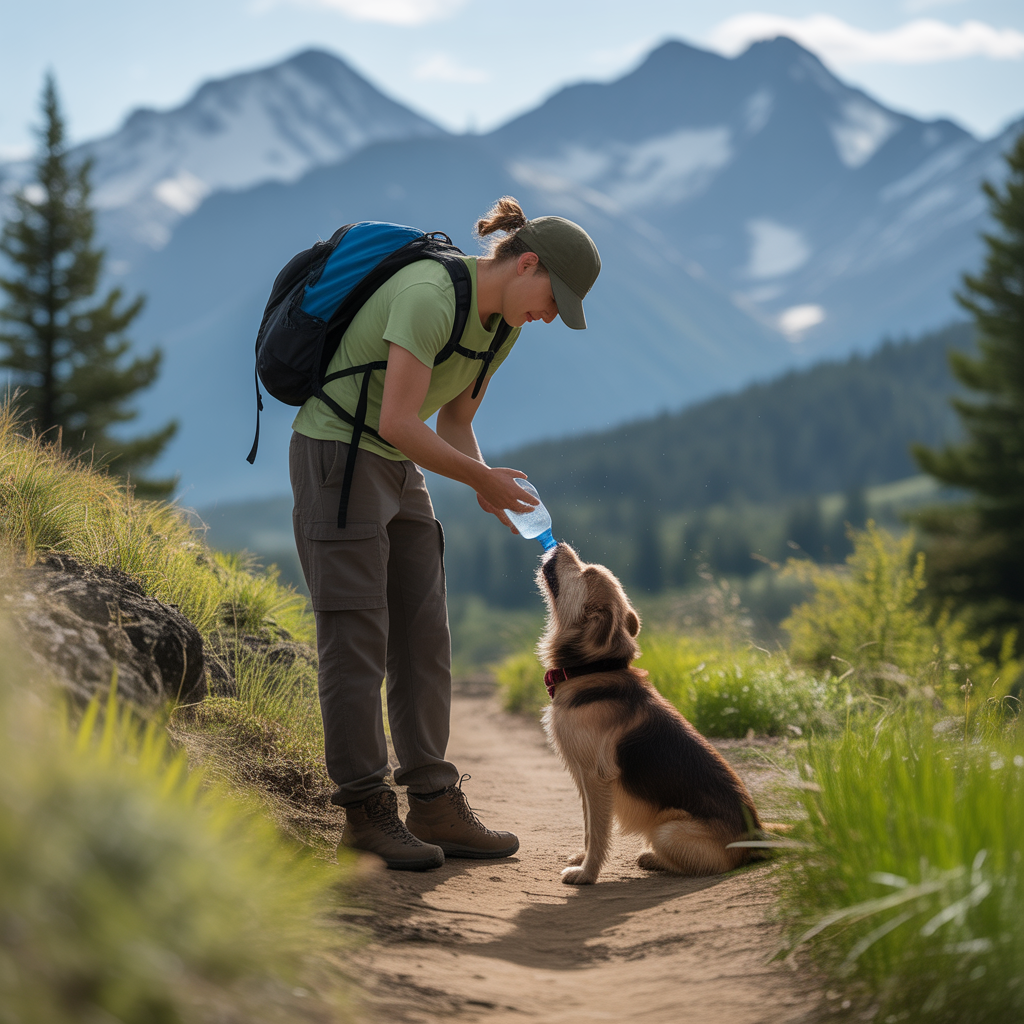
Before you hit the trail, make sure you have the essentials for your dog. Bring more water than you think you will need-dogs overheat quickly, especially on warm days or steep trails-and carry a collapsible bowl or dog water bottle for hiking so your pup can drink easily. Check your dog’s paws after the hike for cuts, thorns, or wear, and consider dog hiking boots if the trail is rocky or hot. A basic dog first aid kit for hiking should include tweezers for splinters or ticks, gauze for cuts, and any medications your dog takes regularly. If you are hiking in tick-heavy areas, apply tick prevention for hiking dogs before you leave home. Finally, make sure your dog wears a collar with ID tags that include your current phone number-if your dog slips their leash or gets spooked, identification is critical for a safe reunion.
Frequently Asked Questions
Can I take my dog on any hiking trail?
No, not all hiking trails allow dogs. National parks have some of the strictest rules and typically only allow dogs on paved paths, roads, and campgrounds-not on dirt trails or backcountry areas. This is to protect wildlife and sensitive ecosystems. However, national forests, state parks, and regional parks are generally more dog-friendly and allow dogs on most trails as long as they are leashed. Some wilderness areas also restrict dogs to protect endangered species or nesting birds. Before heading out, always check the official park or forest website to confirm their pet policy. Apps like AllTrails and BringFido can help you filter for dog-friendly trails, but verifying with the land management agency is the most reliable way to avoid arriving at a trailhead only to find out dogs are not permitted.
What does it mean when a trail is listed as dog-friendly?
A dog-friendly trail is one where dogs are officially allowed by the land manager, but that does not mean dogs can roam freely. Most dog-friendly trails require dogs to be on a leash at all times, typically six feet or shorter. Some trails specify additional rules, such as no dogs during certain seasons, no dogs near water sources, or dogs must yield to horses and other trail users. Dog-friendly does not guarantee the trail is safe or suitable for your specific dog-steep terrain, rocky paths, or extreme heat can be challenging for some breeds, puppies, or older dogs. When you see a trail labeled dog-friendly, read the full description and user reviews to understand what conditions you will encounter and whether your dog can handle them comfortably.
How do I know if a trail requires dogs to be on a leash?
The easiest way to confirm leash requirements is to check the official website for the park or forest where the trail is located. Most land managers post their pet policies online under a section labeled “rules,” “regulations,” or “pets.” You will typically see language like “dogs must be leashed at all times” or “leash length not to exceed six feet.” When you arrive at the trailhead, look for signs posted near the parking area or trail entrance-these will state whether leashes are required and what length is allowed. If you cannot find clear information online or at the trailhead, call the park office or visitor center and ask directly. A few trails and parks have designated off-leash areas, but these are rare and always clearly marked. Unless you see explicit signage stating off-leash is allowed, assume your dog must be leashed.
Are there apps specifically for finding dog-friendly hiking trails?
Yes, several apps and websites focus specifically on dog-friendly hiking trails. AllTrails is the most widely used general hiking app and includes a filter for dog-friendly trails, along with user reviews that often mention whether dogs were present and how busy the trail was. BringFido is a dog-specific app and website that lists trails, parks, beaches, and campgrounds where dogs are welcome, along with photos submitted by other dog owners. The Hiking Project, which is owned by REI, also allows you to filter trails by dog-friendly status and provides detailed trail maps and descriptions. For a more social approach, check Facebook groups or Meetup groups in your area dedicated to hiking with dogs-these communities share real-time trail recommendations, organize group hikes, and offer advice on local trail conditions. Using a combination of these tools gives you the most accurate and up-to-date information.
What should I bring when hiking with my dog for the first time?
For your first hike with your dog, pack extra water and a way for your dog to drink it-a collapsible bowl or a dog-specific water bottle works well. Bring waste bags and a small holder that clips to your leash or backpack so you can pack out your dog’s waste. Carry a basic first aid kit with tweezers, gauze, and any medications your dog takes. Make sure your dog wears a collar with current ID tags, and consider bringing a spare leash in case the primary one breaks. Snacks or treats can help motivate your dog on the trail and reward good behavior around other hikers. If the trail is rocky or your dog has sensitive paws, bring protective booties. Finally, check the weather and trail conditions before you go, and start with a short, easy trail to see how your dog handles the experience before attempting longer or more challenging hikes.
The Bottom Line
Finding dog-friendly hiking trails does not have to be complicated once you know where to look and what questions to ask. Start with apps like AllTrails or BringFido to filter trails by pet policies, then verify the rules on the official park or forest website before you leave home. Join local hiking groups or ask at your vet clinic or animal shelter for personal recommendations, and always check trailhead signs when you arrive to confirm leash requirements and any seasonal restrictions. Pack extra water, waste bags, a first aid kit, and proper identification for your dog, and start with shorter, easier trails while you and your pup learn what works best together.
Your first few hikes with your dog will teach you a lot about what trails suit your dog’s fitness level, how much water they need, and how they react to other hikers and wildlife. Take your time, stay flexible, and do not hesitate to turn back if your dog seems tired or uncomfortable. Hiking with your dog is one of the most rewarding ways to enjoy the outdoors, and with a little preparation and the right resources, you will quickly build confidence and find trails that you both love. For more tips on planning your outdoor adventures, explore our essential hiking tips for beginners. Start local, start small, and enjoy the process of exploring new places with your best friend by your side.
Disclosure: As an Amazon Associate, we earn from qualifying purchases. This does not affect our editorial recommendations.