
If you are planning your first hike in the Pacific Northwest or anywhere with unpredictable weather, the rain jacket question can feel overwhelming. You have probably seen terms like waterproof, water-resistant, hardshell, and softshell thrown around, and you are not quite sure which one you actually need. The good news? You do not need to be a gear expert to find a rain jacket that will keep you comfortable and dry on the trail.
This guide will walk you through everything you need to know as a beginner hiker, from understanding what makes a jacket truly waterproof to finding one that packs small enough to fit in your daypack. We have tested and researched jackets specifically with new hikers in mind, focusing on options that balance protection, comfort, and affordability. By the end of this article, you will know exactly which rain jacket suits your hiking plans and feel confident hitting the trail no matter what the weather forecast says.
What to Look For
Waterproof vs Water Resistant: What You Really Need
This is the most common point of confusion for new hikers, and it matters more than you might think. A water-resistant jacket can handle light drizzle or mist for a short period, but it will eventually soak through during steady rain. Water-resistant jackets are typically treated with a coating called DWR (durable water repellent) that makes water bead up and roll off, but this coating wears down over time and does not create a true barrier.
Waterproof jackets, on the other hand, have a membrane or laminate layer that physically blocks water from penetrating the fabric. These jackets will keep you dry even during prolonged downpours. For hiking, especially if you are heading out in spring, fall, or in regions known for rain like the Pacific Northwest or mountain areas, you want a waterproof jacket. As a beginner, this is your safest bet because you are still learning to read weather patterns and may end up caught in unexpected rain.
Understanding Packability and Weight
One of the best features of a good hiking rain jacket is that it should stuff into its own pocket or compress into a small bag that fits easily in your daypack. This is called packability, and it is essential for hikers who do not want to carry bulky gear all day. Most packable rain jackets weigh between 6 to 16 ounces, which is light enough that you will barely notice the weight.
When you are just starting out, prioritize jackets that come with a stuff sack or have a pocket that doubles as a storage pouch. This makes it easy to stash the jacket when the sun comes out and pull it back on when clouds roll in. Lightweight does not mean flimsy, though. Many modern rain jackets use advanced materials that are both featherlight and surprisingly durable. For beginners, a jacket in the 10-14 ounce range offers a good balance of protection and portability.
Breathability: Why You Need Ventilation
Here is something many new hikers do not expect: you can get just as wet from sweat inside your jacket as you can from rain outside. This happens when a jacket traps heat and moisture, creating a clammy, uncomfortable experience. Breathability refers to a jacket’s ability to let moisture vapor (your sweat) escape while still blocking rain from getting in.
Features like pit zips (underarm vents with zippers) and mesh-lined pockets dramatically improve ventilation. Some jackets also use breathable membranes that allow vapor to pass through the fabric itself. For beginners, look for jackets that mention breathability in their product details or include pit zips. This feature becomes especially important if you are hiking uphill or during warmer weather when you are generating more body heat.
Fit and Layering Considerations
A rain jacket should fit comfortably over your base layers and possibly a mid-layer like a fleece. If you buy a jacket that is too tight, you will not have room for warm layers underneath when the temperature drops. If it is too loose, wind can whip up underneath and reduce the jacket’s effectiveness.
When shopping, consider that you will likely wear a t-shirt or light long-sleeve base layer in warmer weather, but you might add a fleece or insulated layer in colder conditions. Many hikers size up slightly for this reason. Pay attention to sleeve length, too. When you raise your arms (like when using trekking poles), the sleeves should not ride up and expose your wrists. Adjustable cuffs with velcro or elastic help seal out water and keep the fit snug.
Essential Features for Beginners
Not all rain jackets are created equal, and certain features make a huge difference on the trail. An adjustable hood is critical because it needs to fit over a hat or stay secure in wind without blocking your peripheral vision. Look for hoods with drawcords or toggles at the back and sometimes at the front.
Pockets matter more than you might think. You will want at least two zippered hand pockets to keep essentials like your phone, snacks, or trail map dry. Some jackets also include chest pockets or interior pockets. Zippers should be waterproof or water-resistant, often covered by a storm flap. Finally, consider the jacket’s length. Most hiking rain jackets hit at the hip or slightly below, which provides good coverage without interfering with your backpack’s hip belt.
Hardshell vs Softshell: Which One for Hiking
You have probably seen both terms, and they describe different jacket styles. A hardshell jacket is fully waterproof with a crisp, slightly stiff feel. It is designed specifically for wet conditions and offers maximum rain protection. This is what most people mean when they say rain jacket, and it is what you want for hiking in areas where you expect rain.
A softshell jacket, by contrast, is typically water-resistant (not waterproof), more flexible, and often warmer. Softshells work well for cold, dry conditions or light precipitation, but they will not keep you dry in steady rain. As a beginner hiking in potentially rainy conditions, start with a hardshell waterproof jacket. You can always add a softshell later as you build your gear collection and understand your specific needs better.
Our Top 5 Picks
1. COOFANDY Mens Packable Rain Jacket Lightweight Waterproof Raincoat with Hood Outdoor Rain Gear Travel Hiking Cycling ISCC PLUS
Best for budget-conscious beginners who want reliable waterproof protection

This COOFANDY rain jacket has earned over 6,000 reviews from hikers and outdoor enthusiasts, making it one of the most trusted budget options for beginners. What makes this jacket particularly beginner-friendly is its straightforward design that delivers essential rain protection without overwhelming you with features you may not need yet. The jacket is fully waterproof, not just water-resistant, which means you can confidently wear it during steady rain without worrying about getting soaked.
One of the standout features is its packable design. The jacket compresses down small enough to fit conveniently in your daypack without taking up excessive space, which is incredibly practical for beginners who are still learning what to carry and want to minimize bulk. At this price point, you are getting a hood that adjusts to fit snugly around your face, which is essential for keeping rain out and maintaining visibility on the trail.
The jacket includes zippered pockets to keep your phone and small essentials dry, and the ISCC PLUS certification in the product name indicates sustainability considerations that appeal to environmentally conscious hikers. While this is not the lightest option available, it offers excellent value for beginners who want to test hiking in wet weather without spending a fortune. The sizing runs fairly true to standard measurements, though if you plan to layer a fleece underneath on colder days, you may want to consider your typical layering needs when selecting your size. The primary limitation is that it lacks ventilation features, so you may feel warm during intense uphill sections on milder days.
See current pricing for the COOFANDY Mens Packable Rain Jacket on Amazon.
Pros
- Exceptional value at under $20 with full waterproof protection
- Over 6,000 customer reviews provide confidence for first-time buyers
- Packable design compresses for easy storage in daypack
- ISCC PLUS certification for eco-conscious hikers
Cons
- No pit zips or ventilation features for breathability
- Basic design without advanced features found in pricier jackets
- Some users report it runs slightly large
2. 33,000ft Women’s Rain Jacket Waterproof Lightweight Packable Raincoat with Hood for Golf Hiking Travel Windbreaker
Best for women beginners seeking reliable waterproof performance with good breathability

This 33,000ft rain jacket specifically designed for women addresses one of the most common complaints among female hikers: finding rain gear that actually fits well. The jacket features a women-specific cut that accommodates curves without feeling boxy or restrictive, which makes it comfortable for hours on the trail. With nearly 1,500 reviews and a 4.5-star rating, it has proven itself as a dependable choice for beginner hikers.
What sets this jacket apart in the mid-price range is its combination of full waterproof protection with thoughtful design details. The hood adjusts easily even while wearing the jacket, which is something you will appreciate when weather changes quickly on the trail. The lightweight construction means you can carry it all day in your pack without adding significant weight to your load. This matters when you are carrying water, snacks, and other essentials.
The zippered pockets are positioned well for hiking, sitting above where your backpack hip belt would rest, so you can access them without removing your pack. The jacket is designed to be packable, folding down to a manageable size that fits in your daypack alongside your other gear. The fabric has a soft feel that does not make that crinkly noise some rain jackets produce, which adds to the comfort factor. While this jacket does not include pit zips, users report that the overall construction allows for adequate airflow during moderate hiking. The main consideration is that if you plan to layer heavily underneath, you should evaluate your usual layering system when selecting your size.
Read verified buyer reviews for the 33,000ft Women’s Rain Jacket on Amazon.
Pros
- Women-specific fit that accommodates body shape comfortably
- Nearly 1,500 reviews confirm reliable waterproof performance
- Lightweight construction for easy daypack carrying
- Quiet fabric that does not produce excessive crinkling noise
Cons
- No pit zips for additional ventilation on warm days
- Some users recommend sizing up for heavy layering
- Mid-range price point compared to budget options
3. baleaf Men’s Rain Jacket Waterproof Windbreaker Raincoat Running Cycling Hiking Gear Hood Lightweight Reflective Packable
Best for men beginners who want premium features and excellent visibility

The Baleaf rain jacket brings over 7,000 customer reviews and premium features that make it worth the higher investment for beginners serious about hiking. This jacket excels in several areas that directly benefit new hikers who are still learning trail conditions and safety practices. Most notably, it includes reflective elements that enhance visibility, which is a safety feature you will appreciate if you are ever hiking near dusk or in foggy conditions where being seen matters.
Users consistently report excellent waterproof performance, with many testing it in heavy Pacific Northwest rain and mountain storms. The jacket maintains its waterproof integrity over time, which is important because some cheaper jackets lose effectiveness after just a few uses. The hood design provides excellent coverage without restricting your field of vision, and it stays put even in wind, which is critical when you need to keep your head protected while still watching your footing on the trail.
What makes this particularly good for beginners is the thoughtful pocket design. The jacket includes multiple zippered pockets positioned for easy access while wearing a backpack, so you can grab snacks or check your phone without stopping to remove your pack. The packable feature means it compresses to a size that fits easily in the top of a daypack when you are not wearing it. The fabric feels more substantial than budget options without being heavy, which gives you confidence that it will last through multiple seasons. Some users note the fit runs slightly athletic or slim, so if you prefer a roomier fit for layering or simply like more space, consider ordering one size up from your usual measurement.
Check current stock for the baleaf Men’s Rain Jacket on Amazon.
Pros
- Over 7,000 reviews demonstrate proven reliability across conditions
- Reflective elements enhance safety during dawn or dusk hiking
- Excellent waterproof performance that maintains over time
- Multiple well-positioned pockets accessible while wearing backpack
Cons
- Higher price point may exceed some beginner budgets
- Fit runs slightly slim or athletic
- Limited customer feedback compared to other options
4. Outdoor Ventures Men’s Rain Jacket Waterproof Lightweight Packable Rain Shell Raincoat with Hood for Golf Hiking Travel
Best for men beginners wanting versatile performance at a mid-range price
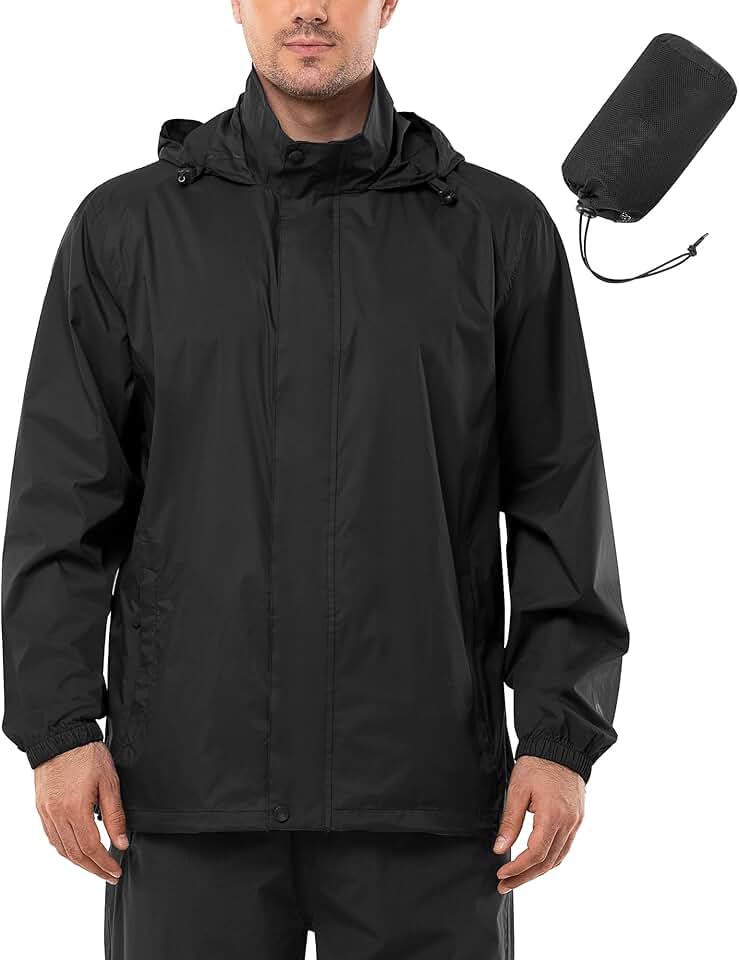
The Outdoor Ventures rain jacket strikes an excellent balance between affordability and performance, making it ideal for beginners who want quality without premium pricing. With nearly 2,000 reviews and consistent 4.5-star ratings, this jacket has proven itself across various hiking conditions from Pacific Northwest trails to mountain environments. What makes it particularly appealing for new hikers is its versatility, working well not just for hiking but also for everyday outdoor activities.
The jacket delivers reliable waterproof protection using a waterproof membrane that keeps you dry during extended rain exposure. The construction is lightweight, which means you can carry it all day without adding significant weight to your load. The packable design allows it to compress into a compact size that fits easily in any daypack, ready to pull out when the first drops start falling. The hood is adjustable and provides good coverage without being oversized or floppy, which is a common problem with budget rain jackets.
Users consistently praise the durability of this jacket, noting that it holds up well after multiple seasons of use. The zippered pockets are deep enough to securely hold a phone and other essentials without worry about items falling out on the trail. The jacket features adjustable cuffs that help seal out water and wind, and the overall fit accommodates layering without feeling bulky. The breathability is adequate for moderate hiking, though like most jackets in this price range, it does not include pit zips for enhanced ventilation. The color selection is good, with several options that help with visibility on the trail. The sizing runs true to standard measurements, which makes ordering straightforward for beginners unsure about fit.
Compare the Outdoor Ventures Men’s Rain Jacket specs and pricing on Amazon.
Pros
- Great balance of price and performance for mid-range budget
- Nearly 2,000 reviews confirm consistent quality
- Lightweight and packable without sacrificing durability
- Adjustable features including hood and cuffs for customized fit
Cons
- No pit zips for enhanced breathability
- Basic feature set compared to premium options
- Some reviewers note it can feel warm during intense activity
5. Avoogue Raincoat Women Lightweight Waterproof Rain Jackets Packable Outdoor Hooded Windbreaker
Best for women beginners prioritizing value and proven track record
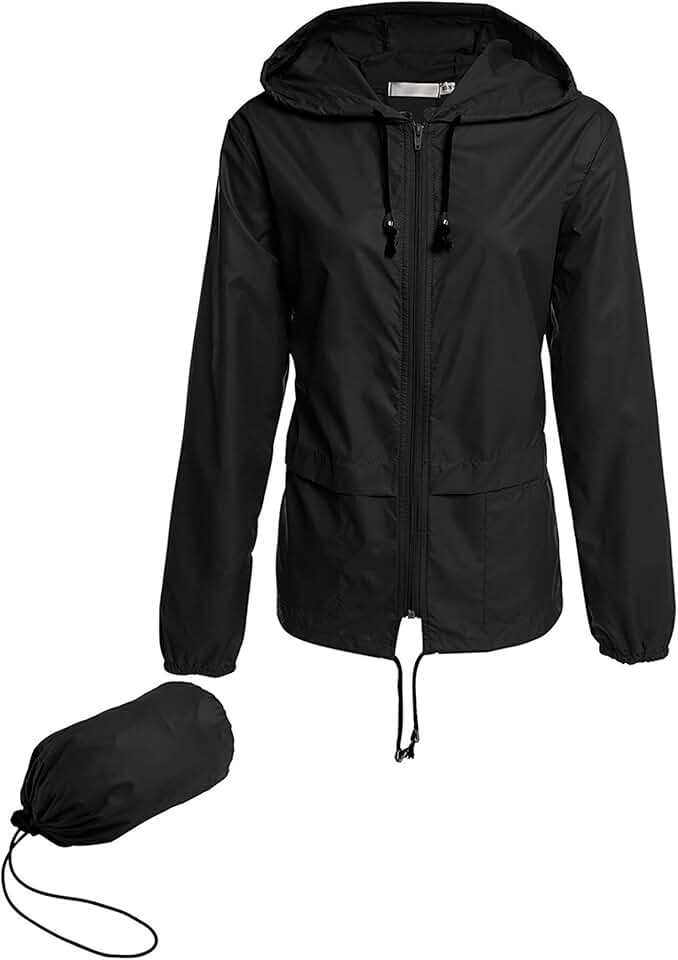
This Avoogue rain jacket stands out with an remarkable 16,500+ customer reviews, making it one of the most widely tested rain jackets available for beginner hikers. This extensive review base means you can read feedback from thousands of women who have actually used this jacket on trails, which provides tremendous confidence when making your first rain jacket purchase. The jacket delivers solid waterproof protection at an entry-level price point that makes it accessible for hikers just starting to build their gear collection.
The lightweight design and packable feature make it practical for day hiking where you want to be prepared for rain but do not want to carry unnecessary weight. The jacket folds into a compact size that fits easily in a backpack side pocket or main compartment, ready to deploy when weather turns. The hood helps protect your head and face from rain, keeping you more comfortable when caught in unexpected showers. The zippered pockets provide secure storage for essentials like your phone, trail snacks, or car keys.
What beginners particularly appreciate about this jacket is its straightforward functionality without complicated features that can be overwhelming when you are new to hiking. Users report that the waterproof performance handles typical rain showers effectively, though during truly heavy downpours lasting several hours, you might experience some moisture penetration around seams. The fit tends to run slightly generous, which many hikers prefer because it allows easy layering underneath. The fabric is smooth and comfortable against skin, not scratchy or stiff like some budget rain jackets. The enormous number of reviews means you can find feedback from women of all body types and heights, helping you make an informed sizing decision. At this price point, it represents excellent value for beginners who want reliable basic protection without premium features.
See if the Avoogue Raincoat Women Lightweight Waterproof Rain Jacket is right for your first hike on Amazon.
Pros
- Over 16,500 reviews provide unmatched customer feedback
- Exceptional value at just over $20
- Lightweight and packs compactly for easy carrying
- Straightforward design ideal for beginners not needing advanced features
Cons
- May allow some moisture during extremely heavy prolonged rain
- No ventilation features like pit zips
- Basic construction compared to higher-priced options
How These Compare
Choosing between these five rain jackets depends primarily on your budget and how seriously you plan to pursue hiking. If you are testing the waters and want the most affordable reliable option, the COOFANDY men’s jacket at $19.99 or the Avoogue women’s jacket at $20.49 both deliver solid waterproof protection with thousands of reviews backing their performance. These budget picks lack advanced features like pit zips but will keep you dry on typical day hikes.
For beginners willing to invest a bit more, the Outdoor Ventures men’s jacket at $31.44 and the 33,000ft women’s jacket at $38.99 occupy the sweet spot of quality and value. These mid-range options offer better durability and more refined fits that work well across multiple seasons. The women-specific cut of the 33,000ft jacket particularly stands out for female hikers frustrated with unisex sizing.
If you plan to hike frequently or in challenging conditions, the Baleaf men’s jacket at $55.99 justifies its premium price with reflective safety features, superior waterproofing, and construction that lasts. The 7,000+ reviews confirm it performs well in Pacific Northwest rain and mountain weather. Consider your hiking frequency, typical conditions, and budget to make the choice that fits your specific situation.
Frequently Asked Questions
What is the difference between waterproof and water-resistant rain jackets?
Waterproof rain jackets have a membrane or laminate layer that completely blocks water from penetrating the fabric, keeping you dry even during prolonged heavy rain. Water-resistant jackets use a coating treatment that makes water bead up and roll off the surface, but this protection eventually fails during steady rainfall or over time as the coating wears down. For hiking, especially in areas known for unpredictable weather or as a beginner still learning to read conditions, you want a waterproof jacket. Water-resistant options work for light drizzle or mist but will soak through during actual rain showers. The waterproof jackets in this guide all feature proper waterproof membranes designed to keep you dry during typical hiking weather. Think of water-resistant as protection from brief sprinkles, while waterproof handles serious rain that lasts for hours on the trail.
How should a rain jacket fit for hiking?
A hiking rain jacket should fit comfortably over your typical hiking clothes with room for at least one additional layer underneath like a fleece. When you raise your arms overhead (similar to using trekking poles), the sleeves should not ride up and expose your wrists. The jacket length should hit at your hips or slightly below, providing coverage without interfering with your backpack hip belt. The shoulders should allow free movement without feeling restrictive when you reach or twist. Many beginners find that sizing up slightly works well because it accommodates layering and provides comfort during active movement. Pay attention to adjustable features like cuffs and hem drawcords, which let you customize the fit to seal out rain and wind. The hood is particularly important because it needs to fit over a baseball cap if you wear one while still allowing you to turn your head and see peripherally. Try the jacket on with a backpack if possible to ensure the fit works with your actual hiking setup.
Do I need pit zips on my first rain jacket?
Pit zips are underarm vents with zippers that dramatically improve breathability by letting you release excess heat and moisture without removing your jacket. While not absolutely essential for beginners, they make a significant difference in comfort, especially during uphill hiking or warmer weather when you are generating body heat. Without pit zips, moisture from sweat can build up inside the jacket, leaving you feeling clammy even though you are staying dry from outside rain. However, many excellent beginner rain jackets do not include pit zips and still perform well for moderate hiking. If you hike primarily in cooler weather or on gentle terrain where you are not working as hard, you can start without this feature. As you gain experience and understand your specific needs, you can upgrade to a jacket with enhanced ventilation features. For your first jacket, prioritize waterproof protection and packability over ventilation, then decide if breathability is worth the extra cost for your second jacket based on your actual trail experiences.
How do I pack my rain jacket in my daypack?
Most packable rain jackets either stuff into their own pocket or come with a small stuff sack. To pack your jacket, lay it flat and smooth out any air pockets, then fold or roll it tightly starting from the bottom hem and working toward the hood. If it has a built-in stuff pocket, simply push the folded jacket into that pocket and secure any closure. The compressed jacket should fit easily in the top compartment of your daypack or in a side pocket for quick access when weather changes. Many hikers keep their rain jacket near the top of their pack so they can grab it quickly when clouds roll in without unpacking everything. Some jackets include a small carabiner loop, allowing you to clip the packed jacket to the outside of your pack, though this exposes it to snagging on branches. The key is practicing at home a few times before your hike so you can quickly pack and unpack the jacket on the trail. A properly packed rain jacket takes up about the same space as a water bottle, making it easy to carry even in a smaller daypack.
Can I use my rain jacket in winter for hiking?
Rain jackets are designed for rain protection, not insulation, so they do not provide warmth on their own. However, they work excellently as an outer shell layer during winter hiking when combined with proper insulating layers underneath. The rain jacket blocks wind and precipitation while your base layers and mid-layers (like fleece or down) provide warmth. This layering system is actually more versatile than a single thick winter coat because you can adjust warmth by adding or removing layers based on activity level and temperature. In winter conditions, your rain jacket serves as a windproof and waterproof shell over warmer clothing. Make sure your rain jacket fits loosely enough to accommodate these extra layers without restricting movement. The waterproof feature also protects you from wet snow and sleet. Just remember that rain jackets are not designed for extreme cold alone, they are part of a complete winter layering system. For snow hiking specifically, you might eventually want a hardshell jacket designed for alpine conditions, but for beginner winter day hikes below treeline, your rain jacket combined with warm layers works perfectly fine.
The Bottom Line
Finding the right rain jacket for your first hiking experiences does not need to be complicated. The key is matching the jacket to your specific situation and budget. If you are on a tight budget or just want to test whether hiking becomes a regular activity, the COOFANDY men’s jacket at $19.99 or Avoogue women’s jacket at $20.49 will keep you dry on your first several hikes without requiring a significant investment. These options handle typical rain conditions and give you time to discover what features matter most to you personally.
For hikers who already know they will be hitting the trails regularly, the mid-range options offer better long-term value. The 33,000ft women’s jacket at $38.99 provides a tailored fit that female hikers consistently praise, while the Outdoor Ventures men’s jacket at $31.44 delivers durability that holds up season after season. If you live in the Pacific Northwest or plan to hike in areas with frequent rain, these mid-tier jackets justify the extra cost with features that enhance comfort during actual use.
The Baleaf jacket at $55.99 makes sense for beginners who hike near roads where reflective elements improve safety, or for those who simply want the best protection available without jumping to expert-level pricing. With over 7,000 reviews confirming its performance, it represents a jacket you can confidently use for years as your skills develop.
Remember that your first rain jacket teaches you what you need in your second one. Maybe you discover you hike mostly in cool weather and breathability matters less than you thought. Or perhaps you find yourself sweating through uphill climbs and realize pit zips would transform your comfort. Any of these five jackets will serve you well while you figure out your personal preferences. Choose the one that fits your current budget and hiking plans, then get out on the trail. Experience beats research every time, and the best rain jacket is always the one hanging in your closet ready to go when the forecast calls for rain.
Disclosure: As an Amazon Associate, we earn from qualifying purchases. This does not affect our editorial recommendations.