
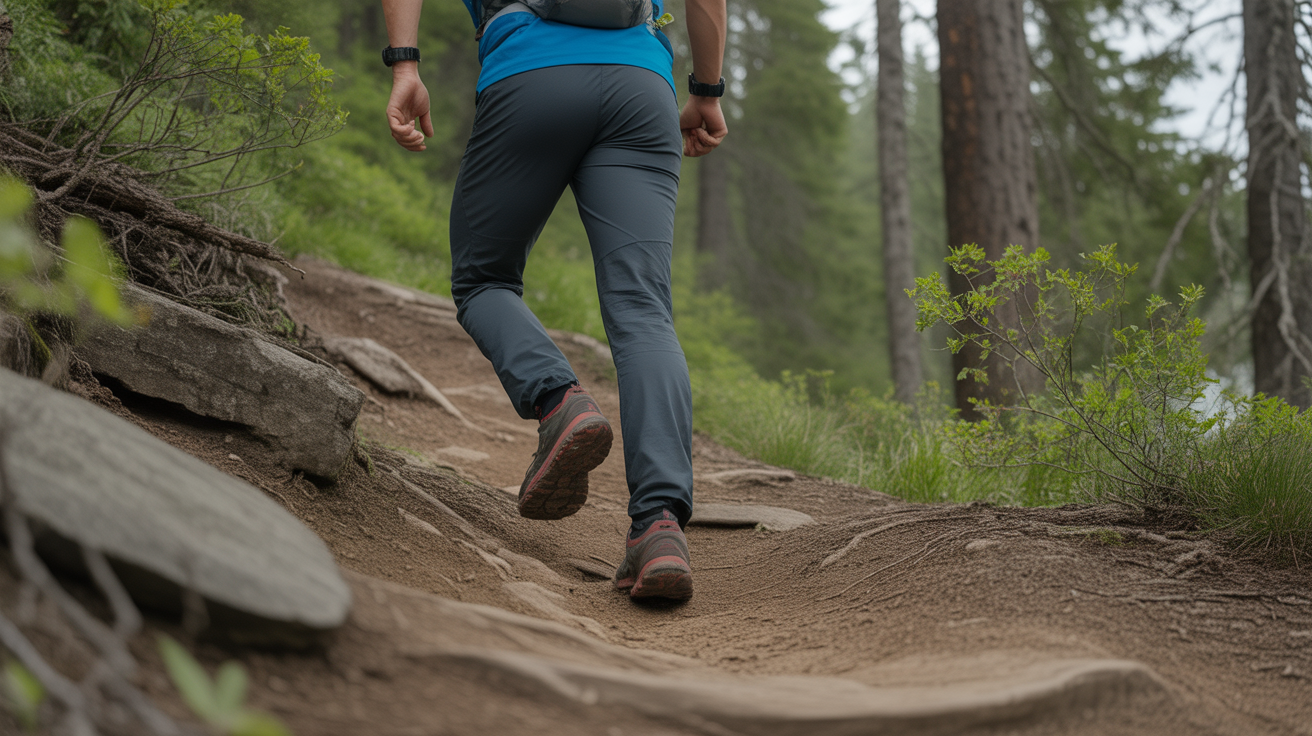
If you have been running on roads and are ready to explore trails, you probably already know your current running shoes are not quite right for the job. That slick pavement grip does not translate to dirt, rocks, and roots – and your feet know it. The good news is you do not need heavy hiking boots to enjoy trails safely. Trail running shoes give you the traction and protection you need while keeping the lightweight, flexible feel you are used to from road running.
This guide covers five solid trail running shoes designed specifically for beginners making the transition from pavement to trail. Each option balances grip, durability, and comfort without overwhelming you with technical features you might not need yet. Whether you are planning short nature walks or ready to run a few miles on easier trails, these shoes will help you feel confident on uneven ground.
What to Look For
Outsole Traction and Lug Pattern
The bottom of a trail running shoe – called the outsole – is what keeps you upright on dirt, gravel, and wet rocks. Unlike road running shoes with flat, smooth rubber, trail shoes have lugs (raised rubber bumps) that dig into soft terrain and grip uneven surfaces. For beginners, you want lugs that are deep enough to handle loose dirt and light mud but not so aggressive they feel awkward on packed trails or short paved sections. If you plan to hike in wet climates or on trails with exposed roots, look for sticky rubber compounds that stay grippy when damp. The outsole pattern matters too – multidirectional lugs help with both uphill traction and downhill braking.
Cushioning and Midsole Support
The midsole sits between the outsole and your foot, providing cushioning and absorbing impact from rocks and roots. If you are coming from road running, you might be used to soft, plush cushioning. Trail running shoes typically have firmer midsoles because they need to protect your feet from uneven ground while keeping you stable. Softer cushioning feels comfortable on smooth surfaces but can make your foot roll unpredictably on rocks. For beginners, moderate cushioning strikes the best balance – enough padding to stay comfortable on longer hikes without sacrificing the ground feel that helps you react to terrain changes. Some trail shoes also include rock plates (thin protective layers embedded in the midsole) that shield your feet from sharp rocks and roots without adding much weight.
Upper Material and Toe Protection
The upper part of the shoe wraps around your foot and faces constant abuse from trail debris. Mesh uppers are common because they are lightweight and breathable, but they wear out faster if you frequently hike through brush or rocky terrain. Many beginner trail shoes use reinforced mesh with overlays around high-wear areas like the toe box. Speaking of toe boxes, trail running shoes typically have reinforced toe caps – a rubber or synthetic bumper that protects your toes when you inevitably kick a rock or root. This is one of the biggest differences from road running shoes and absolutely worth having. Some shoes have wider toe boxes that let your toes spread naturally, which many hikers find comfortable on all-day treks.
Fit, Break-In, and Sock Pairing
Trail running shoes should fit snugly through the heel and midfoot to prevent your foot from sliding forward on steep descents, but your toes need wiggle room. When you try on trail shoes, wear the same thickness of sock you plan to hike in – typically a medium-weight hiking sock with some cushioning. Your heel should not slip, and you should be able to wiggle your toes. Most trail running shoes need minimal or no break-in time, especially compared to hiking boots. You can usually wear them on a short hike right away, though some people prefer to walk around the house or neighborhood first to check for hot spots. If you are between sizes, size up – your feet swell during long hikes, and going downhill in too-tight shoes is uncomfortable.
Weight and Flexibility Trade-Offs
One reason runners love trail running shoes for hiking is the weight difference. Most trail running shoes weigh under a pound per shoe, compared to 1.5-2 pounds for traditional hiking boots. That lighter weight means less fatigue over the course of a hike, especially if you are doing several miles. The trade-off is durability and ankle support. Trail running shoes have low-cut ankles and lighter materials, so they wear out faster than boots and provide less protection on very rough terrain. For beginners sticking to maintained trails, day hikes, and moderate distances, this is usually a good trade-off. You gain speed, comfort, and a more natural feel while still getting adequate protection for most beginner-friendly trails.
Waterproofing Considerations
Some trail running shoes come with waterproof membranes like Gore-Tex, while others are non-waterproof mesh. For beginners, non-waterproof shoes are usually the better choice unless you hike exclusively in wet climates. Waterproof membranes keep rain and puddles out, but they also trap sweat and heat inside the shoe. On warm days or longer hikes, your feet can end up just as wet from perspiration. Non-waterproof mesh dries faster if you do step in a stream, and most beginners find the breathability more comfortable overall. If you expect frequent rain or snow, waterproof shoes make sense – just know you are trading breathability for weather protection.
Our Top Picks
1. ALTRA Men’s Lone Peak 9 Trail Running Shoe
Best for beginners who want maximum toe room and natural foot positioning on varied terrain
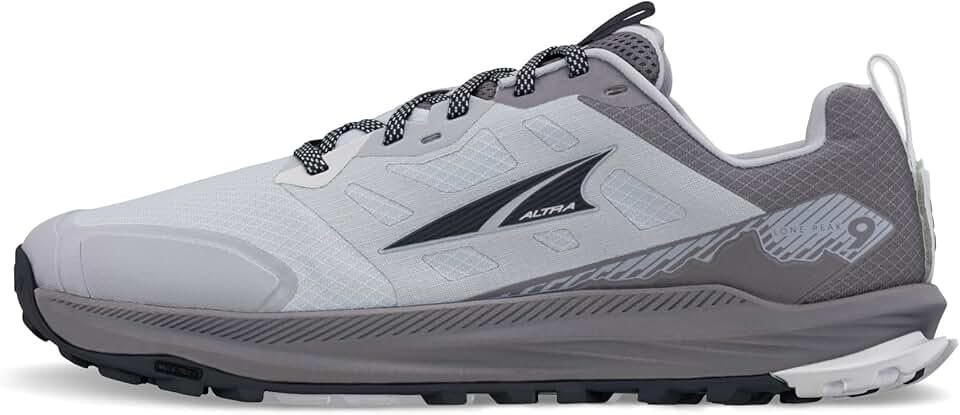
The Lone Peak 9 is the latest version of one of the most popular trail running shoes among hikers and runners alike. What sets it apart for beginners is the roomy toe box that lets your toes spread naturally – helpful when you are still learning how your feet react to uneven ground. The shoe has a zero-drop platform, meaning your heel and forefoot sit at the same height, which feels different from most road running shoes. Some beginners love this natural stance immediately, while others need a few hikes to adjust. If you are used to traditional running shoes with heel cushioning, expect a short adaptation period.
The outsole provides reliable grip on dirt, gravel, and dry rock without feeling overly aggressive on packed trails. These work well for a mix of terrain types, from groomed nature trails to moderate rocky sections. The midsole cushioning is moderate – not plush, but protective enough for all-day comfort on most trails. Customer reviews consistently mention durability as a strong point. The upper mesh is breathable but not waterproof, so these are best for dry conditions or hikers who prioritize ventilation over rain protection. At 861 reviews averaging 4.6 stars, the Lone Peak 9 has proven itself with real users who appreciate the combination of comfort, traction, and that distinctive wide toe box. See current pricing for the ALTRA Men’s Lone Peak 9 on Amazon.
Pros
- Wide toe box allows natural toe spread
- Outsole delivers dependable traction across multiple terrain types
- Zero-drop platform promotes natural foot positioning
- Strong durability feedback from users
Cons
- Zero-drop design requires adjustment period if you are used to traditional running shoes
- Non-waterproof mesh may not suit wet climate hikers
- Higher price point compared to entry-level options
2. ALTRA Women’s Lone Peak 9 Trail Running Shoe
Best for women transitioning from road running who want natural foot positioning and generous toe space

The women’s version of the Lone Peak 9 delivers the same roomy toe box and zero-drop platform as the men’s model, scaled for women’s foot shapes. This means a narrower heel and slightly different proportions through the midfoot, though the forefoot remains spacious. For women coming from traditional running shoes, the wide toe box is often the most immediately noticeable feature – your toes have room to move and spread, which many hikers find comfortable on longer trail outings. The zero-drop platform puts your heel and forefoot at the same level, encouraging a more natural stride. This feels great once you adjust, but if you are used to elevated heels in road running shoes, give yourself a few short hikes to adapt.
The outsole grips well on dirt trails, gravel paths, and dry rocky sections without feeling clunky on smoother surfaces. These are versatile shoes for beginners exploring different trail types – not specialized for extreme terrain, but capable on the varied conditions most new trail hikers encounter. At $106.99, these are currently discounted from the original price, making them more accessible than the men’s version. Customer reviews from 632 users average 4.5 stars, with particular praise for comfort on longer hikes and the elimination of toe-box crowding that plagues many trail shoes. Read verified buyer reviews for the ALTRA Women’s Lone Peak 9 on Amazon.
Pros
- Women-specific fit with narrow heel and roomy forefoot
- Zero-drop design encourages natural stride and foot positioning
- Versatile outsole handles varied beginner terrain
- Currently discounted to under $110
Cons
- Zero-drop platform requires adjustment if coming from traditional running shoes
- Mesh upper is not waterproof
- Some users report the wide toe box feels too spacious initially
View ALTRA Women’s Lone Peak 9 Trail Running Shoe on Amazon →
3. New Balance Men’s Fresh Foam 410 V8 Trail Running Shoe
Best budget option for beginners who want familiar cushioning at an accessible price

The Fresh Foam 410 V8 is New Balance’s entry-level trail runner, and at $69.99 it is one of the most budget-friendly options for beginners serious about getting onto trails. The midsole provides the soft, cushioned feel that road runners expect, making the transition to trails less jarring than firmer, more technical shoes. This plush cushioning is comfortable for longer distances and gentler on your joints, though it does sacrifice some of the ground feel that helps with balance on very uneven terrain. For maintained trails, packed dirt, and moderate gravel paths – where most beginners start – this cushioning works well.
The outsole tread is less aggressive than dedicated trail shoes, which actually works in your favor if you plan to mix pavement sections with trail hiking or walk through neighborhoods to reach trailheads (the parking areas where trails begin). You will not feel like you are clomping around on road surfaces the way you might in shoes with deeper lugs. The grip is adequate for dry trails and light dirt but may struggle on wet roots or steep, loose terrain. The upper is mostly mesh, which keeps the shoe breathable and lightweight but is not particularly rugged if you hike through thick brush. With over 4,000 customer reviews averaging 4.2 stars, the 410 V8 has proven popular with beginners who appreciate the familiar cushioning and accessible price. Check current stock for the New Balance Men’s Fresh Foam 410 V8 on Amazon.
Pros
- Soft cushioning feels familiar to road runners
- Budget-friendly at under $70
- Less aggressive tread works well for mixed road-trail hiking
- Over 4,000 customer reviews provide extensive real-world feedback
Cons
- Softer cushioning provides less stability on very uneven terrain
- Outsole grip is adequate but not exceptional on wet or steep trails
- Upper mesh is not as rugged as reinforced materials
View New Balance Men’s Fresh Foam 410 V8 Trail Running Shoe on Amazon →
4. Saucony Men’s Excursion TR15 Trail Running Shoe
Best value pick for beginners who want reliable performance at the lowest price point

The Excursion TR15 sits at the entry level of Saucony’s trail lineup, and at $59.95 it competes directly with the New Balance Fresh Foam 410 for budget-conscious beginners. The main difference is approach: where New Balance emphasizes soft cushioning, Saucony focuses on traction and durability at this price point. The outsole has more pronounced tread than you typically find on budget trail shoes, which translates to better grip on loose dirt, gravel, and moderate mud. This makes the TR15 a better choice if you plan to stick to actual trails rather than mixing pavement and dirt.
The midsole cushioning is firmer than plush road running shoes but still comfortable for day hikes and shorter trail runs. That firmer feel improves stability on uneven ground, helping you react to roots and rocks without your foot rolling unpredictably. The upper uses durable mesh with synthetic overlays that hold up better to trail debris than thin, lightweight materials. Customer reviews from 2,675 users average 4.5 stars, with particular praise for the value proposition – these perform well above their price point. The fit runs true to size for most users, though the toe box is more traditional (not extra roomy like Altra). These are not the lightest trail shoes and lack the refined feel of premium options, but for beginners exploring trails on a tight budget, the Excursion TR15 delivers dependable performance without significant compromises. Compare the Saucony Men’s Excursion TR15 specs and pricing on Amazon.
Pros
- Aggressive outsole tread provides above-average traction for the price
- Firmer midsole improves stability on uneven terrain
- Durable upper materials hold up well to trail use
- Excellent value at under $60 with over 2,600 positive reviews
Cons
- Heavier than more expensive trail running shoes
- Firmer cushioning may feel less comfortable on long paved sections
- Traditional toe box is narrower than wide-toe-box designs
View Saucony Men’s Excursion TR15 Trail Running Shoe on Amazon →
5. adidas Men’s Terrex Tracefinder Trail Running Shoes
Best for beginners who prioritize lightweight comfort and want a recognizable brand at a low price

The Terrex Tracefinder is adidas’s accessible trail option, currently priced at $52.50 (discounted from $70), making it one of the most affordable name-brand trail shoes available. These are designed as true trail running shoes but work perfectly well for hiking, especially if you are coming from a running background and want to maintain that lighter, more flexible feel. The outsole provides decent grip on dry to moderately damp trails, though it is not as aggressive as specialized hiking shoes. If you stick to maintained trails and avoid technical terrain, the traction is adequate.
The midsole offers moderate cushioning that balances comfort and ground feel – not as plush as road running shoes, but protective enough for all-day wear on easier trails. The upper uses a combination of mesh and synthetic materials that keep the shoe lightweight and breathable. At 803 reviews averaging 4.4 stars, users consistently mention the comfortable fit and lightweight feel as standout features. For beginners who are not sure how much they will actually hike or who want to test trail running shoes before investing in premium options, the Tracefinder offers a low-risk entry point with respectable performance. See if the adidas Men’s Terrex Tracefinder is right for your first hike on Amazon.
Pros
- Currently discounted to just over $50
- Lightweight design maintains running shoe feel
- Recognizable adidas brand with solid customer support
- Comfortable fit works well for all-day wear
Cons
- Outsole traction is adequate but not exceptional on wet or technical terrain
- Mesh upper is not as rugged as reinforced materials on pricier options
- Materials may show wear sooner than premium trail shoes
View adidas Men’s Terrex Tracefinder Trail Running Shoes on Amazon →
How These Compare
Choosing between these five shoes comes down to your specific priorities and budget. If you want the most capable all-around trail shoe and can stretch your budget, the ALTRA Lone Peak 9 (both men’s and women’s versions) offers the best combination of traction, durability, and comfort for varied terrain. The wide toe box is particularly valuable for beginners still figuring out proper fit, and the zero-drop platform encourages better posture even if it requires a brief adjustment period. The women’s version is currently discounted to $106.99, making it more accessible than the men’s $144.95 price.
For budget-focused beginners, the decision depends on your hiking style. The Saucony Excursion TR15 at $59.95 is the best value if you plan to spend most of your time on actual trails rather than mixing pavement and dirt. Its aggressive outsole and durable build make it feel more like a serious trail shoe despite the low price. The New Balance Fresh Foam 410 V8 at $69.99 is better if you want softer cushioning and plan to mix road walking with trail sections – its less aggressive tread handles pavement better, and the familiar cushioning makes the transition from road running easier. The adidas Terrex Tracefinder at $52.50 splits the difference: lightweight like the New Balance but with more trail-focused traction like the Saucony, though with lighter-duty construction than either.
The ALTRA models stand apart from the budget trio in ways that matter for long-term trail hiking. The outsole grips better on technical terrain, the materials hold up longer, and the fit accommodates natural foot spread that many hikers find comfortable for all-day wear. If you are confident you will hike regularly and want shoes that grow with your skills, the ALTRA investment pays off. If you are testing the waters or hiking occasionally, any of the three budget options will serve you well for your first season on trails. The specific choice between budget models comes down to whether you prioritize cushioning comfort, traction capability, or the lowest possible price.
Frequently Asked Questions
What is the difference between trail running shoes and hiking boots?
Trail running shoes are lighter, more flexible, and have low-cut ankles compared to hiking boots. A typical trail running shoe weighs under a pound per shoe, while hiking boots often weigh 1.5-2 pounds. This weight difference reduces fatigue on longer hikes, especially if you are covering several miles. Trail running shoes also flex more naturally with your foot, which feels more like regular athletic shoes. The trade-off is less ankle support and lower durability – boots provide more protection on very rough terrain and last longer overall. For beginners sticking to maintained trails and day hikes, trail running shoes offer enough protection with significantly better comfort and speed. You can cover more ground with less effort, and your feet will thank you at the end of the day. Boots make more sense for heavy backpacking, off-trail scrambling, or very rocky terrain where ankle support becomes critical.
Do I need waterproof trail running shoes?
Most beginners are better off with non-waterproof trail running shoes unless they hike exclusively in wet climates. Waterproof membranes like Gore-Tex keep rain and puddles out, but they also trap heat and sweat inside the shoe. On warm days or during longer hikes, your feet can end up just as wet from perspiration as they would from external water. Non-waterproof mesh breathes better and dries faster if you do step in a stream or hike through morning dew. For occasional wet conditions, non-waterproof shoes with good drainage actually work well – they get wet but dry out during the hike. Waterproof shoes make sense if you regularly hike in rain, snow, or consistently muddy conditions, or if you hate the feeling of wet feet enough to accept less breathability. Just know you are making a trade-off: weather protection for reduced ventilation.
How do trail running shoes fit compared to regular running shoes?
Trail running shoes typically fit similarly to road running shoes, but with a few important differences. The heel and midfoot should fit snugly to prevent your foot from sliding forward on steep descents, but you need more room in the toe box than road shoes provide. Your toes should have wiggle room – plan for about a thumb’s width of space between your longest toe and the front of the shoe. Many trail shoes also have reinforced toe caps that add a bit of length and protection. If you are between sizes, size up rather than down – your feet swell during long hikes, and too-tight shoes become uncomfortable quickly. The width profile varies by brand: ALTRA shoes have notably wide toe boxes, while brands like Saucony and New Balance use more traditional widths. Try shoes on with the same hiking socks you plan to wear, typically medium-weight socks with some cushioning.
Can I use trail running shoes for regular running on roads?
Yes, trail running shoes work fine for road running, though they are not optimized for pavement. The main differences you will notice are slightly firmer cushioning and a heavier feel compared to dedicated road shoes. The aggressive outsole lugs that grip trails can feel a bit clunky on smooth pavement, and you might hear more noise as the lugs hit the ground. The firmer midsole provides less energy return on roads but is not uncomfortable for casual running. Many beginners actually prefer using trail shoes for everything – road runs, trail hikes, and general outdoor activities – because it is simpler to own one versatile shoe rather than multiple specialized pairs. If you run exclusively on roads, dedicated road running shoes will feel lighter and more responsive. But if you split time between roads and trails, trail running shoes handle both well enough that most recreational users do not need separate pairs.
How long do trail running shoes last?
Trail running shoes typically last 300-500 miles depending on the terrain, your weight, and the shoe’s construction quality. You can extend shoe life by rotating between two pairs if you hike frequently, which gives the midsole foam time to decompress between uses. The outsole rubber usually shows wear first – when the lugs are visibly worn down or the tread pattern is smooth, traction decreases significantly even if the shoe still feels comfortable. The midsole foam also compresses over time, losing cushioning and support. Watch for uneven wear patterns, loss of traction on familiar trails, or increased foot fatigue at the end of hikes as signs that your shoes are nearing the end of their lifespan. For beginners hiking once or twice a week, expect a pair to last one to two seasons of regular use.
The Bottom Line
Transitioning from road running to trails does not require heavy boots or complicated gear decisions. The five trail running shoes in this guide all provide the grip and protection beginners need without the weight and stiffness of traditional hiking footwear. Your choice depends primarily on budget and how often you plan to hit the trails. If you are confident you will hike regularly and want shoes that will grow with your skills, the ALTRA Lone Peak 9 (men’s or women’s) offers the best long-term value with proven durability, excellent traction, and that distinctive roomy toe box that many hikers find comfortable for all-day wear. The women’s version is currently discounted to $106.99, making it more accessible.
For beginners testing the waters or hiking occasionally, the three budget options all deliver solid performance under $70. The Saucony Excursion TR15 at $59.95 provides the best trail-specific traction and durability in this price range. The New Balance Fresh Foam 410 V8 at $69.99 offers the softest cushioning and works better if you mix road and trail hiking. The adidas Terrex Tracefinder at $52.50 is the lightest option and the lowest price, though with slightly lighter construction. Whichever shoe you choose, pair it with medium-weight hiking socks, size up if you are between sizes, and give yourself a few short hikes to break them in before tackling longer distances. The right trail running shoes will make your first season on trails more comfortable, confident, and enjoyable.
Disclosure: As an Amazon Associate, we earn from qualifying purchases. This does not affect our editorial recommendations.