
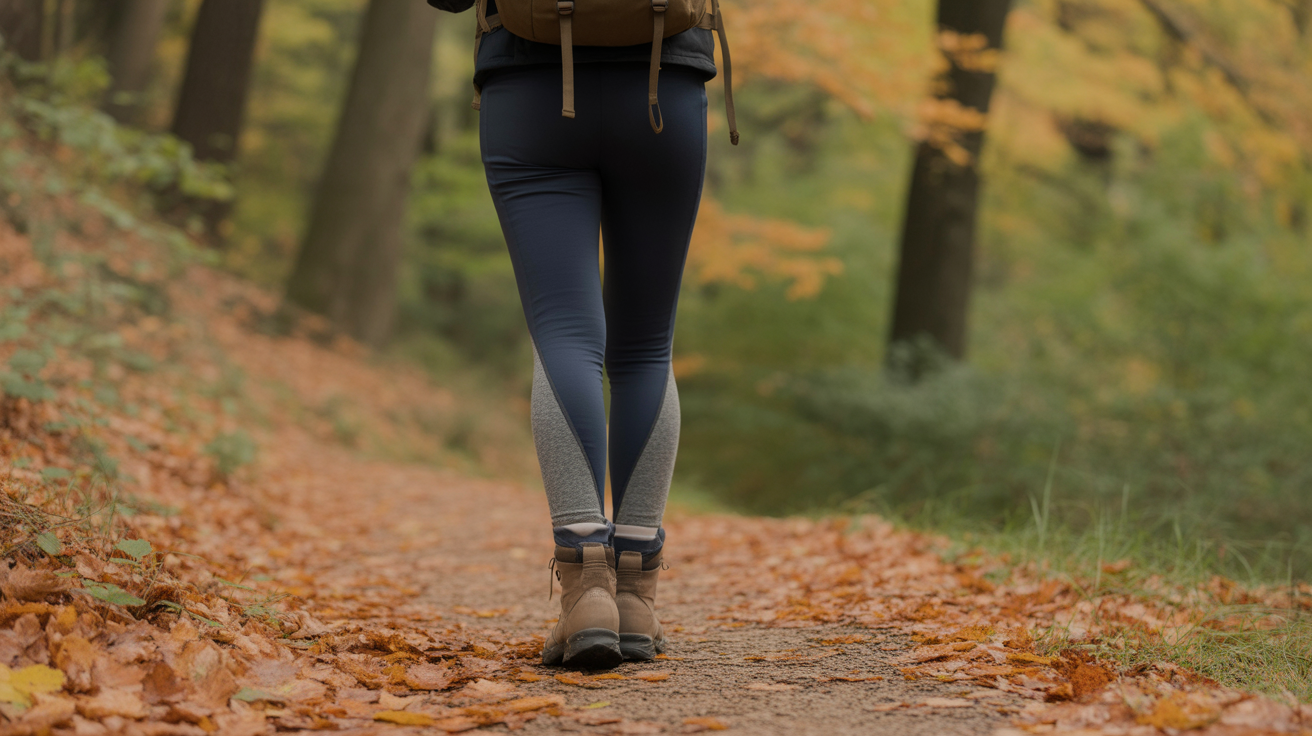
When temperatures drop and you still want to hit the trails, finding the right cold weather hiking gear becomes essential. Fleece lined leggings promise warmth without the bulk of traditional hiking pants, but not all options deliver the same performance on the trail. Some pill after a few washes, others lack the water resistance you need when morning dew soaks the grass, and a surprising number sacrifice pockets for a sleeker look.
This guide examines which fleece lined hiking leggings actually hold up on cold weather hikes. We have tested customer feedback from thousands of hikers to find leggings that balance warmth, durability, weather protection, and trail-ready features like secure pockets and high waistbands that stay put when you are scrambling over rocks or bending to tie your boots.
What to Look For
Fleece Lining Thickness and Warmth
The fleece lining is what separates winter hiking leggings from regular athletic tights, but thickness varies considerably between brands. Thicker fleece provides more insulation for truly cold days – think temperatures in the 20s and 30s Fahrenheit – while lighter fleece works better as a base layer under hiking pants or for milder fall conditions. The tradeoff is bulk and breathability. Very thick fleece can feel restrictive when you are climbing uphill and generating body heat, while too-thin fleece leaves you shivering on exposed ridgelines.
Most quality fleece lined leggings use a brushed interior that traps warm air against your skin. This creates an insulating layer without adding significant weight. Look for products that specify thermal properties or winter use in their descriptions. Customer reviews often mention whether leggings feel warm enough for specific temperature ranges, which gives you real-world context beyond marketing claims. If you plan to hike in temperatures below freezing, prioritize thicker fleece. For temperatures in the 40s and 50s, lighter fleece prevents overheating during active hiking.
Water Resistance and Weather Protection
Fleece absorbs moisture easily, which is why many hiking-focused fleece lined leggings include a water-resistant outer layer. This matters more than you might expect. Morning dew on tall grass, light rain, snow flurries, or even sitting on a damp log can soak standard fleece quickly, and wet fleece loses its insulating properties while adding uncomfortable weight. Water-resistant leggings shed light moisture and dry faster when they do get wet.
Water resistance comes from either a treated outer fabric or a layered construction with a protective shell. Neither option makes leggings fully waterproof – heavy rain will eventually soak through – but they buy you time to finish your hike or pull on rain pants. Check product descriptions for terms like water-resistant, water-repellent, or DWR coating. These treatments do wear off over time with washing, so leggings that specify durable water resistance tend to maintain protection longer. For winter hiking where you might encounter snow, water resistance also prevents that cold, clammy feeling when snow melts against your legs.
Pocket Design and Placement
Pockets transform leggings from athletic wear into functional hiking gear. You need somewhere to stash your phone, car key, trail snacks, and maybe a folded map without carrying a pack on shorter hikes. Side pockets are standard, but their usefulness depends on depth and security. Shallow pockets dump your phone when you bend over to adjust your boots. Pockets without secure closures let items bounce out on uneven terrain.
Look for deep side pockets that sit high on the thigh – they are less likely to catch on vegetation and easier to access without contorting. Some leggings include back pockets, which work well for flat items like a folded map or energy bar wrapper, but are less secure for your phone. Zippered pockets provide the best security on steep or technical trails where you are scrambling over rocks. The tradeoff is convenience – zippers take longer to access when you want to quickly grab your phone for a photo. Consider what you typically carry and how often you need to access it when choosing between standard and zippered pockets.
High Waist Fit and Compression
A high waistband serves two purposes on the trail: it prevents gaps when you bend and reach, and it provides gentle compression that supports your core during long hikes. Low-rise leggings constantly need adjusting and can create an uncomfortable gap between your waistband and jacket hem where cold air sneaks in. High-waisted designs eliminate this problem and stay secure through a full range of motion.
Compression level varies between products. Light compression provides structure without restriction, which works well for most hikers. Heavy compression can feel restrictive and may interfere with circulation during long hikes, though some people prefer the supportive feeling. Customer reviews frequently mention whether leggings feel too tight, just right, or too loose around the waist and legs. Pay attention to sizing feedback – some brands run small and require sizing up, while others fit true to size. The waistband should feel snug without digging in or creating a muffin-top effect when you sit down for a trail break.
Durability and Abrasion Resistance
Hiking leggings face more wear than gym leggings. You are brushing against rocks, tree bark, thorny shrubs, and rough trail surfaces. The inner thighs rub together with every step. You are sitting on logs, scrambling over boulders, and kneeling to adjust gear. All of this demands durable construction that resists pilling, thinning, and developing holes.
Thicker outer fabric generally lasts longer, but it also reduces flexibility and breathability. Look for reinforced construction in high-wear areas like the inner thighs and knees. Customer reviews that mention durability after multiple washes and seasons of hiking provide the most reliable information. Pilling – when the fabric develops little balls of fuzz – is a common complaint with fleece-lined products. Higher-quality fleece and tighter knit outer fabrics resist pilling better than cheaper options. If you plan to hike frequently through brush or on rocky terrain, prioritize products with strong reviews mentioning durability and abrasion resistance.
Our Top Picks
1. Heathyoga Fleece Lined Leggings Women with Pockets Waterproof Hiking Pants
Best overall for cold weather hiking with reliable water resistance

The Heathyoga fleece lined leggings strike an excellent balance between warmth, protection, and value that makes them ideal for most cold weather hiking situations. The water-resistant outer layer handles light rain, morning dew, and snow contact without soaking through immediately, while the fleece lining provides solid warmth for temperatures ranging from the mid-30s to low 50s Fahrenheit. This versatility means you can wear them as standalone pants on moderately cold days or as a warm base layer under hiking pants when temperatures really drop.
The high-waisted design stays securely in place during active hiking without requiring constant adjustment. You can bend to tie your boots, scramble over rocks, or reach up to grab tree branches without the waistband sliding down or creating gaps. The pockets are deep enough to securely hold a smartphone, keys, and trail snacks, though they lack zippers – acceptable for most day hikes but worth noting if you plan technical scrambles where items might bounce out.
With nearly 1,000 customer reviews averaging 4.7 stars, these leggings have proven performance across diverse conditions and body types. Reviewers consistently mention the warmth-to-weight ratio and how well they hold up after multiple washes. The fleece maintains its loft and the water resistance continues working season after season. Some users note the sizing runs slightly small, so consider ordering one size up if you are between sizes or prefer a looser fit. The fabric thickness hits a sweet spot – substantial enough to resist abrasion from rocks and brush, but not so thick that you overheat during uphill climbs. For the price point, these deliver professional-grade performance that competes with options costing significantly more. See current pricing for the Heathyoga Fleece Lined Leggings on Amazon.
Pros
- Water-resistant outer layer sheds moisture effectively
- Fleece lining provides warmth without excessive bulk
- High waistband stays secure during active hiking
- Deep pockets hold essentials securely
- Eco-conscious materials
Cons
- Pockets lack zippered closures
- Sizing may run slightly small for some users
View Heathyoga Fleece Lined Leggings Women with Pockets Waterproof Hiking Pants on Amazon →
2. baleaf Women’s Fleece Lined Leggings Water Resistant Thermal Winter Warm Tights
Best for proven reliability with extensive customer feedback

With over 13,500 customer reviews, the baleaf fleece lined leggings represent one of the most tested options on the market. This extensive feedback reveals consistent performance across thousands of hiking days in varied conditions, from Rocky Mountain snowshoe trails to Pacific Northwest rain-soaked paths. The water-resistant treatment effectively repels light precipitation and moisture from wet vegetation, keeping you dry during those misty morning hikes when everything on the trail is damp.
The thermal properties work well for cold weather hiking in temperatures from the low 30s into the 50s. The fleece lining feels soft against your skin without that scratchy texture some cheaper options have, and it maintains warmth even when you are standing still during breaks – important when you stop to consult a map or take photos and your body temperature starts dropping. The high-waisted design includes a wide waistband that distributes pressure evenly rather than digging into your stomach, which matters during long hikes when even small discomforts become magnified.
The pockets are positioned high on the thighs where they are easy to access and less likely to catch on trail obstacles. They are deep enough to prevent your phone from sliding out when you sit down, though as with most leggings without zippers, items can shift during very active movement. Customer reviews frequently mention durability, with many hikers reporting the leggings hold up well through multiple seasons of regular use. The fleece resists pilling better than budget options, and the water resistance maintains effectiveness even after numerous wash cycles. Some reviewers note the fabric feels slightly thicker than standard athletic leggings, which improves durability but may feel warmer during high-intensity uphill sections. Read verified buyer reviews for the baleaf Women’s Fleece Lined Leggings on Amazon.
Pros
- Extensive customer reviews confirm consistent quality
- Water-resistant treatment remains effective after multiple washes
- Wide high waistband distributes pressure comfortably
- Fleece lining resists pilling and matting
- Carbon-neutral shipping practices
Cons
- Slightly thicker fabric may feel warm during intense activity
- Higher price point than some competitors
View baleaf Women’s Fleece Lined Leggings Water Resistant Thermal Winter Warm Tights on Amazon →
3. Ewedoos Fleece Lined Leggings Women Thermal Leggings with Pockets
Best budget option without sacrificing essential features

The Ewedoos fleece lined leggings prove you do not need to spend a fortune to get reliable cold weather hiking performance. At under $23, these leggings deliver warmth, comfort, and functionality that rivals options costing 50 percent more. The massive customer base of over 15,700 reviews with a 4.7-star average demonstrates consistent quality control and performance that holds up across different body types and hiking conditions. This is not a case of cheap materials masquerading as hiking gear – these leggings use legitimate thermal fleece lining and thoughtful design features that work on real trails.
The pockets are a standout feature at this price point. Many budget leggings either skip pockets entirely or include shallow decorative versions that cannot hold anything useful. These include proper side pockets deep enough for a smartphone, car key, and trail snacks. The high-waisted design uses a thick waistband that stays in place without rolling or bunching, which you typically only find on more expensive options. The fleece lining provides adequate warmth for temperatures in the 30s and 40s, though it is slightly lighter than premium options – meaning these work best as standalone pants in moderate cold or as a base layer when temperatures drop below freezing.
Customer reviews frequently mention how well these hold up to regular washing and hiking use, with minimal pilling and maintained elasticity even after a full season of weekly hikes. The thermal properties remain consistent – they do not suddenly become less warm after a few wash cycles like some budget fleece-lined options. Sizing runs true for most users, though a few reviewers mention the legs can feel slightly long if you are under 5 feet 4 inches tall. The fabric thickness strikes a good balance between durability and breathability, preventing overheating during uphill climbs while still providing protection against brush and rough surfaces. Check current stock for the Ewedoos Fleece Lined Leggings on Amazon.
Pros
- Exceptional value for the price point
- Over 15,000 customer reviews confirm reliability
- Deep functional pockets at a budget price
- Environmentally conscious material sourcing
- Maintains warmth and shape after multiple washes
Cons
- Fleece lining slightly thinner than premium options
- Legs may run long for shorter users
View Ewedoos Fleece Lined Leggings Women Thermal Leggings with Pockets on Amazon →
4. baleaf Women’s Fleece Lined Leggings Water Resistant High Waisted Thermal
Best for hikers prioritizing maximum water resistance

This upgraded version of baleaf fleece lined leggings emphasizes water resistance more than their standard model, making them particularly valuable for hikers who frequently encounter wet conditions. The water-resistant treatment appears more robust based on customer feedback, with reviewers noting these shed moisture more effectively during steady drizzle and when pushing through wet brush. If you hike in the Pacific Northwest, Northeast during mud season, or anywhere with unpredictable weather, the enhanced protection justifies the higher price.
The thermal properties match the warmth level of the standard baleaf leggings, providing reliable insulation for temperatures from the low 30s through the 50s. The fleece lining feels plush without being excessively thick, maintaining breathability during active hiking while still trapping enough warm air for cold morning starts. The high-waisted design includes a reinforced waistband that provides gentle compression without the restrictive feeling some heavily compressive leggings create. This strikes a good balance – supportive enough to feel secure, comfortable enough to wear for a full day on the trail.
The pockets on this model sit slightly higher on the thighs than typical athletic leggings, which improves accessibility and prevents items from sliding around as much when you are moving. Customer reviews consistently mention the quality construction, with reinforced stitching that holds up to repeated wear and washing. Some hikers report these leggings lasting through two or three full hiking seasons with regular use, which is impressive longevity for any apparel. The fabric resists snagging better than lighter-weight options, important when you are scrambling over rocks or pushing through dense vegetation. A few reviewers note the water resistance does gradually decrease after many wash cycles, though it remains more effective than untreated fleece even after a full season of use. Compare the baleaf Water Resistant High Waisted Thermal specs and pricing on Amazon.
Pros
- Enhanced water resistance for wet conditions
- High-positioned pockets improve accessibility
- Durable construction for long-term use
- Reinforced waistband provides support without restriction
- Carbon-neutral shipping practices
Cons
- Higher price than standard fleece lined options
- Water resistance gradually decreases with repeated washing
View baleaf Women’s Fleece Lined Leggings Water Resistant High Waisted Thermal on Amazon →
5. IUGA Fleece Lined Leggings Women Thermal Leggings Winter Warm Tights
Best for hikers wanting proven mid-range performance
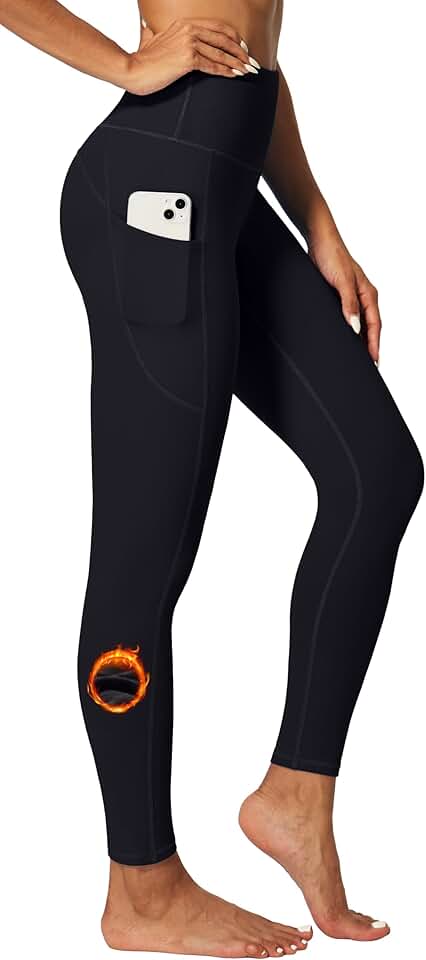
The IUGA fleece lined leggings occupy the middle ground between budget and premium options, delivering reliable performance without unnecessary features that drive up cost. With over 9,000 customer reviews averaging 4.6 stars, these leggings have proven themselves across diverse hiking conditions and user preferences. The thermal properties work well for cold weather hiking in temperatures ranging from the mid-30s into the low 50s, providing enough warmth for most fall and early spring trail conditions without causing overheating during active climbs.
The fleece lining uses a brushed texture that feels soft against your skin while effectively trapping warm air. Unlike some fleece-lined leggings that feel scratchy or develop a matted texture after washing, these maintain their plush feel through multiple cycles. The high-waisted design includes a wide waistband that does not dig in or create uncomfortable pressure points during long hikes. You can wear these comfortably for six or eight hours on the trail without needing to constantly adjust or feeling restricted.
The pockets are deep and positioned well for hiking use, though they lack zippers like most leggings in this price range. They securely hold a smartphone, keys, and small trail items during normal hiking, but you will want to use a pack for technical scrambles where items might bounce out. Customer reviews frequently mention the quality-to-price ratio, with many hikers noting these perform as well as options costing significantly more. The fabric thickness provides good durability against trail abrasion – branches, rocks, and rough surfaces do not immediately damage or thin the material. Some reviewers mention the sizing runs slightly large, particularly in the leg length, so consider your height when ordering. The leggings maintain their shape and elasticity well, with minimal bagging or sagging even after a full season of regular hiking use. See if the IUGA Fleece Lined Leggings are right for your first hike on Amazon.
Pros
- Strong mid-range value with proven performance
- Over 9,000 customer reviews confirm quality
- Maintains soft fleece texture after multiple washes
- Wide waistband comfortable for long hikes
- Environmentally conscious material sourcing
Cons
- No zippered pockets for secure storage
- Sizing may run large for some users
View IUGA Fleece Lined Leggings Women Thermal Leggings Winter Warm Tights on Amazon →
How These Compare
Choosing between these five fleece lined hiking leggings depends on your specific priorities and budget. If you want the best overall combination of features, warmth, and water resistance at a reasonable price, the Heathyoga leggings at $24.99 deliver professional-grade performance with their water-resistant outer layer and reliable fleece lining. They handle most cold weather hiking situations without compromising on essential features like deep pockets and a secure high waistband.
For hikers who value extensive customer feedback confirming long-term reliability, the baleaf Water Resistant Thermal leggings with over 13,500 reviews provide peace of mind that comes from thousands of real trail days. At $35.99, they cost more than some options but justify the price with proven durability and consistent performance across multiple seasons. The wide waistband and maintained water resistance after repeated washing make them worth the investment if you hike frequently.
Budget-conscious hikers should seriously consider the Ewedoos leggings at $22.99. Despite the low price, they include all the essential features you need for cold weather hiking – thermal fleece lining, functional pockets, and a high-waisted design. The massive review count of over 15,700 confirms this is not a case of sacrificing quality to save money. These work particularly well if you are new to winter hiking and want to test cold weather trails before investing in premium gear, or if you hike occasionally and do not need maximum durability.
If you frequently hike in wet conditions – think Pacific Northwest rain, Northeastern mud season, or snowy mountain trails – the upgraded baleaf Water Resistant leggings at $38.99 offer enhanced moisture protection that justifies the higher cost. The improved water resistance keeps you drier during sustained drizzle and when pushing through wet vegetation. Combined with durable construction that lasts multiple seasons, these represent good value for regular hikers in damp climates.
The IUGA leggings at $29.99 provide the best mid-range option, balancing performance and price without compromising on the features that matter. With over 9,000 positive reviews, they have proven themselves across diverse conditions. Choose these if you want reliable cold weather performance, environmentally conscious materials, and the assurance that comes from extensive customer testing, without paying premium prices for features you might not need.
All five options use high-waisted designs that stay in place during active hiking, include pockets for carrying essentials, and provide adequate warmth for fall and early spring hiking. The main differences come down to water resistance levels, fleece thickness, durability, and price point. Consider your typical hiking conditions, how frequently you hit the trails, and your budget when making your final choice.
Frequently Asked Questions
Can you hike in fleece lined leggings?
Yes, fleece lined leggings work well for hiking in cold weather when temperatures range from the 30s through the 50s Fahrenheit. They provide warmth without the bulk of traditional hiking pants, allowing full range of motion for scrambling over rocks or navigating steep terrain. The key is choosing leggings specifically designed for outdoor use rather than fashion leggings with fleece lining. Look for features like water resistance, reinforced construction, and functional pockets. Fleece lined hiking leggings work best as standalone pants in moderate cold or as a warm base layer under hiking pants when temperatures drop below freezing. They excel on trails where you are generating body heat through active movement, though you may need additional layers during extended breaks when your body cools down.
Are fleece lined leggings warmer than jeans?
Fleece lined leggings typically provide more warmth than jeans for the same thickness because fleece traps warm air against your skin more effectively than denim. The brushed interior of fleece creates tiny air pockets that act as insulation, while jeans rely solely on fabric thickness for warmth. Additionally, fleece lined leggings fit closer to your body, eliminating gaps where cold air can enter – jeans often have loose areas around the knees and ankles that allow heat to escape. The flexibility of fleece lined leggings also means you generate more body heat through unrestricted movement compared to stiff denim. However, jeans provide better wind resistance than leggings without a wind-blocking outer layer, so in very windy conditions, heavyweight jeans might feel warmer despite less insulation. For most hiking situations, fleece lined leggings deliver superior warmth-to-weight ratio.
What temperature are fleece lined leggings good for?
Most fleece lined leggings work well for temperatures ranging from the low 30s to mid-50s Fahrenheit, though the exact range depends on fleece thickness, water resistance, and your personal cold tolerance. In the 30s and 40s, quality fleece lined leggings provide enough warmth for active hiking without additional layers. As temperatures approach freezing and below, you may want to wear them as a base layer under hiking pants or add wind-resistant layers on top. In the 50s, fleece lined leggings remain comfortable during early morning starts when temperatures are cooler, though you may warm up during uphill climbs and need to adjust your pace or shed upper body layers. Individual factors like activity level, body composition, and weather conditions beyond temperature affect how warm the leggings feel. Wind, humidity, and whether you are moving uphill or on flat terrain all influence the effective temperature range.
How do you wash fleece lined leggings?
Wash fleece lined leggings in cold water on a gentle cycle to preserve the fleece lining and any water-resistant treatments. Turn them inside out before washing to protect the outer fabric from abrasion and pilling. Use mild detergent and avoid fabric softener, which can coat the fleece fibers and reduce their ability to trap warm air. Fabric softener also degrades water-resistant coatings on the outer layer. Skip the dryer if possible – hang dry or lay flat to maintain elasticity and prevent the fleece from matting. If you must use a dryer, choose low heat. High heat damages elastic fibers and can cause shrinkage. Wash fleece lined leggings separately from items with hooks, zippers, or rough textures that can snag the fabric. After several washes, you may notice decreased water resistance. Some hikers reapply water-repellent spray designed for technical fabrics to restore this feature.
Do fleece lined leggings shrink?
Fleece lined leggings can shrink if washed in hot water or dried on high heat, particularly if they contain natural fibers or lower-quality synthetic materials. The elastic fibers that provide stretch are especially vulnerable to heat damage, which causes permanent shrinkage and loss of flexibility. Most quality fleece lined leggings use synthetic materials designed to resist shrinkage, but improper care still affects their fit over time. To prevent shrinkage, always wash in cold water and air dry when possible. If you use a dryer, select the lowest heat setting. First-time washing may result in slight shrinkage even with proper care as fibers settle, so some hikers intentionally buy leggings slightly loose initially. Check the care label for specific instructions, as material blends vary between brands. Leggings that have already shrunk cannot be stretched back to their original size, though some users report success with gentle stretching while damp and air drying in an extended position.
The Bottom Line
Finding the right fleece lined hiking leggings transforms cold weather hiking from an uncomfortable endurance test into an enjoyable outdoor experience. The five options covered here represent the best combinations of warmth, durability, and trail-ready features available for women hikers in 2026. Whether you prioritize budget, proven reliability, maximum water resistance, or overall value, one of these leggings matches your specific needs and hiking style.
For your first pair of fleece lined hiking leggings, the Ewedoos option at $22.99 provides an affordable entry point that does not sacrifice essential features. If you hike frequently in wet conditions, invest in the upgraded baleaf water-resistant leggings for enhanced moisture protection. Those seeking the best overall balance should choose the Heathyoga leggings, which deliver professional-grade performance at a mid-range price. Remember that fleece lined leggings work best when matched to appropriate temperatures – they excel in the 30s through 50s Fahrenheit but may need layering support in more extreme cold.
Before your first cold weather hike, wear your new leggings around the house for an hour to ensure proper fit and comfort. Wash them according to care instructions to maintain water resistance and fleece loft through multiple seasons. Pack an extra layer in your daypack until you know how your body responds to the temperature rating. With the right fleece lined leggings, you extend your hiking season well beyond summer, discovering trails in their quieter, more beautiful cold weather state.
Disclosure: As an Amazon Associate, we earn from qualifying purchases. This does not affect our editorial recommendations.