
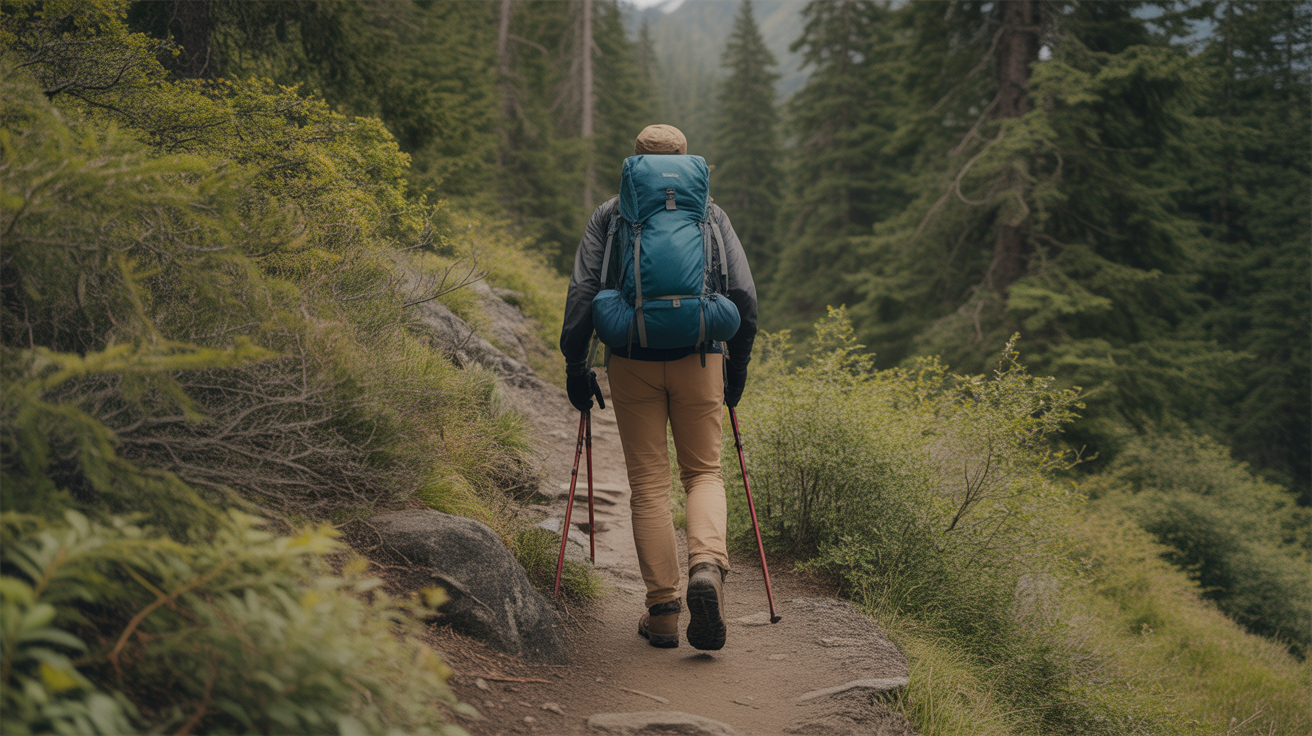
You have been there before. The trailhead energy kicks in, you feel great, and you charge up that first hill like you are racing the clock. Then somewhere around mile three, your legs start protesting. By mile five, you are wondering why you signed up for this. By the time you reach the halfway point, you are already dreading the return trip. Starting too fast is one of the most common mistakes hikers make, and it turns what should be an enjoyable day outdoors into a survival march.
Pacing yourself on a long hike is not about walking slowly or holding yourself back. It is about distributing your energy intelligently so you finish feeling accomplished instead of destroyed. This guide will walk you through a specific, practical pacing strategy you can use from the moment you leave your car until you return to it. You will learn how to gauge your effort, adjust for terrain, manage your energy reserves, and build a sustainable rhythm that works for hikes of any length.
What to Look For
Start Slower Than You Think You Should
The first 20 minutes of your hike set the tone for everything that follows, and this is where most people get it wrong. When you start hiking, your muscles are cold, your cardiovascular system has not fully engaged, and your body has not settled into a rhythm yet. Despite this, trailhead adrenaline makes you feel like you can conquer anything. Resist that feeling.
Your opening pace should feel almost uncomfortably easy. If you are hiking with someone who can hold a conversation, you should be able to speak in complete sentences without gasping for air. If you are solo, you should be able to hum or sing quietly without strain. This is called the talk test, and it is one of the most reliable ways to gauge appropriate aerobic effort without needing a heart rate monitor or any special equipment.
During these first 20 minutes, focus on warming up your body rather than covering distance. Take shorter steps than you normally would. Keep your breathing steady and rhythmic. Let your joints loosen and your muscles gradually engage. Think of this as the same principle you would use before any physical activity: you would not sprint before stretching, and you should not charge uphill before your body is ready. Many experienced hikers describe this as hiking at 60 to 70 percent of what feels like maximum effort. It should feel like you are holding back, because you are. That restraint early on pays massive dividends later.
Find Your Sustainable Rhythm After the Warmup
Once you have been moving for 20 to 30 minutes, your body will have adjusted to the demands of the trail. Your heart rate stabilizes, your breathing finds a natural cadence, and your muscles have warmed up. This is when you can settle into your actual hiking pace for the day. But sustainable does not mean fast.
Your sustainable rhythm is the pace you can maintain for hours without accumulating fatigue that forces you to stop frequently. A good benchmark is this: if you need to take unplanned breaks more than once every 45 to 60 minutes, you are going too fast. Planned breaks for water, snacks, or scenic views are different from stops where you simply need to catch your breath or let your legs recover.
To find this rhythm, pay attention to your breathing pattern. Aim for a consistent inhale-exhale cycle that matches your footsteps. Many hikers naturally fall into a pattern like two steps per inhale, two steps per exhale, or three steps per inhale, three steps per exhale. The exact count does not matter. What matters is that your breathing stays rhythmic and does not require conscious effort to control. If you are gasping, gulping air, or unable to breathe through your nose comfortably, you are pushing too hard.
Your sustainable pace will feel moderate. Not easy, not hard. You are working, but you are not struggling. You could keep this up for a long time, and that is exactly the point. On flat or gently rolling terrain, this pace should feel like you are taking a brisk walk with purpose. On moderate inclines, it will feel more deliberate but still controlled. Maintaining good footwear that supports your stride can make a significant difference in how efficiently you move, especially over varied terrain. If you are just getting started with hiking and need reliable footwear, check out our guide to hiking boots for beginners to find options that will help you maintain steady footing without discomfort.
Adjust Your Pace for Uphill Terrain
Climbing is where most hikers blow up their pacing strategy. The instinct is to attack the hill, power through it, and get it over with. This approach works for short bursts, but on a long hike with multiple climbs or extended elevation gain, it will wreck you.
When the trail turns upward, your pace needs to slow down significantly, but your effort level should stay roughly the same as it was on flat ground. This is the key concept: maintain consistent effort, not consistent speed. What felt like a comfortable walking pace on flat terrain might need to become a slow, deliberate march on a steep grade. That is not only normal, it is smart.
Shorten your stride as the incline increases. Instead of taking long, powerful steps that burn through your leg muscles, take smaller, more frequent steps. This distributes the workload across more muscle fibers and keeps your heart rate from spiking. Keep your breathing steady. If you find yourself huffing and puffing, slow down even more. There is no shame in moving at what feels like a crawl if that is what keeps your breathing controlled.
On particularly steep or sustained climbs, adopt the rest step technique. This is a method where you lock out your rear leg for a brief moment with each step, transferring your weight onto your skeletal structure rather than your muscles. It looks like a tiny pause with each step: step, pause, step, pause. The pause is just a fraction of a second, but it allows your muscles to recover slightly between steps. It feels awkward at first, but it is incredibly effective on long climbs.
If you are using trekking poles, this is where they earn their keep. Poles allow you to engage your upper body and take some of the load off your legs, which helps you maintain a steadier effort level without overloading any single muscle group. For those dealing with knee discomfort on climbs or descents, using poles designed to reduce joint strain can make a significant difference in comfort over long distances. Our breakdown of hiking poles for bad knees covers options that provide extra support where you need it most.
Manage Downhill Sections Without Burning Out Your Quads
Downhills feel like a gift after a tough climb, but they come with their own pacing challenge. Gravity does most of the work, so it is tempting to let yourself fly down the trail. The problem is that downhill hiking is murder on your quadriceps and knees, especially over distance. If you bomb downhill early in your hike, your legs will be toast for any subsequent climbs or flat sections.
Control your speed on descents. Do not let gravity dictate your pace. Instead, actively slow yourself by engaging your quads and glutes to brake each step. Keep your knees slightly bent, never locked. Take shorter steps and land with your weight over your foot, not on your heel. Heel striking on downhills sends shockwaves through your joints and accelerates fatigue.
If the descent is steep or technical, use a zigzag pattern if the trail width allows it. Instead of walking straight down the fall line, angle your path back and forth across the slope. This reduces the effective steepness of each step and gives your muscles a break. Trekking poles are just as valuable on downhills as they are on climbs. Plant them ahead of you to absorb some of the impact and provide stability, especially on loose or rocky terrain.
Pace yourself on downhills the same way you do on climbs: maintain consistent effort, not consistent speed. Downhill effort is about control and stability, not speed. If you finish a descent and your quads are screaming or your knees feel wobbly, you went too fast.
Use Strategic Breaks to Sustain Energy Over Hours
Breaks are not a sign of weakness. They are a pacing tool. The mistake many hikers make is either taking no breaks until they are forced to stop from exhaustion, or taking too many breaks that disrupt their rhythm and waste time. The goal is to take intentional, strategic breaks that keep your energy stable without killing your momentum.
A good baseline for most hikers is a five to ten minute break every 60 to 90 minutes. During these breaks, drink water, eat a snack, and let your heart rate come down. Take off your pack if it is heavy. Sit down if you can. Stretch your hip flexors, calves, and quads gently. These breaks are about recovery and refueling, not just rest.
In addition to your scheduled longer breaks, take micro breaks as needed. A micro break is just 30 to 60 seconds where you stop, take a few deep breaths, drink some water, and let your legs reset. These are especially useful on climbs or when you feel your pace starting to slip. Micro breaks prevent you from reaching the point of total exhaustion and keep you moving efficiently.
Eat and drink consistently throughout your hike, not just during breaks. Carry snacks that are easy to eat on the move, like trail mix, energy bars, or dried fruit. Sip water regularly rather than chugging large amounts infrequently. Staying hydrated and fueled keeps your energy levels stable and prevents the bonk, which is that sudden, crushing fatigue that happens when your blood sugar crashes. Having a reliable way to carry water makes it easier to stay consistent with hydration. If you are looking for a dependable bottle that does not slow you down, take a look at our recommendations for hiking water bottles that fit a range of preferences and pack styles.
Monitor Your Effort and Adjust Before You Hit the Wall
Pacing is not something you set once and forget. It requires ongoing awareness and adjustment throughout your hike. The terrain changes, your fatigue accumulates, the weather shifts, and your energy reserves deplete. You need to check in with yourself regularly and make small corrections before small problems become big ones.
Every 20 to 30 minutes, do a quick mental scan. How is your breathing? Is it still rhythmic and controlled, or are you starting to gasp? How do your legs feel? Are they strong and responsive, or are they getting heavy and sluggish? How is your mental state? Are you still enjoying the hike, or are you just grinding through it?
If any of those answers trend negative, slow down slightly. You do not need to stop or make a dramatic change. Just dial back your effort by five to ten percent and see if that stabilizes things. Often, a tiny reduction in pace early prevents a total meltdown later.
Pay attention to external factors that affect effort. Heat, humidity, altitude, and heavy pack weight all increase the difficulty of a given pace. If conditions are tough, accept that your pace will be slower than it would be on a cool, low-elevation, lightly loaded hike. Do not fight it. Adjust your expectations and your effort level to match reality.
If you are hiking with a group, resist the urge to keep up with people who are faster than you. Hike your own hike. If someone else wants to charge ahead, let them. Your goal is to finish strong, not to prove something in the first half of the trail. Conversely, if you are the faster hiker in a group, slow down and match the pace of the group. Pacing is not a competition.
Plan for the Return Trip Before You Leave the Trailhead
Most long hikes are out-and-back routes, which means you have to hike the same distance back to your car as you did to reach your destination. This is obvious in theory, but many hikers forget it in practice. They pace themselves reasonably well on the way out, then realize halfway back that they used too much energy and now they are struggling.
Before you start your hike, remind yourself that you need to save enough energy for the return trip. A useful mental model is the 60-40 rule: aim to use only 60 percent of your energy getting to your turnaround point or destination, leaving 40 percent in reserve for the return. This does not mean hiking at 60 percent effort the whole way out. It means being conservative enough with your pacing that you do not arrive at your halfway point completely drained.
If you are doing a point-to-point hike or a loop, the same principle applies. Treat the hike as if you need to have energy left at the end, because you do. Pacing is about the full distance, not just the exciting first half. Many hikers find that carrying their essentials in a comfortable, well-fitted pack reduces fatigue and helps them maintain energy over long distances. If you are working with a budget and need a solid pack that will not break the bank, check out our guide to hiking backpacks under $100 for options that balance cost and performance.
Frequently Asked Questions
How do you know if you are hiking too fast?
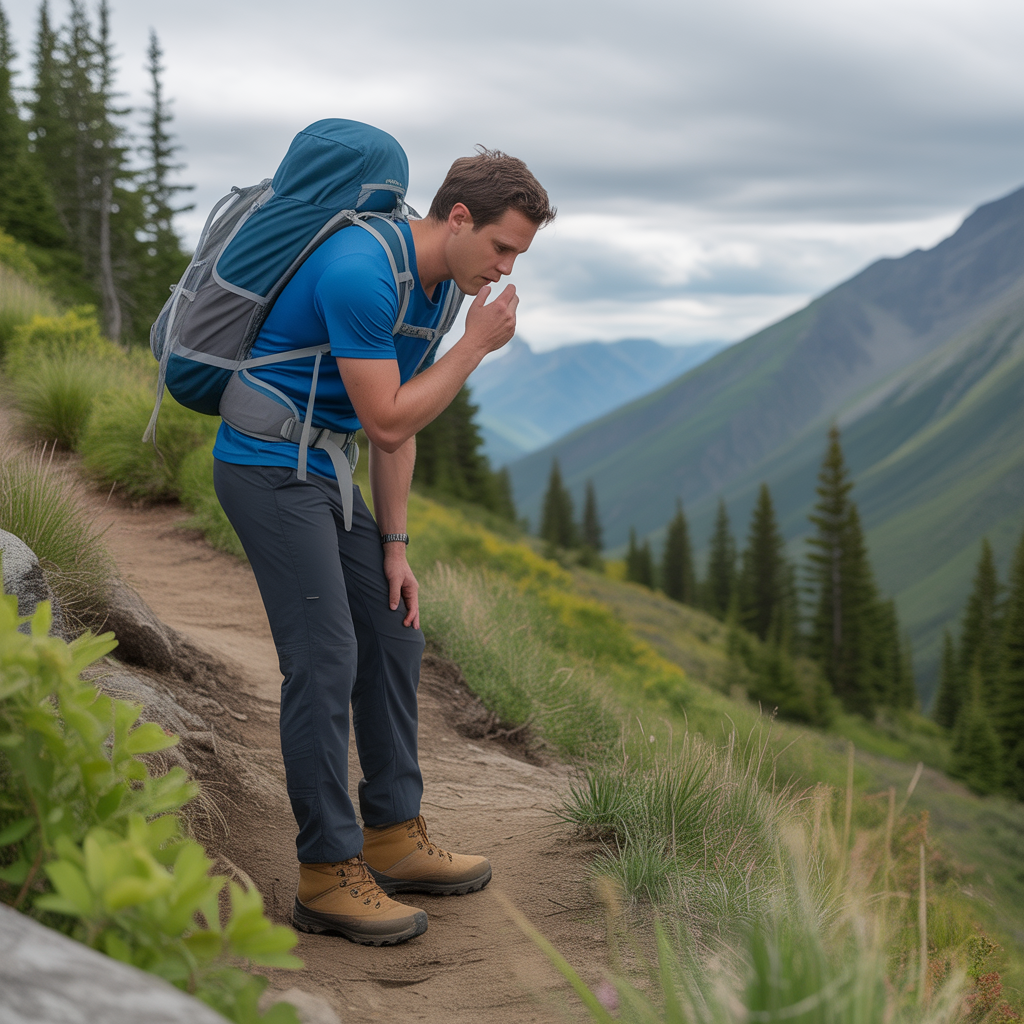
The clearest sign you are hiking too fast is your breathing. If you cannot hold a conversation without gasping for air, or if you cannot breathe comfortably through your nose, you are pushing too hard. Other red flags include needing frequent unplanned stops to recover, feeling lightheaded or nauseous, or experiencing sharp fatigue in your legs within the first hour of hiking. Your heart rate is another indicator: if your chest feels like it is pounding or your pulse is racing uncomfortably, slow down. A good rule of thumb is that sustainable hiking effort should feel challenging but controlled. You should feel like you are working, but not like you are sprinting to catch a bus. If your effort level feels frantic or desperate, you have crossed the line into unsustainable pacing. Adjust immediately by slowing your steps, shortening your stride, and focusing on steady, rhythmic breathing until your body settles back into a comfortable state.
What is a good average hiking speed for beginners?
A realistic average hiking speed for beginners on moderate terrain is about 2 miles per hour, though this can vary widely based on fitness level, trail difficulty, elevation gain, and pack weight. On flat, well-maintained trails, beginners might average closer to 2.5 miles per hour. On steep or technical terrain, that average can drop to 1 mile per hour or even slower, and that is completely normal. What matters more than speed is consistency and sustainability. A beginner who maintains a steady 1.5 miles per hour for six hours will cover more ground and feel better at the end than someone who charges out at 3 miles per hour and burns out after two hours. Do not compare your pace to others or to arbitrary standards you find online. Your correct pace is the one you can maintain comfortably for the duration of your planned hike. Track your pace on a few different hikes to learn what your natural sustainable speed is, then use that as your baseline for planning future trips. Over time and with more experience, your average pace will naturally increase as your fitness and efficiency improve.
How often should you take breaks on a long hike?
A good baseline for most hikers is to take a substantial break of 5 to 10 minutes every 60 to 90 minutes of hiking. During these breaks, take off your pack, sit down if possible, drink water, eat a snack, and let your body recover. These longer breaks give your cardiovascular system a chance to reset, allow your muscles to flush out metabolic waste, and provide a mental pause that helps you stay motivated. In addition to these scheduled breaks, take short micro breaks of 30 to 60 seconds whenever you need them, especially on climbs or challenging sections. Micro breaks are just long enough to catch your breath, take a few sips of water, and let your legs reset without losing your rhythm. The key is to take breaks before you are desperate for them. If you wait until you are completely exhausted, you will need longer recovery time and you will have already done damage to your pacing strategy. Listen to your body and adjust your break frequency based on terrain difficulty, weather conditions, and how you are feeling. There is no shame in taking more breaks if you need them.
Should you hike slower uphill or downhill?
You should slow down significantly on both uphills and downhills, but for different reasons. On uphills, you slow down to keep your effort level sustainable and prevent your heart rate from spiking into unsustainable zones. Climbing is cardiovascularly demanding, and if you try to maintain the same speed you had on flat ground, you will burn through your energy reserves rapidly and risk bonking before you finish the hike. Slow your pace, shorten your stride, and focus on steady breathing. On downhills, you slow down to protect your joints and muscles from excessive impact and eccentric loading. Bombing downhill might feel easy on your lungs, but it destroys your quadriceps, strains your knees, and increases your risk of injury from slips or falls. Controlled downhill hiking takes deliberate muscular effort to brake each step and maintain balance. Both uphills and downhills require slower speeds than flat terrain, but your effort level stays relatively consistent across all three. The goal is always the same: maintain a sustainable effort that you can keep up for hours, adjusting your speed as needed to match the terrain demands.
The Bottom Line
Pacing yourself on a long hike comes down to one simple principle: start conservatively, stay consistent, and adjust continuously. The hikers who finish strong are not the ones who charge out of the trailhead like they are trying to set a speed record. They are the ones who warm up slowly, settle into a sustainable rhythm, respect the terrain, take strategic breaks, and monitor their effort throughout the day. This is not about being slow. It is about being smart.
If you tend to start too fast and burn out, commit to the 20-minute warmup rule on your next hike. Force yourself to go slower than feels natural at the trailhead, even if it feels awkward or boring. Once you have warmed up, find a pace where your breathing stays rhythmic and your legs feel strong, then protect that pace fiercely. On climbs, slow down and shorten your stride. On descents, control your speed and protect your knees. Take breaks before you need them, eat and drink consistently, and save energy for the return trip. Track how you feel at different points in your hike and learn what sustainable effort feels like for your body. Over time, this becomes intuitive. You will know your pace, you will recognize when you are pushing too hard, and you will finish every hike feeling accomplished instead of destroyed. That is the goal. Not speed, not heroics, just steady progress and a strong finish.
Disclosure: As an Amazon Associate, we earn from qualifying purchases. This does not affect our editorial recommendations.