
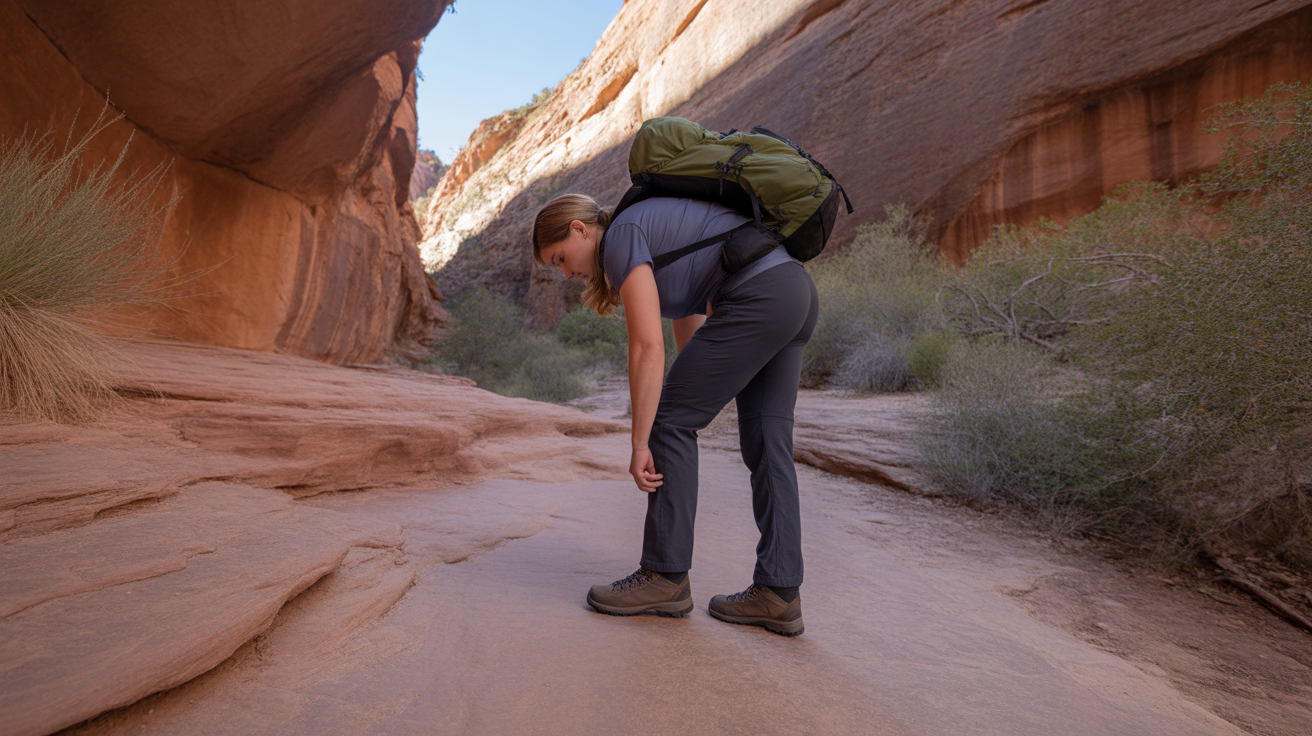
How to find the right fit in hiking boots for wide feet is one of those questions that sounds simple until you have spent years buying the wrong size and ending up with numb toes, blisters on your pinky toes, and boots you abandon after one trail. If that pattern sounds familiar, you are not alone – wide feet are extremely common, and the standard sizing system that most boot manufacturers default to was not built with you in mind.
The good news is that once you understand how boot sizing actually works for wide feet, the guesswork mostly disappears. This guide will walk you through everything you need to know: what width codes mean, how to measure your foot correctly, which brands consistently deliver on wide fit promises, and exactly what to check when you are standing in a store or lacing up a pair at home. By the end, you will have a clear, practical framework for finding boots that actually fit your feet – not someone else’s.
What to Look For
Understanding Boot Width Codes and What They Actually Mean
Most hikers know their shoe length in a numbered size, but width is an entirely separate measurement that most people have never had properly assessed. Boot widths are labeled with letters: B is narrow, D is standard (also called medium or regular), and E, 2E, and 4E are progressively wider. For women, D is already considered wide, while for men, 2E (also written EE) is the most commonly available wide option, and 4E (also written EEEE) is extra wide. When a boot is listed simply as “wide fit,” it almost always means 2E for men or D for women. If you need something beyond that, you are looking for extra wide hiking boots specifically labeled 4E or wider. Knowing your width code before you walk into a store or open a browser tab is the single most powerful thing you can do to stop buying the wrong boots.
How to Measure Your Feet Correctly for a Wide Fit Boot
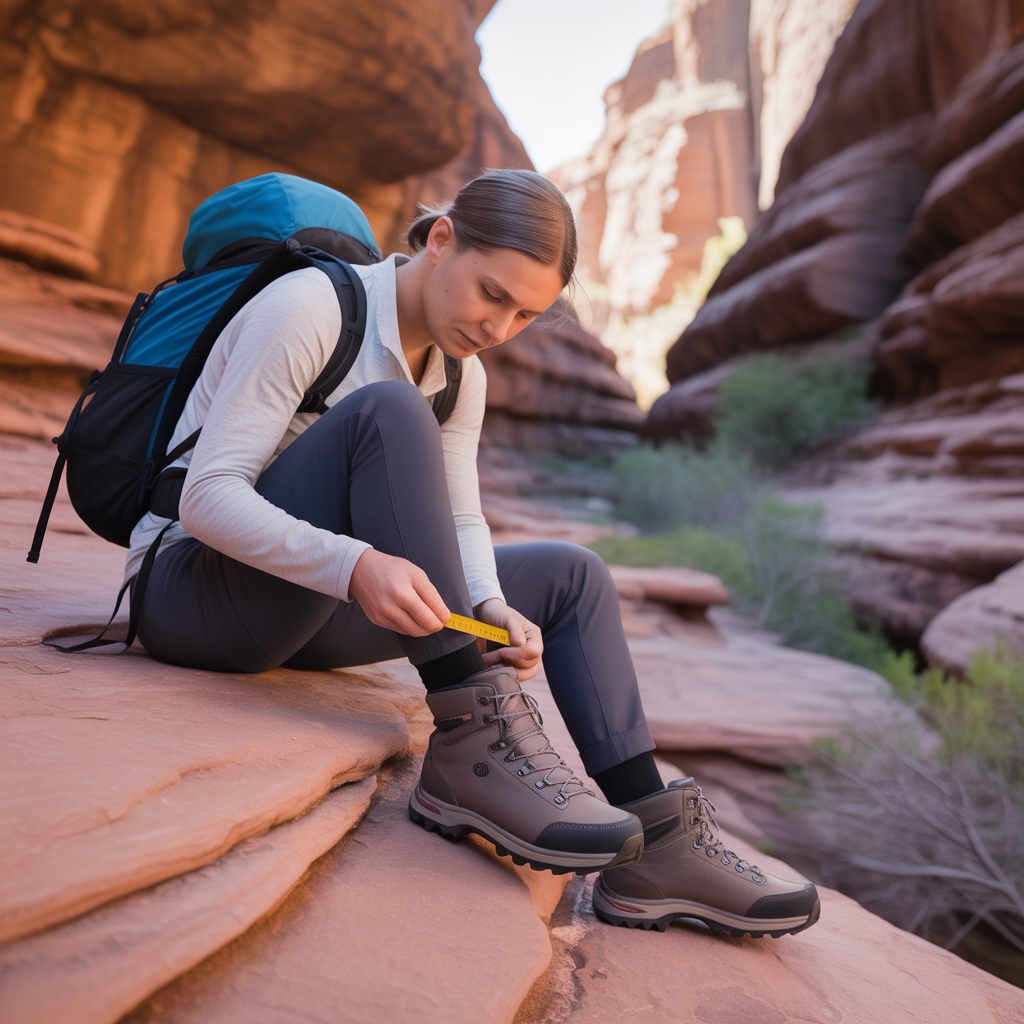
Feet change over time. Pregnancy, age, and years of hiking can all cause your foot to widen or lengthen. The standard advice to measure once in your twenties and never revisit it leads to exactly the kind of misfitting boots that cause blisters and black toenails on downhills. Measure both feet at the end of the day when they are at their largest. Stand with your full weight on the foot you are measuring – do not sit down. Trace your foot on paper, then measure the widest point (usually across the ball of your foot) and the length from heel to longest toe. Bring those numbers with you when shopping. Many specialty outdoor retailers have a Brannock device – the metal foot-measuring tool you may remember from childhood shoe stores – and staff who know how to use it for hiking boot sizing. Use them. It takes three minutes and can save you from months of foot pain.
The Role of the Last – Why Boot Shape Matters More Than the Width Label
A “last” is the three-dimensional mold a boot is built around, and it determines the internal shape of the shoe more than any width label does. Two boots can both be labeled 2E and feel completely different because one was built on a narrower last that was simply stretched, while the other was engineered from the ground up for a wider foot. A wide-last boot gives you more volume through the toe box, across the ball of the foot, and sometimes through the heel as well. A boot built on a narrow last with a wide label will compress the sides of your foot rather than giving it room to spread. This is why some people with wide feet find that certain brands simply never work, no matter what width they order. The brands that build genuinely wide lasts include Keen, Merrell (selected models), New Balance, Oboz, and Lowa. If you have been struggling to find hiking boots for wide feet that actually feel right, switching brands entirely is often more effective than simply going up a width category in a brand that runs narrow.
What to Check When Trying Boots On in Person
Always try boots on in person if you can, and always bring the hiking socks you plan to wear on trail – thin dress socks will give you a completely inaccurate fit picture. Thick hiking compression socks add meaningful volume inside the boot and must be accounted for in your sizing. When the boot is on and laced to trail tension (not casual tightness), run through this checklist: your toes should be able to spread slightly and not press against the front of the boot – there should be roughly a thumb’s width of space between your longest toe and the end of the toe box. The ball of your foot should sit at the widest part of the boot, not behind it or ahead of it. The sides of your foot should not feel compressed. Your heel should feel locked in without heel slip when you walk. Walk down a slope or a ramp in the store if possible, because downhill motion is where toe bang and heel lift show up. If the store does not have a ramp, lean your body weight forward onto your toes and check for movement.
Why Insoles Can Fix Some Problems but Not All of Them
Aftermarket hiking shoe insoles are designed to provide features like additional arch structure, cushioning variations, and customized fit adjustments inside a boot that is slightly too large in volume. They can also help stabilize the foot inside a boot that fits well in length but has a little too much vertical space. What they cannot do is make a boot that is too narrow actually wider. If the shell of the boot is compressing the sides of your foot, no insole is going to fix that. Think of insoles as a fine-tuning tool, not a rescue strategy. If you rely on insoles to make a boot bearable, that is usually a signal the boot is not the right shape for your foot in the first place.
Breaking In Wide Fit Boots Without Destroying Your Feet
Even well-fitting boots need a break-in period. The materials need to soften and conform to your specific foot shape, and your feet need to adapt to the structure of a new boot. Start with shorter hikes on easier terrain and gradually increase duration and difficulty. A common mistake is saving new boots for a long planned hike without wearing them beforehand – this is how blisters happen at mile three of a ten-mile day. Wear them around the house, then on short neighborhood walks, then on a one-to-two mile trail before committing them to anything longer. Keep a hiking blister kit in your pack during the break-in period. Even well-fitting boots can cause hot spots in the first few outings, and catching a hot spot early with blister prevention tape is far better than letting it develop into a full blister. According to REI’s hiking boot fit guide, most boots require five to ten miles of wear before the materials fully conform to your foot shape. Plan accordingly and do not rush the process.
Frequently Asked Questions
Should I size up in hiking boots if I have wide feet?
Sizing up in length is sometimes used as a workaround by people with wide feet, but it is not the right solution and often creates new problems. Going up a half size gives you a little extra volume throughout the boot, but it also moves your foot forward so your toes are closer to the front of the toe box, which increases the risk of toe bang on downhills. It can also introduce heel slip, which leads to blisters at the back of your heel. The correct approach is to look for boots that are actually made wider, either through a wide width designation (2E for men, D for women) or through a brand that builds on a genuinely wide last. If you need help identifying which brands consistently run wide, check out our guide to wide fitting hiking boots for a breakdown of options that are built wide from the ground up rather than simply stretched.
What brands make hiking boots for wide feet?
Several brands consistently produce hiking boots that work well for wide feet, though not every model from each brand will be wide. Keen is widely regarded as the most reliably wide option because they build many of their boots on a wide last by default, meaning even their standard-width models tend to have a more generous toe box than competitors. Merrell offers select models in wide widths, and their Moab line is a popular starting point. New Balance and Oboz are also known for accommodating wider feet. Lowa produces genuine wide-width versions of some of their most popular styles. Salomon and Scarpa tend to run narrow and are generally not recommended for wide feet unless you have tried them and found they work for your specific foot shape. Always verify the specific model rather than trusting the brand alone, as width can vary significantly between styles even within the same company.
How do I know if my hiking boots are too narrow?
The clearest signs that your hiking boots are too narrow show up both during and after a hike. During a hike, you may feel a burning or tingling sensation along the sides of your foot, numbness in your toes, or a constant awareness of pressure across the ball of your foot. After a hike, look for redness or indentation marks on the sides of your feet, blisters on the outer edge of your pinky toe or the inner edge of your big toe, or toenails that are bruised or blackened over time. A boot that is too narrow also tends to cause your foot to compensate by rolling inward or outward, which can create soreness in your ankles and knees over longer distances. If any of these signs are consistent across multiple hikes, the boot is not the right width for your foot regardless of how much you have broken it in.
Can I hike in wide trail runners instead of boots?
Yes, and for many hikers with wide feet, trail runners are actually a better starting point than traditional boots. Trail running shoes tend to have a more flexible construction and a naturally wider toe box in many models, and they require little to no break-in time compared to stiff leather or synthetic hiking boots. They work well on maintained trails, day hikes, and any terrain where ankle support is not a critical need. The trade-off is that they offer less ankle stability and typically less protection against rocks and roots underfoot. If you are hiking on well-groomed trails or doing relatively flat terrain, wide-fit trail runners are a practical and comfortable option. For rockier, more technical terrain or longer distances with a loaded pack, a structured wide hiking boot will generally serve you better.
The Bottom Line
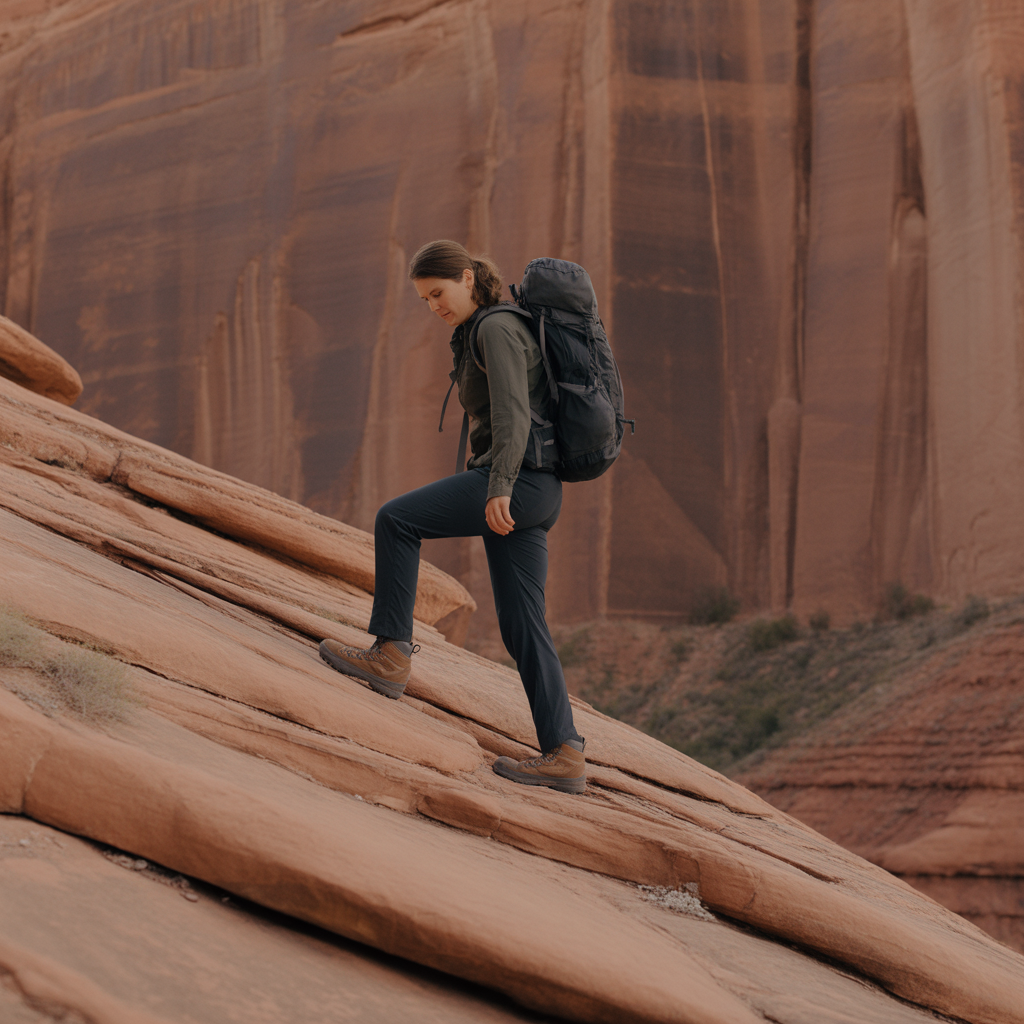
How to find the right fit in hiking boots for wide feet comes down to four things: knowing your actual measurements, understanding what width labels really mean, choosing brands built on genuinely wide lasts, and taking the time to check fit properly before you commit to a pair. None of it is complicated once you know what to look for.
If you have been dealing with pinched toes, blisters on the sides of your feet, or numbness on every hike, the problem almost certainly traces back to boot width rather than length. Getting measured properly at a specialty outdoor retailer is the fastest shortcut to solving this. From there, brands like Keen, Oboz, and Merrell give you the best starting points for a genuinely wide fit.
For hikers who need more than a standard 2E width, look specifically at options labeled 4E or seek out hiking boots for women with wide toe box construction if that applies to your foot shape. And remember to pair whatever boots you choose with the right hiking socks and give them a proper break-in period before hitting a long trail. Your feet will thank you.
Disclosure: As an Amazon Associate, we earn from qualifying purchases. This does not affect our editorial recommendations.