

How to protect your dog from ticks while hiking is one of the most important things you can figure out before hitting the trail with your four-legged companion. Ticks are not just a nuisance, they carry serious diseases like Lyme disease, Rocky Mountain spotted fever, and ehrlichiosis, and dogs are particularly vulnerable because they move through the exact low brush and tall grass where ticks wait to latch on. The good news is that with a smart combination of prevention, the right gear, and a solid post-hike routine, you can dramatically reduce the risk.
This guide covers everything from pre-hike prevention strategies to trail behavior tips and the all-important tick check when you get back to the car. Whether you hike wooded trails every weekend or you are just starting to explore the outdoors with your dog, these practical steps will help you keep your pup safe without turning every hike into a stressful chemical-heavy ordeal. We will also cover some tick prevention options for hiking dogs worth knowing about so you can make the best choice for your situation.
What to Look For
Understanding When and Where Ticks Are a Threat
Ticks are most active in spring and fall when temperatures are between 40 and 80 degrees Fahrenheit, but in warmer climates they can be a year-round concern. They do not jump or fly, they practice what is called questing (a behavior where ticks cling to vegetation and reach out to grab passing hosts), where they cling to the tips of grasses and shrubs with their back legs and reach out with their front legs to grab onto a passing host. Your dog is low to the ground and often pushing through exactly the kind of vegetation ticks love, which makes them far more exposed than you are. High-risk terrain includes wooded trails, tall grass meadows, leaf litter, and brushy undergrowth. According to the Centers for Disease Control and Prevention, tick populations have expanded significantly across North America, so even trails that were once considered low-risk may now harbor ticks.
How to Protect Your Dog From Ticks While Hiking Before You Leave Home
The most effective tick protection starts before you ever get to the trailhead. Talk to your veterinarian about a veterinarian-prescribed tick preventative. These come in several forms including monthly oral chewables, topical spot-on treatments, and tick collars. Oral preventatives like Bravecto or NexGard are popular with active dog owners because they are not washed off by water and do not require you to avoid contact with your dog after application. Topical treatments applied between the shoulder blades are another solid option, though they can take 24 to 48 hours to fully activate. A tick collar such as the Seresto collar provides up to eight months of protection and is a good backup layer for dogs that hike frequently. Never use human insect repellent on dogs, products containing DEET are toxic to them.
Clothing and Gear That Helps Reduce Tick Exposure
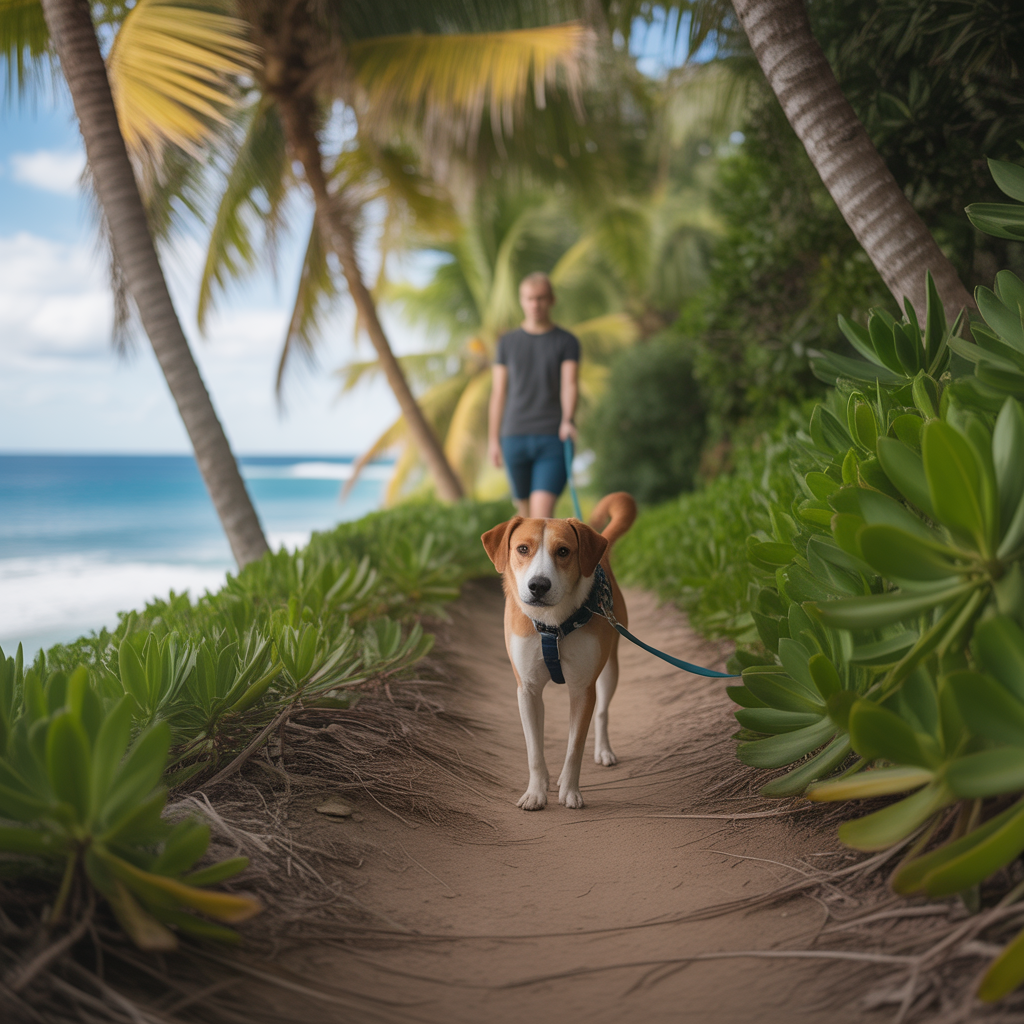
There is no full-body tick suit for dogs, but some gear choices do reduce exposure meaningfully. A well-fitted dog hiking harness does not prevent ticks directly, but it does help you keep your dog closer to the trail and out of the densest brush, which is where tick exposure is highest. For yourself as the handler, wearing hiking pants with a close-fitting cuff at the ankle, light-colored so you can spot ticks easily, goes a long way. Treating your own clothing with permethrin spray before hiking in tick country is one of the most effective personal protective measures available. Some dog owners also use permethrin-treated bandanas or vests around their dog’s neck and body, though you should confirm this is appropriate with your vet before doing so. Keeping your dog on a dog leash for hiking instead of allowing off-leash roaming through brush will also cut down on tick encounters significantly.
Trail Behavior That Reduces Tick Risk
How you hike matters as much as what you wear. Stick to the center of well-maintained trails whenever possible and discourage your dog from plunging into tall grass, piles of leaves, or dense shrubby areas on the trailside. Take rest breaks on rocks, logs, or open gravel rather than sitting in the grass. If your dog is prone to wandering off-trail, consider a shorter leash during tick season to keep them closer. Checking both yourself and your dog quickly during any longer break, especially if you have moved through high vegetation, can help you catch ticks before they have had time to attach.
How to Do a Post-Hike Tick Inspection on Your Dog
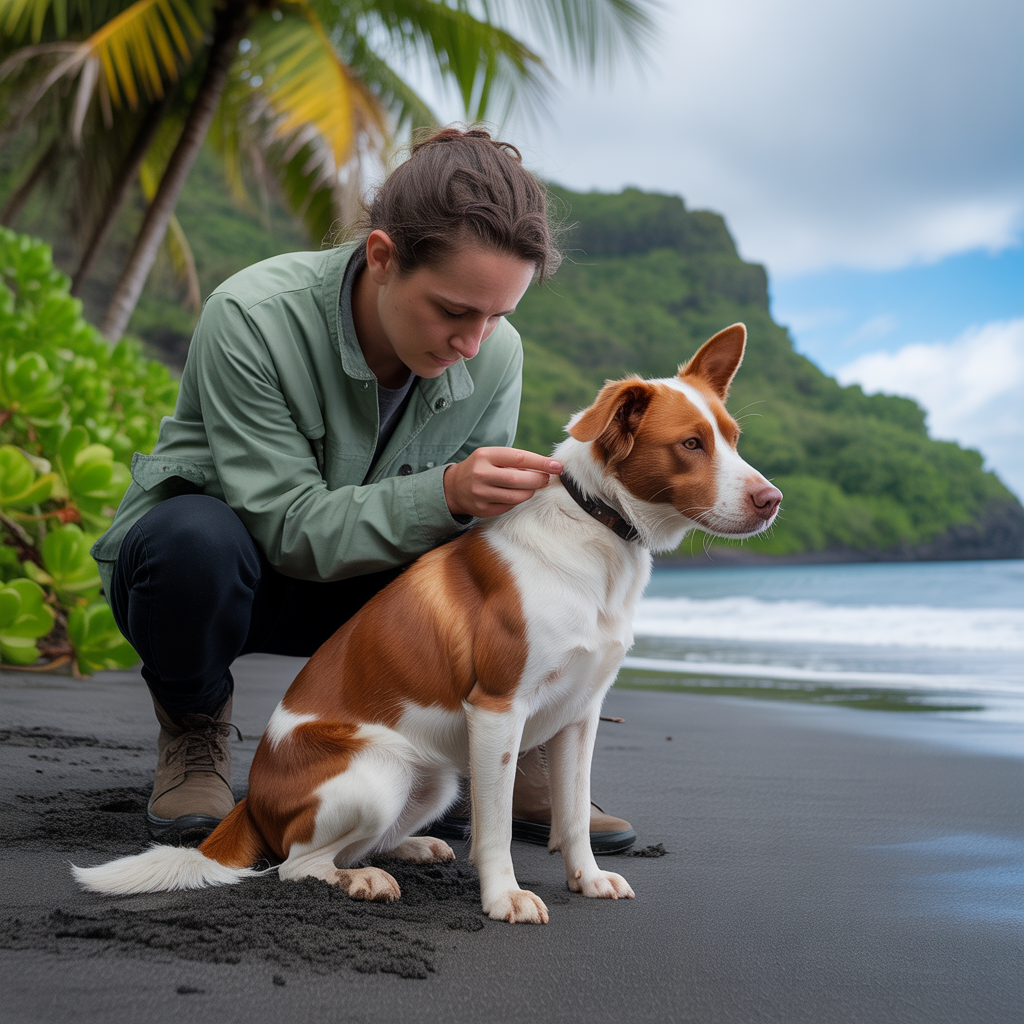
Knowing how to protect your dog from ticks while hiking includes knowing what to do the moment you get back to the car or arrive home. Begin a full-body tick inspection within an hour of finishing your hike, this matters because according to the CDC, most tick-borne diseases including Lyme disease require the tick to be attached for at least 24 to 36 hours before transmission occurs, though some pathogens can transmit more quickly. Run your fingers slowly through your dog’s entire coat, pressing firmly enough to feel any small bumps. Pay special attention to warm, hidden areas: around and inside the ears, between the toes, in the groin area, under the collar, around the tail, and under the front and back legs. Part the fur in sections on longer-haired dogs, ticks are easier to miss in thick coats. Also check yourself thoroughly after checking your dog, as ticks can transfer from pet to person.
How to Remove a Tick Safely
If you find an attached tick, do not panic, but do act promptly. Use a pair of fine-tipped tweezers or a dedicated dog tick removal tool, grip the tick as close to the skin as possible, and pull upward with steady, even pressure. Do not twist or jerk, this can cause the mouthparts to break off in the skin. Do not use petroleum jelly, nail polish, or a lit match to try to remove the tick, as these methods can cause the tick to regurgitate into the wound and increase infection risk. After removal, clean the area with rubbing alcohol or soap and water. Place the tick in a sealed bag or container, if your dog develops symptoms in the following weeks, your vet may want to test or identify it. Monitor the bite site and your dog for signs of illness including lethargy, fever, loss of appetite, or joint swelling, and contact your vet if anything seems off. Carrying a dog first aid kit for hiking that includes tick removal tools means you are always ready to act on the trail rather than waiting until you get home.
Frequently Asked Questions
What is the best tick prevention for dogs who hike regularly?
For dogs that hike frequently, a veterinarian-prescribed oral tick preventative is generally considered the most reliable option because it works systemically and cannot be rubbed off or washed away by water or vegetation. Monthly chewables like Bravecto or NexGard are popular with active dog owners for exactly this reason. A tick collar such as Seresto is a strong secondary layer that provides continuous protection for up to eight months. Topical spot-on treatments are effective but require 24 to 48 hours to activate and can lose effectiveness if your dog swims or gets wet often. The best approach for regular hikers is usually a combination: a veterinarian-prescribed preventative as your foundation, combined with careful trail behavior and a thorough post-hike inspection. Talk to your vet about what combination makes the most sense for your dog’s size, health history, and how often you hike. You can also explore purpose-made tick prevention products for hiking dogs as a supplementary layer.
Can I use natural tick repellents on my dog?
Some natural options are used by dog owners who want to avoid synthetic chemicals, but it is important to approach this carefully. Certain essential oils — including rose geranium, cedar, and neem are sometimes cited as natural tick deterrents, but scientific evidence for their effectiveness is limited compared to veterinarian-prescribed preventatives. More importantly, many essential oils that are safe for humans are toxic to dogs, particularly cats as well, so you should never apply any essential oil or natural product to your dog without first confirming it is safe with your veterinarian. Dilution matters enormously, and application location matters too. If you are looking for a more natural approach, the most effective non-chemical strategies are behavioral: staying on the center of the trail, keeping your dog on a leash, and doing a thorough tick inspection after every hike. These methods reduce exposure without introducing any chemical risk at all. Always consult your vet before trying any new preventative approach.
How long does a tick need to be attached to transmit disease to a dog?
For most tick-borne diseases, including Lyme disease caused by the black-legged tick, the tick generally needs to be attached and feeding for at least 24 to 36 hours before it can transmit the bacteria that causes infection, according to CDC guidance on tick-borne disease transmission. This is why prompt removal is so important, the faster you find and remove an attached tick, the lower the risk of transmission. However, it is worth knowing that some pathogens, such as those causing Rocky Mountain spotted fever, can be transmitted more quickly, sometimes within a few hours of attachment. This is why a thorough tick check within the first hour after hiking is strongly recommended rather than waiting until the next morning. You cannot always tell by looking at a tick how long it has been attached, though an engorged tick (a tick that looks swollen with blood from feeding) has typically been attached for a while. When in doubt, remove it promptly and contact your vet.
What parts of my dog should I check for ticks after a hike?
Ticks gravitate toward warm, dark, hidden areas of the body where skin is thin and blood vessels are close to the surface. On your dog, you should check thoroughly in and around the ears (including inside the ear canal), between every toe and under the paw pads, around the groin and inner thighs, in the armpit areas under the front legs, around and under the base of the tail, around the collar area and neck, and along the belly. For longer-haired or double-coated breeds, part the fur in sections rather than just running your hand over the surface, ticks can hide easily in thick undercoats. A fine-tooth comb can help with very dense coats. Also check your dog’s eyelids, which is a less obvious spot that ticks do find. Carrying a portable portable dog first aid kit with a tick removal tool makes it easy to deal with anything you find on the spot.
Do tick collars work well enough for hiking dogs?
Tick collars can be an effective layer of protection, especially as a supplement to other preventatives. The Seresto collar is the most widely recommended by veterinarians and releases active ingredients that spread across the dog’s skin and coat over time. It provides protection for up to eight months and is water-resistant, making it practical for dogs that swim or hike in wet conditions. However, tick collars work best when used as part of a broader protection strategy rather than as the only line of defense. On their own, collars provide stronger protection near the head and neck than on the hindquarters or feet, which are also common areas for tick attachment on hiking dogs. For a dog that goes out on trails regularly, pairing a tick collar with a veterinarian-prescribed oral preventative gives you much more comprehensive coverage. Always read the label carefully and follow your vet’s guidance on which products are safe to combine.
The Bottom Line
Knowing how to protect your dog from ticks while hiking comes down to three things working together: proactive prevention, smart trail habits, and a thorough check-up after every hike. No single method eliminates all risk, but when you layer a veterinarian-prescribed preventative with good leash habits, careful trail behavior, and a consistent post-hike inspection, you cover nearly all of your bases. For the dog owner who hikes once or twice a month on moderate wooded trails, a tick collar plus careful post-hike checks may be enough. For the hiker who takes their dog out every weekend through dense brush and forest, an oral preventative combined with on-trail vigilance is a stronger approach. If you hike with kids or other dogs as well, make the post-hike tick check a group habit, ticks move from pets to people more often than most hikers realize. Bring a dedicated dog tick removal tool in your pack so you are never caught without one. Ticks are a real concern, but they are a manageable one. A little preparation goes a long way toward making every trail day with your dog a safe and enjoyable one.
Disclosure: As an Amazon Associate, we earn from qualifying purchases. This does not affect our editorial recommendations.