
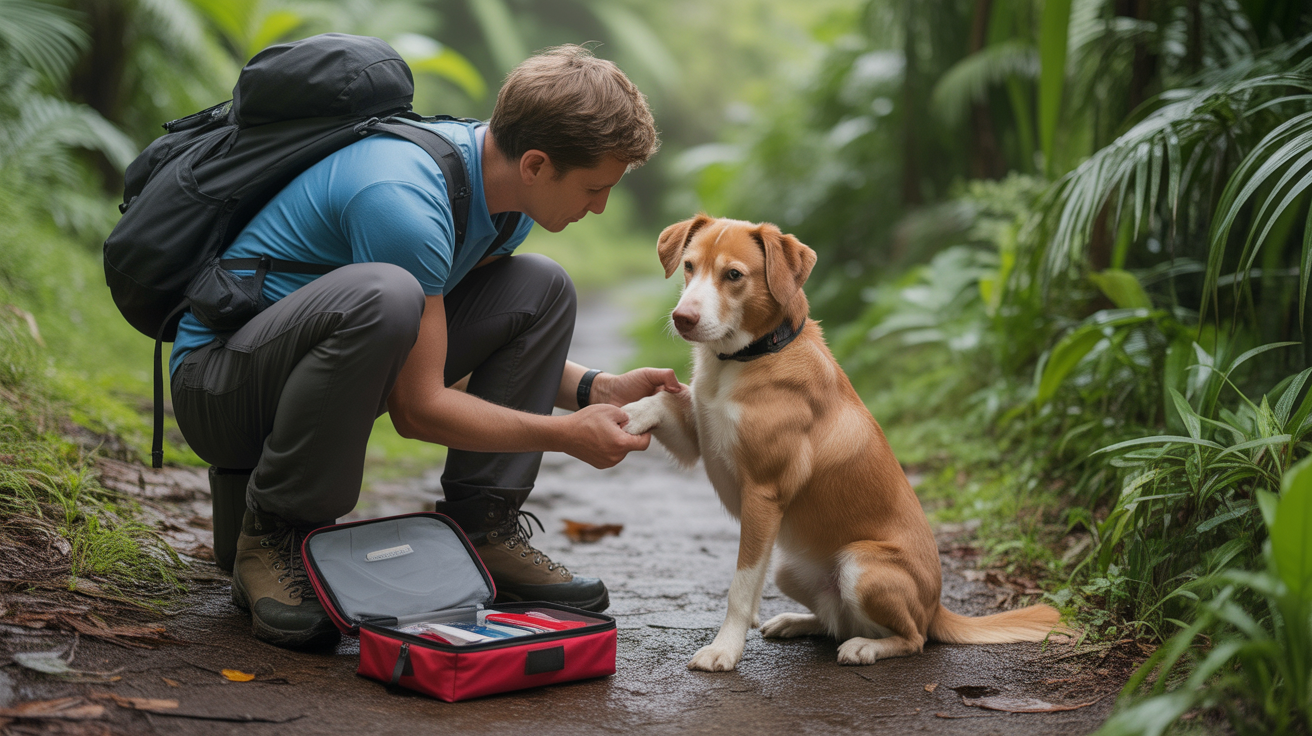
Knowing what to pack in a dog first aid kit for the trail can be the difference between a minor trail incident and a genuinely scary situation. Dogs are enthusiastic hikers, but they are also prone to cuts, scrapes, stings, and the occasional run-in with thorns, rocks, or wildlife – and they cannot tell you when something is wrong.
The good news is that building a solid trail first aid kit for your dog does not require a veterinary degree. It requires a checklist, a little knowledge about why each item matters, and the habit of actually bringing the kit with you. This guide walks you through every essential item, explains what it is used for, and helps you feel confident and ready the next time you and your dog hit the trail together.
What to Look For
Why a Dedicated Dog First Aid Kit Matters on the Trail
Knowing what to pack in a dog first aid kit for the trail starts with understanding why a separate kit for your dog is worth carrying. Human first aid kits are not designed with dogs in mind. Wound sizes differ, some human medications are toxic to dogs, and dogs have specific vulnerabilities like paw pad injuries and tick exposure that require dedicated tools. A purpose-built dog kit weighs very little and fits easily into a daypack or the storage compartment of a dog hiking vest with storage. Carrying one means you are not improvising in the field when your dog needs you to act quickly. If you are new to hiking with dogs, you might also want to review essential dog hiking gear to round out your trail setup.
Wound Care Supplies
The most common trail injuries in dogs involve cuts, scrapes, and punctures from rocks, sticks, and sharp vegetation. Your kit should include sterile gauze pads in at least two sizes, rolled gauze for wrapping limbs or paws, self-adhesive bandage wrap (often called vet wrap or cohesive bandage), and medical tape. Bring a small pair of blunt-nosed scissors to cut bandaging without risking a nick. Blunt-nosed scissors are specifically recommended because the rounded tips prevent accidental cuts to your dog if they move suddenly during treatment. Sterile saline solution or a saline wound wash is critical for flushing debris out of cuts before bandaging. Avoid using hydrogen peroxide on dog wounds unless directed by a vet, as it can damage tissue and slow healing.
Paw Protection and Blister Prevention
Dog paw pads are tough but not indestructible. Hot pavement, volcanic rock, sharp gravel, and prolonged trail use can all cause cracking, cuts, and raw spots. Include dog paw balm for hiking to soothe and protect pads before and after the hike, and pack a few adhesive dog paw bandages or booties to cover an injured pad mid-trail. On particularly rough terrain, some hikers opt for dog hiking boots as a preventive measure. At minimum, inspect your dog’s paws at every trail break and apply balm to any area that looks dry or irritated. For dogs new to hiking, consider starting with shorter trails while their paws build up natural toughness – check beginner hiking trails for dogs for appropriate options.
Tick and Insect Response Tools
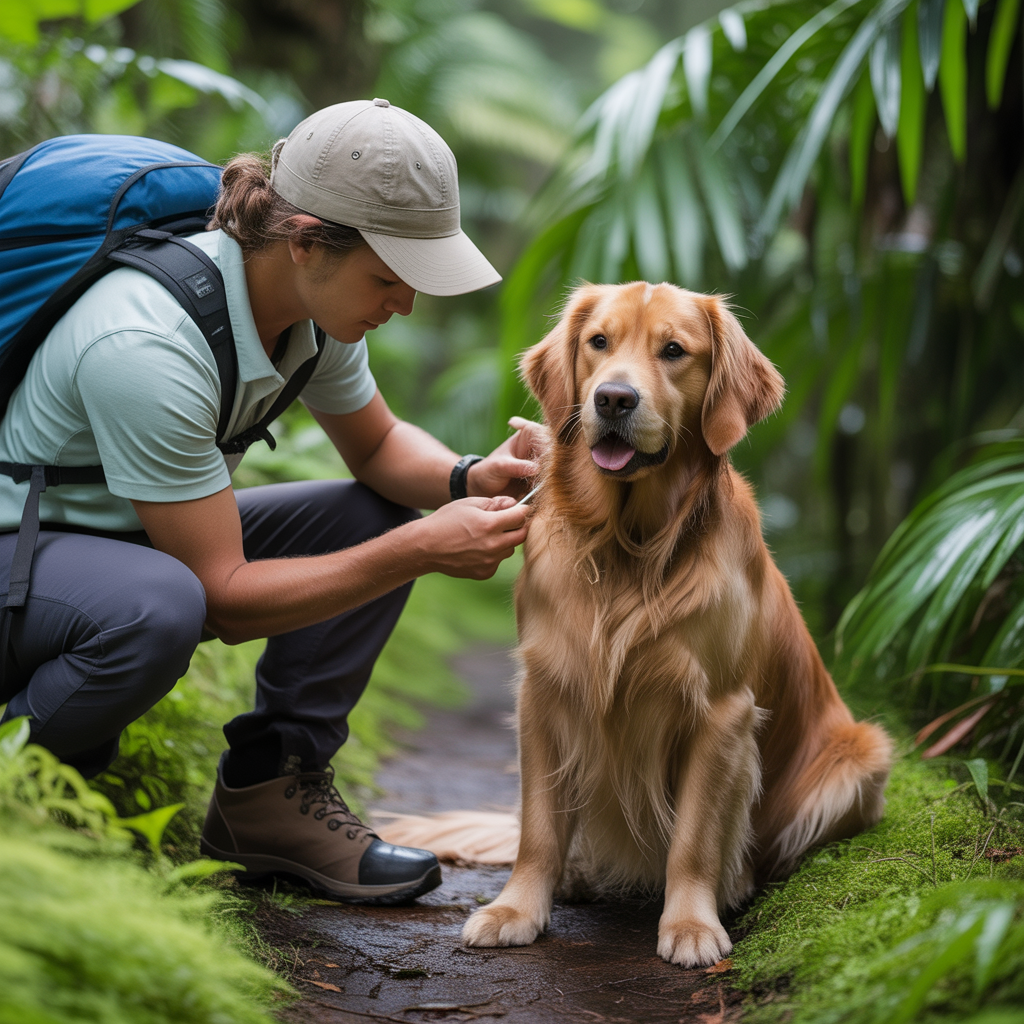
Ticks are one of the most consistent hazards for hiking dogs in most regions of the United States. A quality dog tick removal tool for hiking should be a non-negotiable item in your kit. Fine-tipped tweezers work in a pinch, but purpose-made tick hooks remove the tick cleanly without crushing the body, which reduces the risk of disease transmission. Pack several small ziplock bags so you can seal and save a removed tick for veterinary identification if your dog develops symptoms later. For prevention before the hike, review your options for tick prevention for hiking dogs and apply an appropriate product before you leave home. Include a small tube of antihistamine cream or diphenhydramine tablets (verify the correct dog dosage with your vet in advance) for bee stings and insect bites.
Medications and Emergency Supplies
If you have an established veterinarian, talk to them before your first hike and ask them to help you build a short list of dog-safe medications appropriate for your specific dog. If you do not yet have a veterinarian, look for one in your area before you begin hiking regularly with your dog – most communities have general practice vets who can provide guidance during a routine wellness visit. Common items that vets recommend including are: diphenhydramine for allergic reactions, antidiarrheal medication for stomach upset, and any prescription medication your dog takes regularly. Include a card in your kit with your dog’s weight, medications, known allergies, your vet’s phone number, and the nearest emergency veterinary clinic to the trailheads you frequent. Other essential emergency supplies include a space blanket to treat shock or hypothermia, a digital rectal thermometer (a dog’s normal temperature is 101 to 102.5 degrees Fahrenheit – temperatures above 103 or below 100 warrant immediate veterinary attention), and a small penlight or headlamp for examining eyes, ears, and wounds in low light.
Hydration and the Complete Dog Trail First Aid Checklist
Dehydration is a real risk for active dogs, and a dog that is already injured or in distress becomes dehydrated faster. Always carry a collapsible dog bowl for hiking in your kit or clipped to your pack so you can offer water frequently. According to the American Veterinary Medical Association, dogs engaged in vigorous activity may need significantly more water than at rest, and early signs of dehydration include dry gums and lethargy. Pair your bowl with a dedicated dog water bottle for hiking that makes it easy to dispense water on the go without waste. To summarize what to pack in a dog first aid kit for the trail, your complete checklist should include: sterile gauze pads and rolled gauze, self-adhesive bandage wrap, medical tape, blunt scissors, sterile saline wash, paw balm, adhesive paw bandages, a tick removal tool, small ziplock bags, antihistamine, any vet-recommended medications, your dog’s medical info card, a space blanket, a rectal thermometer, a penlight, a collapsible bowl, and water. You can find guidance on assembling a kit or choosing a pre-built option through resources like the Red Cross pet emergency preparedness guide. Knowing what to pack in a dog first aid kit for the trail means you can respond calmly and effectively no matter what the trail throws at you.
Frequently Asked Questions
How do I know if my dog is hurt on the trail?
Dogs often mask pain instinctively, so you need to watch for behavioral cues rather than waiting for obvious distress. Signs that your dog may be injured or unwell on the trail include limping or favoring one leg, excessive licking at a specific area, whimpering when touched, lagging behind when they are normally out front, holding up a paw, panting heavily in cool temperatures, or refusing to continue walking. After any fall, tumble, or rough terrain crossing, stop and run your hands gently over your dog’s entire body, checking for cuts, swelling, heat, or sensitivity. Check all four paw pads carefully, inspect between the toes, and look at the ears if your dog has been moving through tall brush. Catching a small wound early and treating it with the supplies in your kit almost always prevents it from becoming a larger problem. If your dog shows signs of serious distress, prioritize getting them off the trail safely and contact a veterinarian as quickly as possible.
Can I use human first aid supplies on my dog?
Some human first aid supplies are safe and effective for dogs, while others can cause real harm. Sterile gauze pads, rolled gauze, cohesive bandage wrap, medical tape, and sterile saline wash are all safe to use on dogs the same way you would use them on yourself. However, several common human products should not be used on dogs without veterinary guidance. Hydrogen peroxide can damage dog tissue and is generally not recommended for wound cleaning. Ibuprofen and acetaminophen are toxic to dogs and should never be administered. Neosporin and similar antibiotic ointments are generally considered safe in small amounts for minor wounds, but dogs tend to lick treated areas, which limits effectiveness and can cause digestive upset. The safest approach is to use purpose-made dog first aid supplies wherever they exist, and to consult your vet before adding any medication to your kit. Building a dedicated kit as outlined in this guide on what to pack in a dog first aid kit for the trail ensures you always have the right tools available.
How often should I check my dog for ticks after a hike?
You should perform a full tick check on your dog immediately after every hike that passes through wooded, grassy, or brushy terrain – which describes the majority of hiking trails. Do not wait until you get home. Ticks begin transmitting disease after they have been attached for several hours, so early removal matters. If you are new to checking for ticks, find a comfortable place for your dog to sit or lie down, speak calmly, and move slowly. Run your fingers slowly through your dog’s entire coat, pressing firmly enough to feel the skin beneath. Pay extra attention to the areas where ticks prefer to attach: around the ears and ear canal, between the toes, in the groin area, under the collar, around the tail base, and under the legs. A thorough check takes about five minutes and becomes second nature quickly. Carry a dedicated dog tick removal tool in your kit at all times so you can remove any ticks you find on the trail or in the parking lot immediately. Continue checking your dog for the next 24 to 48 hours, as some ticks can be very small and easy to miss on first inspection.
What should I do if my dog gets a cut on the trail?
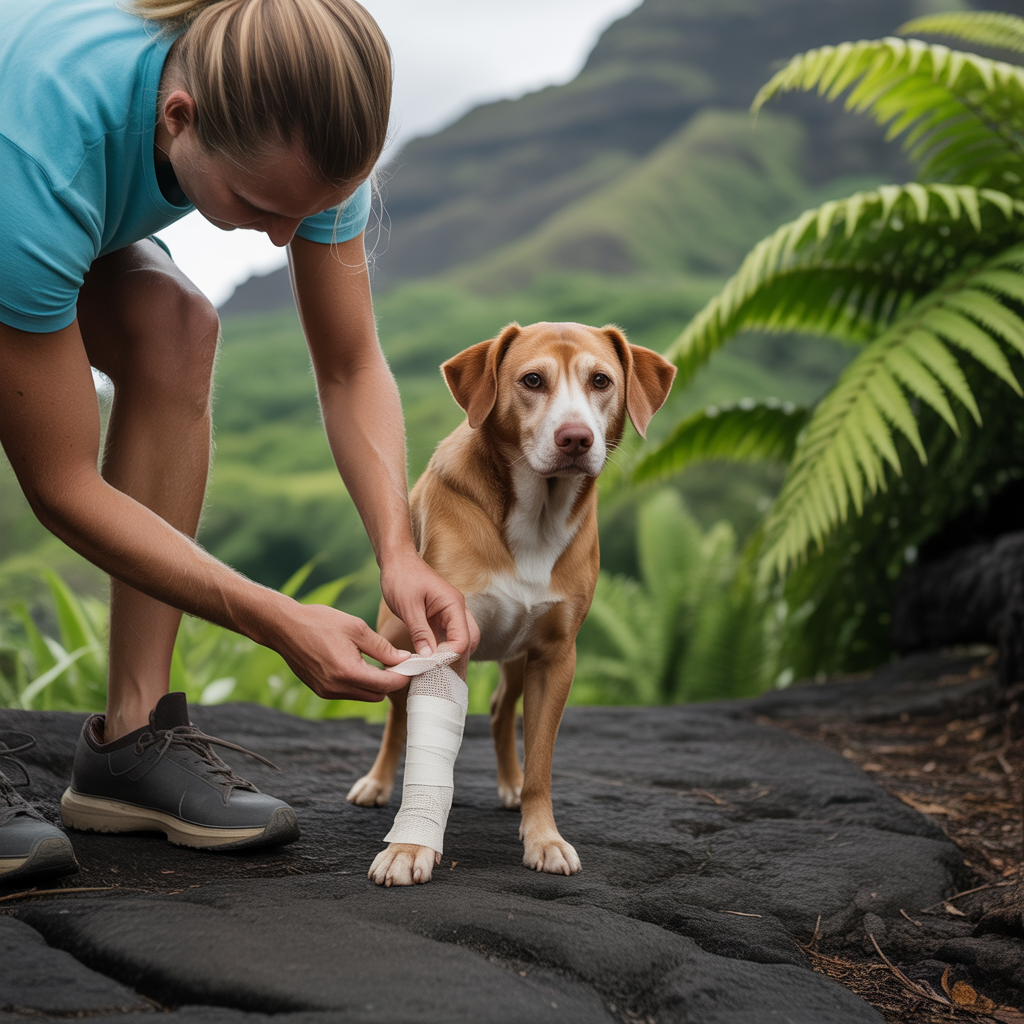
A cut on the trail is one of the most common situations where knowing what to pack in a dog first aid kit for the trail pays off immediately. Start by staying calm, as your dog will respond to your energy. Gently restrain your dog and assess the wound. Flush the cut thoroughly with sterile saline wash to remove dirt, debris, and bacteria. If the wound is bleeding, apply gentle pressure with a sterile gauze pad for several minutes. Once bleeding slows, cover the wound with a clean gauze pad and secure it with self-adhesive bandage wrap. Avoid wrapping too tightly – you should be able to slide two fingers under the wrap. If the cut is on a paw pad, secure the bandage well but check it frequently, as dogs will often try to remove it. If the cut is deep, gaping, or does not stop bleeding after 10 minutes of firm pressure, treat it as an emergency and get your dog to veterinary care as quickly as possible. Minor surface cuts treated promptly on the trail generally heal well with follow-up cleaning and monitoring at home.
The Bottom Line
Understanding what to pack in a dog first aid kit for the trail is one of the most practical things you can do for your dog before any hike. The supplies are inexpensive, the kit is lightweight, and the confidence you gain from having it packed and ready is worth the small effort.
If you are hiking mostly on easy day trails with your dog, a compact pouch with wound care basics, paw balm, a tick removal tool, and a collapsible bowl covers the majority of situations you are likely to encounter. If you are planning longer routes or more remote terrain, add the emergency supplies and medications discussed above and review your kit with your veterinarian before the trip.
For dog owners who want to build on this foundation, consider looking at a dedicated dog first aid kit for hiking as a pre-assembled starting point that you can then customize with any additional items from this checklist. The trail is a better place when both you and your dog are prepared. Pack the kit, know how to use it, and go enjoy the adventure.
Disclosure: As an Amazon Associate, we earn from qualifying purchases. This does not affect our editorial recommendations.