
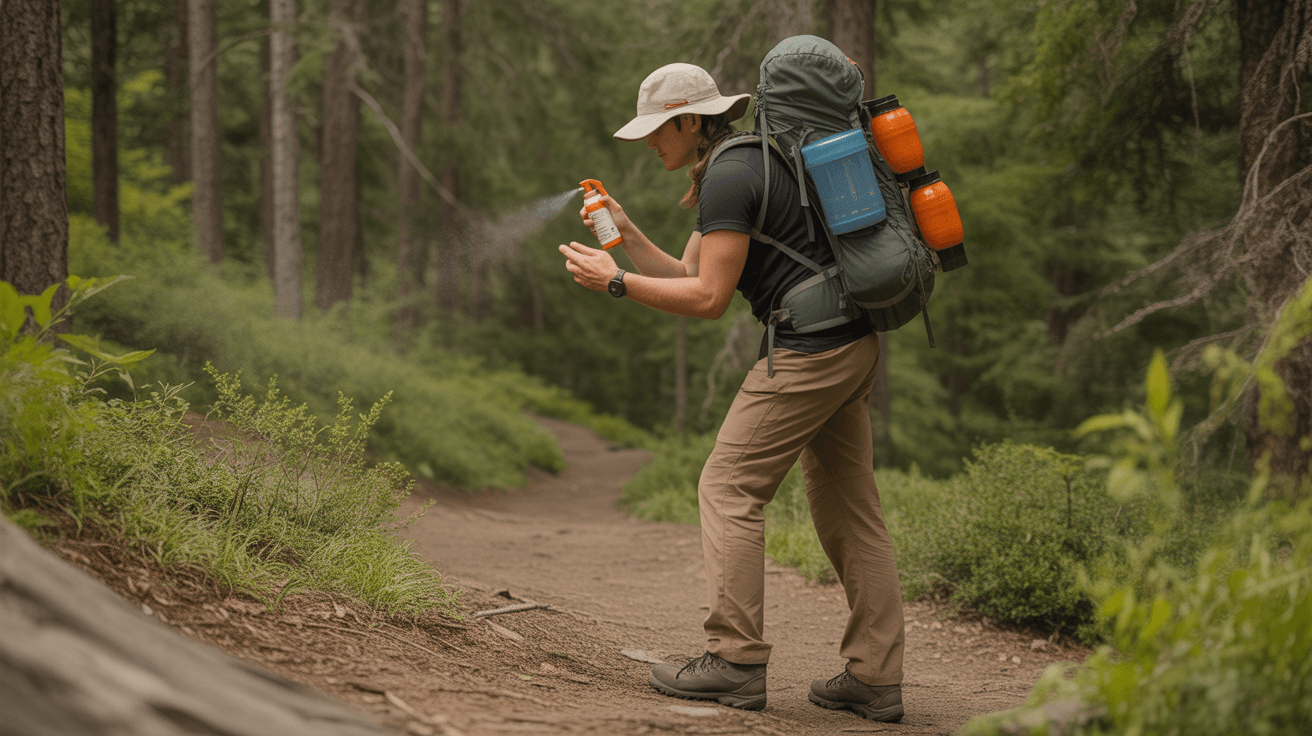
Dealing with mosquitoes and ticks on the trail can turn a peaceful hike into a miserable experience. You want protection that works, but you are not comfortable spraying synthetic chemicals on your skin for hours at a time. The good news is that natural insect repellents have come a long way – some plant-based formulas now offer legitimate protection that goes beyond a short walk around the neighborhood.
Finding the best natural insect repellent for hiking means looking beyond marketing claims and understanding which active ingredients actually repel biting insects. This guide walks through DEET-free options that deliver real protection on the trail, from oil of lemon eucalyptus sprays recommended by health authorities to essential oil blends designed for extended outdoor use. You will learn what works, what does not, and which natural repellent matches your hiking style.
What to Look For
Active Ingredients That Actually Work
Not all natural ingredients repel insects equally. Oil of lemon eucalyptus (OLE) is the most effective plant-based option and the only botanical repellent recommended by the Centers for Disease Control and Prevention. It contains PMD (para-menthane-3,8-diol), a compound that confuses mosquito sensory receptors. Studies show OLE can provide protection comparable to low-concentration DEET products, typically lasting 4 to 6 hours. Other natural ingredients like citronella, lemongrass, cedarwood, and peppermint oil offer shorter protection windows – usually 1 to 3 hours – but work well for quick day hikes or low-bug conditions.
Picaridin is technically synthetic but mimics natural compounds found in black pepper plants. Many hikers consider it a bridge option between fully natural and DEET-based repellents. It does not damage synthetic fabrics or plastics like DEET can, and it provides 8 to 12 hours of protection at 20 percent concentration. If you want the longest-lasting DEET-free protection, picaridin formulas deliver.
Protection Duration Versus Application Frequency
The best natural insect repellent for hiking balances protection time with reapplication convenience. Most essential oil blends need reapplication every 2 to 3 hours, which works fine for a morning hike but becomes impractical on all-day trails. OLE-based products stretch that to 4 to 6 hours, while picaridin options can last a full hiking day without reapplication.
Consider your typical hike length when choosing. For short trails under 3 hours, even citronella-based sprays provide adequate coverage. For longer hikes, pack a product that delivers at least 4 hours of protection to avoid constant respraying. If you sweat heavily or hike in humid conditions, expect any natural repellent to wear off faster than advertised. Bringing a small backup bottle makes sense for extended trips.
Spray Versus Lotion Formulas
Spray bottles dominate the natural repellent market because they cover large areas quickly. Pump sprays work better than aerosols for targeting specific body parts without waste, and they travel easier without pressurization concerns. The downside is overspray – you waste product, and application becomes messy in windy trailhead parking lots.
Lotion formulas give you precise control and work well for facial application where sprays feel uncomfortable. They also last slightly longer because the cream base adheres to skin better than alcohol-based sprays. The tradeoff is slower application time and greasy hands until the product absorbs. Some hikers prefer lotion for exposed skin and spray for clothing treatment. Wipes offer a middle option – convenient for quick touch-ups but typically more expensive per application.
Skin Application Versus Clothing Treatment
Most natural repellents work on both skin and clothing, but effectiveness differs. OLE and essential oil blends absorb into fabric and provide a protective barrier that lasts longer than skin application alone. Treating shirt cuffs, pant legs, and hat brims creates multiple defense layers without covering every inch of skin in spray.
For areas where ticks are common, clothing treatment becomes critical. Ticks crawl upward from vegetation, so treating boots, socks, and lower pant legs with repellent stops them before they reach skin. Some hikers apply natural spray to clothing the night before a hike, allowing it to dry completely for maximum effectiveness. This approach works better with pump sprays than lotions, which can stain fabric.
Scent Considerations on the Trail
Natural repellents smell different than DEET products – sometimes dramatically so. Citronella and lemongrass create strong herbal scents that some people find pleasant and others overwhelming. OLE has a distinct eucalyptus smell that fades within 30 minutes but starts quite potent. If you hike in bear country, strong artificial or natural scents can attract wildlife attention, though National Park Service guidelines focus more on food odors than personal care products. For most beginner day hikers on established trails, insect repellent scent poses minimal concern since you will be applying it to skin and clothing rather than storing it as an attractant near your campsite.
Fragrance-free or low-scent formulas exist but usually sacrifice some repellent strength. For group hikes, be considerate of others who may have scent sensitivities. Apply repellent before meeting up rather than spraying in shared spaces. If you hike alone regularly, scent matters less than effectiveness – pick what keeps bugs away regardless of smell.
Packaging and Portability for Hikers
Bottle size impacts how often you can reapply on longer hikes. A 4-ounce spray typically provides 8 to 10 full-body applications, enough for several day hikes or one overnight trip with multiple reapplications. Travel-size 2-ounce bottles fit easily in hip belt pockets but run out quickly if you share with hiking partners. Multi-packs make sense for frequent hikers who want backup bottles in the car, at home, and in their pack.
Pump mechanisms fail less often than aerosol valves and work at any angle, including upside down for treating legs and boots. Twist-lock pumps prevent accidental discharge in your pack. If you carry repellent in a backpack, put it in a ziplock bag – leaking bottles ruin gear and waste product. Some brands offer clips or carabiners for external carry, keeping the spray accessible without digging through your pack every time bugs appear.
Our Top Picks
1. Murphy’s Naturals Mosquito & Tick Bug Repellent Spray
Best for hikers who want CDC-recommended protection in a plant-based formula

Murphy’s Naturals uses oil of lemon eucalyptus as its active ingredient, making it the only natural repellent in this lineup with formal CDC backing for mosquito protection. The 2-pack provides 8 fluid ounces total in convenient 4-ounce bottles that fit comfortably in most pack pockets. This spray works on both skin and outdoor gear, giving you flexibility in application.
The pump spray mechanism delivers consistent coverage without the waste of aerosol formulas. You can control exactly where the product goes, which matters when treating specific areas like ankles and wrists where mosquitoes target. The formula dries relatively quickly compared to oil-heavy natural sprays, though it leaves a slight eucalyptus scent that fades within the first hour on the trail.
With over 16,000 reviews and Climate Pledge Friendly certification, this product has proven itself across diverse hiking conditions. Users consistently report 4 to 6 hours of protection against mosquitoes and moderate effectiveness against ticks. The plant-based formula does not damage synthetic clothing or pack materials, unlike DEET products that can melt certain plastics and fabrics.
The main limitation is reapplication frequency. For all-day hikes, you will need to reapply at least once, possibly twice if you sweat heavily. The product also works best when applied to both skin and clothing rather than skin alone. Some hikers find the initial eucalyptus smell strong, though most report it becomes unnoticeable quickly. At this price point for two bottles, the value matches well with how often you will realistically reapply on longer trails.
See current pricing for the Murphy’s Naturals Mosquito & Tick Bug Repellent Spray on Amazon.
Pros
- Oil of lemon eucalyptus recommended by CDC for mosquito protection
- Pump spray allows precise application without aerosol waste
- Works on both skin and outdoor gear including backpacks and boots
- Climate Pledge Friendly with plant-based ingredients
- Two 4-ounce bottles provide multiple hikes worth of applications
Cons
- Requires reapplication every 4 to 6 hours on longer hikes
- Initial eucalyptus scent may be strong for some users
- Less effective against ticks than mosquitoes according to user reports
View Murphy’s Naturals Mosquito & Tick Bug Repellent Spray on Amazon →
2. Badger Bug Spray DEET-Free Mosquito Repellent
Best for shorter day hikes where you want a family-friendly natural option

Badger takes a different approach than OLE-based sprays by blending citronella with multiple organic essential oils including rosemary, peppermint, and lemongrass. This creates a more herbal scent profile that many hikers find more pleasant than straight eucalyptus. The aluminum bottle holds 4 ounces and features a pump spray that works reliably even after months of use.
The formula provides approximately 3 hours of protection, making it suitable for morning or afternoon hikes rather than dawn-to-dusk trail days. Users report good effectiveness against mosquitoes in moderate bug conditions, though heavy mosquito pressure or tick-heavy areas may require more frequent reapplication. The natural vegan formula appeals to hikers who prioritize certified organic ingredients and avoid all synthetic compounds.
Climate Pledge Friendly certification and aluminum packaging reduce environmental impact compared to plastic bottles. The pump mechanism delivers a fine mist that covers skin evenly without excessive dripping. The product absorbs faster than oil-heavy natural repellents, leaving less residue on skin and reducing the greasy feeling some plant-based formulas create.
The 3-hour protection window is the main constraint for serious hikers. If you typically hike 2 to 4 hours at a time, this works perfectly. For longer adventures, pack a backup bottle or accept that you will reapply multiple times. The essential oil blend also means stronger initial scent compared to fragrance-free options, though most users consider it pleasant rather than overwhelming.
Read verified buyer reviews for the Badger Bug Spray DEET-Free Mosquito Repellent on Amazon.
Pros
- Organic essential oil blend with citronella and rosemary
- Aluminum bottle more environmentally friendly than plastic
- Pleasant herbal scent many prefer to eucalyptus
- Absorbs quickly with less greasy residue than oil-heavy formulas
- Family-friendly vegan formula safe for most ages
Cons
- Only 3 hours of protection requires frequent reapplication on longer hikes
- Less effective in heavy mosquito or tick pressure situations
- Essential oil scent may be strong for those preferring fragrance-free options
View Badger Bug Spray DEET-Free Mosquito Repellent on Amazon →
3. OFF! Botanicals Insect Repellent
Best budget option for casual day hikers trying natural repellent for the first time

OFF! brings mainstream brand reliability to the natural repellent category with this plant-based formula. The 4-ounce pump spray bottle uses soybean oil as its active ingredient, a less common botanical choice that provides moderate protection without the strong eucalyptus or citronella scent. At under seven dollars, this represents the lowest entry price among effective natural options.
The formula works best for light to moderate mosquito activity typical of many day hiking environments. Users report approximately 2 to 4 hours of protection depending on activity level and weather conditions. The product feels lightweight on skin and does not leave the oily residue some natural repellents create. It also does not damage synthetic fabrics or plastics, making it safe for treating clothing and pack straps.
With nearly 9,000 reviews, this product has extensive real-world testing across diverse conditions. Most hikers appreciate the mainstream brand backing and wide retail availability – you can pick this up at most outdoor retailers or drugstores rather than ordering online. The pump spray mechanism works consistently, and the bottle size fits standard pack pockets.
The tradeoff for the lower price is shorter protection duration and reduced effectiveness against ticks compared to OLE-based formulas. For tick-heavy regions or areas with aggressive biting insects, you will likely need to supplement with more frequent applications or switch to a stronger formula. The soybean oil base also means this may not work for those with soy sensitivities, though skin reactions appear rare based on user reports.
Check current stock for the OFF! Botanicals Insect Repellent on Amazon.
Pros
- Lowest price point among effective natural hiking repellents
- Soybean oil base provides moderate protection without strong scent
- Lightweight formula does not leave oily residue on skin
- Widely available at retail stores beyond specialty outdoor shops
- Nearly 9,000 reviews provide extensive real-world feedback
Cons
- Shorter 2 to 4 hour protection window requires more frequent reapplication
- Less effective against ticks than OLE or picaridin formulas
- Not suitable for hikers with soy sensitivities
4. Cutter Lemon Eucalyptus Insect Repellent
Best value for hikers who want OLE protection at the lowest possible price

Cutter offers oil of lemon eucalyptus protection at nearly half the cost of premium natural brands. The 4-ounce pump spray delivers the same active ingredient found in more expensive options, providing CDC-recommended protection against mosquitoes for 4 to 6 hours per application. This makes it the most cost-effective way to access legitimate plant-based mosquito defense.
The pump mechanism works reliably for consistent spray coverage, though some users report the nozzle occasionally clogs after extended storage. The formula contains 10 percent OLE, matching concentration levels in pricier alternatives. It dries reasonably quickly and does not damage synthetic materials, allowing safe application to clothing and gear.
With over 7,000 reviews, hikers consistently note this product works as well as natural repellents costing two to three times more. The eucalyptus scent is present but not overwhelming, fading within 30 to 45 minutes of application. Protection duration matches more expensive OLE products, making this an excellent choice for budget-conscious hikers who still want science-backed natural ingredients.
The main considerations are packaging and availability. The bottle feels less durable than aluminum or heavy-duty plastic competitors, and the pump spray occasionally requires priming after sitting unused. Some retailers do not stock it as consistently as major outdoor brands. However, for hikers who prioritize ingredient effectiveness over premium packaging, this delivers the best natural insect repellent for hiking value in the market.
Compare the Cutter Lemon Eucalyptus Insect Repellent specs and pricing on Amazon.
Pros
- Lowest-priced oil of lemon eucalyptus option with CDC-recommended protection
- Provides 4 to 6 hours of mosquito protection per application
- Over 7,000 reviews confirm effectiveness matches pricier alternatives
- Safe for use on clothing and synthetic gear materials
- 10 percent OLE concentration matches premium natural brands
Cons
- Pump nozzle occasionally clogs after extended storage periods
- Bottle construction feels less durable than premium competitors
- Less widely stocked than major outdoor brand alternatives
How These Compare
Choosing between these natural repellents depends on your typical hiking style and bug exposure. Murphy’s Naturals leads for serious day hikers who want the strongest plant-based protection available with CDC backing. The oil of lemon eucalyptus formula provides 4 to 6 hours of coverage, reducing reapplication frequency on longer trails. The two-bottle pack gives you backup coverage for multiple hikes or sharing with hiking partners.
Badger offers the best choice for shorter hikes where organic certification and pleasant scent matter more than maximum duration. The 3-hour protection window works perfectly for morning or afternoon adventures under four hours. Families appreciate the vegan formula and herbal scent profile, making this the most kid-friendly option for introducing younger hikers to natural bug protection.
OFF! Botanicals serves casual hikers testing natural repellent for the first time without significant investment. The soybean oil formula works well in light to moderate mosquito conditions typical of maintained trails and popular hiking areas. At under seven dollars, you risk little if the formula does not work for your specific needs. The mainstream brand also means easy retail availability when you forget to pack repellent before a spontaneous trail day.
Cutter Lemon Eucalyptus delivers the best value proposition for hikers who want maximum protection per dollar spent. The OLE formula matches Murphy’s effectiveness at roughly half the cost, making it ideal for frequent hikers who go through multiple bottles per season. The less premium packaging matters little once you are on the trail, and the 4 to 6 hour protection matches products costing twice as much.
For tick-heavy regions, Murphy’s and Cutter both provide better protection than Badger or OFF! due to their OLE concentration. However, all natural repellents work better against mosquitoes than ticks – if you hike where Lyme disease is prevalent, consider treating clothing in addition to skin application. For short local hikes with minimal bug pressure, any of these options work adequately. For backcountry camping or dawn and dusk hiking when mosquitoes are most active, prioritize Murphy’s or Cutter for their longer-lasting formulas.
Frequently Asked Questions
Does natural insect repellent actually work for hiking?
Natural insect repellent works for hiking when you choose the right active ingredients and understand their limitations. Oil of lemon eucalyptus is the most effective plant-based option and the only botanical repellent recommended by the Centers for Disease Control and Prevention for mosquito protection. Studies show OLE provides 4 to 6 hours of protection comparable to low-concentration DEET products. Other natural ingredients like citronella, lemongrass, and cedarwood offer shorter protection windows of 1 to 3 hours but work adequately for quick day hikes in light to moderate bug conditions.
The key difference between natural and synthetic repellents is reapplication frequency. DEET products can last 8 to 12 hours, while most natural options require reapplication every 2 to 6 hours depending on the formula. For day hikes under 6 hours, this rarely presents problems. For overnight trips or all-day trail adventures, you need to pack extra product and plan reapplication breaks. Natural repellents also work better against mosquitoes than ticks, so hikers in areas with higher tick populations should combine skin application with treated clothing for better tick protection.
What is the best DEET-free bug spray for hiking?
The best DEET-free bug spray for hiking depends on whether you want fully plant-based ingredients or accept synthetic alternatives to DEET. For pure plant-based protection, oil of lemon eucalyptus sprays deliver the longest-lasting effectiveness at 4 to 6 hours per application. These work particularly well against mosquitoes and have formal CDC backing for disease prevention. Essential oil blends containing citronella, lemongrass, and rosemary provide 2 to 4 hours of protection and appeal to hikers who prefer organic certified ingredients.
If you expand beyond strictly botanical options, picaridin-based sprays offer the best DEET-free protection overall. Picaridin is synthetic but derived from compounds found in black pepper plants. At 20 percent concentration, it provides 8 to 12 hours of protection without the fabric damage or strong odor associated with DEET. Many hikers consider picaridin the ideal middle ground between natural essential oils and DEET, especially for longer hikes where frequent reapplication becomes impractical. Choose based on your definition of natural and your typical hike duration.
How often do you need to reapply natural bug spray while hiking?
Reapplication frequency for natural bug spray depends on the active ingredient and your activity level. Oil of lemon eucalyptus products typically need reapplication every 4 to 6 hours, making them suitable for most day hikes without mid-trail respraying. Essential oil blends containing citronella, lemongrass, or peppermint require reapplication every 2 to 3 hours, which works for shorter hikes but becomes tedious on all-day adventures.
Several factors reduce natural repellent effectiveness faster than advertised timelines. Heavy sweating during strenuous climbs or hot weather washes away product, requiring more frequent application. Rain or water crossings where you get wet also necessitate immediate reapplication. High humidity environments cause faster product evaporation from skin. As a practical rule, plan to reapply natural repellent at least once on any hike longer than 4 hours, even with OLE-based formulas. For overnight trips, apply in the morning, at lunch, and before evening camp time when mosquitoes become most active. Pack travel-size bottles for convenient mid-hike application without carrying excessive weight.
Can you use natural insect repellent on hiking clothes?
You can and should use natural insect repellent on hiking clothes in addition to skin application. Treating fabric creates a protective barrier that often lasts longer than skin application alone because the repellent does not absorb or swash away as quickly. Focus on clothing areas where insects typically land first – shirt cuffs, collar, pant legs from ankle to knee, and hat brims. This approach also reduces the amount of product you need to apply directly to skin.
Most natural repellents work safely on synthetic hiking fabrics without causing damage or staining, unlike DEET which can melt certain plastics and synthetic materials. Apply spray to clothing the night before your hike and allow it to dry completely for maximum effectiveness. This works better with alcohol-based sprays than oil-heavy lotions which can leave visible marks on fabric. For tick prevention specifically, treating boots, socks, and lower pant legs with natural repellent stops ticks during their upward crawl from vegetation before they reach exposed skin. Some hikers treat a dedicated hiking outfit at the start of the season and refresh treatment every few washes rather than spraying before every hike.
The Bottom Line
The best natural insect repellent for hiking balances protection duration with plant-based ingredients you feel comfortable applying repeatedly. Oil of lemon eucalyptus products offer the strongest scientifically-backed botanical protection, making them the top choice for hikers who want CDC-recommended effectiveness without synthetic chemicals. These formulas work particularly well for day hikes lasting 4 to 6 hours where a single application provides adequate coverage.
For shorter morning or afternoon hikes, essential oil blends containing citronella and lemongrass deliver sufficient protection at lower cost. These work best on maintained trails with moderate mosquito activity rather than backcountry environments with heavy insect pressure. Budget-conscious hikers should prioritize OLE-based options like Cutter Lemon Eucalyptus which provide maximum protection per dollar spent, while families with young children often prefer organic certified formulas like Badger for peace of mind about ingredient safety.
Remember that all natural repellents work better against mosquitoes than ticks. If you hike in areas with higher tick populations, combine natural spray application with treated clothing and regular tick checks after hikes. Pack travel-size bottles for convenient mid-hike reapplication, and apply product to both skin and clothing for layered protection. With realistic expectations about reapplication frequency and protection duration, natural repellents provide legitimate bug defense for most hiking scenarios without the concerns some hikers have about DEET exposure.
Disclosure: As an Amazon Associate, we earn from qualifying purchases. This does not affect our editorial recommendations.