
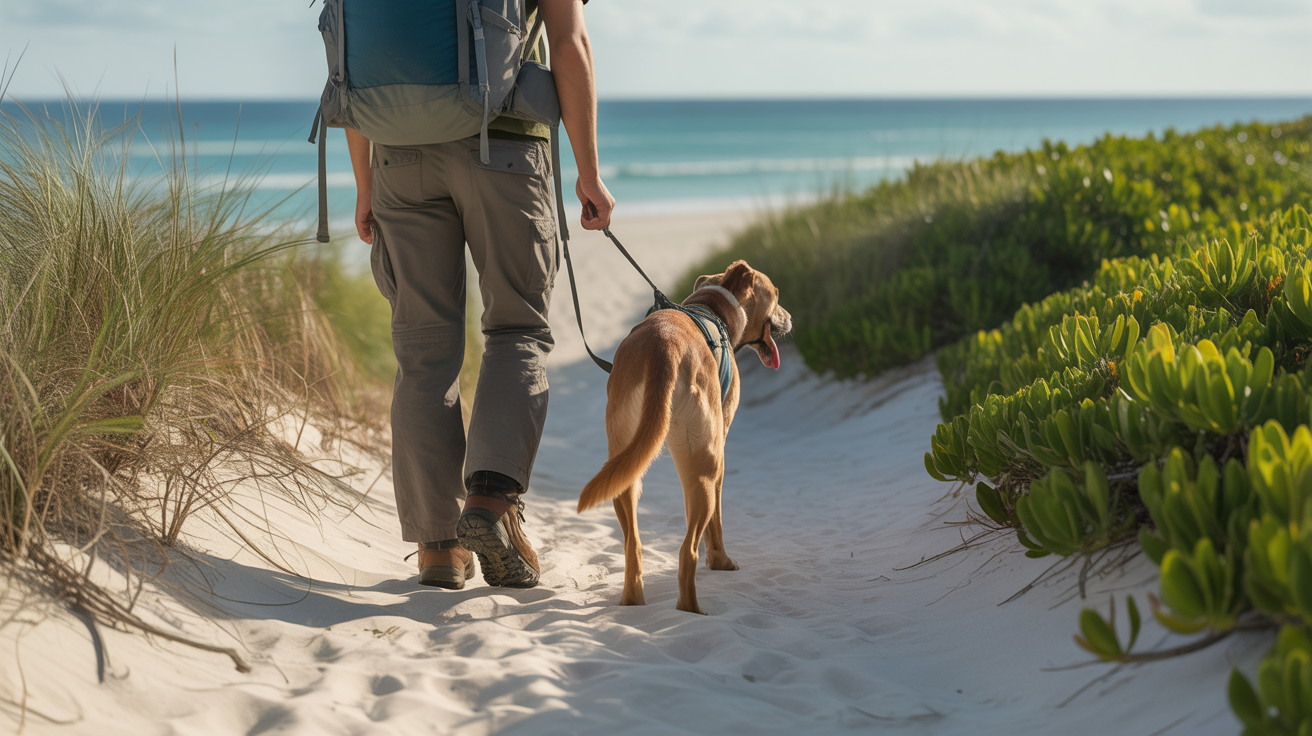
How to hike with your dog is one of those things that sounds simple until you actually start thinking about it. Do you need special gear? How far is too far? What happens if your dog gets a cut paw or drinks from a stream? If those questions have been holding you back, you are in exactly the right place.
The truth is, hiking with a dog is one of the most rewarding things you can do outdoors together. Dogs are natural trail companions. They are enthusiastic, tireless (mostly), and genuinely happy to be out there with you. You just need a little preparation before you go. This guide covers everything from picking the right trail and packing the right gear to reading your dog’s body language and following trail rules that keep everyone happy.
What to Look For
Before You Go: Is Your Dog Ready to Hike?
Not every dog is ready for a full-day hike right out of the gate, just like not every person is. Before heading out, have a quick conversation with your vet, especially if your dog is a puppy under one year old, a senior dog, or has any joint, heart, or breathing concerns. Brachycephalic breeds (dogs with short, flat faces) like bulldogs and pugs can overheat quickly and may struggle on sustained uphill terrain. Your vet can help you set realistic expectations for your specific dog.
Start short. A two-mile flat trail is a perfectly reasonable first hike for most dogs. Build up distance and elevation gradually over several outings, just as you would train for a longer hike yourself. Watch how your dog recovers the day after: if they are limping, unusually stiff, or reluctant to move, you pushed a little too far. Dial back and build up more slowly.
Choosing the Right Trail
Not all trails allow dogs, and the ones that do often have leash requirements. Before choosing a trail, check the rules on AllTrails, which lets you filter specifically for dog-friendly trails and indicates whether leashes are required. National parks have some of the most restrictive dog policies in the country, often limiting dogs to paved paths and campground areas only. State parks, county parks, and national forests tend to be more permissive.
For your first few hikes together, look for trails that are relatively flat, have clear footing, and offer shade or water access. Exposed rocky scrambles and high-elevation routes with extreme weather swings are better saved for after you and your dog have a few outings under your belt.
Essential Gear for Hiking With Your Dog
Your dog needs their own kit, and it does not have to be complicated. Here is what to pack:
A well-fitted dog hiking harness is safer and more comfortable than a collar on the trail. It distributes pressure evenly and gives you better control on uneven terrain. Pair it with a sturdy dog leash built for hiking, standard retractable leashes tangle easily on trail and give you almost no control in a sudden situation.
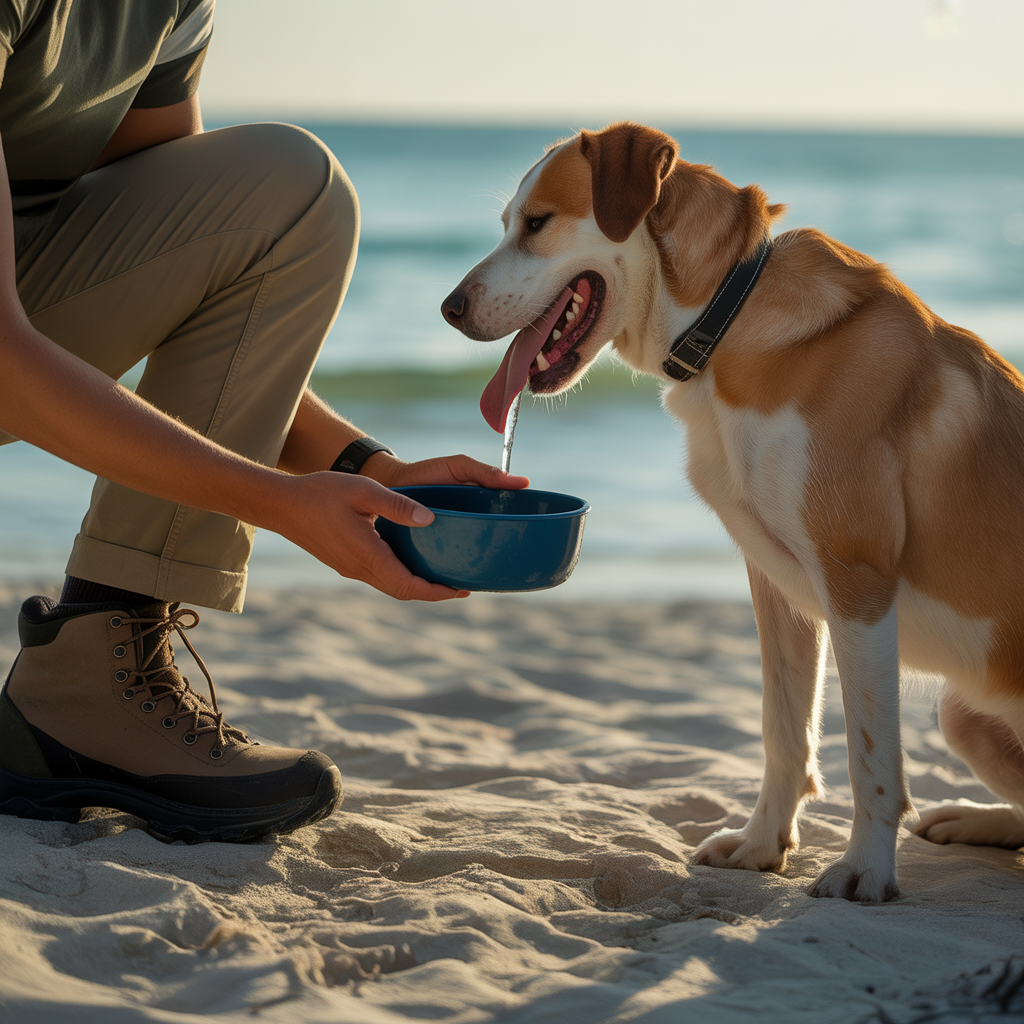
Hydration is critical. Dogs cannot tell you when they are thirsty, so you need to offer water regularly. A collapsible dog bowl packs flat and weighs almost nothing. Bring more water than you think you need for both of you. A good rule of thumb is one extra liter per dog per five miles of trail.
Pack a dog first aid kit specifically designed for trail use. It should include bandaging materials for paw injuries, tweezers for thorns or splinters, antiseptic wipes, and a space blanket. Small cuts and pad abrasions are the most common trail injuries in dogs.
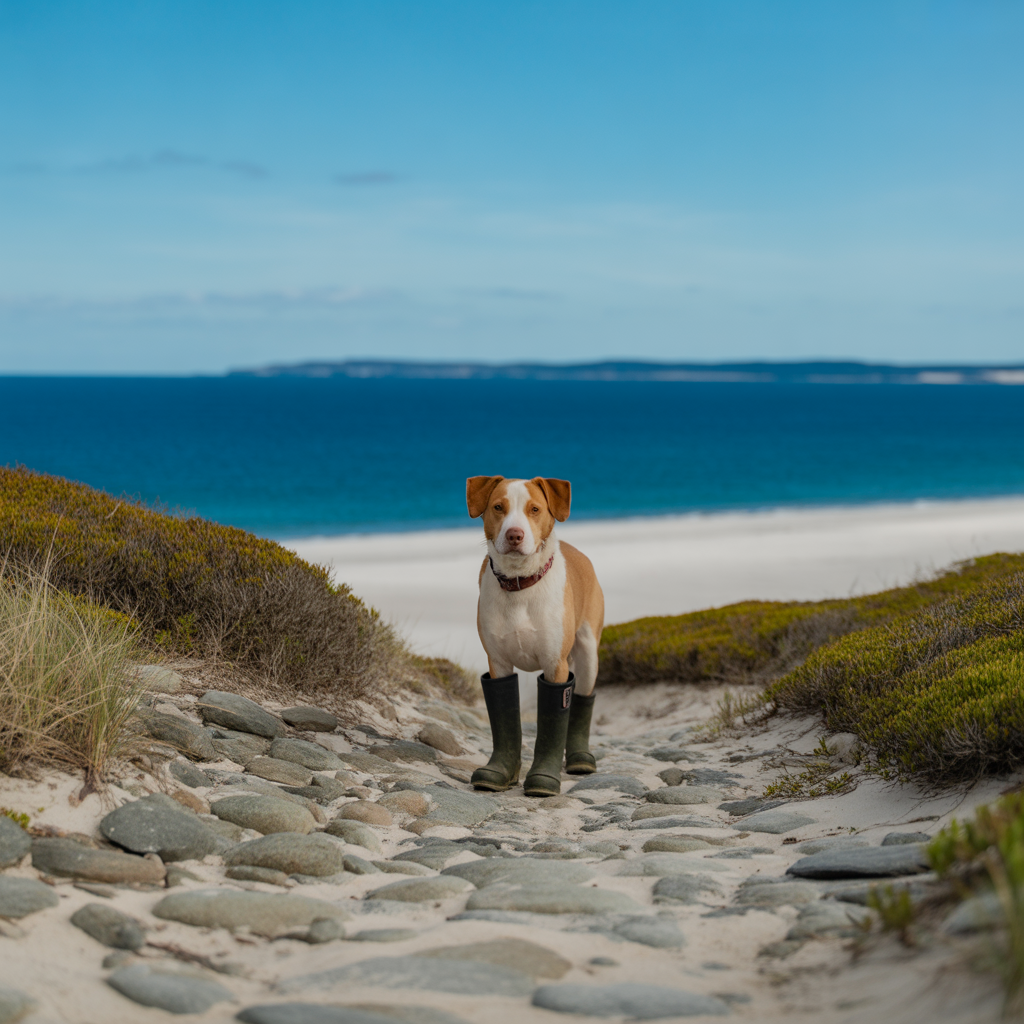
If your dog has sensitive paws or you are hiking on hot sand, gravel, or rocky terrain, consider dog paw balm applied before and after the hike to protect and soothe the pads. Dog hiking boots are another option for extreme surfaces, but most dogs need several days of acclimation before they will walk comfortably in them.
On warm-weather hikes, pack a cooling vest for breeds prone to overheating. These are especially useful on coastal trails with high humidity and direct sun, where the heat index can rise quickly.
On-Trail Safety: What to Watch For
The number one thing to monitor while hiking with your dog is overheating. Signs of heat stress include excessive panting that does not slow down with rest, drooling more than usual, bright red gums, and unsteady walking. If you see these signs, stop immediately, move to shade, offer water, and pour cool (not cold) water on their paw pads and belly. Do not keep hiking. Get your dog to a vet if symptoms do not improve within a few minutes.
Also check your dog frequently for ticks, especially after hiking through tall grass, coastal brush, or dense undergrowth. According to the Centers for Disease Control and Prevention, ticks are active in many regions year-round and can transmit serious diseases to both dogs and humans. Talk to your vet about tick prevention options before hiking season, and do a full body check on your dog at the trailhead before getting in the car.
Watch the paws. Hot sand, sharp rocks, and rough terrain can all cause pad injuries faster than you might expect. If your dog starts limping or sitting down repeatedly, check all four paws before continuing. Cracked, bleeding, or cut pads mean the hike is over for the day.
Trail Etiquette When Hiking With a Dog
Hiking with a dog comes with real responsibilities to other trail users. Always keep your dog on leash unless you are in a designated off-leash area, even if your dog is perfectly behaved, other hikers or dogs may not be, and wildlife encounters can change your dog’s behavior instantly.
Step off the trail to the side when other hikers approach, and ask before letting your dog greet a stranger or another dog. Not everyone on the trail is comfortable around dogs, and that is completely valid. Put your dog in a sit or stand calmly by your side as others pass.
Always pick up after your dog. Carry enough waste bags and pack them out, do not leave them on the trail or hanging from a branch. Dog waste carries pathogens that can harm local wildlife and contaminate water sources. This is a basic rule with no exceptions.
After the Hike: Recovery and Care
Once you are back at the car, do a thorough check of your dog from nose to tail. Look between the toes, under the collar or harness, around the ears, and along the belly for ticks, burrs, thorns, or abrasions. Wipe paws with a damp cloth and apply paw balm if the pads look dry or cracked.
Offer water right away, but hold off on a big meal for at least thirty minutes after vigorous exercise. Let your dog rest and watch for signs of soreness or fatigue over the next 24 hours. A dog that is stiff the next morning hiked hard enough. Give them an easier day next time and gradually build their trail fitness just as you would your own.
Frequently Asked Questions
How much water should I bring when hiking with my dog?
A practical starting point is to bring at least one liter of water per dog for every five miles of hiking, plus extra if conditions are warm, sunny, or humid. That said, you know your dog best. A larger, more active dog will need more water than a smaller or less energetic breed. On a hot coastal trail with direct sun and high humidity, water needs can increase significantly. Offer water every 30 minutes or so during the hike rather than waiting for your dog to show signs of thirst, dogs often do not slow down to drink until they are already mildly dehydrated. A lightweight collapsible bowl makes offering water on trail quick and easy. Avoid letting your dog drink from streams or puddles without knowing the water source is safe, as natural water sources can harbor bacteria and parasites that cause serious illness in dogs.
Do dogs need hiking boots for trails?
Most dogs do not need hiking boots for regular dirt or grass trails, but they can make a real difference in specific conditions. Extremely hot pavement or sand, sharp rocky terrain, winter trails with ice or salt, and trails with heavy cactus or thorny ground cover are all situations where boots provide meaningful protection. The challenge is that most dogs resist wearing boots at first. If you want to use them, introduce boots at home well before your hike, let your dog wear them indoors for short periods and reward them generously. Fit matters a lot with dog boots, so measure your dog’s paws carefully and check size guides before buying. As an alternative to boots, applying paw balm before and after hiking can provide meaningful protection on moderately rough terrain without the acclimation challenge.
Can I let my dog off leash on hiking trails?
Only in areas that are specifically designated as off-leash zones, and only if your dog has a reliable recall, meaning they come back to you immediately every single time you call, regardless of distractions. Most hiking trails require dogs to be leashed at all times, and violating this rule can result in fines on some public lands. Even on off-leash trails, there are good reasons to keep the leash handy. Wildlife encounters can trigger a chase instinct in even the most well-trained dog. Other hikers or dogs on the trail may not want an approach. And in dense vegetation or rugged terrain, a dog that runs ahead can get injured or lost before you even realize what happened. When in doubt, keep the leash on. It protects your dog, other trail users, and the local wildlife.
What should I do if my dog gets injured on the trail?
Stay calm, assess the injury, and do not force your dog to keep walking if they are in pain. For minor paw cuts, clean the wound with antiseptic wipes, apply a bandage from your dog first aid kit, and carry or support your dog back to the trailhead if they cannot walk comfortably. For deeper wounds, suspected broken bones, or signs of internal injury, keep your dog still and warm, and get them to a veterinarian as quickly as possible. This is why it is always smart to hike with a fully charged phone, know the trailhead location for emergency services, and not hike too far from your car on your early outings with your dog. If you are hiking in a remote area, let someone know your plan and expected return time before you leave.
The Bottom Line
Learning how to hike with your dog is genuinely one of the best outdoor decisions you can make. The preparation is straightforward, the gear is manageable, and the payoff of watching your dog light up on a trail, is hard to beat.
If this is your first time hitting the trail together, start with a short, flat, dog-friendly route and focus on getting the basics right: water, a properly fitted harness, a leash, waste bags, and a first aid kit. That alone puts you ahead of most first-time dog hikers.
If you have done a few outings and are ready to push further, start layering in additional gear like a cooling vest for warm-weather hikes or paw protection for rougher terrain. And always check trail rules before you go, a quick search on AllTrails for dog-friendly routes in your area takes about two minutes and saves real headaches.
Most importantly, pay attention to your dog on the trail. They will tell you what they need if you know what to look for. Take your time, build up gradually, and enjoy the process. Some of the best hikes you will ever take will be the ones with a leash in your hand.
Disclosure: As an Amazon Associate, we earn from qualifying purchases. This does not affect our editorial recommendations.