
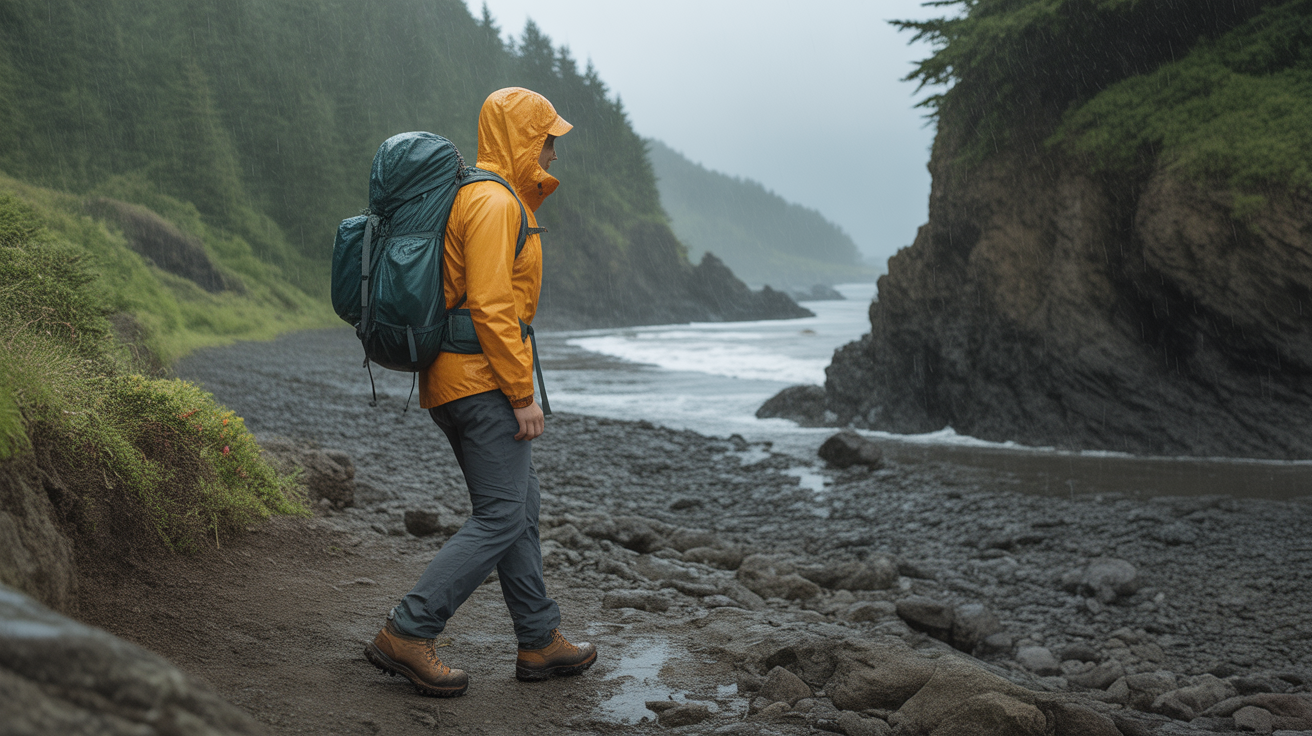
How to hike in the rain without misery is something most hikers figure out the hard way — soaked through, chilled to the bone, counting the minutes until they reach the trailhead. Rain does not have to ruin a hike. With the right gear and a few smart habits, a wet trail can actually be one of the most atmospheric and rewarding hikes you will ever take.
The problem is that most people either overprepare (hauling a full waterproof wardrobe for a light drizzle) or underprepare (stuffing a cheap plastic poncho in their bag and hoping for the best). This guide lives in the practical middle ground. Whether you got caught off-guard by a surprise storm or you are intentionally planning a hike in wet weather, here is exactly what works — what to wear, what to carry, and how to stay comfortable when the sky opens up.
What to Look For
Start With the Right Outer Layer
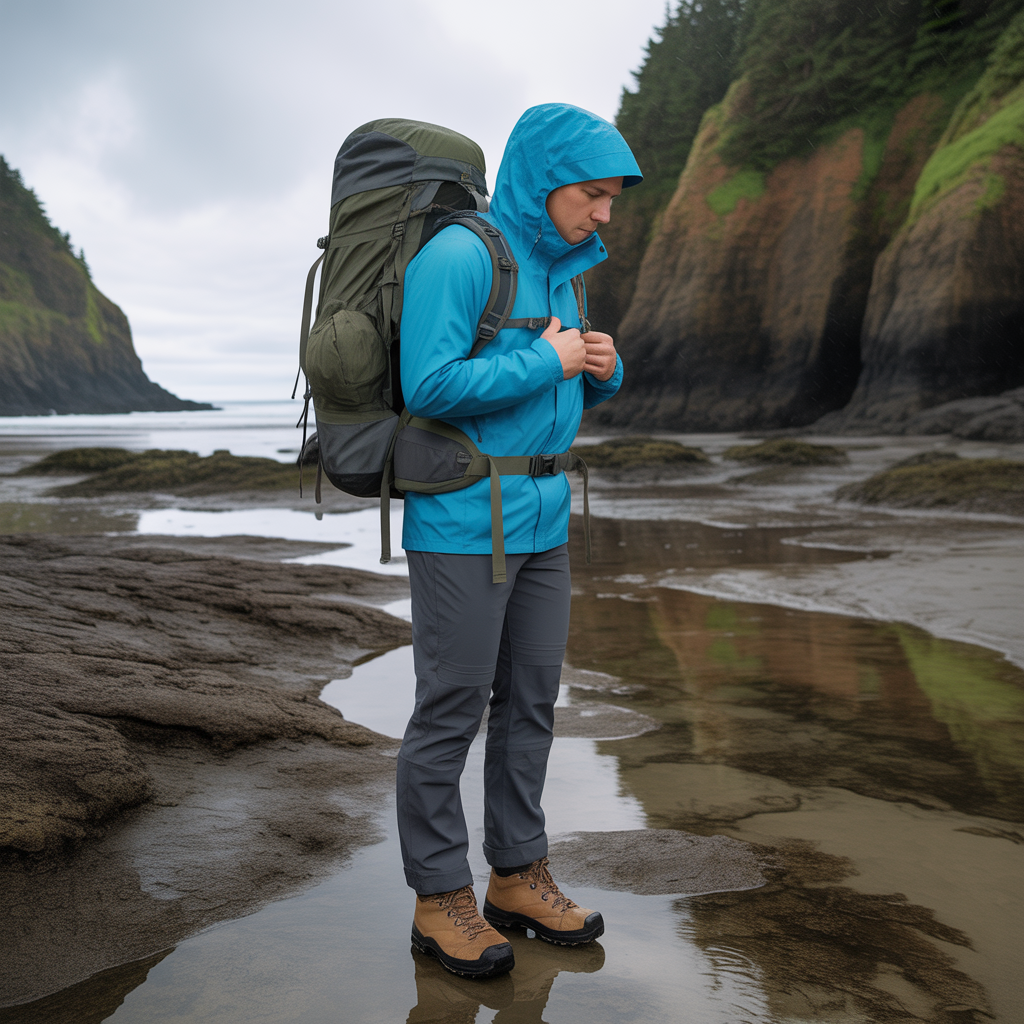
Your single most important piece of rain gear is what goes on the outside. A quality rain jacket designed for hiking is not the same as a casual waterproof jacket you grab at a department store. Hiking rain jackets use DWR (durable water repellent) coatings and sealed seams to block rain while still allowing moisture vapor — sweat — to escape outward. This breathability is the difference between staying dry and steaming inside your own shell. Look for jackets with a hood that adjusts snugly around your face and pit zips or venting panels for airflow on uphills. If you are on a lighter budget or doing easier terrain, a lightweight hiking poncho is a legitimate option — they cover your pack too, which is a real bonus in heavy rain.
Layer Underneath — Cotton Is the Enemy
Rain jackets can only do so much if your underlayers trap cold moisture against your skin. Cotton is the classic mistake: it absorbs water, holds it, and drops your body temperature fast. The solution is a merino wool base layer or a synthetic moisture-wicking layer worn directly against your skin. Merino wool is particularly useful in rain because it regulates temperature whether wet or dry, resists odor, and feels soft rather than clammy. Over that, a light fleece or insulating mid-layer adds warmth without bulk. The goal is a system: moisture moves away from your skin, insulation traps warmth, and the outer shell blocks the rain.
Keep Your Feet Dry — or Accept That They Will Not Be
Foot management in rain is where most hikers go wrong. Waterproof boots or waterproof trail runners help in light to moderate rain, but in a genuine downpour or when crossing wet vegetation, water will eventually find its way in over the cuff. The smarter strategy is pairing decent water resistance with the right socks. Wool-blend hiking compression socks stay warm even when damp, which changes the experience entirely. Avoid thin cotton ankle socks — they will leave you with cold, pruned feet and a much higher risk of blisters. If you are hiking through tall wet grass or muddy sections, mud gaiters worn over your boots and lower pants are a simple way to keep debris and water out of your footwear for longer.
Protect Your Pack and Gear Inside It
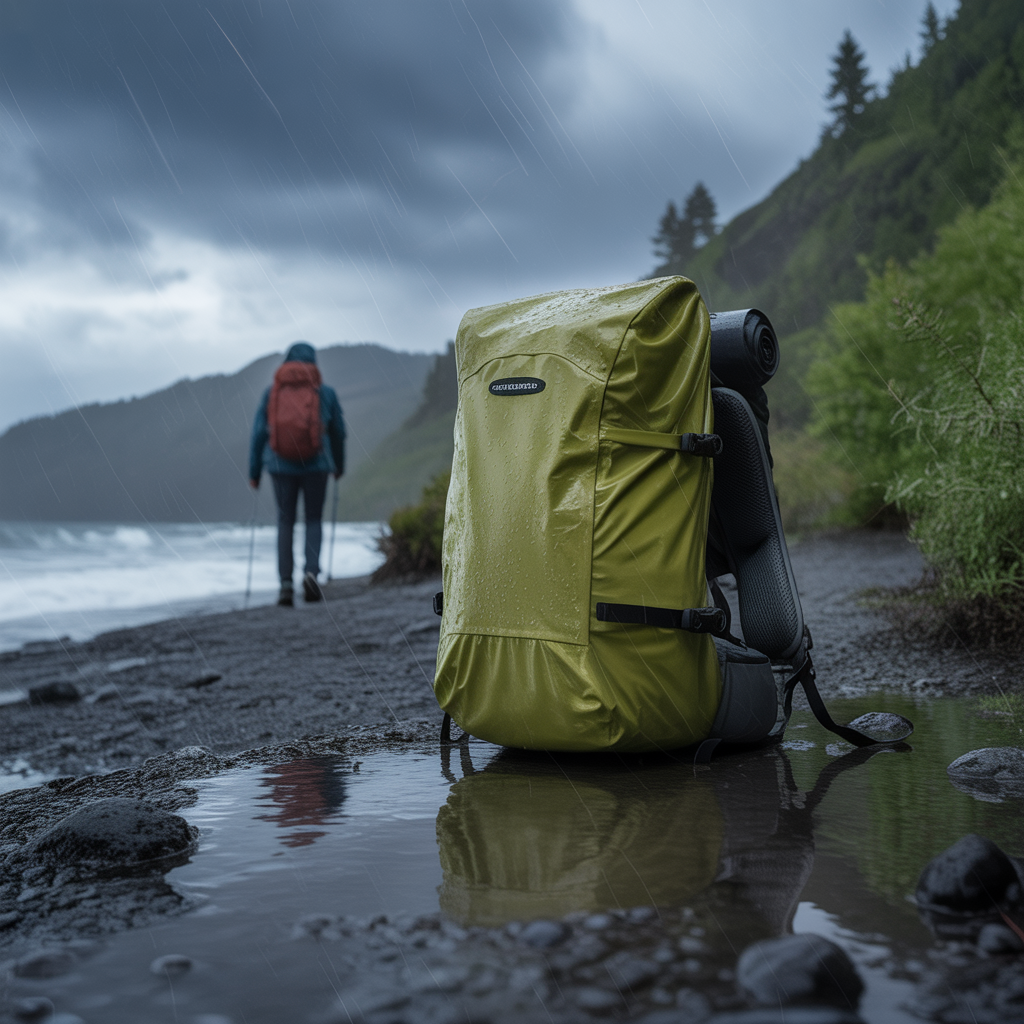
Even packs labeled as water-resistant will soak through in sustained rain. A pack rain cover — a stretchy, waterproof cover that fits over your entire bag — is cheap, lightweight, and takes up almost no space. Alternatively, line the inside of your pack with a large trash compactor bag before loading it, which protects everything even if the exterior gets saturated. For electronics like your phone, a small dry bag inside your pack gives you reliable protection without bulk. Keep items you need quick access to — snacks, a map, your phone — in a ziplock or small waterproof pouch in an outer pocket.
Trail Tactics That Make Rain Hiking Safer
Gear solves most of the comfort equation, but how you hike in the rain matters just as much. Wet trails change underfoot — roots and rocks become slippery, stream crossings run higher, and visibility drops. Slow down your pace on technical terrain. Trekking poles are genuinely valuable in wet conditions, giving you two extra points of contact when the ground becomes unpredictable. Check trail conditions before you go — many trail apps and ranger stations post updates after rain events. According to the National Park Service, trail closures after heavy rain are common and exist to protect both hikers and the trail itself. If a trail is closed or a crossing looks unsafe, turn around.
Managing Body Temperature — Stay Warm Before You Get Cold
The biggest mistake in rain hiking is waiting until you are already shivering to add a layer. Once your core temperature drops, it takes real effort and time to recover it. Put your rain jacket on before you feel cold — usually when rain starts or when you stop moving. During breaks, step under tree cover if available and pull on an insulating layer immediately. Eat something caloric and drink water consistently; both help maintain your warmth and energy levels. If you start feeling confused, unusually tired, or stop shivering when you should be cold, those are signs of hypothermia and you need to get warm and get off the trail. A good reference for recognizing and responding to hypothermia is available at REI’s hypothermia guide. Rain hiking is safe and enjoyable for the vast majority of hikers — knowing the early warning signs just makes it even safer.
Frequently Asked Questions
What should I wear hiking in the rain?
The core principle is layering with non-cotton materials. Start with a moisture-wicking or merino wool base layer directly against your skin — it moves sweat away and keeps you from feeling clammy. Add a light insulating mid-layer like a fleece if temperatures are cool. On the outside, a waterproof or water-resistant rain jacket with a fitted hood is your primary defense against rain. For your legs, synthetic or wool-blend hiking pants shed water better than cotton denim, which becomes heavy and cold when wet. On your feet, aim for water-resistant footwear paired with wool-blend socks that stay warm even if they get damp. The goal of the whole system is to keep moisture moving away from your body while blocking rain from getting in. Avoid packing only a single waterproof layer with nothing insulating underneath — if temperatures drop or rain persists, you will get cold fast without that mid-layer buffer.
Is it safe to hike in the rain?
Hiking in the rain is safe for most conditions when you prepare properly. The main risks are slippery terrain, hypothermia if you get wet and cold without proper layers, and flash flooding in canyon or desert environments. Slippery roots and rocks account for most rain-related trail injuries — slow your pace and use trekking poles on technical sections. Hypothermia risk is real but manageable with the right layering system and by adding warmth before you get cold rather than after. Flash flooding is a separate concern specific to certain terrain types — never hike in slot canyons or dry creek beds when rain is in the forecast upstream. For most forest, coastal, and mountain trails, rain simply requires adjusted gear and a slightly more conservative approach. Check trail conditions before you go, tell someone your plan, and know your turnaround point. Rain hiking with preparation is a normal and rewarding outdoor activity.
Does a rain jacket actually keep you dry while hiking?
A good hiking rain jacket keeps you dry from external rain while allowing internal moisture — sweat — to escape outward through breathable membranes like Gore-Tex or similar proprietary fabrics. In light to moderate rain, a quality jacket with properly taped seams and a DWR coating will keep your torso dry for hours. In sustained heavy rain, no jacket is completely impervious forever — seam tape degrades over time and DWR treatments need reapplying periodically (a warm dryer cycle often reactivates DWR). The key distinction is between a hiking-specific rain jacket and a fashion waterproof jacket. Hiking jackets are engineered for breathability under exertion — without it, you generate so much sweat that you end up nearly as wet from the inside as you would from rain. Pair your rain jacket with moisture-wicking layers underneath, and it performs dramatically better than worn over cotton. Refresh your DWR treatment once a year if you hike regularly in wet weather.
How do I keep my backpack dry in the rain?
There are two reliable methods and most experienced hikers use both together. The first is an external pack rain cover — a stretchy, form-fitting waterproof cover that goes over the outside of your pack. These are often sold as pack accessories and some packs include one. They keep the exterior dry and are quick to deploy when rain starts. The second method is an internal liner — a large heavy-duty plastic bag (a trash compactor bag works well) packed inside your bag before you load it, with your gear packed inside the liner. This protects your gear even if rain soaks through the pack shell. For your phone and any electronics, a small dry bag adds a reliable extra layer of protection. Use both methods on any hike where rain is possible — the combined weight is almost nothing and the peace of mind is significant.
What are the best hiking pants for rainy weather?
For rainy conditions, look for hiking pants made from synthetic materials like nylon or polyester with a DWR (durable water repellent) finish. These shed light rain and dry quickly when wet, unlike denim or cotton which absorb moisture and become cold and heavy. Women have excellent options in women’s hiking pants designed specifically for varied weather, and men have comparable options built for wet conditions as well. Softshell pants are another solid choice for cold rainy days — they are more wind and water resistant than standard hiking pants and warmer than a single synthetic layer. In very heavy rain, some hikers add a lightweight waterproof rain pant over their regular hiking pants for full lower body coverage. The most important thing to avoid is cotton — jeans and cotton chinos are genuinely uncomfortable and potentially dangerous in cold wet conditions because they lose all insulating ability when saturated.
The Bottom Line
Learning how to hike in the rain without misery comes down to three things: the right outer layer, the right underlayers, and adjusting how you move and make decisions on the trail. None of it requires expensive gear or a complicated kit. A solid rain jacket, a merino or synthetic base layer, moisture-managing socks, and a dry bag for your phone and electronics cover the vast majority of wet-weather hiking situations.
If you hike regularly in a place where rain is predictable — the Pacific Northwest, the Appalachians, coastal trails — it is worth investing in a proper waterproof jacket and wool-blend layers as permanent kit items. If rain catches you occasionally on otherwise dry-weather hikes, a packable lightweight poncho stuffed in the bottom of your bag and a change of dry socks in the car will handle most surprise showers.
Wet trails are quieter, cooler, and strangely beautiful in ways a bluebird day never quite matches. Once you know how to hike in the rain without misery, you stop watching the forecast with dread and start seeing cloudy days as a perfectly good reason to get outside.
Disclosure: As an Amazon Associate, we earn from qualifying purchases. This does not affect our editorial recommendations.