
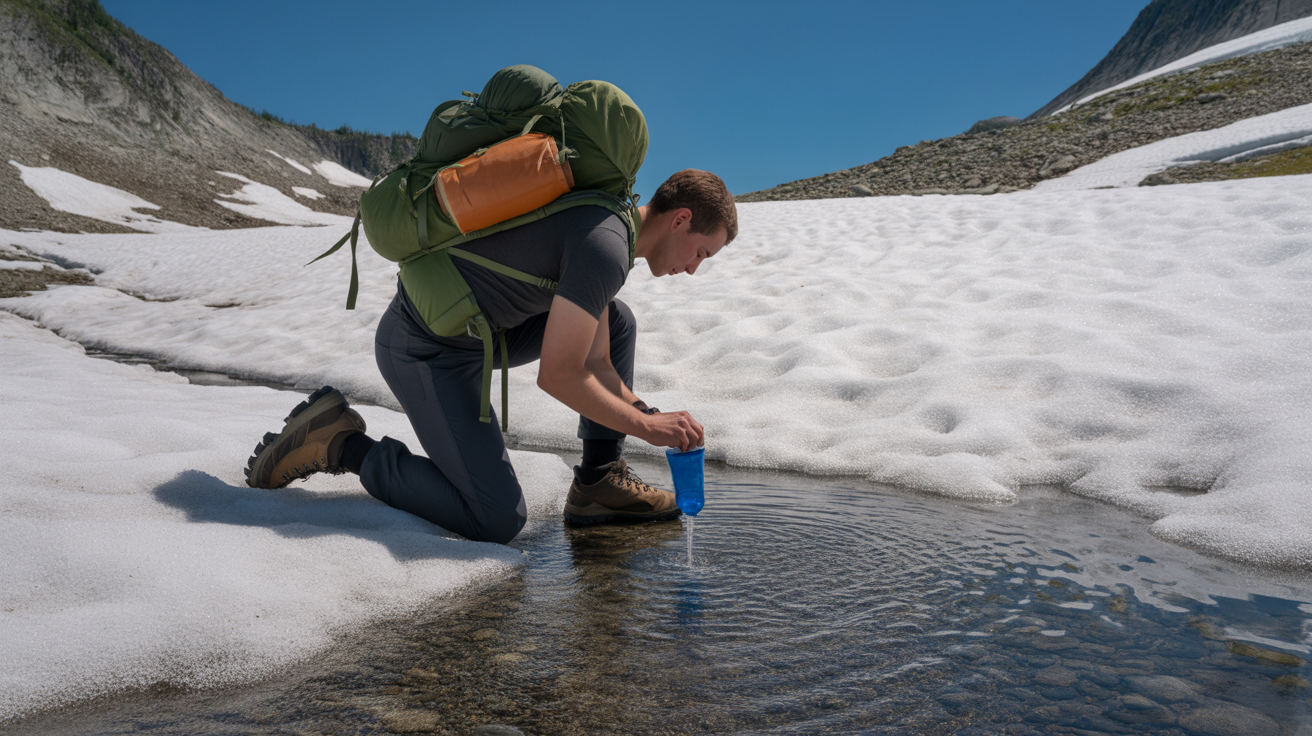
How to filter water on a backcountry hike is one of the most important skills any backpacker can develop – and also one of the most liberating. When you know how to source and treat water from streams, lakes, and snowmelt, you stop counting plastic bottles and start covering real miles without the weight penalty of carrying all your water from the trailhead.
Giardia is real, and untreated backcountry water is not a gamble worth taking. But the good news is that water treatment has never been easier, lighter, or more reliable than it is right now. Whether you are heading out for a single overnight or planning a week in the wilderness, this guide breaks down every filtration method available – comparing them honestly by weight, speed, and dependability – so you can choose the right system for how you actually hike.
What to Look For
Why Backcountry Water Treatment Is Non-Negotiable
Untreated water from even the most pristine-looking mountain stream can carry Giardia lamblia, Cryptosporidium, and various bacteria. These pathogens are invisible to the naked eye and can cause severe gastrointestinal illness that ruins a trip and requires medical attention. According to the CDC guidance on backcountry water treatment, filtering or chemically treating water before drinking is essential regardless of how clean the source appears. Understanding how to filter water on a backcountry hike is not optional – it is a core wilderness skill.
Squeeze Filters: The Lightweight Standard
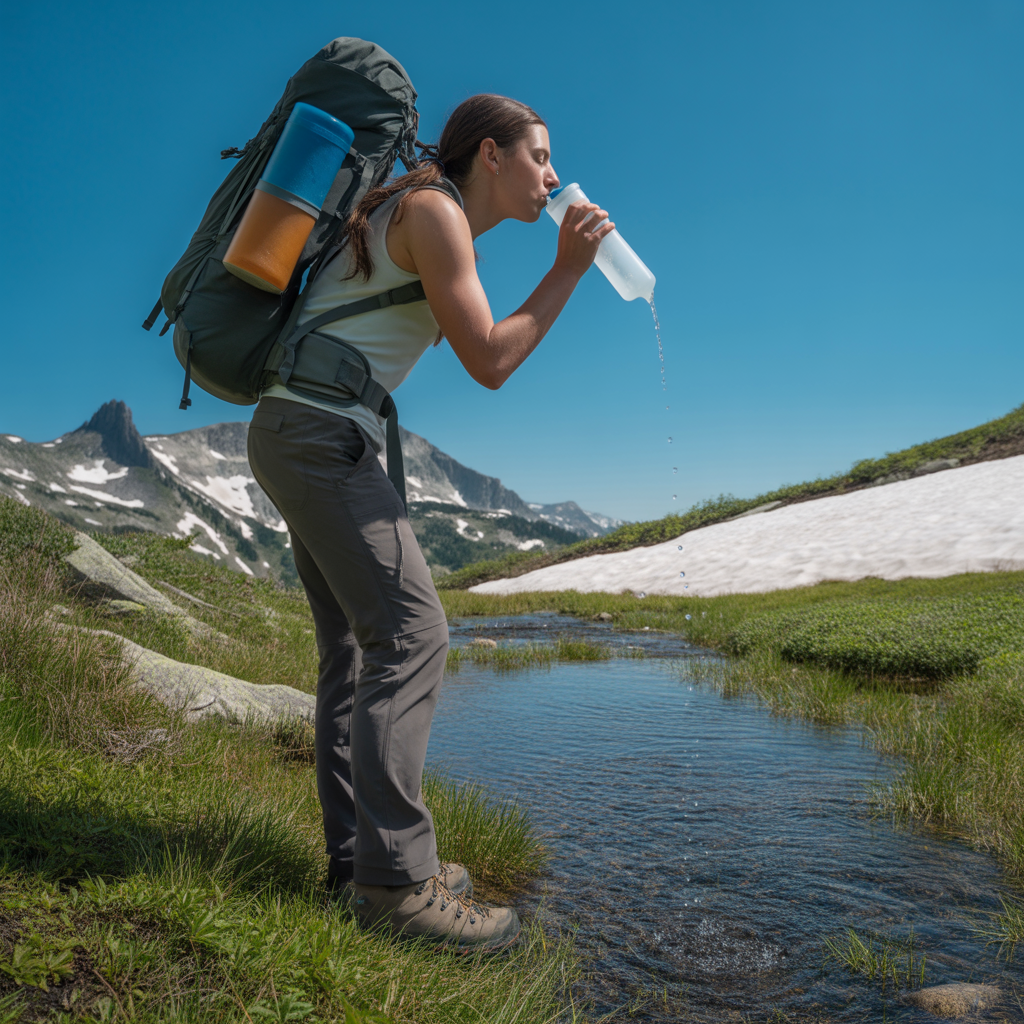
Squeeze filters are currently the most popular choice among backpackers who care about both weight and reliability. You fill a soft collapsible pouch with raw water, attach the filter element, and squeeze water through into your mouth or a clean container. The hollow-fiber membrane inside – a bundle of tiny tubular fibers with microscopic pores – physically blocks protozoa (like Giardia) and bacteria while allowing clean water to pass through. Most squeeze filter systems weigh between 2 and 3 ounces for the filter element alone, making them a genuine ultralight option. The trade-off is speed – squeezing water is slower than gravity systems, and the pouch threads can wear out over time. Cold temperatures can also affect performance if the membrane freezes. For solo hikers covering big miles, a squeeze filter is hard to beat on a pure weight-to-reliability ratio. This is one of the most capable categories of portable water filters for hiking on the market.
Pump Filters: Reliable but Heavier
Pump filters have been the backcountry standard for decades, and for good reason. You place the intake hose into a water source, the output hose into your container, and pump by hand. The mechanical action forces water through a hollow-fiber or ceramic element that removes protozoa and bacteria. Pump filters are exceptionally reliable in cold conditions and work well when you need to filter water from shallow or muddy sources. The downside is weight – most pump filters run 11 to 16 ounces – and they require regular maintenance like backflushing (pushing clean water backward through the filter to clear trapped sediment) and cleaning. For group travel or anyone who prioritizes certainty over grams, a pump filter is a proven workhorse. For solo or ultralight use, the weight penalty is significant compared to squeeze or gravity options.
Gravity Filters: Ideal for Groups and Camp Use
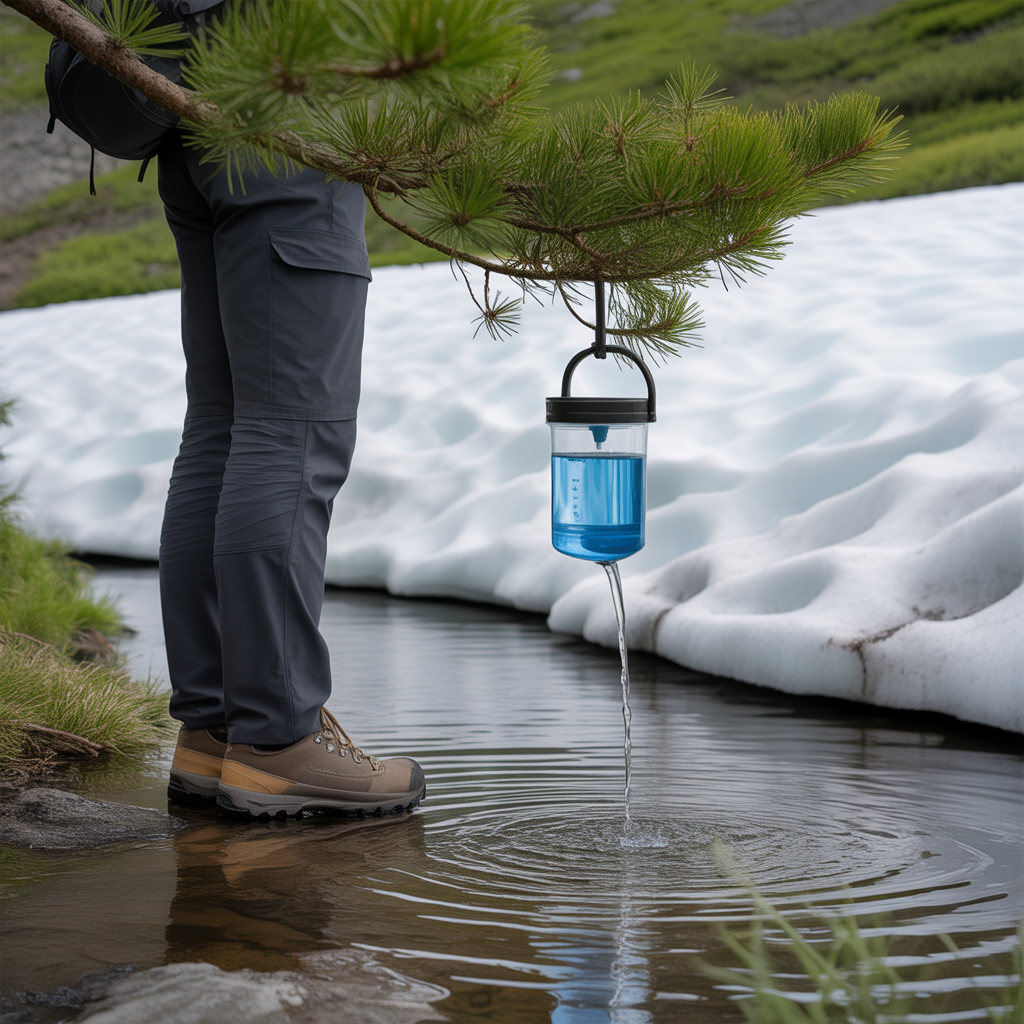
Gravity filters work by hanging a dirty water reservoir from a tree branch and letting gravity pull water through a filter element into a clean reservoir below. You do zero physical effort – just fill, hang, and wait. Flow rates vary but most gravity systems process two to four liters in about ten minutes, making them ideal for cooking, camp hydration, and groups of two or more. Weight is moderate – typically 3 to 5 ounces for the filter element, plus the weight of the reservoirs. Gravity filters are not practical on the move, so most backpackers set them up at camp while doing other tasks. If you are also using a hydration pack for on-trail drinking, a gravity filter at camp covers your camp water needs efficiently.
Chemical Treatment: The Featherweight Backup
Chemical treatment – using iodine tablets or chlorine dioxide tablets – adds virtually no weight to your pack and serves as an excellent emergency backup or primary treatment for very short trips. Chlorine dioxide (such as Aquatabs or Katadyn Micropur) is the preferred option because it is effective against Giardia and Cryptosporidium given enough contact time, whereas iodine does not reliably address Crypto. The main limitation is time: most chlorine dioxide tablets require 30 minutes to 4 hours of contact time depending on water temperature and clarity. Cold, turbid water dramatically reduces effectiveness. Chemical treatment is not a great primary system for multi-day trips where you need water quickly and frequently, but for an emergency kit weighing under half an ounce, it belongs in every pack.
UV Purifiers: Fast and Filter-Free
Ultraviolet light purifiers (like the SteriPen) use UV-C light – a specific wavelength of ultraviolet radiation – to disrupt the DNA of pathogens, rendering them unable to reproduce. They are fast – treating a liter of water in 60 to 90 seconds – and they address viruses, which hollow-fiber filters typically do not. The limitations are real: UV purifiers require batteries or USB charging, they do not physically remove sediment or improve taste, and they are less effective in cloudy or silty water. For international travel or areas with viral contamination risk, UV purification is worth the trade-off. For domestic backcountry use in North America, viral contamination in wilderness water is extremely low, so a hollow-fiber filter is generally sufficient. A UV device works best paired with a pre-filter or as a complement to another system.
How to Choose the Right System for How You Hike
The best water treatment system is the one you will actually use consistently. Solo hikers covering 15-plus miles per day tend to favor lightweight squeeze filters for their simplicity and minimal weight. Group backpackers and base-campers often prefer gravity systems for hands-free convenience at volume. Anyone heading into a region with both filter-resistant viruses and protozoa – think international destinations – should consider a UV purifier or a filter rated for viruses. Chemical tablets belong in every emergency kit regardless of your primary system. You can also find detailed breakdowns of top-rated options in our guide to the best portable water filters for hiking to narrow down specific models by budget and use case. Learning how to filter water on a backcountry hike is ultimately about matching the method to your trip style – not chasing the gear that looks best on paper.
Frequently Asked Questions
Is filtering water enough, or do I also need to purify it?
Filtering and purifying are related but different processes, and understanding the distinction matters for how to filter water on a backcountry hike safely. Filtering physically removes protozoa like Giardia and Cryptosporidium, and most filters also remove bacteria. However, most portable filters do NOT remove viruses, which are too small to be trapped by hollow-fiber membranes. Purification goes a step further and addresses viruses as well. In North American wilderness areas, the risk of viral contamination in backcountry water is extremely low because human population density near water sources is minimal. For day hikes and backpacking in places like the Rockies, Sierra Nevada, or Cascades, a quality hollow-fiber filter is generally considered sufficient. If you are traveling internationally or in areas with high human activity near water sources, upgrading to a purifier (UV device, chlorine dioxide tablets, or a filter explicitly rated for viruses) is the smarter choice. When in doubt, chemical treatment used alongside filtering covers all your bases.
How often do I need to replace or clean my water filter?
Most hollow-fiber filters are rated for tens of thousands of liters before the membrane needs replacement, but real-world performance depends heavily on water quality and maintenance habits. Silty or turbid water clogs filters much faster than clear water. The most important maintenance step is backflushing – pushing clean water backward through the filter to dislodge trapped sediment. Some filters include a syringe for this purpose; squeeze filters can be backflushed by blowing through the clean end or using a clean water bottle. Always backflush after filtering particularly dirty water and before storing the filter at the end of a trip. Never let a hollow-fiber filter freeze while it contains water – ice formation can crack the membrane and make it unsafe without any visible sign of damage. Store your filter in a dry location and perform a flow rate check before each trip. If flow is noticeably slower than normal after backflushing, it may be time to replace the element.
Can I drink directly from a mountain stream without getting sick?
This is one of the most common questions hikers ask when learning how to filter water on a backcountry hike. The honest answer is that even the clearest, fastest-moving mountain stream can carry Giardia cysts shed by wildlife like deer, elk, and rodents that drink from the same source upstream. You cannot see, smell, or taste Giardia in water. Infection causes bloating, severe diarrhea, cramps, and fatigue that can appear days to weeks after exposure and last for weeks if untreated. The good news is that effective treatment takes under two minutes with a squeeze filter or UV device and adds almost no weight to your pack. The risk-to-reward calculation here is not close. Treating all backcountry water every time is the right call, and once it becomes a habit, it is no more inconvenient than filling up your bottle at home.
What is the lightest way to filter water while backpacking?
If weight is your primary concern when thinking about how to filter water on a backcountry hike, the lightest viable options are squeeze-style hollow-fiber filters and chemical treatment tablets. Many squeeze filter elements weigh under 2 ounces. Chlorine dioxide tablets weigh less than half an ounce for a full trip supply. The two can also be combined: carry a filter as your primary system and tablets as a zero-weight emergency backup. UV purifiers are fast but require a battery-powered device that adds more weight and a failure point. Gravity filters work well at camp but the reservoirs add weight and bulk. For true ultralight backpacking, a sub-2-ounce squeeze filter paired with a few chlorine dioxide tablets covers every scenario without meaningful pack weight. The key is making sure your collapsible water pouch or soft-sided bottle is compatible with your chosen filter threading before you head out.
The Bottom Line
Knowing how to filter water on a backcountry hike changes the way you experience the wilderness. Instead of rationing heavy bottles from the trailhead, you have reliable access to water at every stream, lake, and snowmelt crossing along the route. That freedom is worth the ten minutes it takes to learn your system before you leave home.
For solo backpackers covering distance, a lightweight squeeze filter is almost always the right starting point. For groups or anyone who prefers convenience at camp, a gravity filter does the heavy lifting while you set up your shelter. For emergency preparedness on any trip regardless of primary system, a small supply of chlorine dioxide tablets weighs almost nothing and provides genuine peace of mind. For destinations outside North America where viral contamination is a real concern, a UV purifier or virus-rated filter rounds out your kit.
You do not need to overcomplicate this. Pick a system that matches how you actually hike, practice using it at home so it feels automatic on the trail, and treat every water source every time. That habit alone keeps you healthy, keeps single-use plastic out of the picture, and lets you focus on the reason you came out here in the first place. For a deeper look at specific filter models across every budget, our full guide to portable water filters for hiking will help you find the right match.
Disclosure: As an Amazon Associate, we earn from qualifying purchases. This does not affect our editorial recommendations.