
Knowing how to pick the right hiking hat for sun protection is one of the most practical decisions you can make before heading out on exposed terrain. If you have ever finished a ridge walk with a sunburned nose, a stinging scalp, or that uncomfortable stripe of red across your ears, you already know that a regular baseball cap is not doing the job. The sun on an open trail hits differently than it does in a parking lot, and the higher your elevation, the more intense that UV exposure becomes.
The good news is that finding the right hat does not require spending a fortune or wearing something that looks like you raided a fly fishing catalog. There are genuinely great options that protect your face, neck, and scalp without making you self-conscious on the trail. This guide will walk you through everything you need to know about hiking hats for sun protection so you can make a confident, informed choice before your next hike.
What to Look For
Why Sun Protection on the Trail Is More Serious Than You Think
Most people underestimate how much UV radiation increases with elevation. For every 1,000 feet you gain in altitude, UV intensity increases by roughly 4 to 5 percent. On a long ridge walk or an exposed summit approach, you could be taking in significantly more radiation than you would on flat ground at sea level. Wind and a cool breeze can mask how much sun you are actually absorbing, which means you often do not notice the damage until hours later. According to the CDC’s skin cancer prevention guidance, wearing protective clothing and hats is one of the most effective ways to reduce UV exposure during outdoor activity. Sunscreen helps, but a hat that physically blocks UV rays is a reliable first line of defense that does not wear off, sweat off, or need reapplication.
Understanding UPF Ratings on Hiking Hats
UPF stands for Ultraviolet Protection Factor, and it is the clothing equivalent of SPF. A hat with a UPF rating of 50 blocks roughly 98 percent of UV rays from passing through the fabric. Most quality hiking hats will advertise a UPF rating of 30, 40, or 50+. If a hat does not list a UPF rating at all, that is not necessarily a dealbreaker, but it is worth noting that tightly woven fabrics in darker or more saturated colors typically offer better UV blocking even without a formal rating. When you are comparing options, prioritize hats that clearly state their UPF rating, especially if you are planning hikes in direct sun or at higher elevations where UV exposure is at its peak.
Brim Size and Coverage: What Actually Protects You
This is where most hikers go wrong. A baseball cap with a forward-facing brim protects your forehead and partially shades your nose, but it leaves your ears, the back of your neck, and your cheeks completely exposed. Those are exactly the spots where trail hikers most commonly get burned. Here is a simple breakdown by brim style:
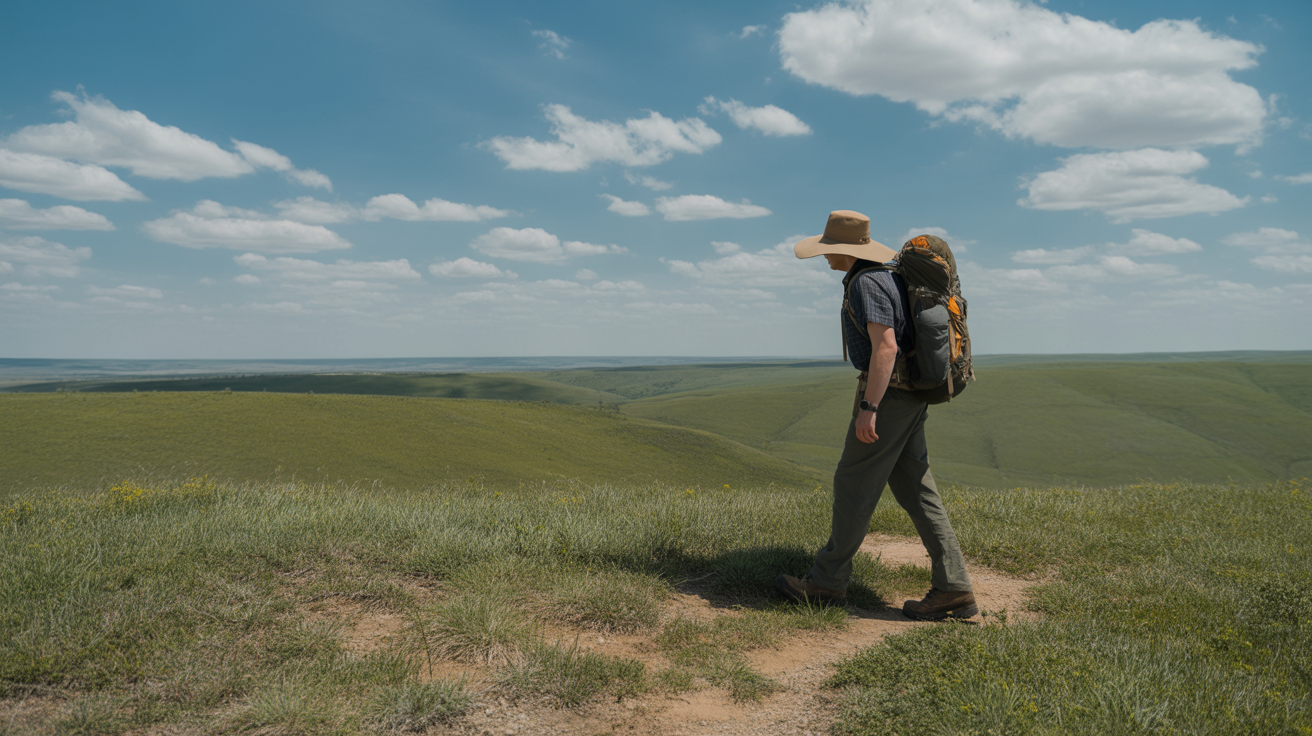
A full-brim or all-around brim hat provides 360 degrees of coverage and is the gold standard for sun protection on exposed trails. The brim should extend at least 3 inches to provide meaningful shade to your face and neck. A wide-brim hat with a 4-inch brim is ideal for long days above treeline.
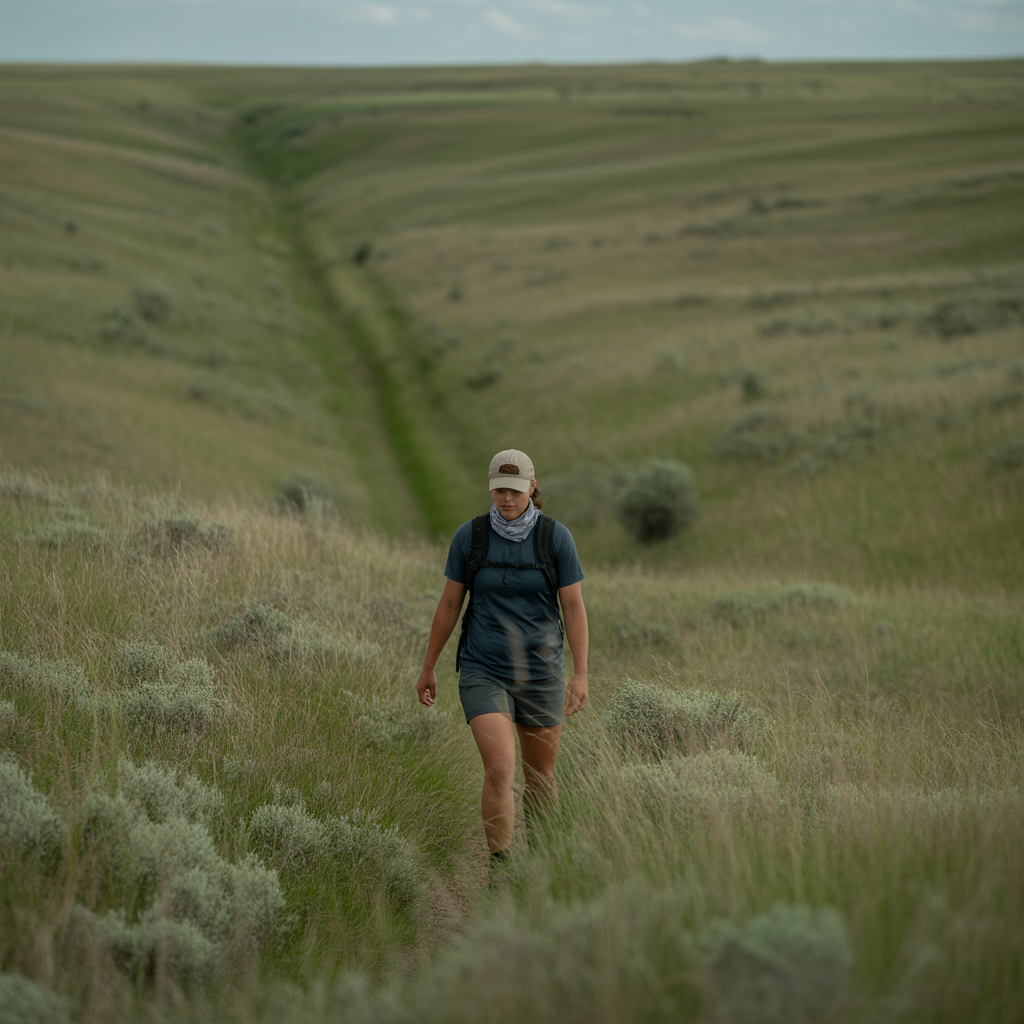
A baseball cap or trucker-style hat is fine for shaded forest trails where direct sun exposure is limited, but it falls short on open ridgelines and meadows. If this is your preferred style, pair it with a neck gaiter to cover the exposed skin at the back of your neck.
A bucket hat sits in the middle ground, offering better all-around coverage than a baseball cap but typically with a shorter brim than a dedicated wide-brim sun hat. It is a practical option for hikers who want something packable and casual.
Fit, Ventilation, and Comfort on the Trail
A hiking hat you will actually wear consistently is better than a technically superior hat that sits in your pack because it is too hot or uncomfortable. Ventilation matters a lot on warm-weather hikes. Look for hats with mesh panels, vented crowns, or lightweight fabrics that allow airflow. A hat that traps heat will feel miserable after the first hour.
Fit is equally important. Most hiking hats come in adjustable sizes using a drawstring, elastic band, or sweatband that cinches to your head. A hat that blows off on a breezy ridgeline is not protecting you from anything. Many hikers also look for a chin strap, which is genuinely useful in windy conditions at elevation. If you are hiking in open prairie, desert, or exposed grassland terrain where wind is a constant factor, a chin strap is not optional, it is practical.
Sweat management is another consideration. Look for moisture-wicking sweatbands inside the hat to keep sweat from dripping into your eyes, especially on longer hikes. Some hats also have removable liners or antimicrobial treatments to keep odor in check over multiple uses.
Material Choices and Packability
Nylon and polyester are the most common materials in hiking sun hats because they are lightweight, quick-drying, and hold their shape well. Cotton hats are comfortable and casual-looking, but they absorb sweat, take longer to dry, and can feel heavy when wet. On a day hike, cotton is manageable. On a longer outing or in humid conditions, synthetic materials will serve you better.
Packability is worth considering if you are carrying a hiking daypack and want to tuck your hat away when you drop into shade. Many nylon wide-brim hats can be rolled or crushed and spring back into shape, making them easy to stuff into a side pocket without permanently creasing the brim. Straw-style hats look great but are generally less packable and less durable on technical terrain.
Style Concerns Are Valid and Easy to Address
A lot of hikers avoid wide-brim hats because they assume they will look eccentric. This concern is understandable, but the designs available today are a long way from the oversized floppy hats of the past. Modern hiking sun hats come in streamlined profiles with structured brims, neutral colorways like khaki, olive, navy, and black, and low-profile designs that look intentional rather than awkward. You can also find options that are genuinely outdoor-casual enough to wear from the trailhead to lunch in town without standing out. Pair your hat with quality sunglasses for hiking and you have a complete sun protection setup that looks purposeful rather than reactive. If full-brim hats really are not your preference, a structured bucket hat or a performance baseball cap paired with sunscreen on exposed areas is a reasonable compromise. The key is making a deliberate choice rather than defaulting to whatever cap you grabbed on the way out the door.

Frequently Asked Questions
What type of hat is best for sun protection while hiking?
A wide-brim hat with a full 360-degree brim of at least 3 to 4 inches is the most effective style for sun protection on exposed hiking trails. It shades your face, ears, the back of your neck, and your cheeks simultaneously, which are all areas that get burned on open ridgelines and treeless terrain. Look for a UPF rating of 50+ and a lightweight, breathable fabric like nylon or polyester to stay comfortable during physical activity. If you prefer a more casual look, a bucket hat offers decent all-around coverage as a practical middle ground. Baseball caps can work in shaded environments but leave too much skin exposed for long days in direct sun. Whatever style you choose, make sure it fits securely and stays on in wind, especially at higher elevations where gusts are common.
What does UPF 50+ mean on a hiking hat?
UPF stands for Ultraviolet Protection Factor, and it measures how much UV radiation the fabric of a hat or garment blocks from reaching your skin. A UPF rating of 50+ means the fabric blocks approximately 98 percent of UV rays. To put that in context, a plain white cotton t-shirt typically has a UPF of around 5 to 7, meaning it blocks very little UV radiation. When you are shopping for a hiking hat for sun protection, a UPF rating of 30 is considered good, 40 is very good, and 50+ is considered excellent. The higher the rating, the more protection you are getting without needing to rely as heavily on sunscreen for areas covered by the hat. This is especially relevant at elevation where UV intensity is significantly higher than at sea level.
Should a hiking hat have a chin strap?
A chin strap is a practical feature rather than a style accessory, and for many hiking conditions it makes a real difference. On exposed ridgelines, mountain summits, or open grassland terrain where wind is unpredictable, a hat without a chin strap can blow off repeatedly. That is both annoying and counterproductive since a hat that ends up in your hand is not protecting your face or neck. Chin straps on quality hiking hats are usually thin and adjustable, and they sit far enough back that they are easy to ignore when you do not need them. If you hike primarily in calm, forested conditions, a chin strap is a nice optional feature. If you hike exposed terrain regularly, it should be a deciding factor when choosing between otherwise similar hats.
Can I wear a regular baseball cap for sun protection while hiking?
A standard baseball cap will shade your forehead and partially cover your nose, but it leaves your ears, neck, and cheeks fully exposed to UV rays. On short, shaded hikes this may be enough. But on open trails, ridge walks, or any exposed terrain where the sun is hitting from multiple angles, a baseball cap falls well short of real protection. If a baseball cap is your preferred style, you can meaningfully improve your coverage by pairing it with a neck gaiter to protect the back of your neck and ears, and applying sunscreen consistently to all exposed skin. That said, if you keep coming home from hikes with a burned nose, ears, or neck, that is a clear signal that your current hat is not getting the job done and a wide-brim option is worth trying.
How do I keep a hiking hat from getting too hot in summer?
Ventilation is the main factor that determines how comfortable a hiking hat feels during warm-weather activity. Look for hats with mesh side panels or a vented crown that allows hot air to escape as you move. Lightweight synthetic fabrics like nylon and polyester breathe much better than cotton and also dry faster when you sweat. A moisture-wicking sweatband inside the hat helps pull sweat away from your forehead so it does not drip into your eyes on the climb. Lighter colors also reflect more sunlight than dark colors, which can help reduce heat buildup on the exterior of the hat. If you are hiking in very hot conditions, some hikers wet their hat briefly at a water source to add an evaporative cooling effect, which works well with quick-dry synthetic fabrics. Pairing your hat with a hydration pack to stay well-hydrated goes a long way toward managing overall heat on the trail.
The Bottom Line
Knowing how to pick the right hiking hat for sun protection comes down to a few key decisions: how much coverage you actually need for your typical terrain, whether the hat fits securely enough to stay on in wind, and whether it is comfortable enough that you will reach for it every time you head out. A wide-brim hat with a UPF 50+ rating and good ventilation covers all the fundamentals for most hikers.
If you spend most of your time on shaded forest trails, a bucket hat or a well-fitted cap with consistent sunscreen application may be enough. If you regularly hike open ridgelines, exposed meadows, or any terrain above treeline, a full-brim hat is the most reliable choice you can make for long-term skin health on the trail. You can review some of the top-rated options directly in our guide to the best hiking hats for sun protection to see which styles and features best match your hiking habits. Getting sunburned on the trail is not a rite of passage. With the right hat, it is entirely avoidable.
Disclosure: As an Amazon Associate, we earn from qualifying purchases. This does not affect our editorial recommendations.